Artwork
Het stadhuis op de Dam in Amsterdam
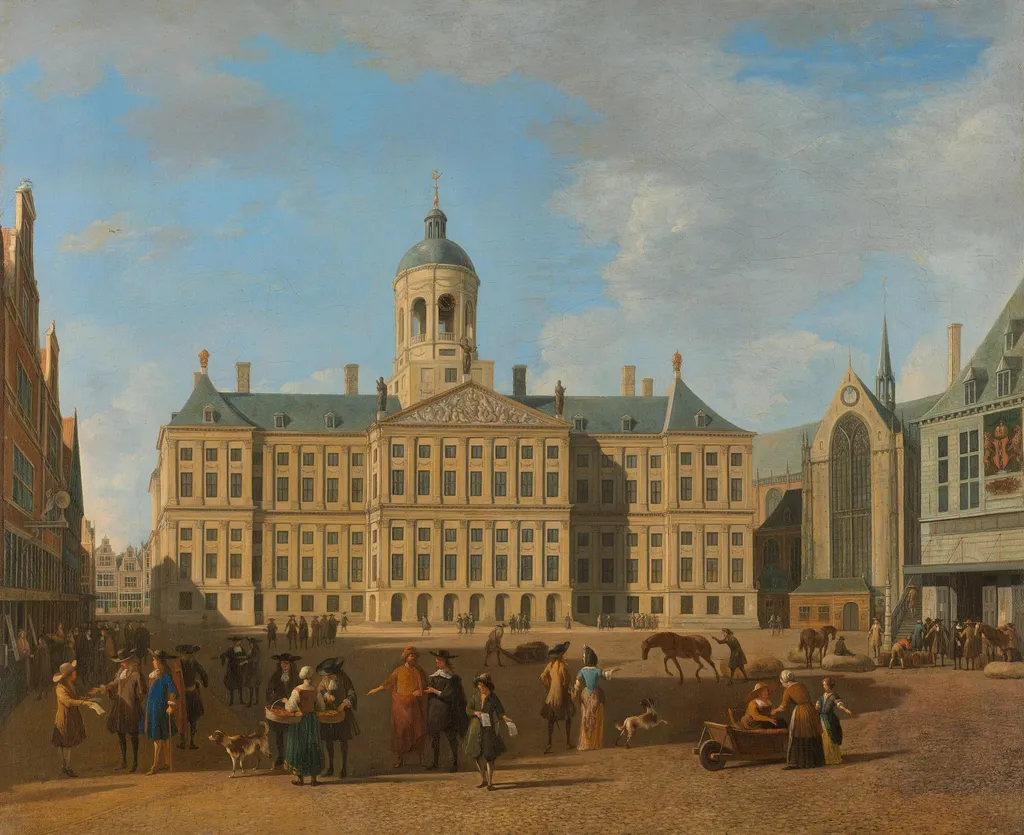
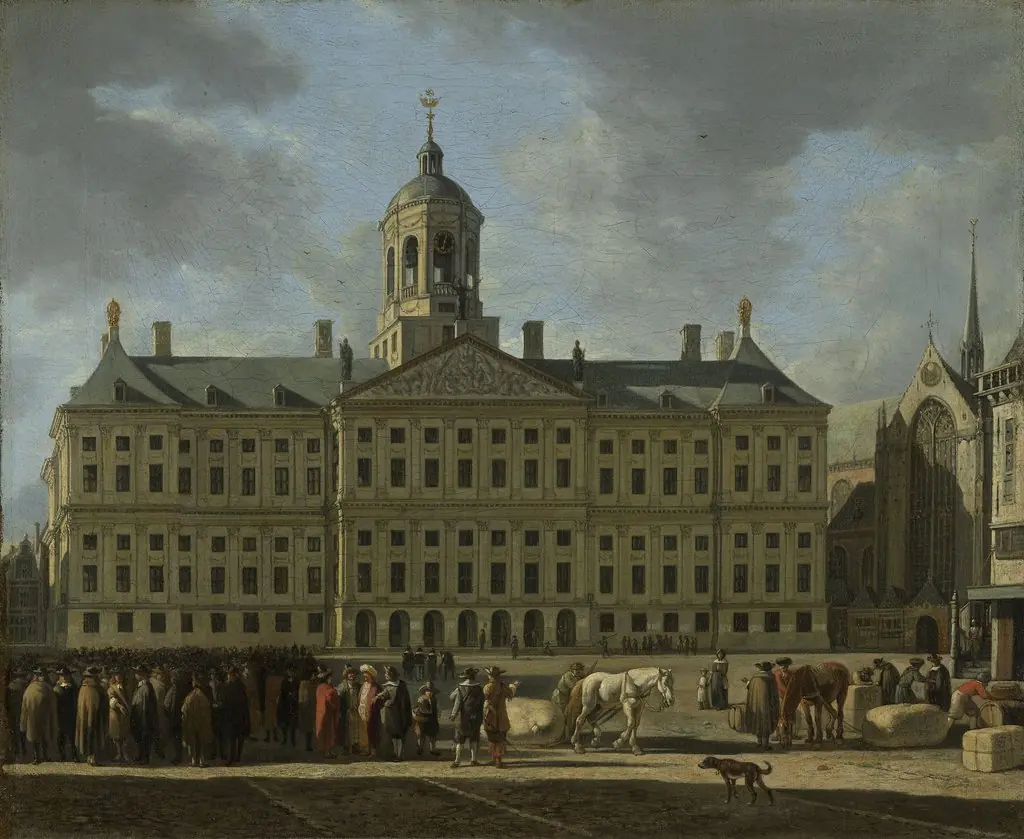
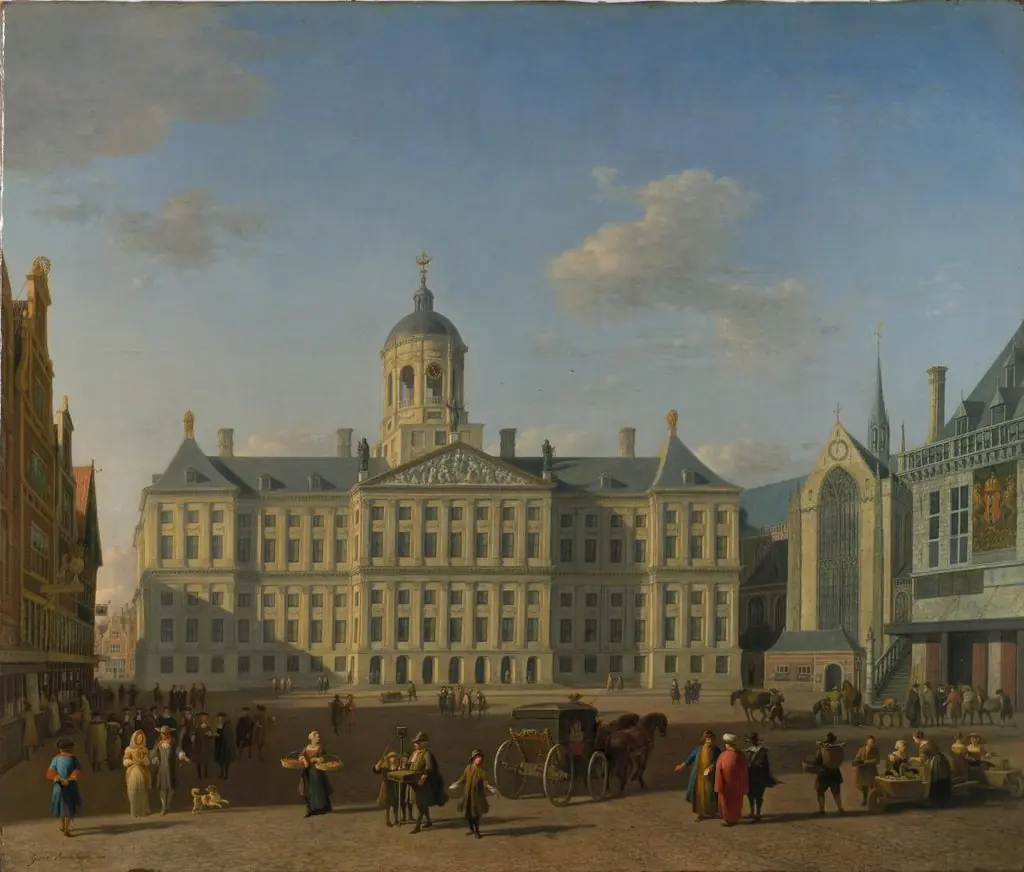
Het stadhuis op de Dam in Amsterdam is an unspecified painting by the Rococo painting artist Gerrit Adriaenszoon Berckheyde. It dates from 1693 and is held in the collection of the Rijksmuseum. Painted in 1693, this work depicts the Amsterdam Town Hall, now the Royal Palace, as it stood on Dam Square.
About this work
People mill around, horses pull carts, and sunlight glints off the building’s stone.
You see the Amsterdam Town Hall—now the Royal Palace—towering over a busy square. People mill around, horses pull carts, and sunlight glints off the building’s stone.
This painting was made in 1693, just decades after the hall was built. It’s not just a pretty scene; it shows off the city’s pride. The Town Hall was a symbol of Amsterdam’s power and wealth at the time. The artist even signed it with a tiny "G.B."—likely Gerrit Berckheyde, who painted this spot often.
If you like this, explore more at the Rijksmuseum.
Overview
Painted in 1693, this work depicts the Amsterdam Town Hall, now the Royal Palace, as it stood on Dam Square. The scene captures the building shortly after its completion, framed by the daily rhythms of urban life. The artist, likely Gerrit Berckheyde, focused on architectural grandeur paired with lively human activity, offering a quiet testament to the city’s civic confidence during its economic peak.
Subject & Meaning
The Town Hall symbolized Amsterdam’s rise as a commercial and political center in the Dutch Republic. Its imposing scale and classical design reflected civic pride and the city’s wealth derived from global trade. By including merchants, laborers, and carriages, the painting frames the building not as a distant monument but as the beating heart of an active, self-governing society.
Technique & Style
Berckheyde employed precise linear perspective and careful attention to architectural detail, characteristic of Dutch cityscape painting. Sunlight is rendered with subtle gradations to highlight the stone façade, while figures are rendered with minimal detail, suggesting movement without distracting from the structure. The composition balances symmetry with organic activity, reinforcing order and vitality in equal measure.
History & Provenance
The painting was created less than fifty years after the Town Hall’s completion in 1665. Berckheyde, known for his depictions of Amsterdam’s architecture, produced multiple versions of this subject. The work’s small signature, 'G.B.', aligns with his known practice. It entered the Rijksmuseum’s collection in the 19th century, where it remains as part of a broader archive of Dutch urban life.
Context
In the late 17th century, Amsterdam was at the height of its influence, with a thriving economy and a republican government that valued civic identity. Public buildings like the Town Hall were not merely functional but served as expressions of collective achievement. Paintings such as this reinforced civic pride among citizens and communicated the city’s status to visitors and foreign powers.
Legacy
Berckheyde’s depiction helped establish a visual language for Dutch urban identity, influencing later topographical artists. The painting endures as a documentary record of the building’s early appearance and the social dynamics of Dam Square. It remains a key reference for historians studying the intersection of architecture, commerce, and public life in the Dutch Golden Age.
Own this work as a print
Artist & collection
Artist
Gerrit Adriaenszoon Berckheyde
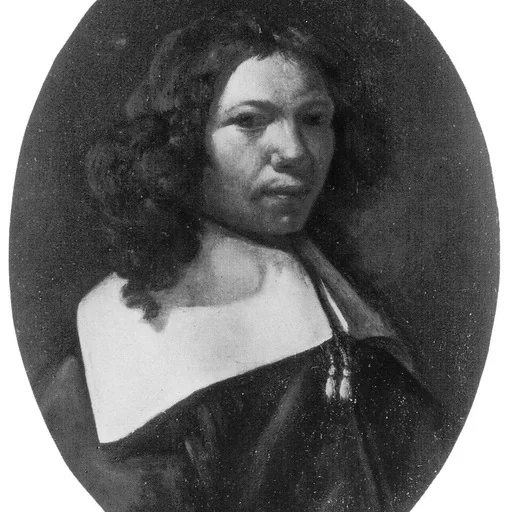
Gerrit Adriaenszoon Berckheyde (1638 – 10 June 1698) was a Dutch Golden Age painter, active in Haarlem, Amsterdam, and The Hague, who is best known today for his cityscapes.

 The town hall on Dam Square in Amsterdam
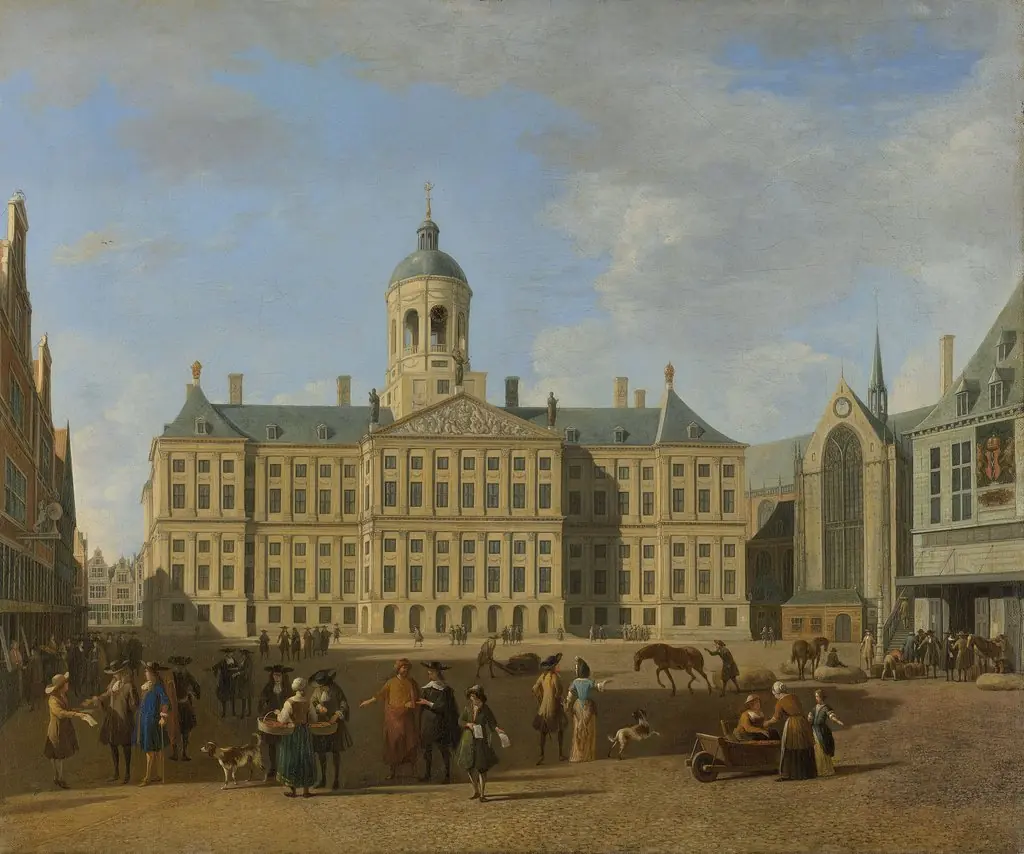
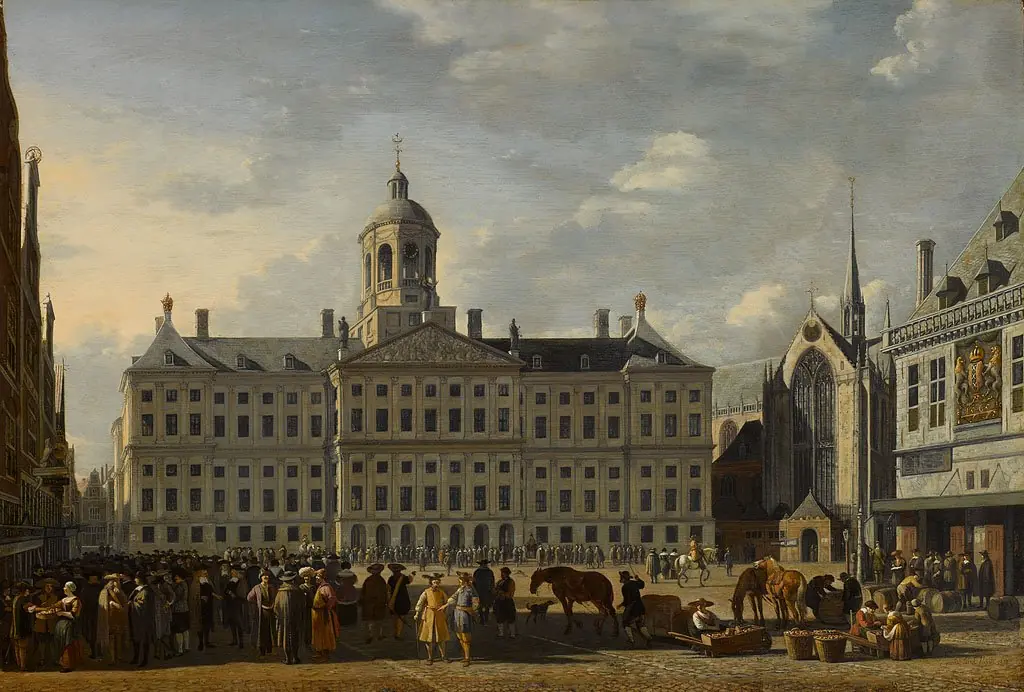 The Town Hall on the Dam in Amsterdam
 The Town Hall, Amsterdam
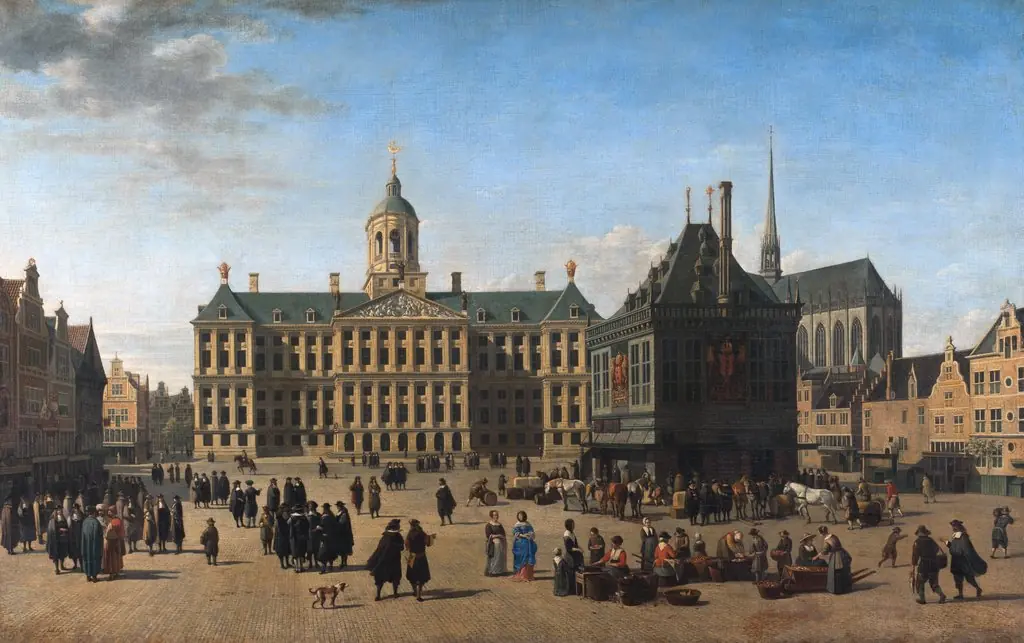 The Dam in Amsterdam
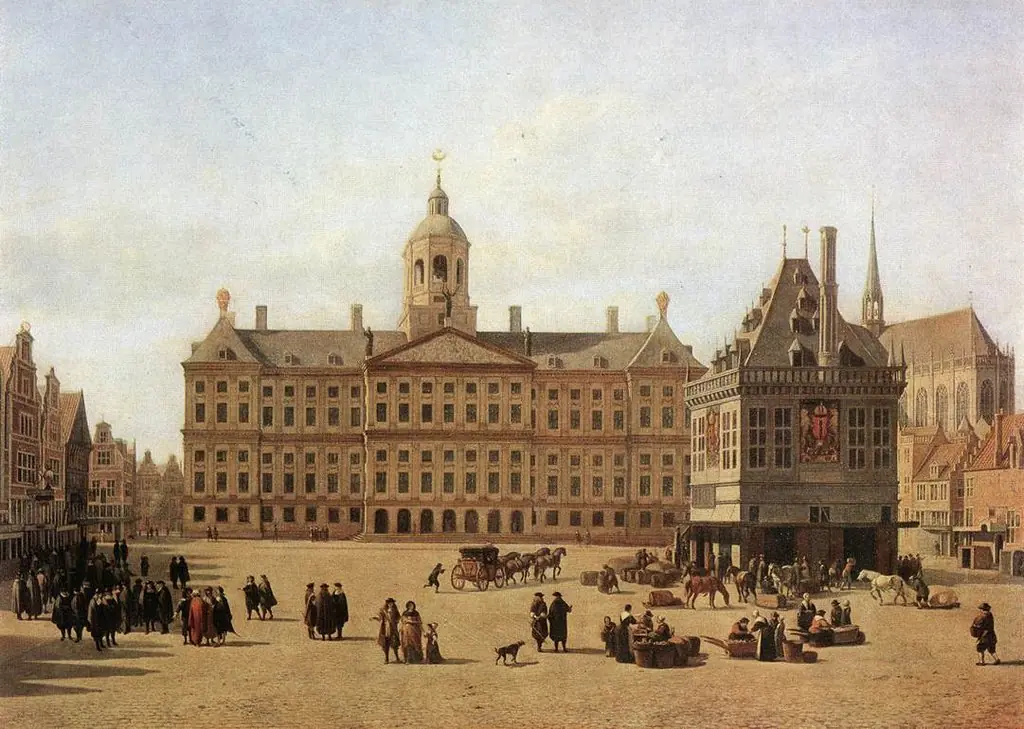 View of the Amsterdam Town Hall
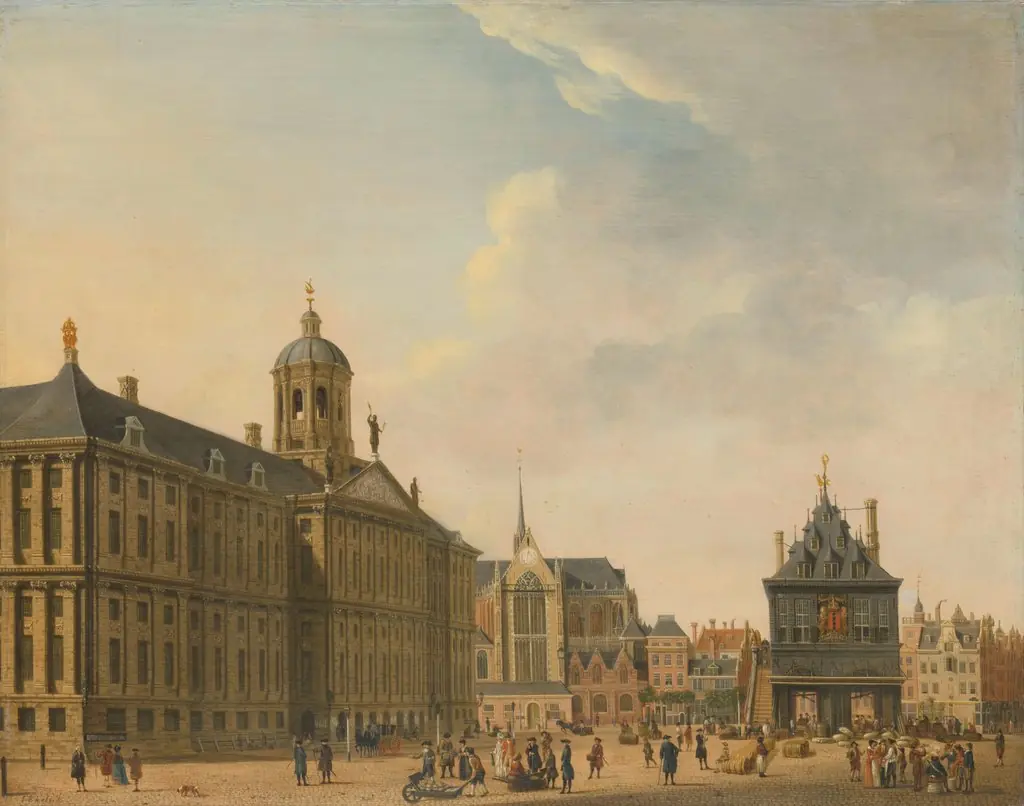 View of the Dam in Amsterdam
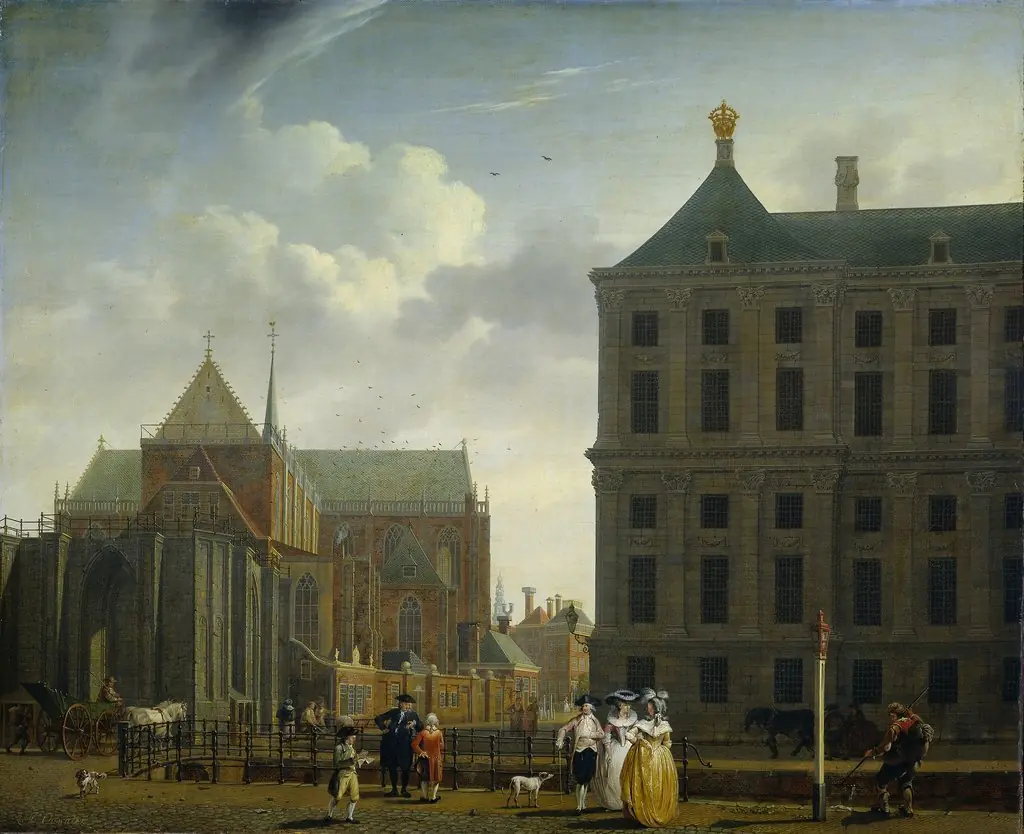 The Nieuwe Kerk and the Town Hall on the Dam in Amsterdam
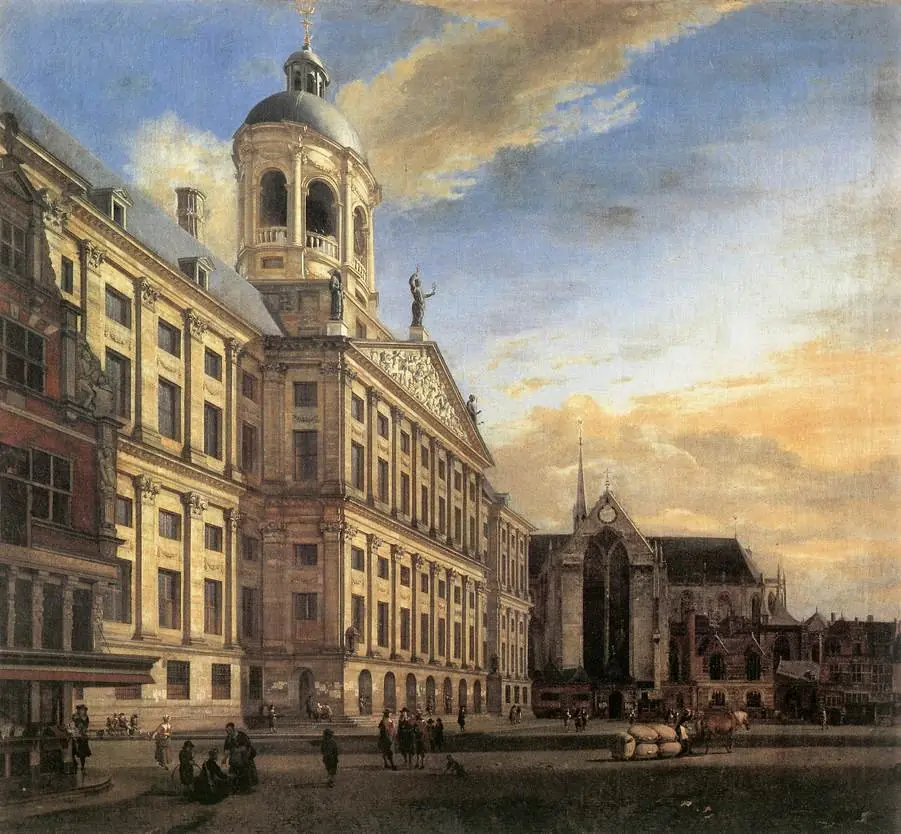 The Town Hall of Amsterdam
 De Nieuwe Kerk en het stadhuis op de Dam in Amsterdam
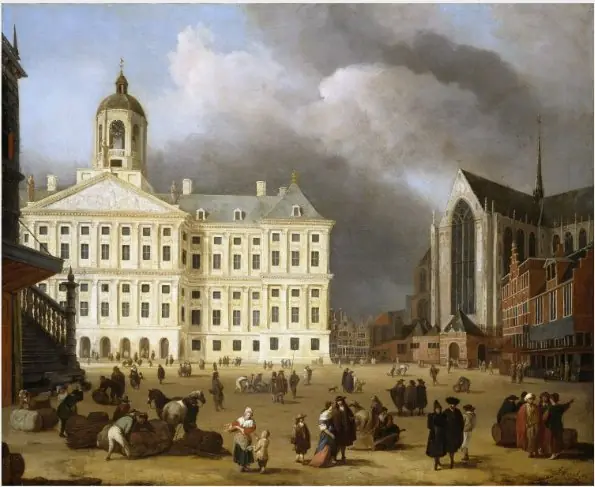 The Dam at Amsterdam
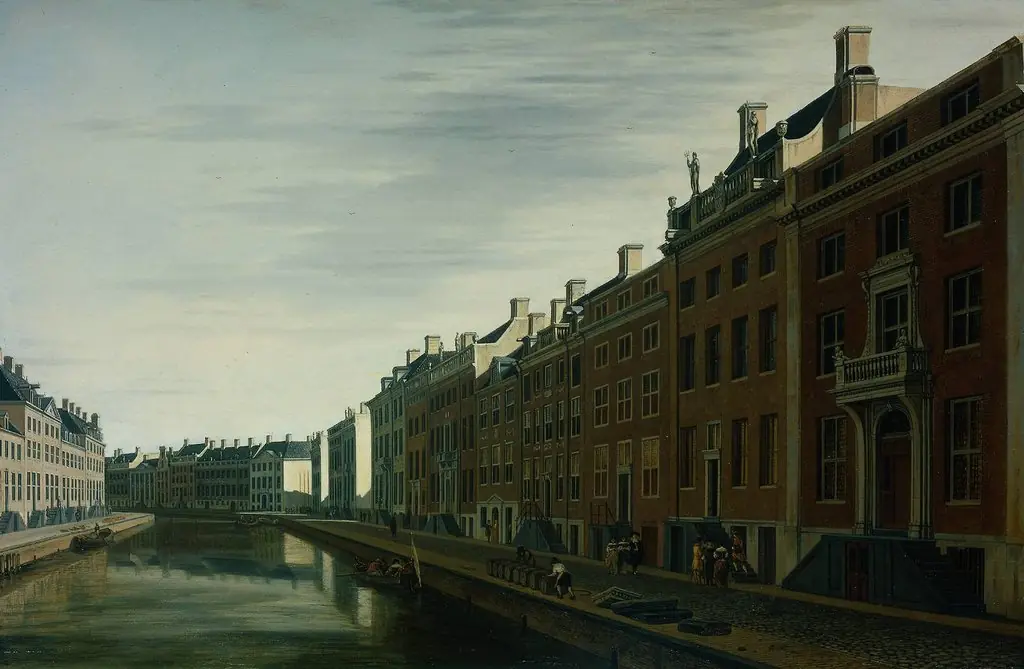 The ‘Golden Bend’ in the Herengracht, Amsterdam, Seen from the West