Artwork
A Young Woman
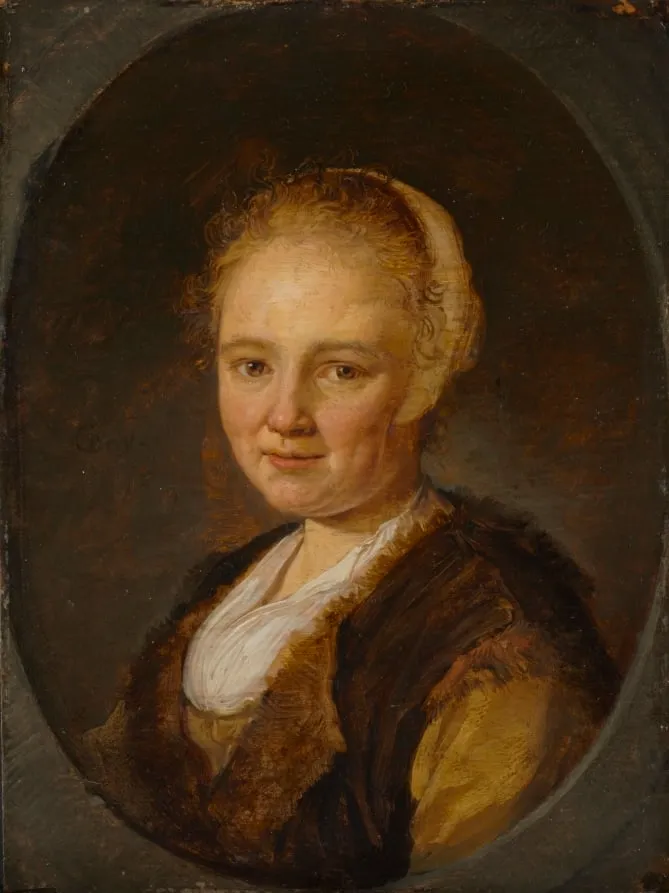
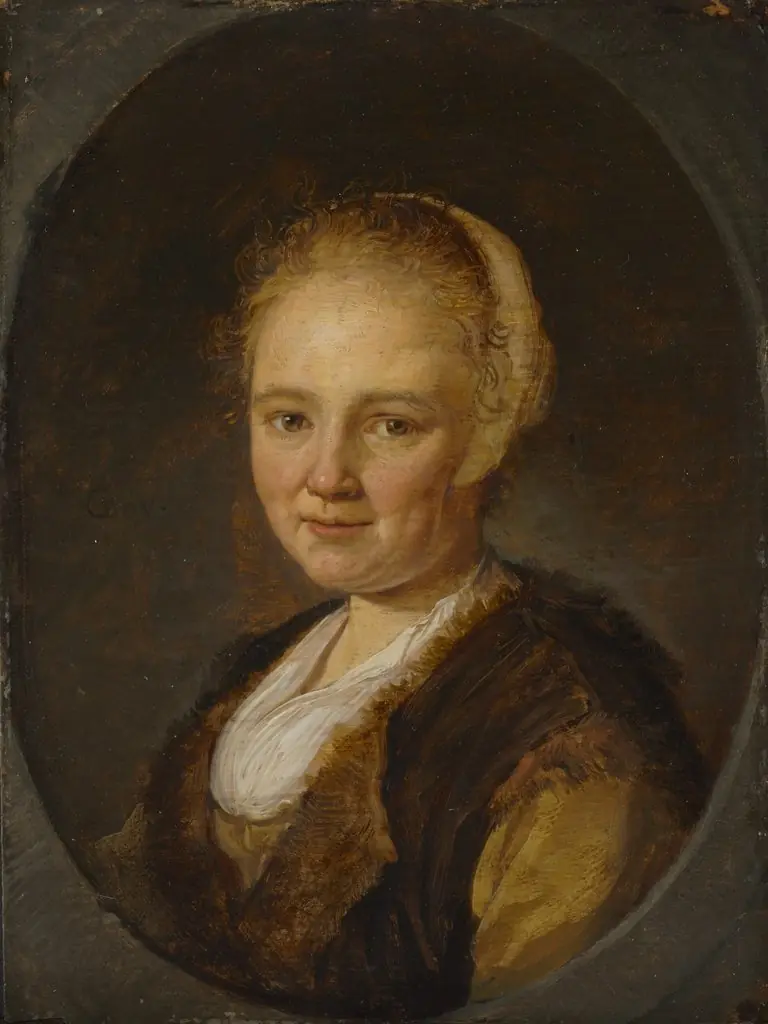
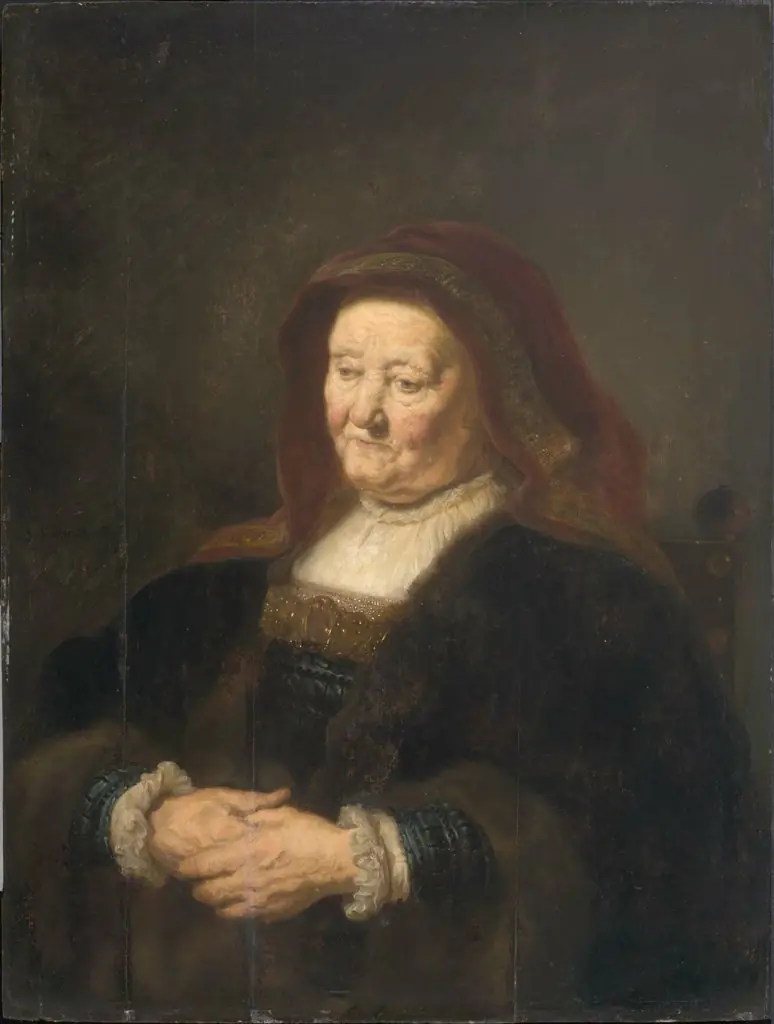
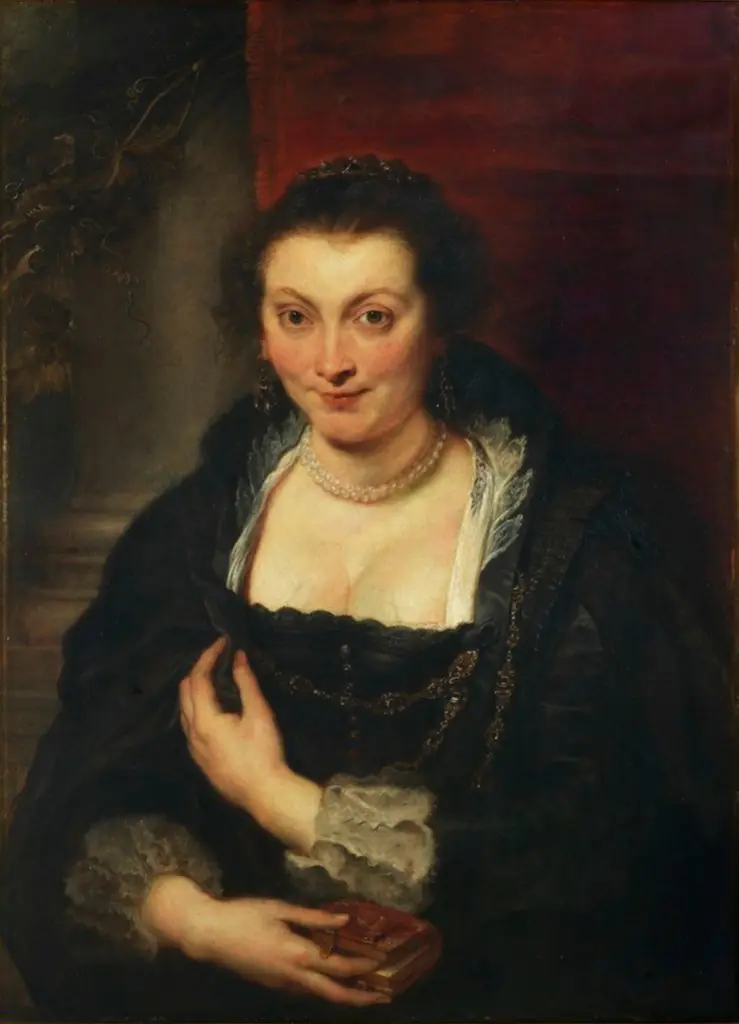
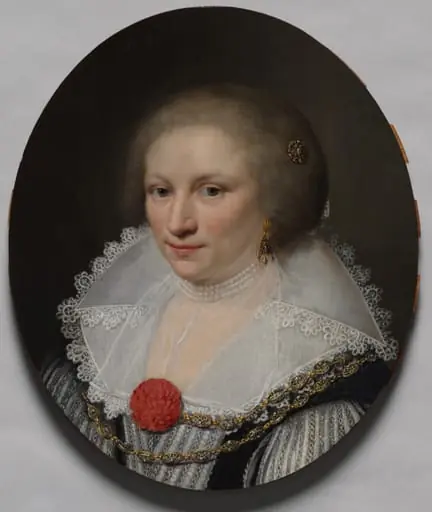
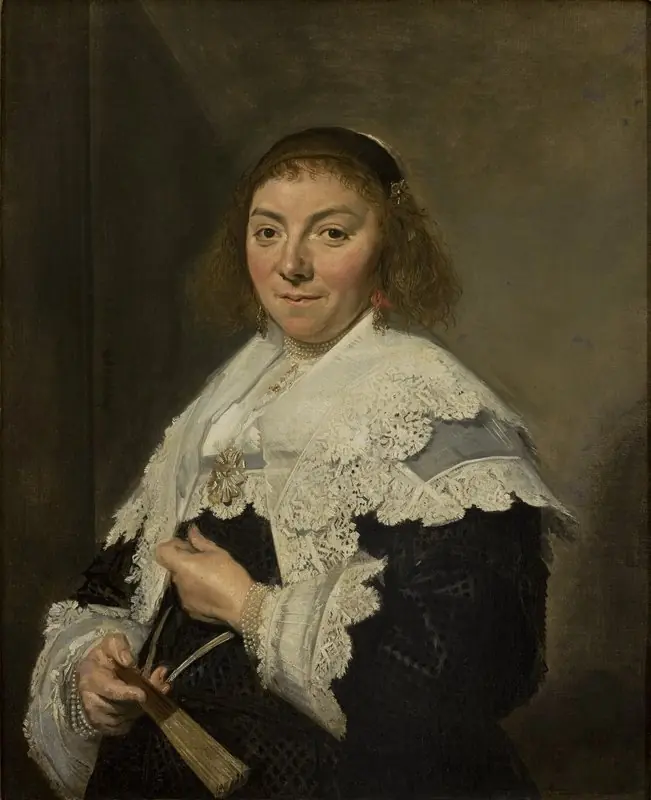
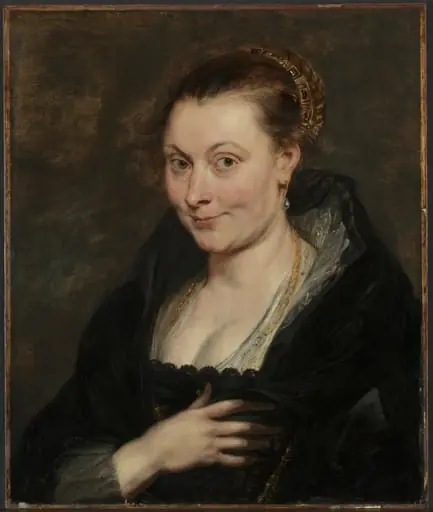
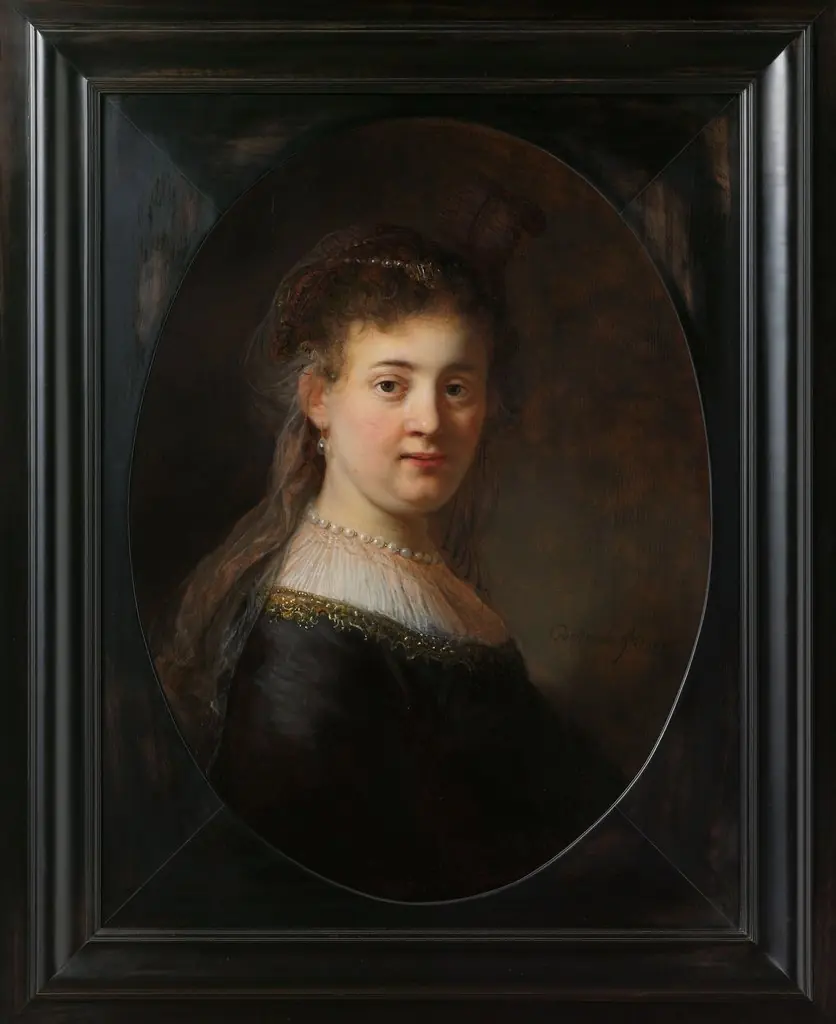
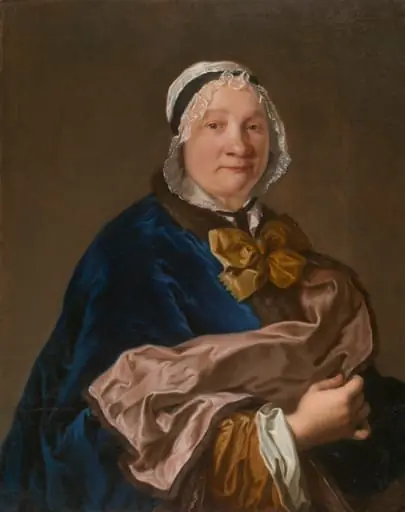
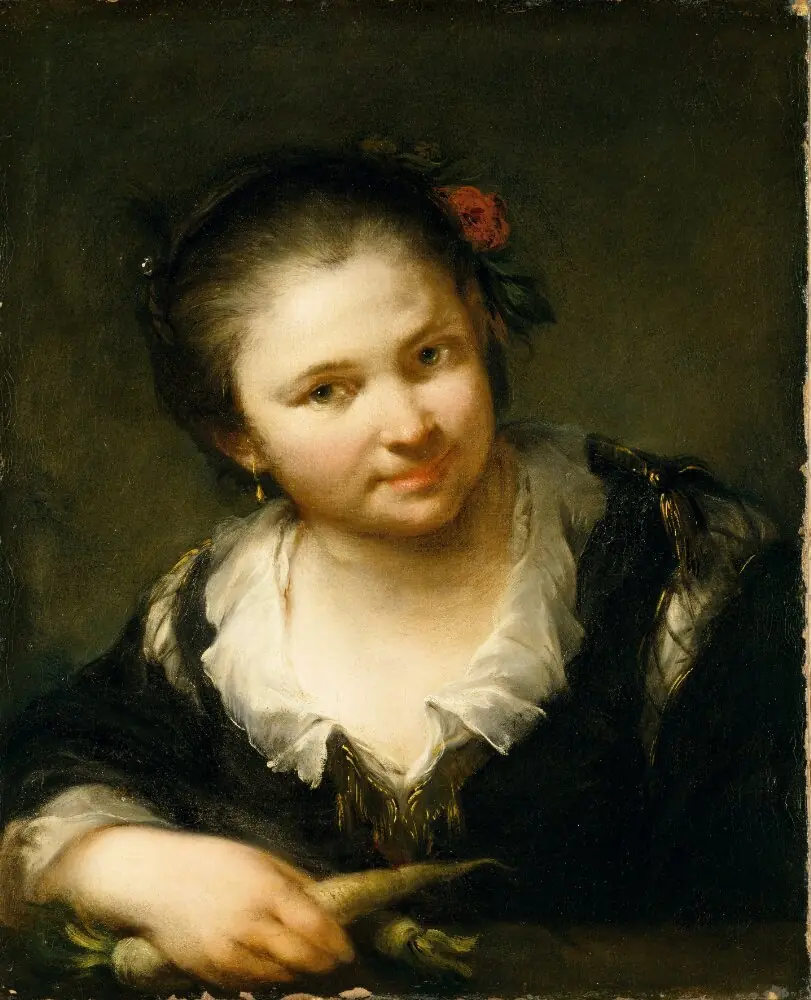
A Young Woman is an unspecified painting by the Baroque artist Gerrit Dou. It dates from 1640 and is held in the collection of the Cleveland Museum of Art.
About this work
Overview
Dressed in a plain white cap and a dark gown with a fur collar, she is rendered with intimate detail against an undifferentiated background.
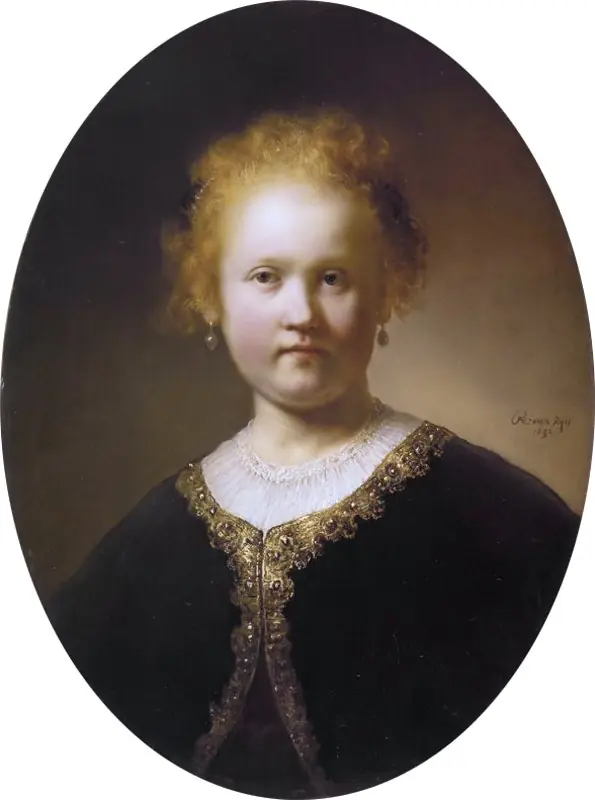
This painting presents a young woman turned slightly over her shoulder, her face caught in soft, directional light. Dressed in a plain white cap and a dark gown with a fur collar, she is rendered with intimate detail against an undifferentiated background. The composition avoids identifying markers of status or identity, suggesting it was not intended as a portrait of a named individual but as a study of appearance and expression.
Subject & Meaning
The figure represents a tronie—a type of image common in 17th-century Dutch art that explores facial types, expressions, or costumes rather than recording a specific person. Her attire and gaze evoke a sense of quiet dignity, but her identity remains anonymous. The work invites contemplation of human presence rather than personal history, emphasizing universal qualities of youth, stillness, and subtle emotion.
Technique & Style
The artist employs subtle chiaroscuro to model the face and fur collar, creating a tactile sense of volume and texture. Light falls gently across the skin and fabric, contrasting with the deep shadows of the dress and background. Brushwork is refined yet unobtrusive, prioritizing optical realism over narrative detail. The plain backdrop isolates the figure, directing attention entirely to the play of light and material.
History & Provenance
The painting’s early ownership is undocumented, but its style aligns with Dutch genre works from the 1630s to 1650s. It shares characteristics with studies by artists such as Rembrandt and Frans Hals, who frequently explored tronies as exercises in observation. Its survival without a known patron or commission suggests it may have been produced for the open market, appealing to collectors interested in artistic skill over personal commemoration.
Context
In the Dutch Golden Age, tronies flourished as a response to growing urban markets and artistic experimentation. Unlike commissioned portraits, they allowed painters to focus on technique, expression, and materiality without the constraints of likeness or social expectation. These works reflected a cultural fascination with the human face as a subject of aesthetic inquiry, separate from status or lineage.
Legacy
This painting contributes to a broader tradition of Dutch visual studies that valued observation over narrative. Its quiet intensity influenced later artists interested in psychological presence and light. Though not widely known in its time, it now stands as a quiet example of how ordinary subjects, rendered with precision, could elevate everyday beauty into enduring visual form.
Artist & collection
Artist
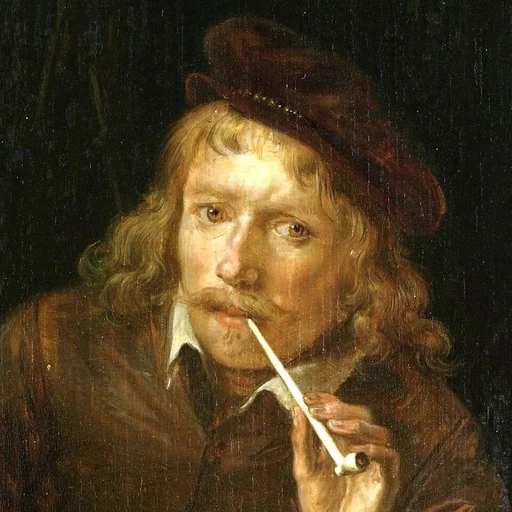
Gerrit Dou (pronounced ; 7 April 1613 – 9 February 1675), also known as Gerard Douw or Dow, was a Dutch Golden Age painter, whose small, highly polished paintings are typical of the Leiden fijnschilders.