Artwork
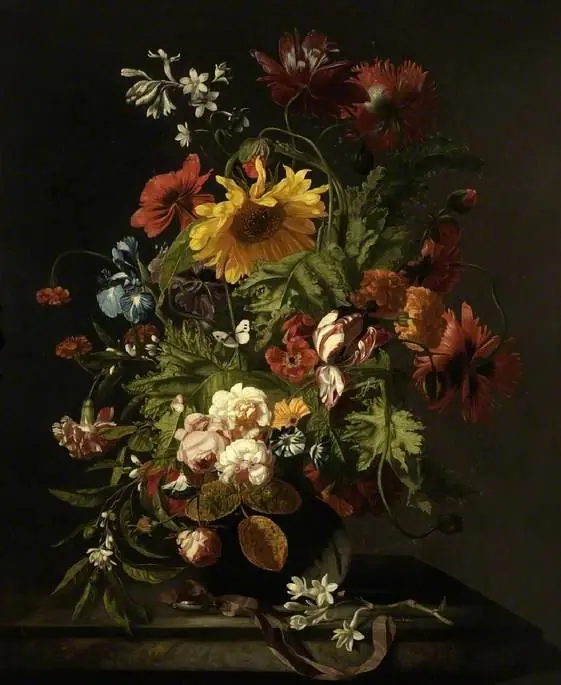
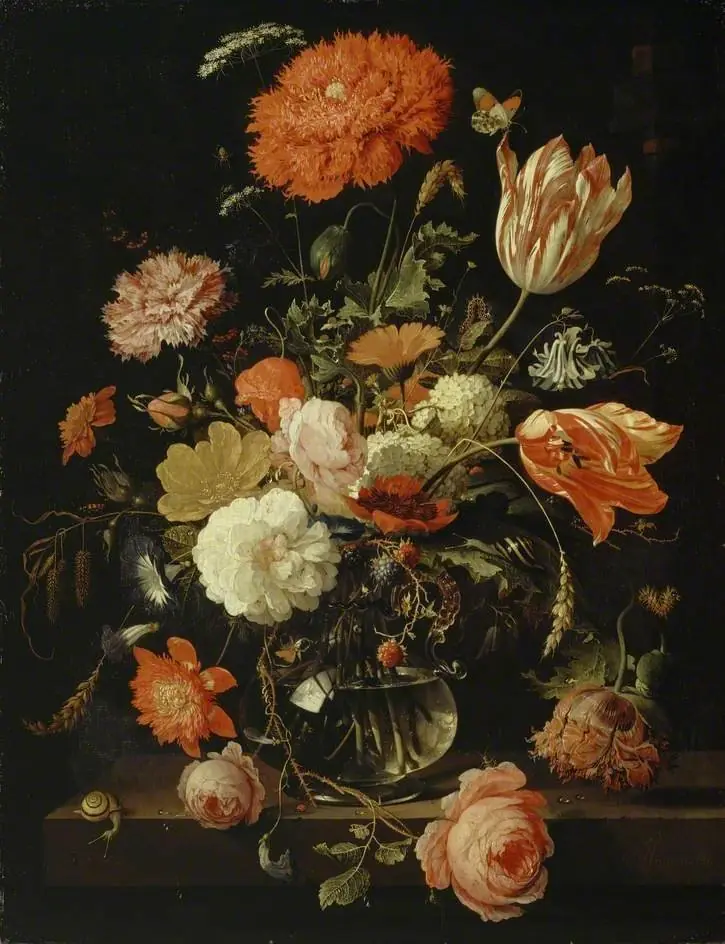
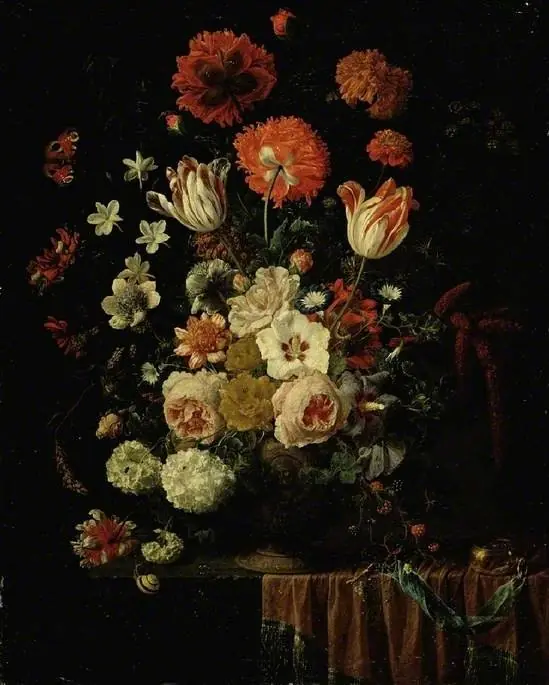
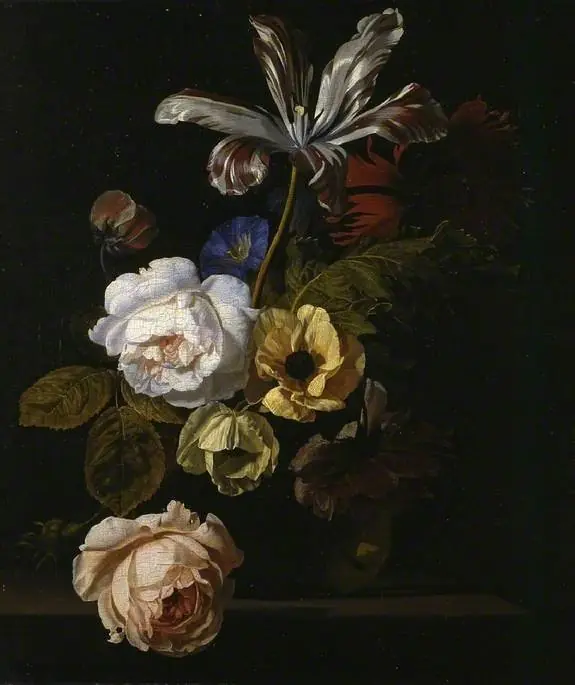
Still life of flowers
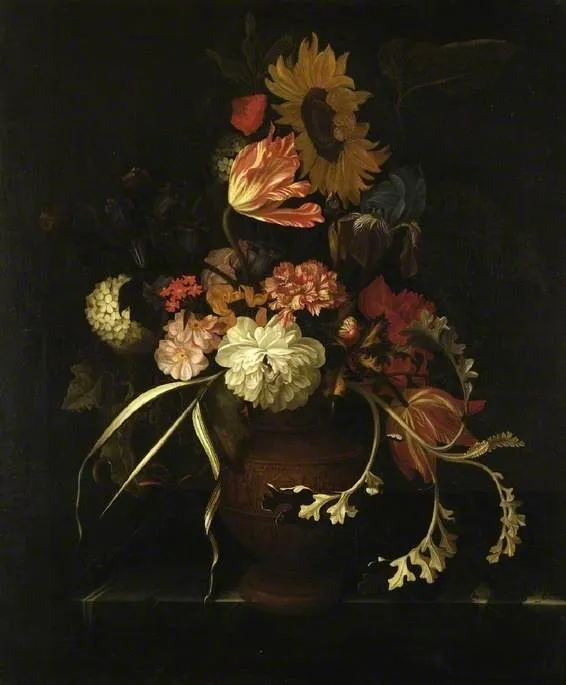
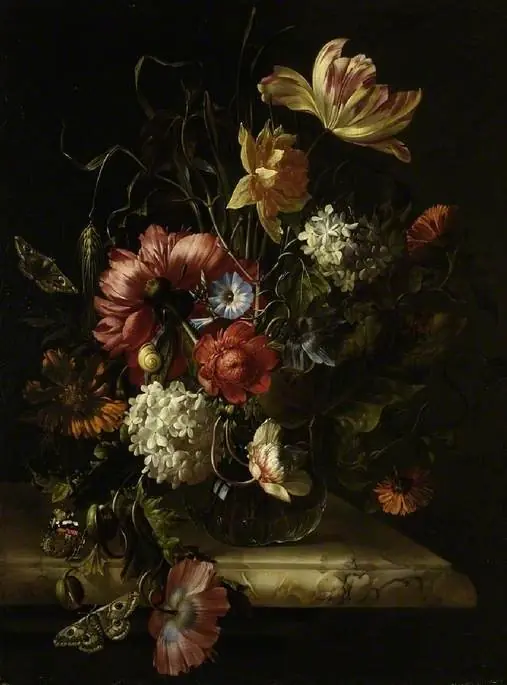
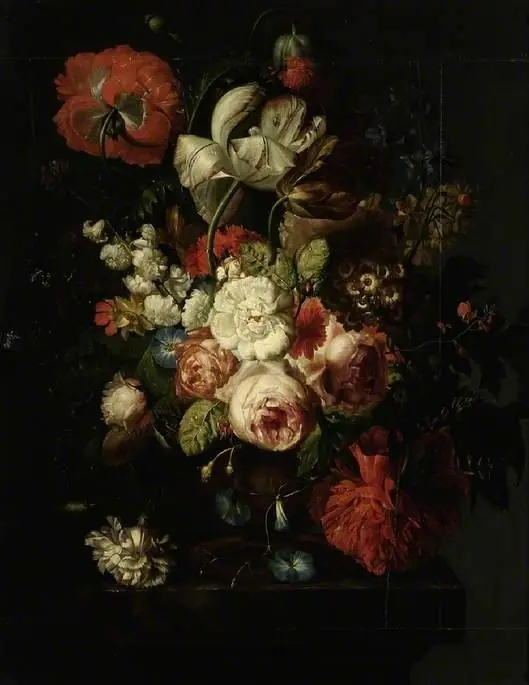
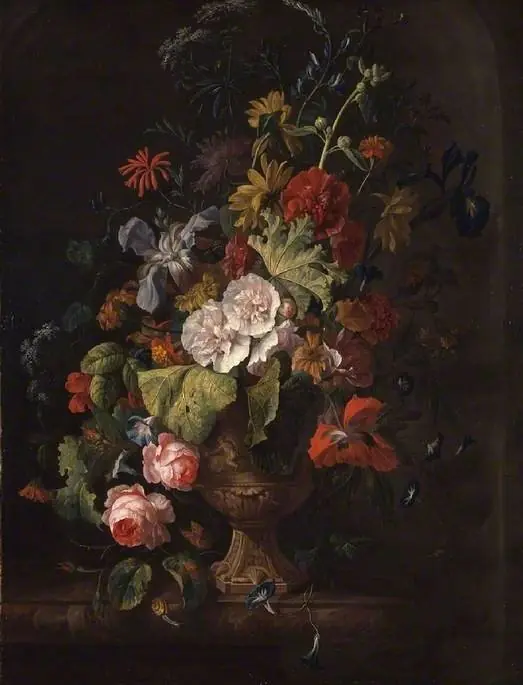
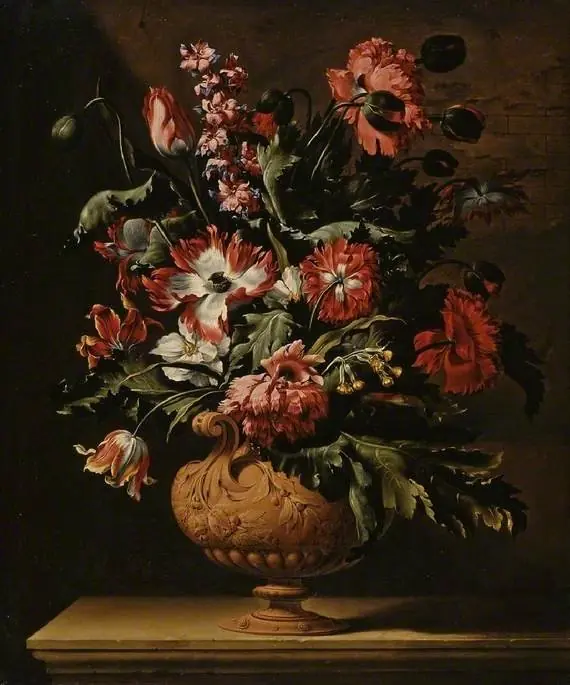
Still life of flowers is an oil painting by Gerrit Pietersz Sweelink. It dates from 1599 and is held in the collection of the Fitzwilliam Museum.
About this work
Overview
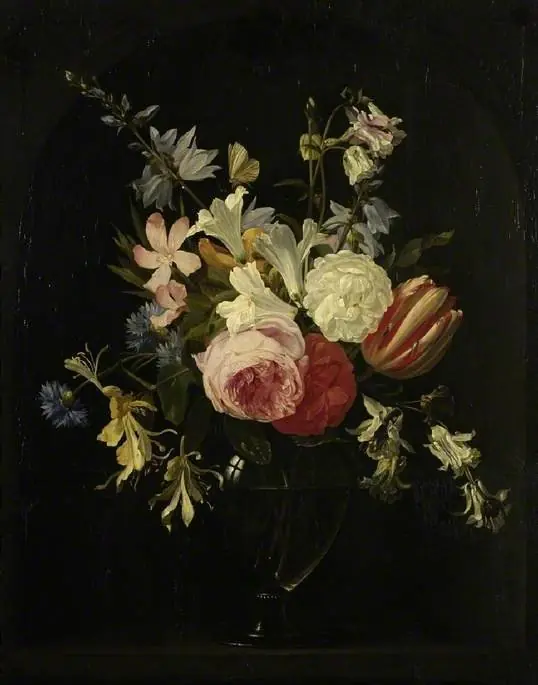
This oil painting, dated around 1599, is attributed to Gerrit Pietersz Sweelink, a Dutch artist active in the late 16th and early 17th centuries. It presents a modest arrangement of cut flowers in a vase, rendered with quiet precision. The work belongs to the early tradition of Dutch still life painting and is part of the Fitzwilliam Museum’s collection in Cambridge.
Subject & Meaning
The composition features a small bouquet of blossoms—primarily white, pink, and pale yellow—arranged loosely in a vessel. Though not overtly symbolic, the transient beauty of the blooms aligns with contemporary Northern European vanitas themes, suggesting the fleeting nature of life. The absence of insects or decay, however, softens the moral undertone, favoring quiet observation over allegory.
Technique & Style
Sweelink employs fine brushwork to capture the delicate textures of petals and leaves, with subtle gradations of tone modeling each form.
Sweelink employs fine brushwork to capture the delicate textures of petals and leaves, with subtle gradations of tone modeling each form. The dark, unmodeled background isolates the bouquet, enhancing its presence without distraction. Colors are restrained, avoiding vivid contrasts, and the lighting appears natural, as if caught in a dim interior, reinforcing the painting’s intimate scale and contemplative mood.
History & Provenance
The painting entered the Fitzwilliam Museum’s collection in the 19th century, though its earlier ownership remains undocumented. It is one of the few securely attributed works by Sweelink, whose output was limited and largely confined to still lifes. Its survival and preservation reflect its status as an early example of Dutch floral painting, valued for its historical rather than commercial significance.
Context
Created during the formative years of Dutch still life painting, this work predates the more elaborate floral compositions of the 1620s. It reflects the emerging interest in natural observation among Northern European artists, influenced by botanical studies and the growing availability of exotic blooms through trade. Sweelink’s approach is restrained compared to later contemporaries, emphasizing simplicity over spectacle.
Legacy
Sweelink’s painting stands as an early, modest contribution to the Dutch still life tradition. While not widely known, it illustrates the transition from symbolic to observational approaches in flower painting. Its preservation offers insight into the artistic priorities of the late 16th century, before the genre evolved into more ornate and commercially driven forms.
Artist & collection
Artist
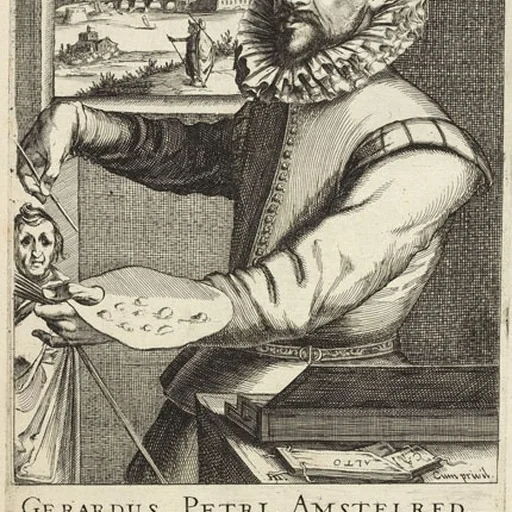
Gerrit Pietersz Sweelink (1566–1612) was an artist, born in Amsterdam.