Artwork
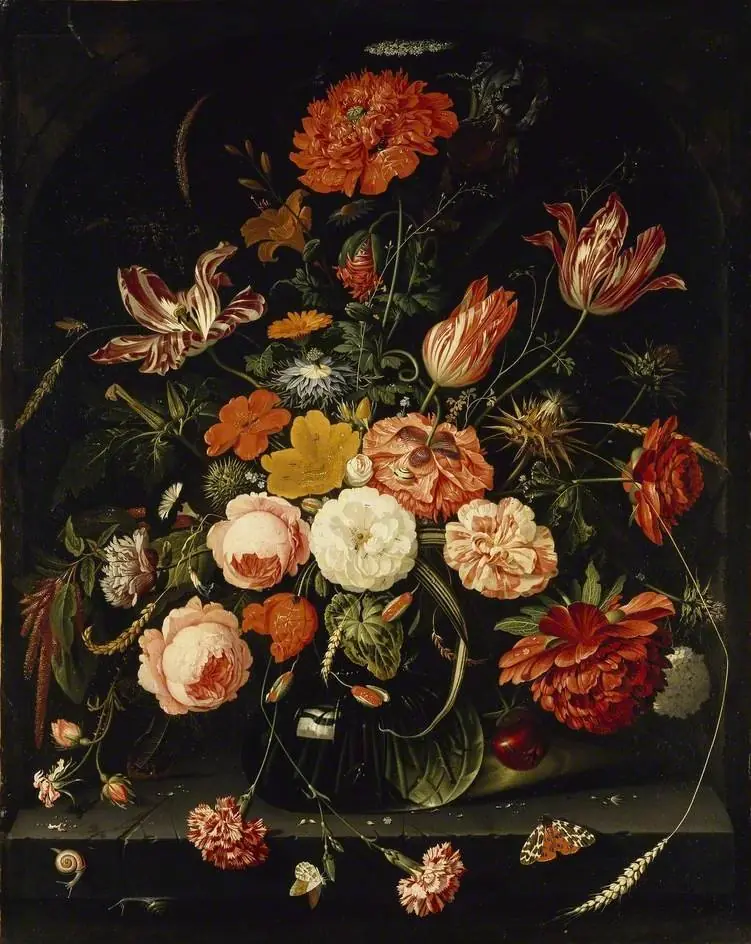
A Carafe of Flowers with Blackberries
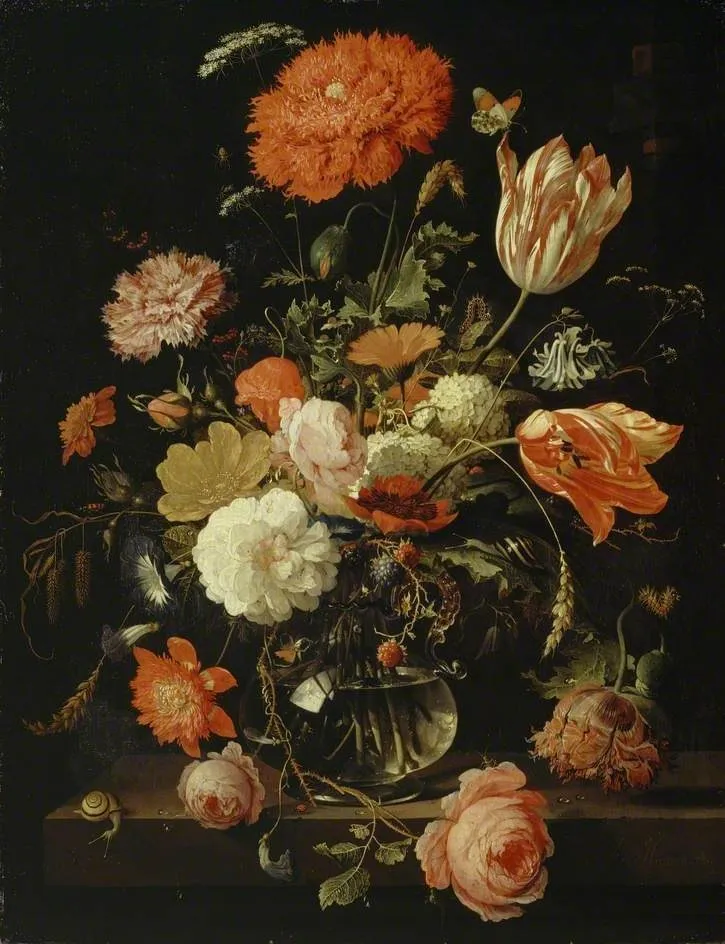
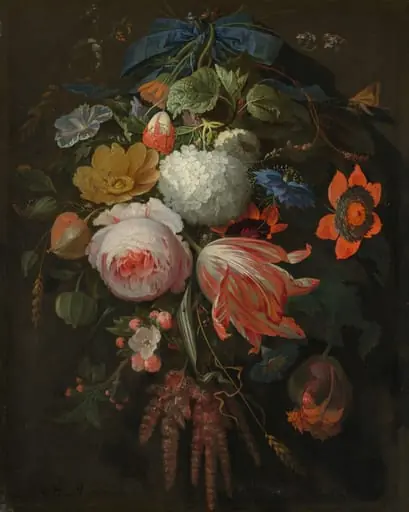
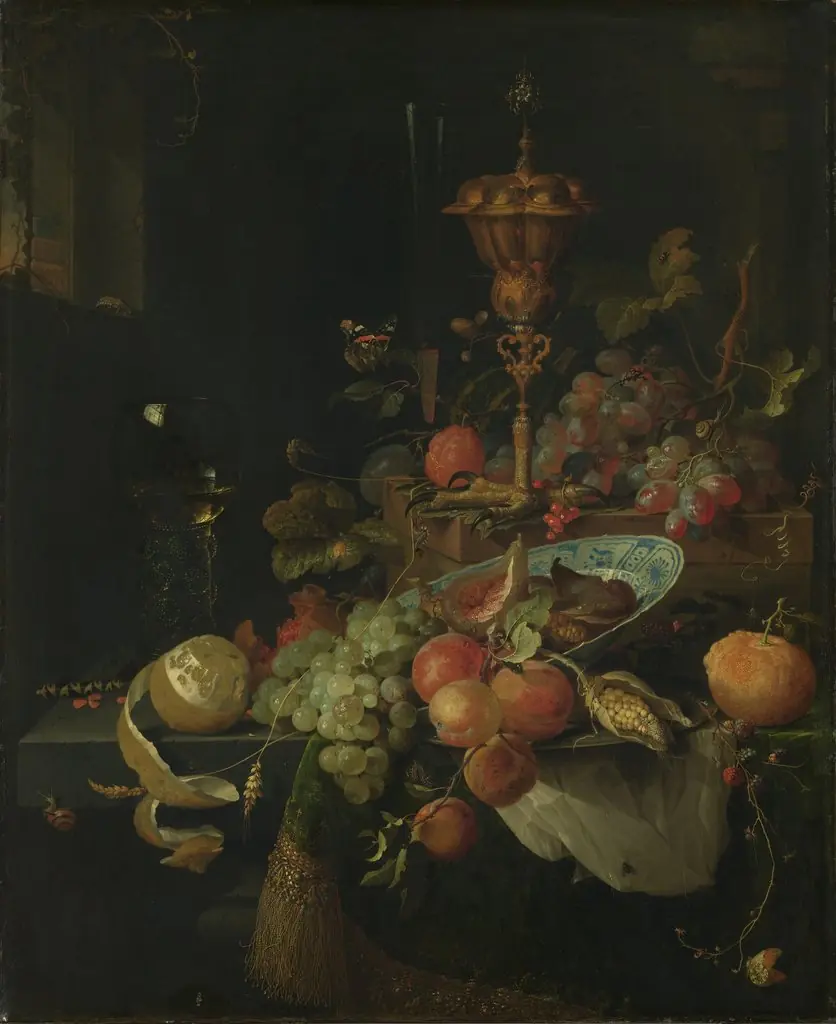
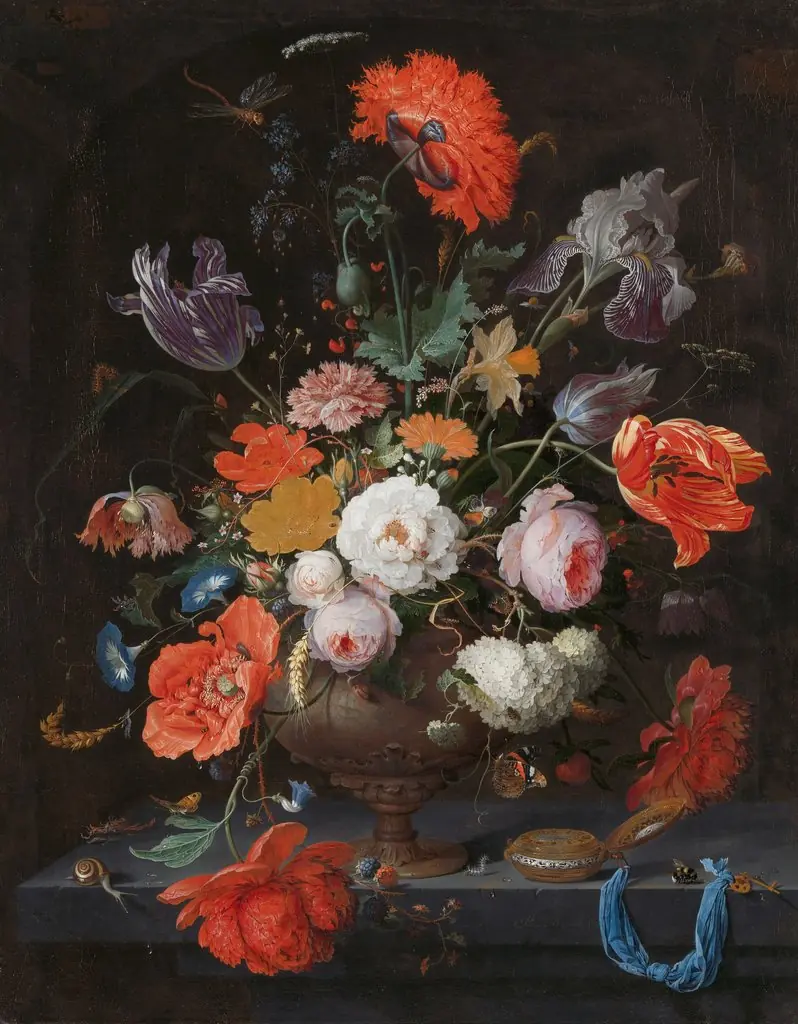
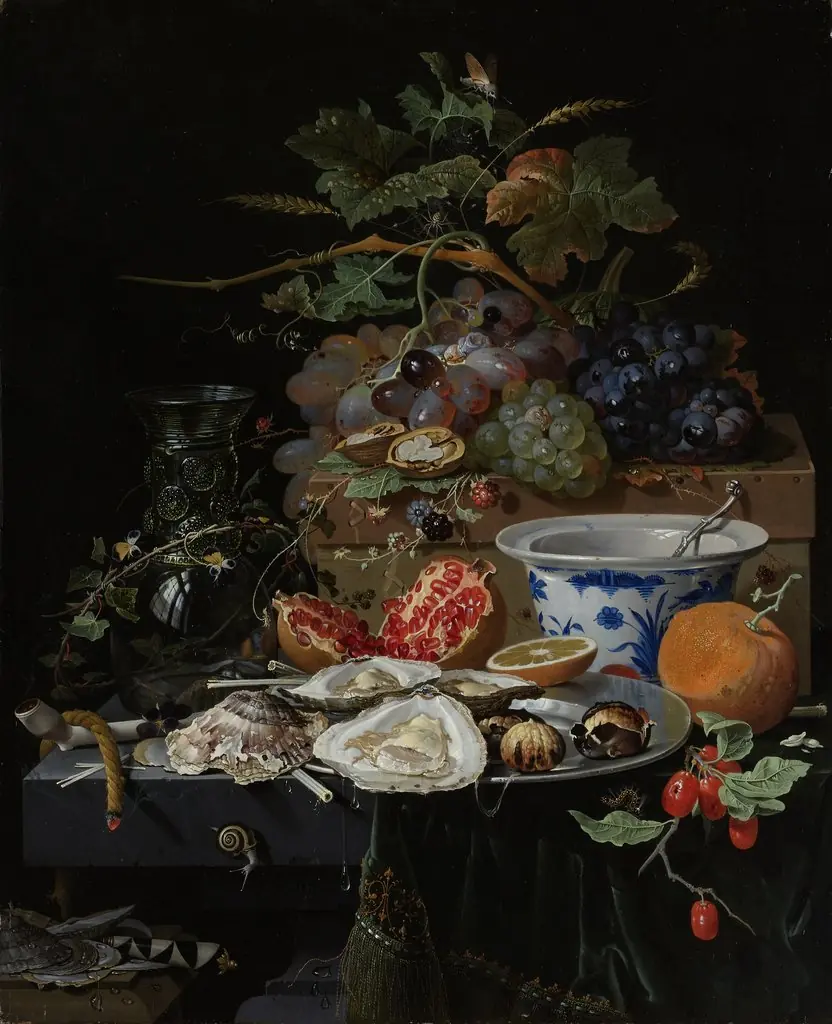
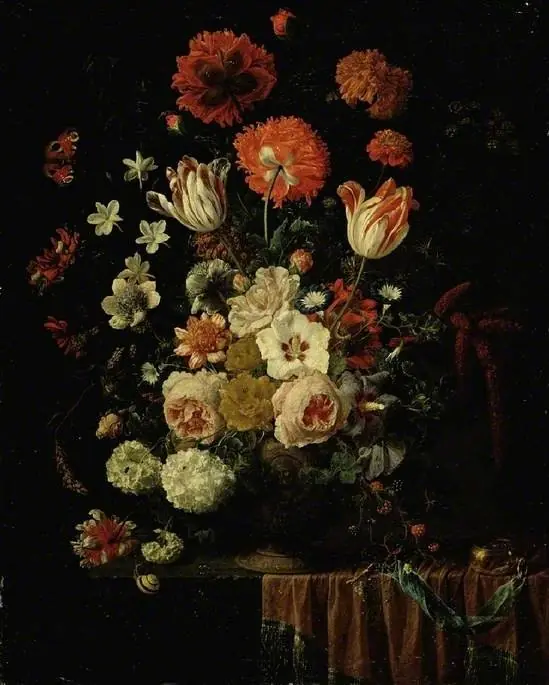
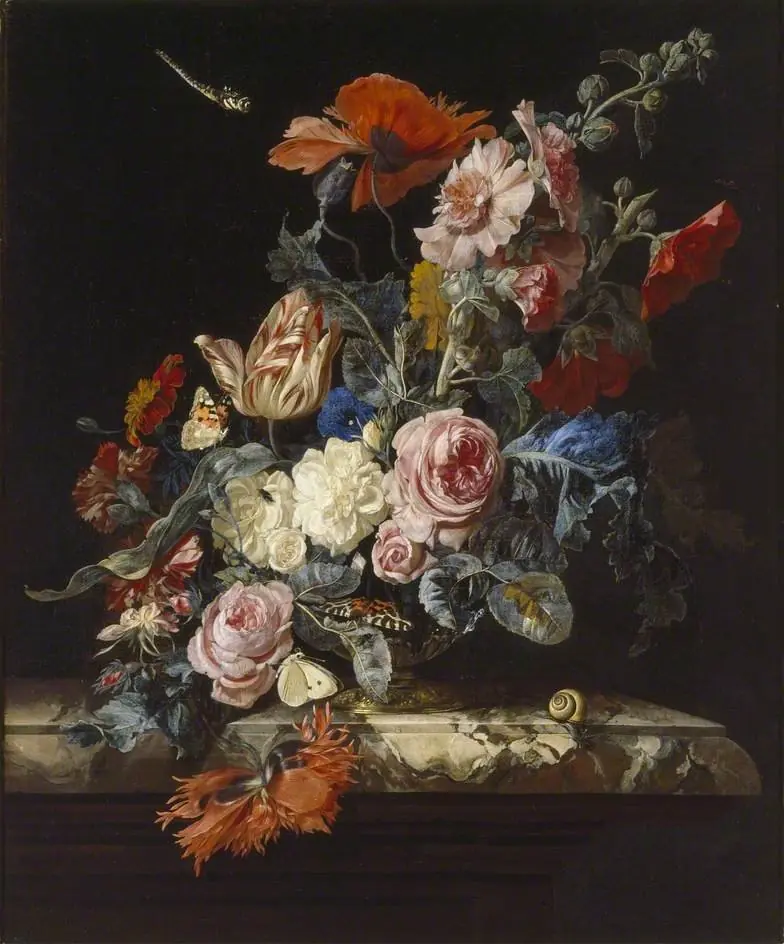
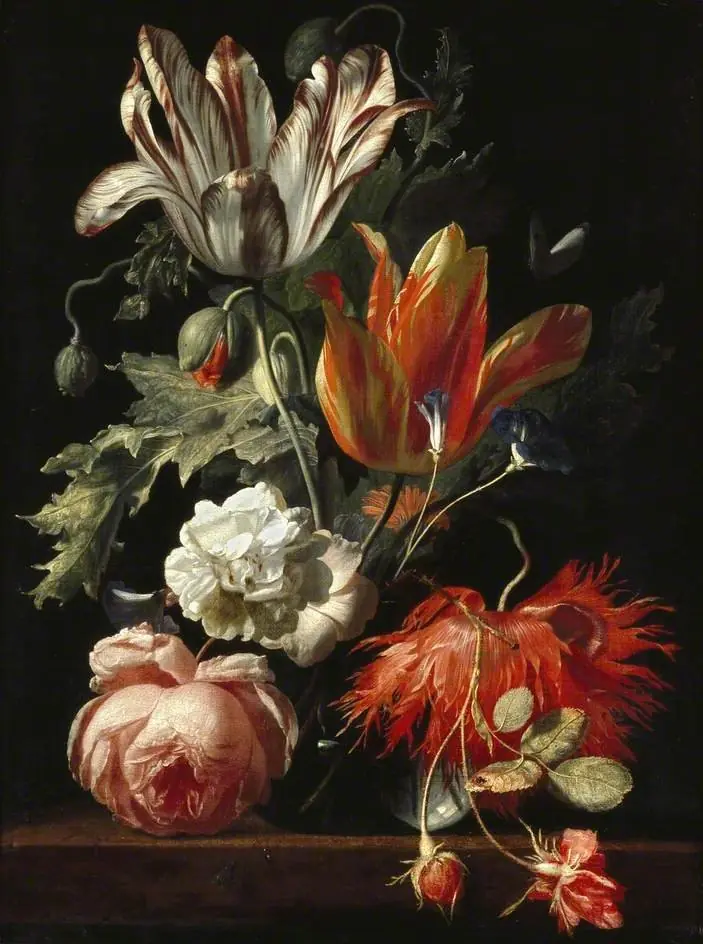
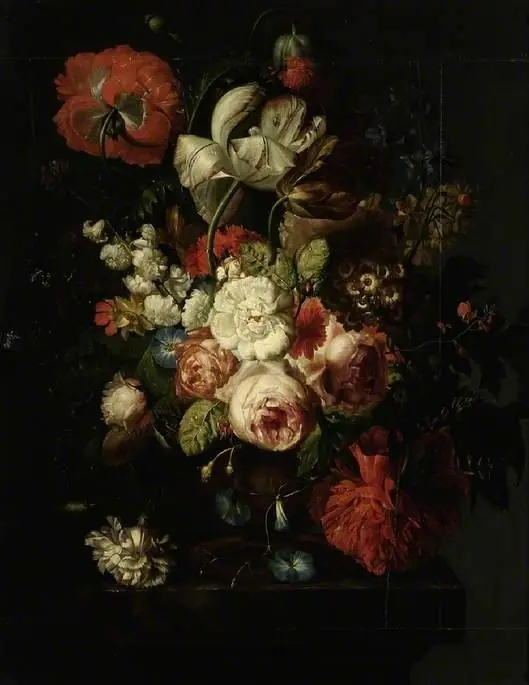
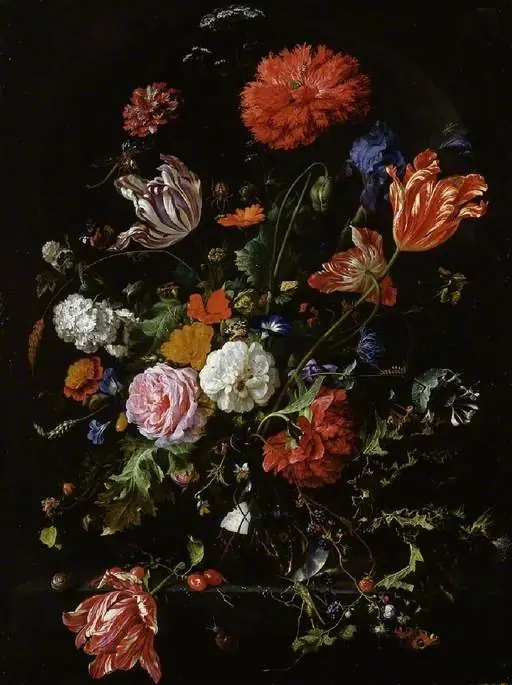
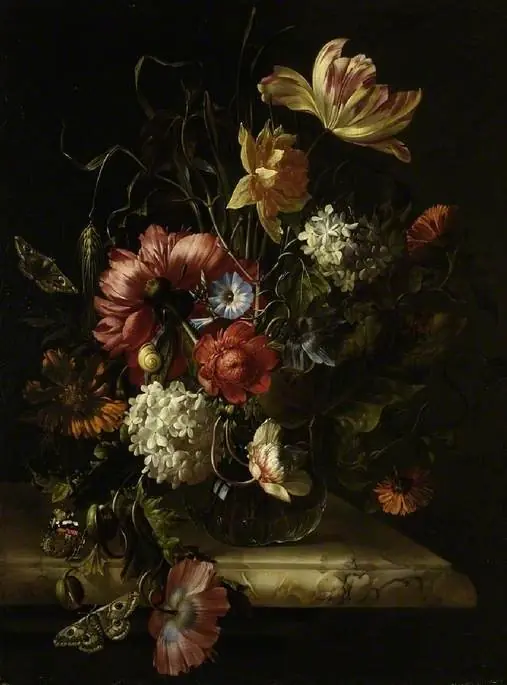
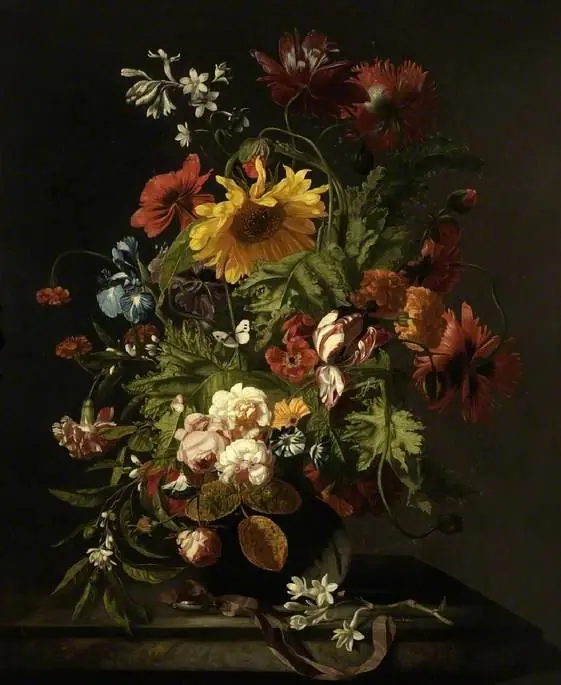
A Carafe of Flowers with Blackberries is an oil painting by Abraham Mignon. It is held in the collection of the Ashmolean Museum.
About this work
Overview
The painting is held in the Ashmolean Museum’s collection, where it is recognized as a refined example of floral still life painting from the period.
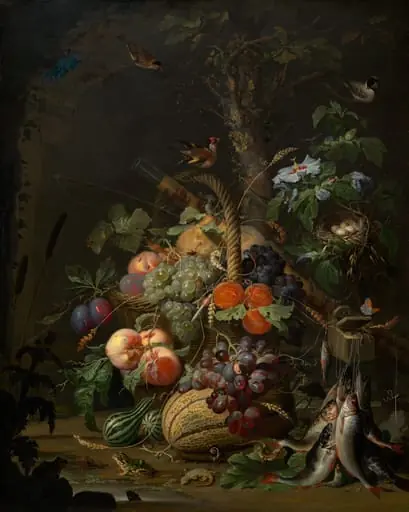
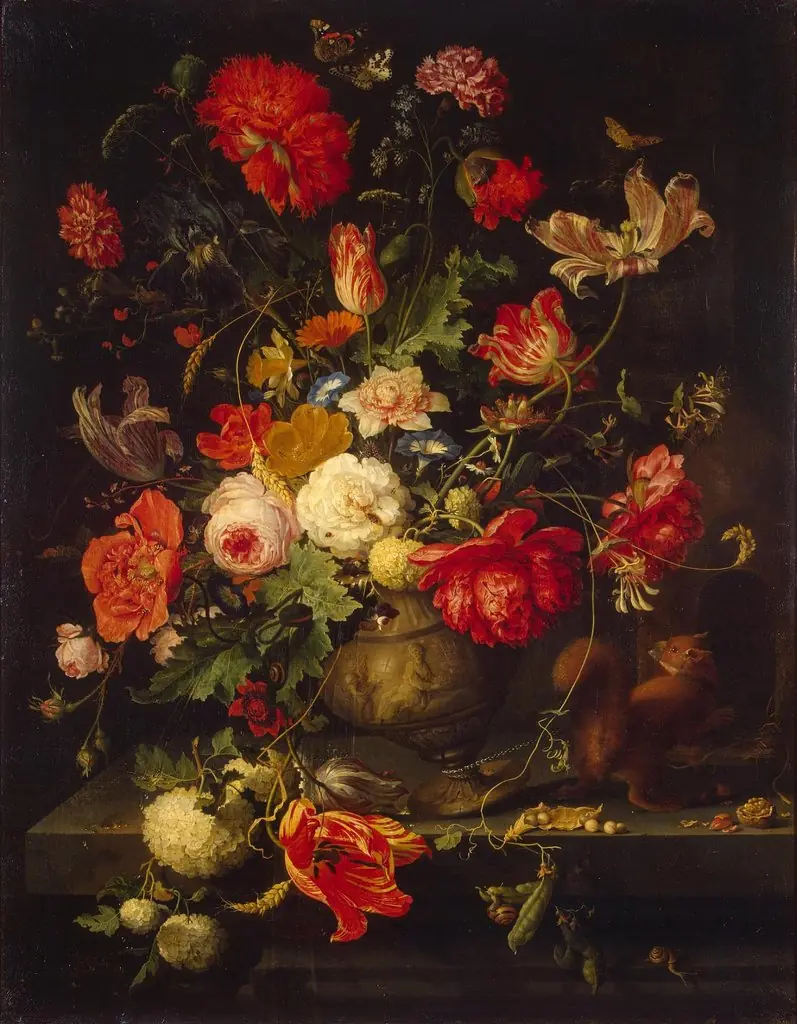
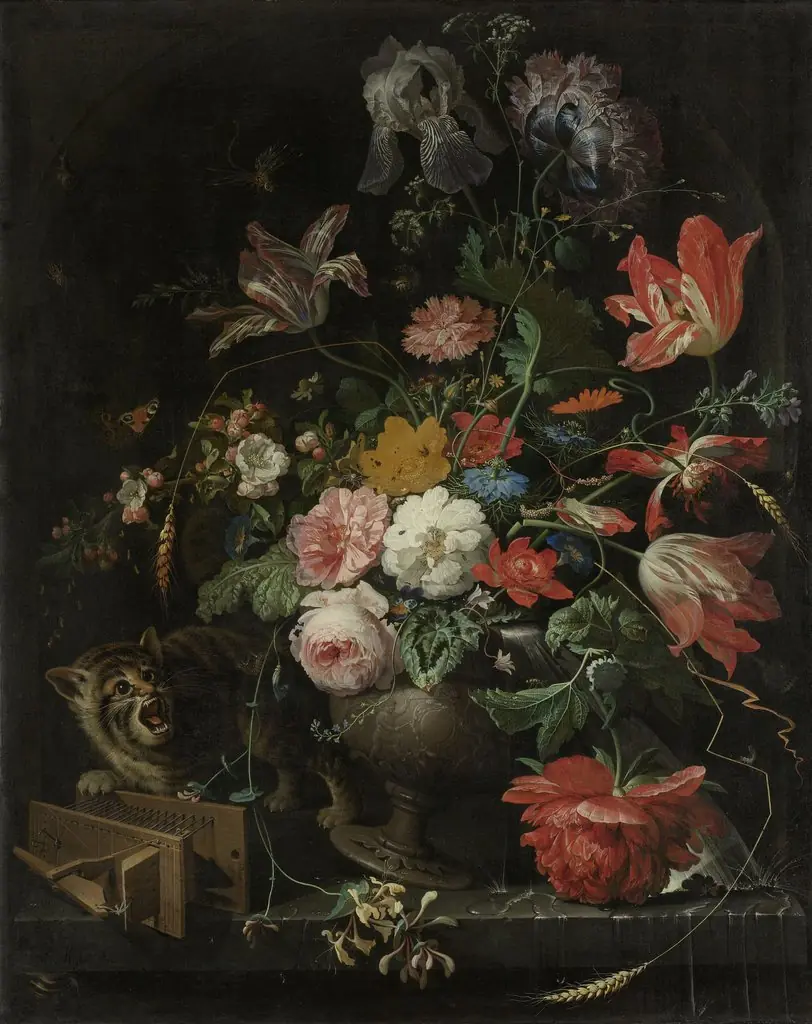
Abraham Mignon, a Dutch painter active in Utrecht around the mid-1600s, produced this oil-on-canvas still life depicting a glass vessel filled with flowers and clusters of blackberries. His work belongs to a tradition of meticulous botanical representation that flourished in the Netherlands during the Golden Age. The painting is held in the Ashmolean Museum’s collection, where it is recognized as a refined example of floral still life painting from the period.
Subject & Meaning
The arrangement combines cultivated blooms with wild blackberries, suggesting a tension between artifice and nature. While the flowers appear carefully selected and arranged, the blackberries, still clinging to their stems, introduce a sense of fleeting abundance. Such compositions often carried symbolic undertones—beauty, transience, and the passage of time—common in Dutch still life traditions of the era.
Technique & Style
Mignon employed fine brushwork and layered glazes to achieve luminous textures in petals and fruit surfaces. His attention to light falling across dewdrops and translucent glass reveals a technique influenced by Jan Davidszoon de Heem and Jacob Marrel. The composition is tightly controlled, with each element placed to guide the viewer’s eye through subtle diagonals and contrasting tones.
History & Provenance
The painting entered the Ashmolean Museum’s holdings as part of its broader collection of Dutch Golden Age works. Though its early ownership is undocumented, its preservation suggests it was valued by collectors who sought precise, decorative still lifes. Mignon’s reputation during his lifetime ensured his works circulated among European aristocrats and connoisseurs.
Context
In mid-17th-century Utrecht, still life painting was a respected genre, often produced for private homes rather than public display. Artists like Mignon responded to a market that prized technical precision and symbolic depth. Botanical accuracy was not merely decorative; it reflected broader scientific interest in natural history and the classification of plants.
Legacy
Mignon’s work contributed to the enduring appeal of floral still lifes in European art. His technique influenced later generations of painters who sought to capture the fragility of natural forms. Though less widely known today than some contemporaries, his paintings remain important for understanding the intersection of art, science, and aesthetics in the Dutch Republic.
Artist & collection

Artist
Abraham Mignon or Minjon (21 June 1640 – 27 March 1679) was a Dutch still life painter.