Artwork
Sutherland Album
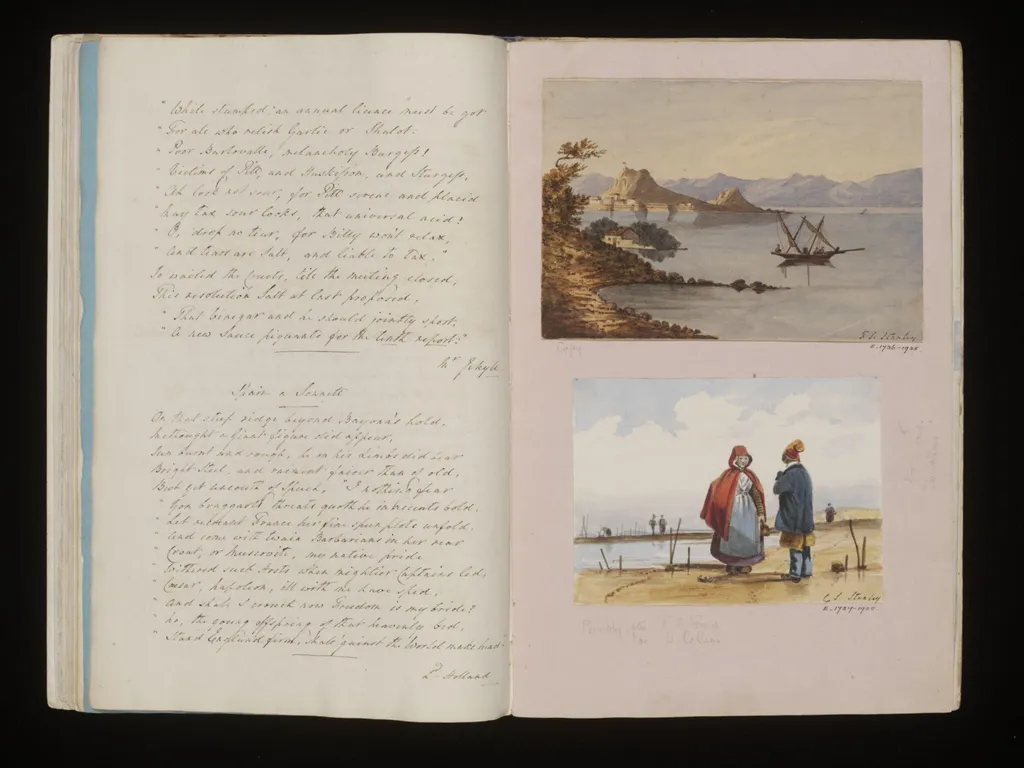
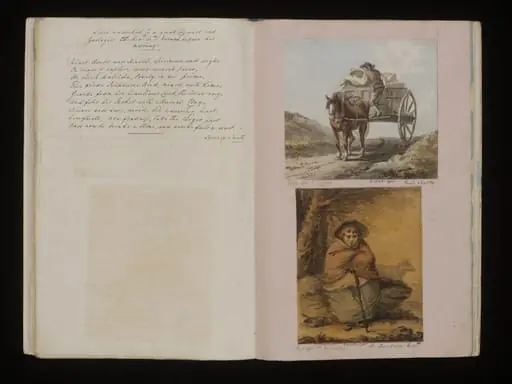
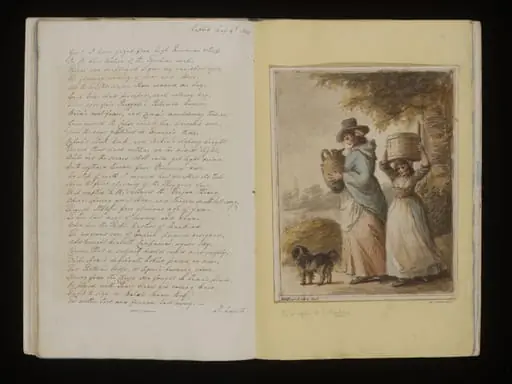
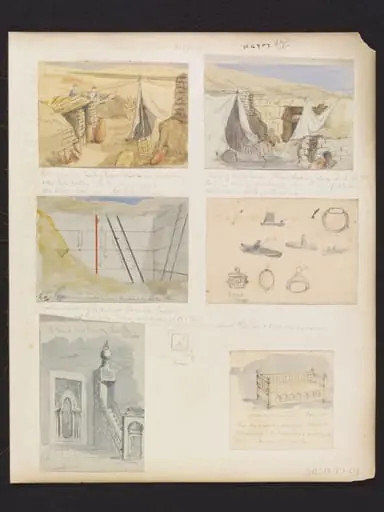
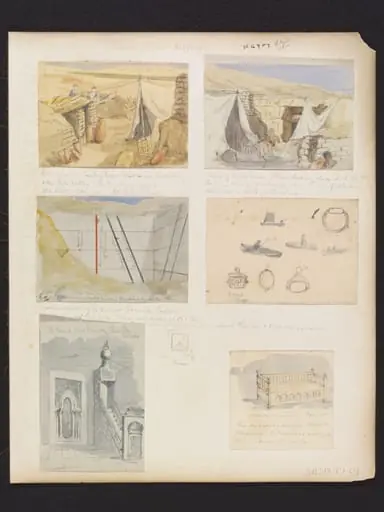
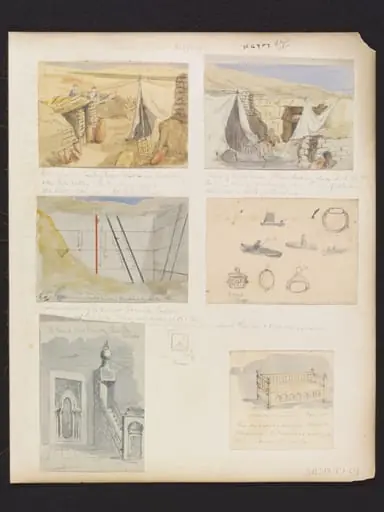
Sutherland Album is a watercolor work on paper by the Romanticist artist Gertrude Stanley. It dates from 1812 and is held in the collection of the Victoria and Albert Museum. This watercolour album gathers works by a network of aristocratic amateur artists connected through marriage and kinship.
About this work
Overview
The album functions as both a visual diary and a familial archive, preserving intimate artistic contributions alongside poetic fragments tied to shared lineage.
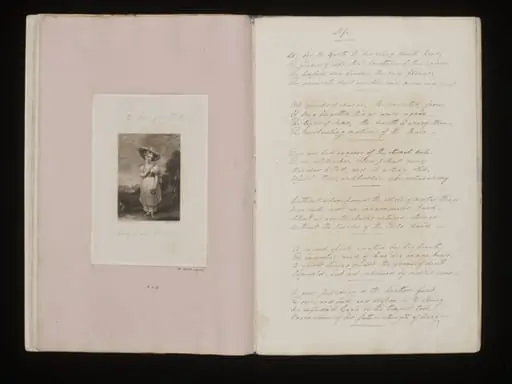
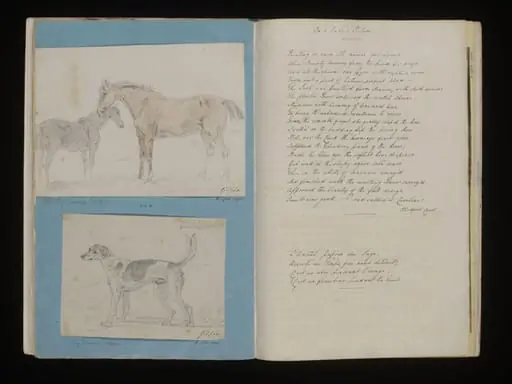
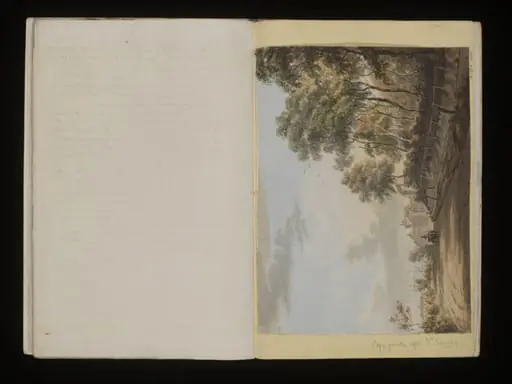
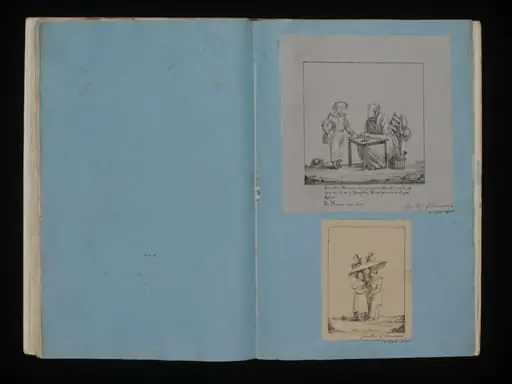
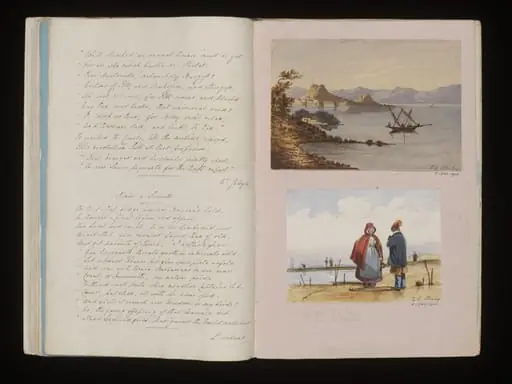
This watercolour album gathers works by a network of aristocratic amateur artists connected through marriage and kinship. It combines sketches, prints, and handwritten literary excerpts, reflecting a tradition of personal compilation common among elite women in late 18th-century Britain. The album functions as both a visual diary and a familial archive, preserving intimate artistic contributions alongside poetic fragments tied to shared lineage.
Subject & Meaning
The contents center on domestic and familial themes: portraits of relatives, ancestral estates like Castle Howard and Belvoir Castle, and verses commemorating deaths or celebrating kinship. These elements suggest the album was not merely decorative but served as a curated memory-keeping device, reinforcing social bonds through shared imagery and literary references that only family members would fully recognize or value.
Technique & Style
The works are executed in watercolour and ink, with a modest, unpretentious hand typical of amateur practice. Drawings are delicate, often informal, emphasizing personal observation over formal training. Poetic excerpts are transcribed in neat script, mirroring the visual tone. The absence of grandeur or theatricality underscores the album’s private, domestic purpose rather than public display.
History & Provenance
The album’s compilation remains unconfirmed, though its cover bears the signature 'M Rutland' and its back depicts Belvoir Castle, seat of the Rutland family. This suggests a connection to Elizabeth Howard, Duchess of Rutland, or another female relative in that branch. The inclusion of her death in a poem, alongside works by her mother and cousins, implies the album was assembled shortly after her passing, possibly by a close kin as a memorial.
Context
In late 18th-century Britain, aristocratic women frequently compiled such albums as part of genteel education and social ritual. These collections blended art, poetry, and personal correspondence, functioning as both intellectual exercise and emotional record. The Sutherland Album reflects this culture, where artistic production was less about public acclaim than familial connection and private reflection.
Legacy
The album survives as a rare, intact example of domestic artistic practice among British aristocratic women. Its value lies not in individual artistic mastery but in the collective testimony it offers—of relationships, mourning, and the quiet cultural habits that shaped elite female life. It remains a document of intimacy, preserved through generations as a silent witness to familial bonds.
Artist & collection
Artist
Gertrude Stanley kept a quiet studio in a London townhouse, where she filled little blue albums with watercolors of the city’s back alleys and window boxes.