Artwork
Sutherland Album
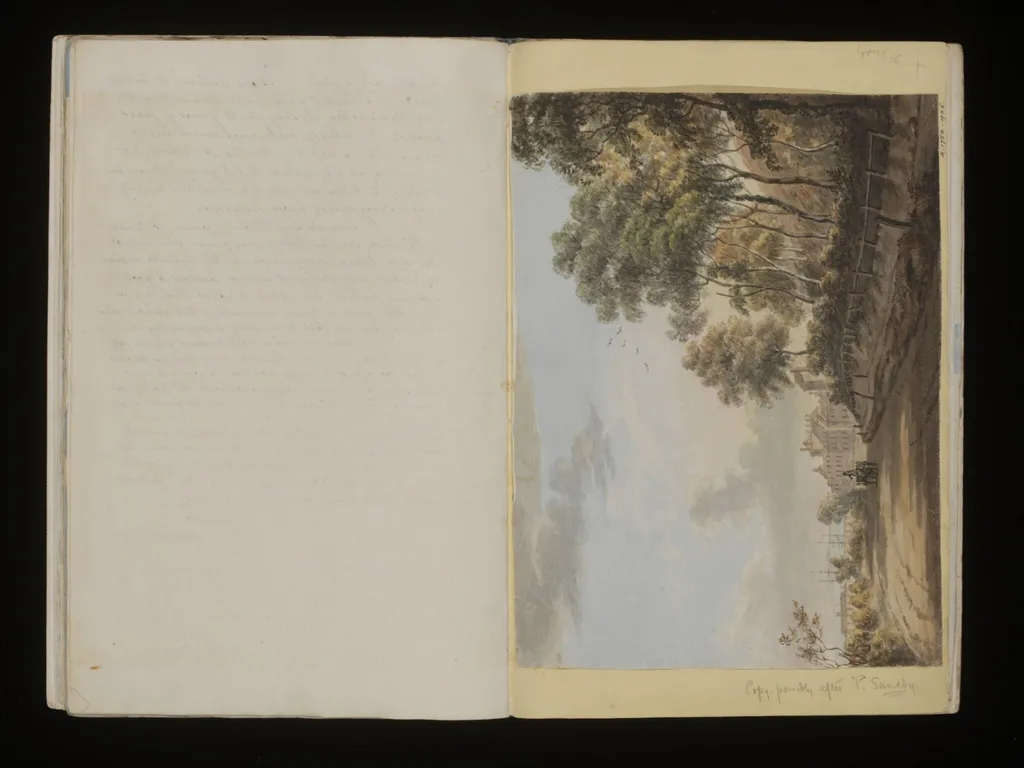
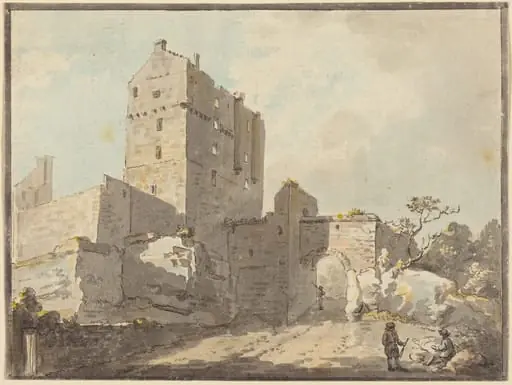
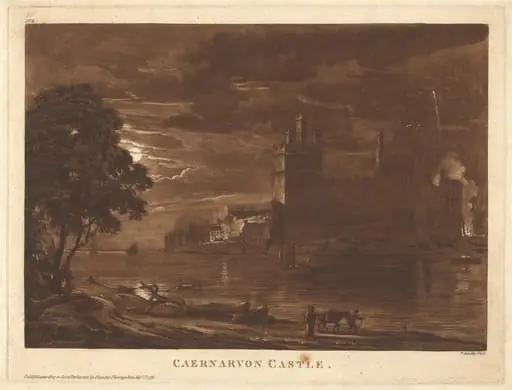
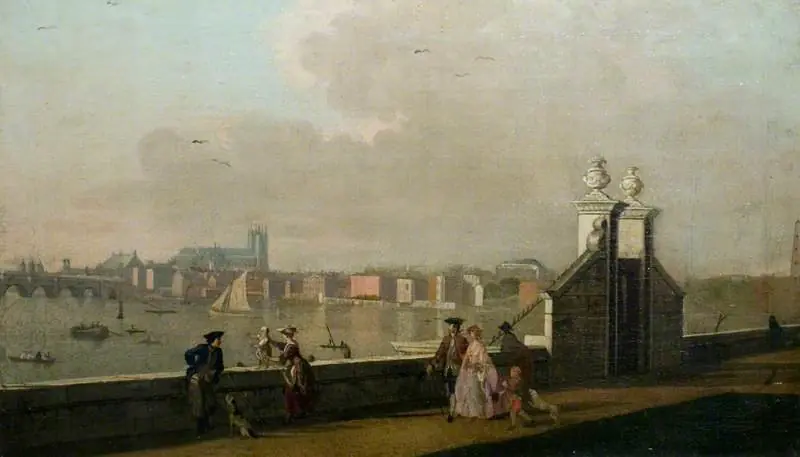
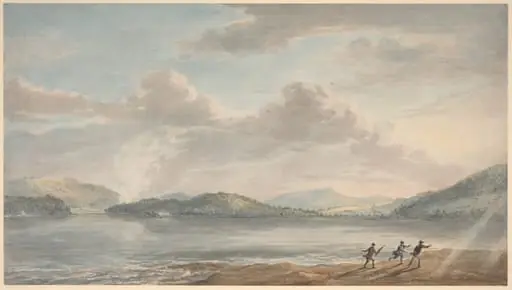
Sutherland Album is a watercolor work on paper by the Romanticist artist Paul Sandby. It is held in the collection of the Victoria and Albert Museum.
About this work
Overview
Compiled by members of an interconnected network of aristocratic families, it functions as a personal repository of artistic and literary fragments.
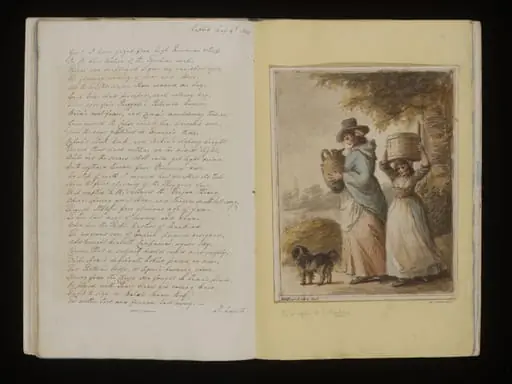
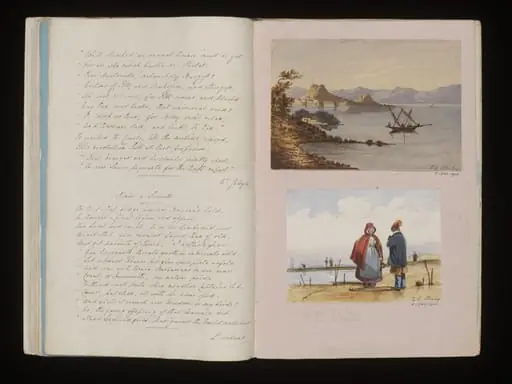
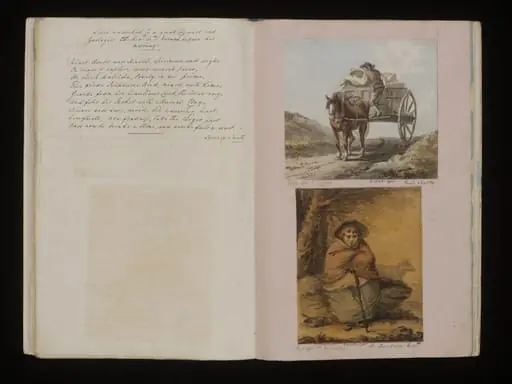
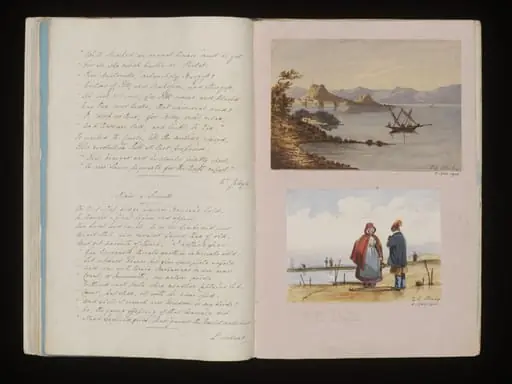
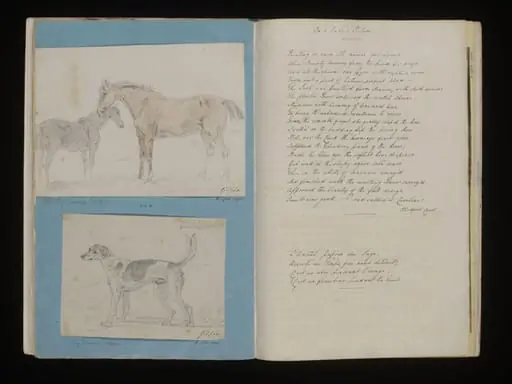
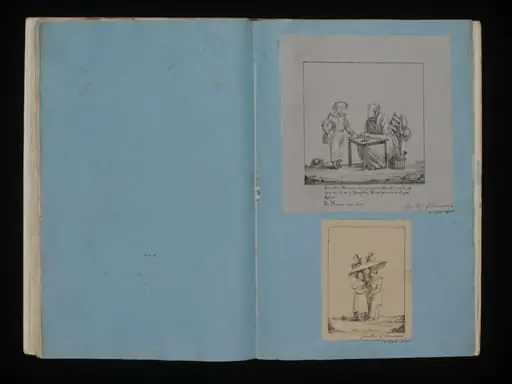
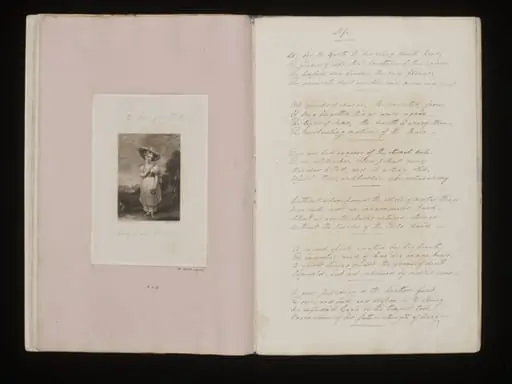
The Sutherland Album is a bound collection of watercolours, sketches, and printed images, interspersed with handwritten poems and letter excerpts. Compiled by members of an interconnected network of aristocratic families, it functions as a personal repository of artistic and literary fragments. Though its compiler remains unidentified, inscriptions on the cover and back suggest ties to the Rutland family. The album reflects a domestic tradition of collecting and curating art among amateur practitioners, rather than professional output.
Subject & Meaning
The contents center on family, place, and memory. Landscapes depict ancestral homes like Castle Howard and Belvoir Castle, while portraits honor relatives such as Lady Mary Howard, dubbed 'The Rose of Castle Howard.' Poems by figures like the Duchess of Devonshire commemorate deaths and kinship, embedding emotional resonance within the visual material. The album serves less as public display than as a private archive, preserving bonds through shared aesthetics and literary sentiment.
Technique & Style
Works are executed in watercolour and ink, with a modest, intimate scale typical of amateur practice. Lines are delicate, compositions restrained, and colour applied with sensitivity rather than dramatic flair. Sketches show observational precision, particularly in architectural views, while poetic transcriptions are rendered in neat script. The style avoids theatricality, favoring quiet realism and personal expression over formal training or public display conventions.
History & Provenance
The album’s origins lie in the late 18th and early 19th centuries among the English aristocracy, particularly families linked by marriage: the Sutherlands, Howards, Rutlands, and Devons. Contributors include Elizabeth, Countess of Sutherland, her nieces, and their circle. The presence of Belvoir Castle on the back cover and the signature 'M Rutland' on the front suggest the album may have been assembled by a member of the Rutland line, possibly as a memorial or familial keepsake.
Context
This album reflects the Georgian era’s culture of domestic art-making, where aristocratic women and men engaged in sketching and poetry as refined pastimes. Such compilations, known as commonplace books, were common among the educated elite, blending visual and literary fragments to affirm identity and kinship. Unlike public exhibitions, these albums circulated privately, reinforcing social ties through shared aesthetic sensibilities and familial nostalgia.
Legacy
The Sutherland Album survives as a rare example of aristocratic amateur art preserved in its original form. It offers insight into how family networks used visual and textual media to construct collective memory. While not widely known outside specialist circles, it remains a valuable document of private artistic life in late 18th-century England, illustrating the quiet, personal dimensions of Romantic-era culture.
Artist & collection
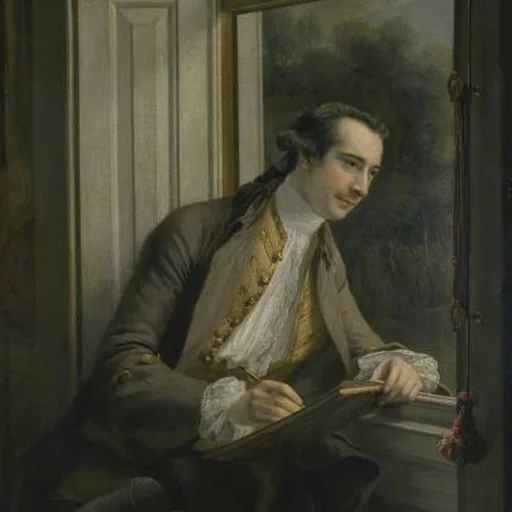
Artist
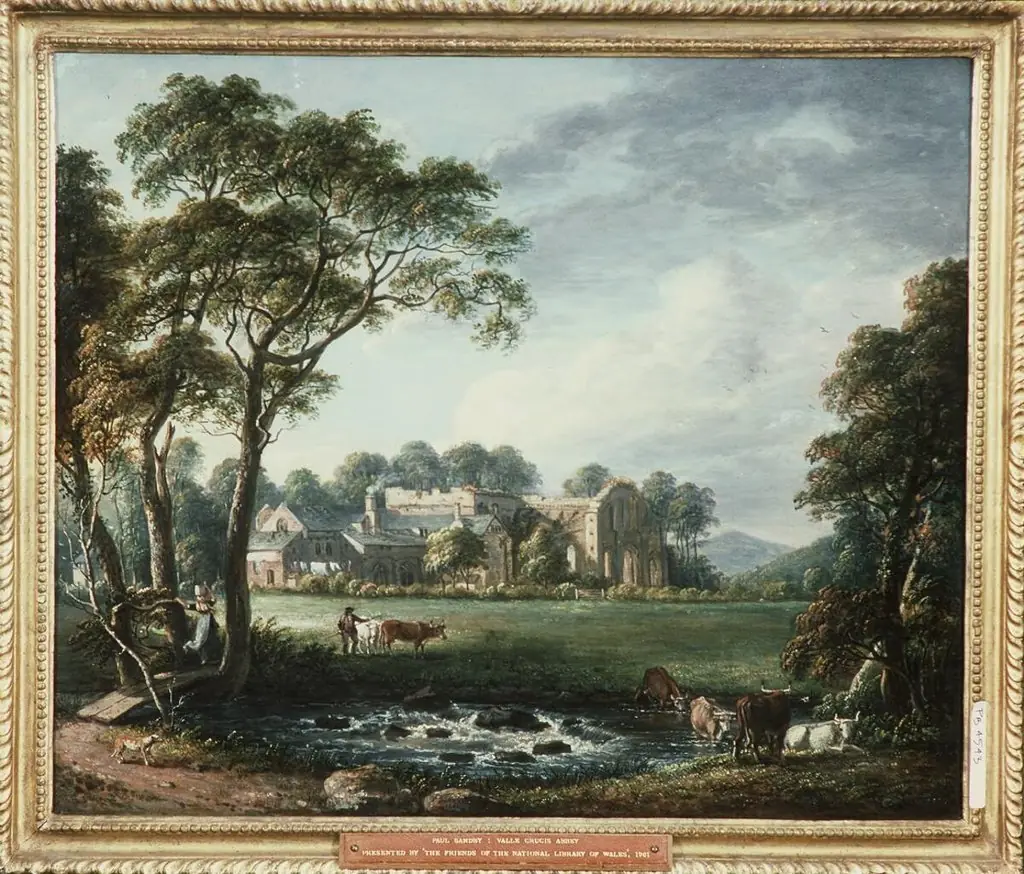
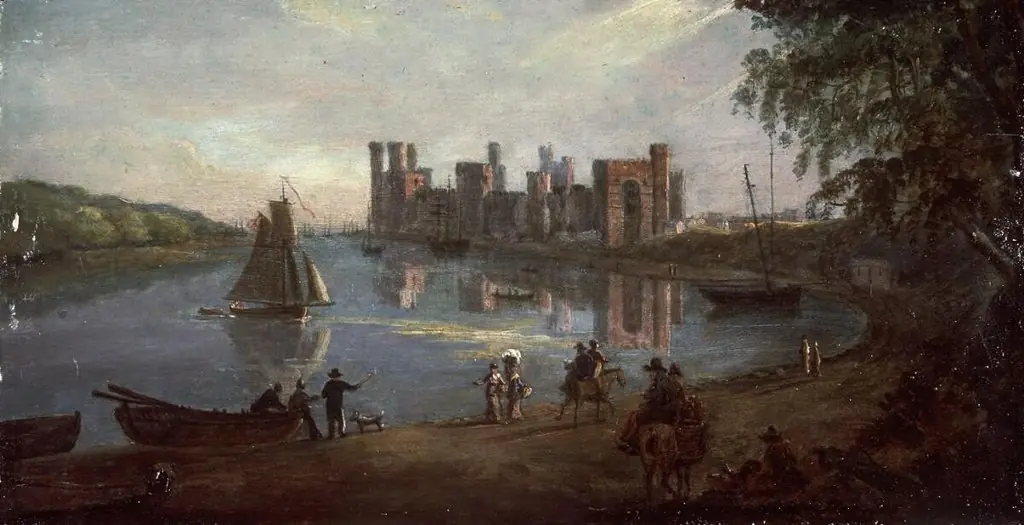
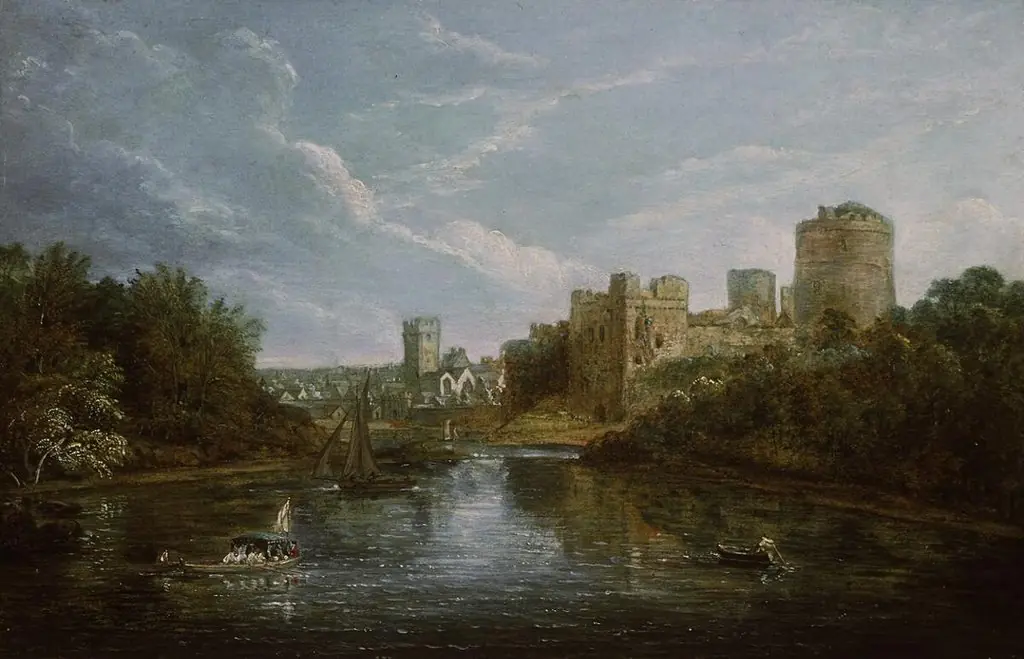
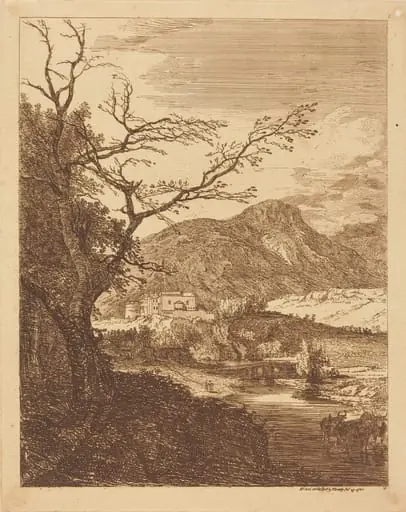
Paul Sandby, (1731 – 7 November 1809) was an English mapmaker and painter who specialised in landscape art. Along with his older brother Thomas Sandby, he was one of the founding members of the Royal Academy in 1768.