Artwork
Untitled
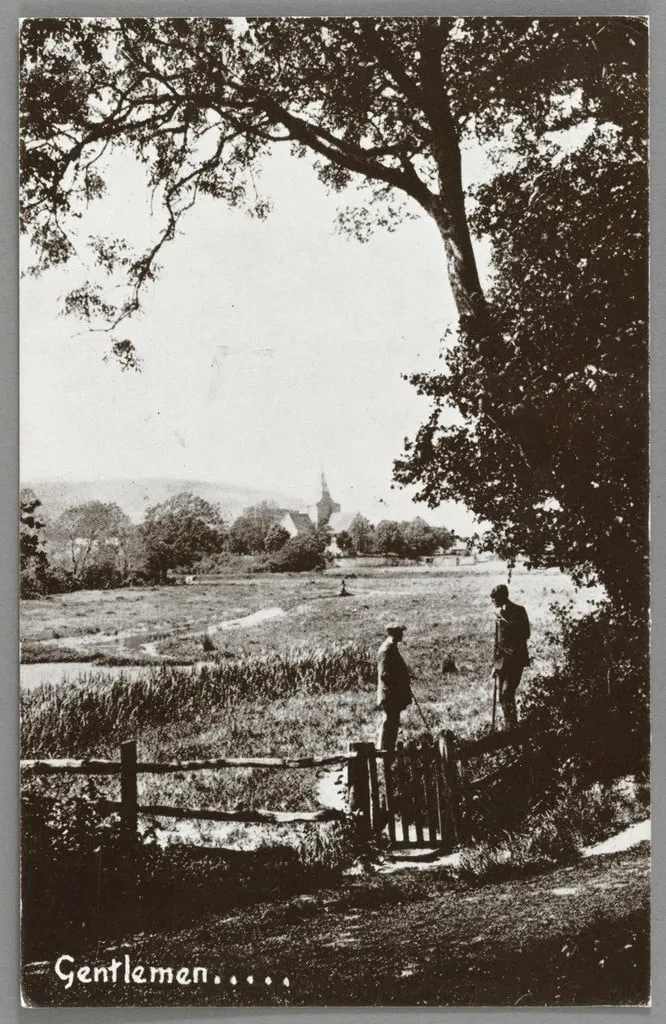
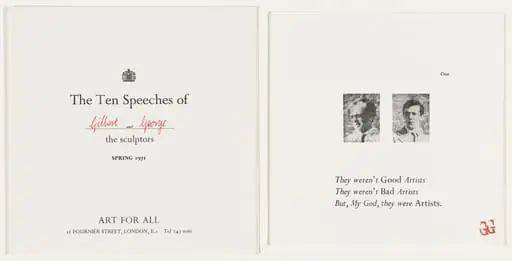
Untitled is an ink print by Gilbert Proesch, George Passmore Gilbert & George. It dates from 1972 and is held in the collection of the Museum of Modern Art. Created in 1972 by Gilbert & George, this black-and-white print combines relief halftone and lithographic techniques.
About this work
Overview
Created in 1972 by Gilbert & George, this black-and-white print combines relief halftone and lithographic techniques. It is part of their early body of work produced shortly after meeting as art students. The image was printed using stone-based lithography, a method that transfers ink from a prepared surface to paper. The work is held in the collection of The Museum of Modern Art, New York.
Subject & Meaning
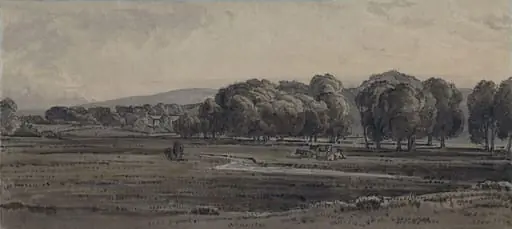
The print depicts the artists themselves standing beside a wooden fence in a rural landscape, framed by a leaning tree and a distant church steeple.
The print depicts the artists themselves standing beside a wooden fence in a rural landscape, framed by a leaning tree and a distant church steeple. The quiet, almost staged composition suggests a meditation on identity and place. The phrase 'Gentlemen...' at the base functions as both a signature and a subtle commentary on social formality, reinforcing their self-positioning as subjects within their own imagery.
Technique & Style
The image was produced using lithography, a process involving ink transfer from a stone surface, combined with relief halftone to render tonal gradations. The result mimics the grainy texture of vintage photographic postcards, evoking nostalgia while remaining distinctly mechanical. The stark contrast and flattened perspective reflect a deliberate rejection of painterly expression in favor of impersonal reproduction.
History & Provenance
Made in 1972, this print emerged during a formative period for Gilbert & George, who began producing photographic-based prints as a means to democratize their art. It entered The Museum of Modern Art’s collection shortly after its creation, reflecting early institutional recognition of their unconventional approach. The work remains one of their earliest printed pieces to be publicly acquired.
Context
In the early 1970s, Gilbert & George moved away from traditional sculpture toward image-making that incorporated their own bodies and everyday environments. This print aligns with a broader shift in British art toward conceptual and performative practices. Their use of mass-reproduction techniques challenged notions of originality and artistic authorship prevalent in fine art at the time.
Legacy
This work helped establish a visual language central to Gilbert & George’s career: the artist as subject, the mundane as material, and print as a vehicle for repetition and accessibility. Its influence can be seen in later generations of artists who use photography and print to interrogate identity and social norms, grounding personal presence within institutional frameworks.
Artist & collection
Artist
Gilbert Proesch, George Passmore Gilbert & George
Gilbert & George, Gilbert Proesch, George Passmore was a British artist.

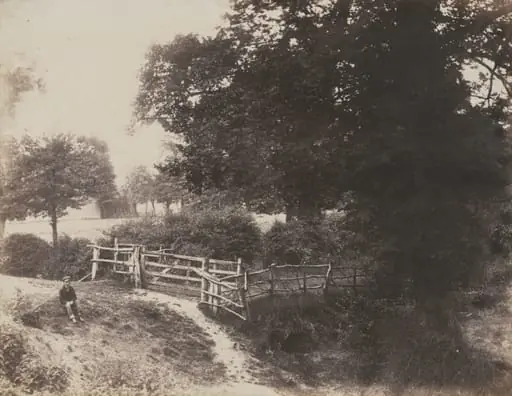 Green Meadows
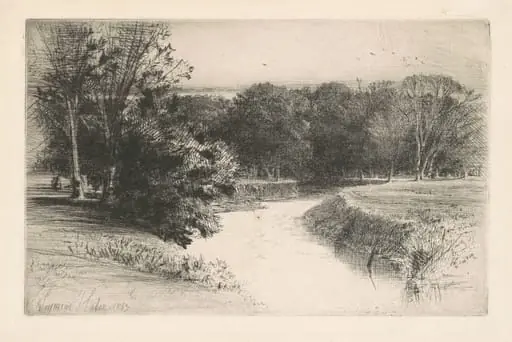 Sunset in Ireland
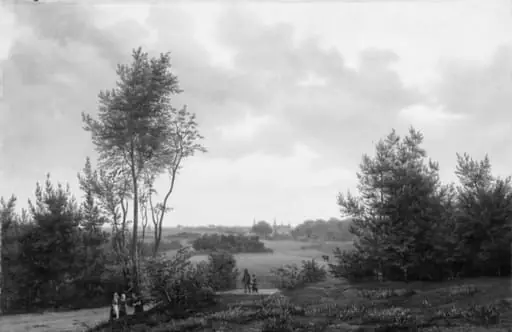 Udsigt fra Munkevang over Frederiksborg ved solnedgang
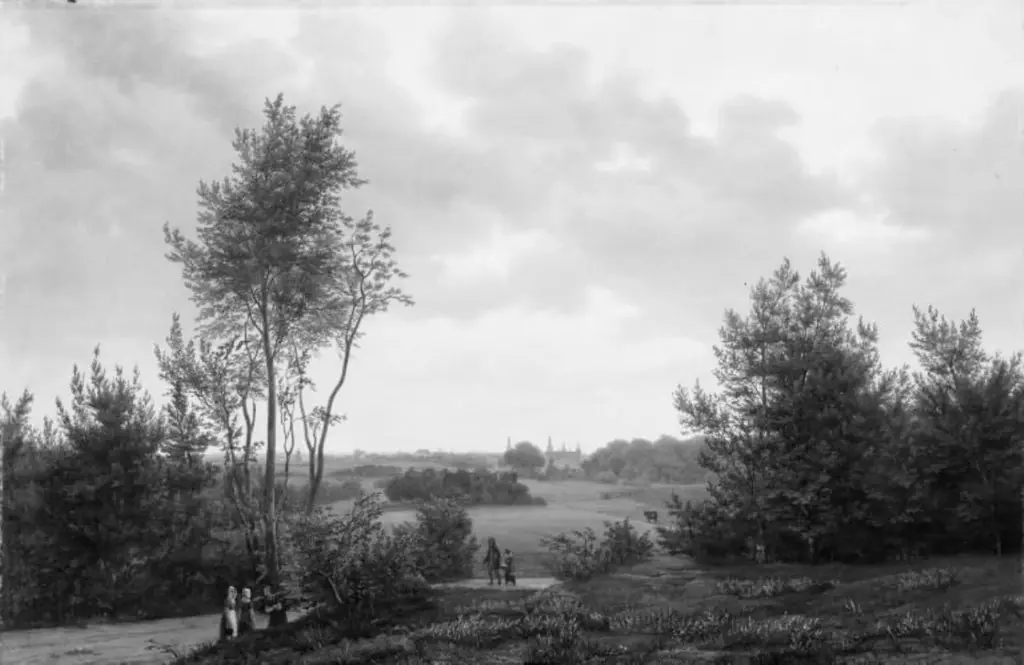 Udsigt fra Munkevang over Frederiksborg ved solnedgang
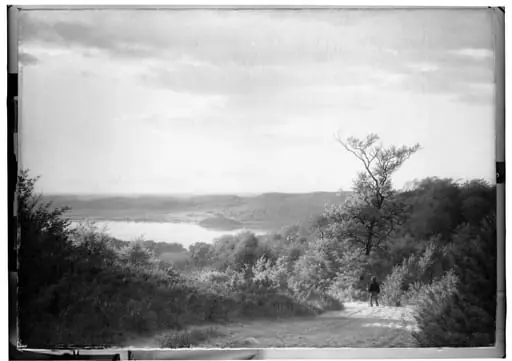 Eftermiddag ved Himmelbjerget
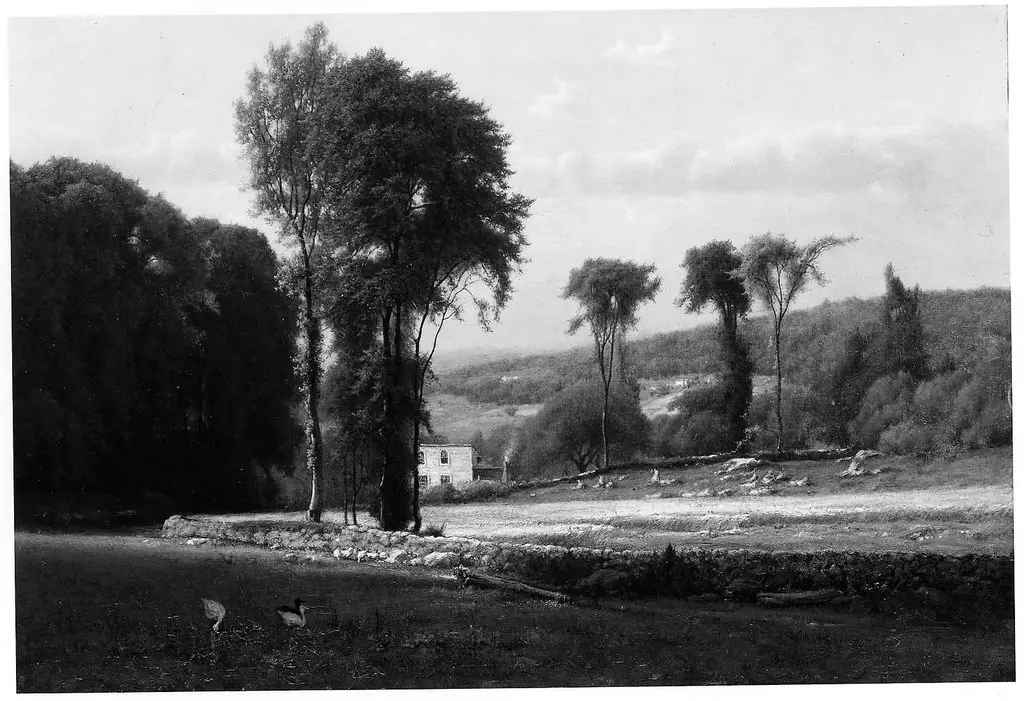 Elms in Summer
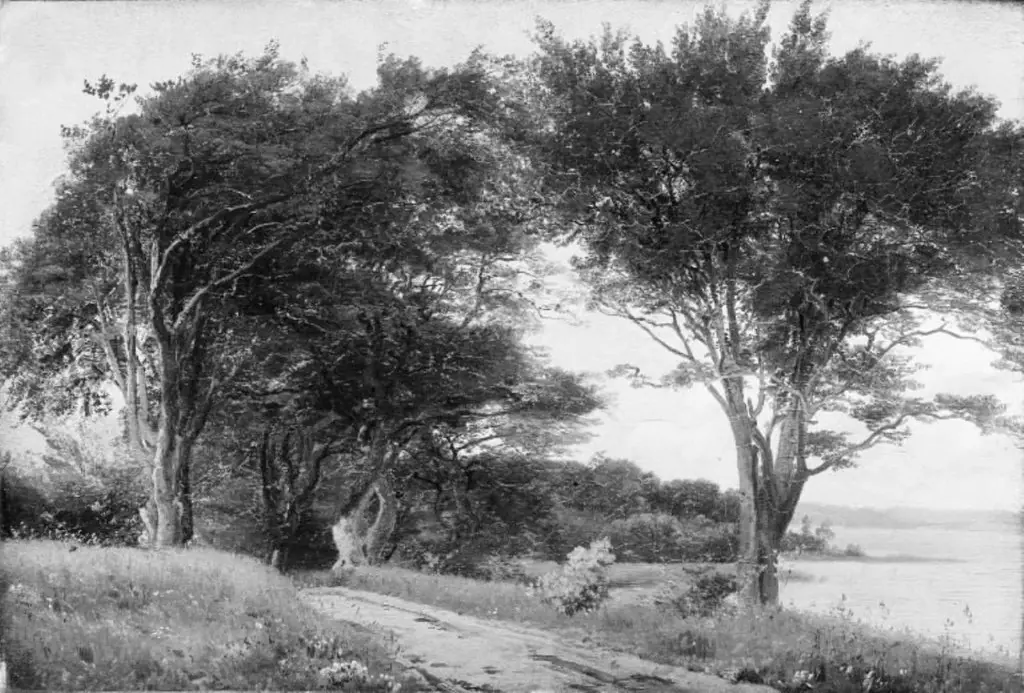 Studie fra Furesøen
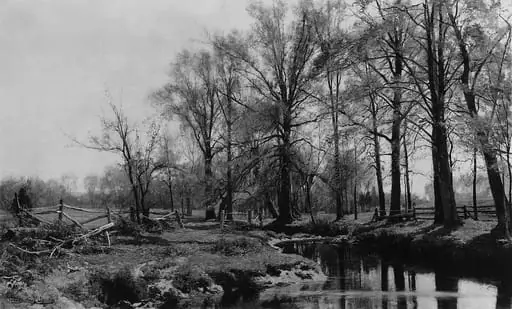 Spring
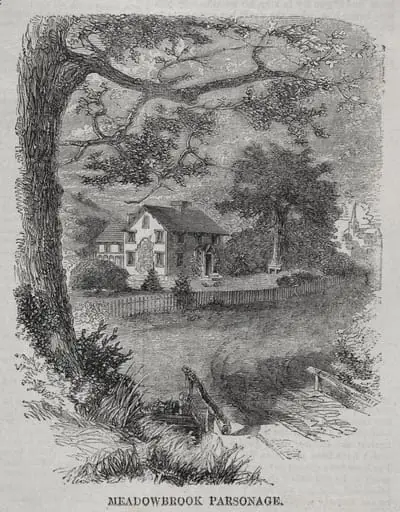 Meadowbrook Parsonage
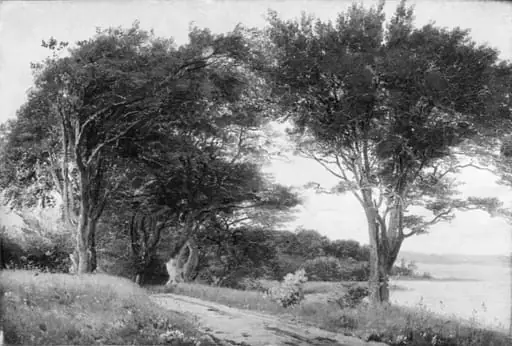 Studie fra Furesøen
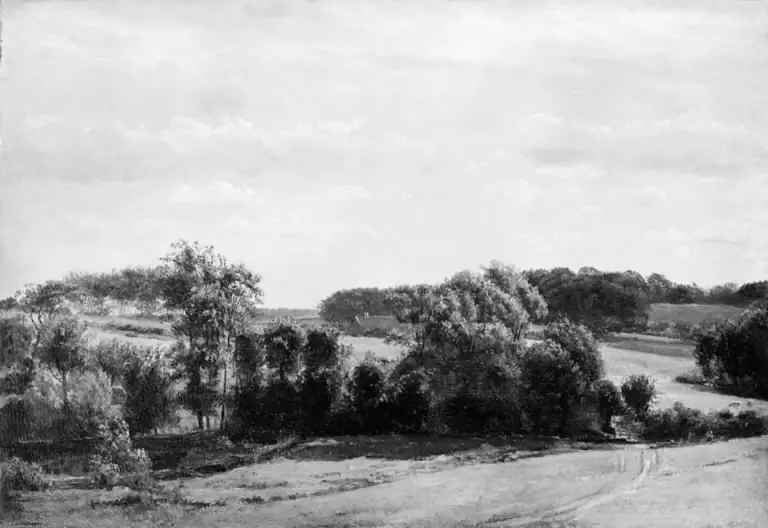 View near Rugaard, Funen
 Landscape, with meadow and stream