Artwork
Unknown man
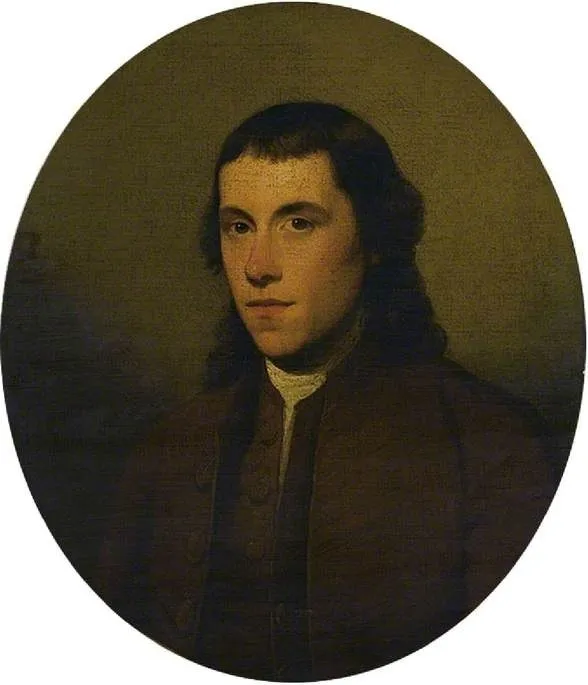
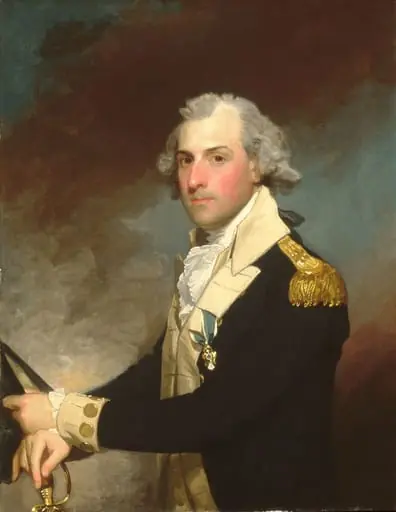
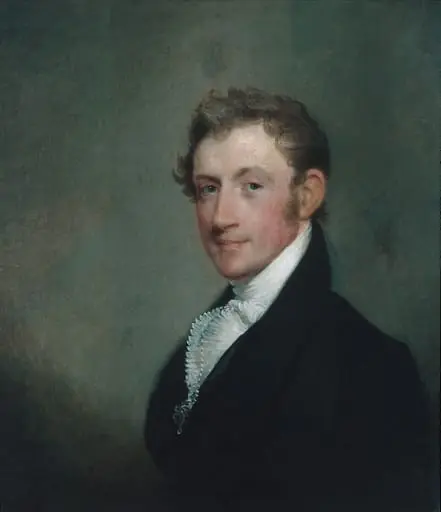
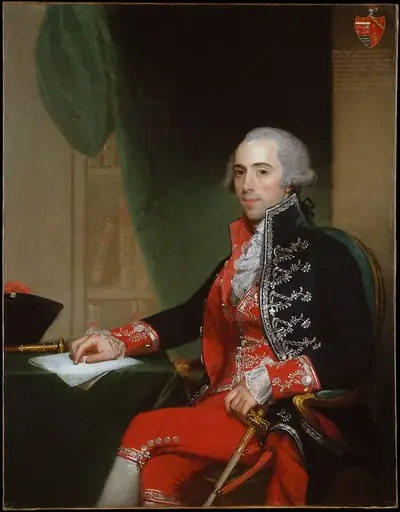
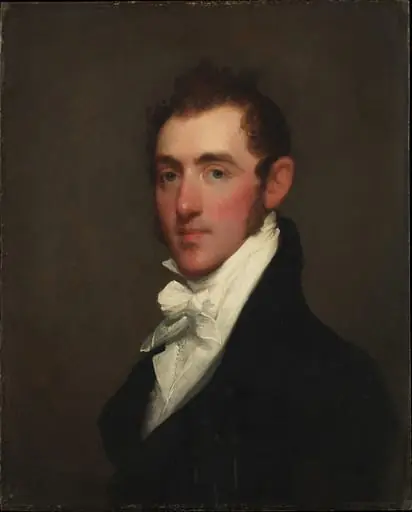
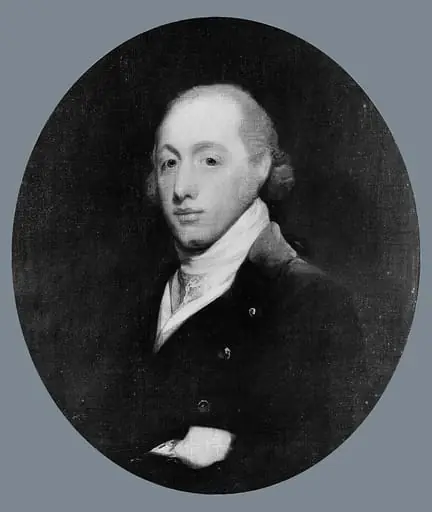
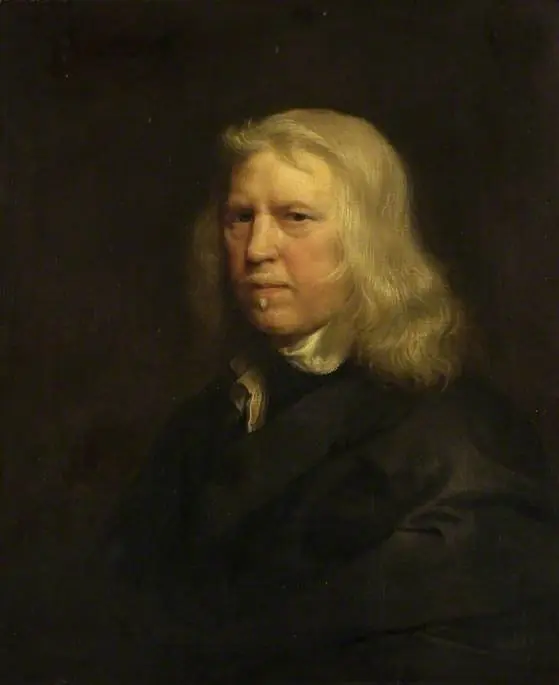
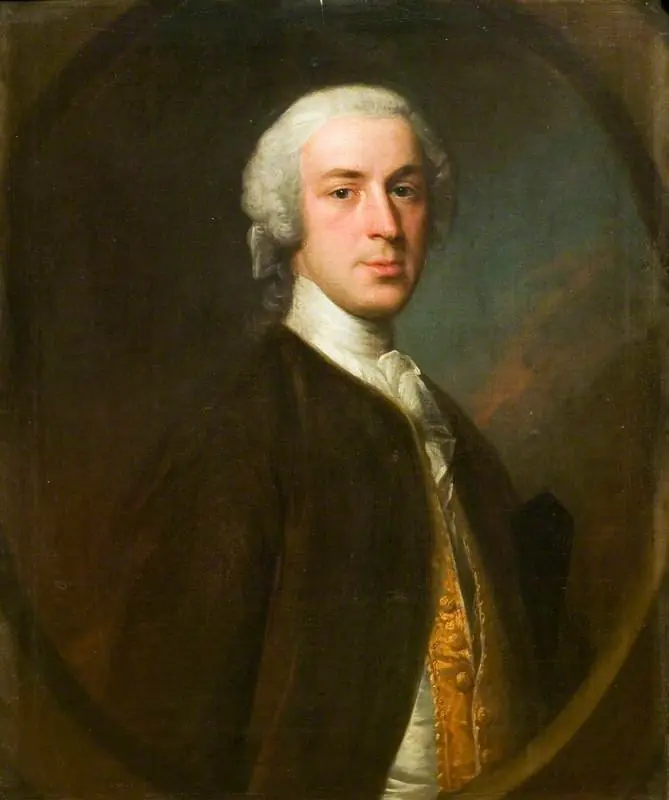
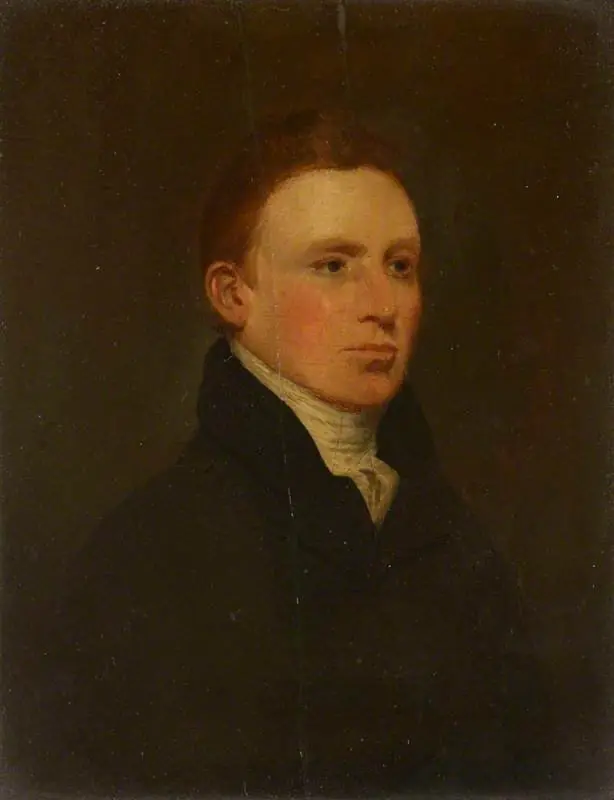
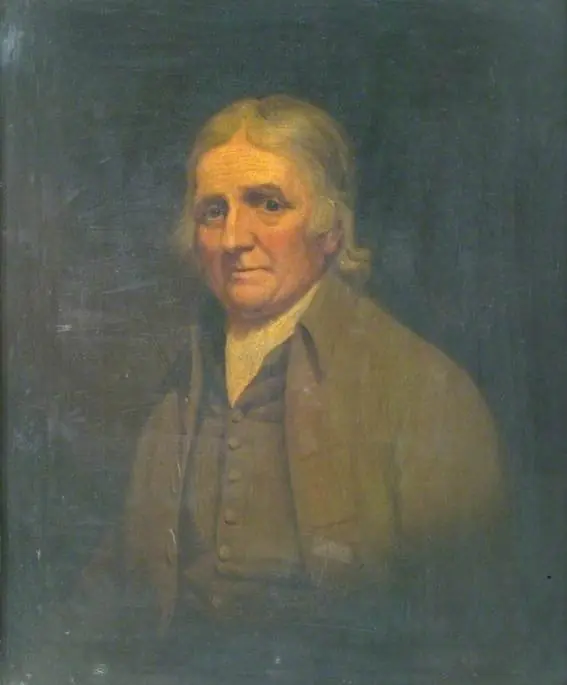
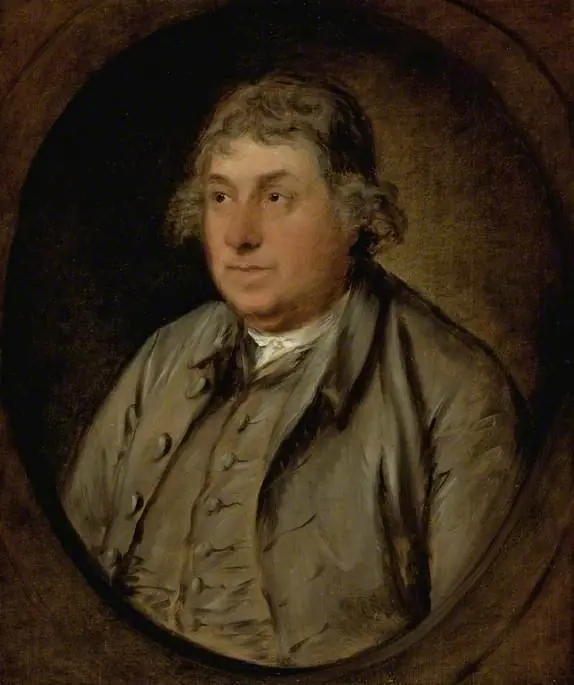
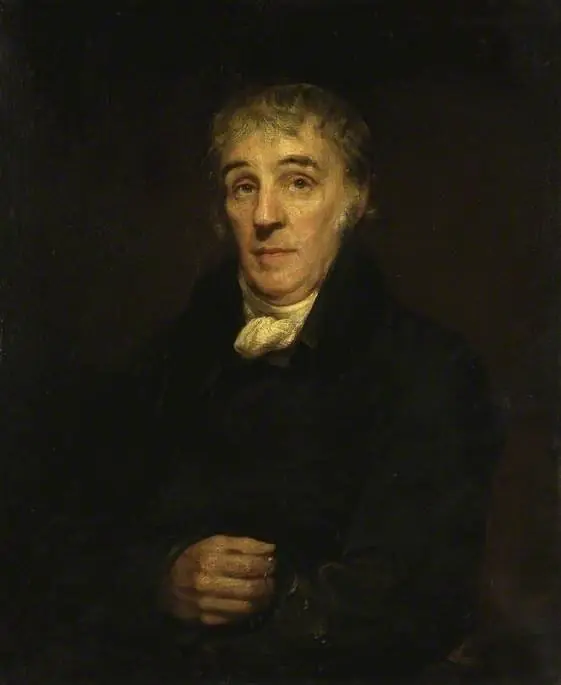
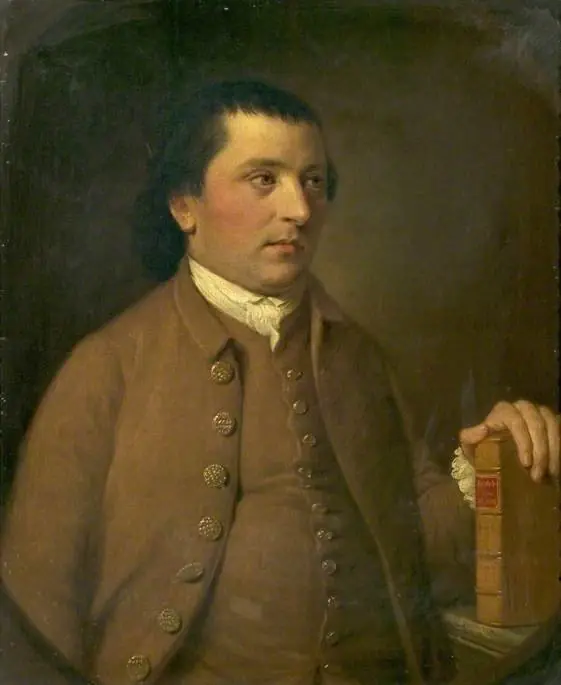
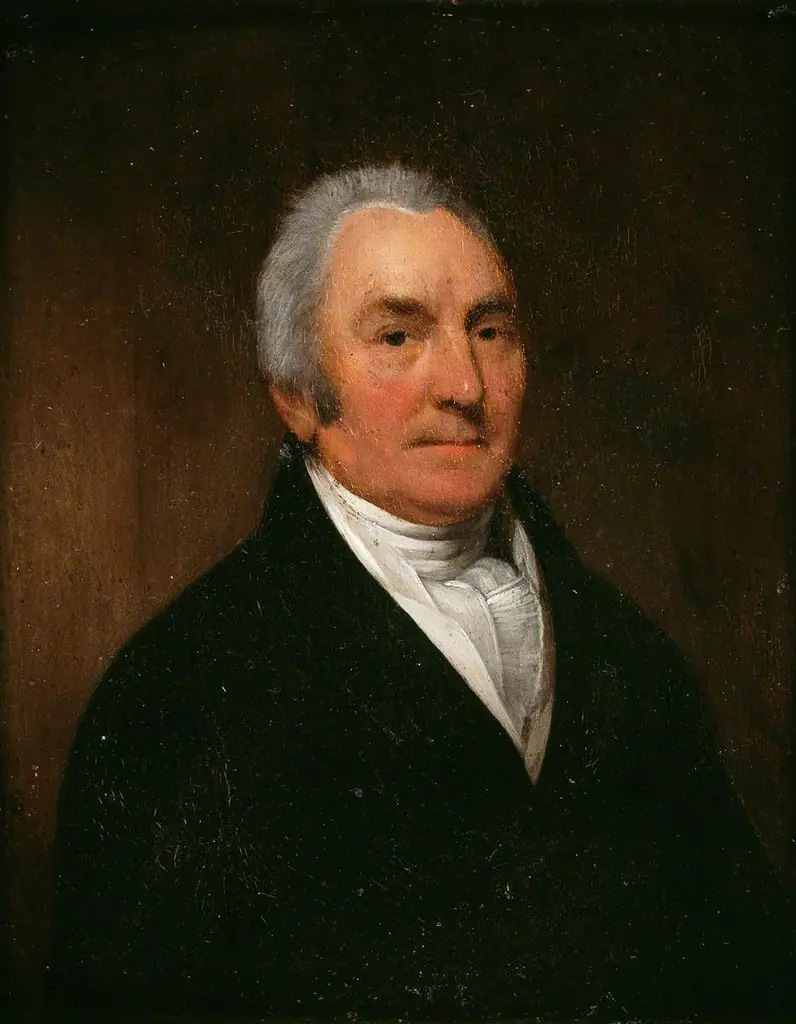
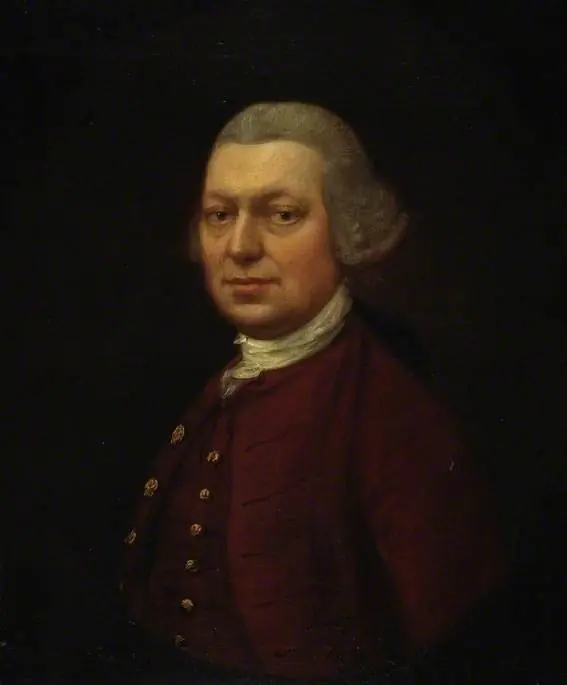
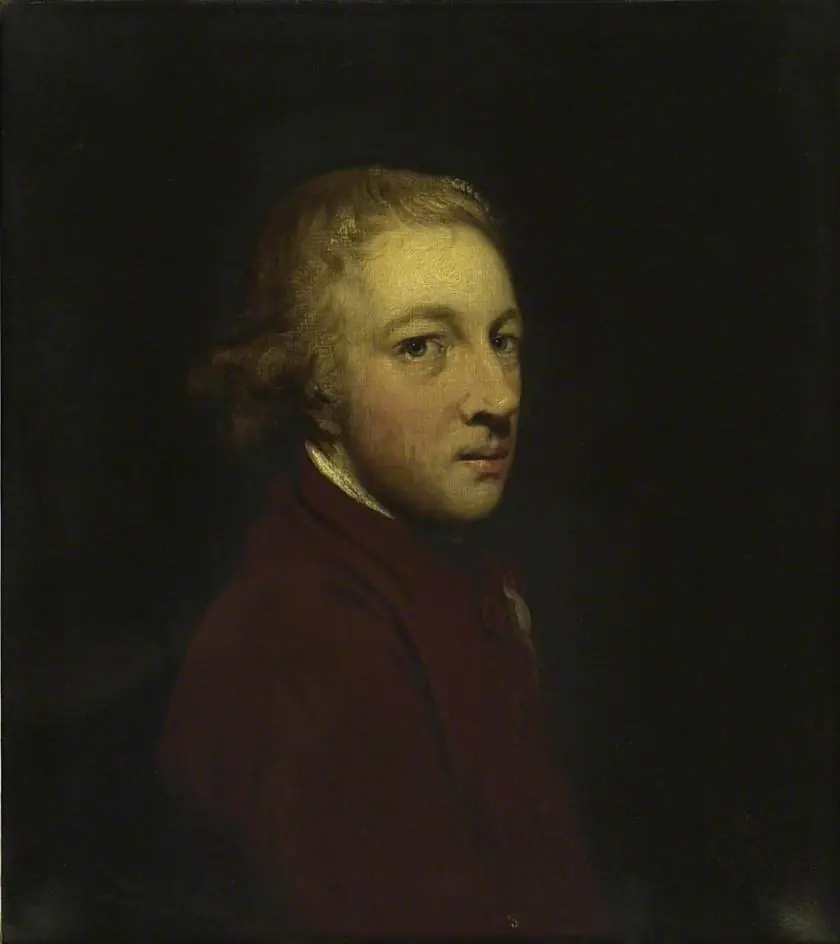
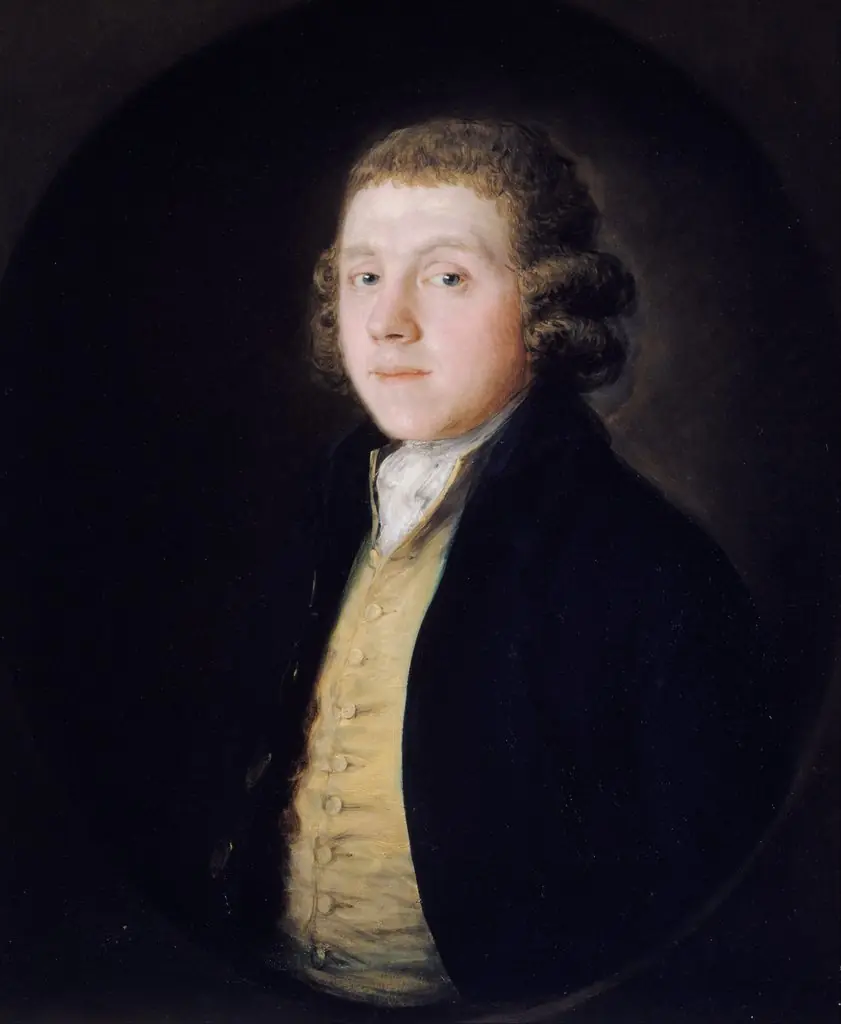
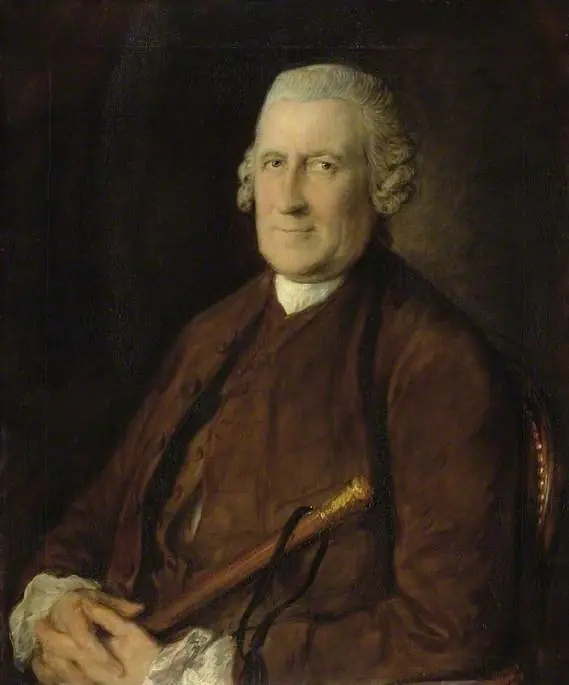
Unknown man is an oil painting by Gilbert Stuart. It dates from 1789 and is held in the collection of the Fitzwilliam Museum.
About this work
Overview
The painting resides in the Fitzwilliam Museum’s private collection, its origins traced to Stuart’s formative years in post-Revolutionary America.
Painted in 1789 by Gilbert Stuart, this oil portrait depicts an unidentified man in mid-three-quarters view. The work reflects Stuart’s early mastery of American portraiture, executed with quiet precision and restrained composition. Though less famous than his later Washington images, it exemplifies his skill in capturing individual presence without theatricality. The painting resides in the Fitzwilliam Museum’s private collection, its origins traced to Stuart’s formative years in post-Revolutionary America.
Subject & Meaning
The identity of the sitter remains unknown, and no records confirm his profession or social standing. His formal attire—a dark, high-collared coat—suggests a man of modest means or professional dignity, perhaps a merchant, lawyer, or civic figure. The neutral expression and direct gaze convey composure rather than status, aligning with Stuart’s tendency to emphasize character over grandeur. The absence of symbolic elements reinforces a focus on the individual’s presence rather than narrative.
Technique & Style
Stuart employed a restrained palette of browns and muted tones, with careful attention to the texture of fabric and the subtleties of skin. Brushwork is precise yet unobtrusive, avoiding overt flourish in favor of naturalistic rendering. The background, a soft, uniform brown, isolates the figure and directs focus to his face and posture. This approach reflects the influence of European portraiture, adapted to American sensibilities of understated realism and psychological restraint.
History & Provenance
Created in 1789, the portrait predates Stuart’s most celebrated works, including the Athenaeum portrait of George Washington. It likely originated from his time in Boston or Philadelphia, where he cultivated a clientele among the emerging American elite. The painting entered the Fitzwilliam Museum’s collection through private acquisition, though its path from Stuart’s studio to Cambridge remains undocumented. Its survival reflects the enduring interest in Stuart’s early output.
Context
In late 18th-century America, portraiture served as both personal commemoration and social assertion. Stuart emerged as a leading practitioner during a period when national identity was being visually constructed. Unlike European counterparts who emphasized aristocratic lineage, American sitters often sought dignified, unadorned likenesses. This portrait aligns with that trend, embodying a new cultural preference for individuality grounded in restraint and clarity.
Legacy
Though overshadowed by Stuart’s Washington portraits, this work contributes to understanding his artistic evolution. It demonstrates his consistent ability to render psychological depth with minimal embellishment, a hallmark of his mature style. As one of many unassuming portraits from his early career, it underscores the breadth of his practice beyond national icons, offering insight into the everyday subjects who shaped early American visual culture.
Artist & collection

Artist
Gilbert Stuart (né Stewart; December 3, 1755 – July 9, 1828) was an American painter born in the Rhode Island Colony who is widely considered one of America's foremost portraitists.