Artwork
The Reverend Samuel Kilderbee
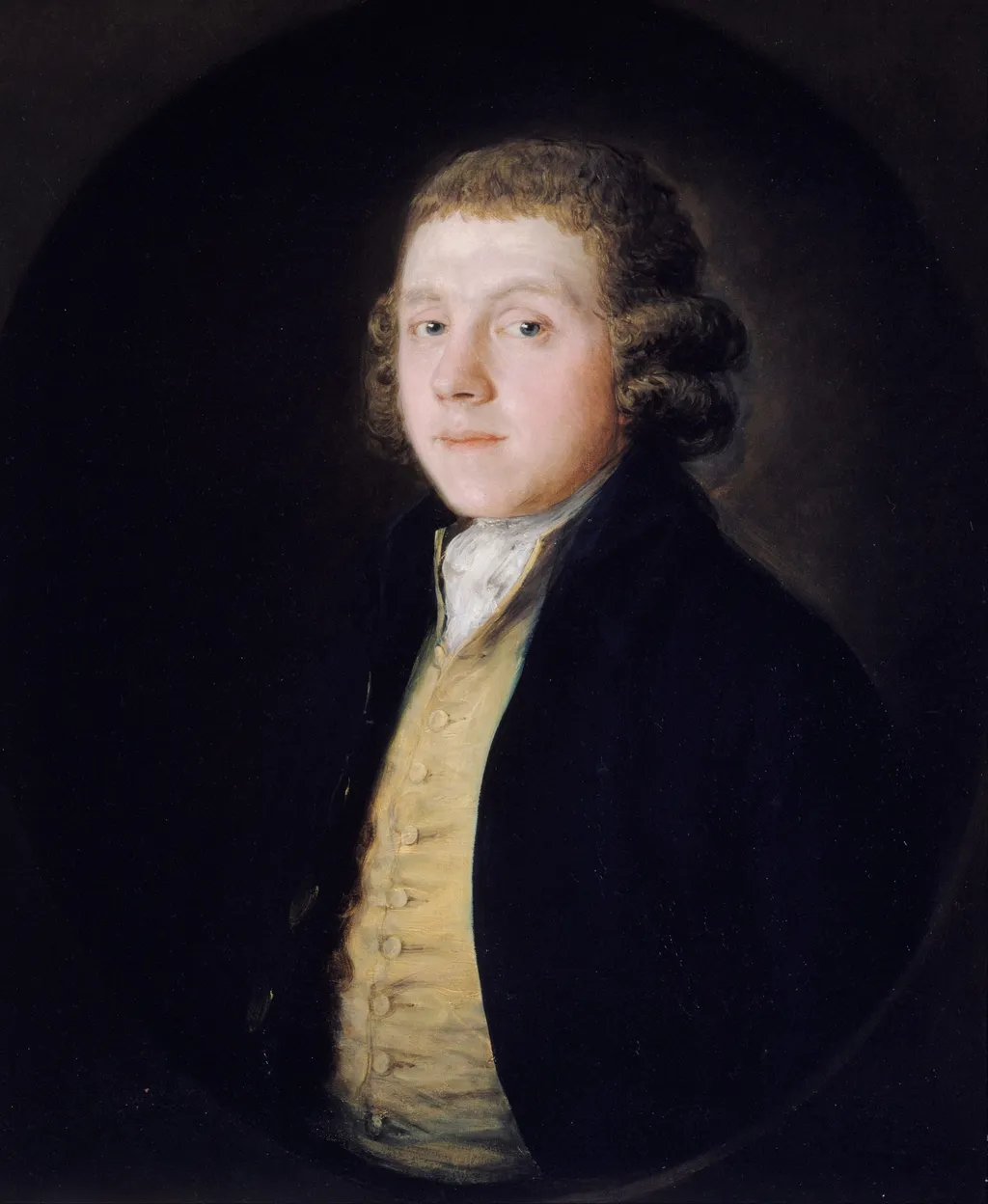
The Reverend Samuel Kilderbee is an oil painting by the Rococo painting artist Thomas Gainsborough. It dates from 1770 and is held in the collection of the Art Gallery of New South Wales.
About this work
The painting features a portrait of a man with curly brown hair, dressed in a black jacket over a yellow waistcoat and white cravat.
The painting features a portrait of a man with curly brown hair, dressed in a black jacket over a yellow waistcoat and white cravat. He is positioned against a dark background, with the focus centered on his upper body.
The subject's attire and hairstyle suggest a formal setting, likely from the 18th century. The artist's use of oil paint creates a sense of depth and texture in the image.
To learn more about the artist behind this portrait, explore the works of Thomas Gainsborough.
Overview
Painted in 1770, this oil portrait captures the Reverend Samuel Kilderbee, a clergyman of the English Church, in a formal half-length composition. Executed by Thomas Gainsborough, it reflects the artist’s mature style during a period when he was refining his approach to portraiture. The work is held in the collection of the Art Gallery of New South Wales, where it remains a representative example of 18th-century British painting.
Subject & Meaning
The sitter, Reverend Kilderbee, is portrayed with quiet dignity, his attire—black coat, yellow waistcoat, and white cravat—signaling both clerical status and gentlemanly refinement. His curled brown hair and composed expression suggest a man of education and social standing. The absence of symbolic objects or elaborate settings directs attention to his presence, emphasizing personal character over ecclesiastical authority.
Technique & Style
Gainsborough applied oil paint with fluid, loose brushwork, creating a sense of movement in the fabric and texture in the cravat and hair. The palette is restrained yet luminous, with the yellow waistcoat providing subtle contrast against the dark background. The background is left undefined, focusing the viewer’s gaze on the figure’s upper body and facial expression, a hallmark of Gainsborough’s portraiture at this time.
History & Provenance
The portrait was completed in 1770 and remained in private hands for much of its early history. It entered the Art Gallery of New South Wales in the 20th century, likely through acquisition or bequest. Its journey from an English domestic setting to an Australian public collection reflects broader patterns of colonial-era art dispersal and institutional building in the post-imperial era.
Context
In the 1770s, Gainsborough was among the most sought-after portraitists in England, competing with Joshua Reynolds for elite commissions. While Reynolds favored grandeur and classical allusion, Gainsborough’s approach was more intimate and naturalistic. This portrait aligns with his preference for capturing individuality through subtle gesture and refined color, distinct from the more formal conventions of the period.
Legacy
Though not among Gainsborough’s most widely reproduced works, this portrait exemplifies his evolving technique and sensitivity to psychological nuance. It contributes to the understanding of how 18th-century English portraiture balanced social expectation with personal expression. The painting continues to be studied for its brushwork and its place within the broader trajectory of British art before the rise of Romanticism.
Own this work as a print
Artist & collection
Artist
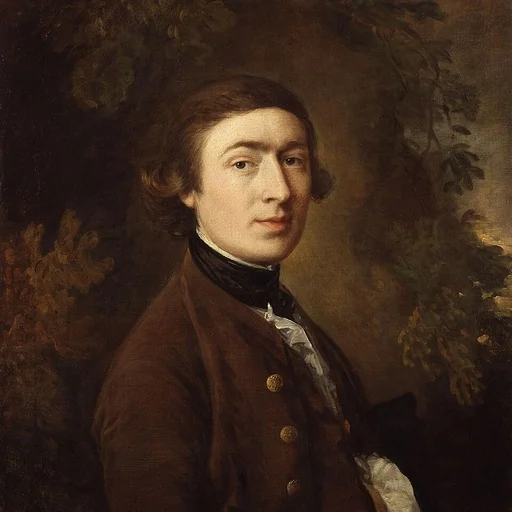
Thomas Gainsborough (; 14 May 1727 (baptised) – 2 August 1788) was an English painter, draughtsman and printmaker who specialised in portrait and landscape painting.

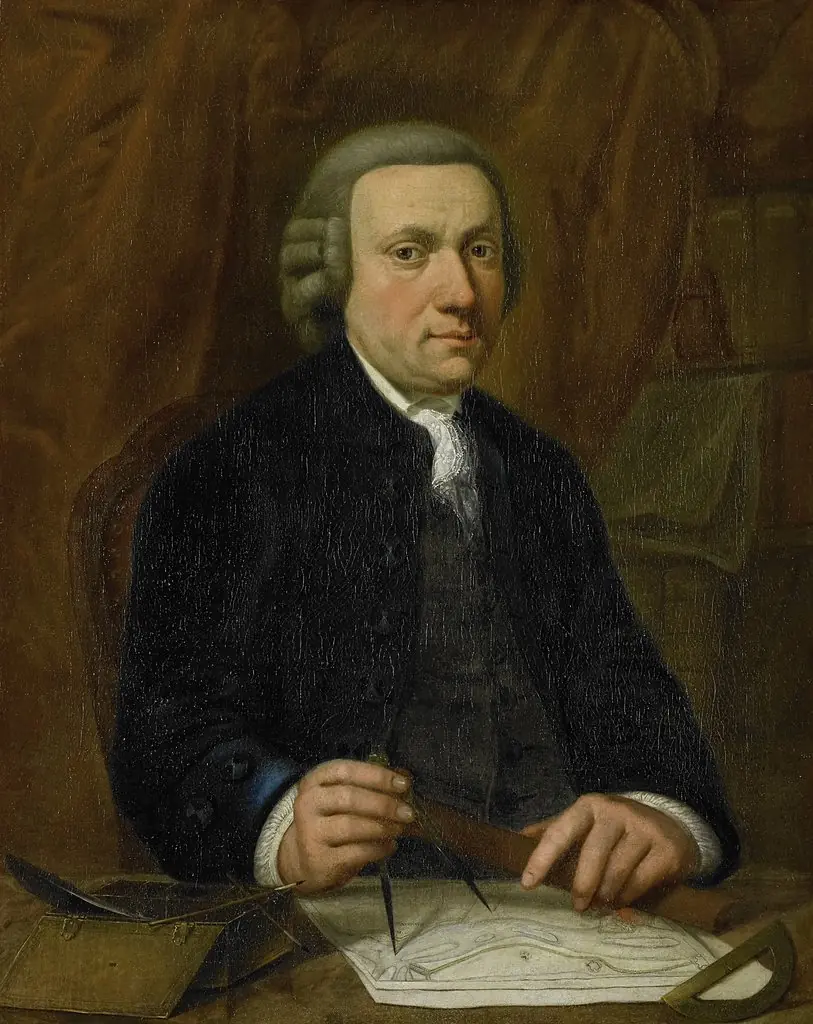 Portrait of Barend Goudriaan Ariesz.
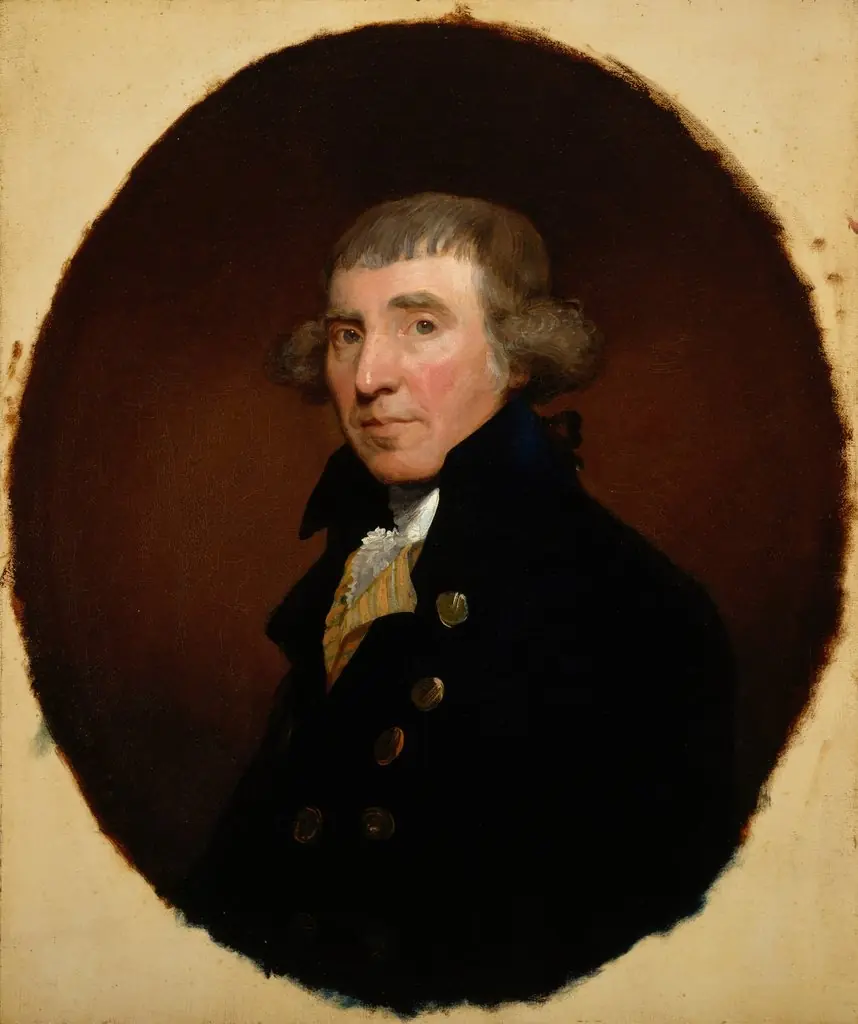 Portrait of Robert Livingston (b. 1733)
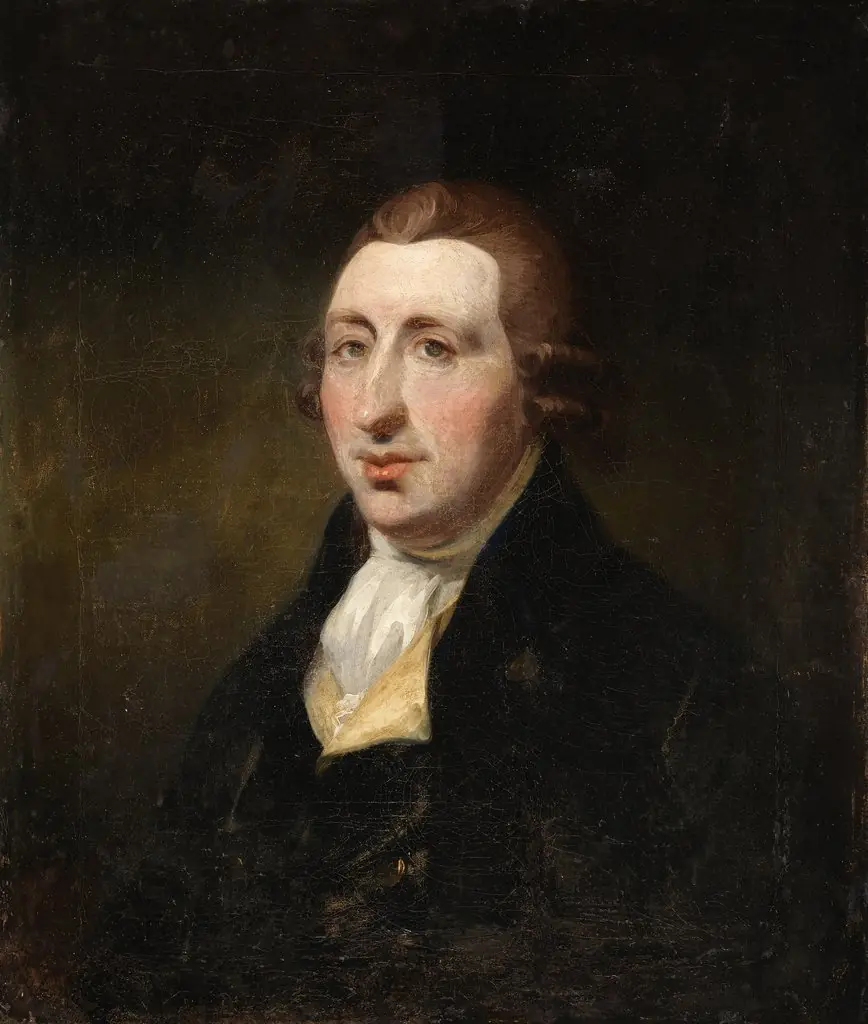 Portrait of James Napper Tandy (1740-1803), United Irishman
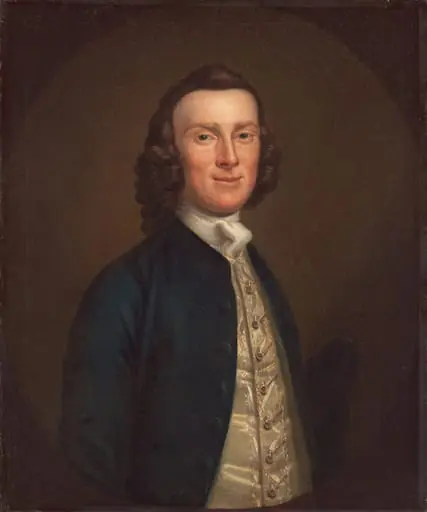 John Stevens (?)
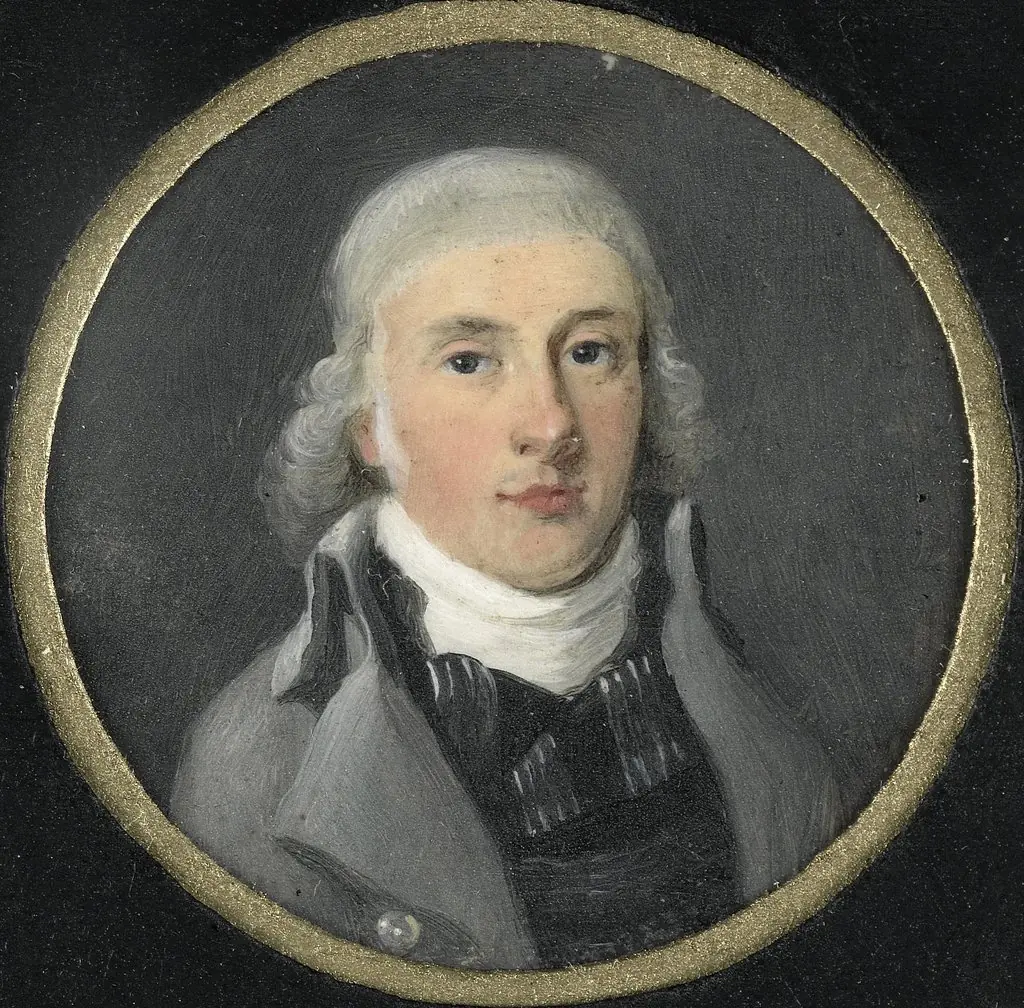 Portret van een man
 Portrait of a Man
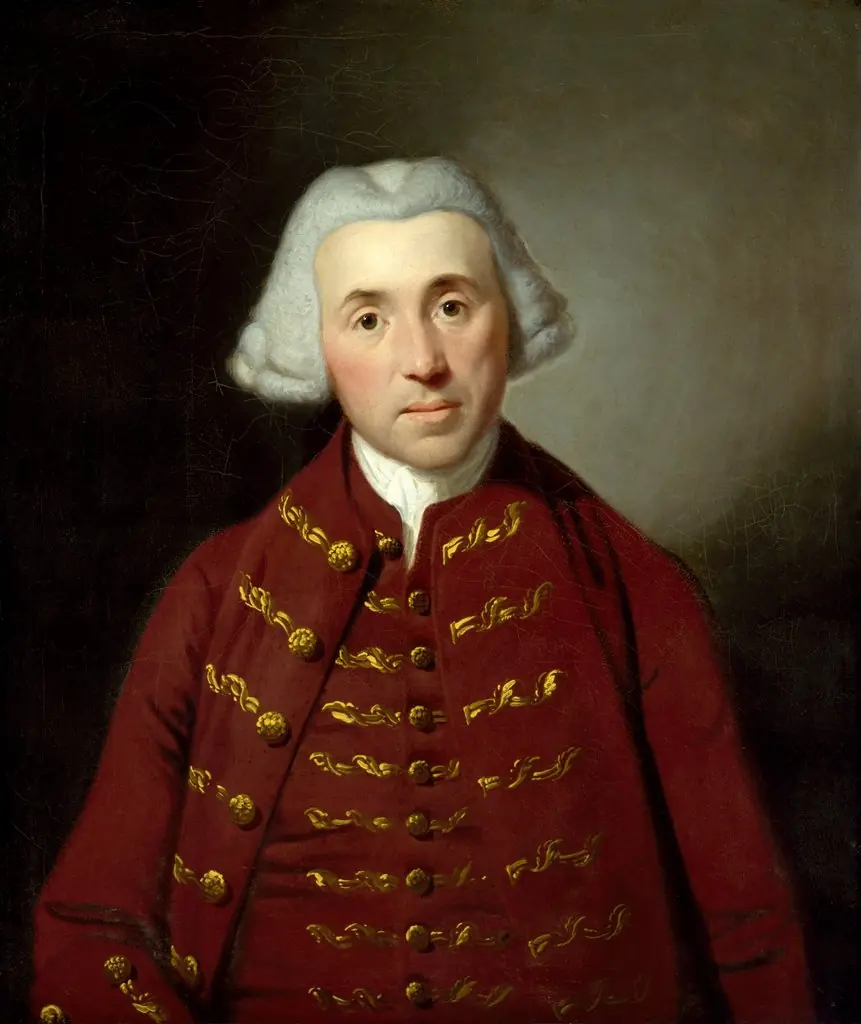 Portrait of a Man
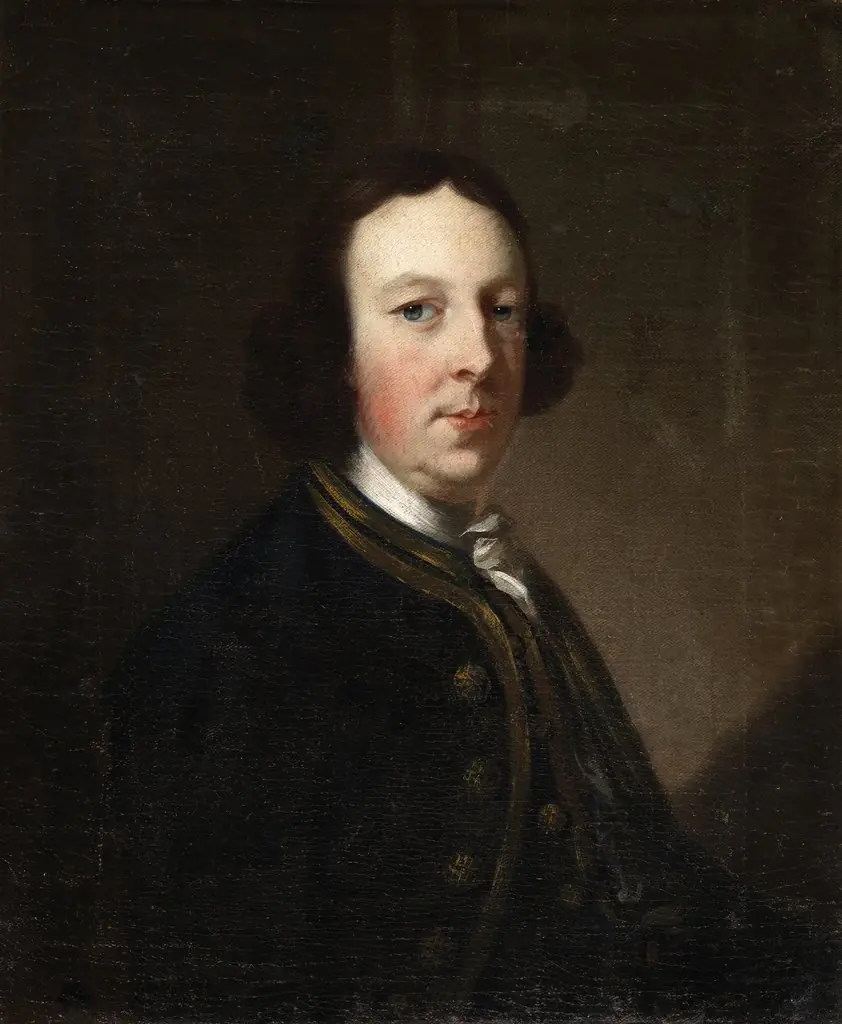 Portrait of Thomas, Lord Longford (1713-1766)
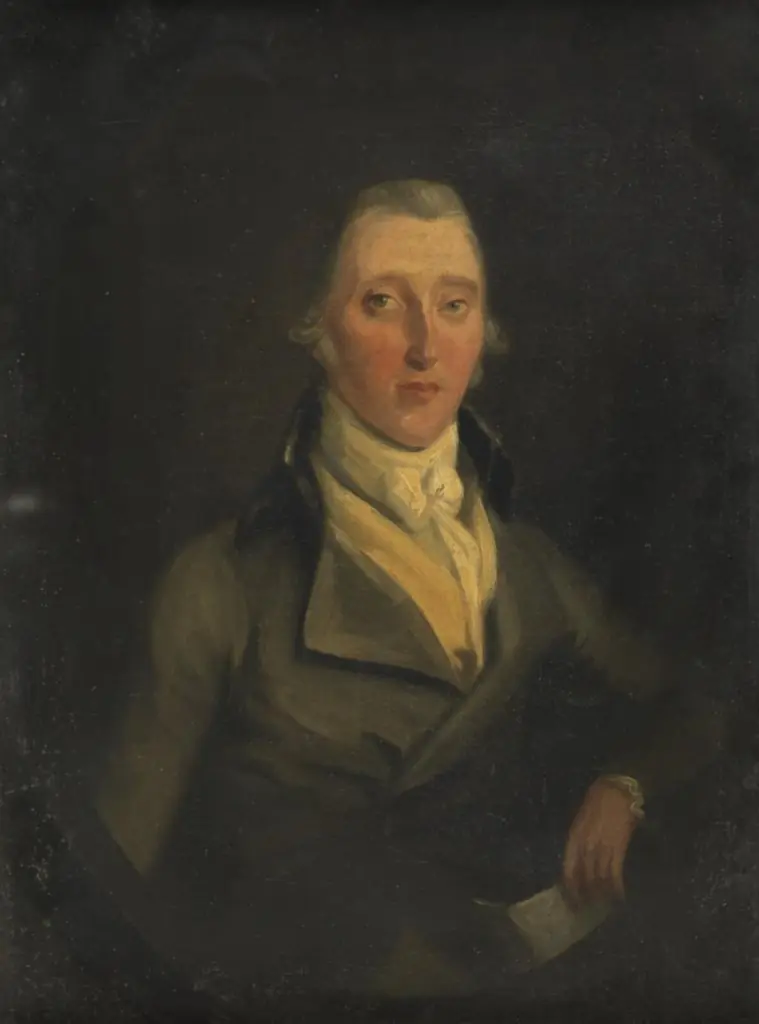 Robert Roberts, Mab Richd & Jane Roberts
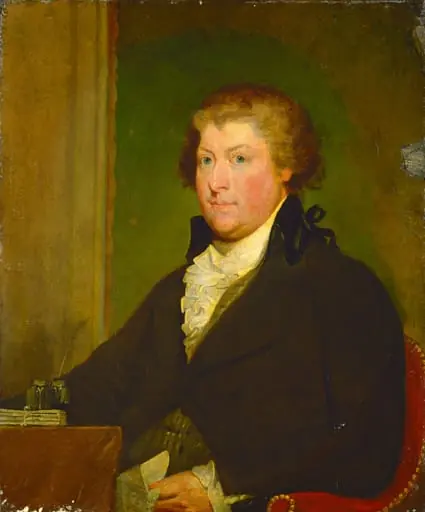 William Seton
 William Wragg
 Reverend Basil Bury Beridge