Artwork
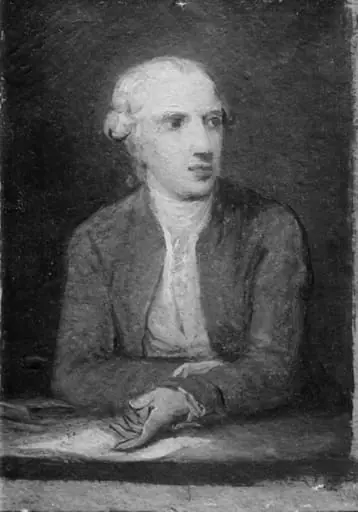
Portrait of a young Man
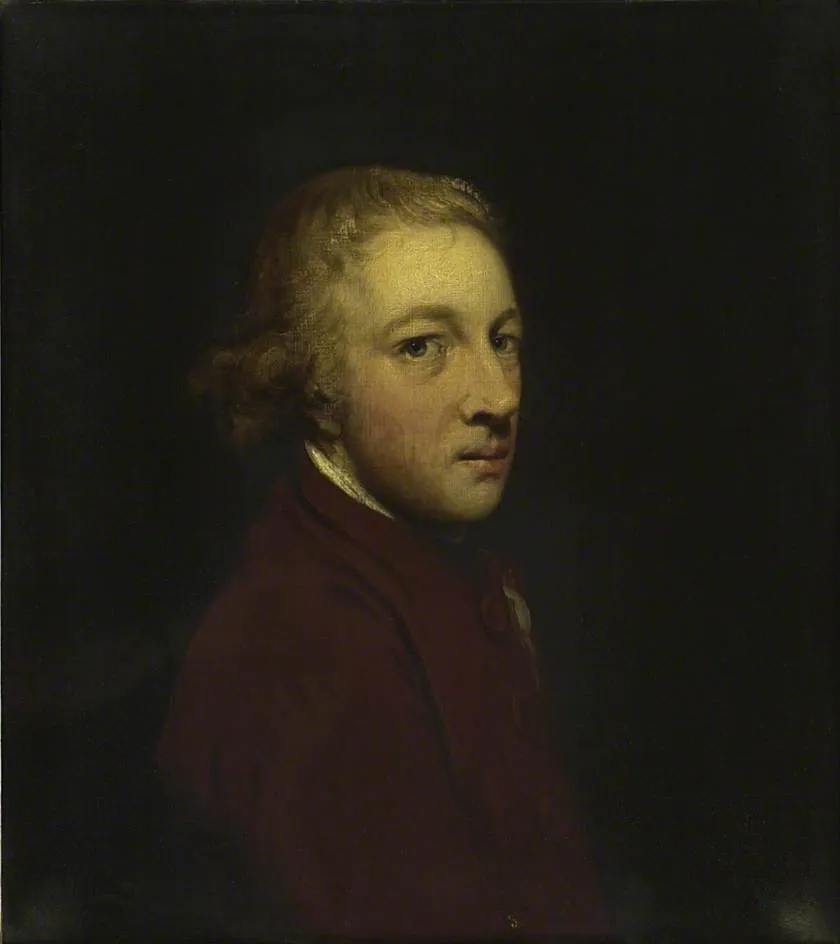
Portrait of a young Man is an oil painting by the Rococo painting artist Unknown. It dates from 1760 and is held in the collection of the Ashmolean Museum. This oil painting portrays a young man in quiet stillness, rendered with subtle precision.
About this work
Overview
The dark background isolates his figure, drawing attention to his facial features and the texture of his clothing.
This oil painting portrays a young man in quiet stillness, rendered with subtle precision. Dressed in a dark red jacket and white shirt, he faces slightly to the right, his gaze directed beyond the frame. The dark background isolates his figure, drawing attention to his facial features and the texture of his clothing. The composition emphasizes restraint, avoiding dramatic gestures in favor of a composed, introspective presence.
Subject & Meaning
The sitter’s identity remains unknown, but his attire suggests a person of modest means or social standing, not aristocratic. His neat hairstyle and well-fitted clothes imply attention to personal presentation, while his neutral expression conveys inward reflection rather than outward assertion. The painting invites contemplation of individuality in an era when portraiture often served to affirm status or lineage.
Technique & Style
The artist employs chiaroscuro to model the face and clothing with soft gradations of light and shadow, giving volume without harshness. The dark background enhances the luminosity of the skin and collar, while fine brushwork captures the sheen of fabric and the delicacy of hair. The restrained palette and controlled lighting reflect a focus on psychological presence over narrative detail.
History & Provenance
The painting’s origin is undocumented prior to its inclusion in modern collections. No definitive record links it to a known artist or commission, though its style aligns with Northern European portraiture of the late 16th or early 17th century. Its survival suggests it was valued by private owners, though its early ownership remains speculative.
Context
During the period when this portrait was likely made, secular portraiture flourished beyond religious or royal subjects. Middle-class patrons increasingly commissioned images to mark personal milestones or social identity. This work reflects that trend—neither grand nor ceremonial, yet carefully crafted to convey dignity and individuality.
Legacy
Though not widely exhibited or studied, the painting contributes to the broader understanding of non-elite portraiture in early modern Europe. Its quiet intensity and technical restraint offer insight into how artists captured personal presence without overt symbolism, influencing later approaches to intimate, psychologically grounded representation.
Artist & collection

 Domestic Scene
 Giacomo and Cardinal Marco, investing Andrea, Abbot of San Zeno, with his Benefice
 The Nymph of Fontainebleau
 Portrait of a Woman
 Madonna and Child with Saints in the Enclosed Garden
 Venus and Minerva
 Family Group of Four on Sofa
 Wall painting from Room H of the Villa of P. Fannius Synistor at Boscoreale
 Portrait of a gentleman in a red cloak
 Edward Morrison
 Portrait of Col. Acland
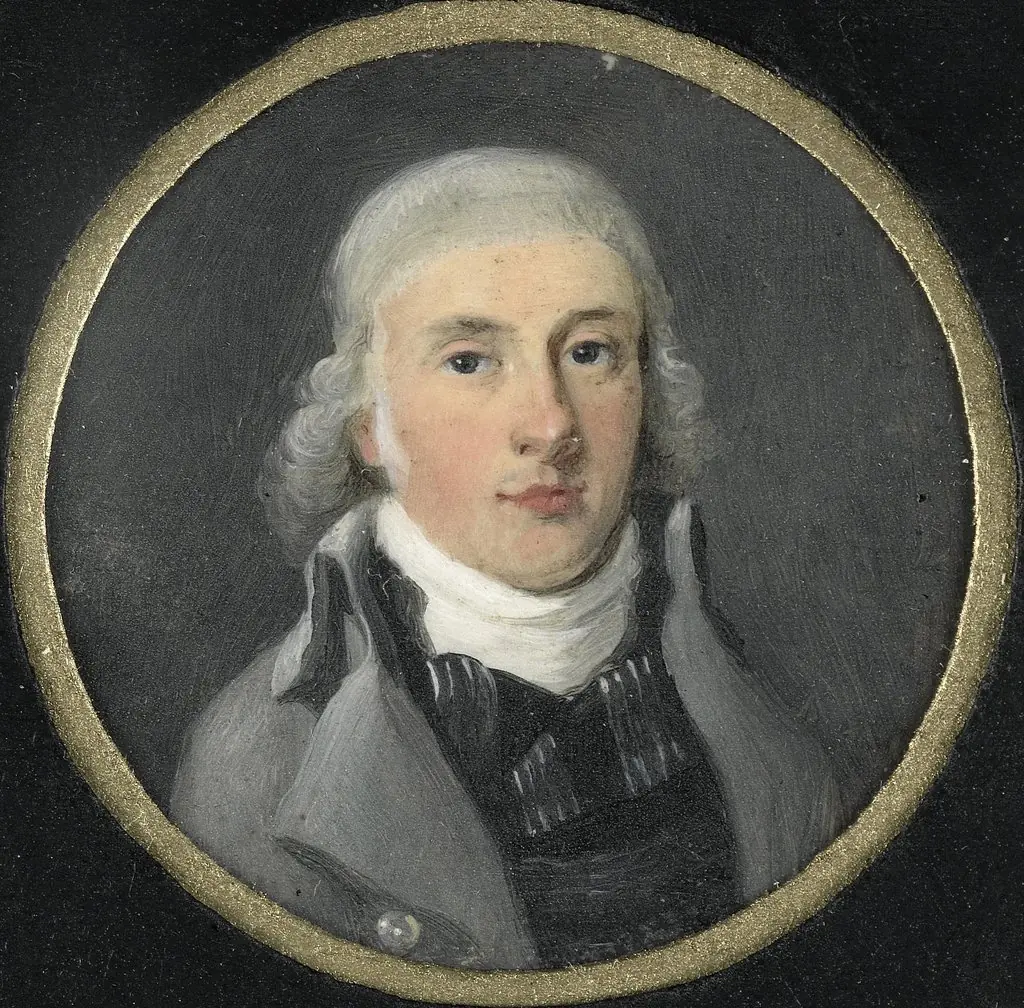 Portret van een man
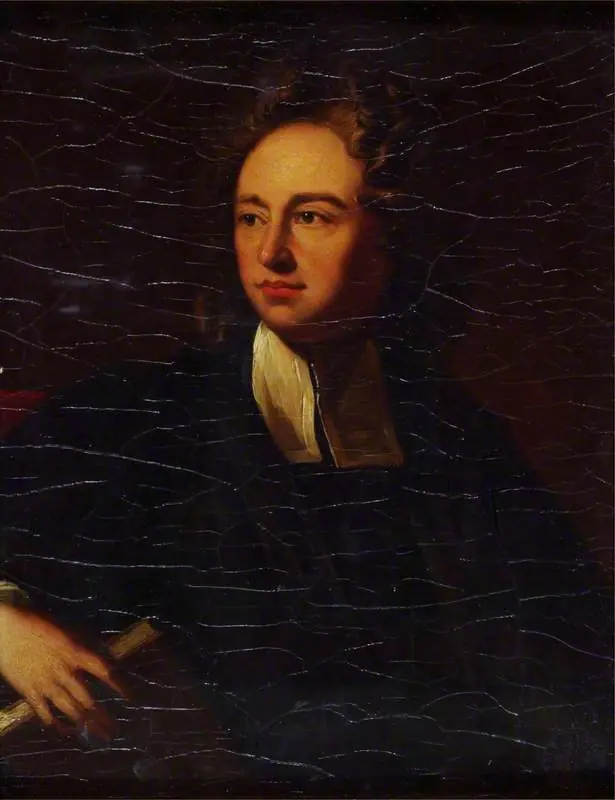 Richard Bentley (after James Thornhill)
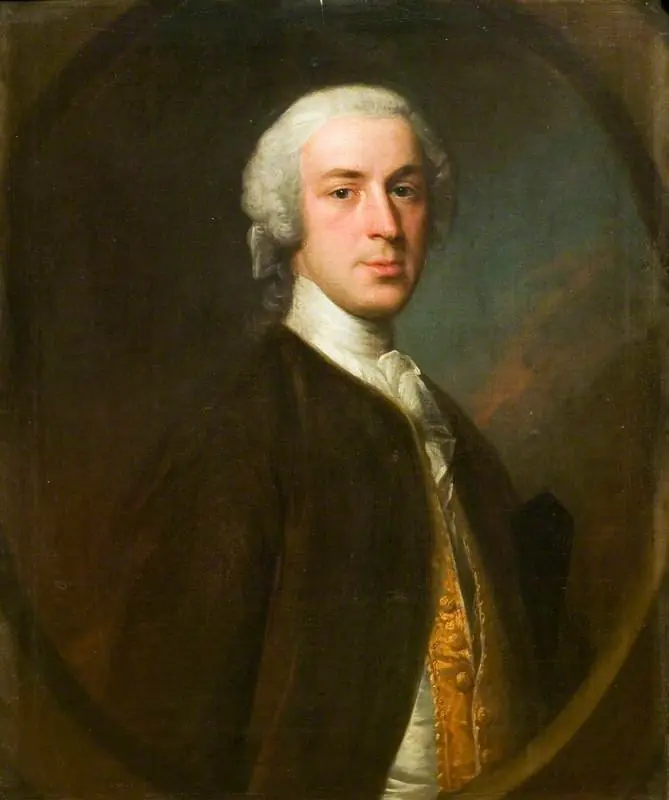 Portrait of an Unknown Man
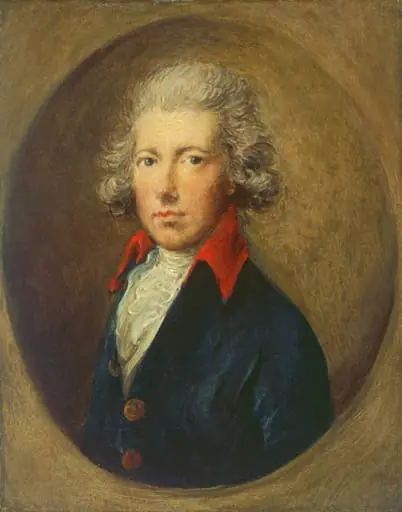 William Pitt
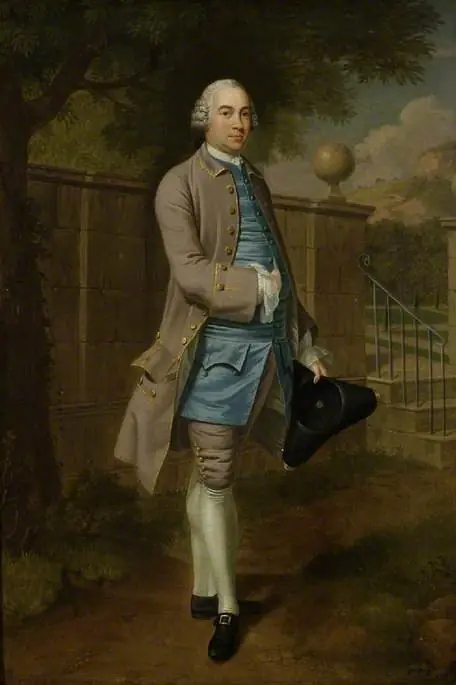 Sir William Milner, 2nd Bart
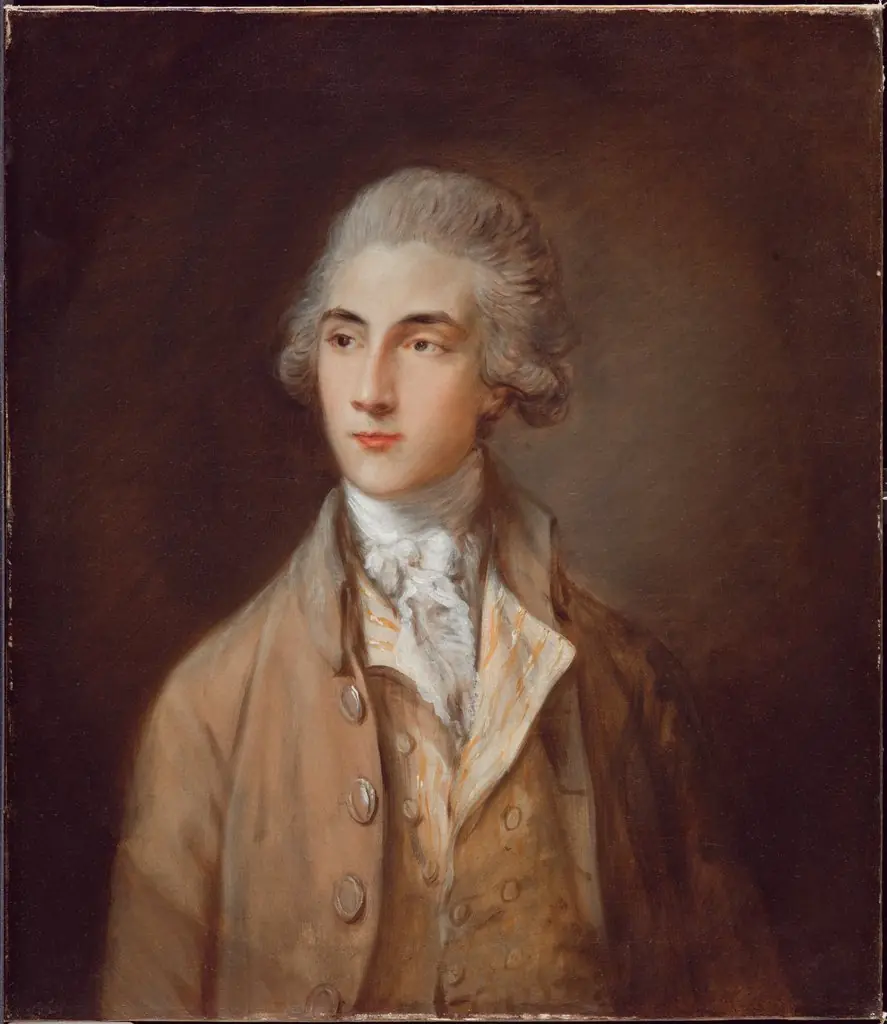 Edward Swinburne
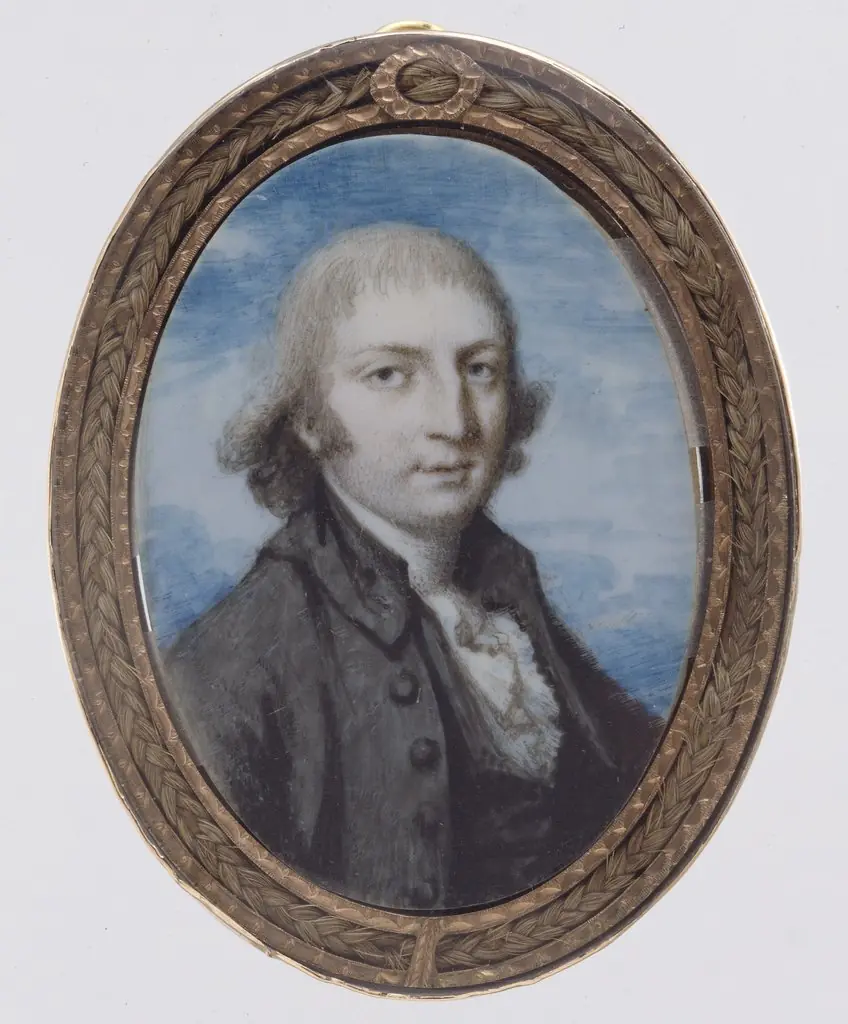 A Man with the Initials RH
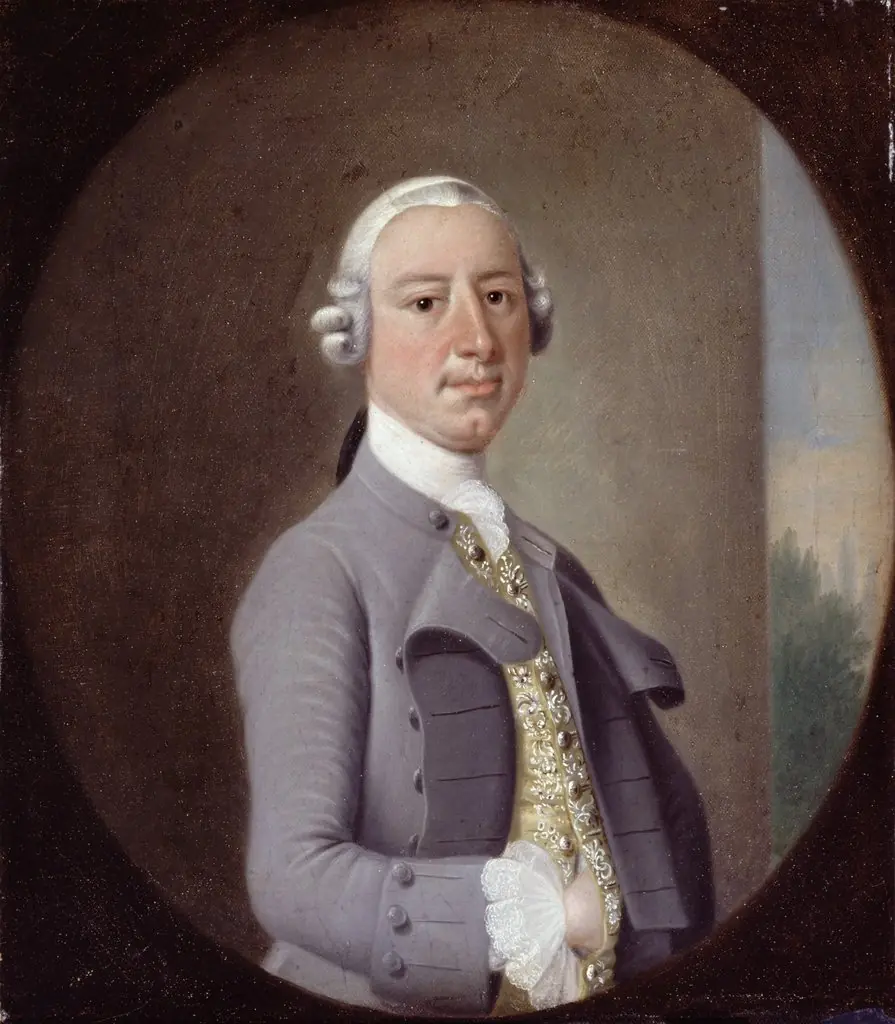 William Wragg
 Portrait of a Man. Probably a study for the portrait (1785) of the sculptor C. F. Stanley in the Royal Academy of Fine Arts in Copenhagen