Artwork
Trust: A female figure leaning on a rock
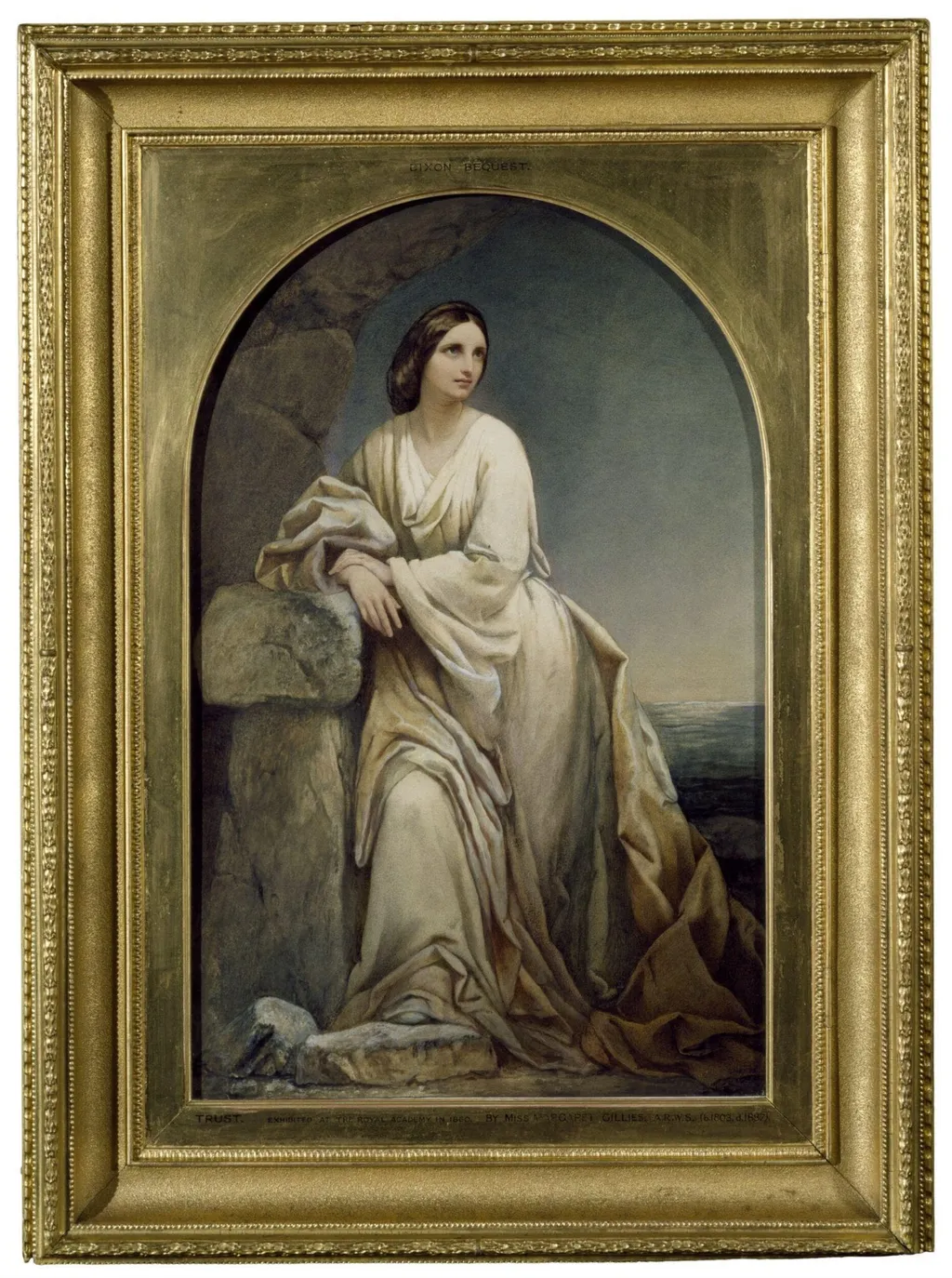
Trust: A female figure leaning on a rock is a watercolor work on paper by the British Romanticist artist Margaret Gillies. It dates from 1852 and is held in the collection of the Victoria and Albert Museum.
About this work
Overview
It was exhibited regularly at the Old Watercolour Society from 1852 onward, reflecting Gillies’s shift from portrait miniatures to larger emotional narratives.
Margaret Gillies created this watercolour as part of a series of romantic figure studies developed after her 1851 studies in Paris. The work depicts a solitary female figure in white robes, resting against a natural rock formation. It was exhibited regularly at the Old Watercolour Society from 1852 onward, reflecting Gillies’s shift from portrait miniatures to larger emotional narratives. The piece exemplifies her mature style, characterized by quiet intensity and restrained palette.
Subject & Meaning
The figure, dressed in flowing white, leans with arms crossed, gazing to the side in a posture of quiet reflection. Her expression and stance suggest introspection, evoking themes of melancholy and inner resolve. Gillies’s subjects often conveyed what critics termed 'maiden's sentiment and woman's sorrow,' aligning with mid-century ideals of feminine emotional depth. The barren landscape and overcast sky reinforce a mood of solitude, inviting contemplation rather than narrative.
Technique & Style
Gillies employed transparent watercolour washes to build subtle tonal gradations, using minimal pigment to suggest texture and form. The figure’s drapery is rendered with soft, fluid lines, while the rock and distant water are hinted at with diluted greys and blues. Light falls gently across the figure’s shoulder, creating a sense of volume without harsh contrast. The technique prioritizes atmospheric mood over detailed realism, aligning with the lyrical tendencies of mid-century British watercolour.
History & Provenance
Gillies, who turned to art professionally after family financial hardship, had previously gained recognition for miniature portraits of literary figures. After 1851, she focused on full-figure compositions, with 'Trust' emerging as one of her most exhibited works. It remained in circulation through the Old Watercolour Society’s annual shows until her death. The painting’s popularity led to engraved reproductions, extending its reach beyond gallery audiences.
Context
In the 1850s, British watercolour societies promoted works that blended emotional narrative with technical refinement. Gillies’s themes resonated within a cultural climate that idealized female introspection and moral sensitivity. While Realism was gaining ground in France, British artists like Gillies adapted its attention to everyday emotion into poetic, rather than social, realism—focusing on internal states over external conditions.
Legacy
Gillies’s work, including 'Trust,' contributed to the legitimization of watercolour as a medium for serious artistic expression. Though less known today, her figures helped shape the visual language of feminine sentiment in Victorian art. Her transition from portraiture to symbolic subjects reflects broader shifts in artistic practice, where personal expression began to rival commercial demand.
Artist & collection

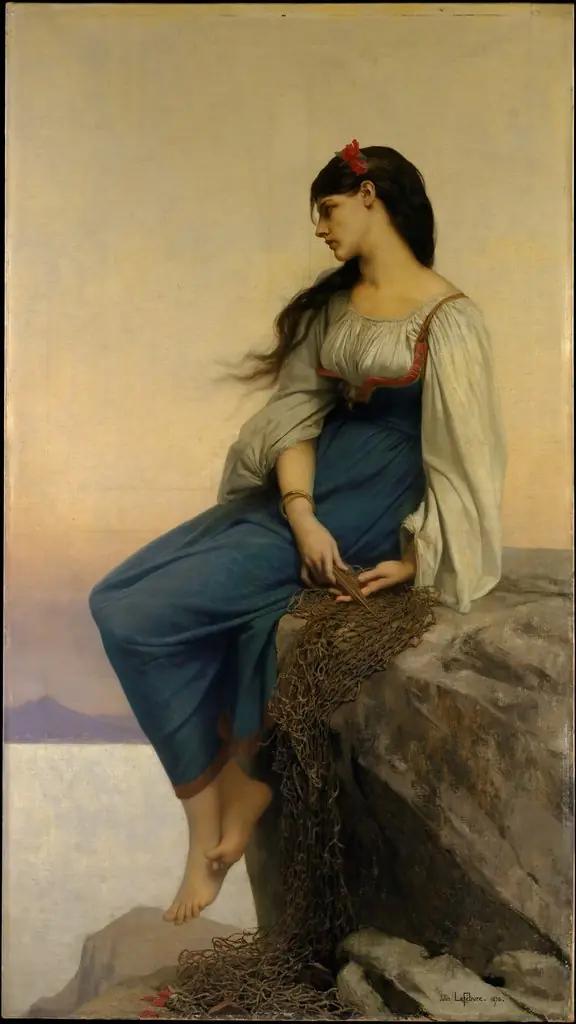 Graziella
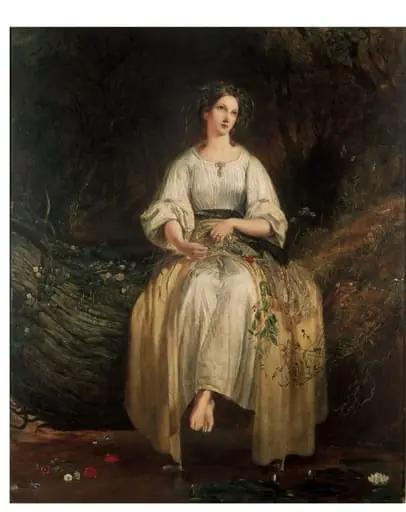 Ophelia Weaving Her Garlands
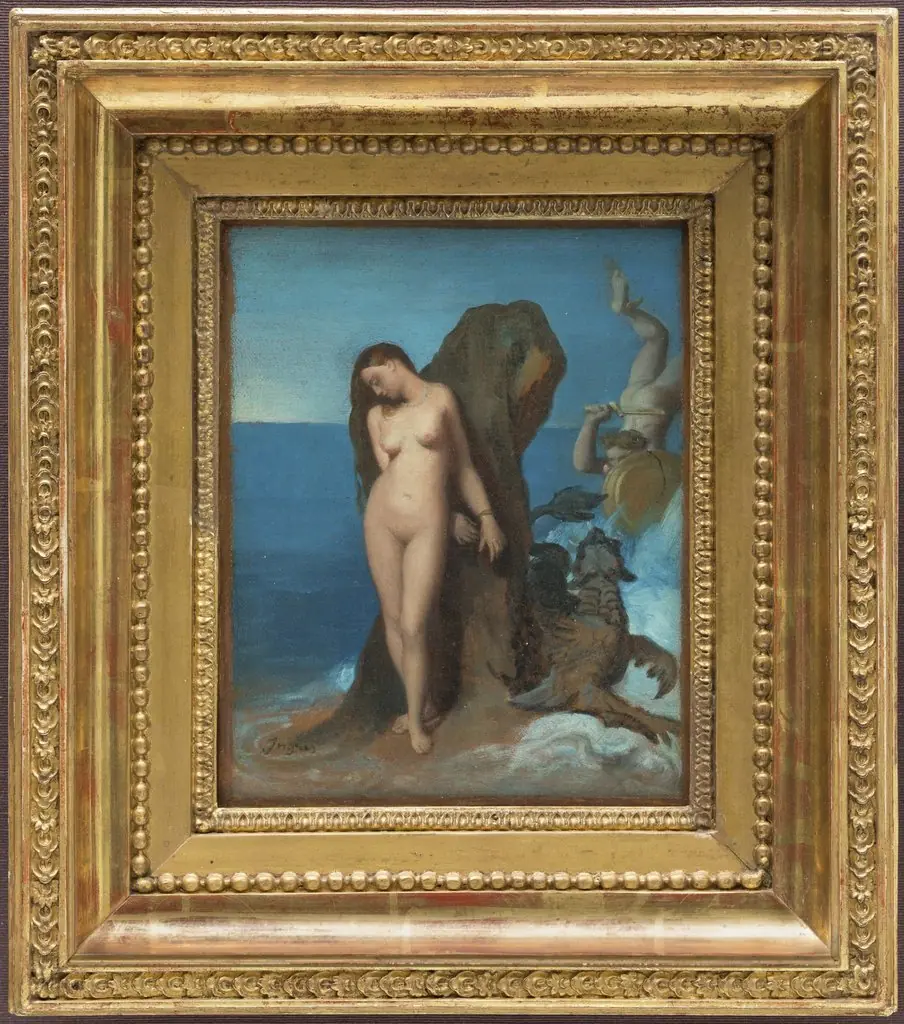 Perseus and Andromeda
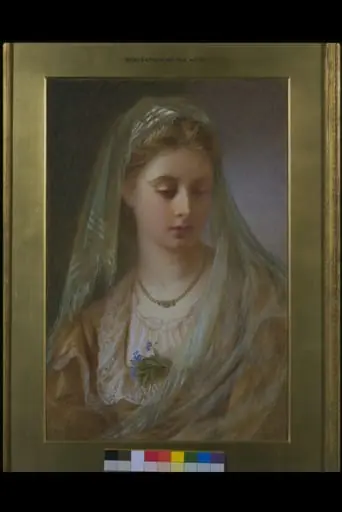 In Doubt
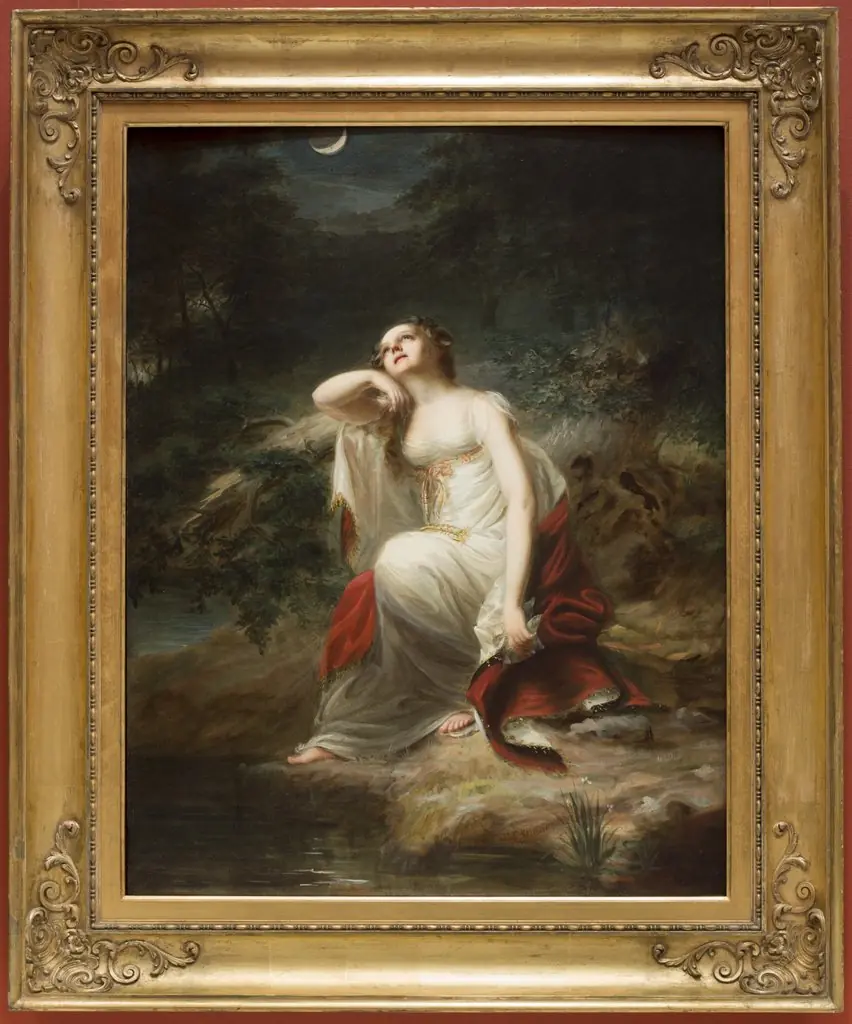 Despair
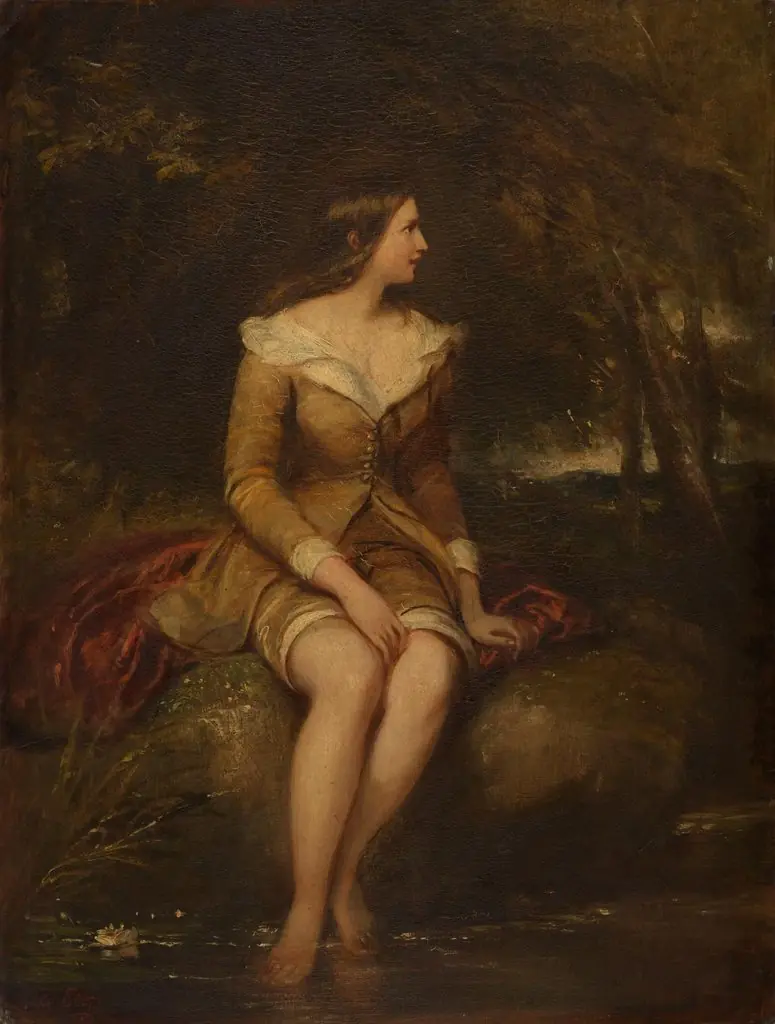 Dorothea
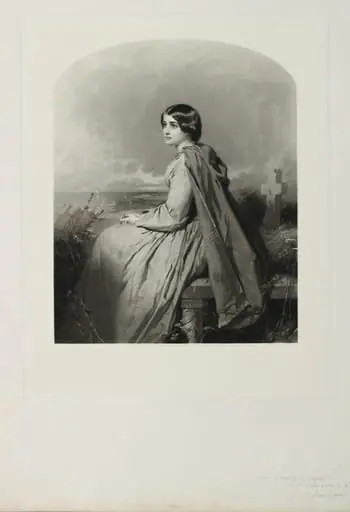 Contemplation (Evangeline)
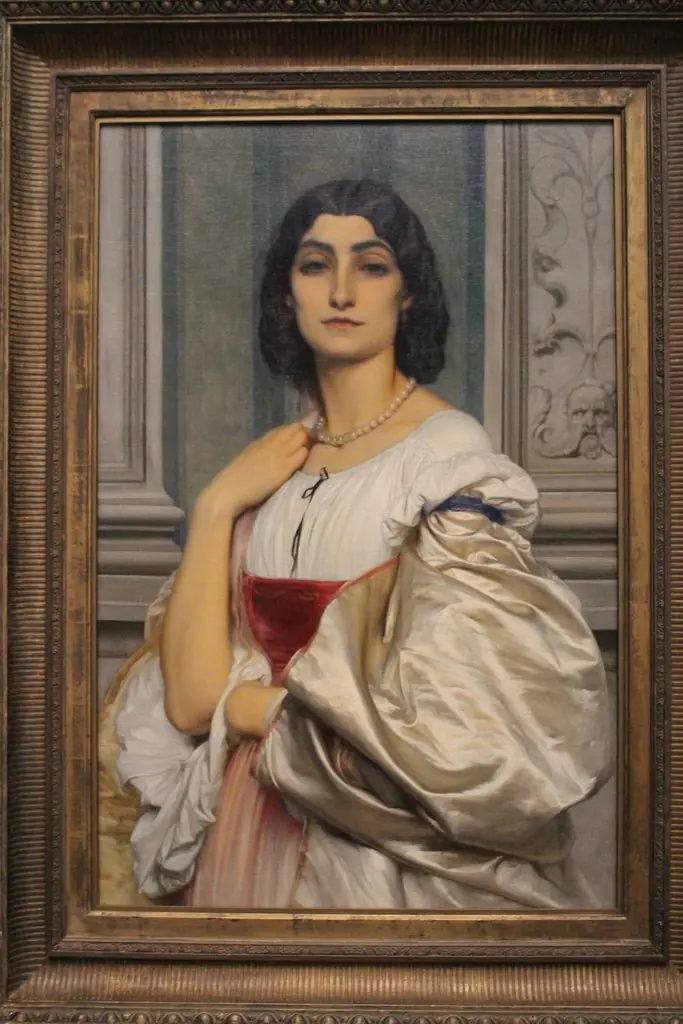 Portrait of a Roman Lady (La Nanna)
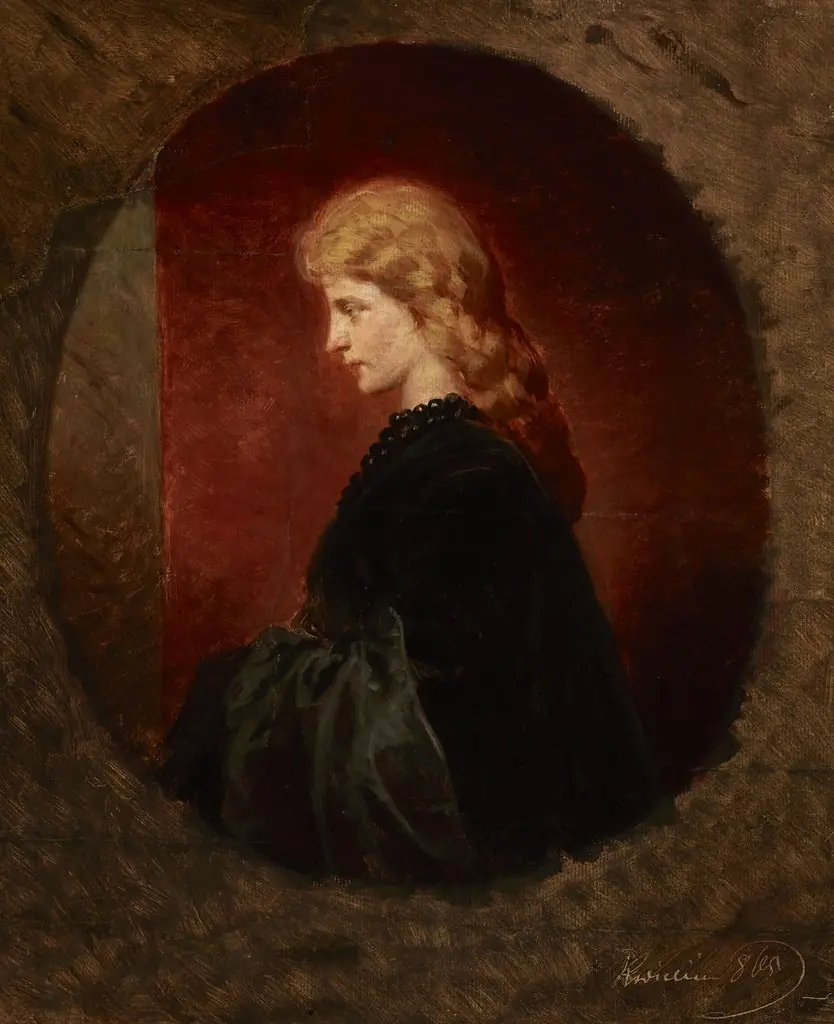 Portrait of a Red-Haired Woman
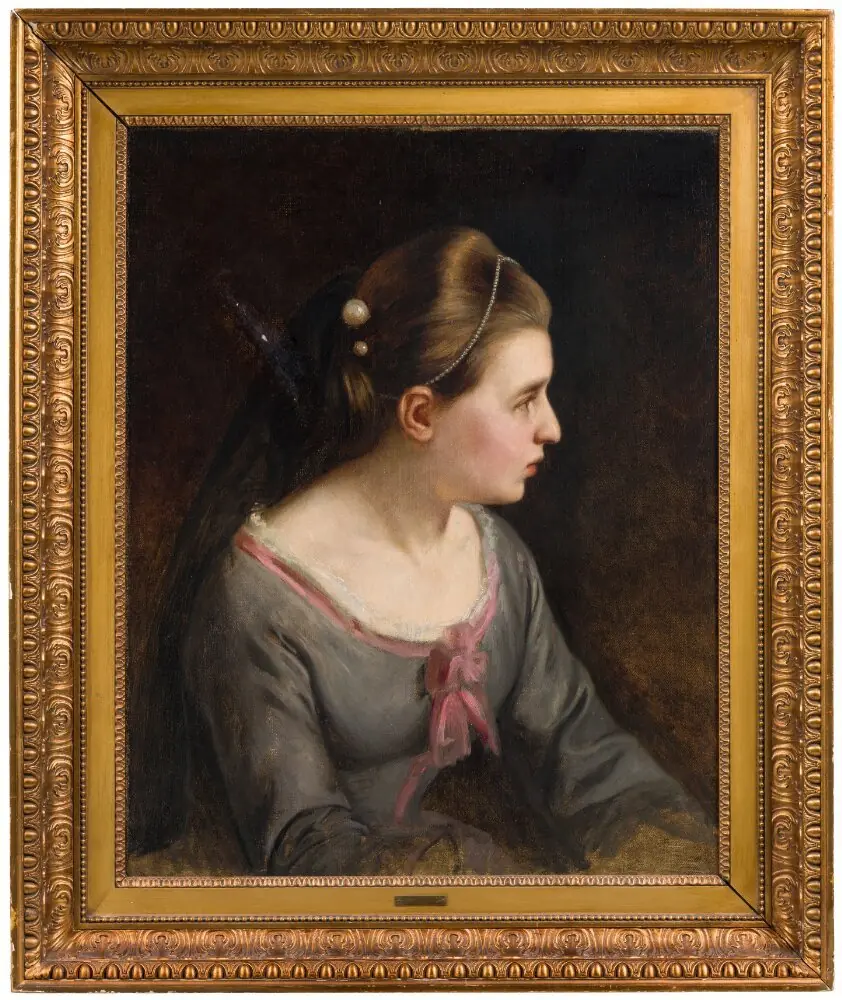 Helena Roed, Acting as Leonora in Ludvig Holberg’s Det lykkelige skibbrud (The Fortunate Shipwreck)
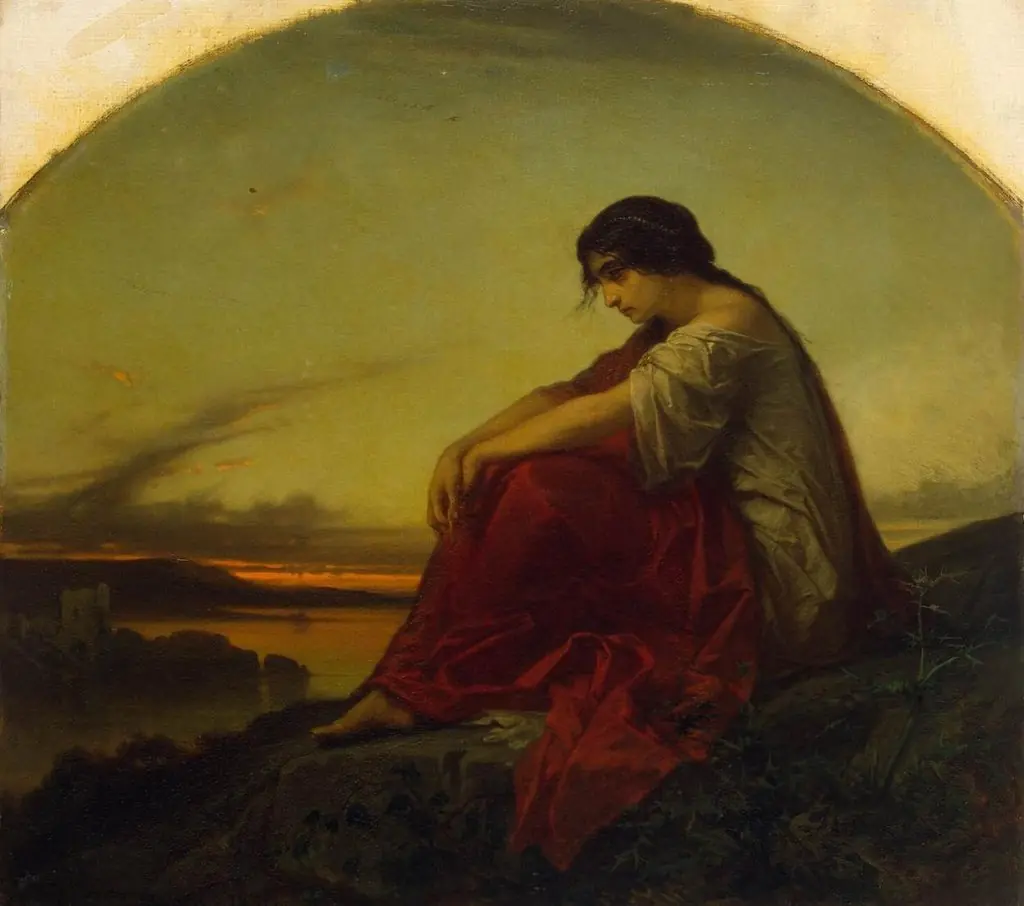 Disillusion
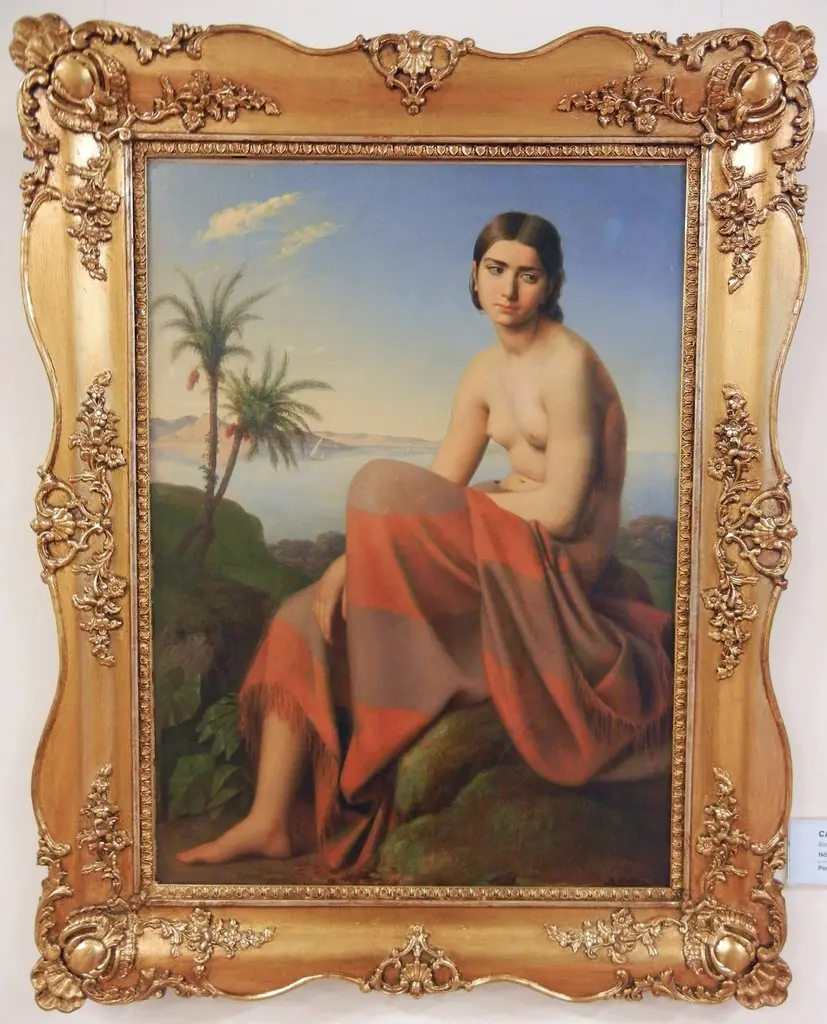 Portrait of a Woman