Artwork
Dorothea
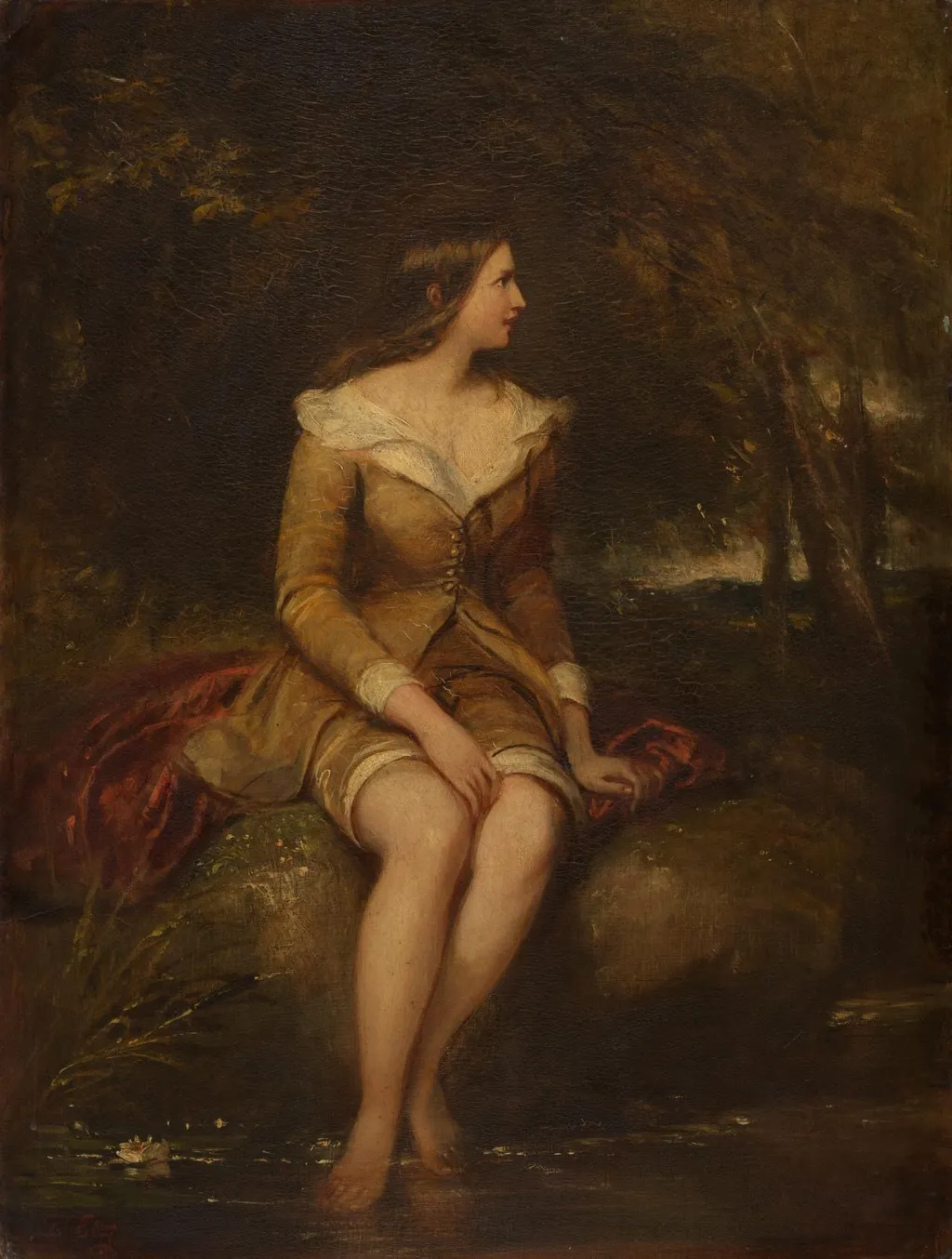
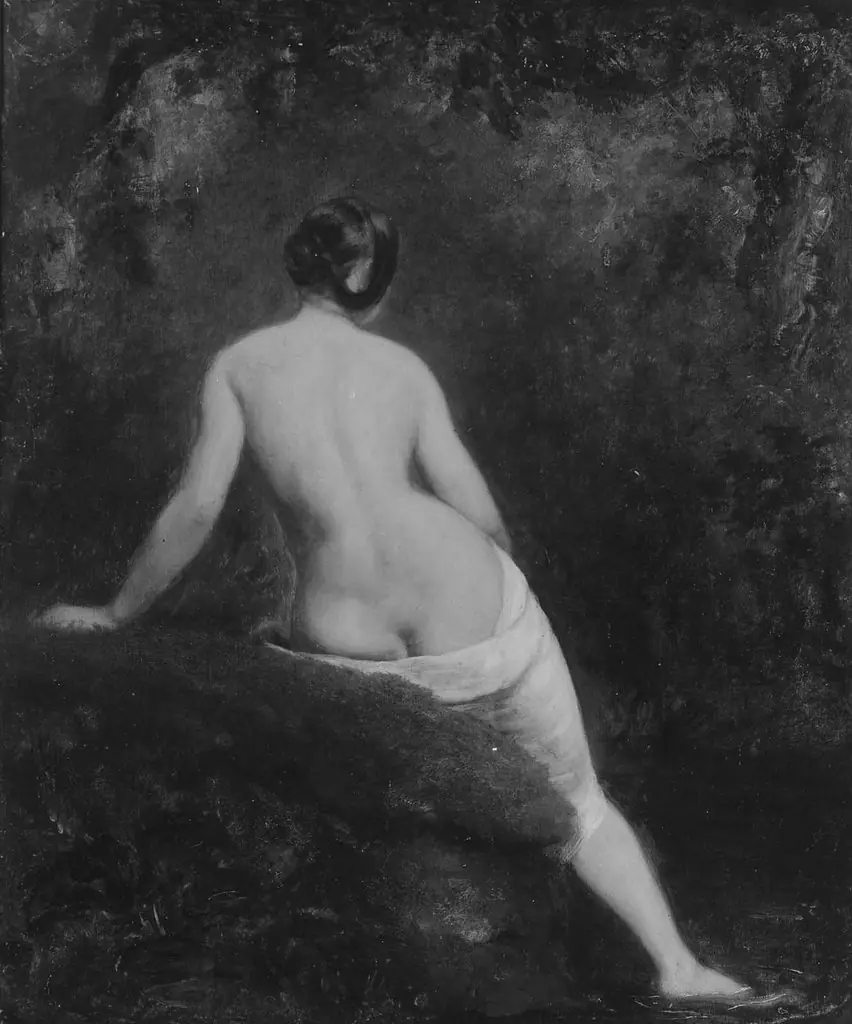
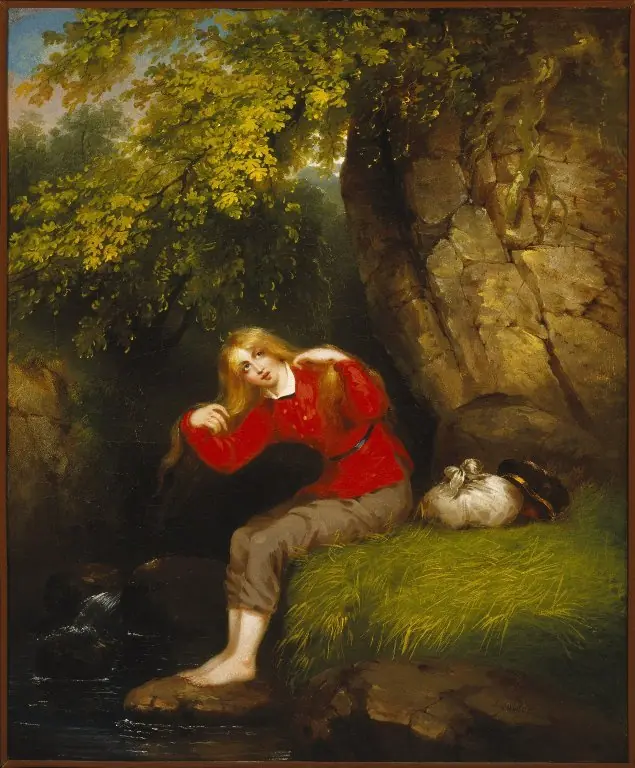
Dorothea is an unspecified painting by William Etty. It dates from 1828 and is held in the collection of the National Gallery of Victoria.
About this work
Overview
Etty, known for his focus on the human form, rendered this figure with attention to naturalistic skin tones and quiet emotional presence.
Painted around 1828 by William Etty, *Dorothea* is a portrait of a solitary woman seated on a rocky outcrop. Etty, known for his focus on the human form, rendered this figure with attention to naturalistic skin tones and quiet emotional presence. The work reflects his broader interest in integrating classical themes with intimate, contemplative scenes. It resides today in the National Gallery of Victoria, Melbourne.
Subject & Meaning
The figure, identified as Dorothea, sits in stillness, her gaze directed away from the viewer, suggesting introspection or quiet resolve. Her modest attire and unadorned setting contrast with the more theatrical nudes common in Etty’s other works, pointing toward a narrative of personal serenity rather than mythological grandeur. The calm expression and relaxed posture invite a reading of inner peace, possibly alluding to spiritual or moral contemplation.
Technique & Style
Etty employed chiaroscuro to model the figure with subtle gradations of light and shadow, enhancing the three-dimensionality of her form against a dark, muted background. Warm tones in the skin and fabric create a sense of intimacy, while the faint suggestion of foliage and water behind her adds depth without distraction. His brushwork is refined yet unobtrusive, prioritizing atmospheric harmony over dramatic flourish.
History & Provenance
Created during Etty’s mature period, *Dorothea* emerged after his rise to prominence following exhibitions at the Royal Academy. Though not among his most publicly celebrated works, it reflects his consistent interest in the female form outside mythological contexts. The painting entered the National Gallery of Victoria’s collection in the 20th century, likely through acquisition or donation, and has remained part of its permanent holdings since.
Context
In early 19th-century Britain, depictions of the nude were controversial, yet Etty pursued them with scholarly intent, often drawing from literary or biblical sources. *Dorothea* aligns with a quieter trend among British artists who favored psychological depth over spectacle. Its restrained composition contrasts with the grand historical narratives favored by contemporaries, reflecting a growing interest in private, emotional states.
Legacy
While not widely exhibited, *Dorothea* exemplifies Etty’s ability to convey dignity and stillness in the human figure without overt symbolism. It contributes to his reputation as a pioneer in British figure painting, particularly in his nuanced treatment of skin and light. The work remains a quiet testament to his skill in transforming ordinary moments into enduring visual studies of presence.
Own this work as a print
Artist & collection
Artist
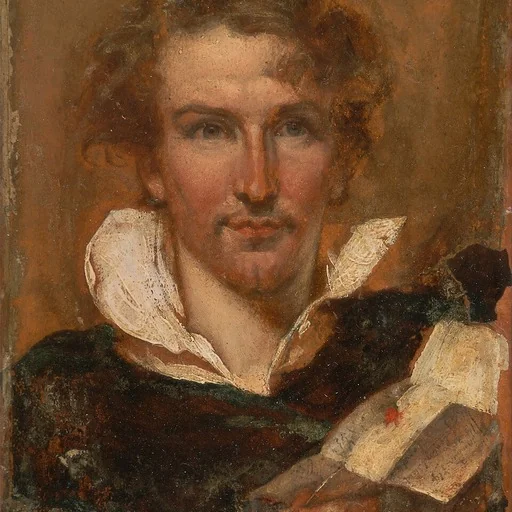
William Etty (10 March 1787 – 13 November 1849) was an English artist best known for his historical paintings containing nude figures.

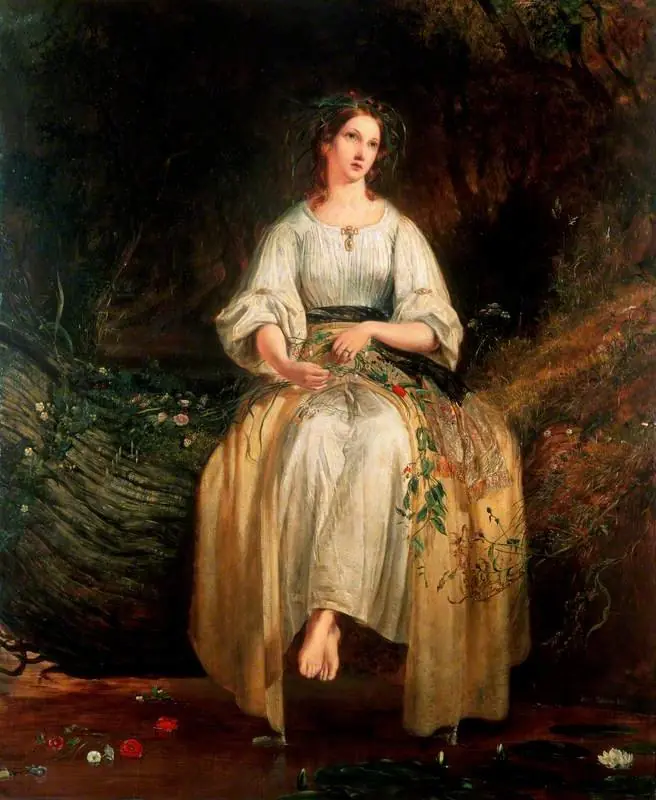 Ophelia Weaving Her Garlands (from William Shakespeare's 'Hamlet')
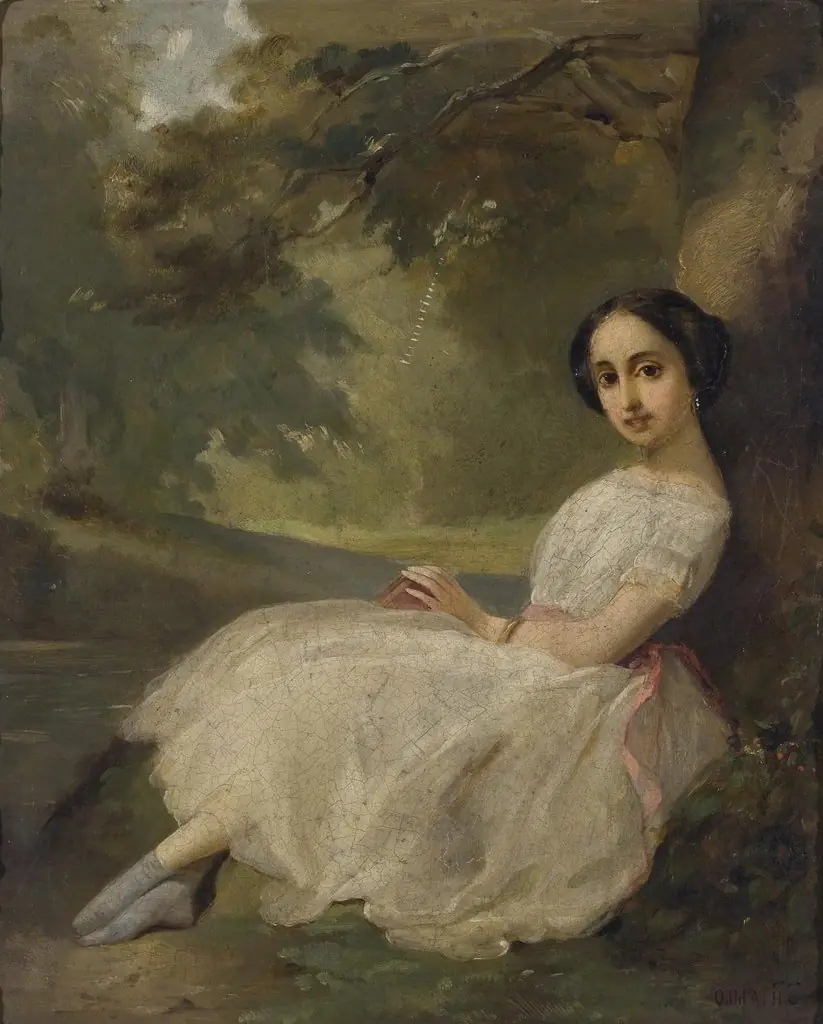 Portrait of L.L.Lazareva
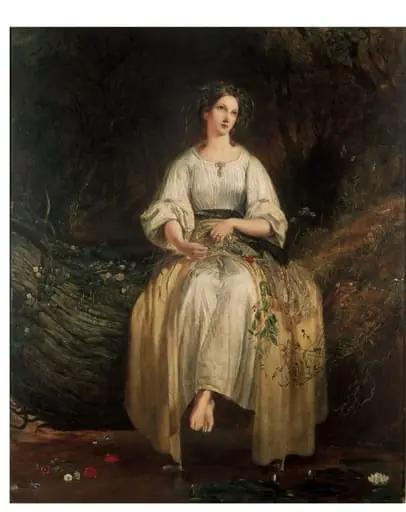 Ophelia Weaving Her Garlands
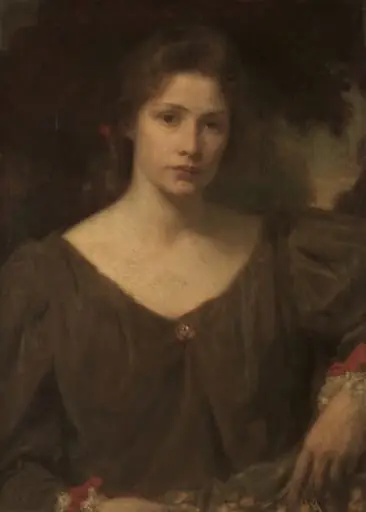 Jessica
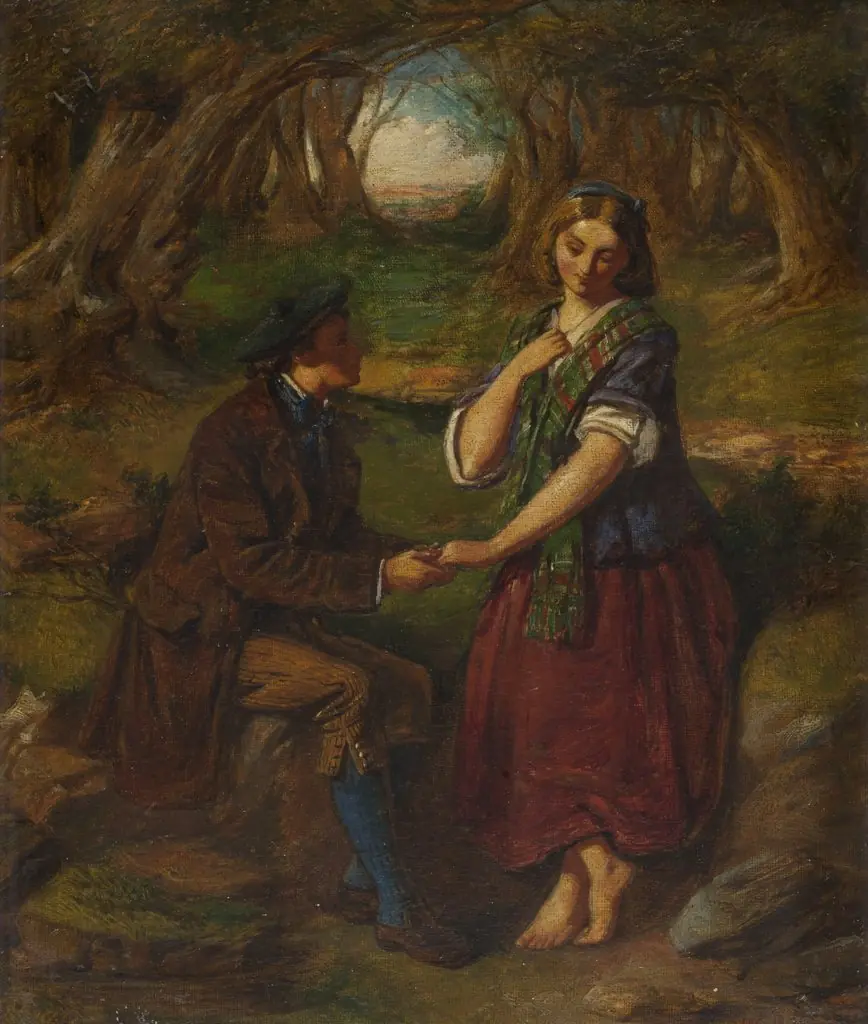 The Proposal
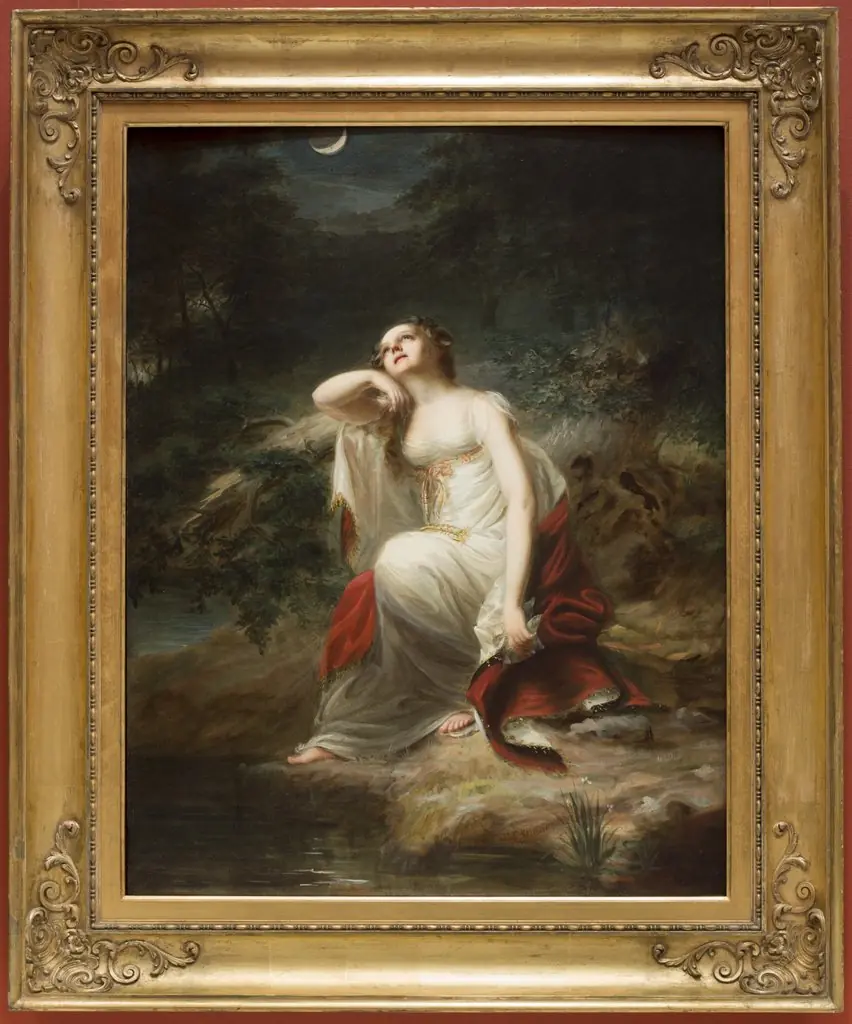 Despair
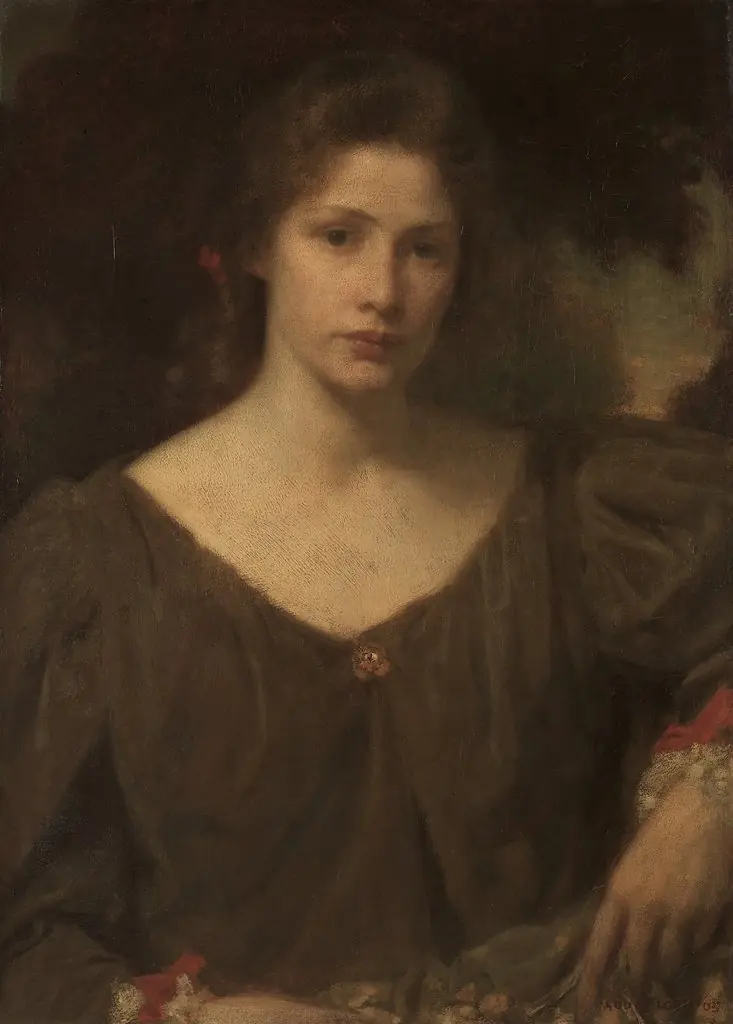 Jessica
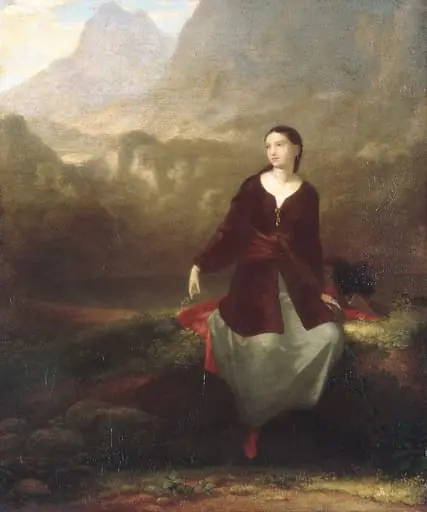 The Spanish Girl in Reverie
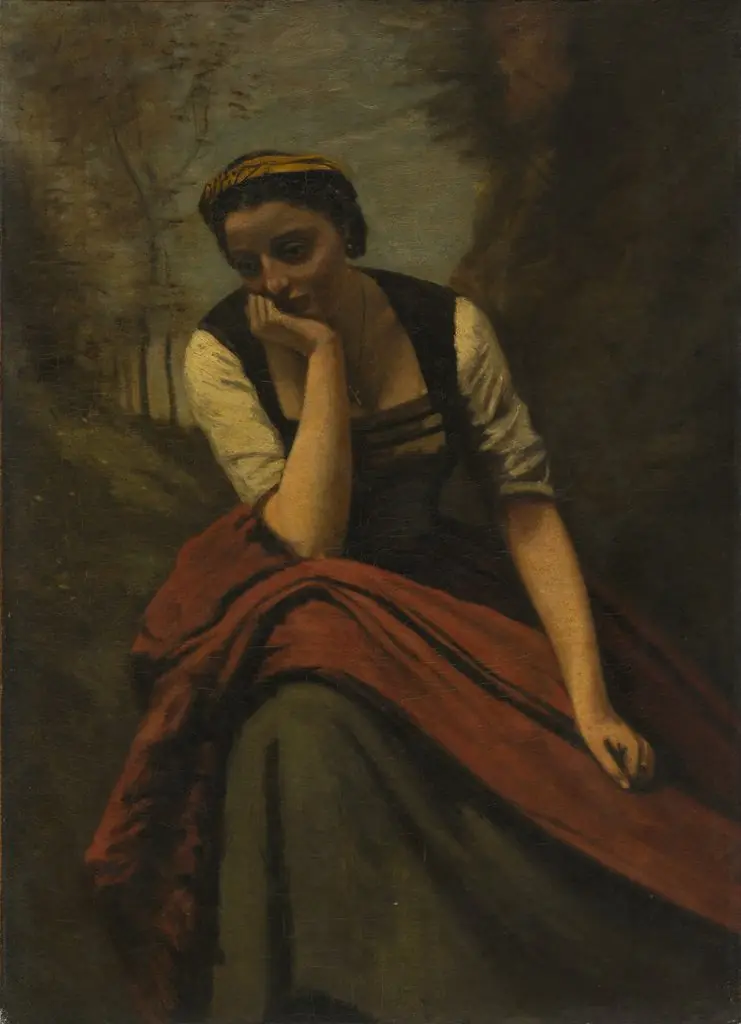 Woman Meditating
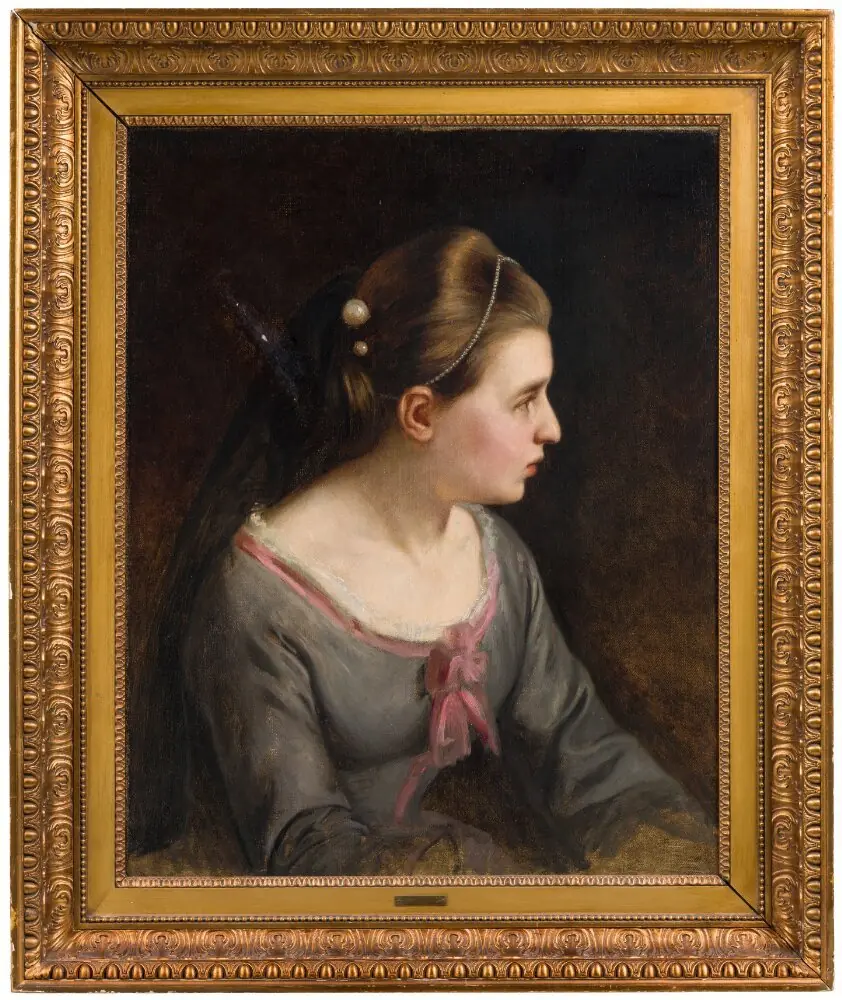 Helena Roed, Acting as Leonora in Ludvig Holberg’s Det lykkelige skibbrud (The Fortunate Shipwreck)
 Wounded Eurydice
 Dorothea