Artwork
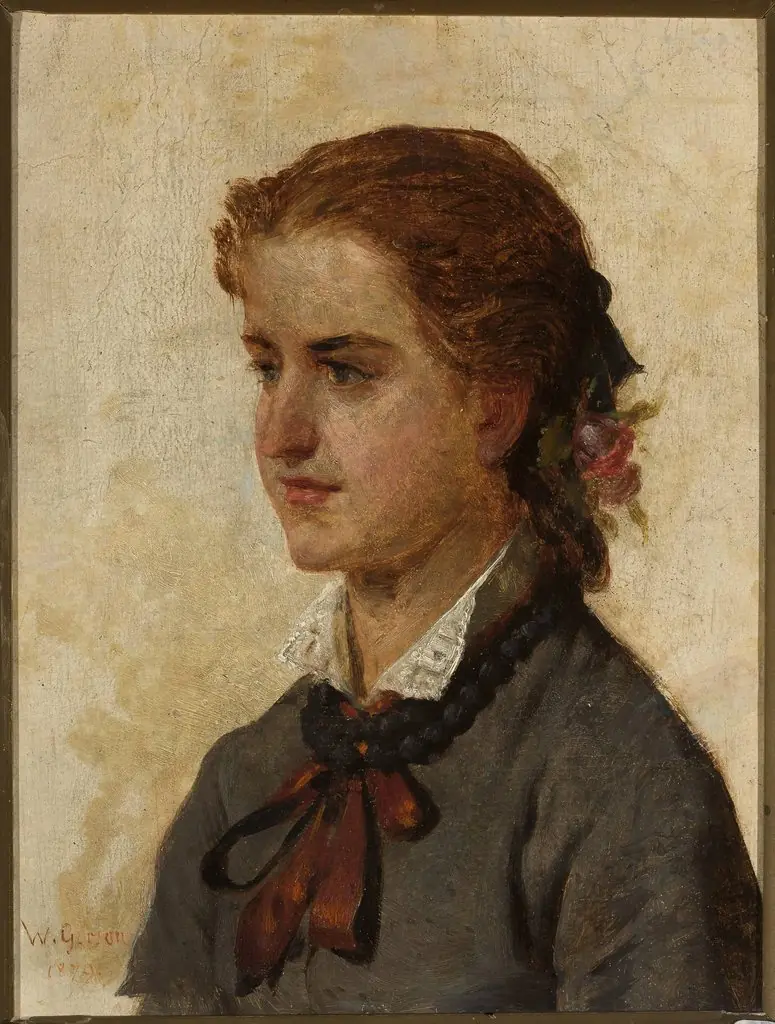
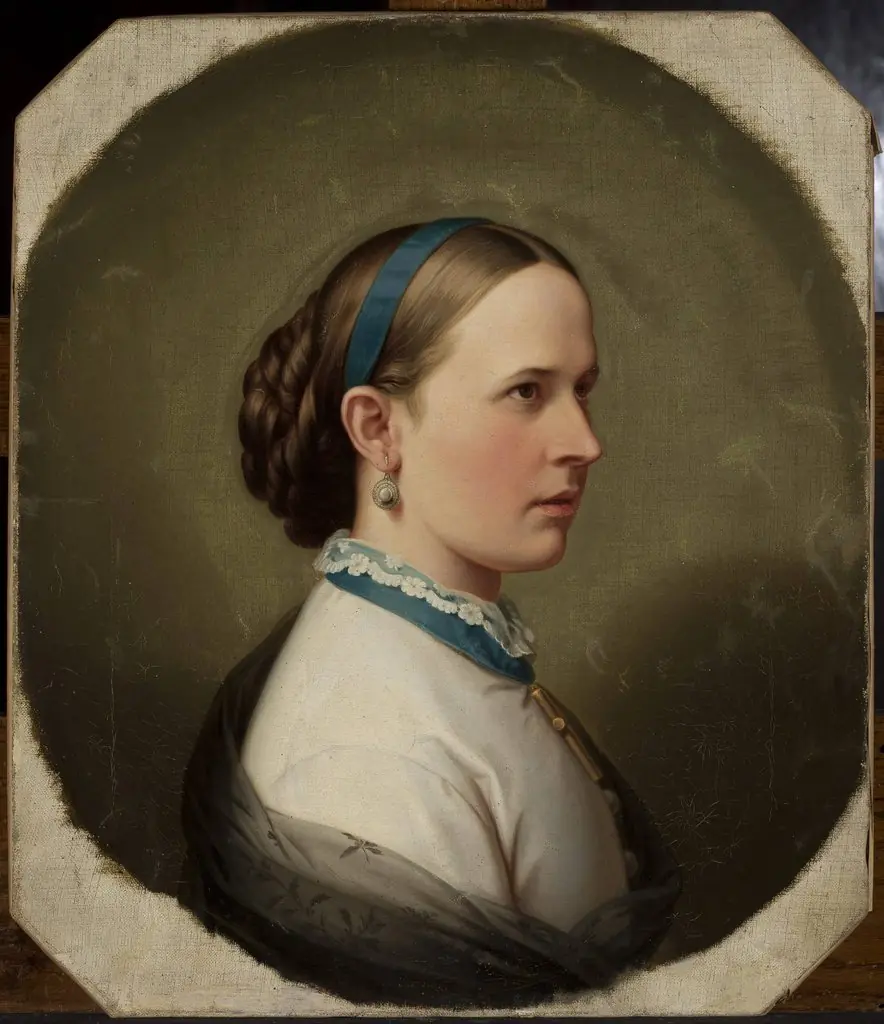
Portrait of a Red-Haired Woman
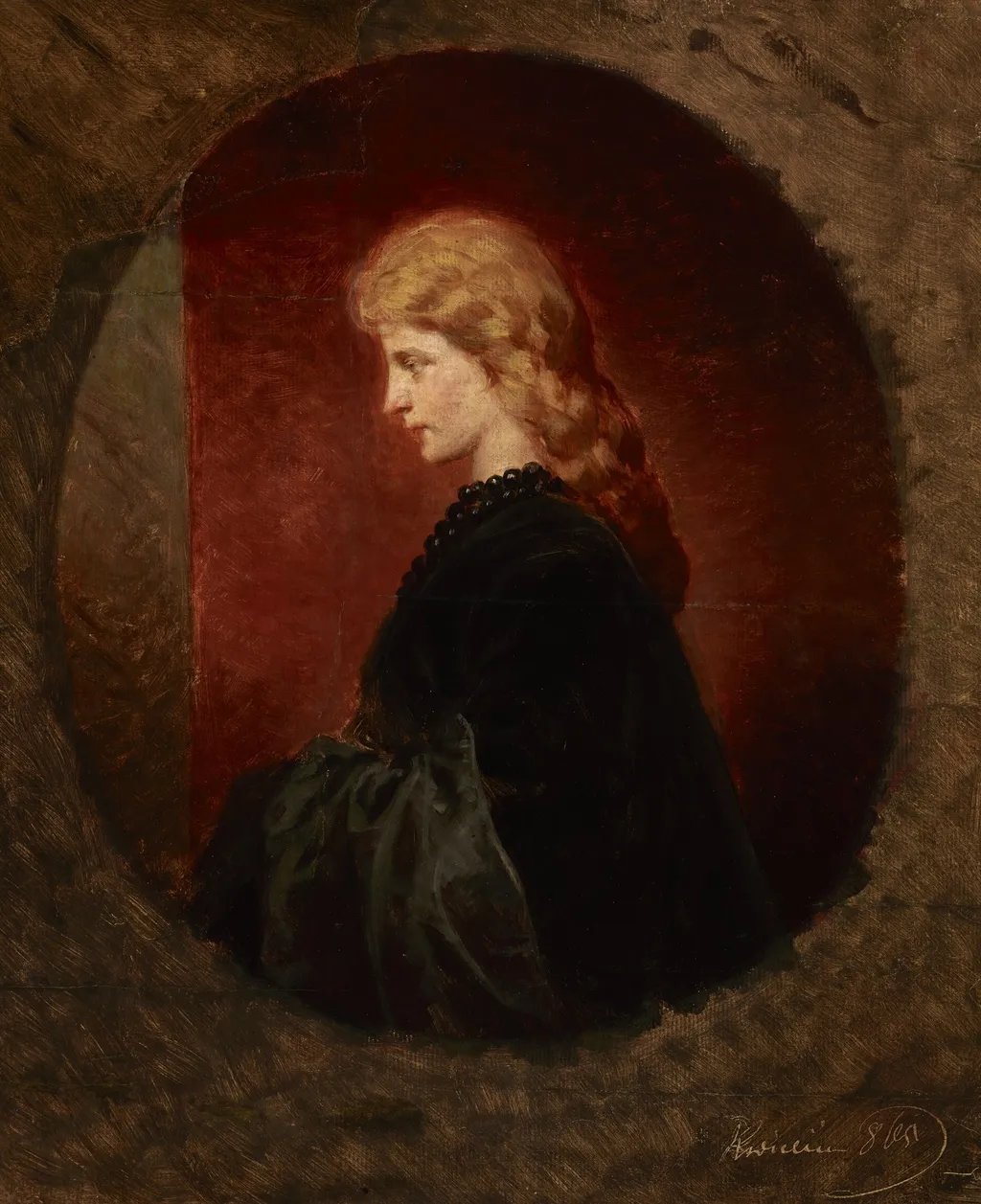
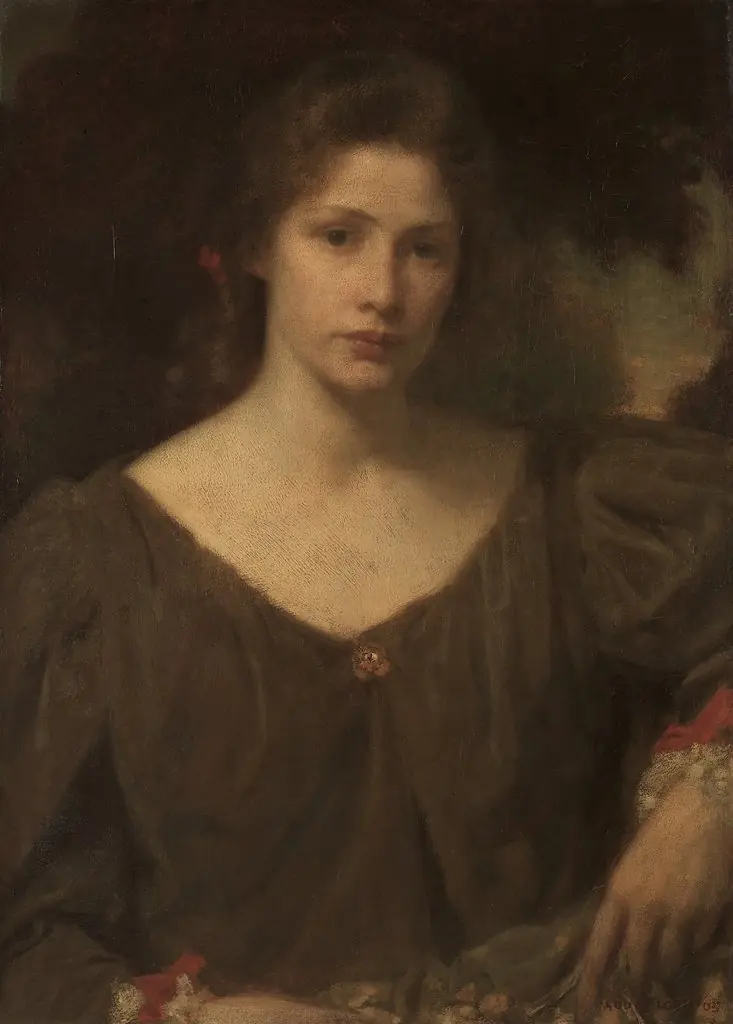
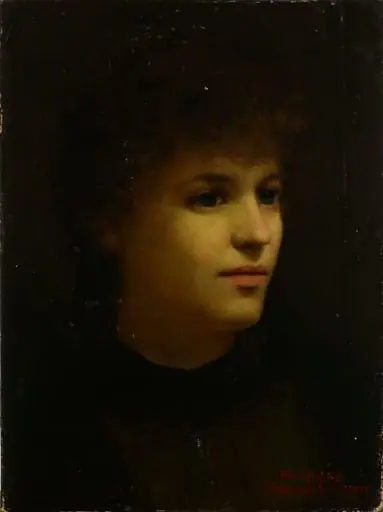
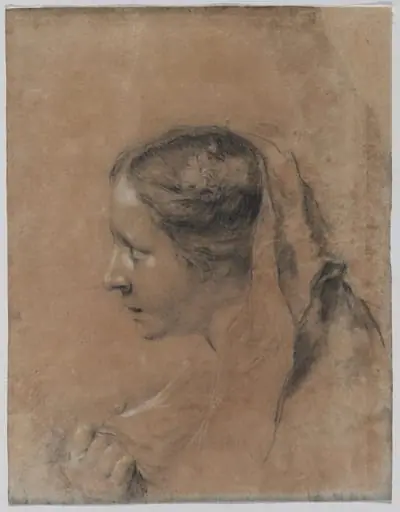
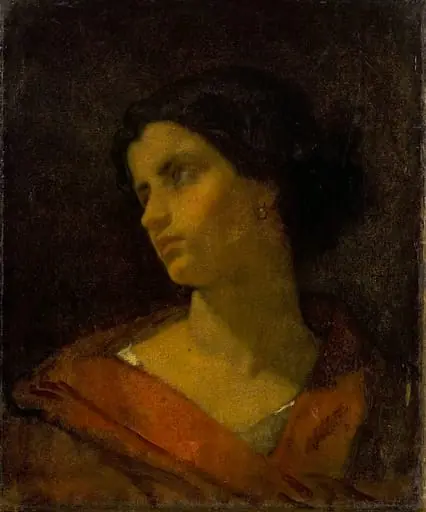
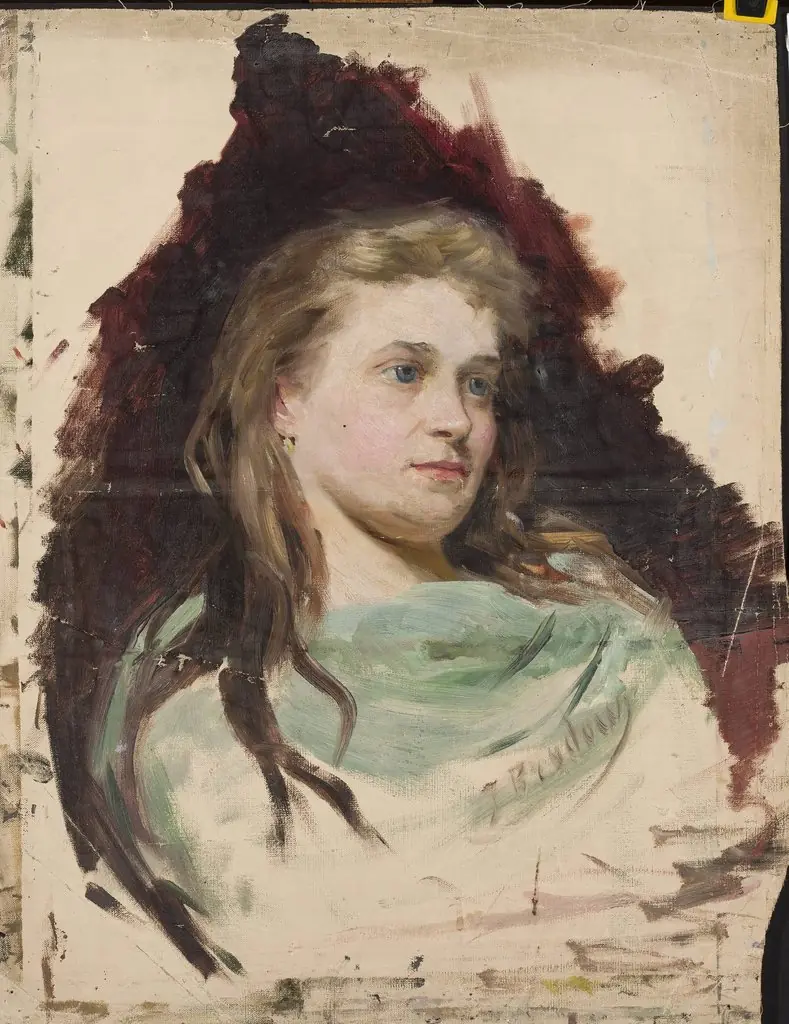
Portrait of a Red-Haired Woman is an unspecified painting by Artur Grottger. It dates from 1862 and is held in the collection of the National Museum in Kraków.
About this work
Overview
Grottger, active during Poland’s partition era, produced a limited but emotionally charged body of work before his early death in 1867.
Painted around 1862 by Artur Grottger, this portrait depicts an unnamed woman with vivid red hair, rendered in the Romantic style prevalent in Polish art during the mid-19th century. Grottger, active during Poland’s partition era, produced a limited but emotionally charged body of work before his early death in 1867. The painting resides in the National Museum in Kraków, reflecting his focus on intimate human subjects amid national upheaval.
Subject & Meaning
The sitter, identified only by her distinctive hair and quiet demeanor, conveys a sense of inward reflection. Her direct gaze, despite her turned head, creates an intimate yet distant connection with the viewer. The absence of identifying symbols or context suggests an emphasis on personal presence over social status. The somber tone and restrained palette imply a meditation on individuality within a fractured national identity.
Technique & Style
Grottger employs subtle tonal contrasts to define the woman’s form against a deep red background, enhancing the drama of her dark clothing and fiery hair. Brushwork is controlled yet expressive, particularly in the rendering of her braided hair and the soft folds of her high-necked dress. The composition avoids ornamentation, focusing attention on the face and texture of skin and fabric, aligning with Romantic ideals of emotional authenticity over idealization.
History & Provenance
The painting entered the collection of the National Museum in Kraków in the late 19th century, likely acquired shortly after Grottger’s death. Its preservation reflects early institutional recognition of his portraiture alongside his more widely known historical and political works. No documentation of the sitter’s identity has survived, and the work remained relatively obscure until 20th-century reassessments of Polish Romantic art.
Context
Created during the Partitions of Poland, when national expression was suppressed, Grottger’s portraits offered quiet resistance through psychological depth. Unlike grand historical scenes, this work emphasizes private dignity, a subtle assertion of cultural continuity. The somber mood mirrors the collective atmosphere of uncertainty, making personal representation a form of cultural endurance.
Legacy
Though Grottger is better known for his graphic cycles on Polish uprisings, this portrait stands as a refined example of his ability to convey inner life with minimal means. It influenced later Polish realists who sought to balance emotional resonance with formal restraint. Today, it remains a key reference for understanding how individual identity was preserved in art under political constraint.
Artist & collection
Artist
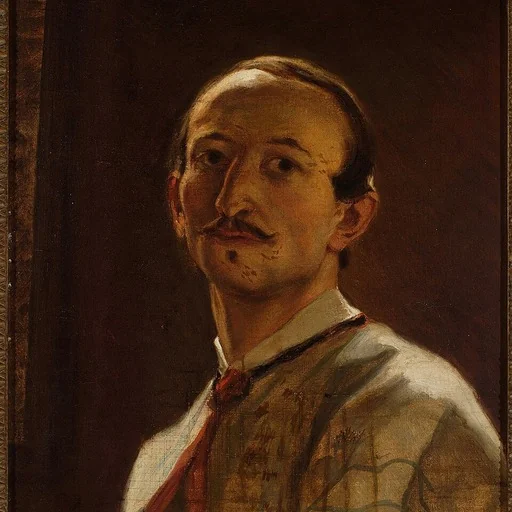
Artur Grottger (11 November 1837 – 13 December 1867) was a Polish Romantic painter and graphic artist, one of the most prominent artists of the mid 19th century under the partitions of Poland, despite a life cut short by incurable illness.

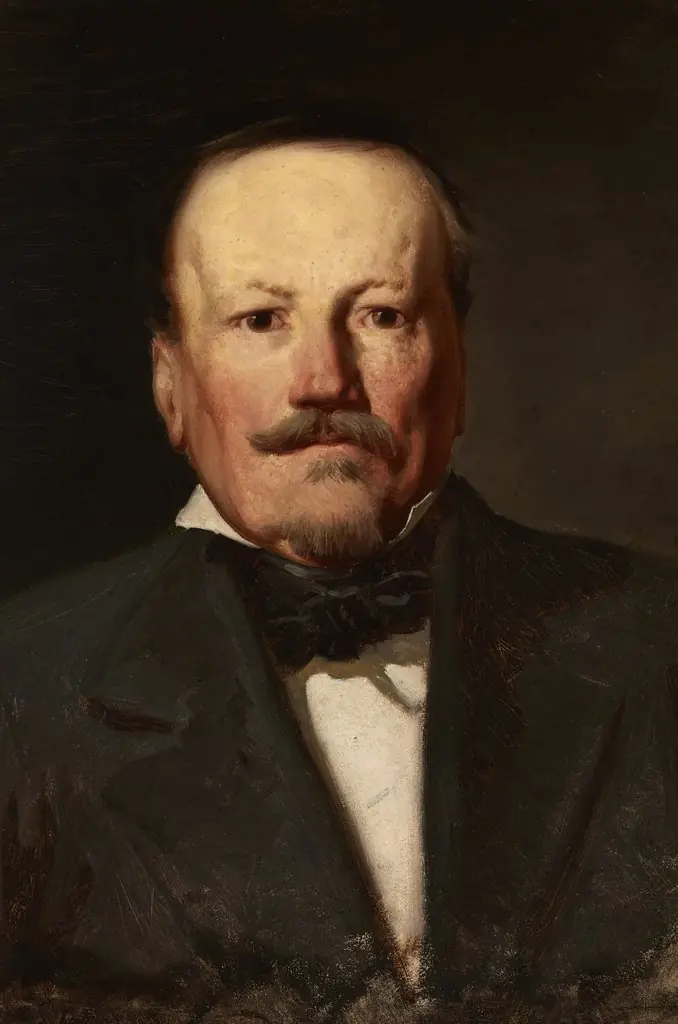 Portrait of a Man
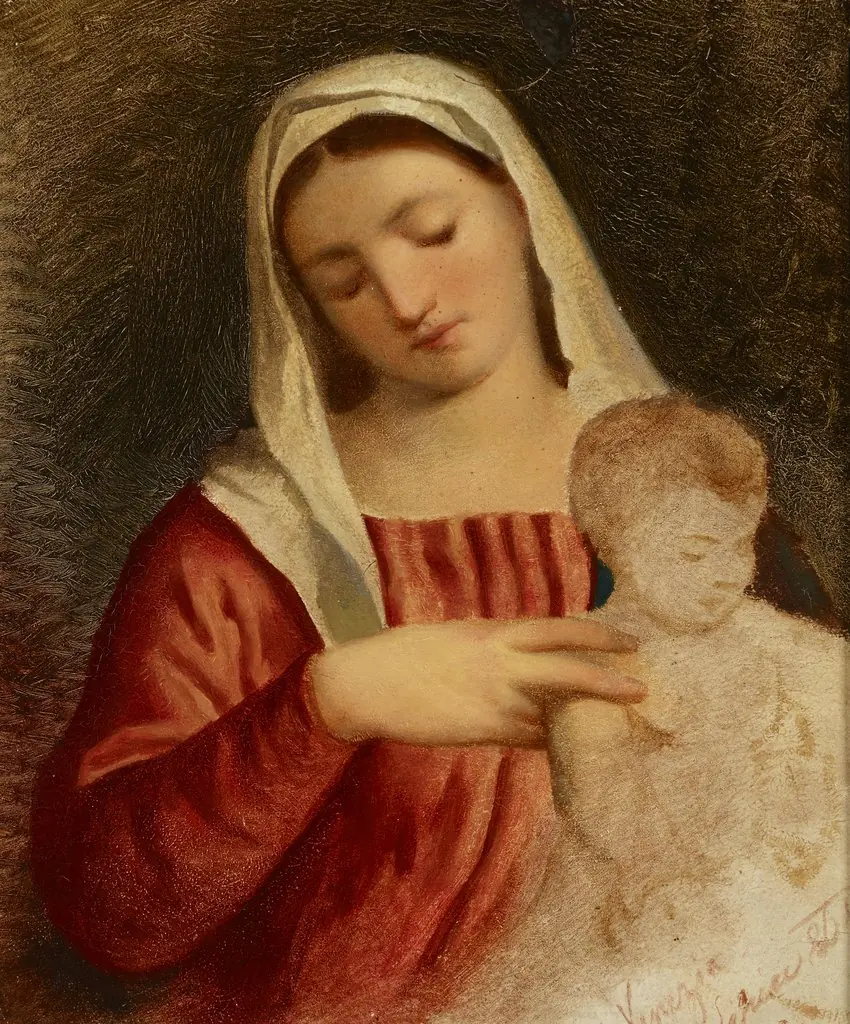 Madonna with Child – Copy of the fragment of the painting "Madonna with Child and Saints" by Bonifacio Veronese
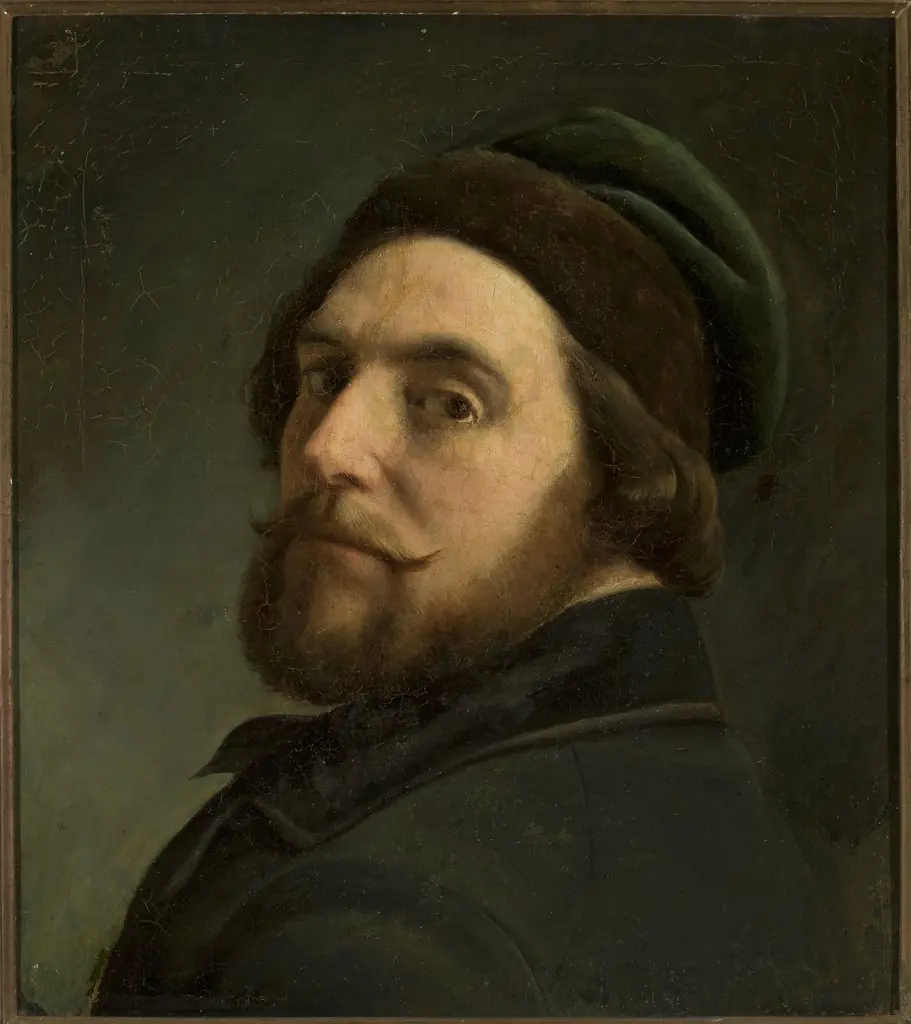 Male portrait
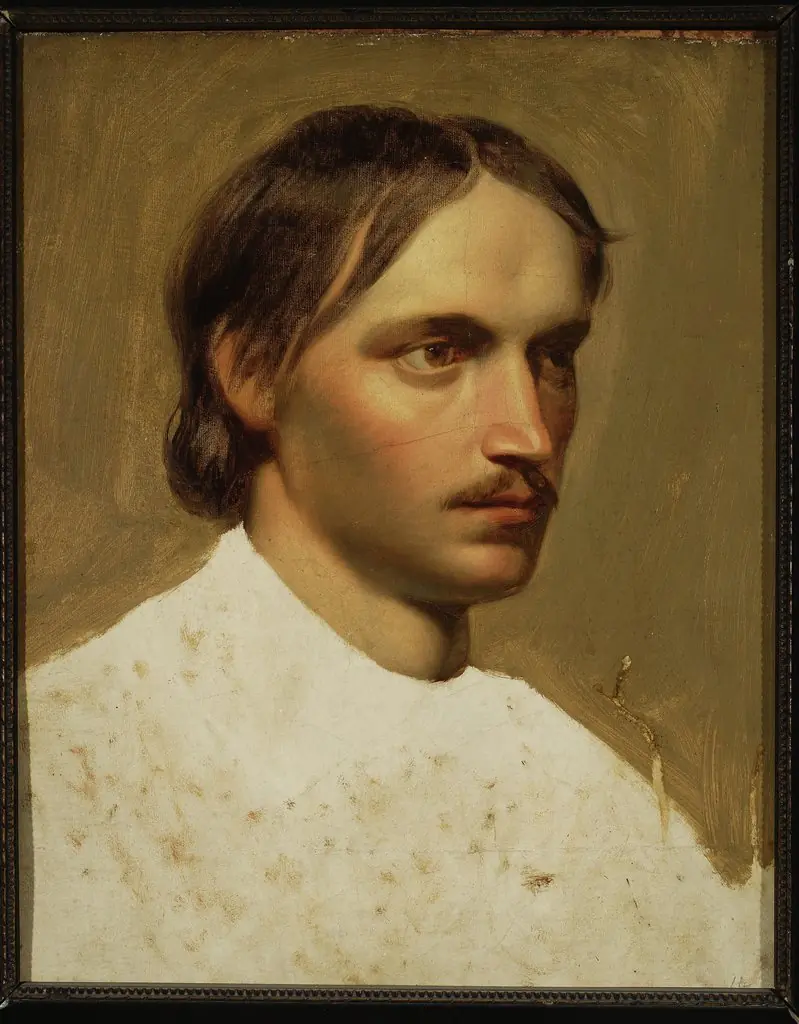 Portrait of Wincenty Chochlik Wasilewski (1849–1897)
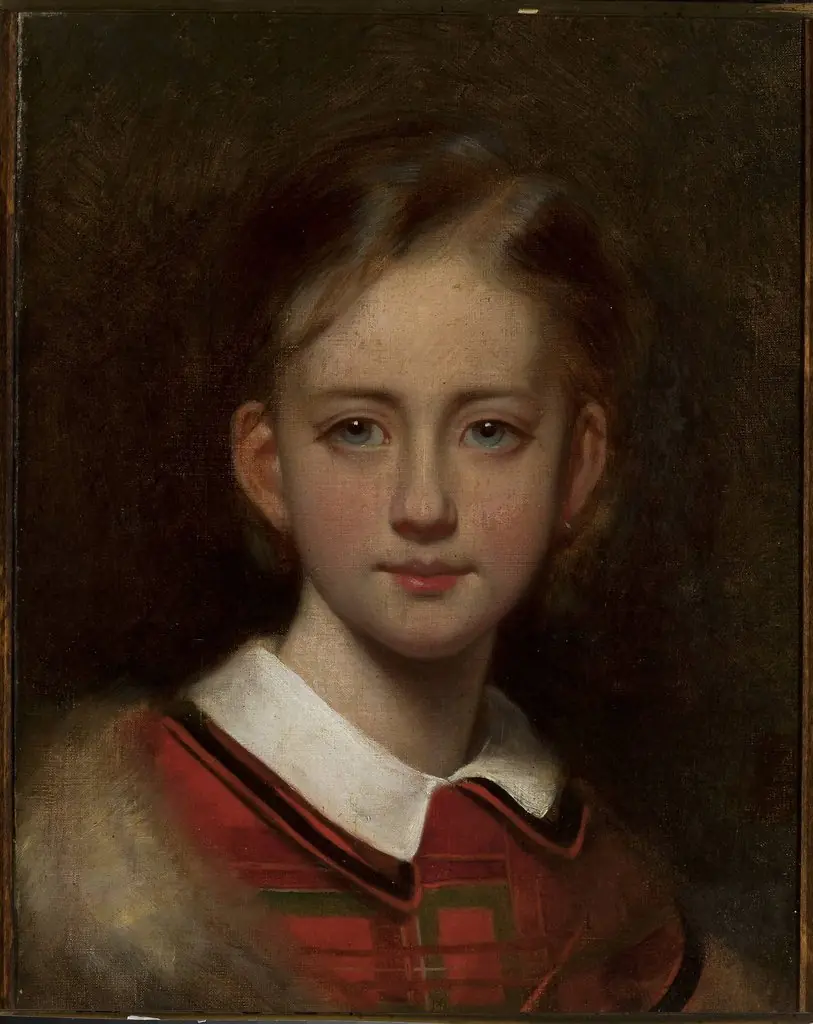 Portrait of a girl
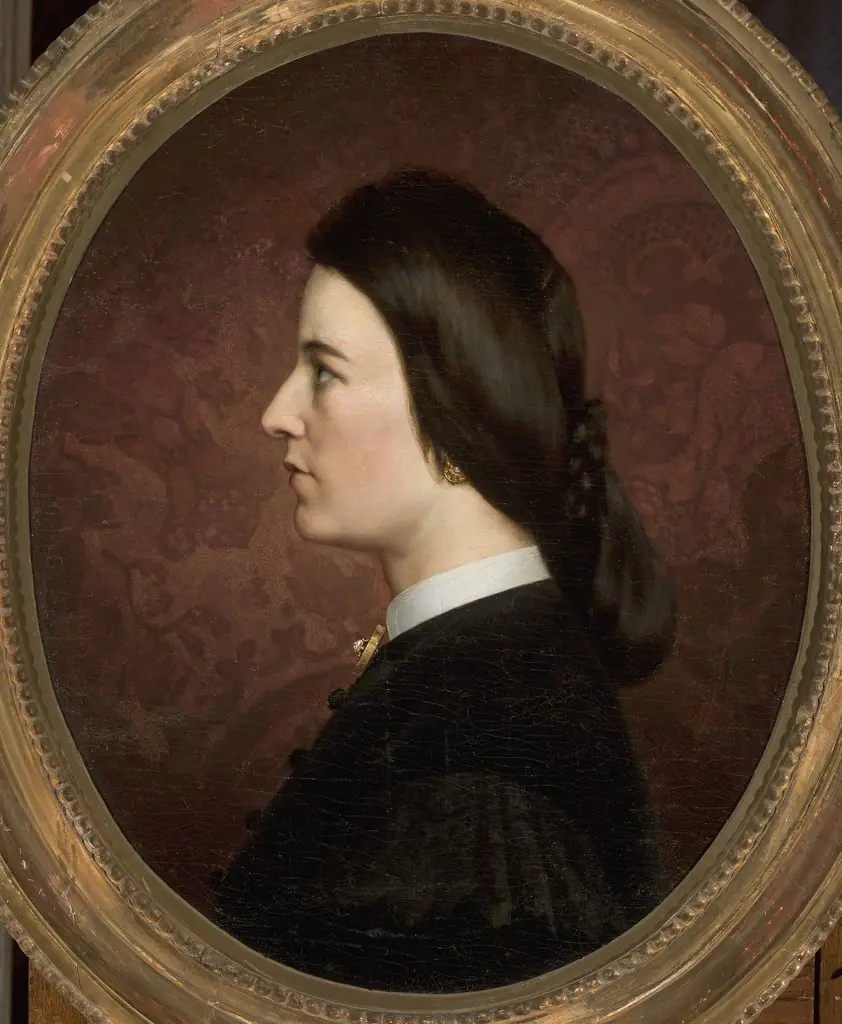 Portrait of Maria Sawiczewska, artist’s sister
 Portrait of a young woman
 Prayer at the grave