Artwork
Enthaltsamkeit des Scipio
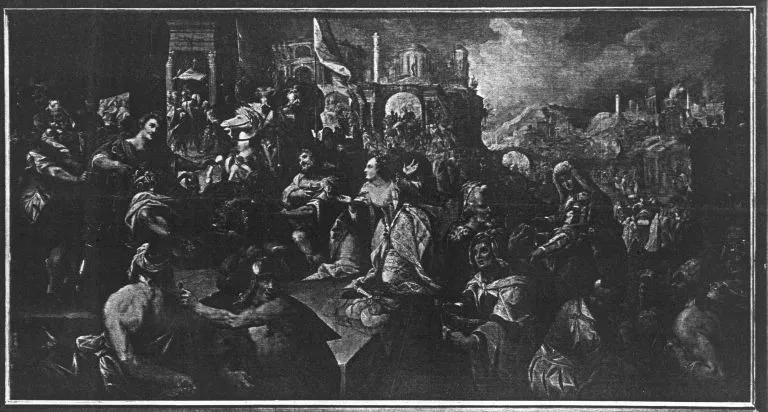
Enthaltsamkeit des Scipio is an unspecified painting by Gillis van Valckenborch. It dates from 1606 and is held in the collection of the Bavarian State Painting Collections.
About this work
Overview
The painting resides in the Alte Pinakothek in Munich, part of a broader tradition of historical storytelling in early 17th-century Northern European art.
Painted around 1606 by Gillis van Valckenborch, a Flemish artist working in Germany, this work illustrates a moment from Roman history. Van Valckenborch specialized in expansive narrative scenes populated with many figures, distinguishing himself from relatives who favored landscapes. The painting resides in the Alte Pinakothek in Munich, part of a broader tradition of historical storytelling in early 17th-century Northern European art.
Subject & Meaning
The scene depicts Scipio Africanus rejecting the advances of a captive woman, a story symbolizing moral restraint and Roman virtue. The figures surrounding him react with varied expressions—some in awe, others in tension—emphasizing the gravity of his choice. The raised sword and upward gesture suggest divine witness or moral judgment, reinforcing the theme of self-control as a civic and personal ideal.
Technique & Style
Van Valckenborch employs chiaroscuro to model forms and create spatial depth, with figures emerging from shadowed areas into pools of light. His figures are rendered with attention to period costume, including elaborate hats and draped garments, anchoring the scene in an imagined antiquity. The composition is densely packed, guiding the viewer’s eye through a network of gestures and glances that sustain narrative momentum.
History & Provenance
The painting entered the Alte Pinakothek’s collection in the 19th century, likely through the Bavarian royal acquisitions that expanded the museum’s holdings of Northern Renaissance and Mannerist works. Its attribution to Gillis van Valckenborch is supported by stylistic parallels with his other known works and documented family ties to the artistic community in Frankfurt and Augsburg.
Context
Created during the early Baroque period, the painting reflects a continued interest in classical morality among German-speaking courts. Though influenced by Italian historical painting, van Valckenborch’s approach retains Northern attention to detail and crowded narrative. The theme of temperance resonated with humanist ideals promoted in educated circles, where Roman exempla served as ethical models.
Legacy
While not widely reproduced, the painting stands as a representative example of Flemish artists working in the Holy Roman Empire who adapted classical themes for local patrons. Its preservation in a major public collection ensures continued study of how Northern painters interpreted Roman virtue, bridging humanist scholarship and visual storytelling in the late Renaissance.
Artist & collection
Artist
Gillis van Valckenborch or Egidius van Valckenborch (1570 in Antwerp – end of March or 1 April 1622 in Frankfurt am Main) was a Flemish painter and draughtsman who spent most of his career in Germany.

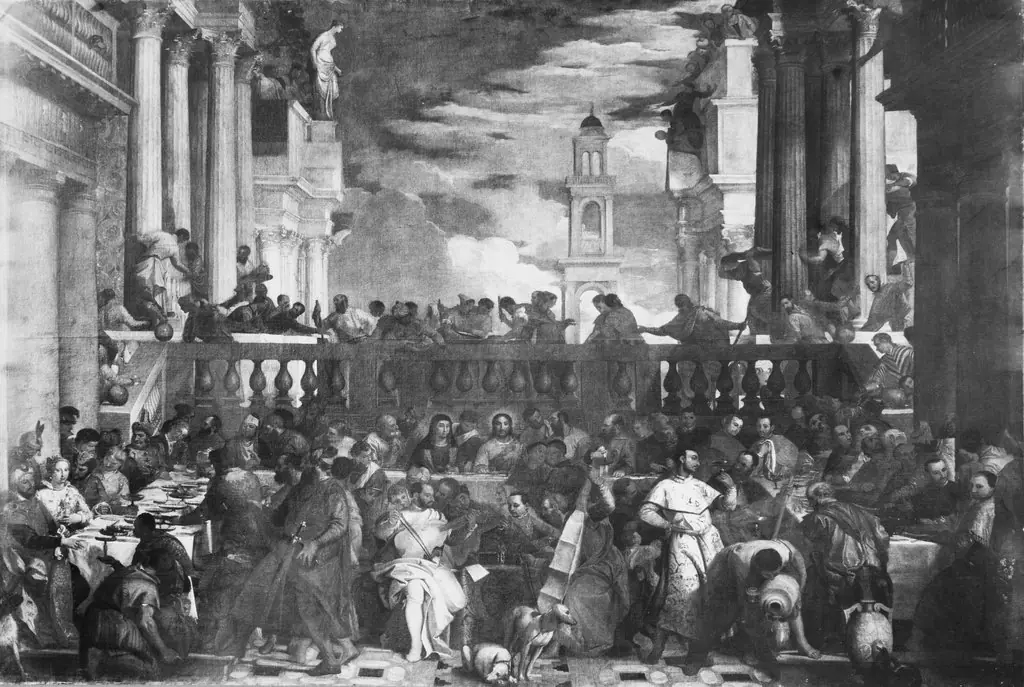 The Wedding in Cana
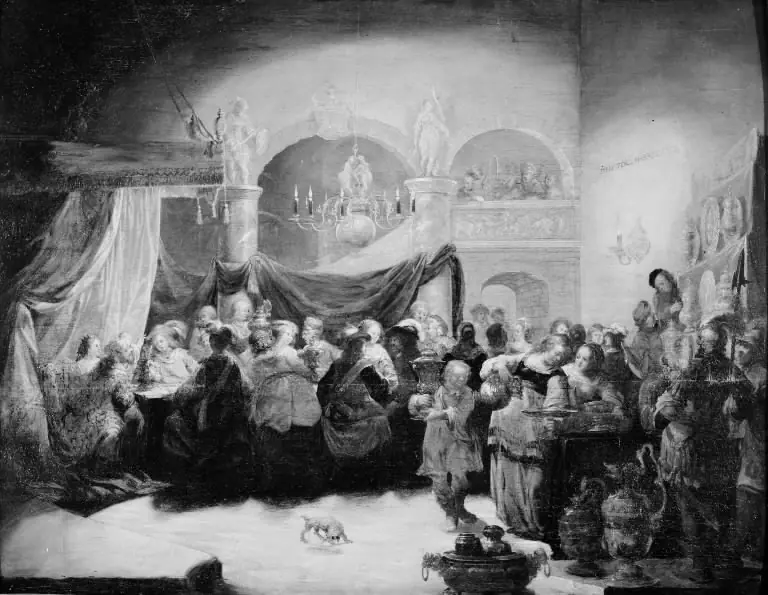 Belshazzar's Feast
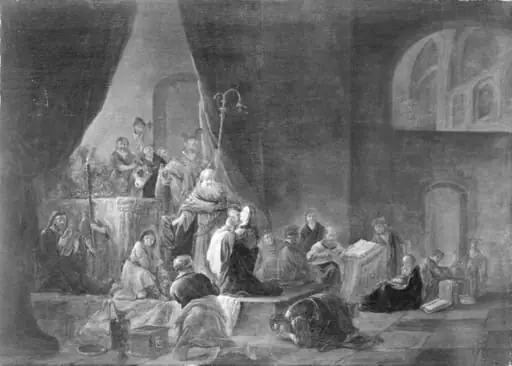 The Presentation in the Temple
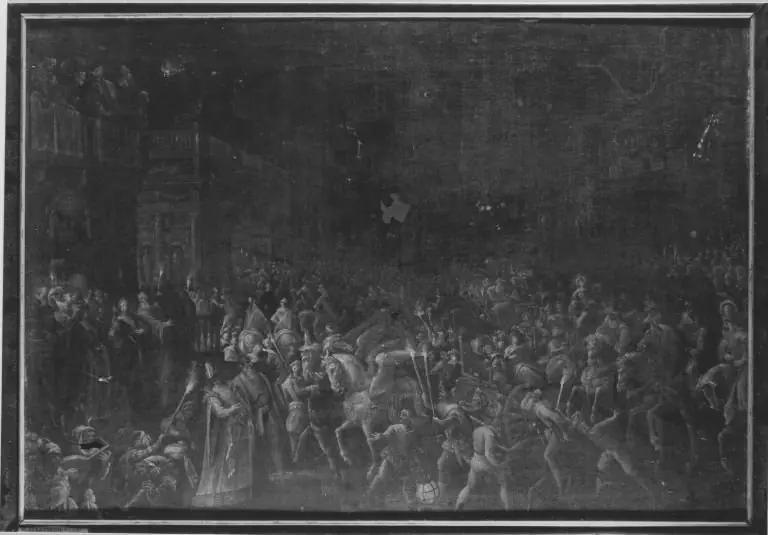 Maskenfest
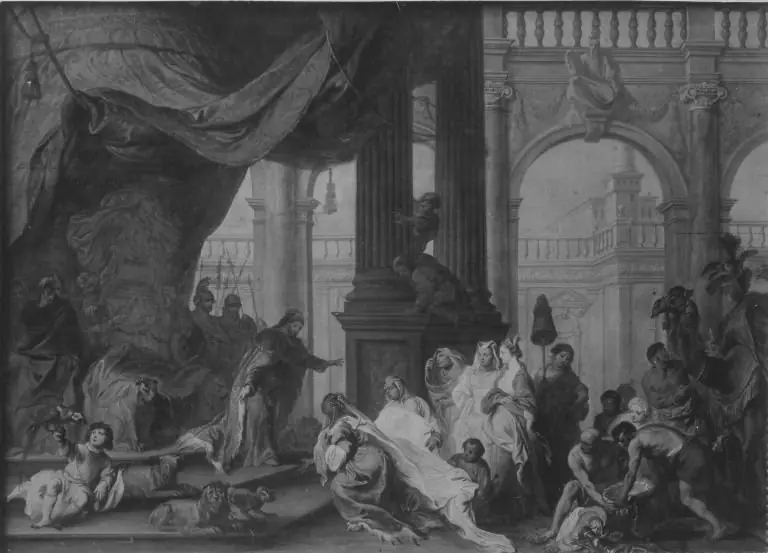 Salomon receives the Queen of Sheba
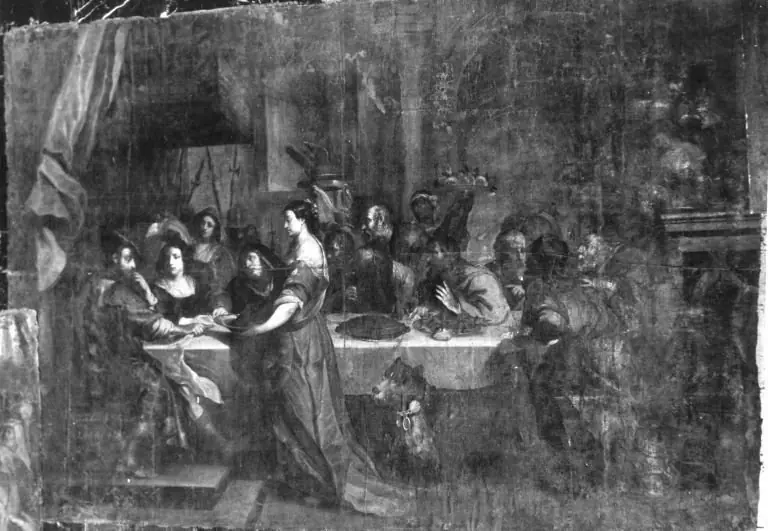 Salome with the head of John the Baptist on a dish which she gives to Herodes
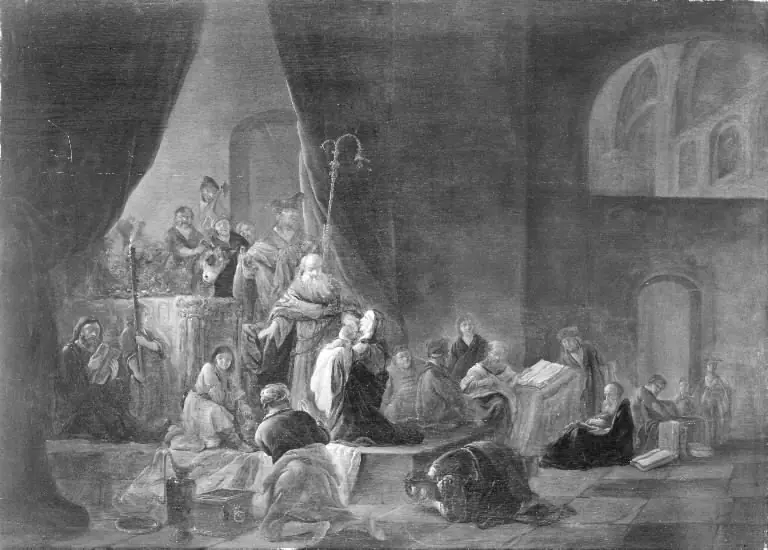 The Presentation in the Temple
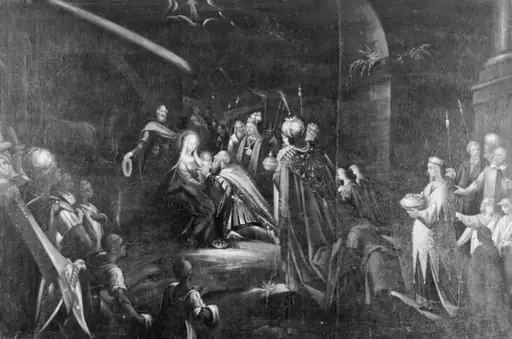 The Adoration of the Magi
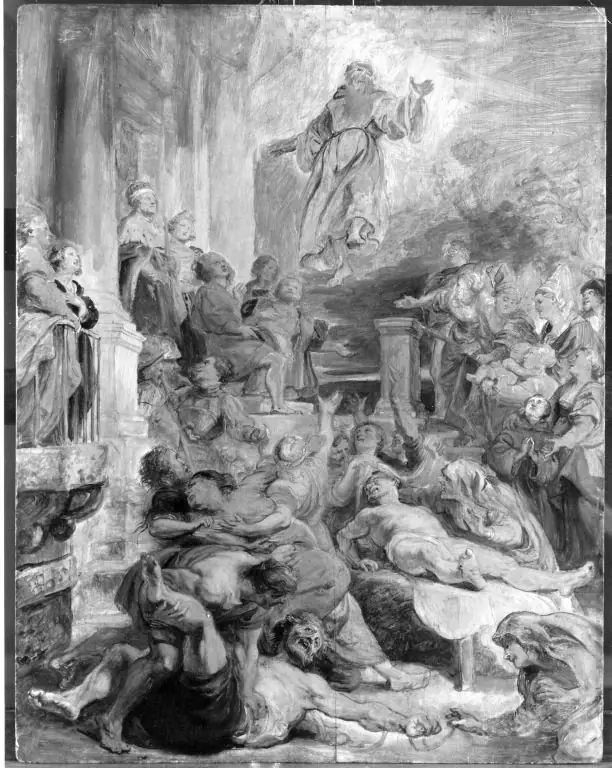 Miracles of St. Francis of Paola (Sketch)
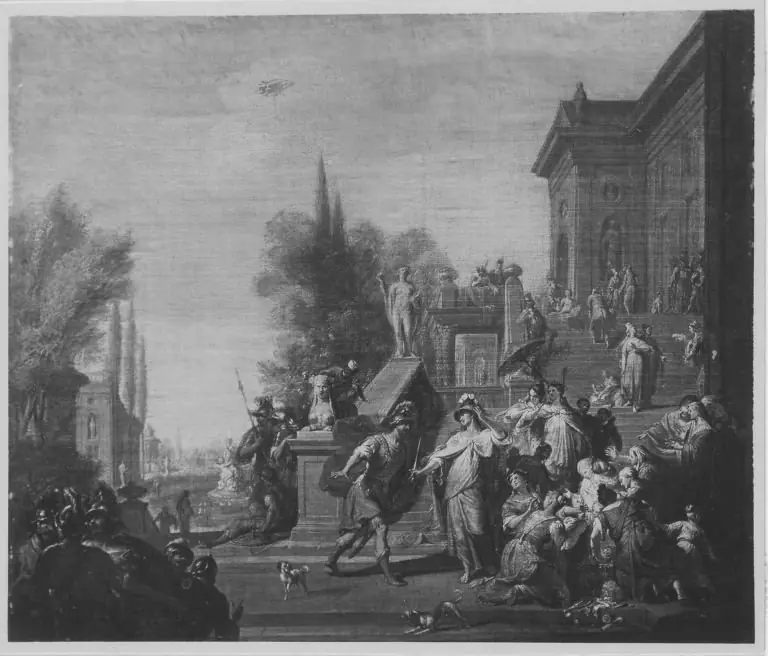 Odysseus entdeckt den verkleideten Achill
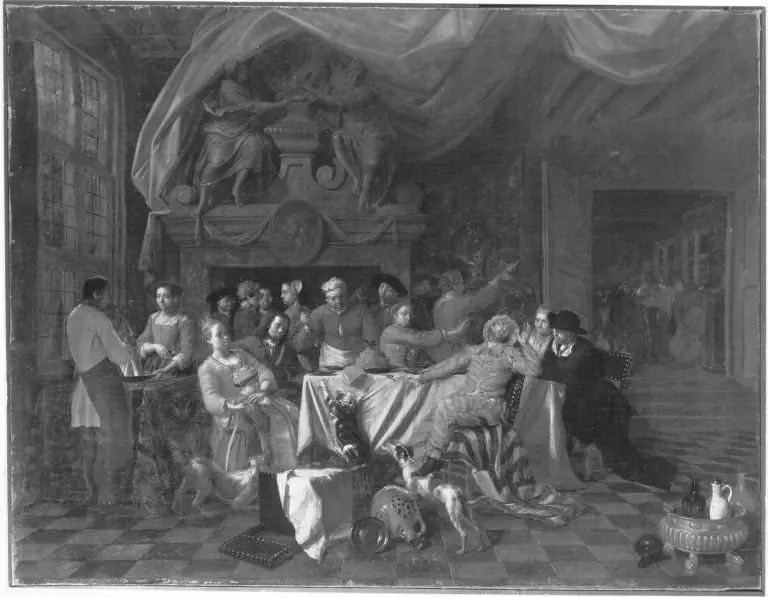 Karneval
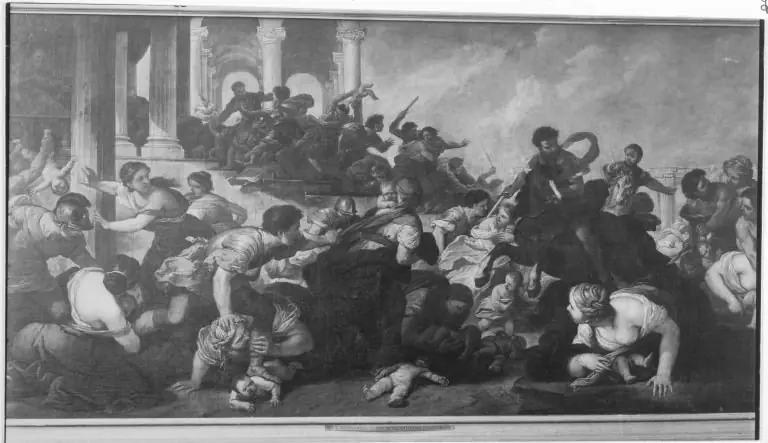 Bethlehemitischer Kindermord