Artwork
H Beard Print Collection
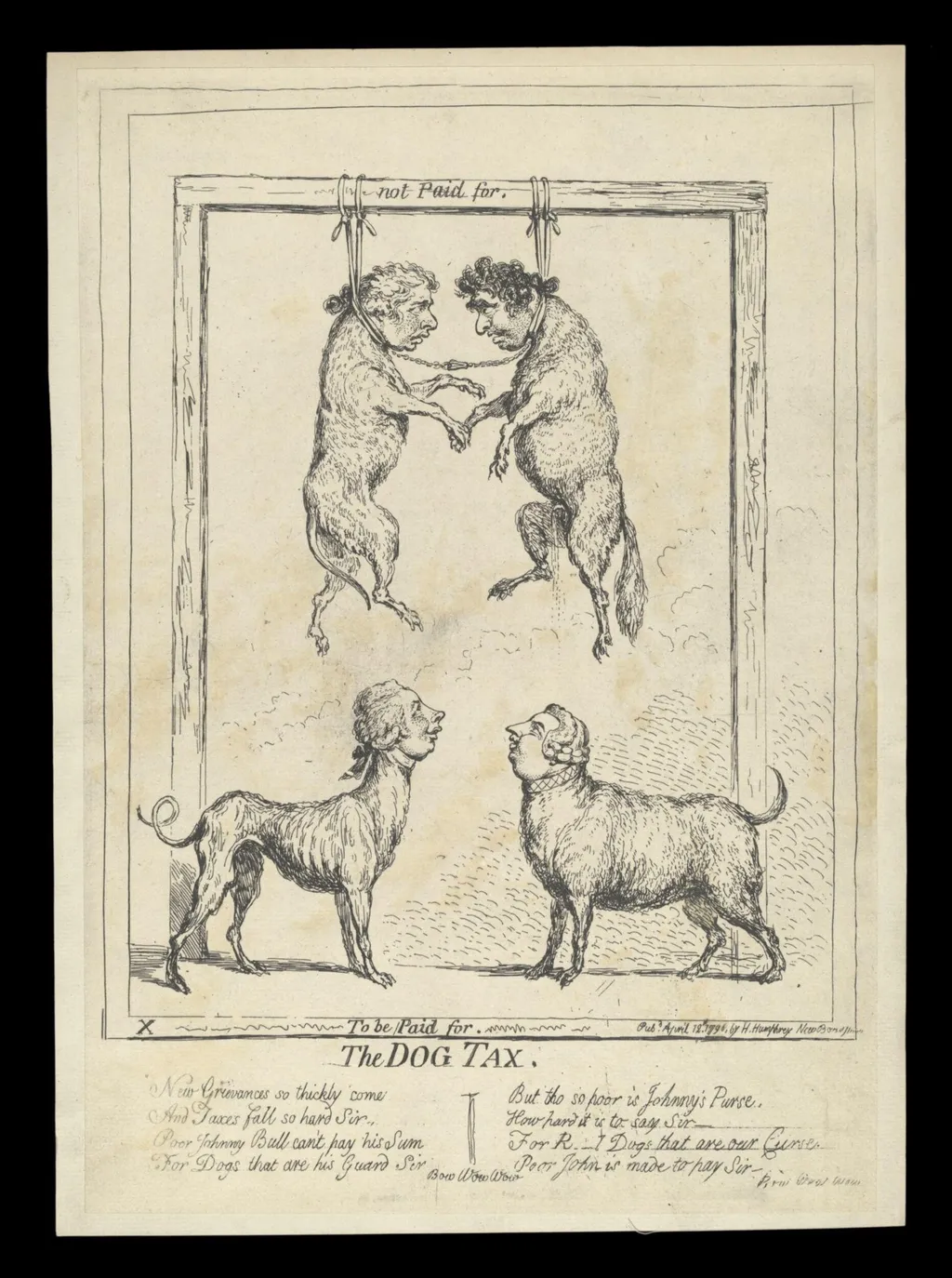
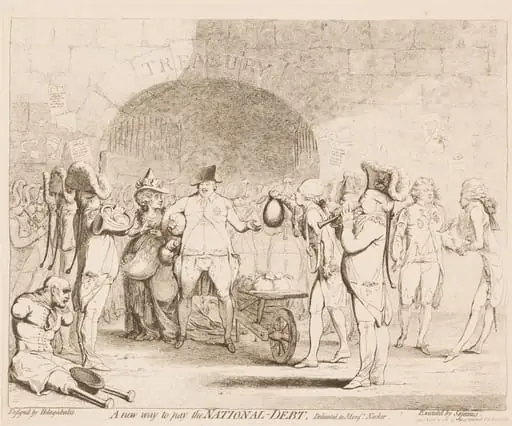
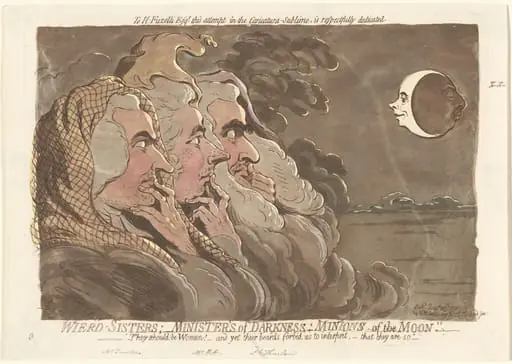
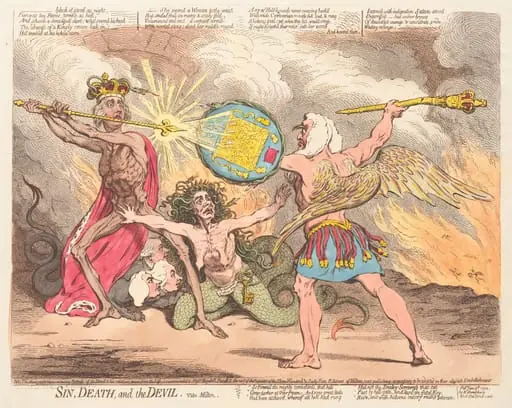
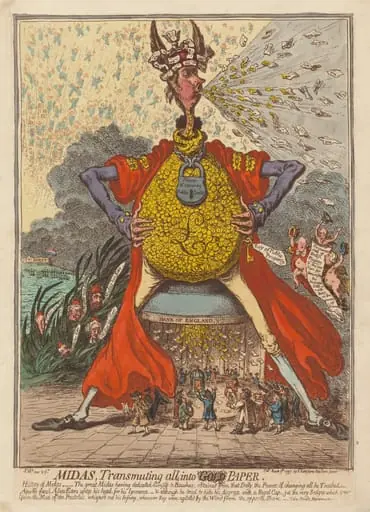
H Beard Print Collection is a print by the Romanticist artist James Gillray. It dates from 12 and is held in the collection of the Victoria and Albert Museum.
About this work
Overview
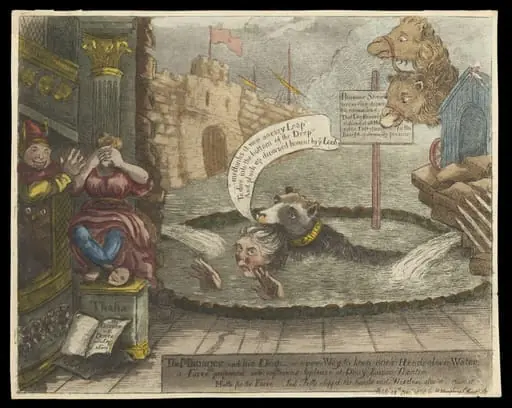
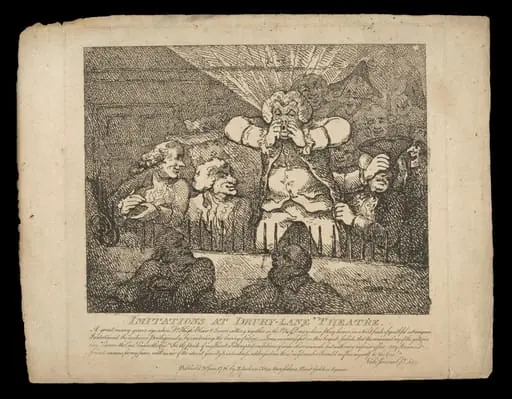
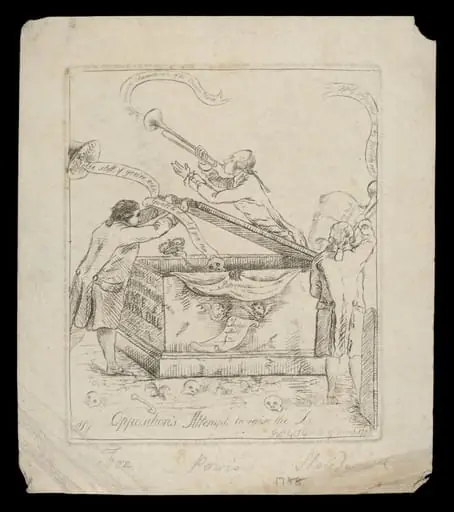
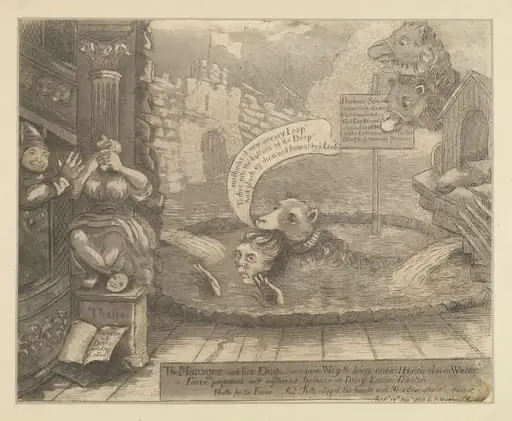
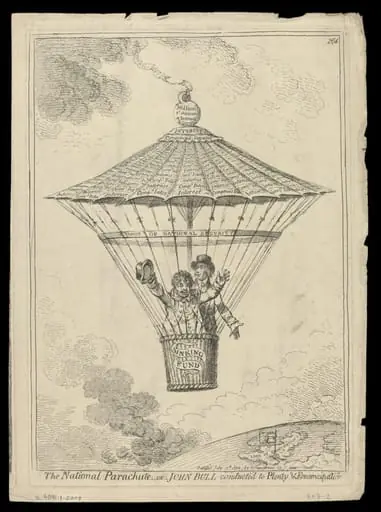
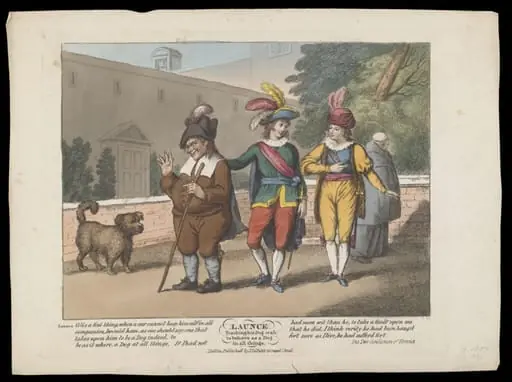
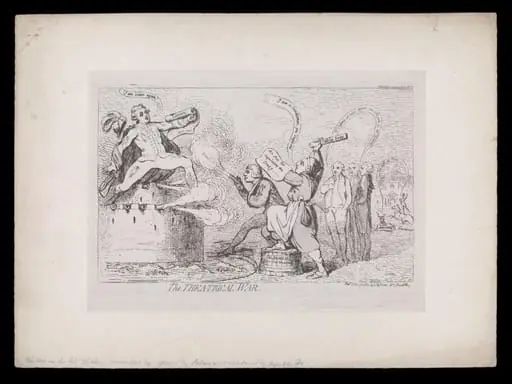
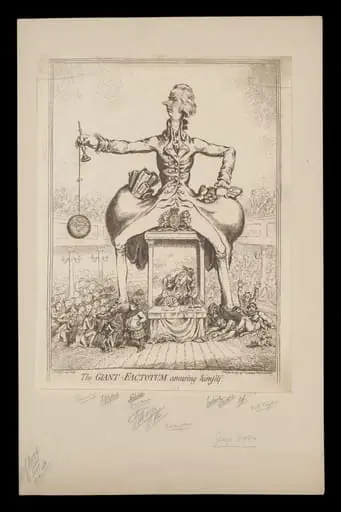
This satirical print by James Gillray critiques a proposed dog tax in late 18th-century Britain, using visual humor to expose political tensions.
This satirical print by James Gillray critiques a proposed dog tax in late 18th-century Britain, using visual humor to expose political tensions. The scene centers on a tax notice nailed to a post, with four powdered-wig figures reacting to it. A dog, head lowered, stands passively between them, symbolizing the object of the levy. The composition frames the tax as a point of contention among powerful figures, not a mere fiscal measure.
Subject & Meaning
The print targets the 1796 dog tax introduced by Prime Minister William Pitt to fund war efforts. The angry figure, likely Pitt, points accusingly at the notice, while others—possibly Sheridan, Fox, and Dundas—observe with skepticism or disdain. The dog’s subdued posture contrasts with the men’s agitation, suggesting the tax burdens ordinary citizens while elites debate its merits. The satire implies hypocrisy: those enforcing the law are more invested in power than public welfare.
Technique & Style
Gillray employs fine line engraving to render intricate details: the texture of wigs, the folds of coats, and the texture of the wooden post. Exaggerated facial expressions and rigid postures heighten the comedic tone. The figures are arranged in a tight, theatrical grouping, directing the viewer’s eye to the tax notice as the focal point. Shading and cross-hatching create depth without overwhelming the satirical clarity of the scene.
History & Provenance
Created around 1796, the print was published during a period of intense political rivalry and public discontent over wartime taxation. Gillray, a leading caricaturist of the era, frequently targeted Pitt’s administration. The work circulated widely among London’s literate classes, serving as political commentary in an age before mass media. Its survival in the H. Beard collection reflects its enduring relevance as a document of public sentiment.
Context
The dog tax was part of broader fiscal measures to fund Britain’s war against revolutionary France. Though modest in scope, it became a symbol of government overreach, particularly as other taxes burdened the poor. Gillray’s print tapped into widespread resentment, using domestic imagery—dogs as household companions—to humanize opposition. Political cartoons like this one helped shape public opinion when traditional press was restricted.
Legacy
Gillray’s print remains a key example of how visual satire influenced political discourse in Georgian Britain. It illustrates the power of caricature to distill complex policy debates into accessible, emotionally resonant imagery. Later reformers and cartoonists drew on its rhetorical strategies, embedding social critique in everyday scenes. The work endures not for its novelty, but for its clear articulation of power dynamics in taxation.
Artist & collection
Artist
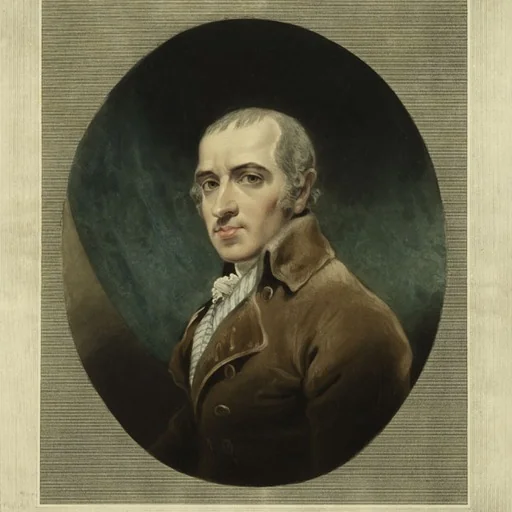
James Gillray (13 August 1756 – 1 June 1815) was an English caricaturist and printmaker famous for his etched political and social satires, mainly published between 1792 and 1810.