Artwork
The Adoration of the Magi
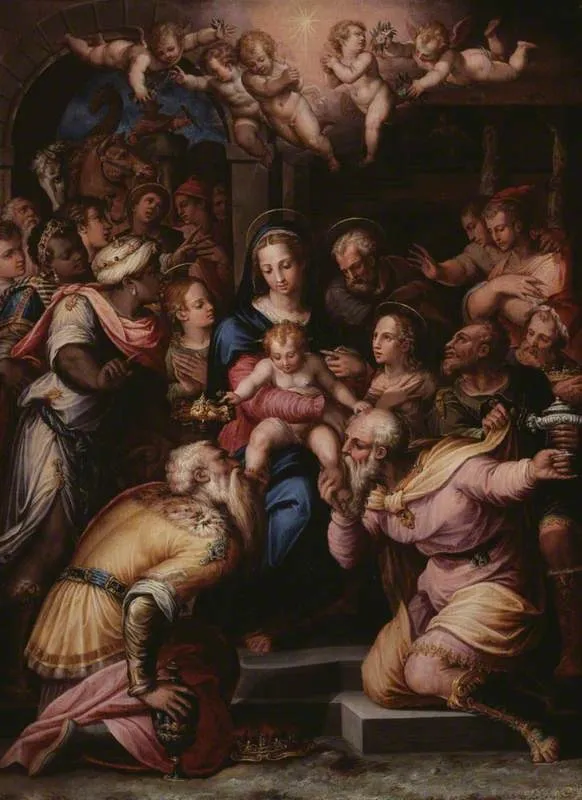
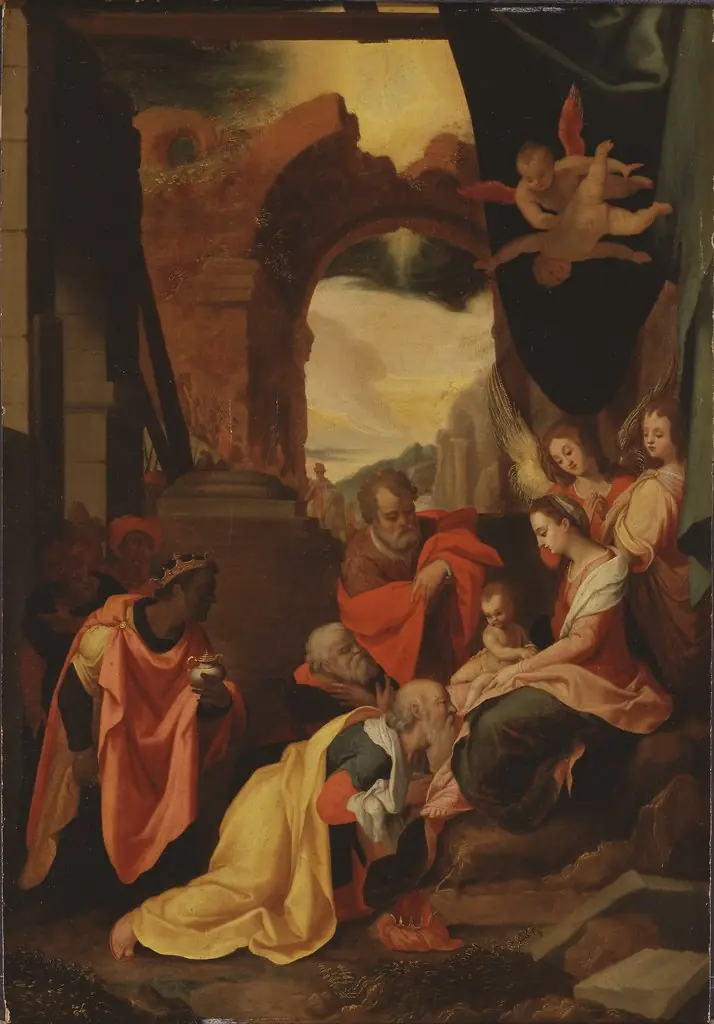
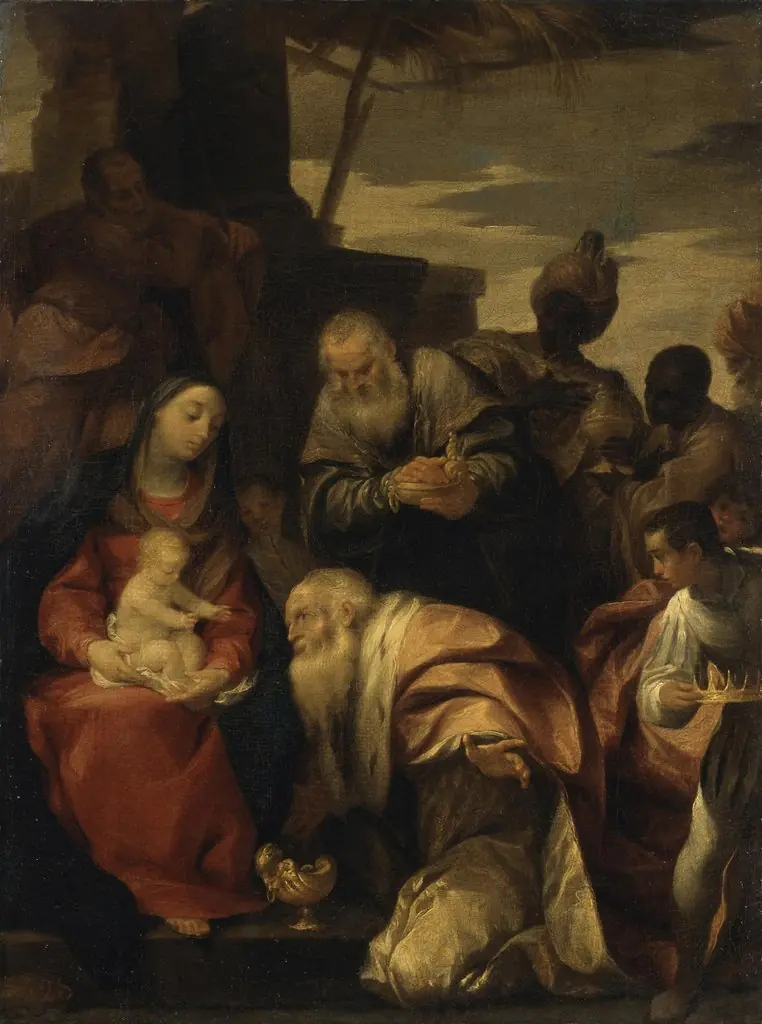
The Adoration of the Magi is an oil painting by the Mannerist artist Giorgio Vasari. It dates from 1566 and is held in the collection of the National Galleries Scotland.
About this work
Overview
The Adoration of the Magi, painted in 1566 by Giorgio Vasari, is an oil painting depicting a pivotal scene in Christian tradition. Characteristic of the Mannerist style prevalent during the late Italian Renaissance, this work showcases Vasari's artistic prowess, complementing his renown as an art historian and architect.
Subject & Meaning
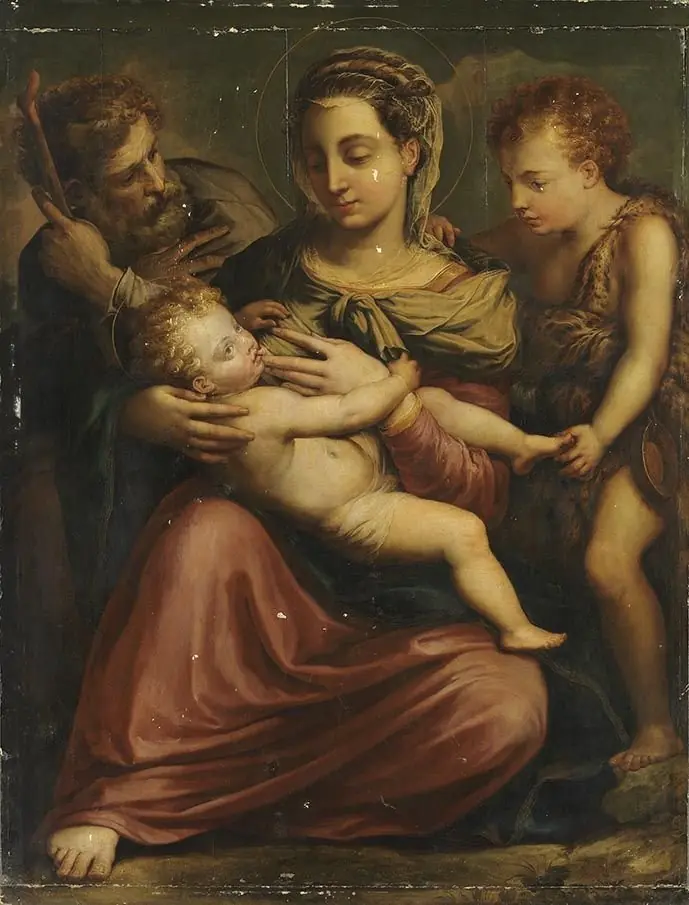
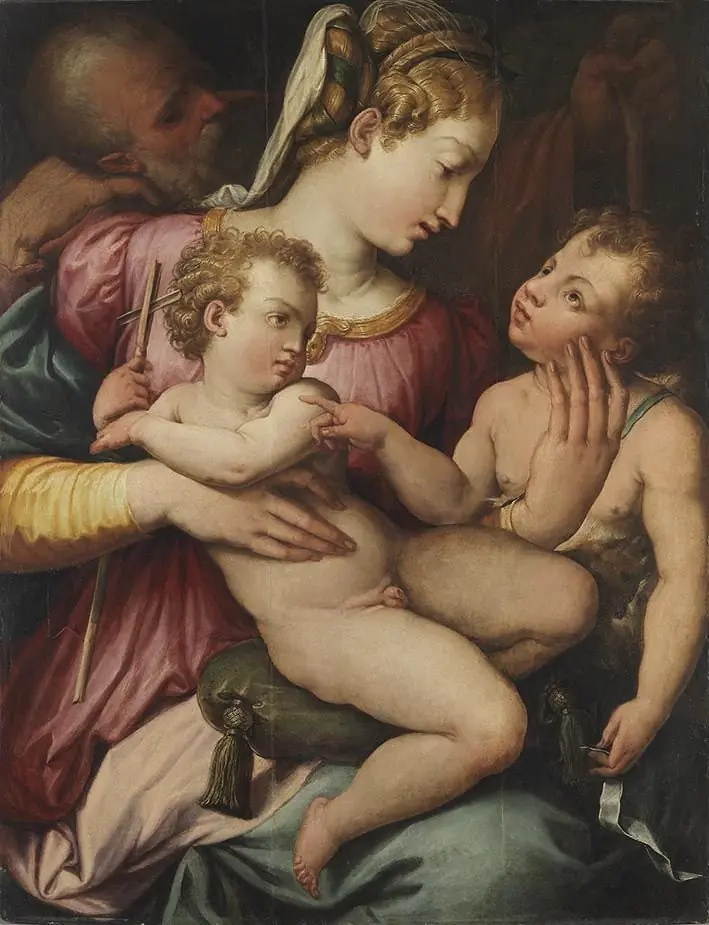
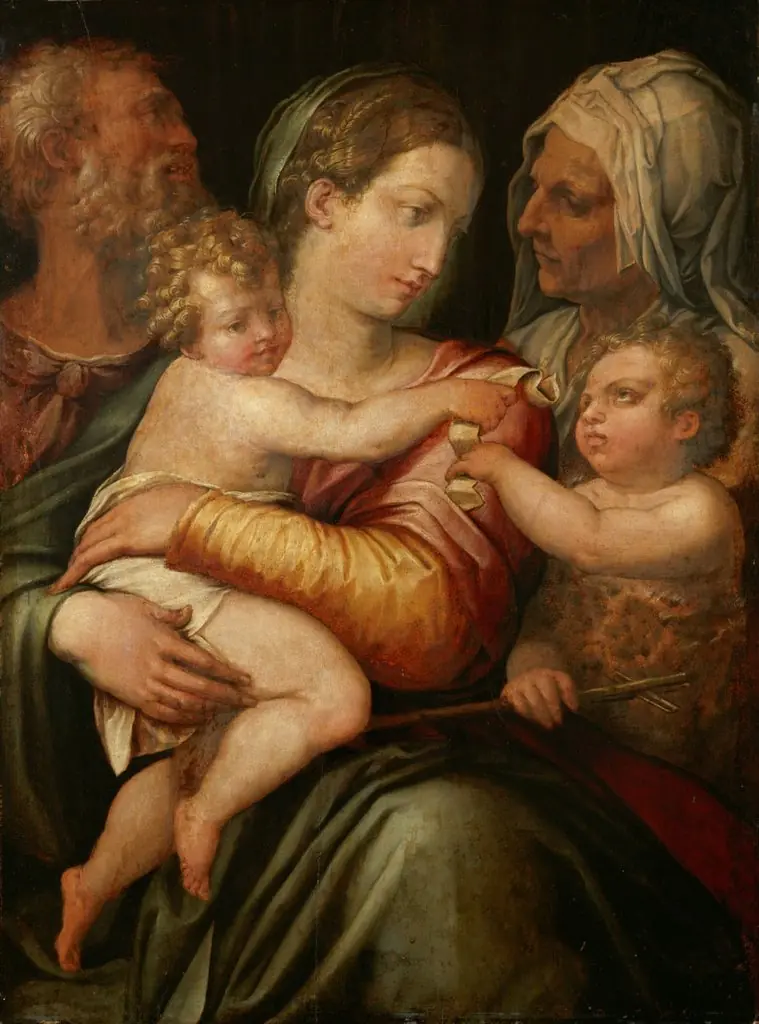
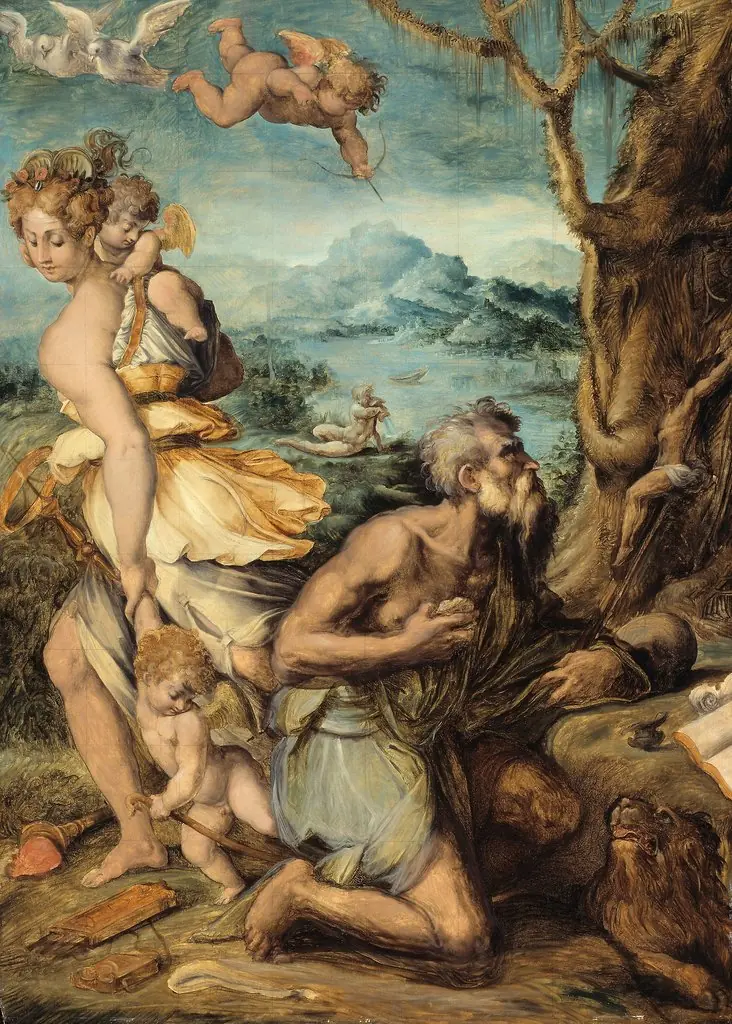
The painting illustrates the adoration of the Christ Child by the Magi, emphasizing a central Christian narrative. The composition focuses on the Virgin, clad in a blue robe and crown, holding the infant Jesus amidst a gathering of reverent, gift-bearing elders.
Technique & Style
Vasari employs chiaroscuro, juxtaposing sharp, highlighted faces and hands against a dark, shadowy background illuminated by flickering candlelight. Rich, textured brushwork and a vibrant color palette (notably deep blues, warm golds, and soft pinks) further define the Mannerist aesthetic of the piece.
History & Provenance
Created during the pinnacle of Vasari's artistic recognition, The Adoration of the Magi is now part of the Scottish National Gallery's collection.
Artist & collection
Artist
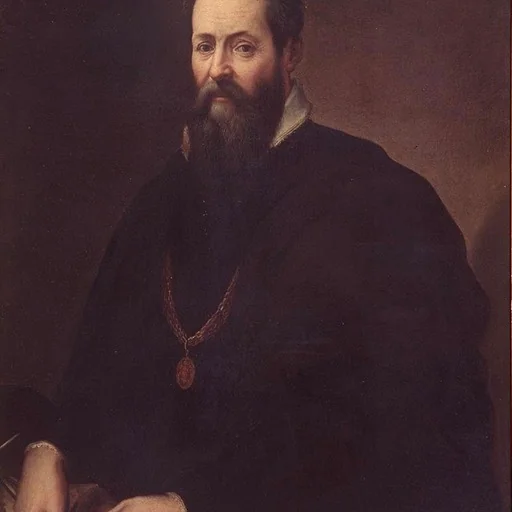
Giorgio Vasari (30 July 1511 – 27 June 1574) was an Italian Renaissance painter, architect, art historian, and biographer known for his work Lives of the Most Excellent Painters, Sculptors, and Architects, considered…

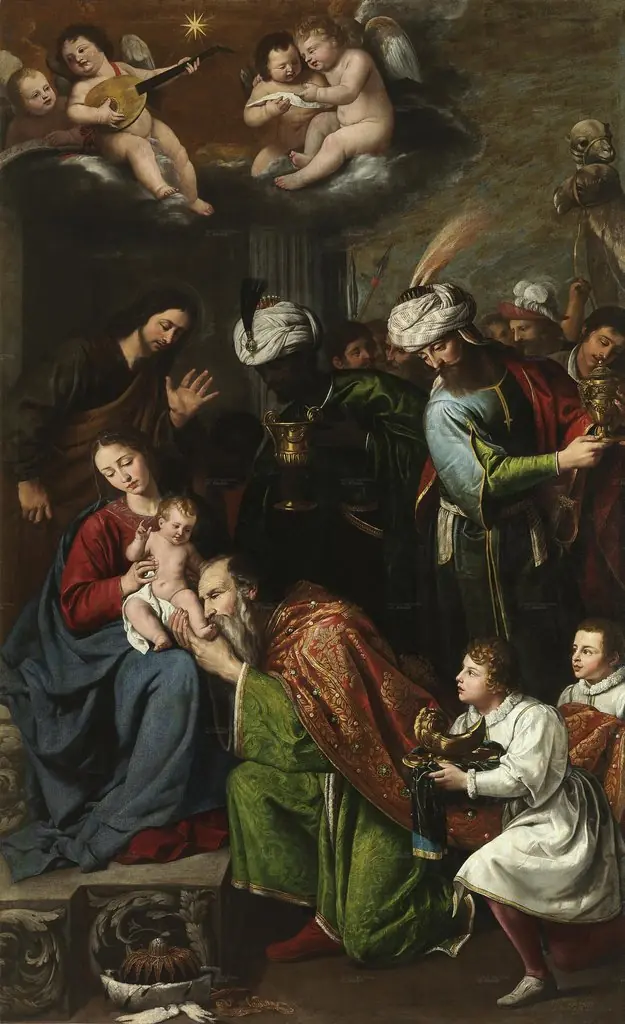 The Adoration of the Magi
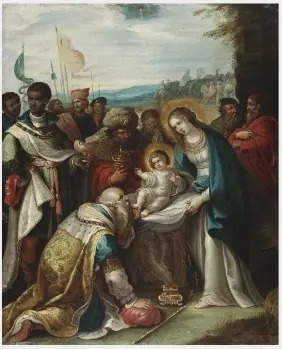 The Adoration of the Magi
 The Adoration of the Magi
 The Adoration of the Magi
 Adoration of the Shepherds
 Adoration of the Kings
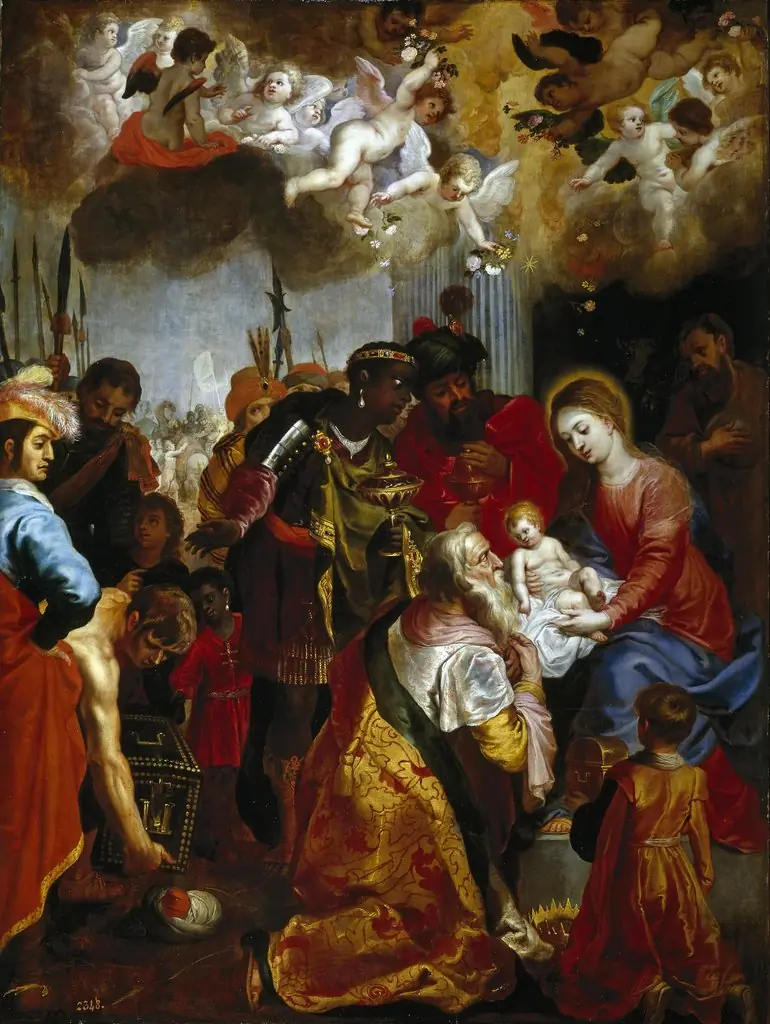 Adoration of the Magi
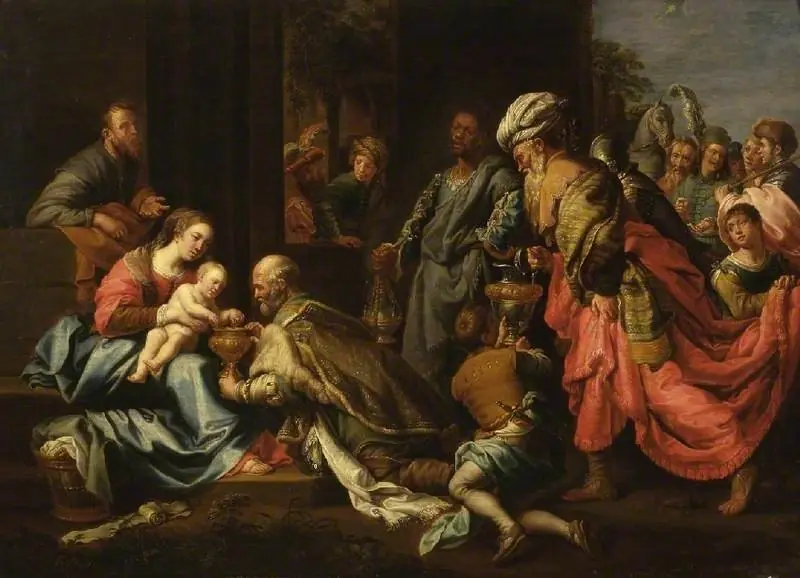 Adoration of the Kings, after van Loon
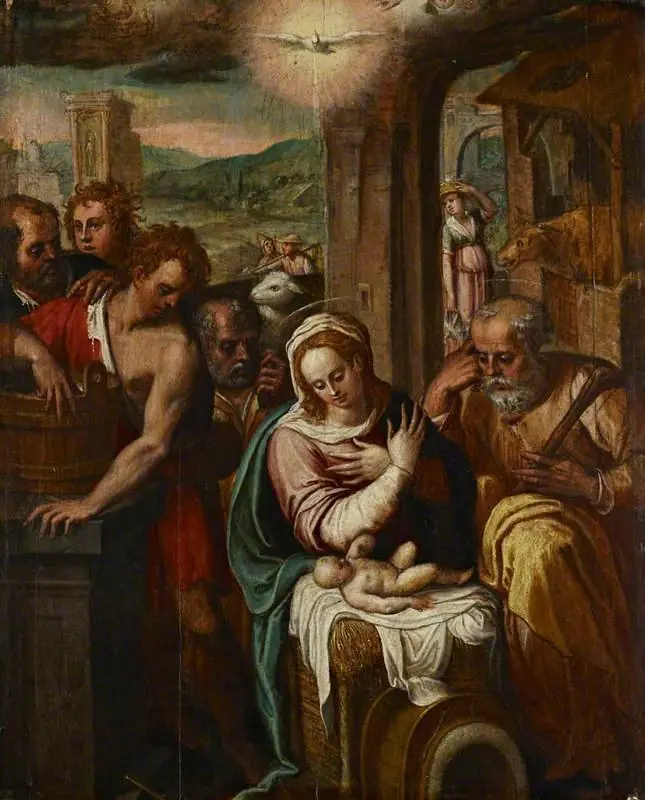 The Adoration of the Shepherds
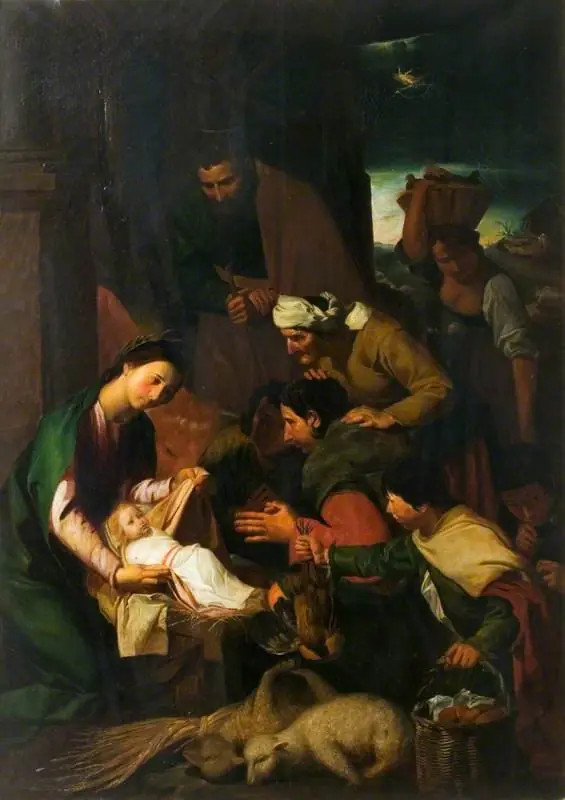 The Adoration of the Shepherds (after Diego Velázquez)
 Adoration of the Magi
 Epiphany