Artwork
The Adoration of the Magi
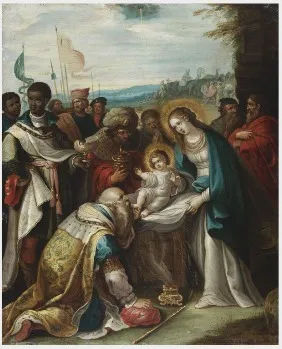
The Adoration of the Magi is an unspecified painting by the Flemish Baroque painting artist Frans Francken the Younger. It dates from 1615 and is held in the collection of the National Gallery of Ireland.
About this work
Overview
The painting is part of the National Gallery of Ireland’s collection and reflects the period’s emphasis on detailed storytelling within religious contexts.
Painted in 1615 by Frans Francken the Younger, this work is a devotional scene rendered in the Flemish Baroque tradition. Francken, a prolific artist from a well-known family of painters, specialized in narrative compositions often enriched by collaborators who added architectural or landscape elements. The painting is part of the National Gallery of Ireland’s collection and reflects the period’s emphasis on detailed storytelling within religious contexts.
Subject & Meaning
The scene portrays the biblical moment when the Magi present gifts to the infant Jesus, who is held by the Virgin Mary. The kneeling king, dressed in rich garments, offers a token of homage, while other figures observe with solemnity. The composition underscores themes of divine recognition and earthly submission, common in Counter-Reformation art, where visual clarity served to reinforce doctrinal messages for the faithful.
Technique & Style
Francken employed fine brushwork to render intricate textiles and varied facial expressions, characteristic of Flemish precision. The figures are arranged in a shallow space, with attention to costume and gesture rather than deep perspective. Background elements, likely added by a specialist, provide a distant landscape and architectural setting, contrasting the intimate foreground with a broader, idealized world.
History & Provenance
Commissioned during a period of active religious patronage in the Southern Netherlands, the painting entered the National Gallery of Ireland’s holdings through documented acquisitions in the 19th or early 20th century. Its survival reflects its continued value as a devotional object and artistic example of early 17th-century Antwerp workshop practices, where collaboration between specialists was standard.
Context
In early 17th-century Flanders, religious imagery remained central despite political and religious upheaval. Francken’s work responded to demands from both Catholic institutions and private collectors seeking visually rich narratives. His integration of contemporary fashion and detailed settings aligned with broader trends in Flemish painting, blending sacred subject matter with worldly realism.
Legacy
Francken’s approach influenced later generations of Flemish painters through his methodical composition and collaborative technique. While not as widely recognized as contemporaries like Rubens, his output helped sustain the tradition of narrative altarpieces and domestic devotional art. This painting remains a representative example of how workshop practices shaped religious imagery in the Baroque era.
Artist & collection
Artist
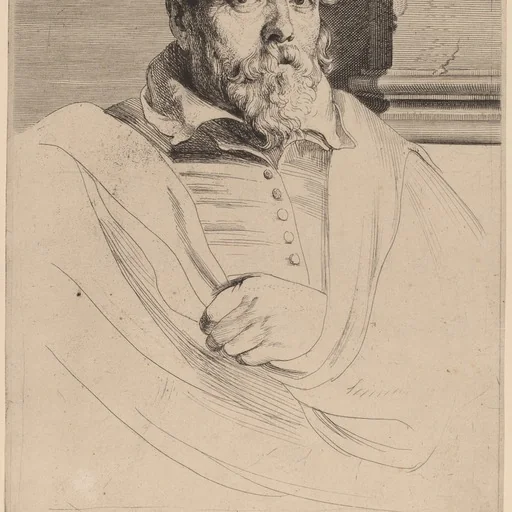
Frans Francken the Younger (1581, Antwerp – 6 May 1642, Antwerp) was a Flemish painter and the best-known and most prolific member of the large Francken family of artists.

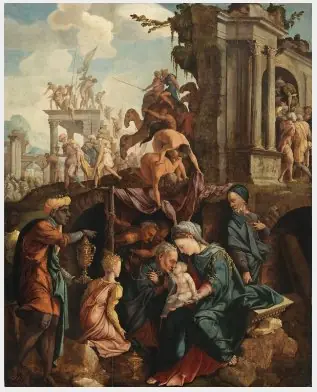 The Adoration of the Magi
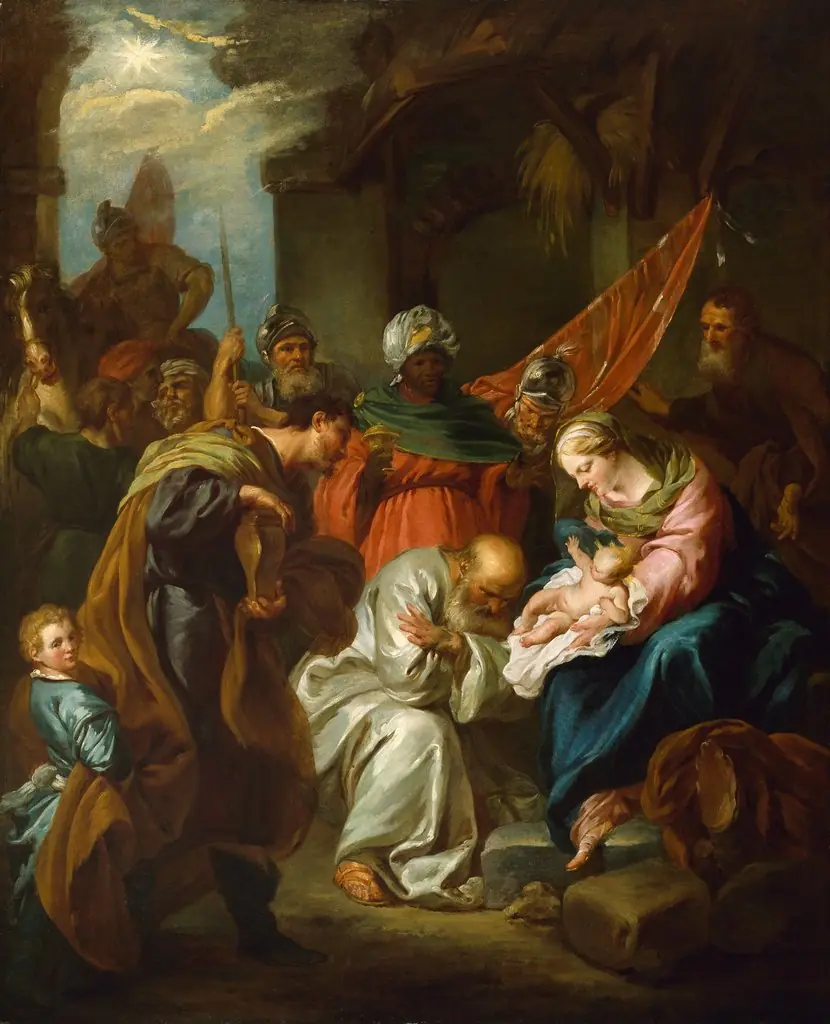 The Adoration of the Magi
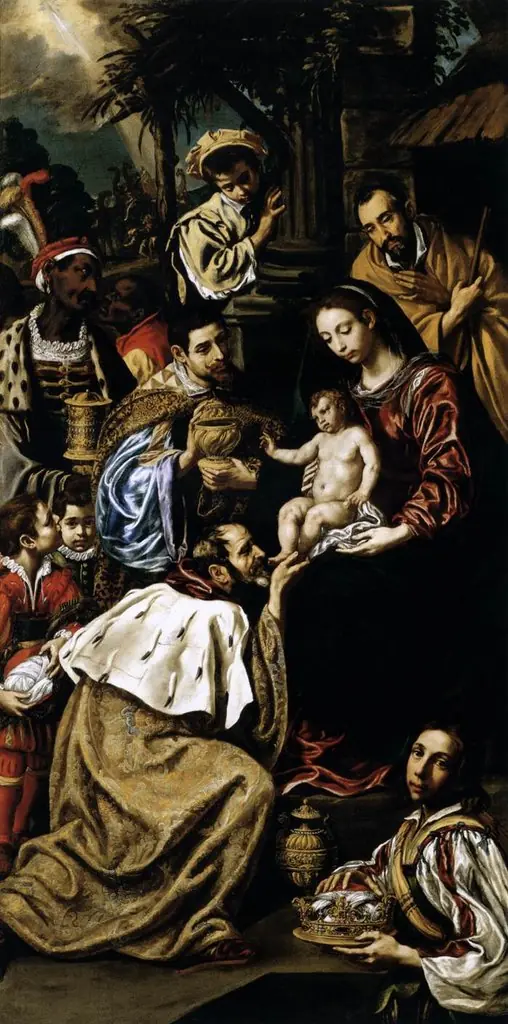 The Adoration of the Magi
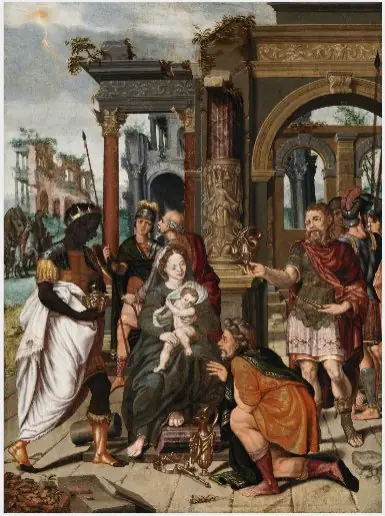 The Adoration of the Magi
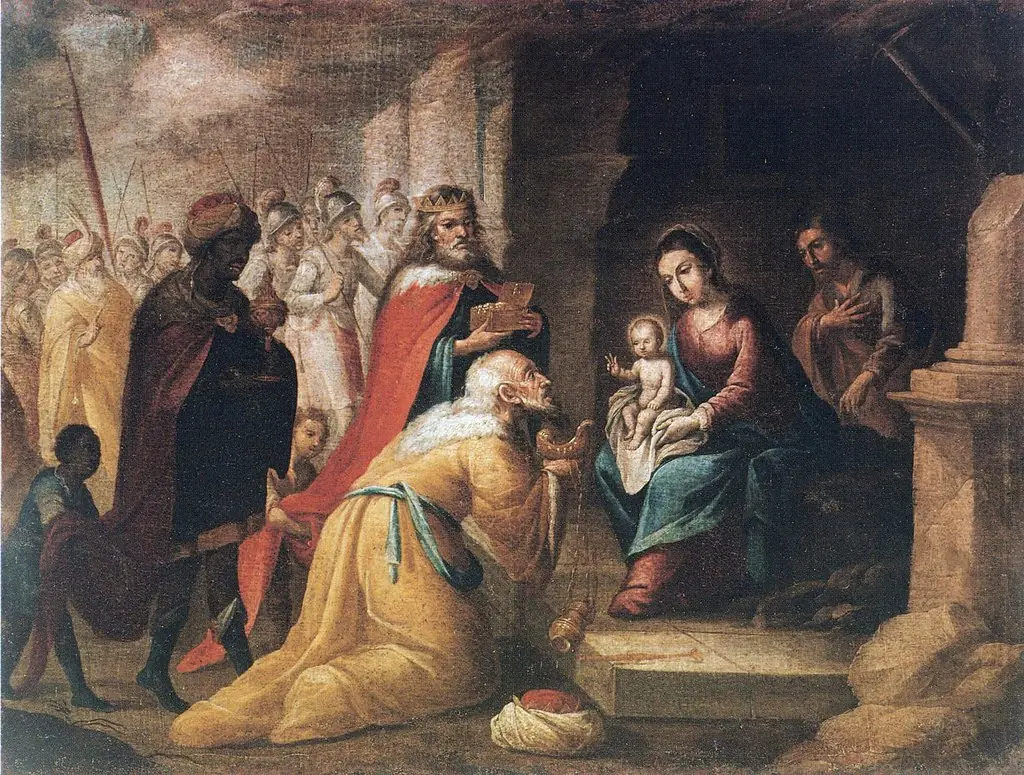 The Adoration of the Magi
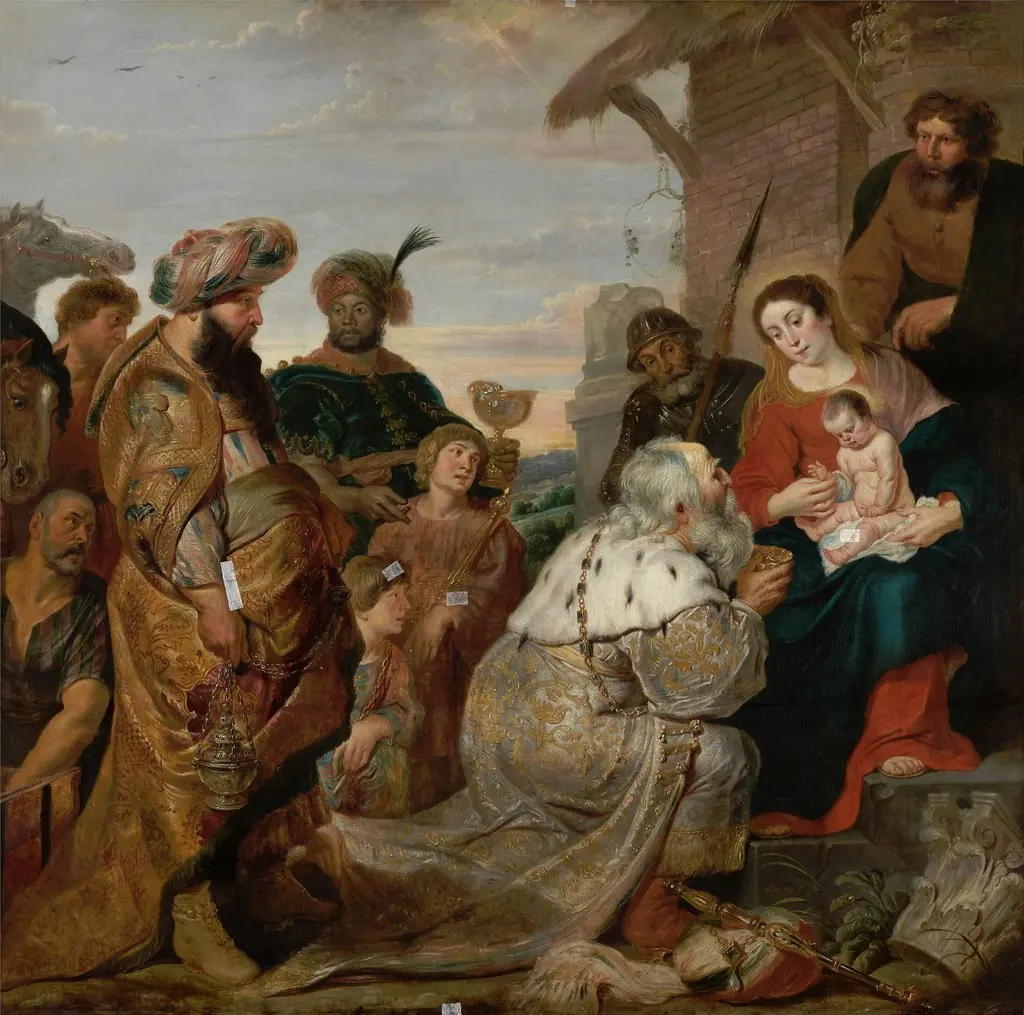 The adoration of the Magi
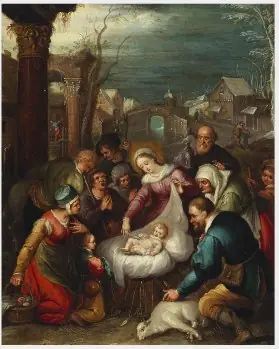 The Adoration of the Shepherds
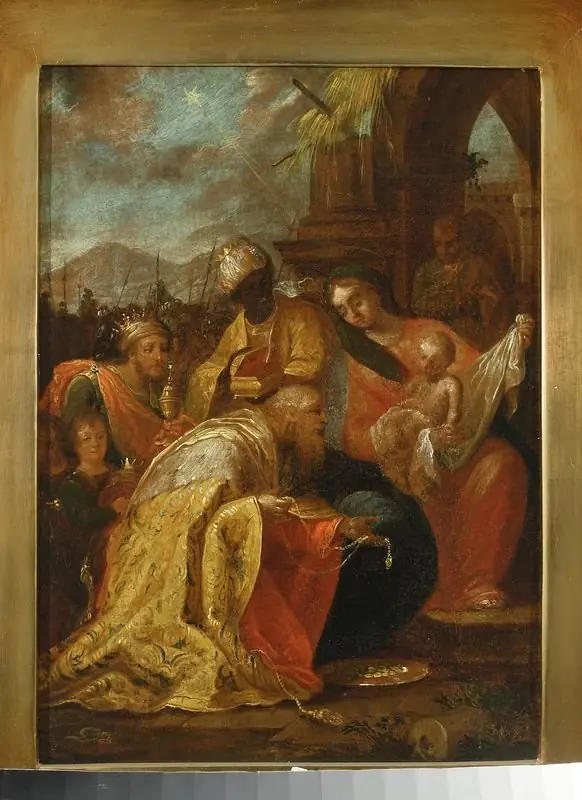 Adoration of the Magi
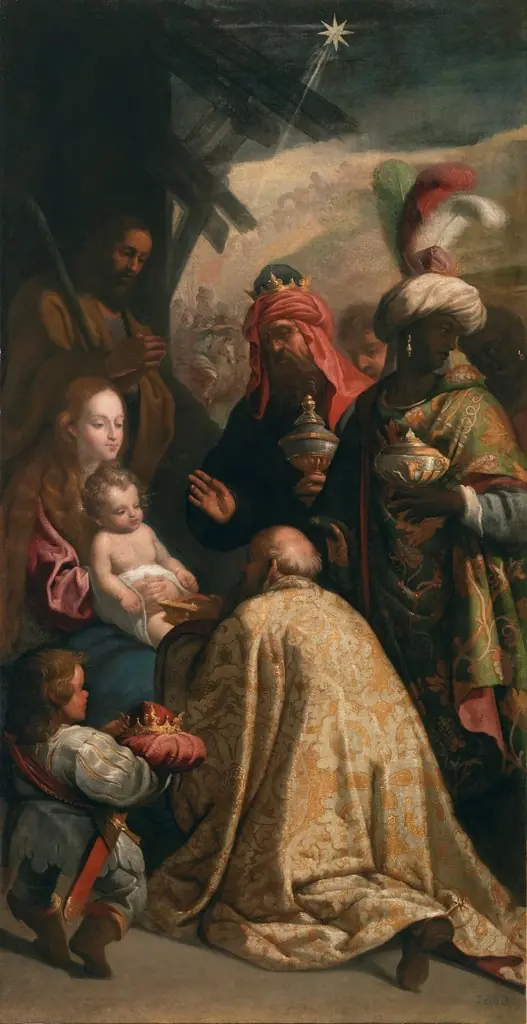 The Adoration of the Magi
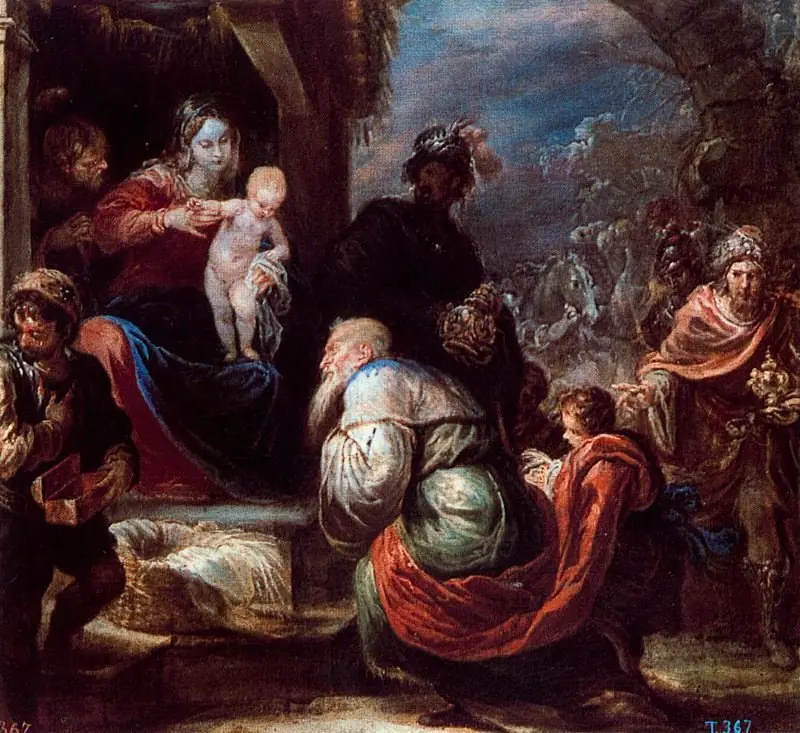 The Adoration of the Magi
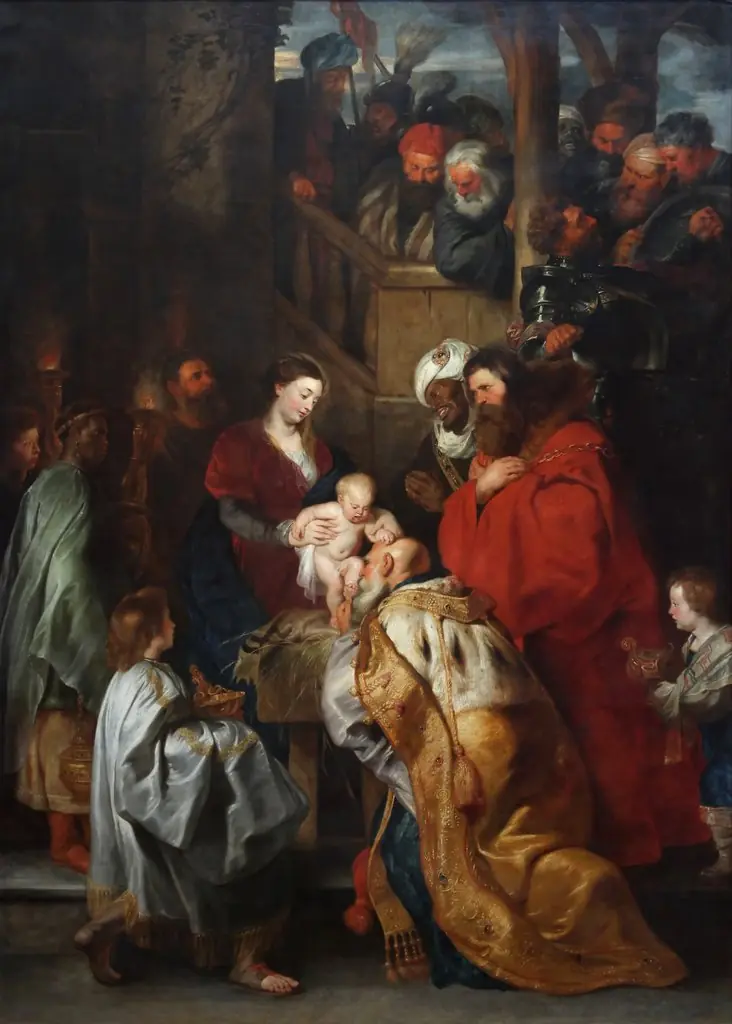 Adoration of the Three Kings
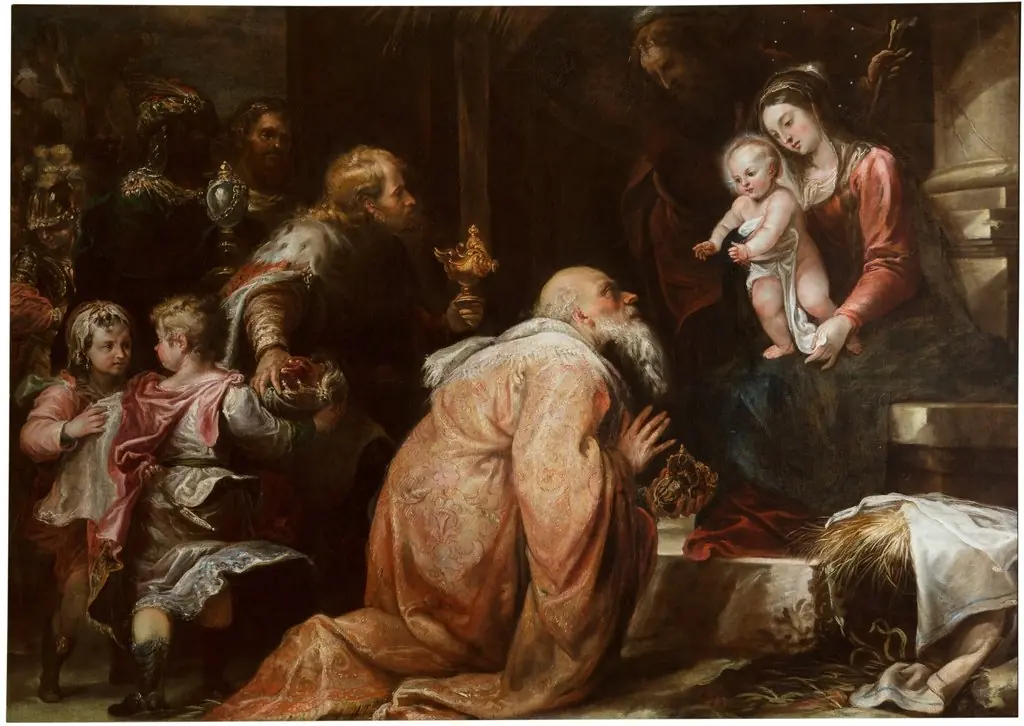 Adoración de los Reyes Magos