Artwork
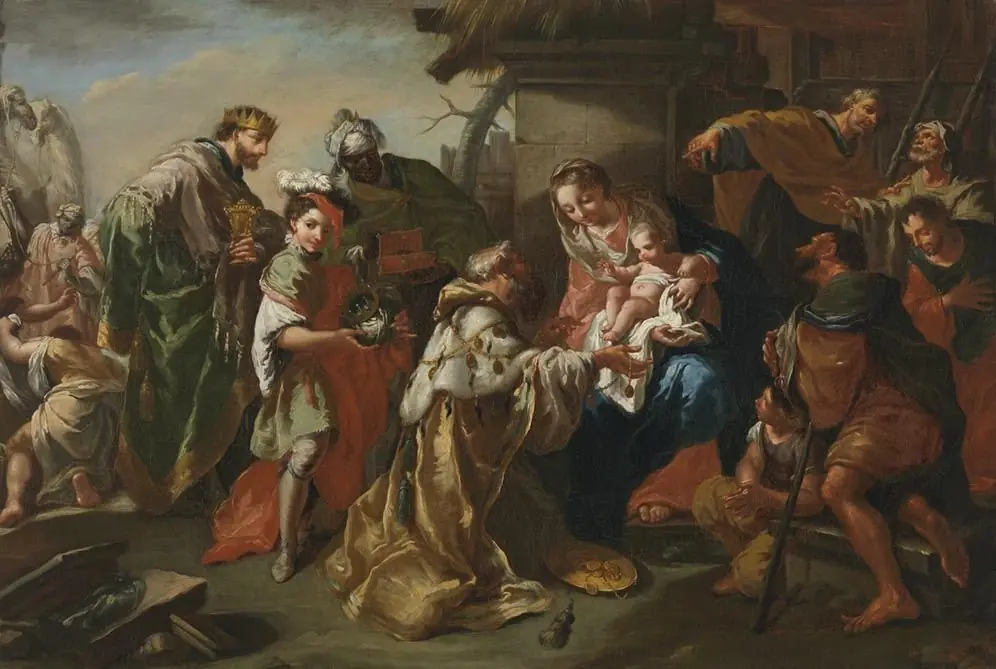
Adoration of the Kings, after van Loon
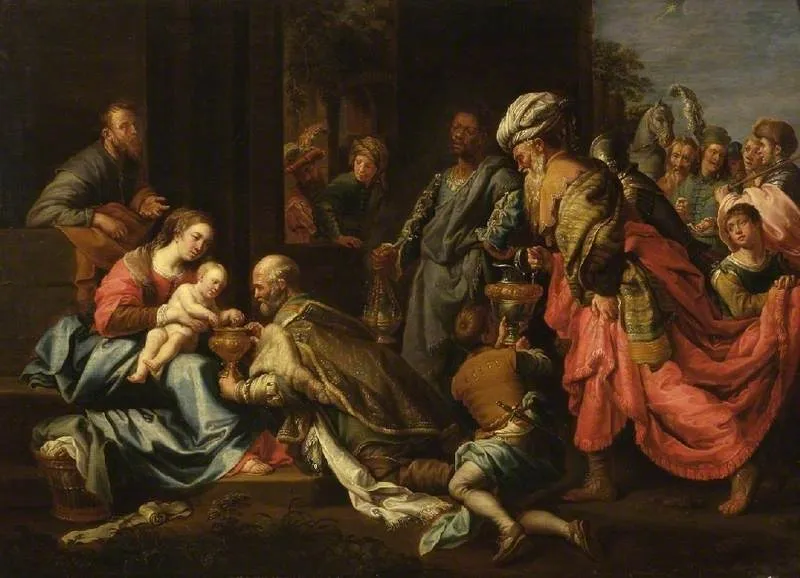
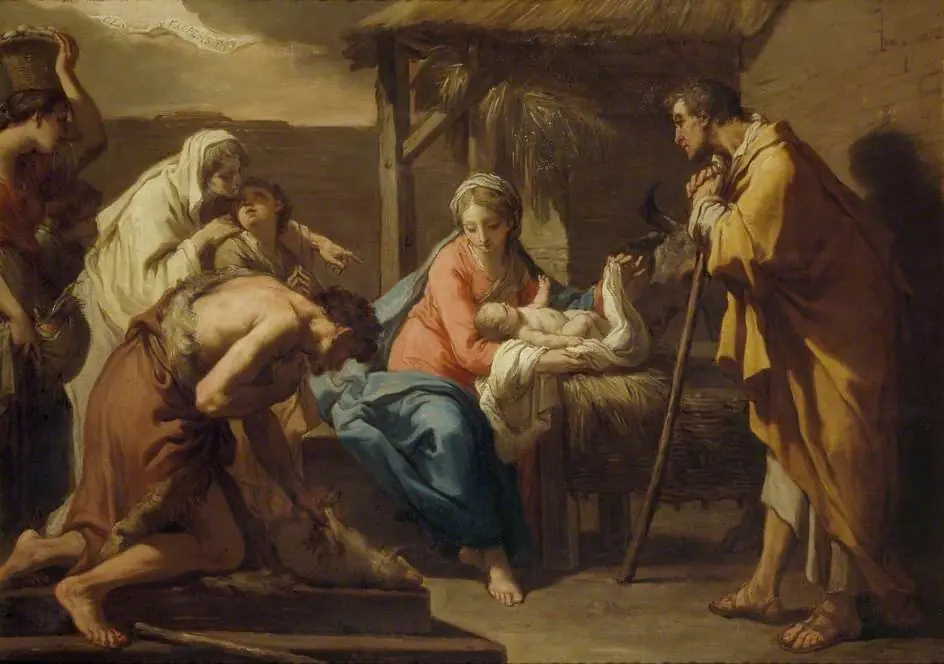
Adoration of the Kings, after van Loon is an oil painting by Jeremiah Meyer. It dates from 1772 and is held in the collection of the Fitzwilliam Museum.
About this work
Overview
The piece resides in the Fitzwilliam Museum’s collection and reflects his engagement with established religious imagery beyond his usual miniature format.
Created around 1772 by Jeremiah Meyer, this oil painting is a reinterpretation of a composition originally by van Loon. Meyer, primarily known for portrait miniatures, produced this larger-scale work during his tenure as a founding member of the Royal Academy. The piece resides in the Fitzwilliam Museum’s collection and reflects his engagement with established religious imagery beyond his usual miniature format.
Subject & Meaning
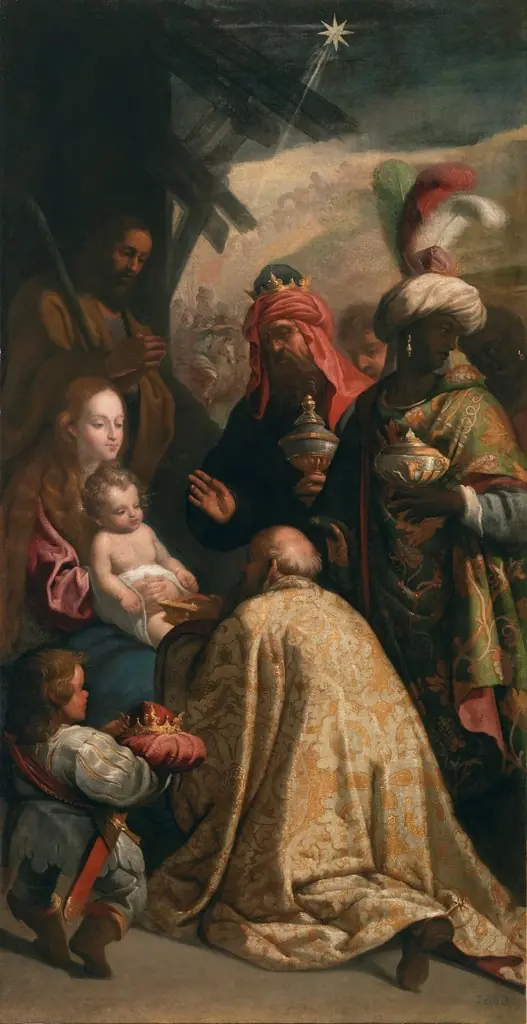
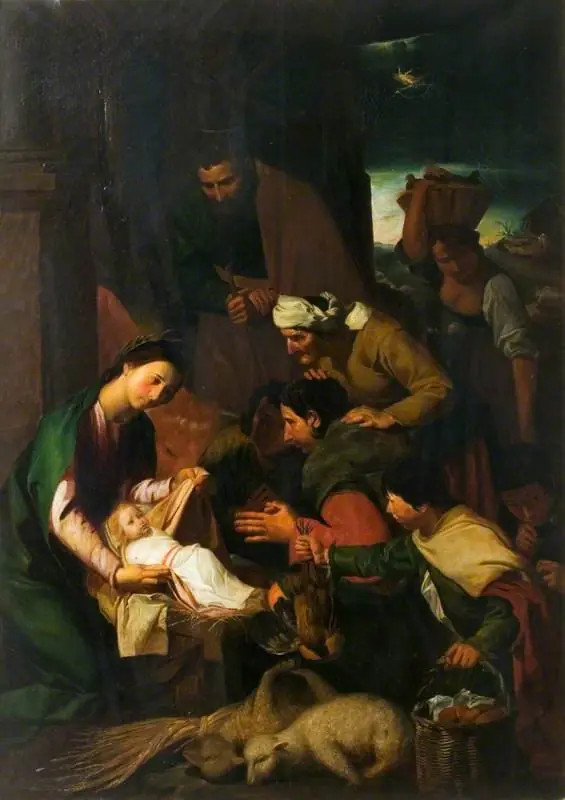
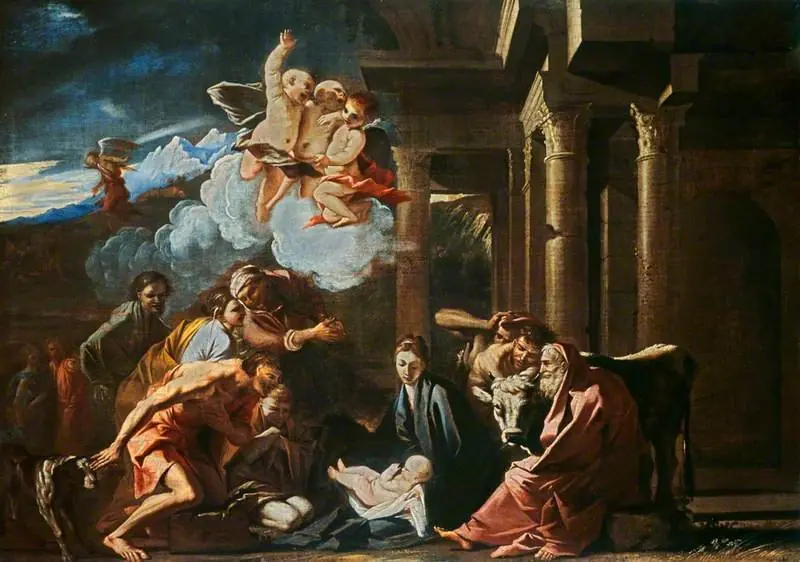
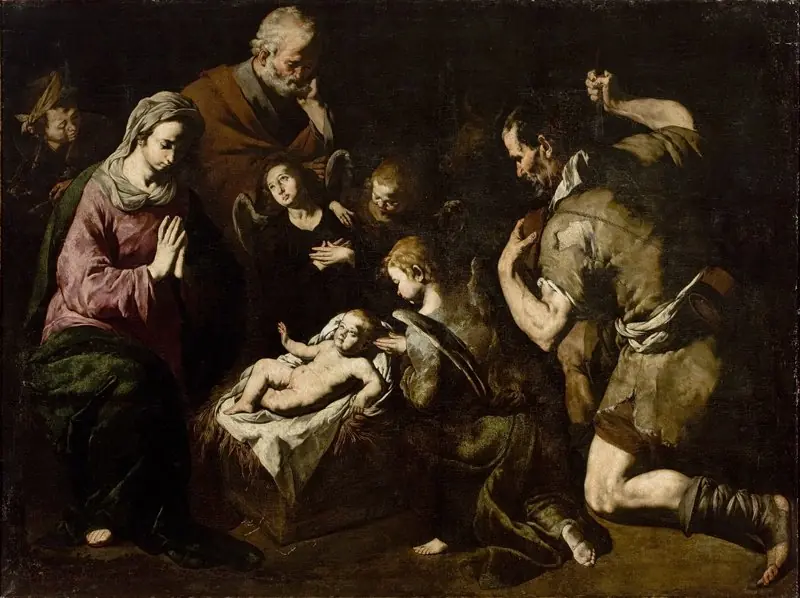
The scene depicts the Adoration of the Magi, a traditional Christian narrative in which three kings present gifts to the infant Jesus. One figure kneels to wash the child’s feet, a gesture of humility often associated with the Magi’s devotion. The central group — mother, child, and attendants — is framed by figures observing in reverence, emphasizing spiritual awe. The inclusion of foot-washing adds a layer of symbolic service, reinforcing themes of humility and divine recognition.
Technique & Style
Meyer employed visible brushwork and a rich palette of blues, reds, and golds to convey texture and depth, diverging from the fine detail typical of his miniatures. The dark background isolates the figures, heightening their emotional presence. Trees in the distance suggest a landscape setting without overwhelming the composition. The handling of paint is more tactile than refined, indicating a deliberate shift in technique suited to the scale and devotional intent of the subject.
History & Provenance
The painting entered the Fitzwilliam Museum’s collection as part of its broader acquisition of 18th-century British works. Its origin as a copy after van Loon reflects a common practice among artists of the period who studied and reinterpreted established compositions. Meyer’s authorship is documented through museum records and his known activity at the Royal Academy, though the original van Loon source remains unidentified in public archives.
Context
In late 18th-century Britain, religious subjects were frequently adapted for private devotion and institutional display. Meyer’s transition from miniature portraiture to this larger devotional work aligns with broader trends among Royal Academy artists who sought to engage with historical and sacred themes. The painting’s scale and subject matter suggest it may have been intended for a private chapel or collector’s cabinet rather than public worship.
Legacy
While Meyer is remembered chiefly for his miniature portraits, this work illustrates his willingness to explore broader artistic traditions. It stands as a rare example of his engagement with narrative painting and demonstrates how academic artists of the period navigated between commercial demands and religious iconography. The painting contributes to understanding the diversity of practice within early Royal Academy circles.
Artist & collection
Artist
Jeremiah Meyer (born Jeremias Majer; 18 January 1735 – 19 January 1789) was a German-born British painter who specialised in miniature portraits.