Artwork
The Prophet Elisha
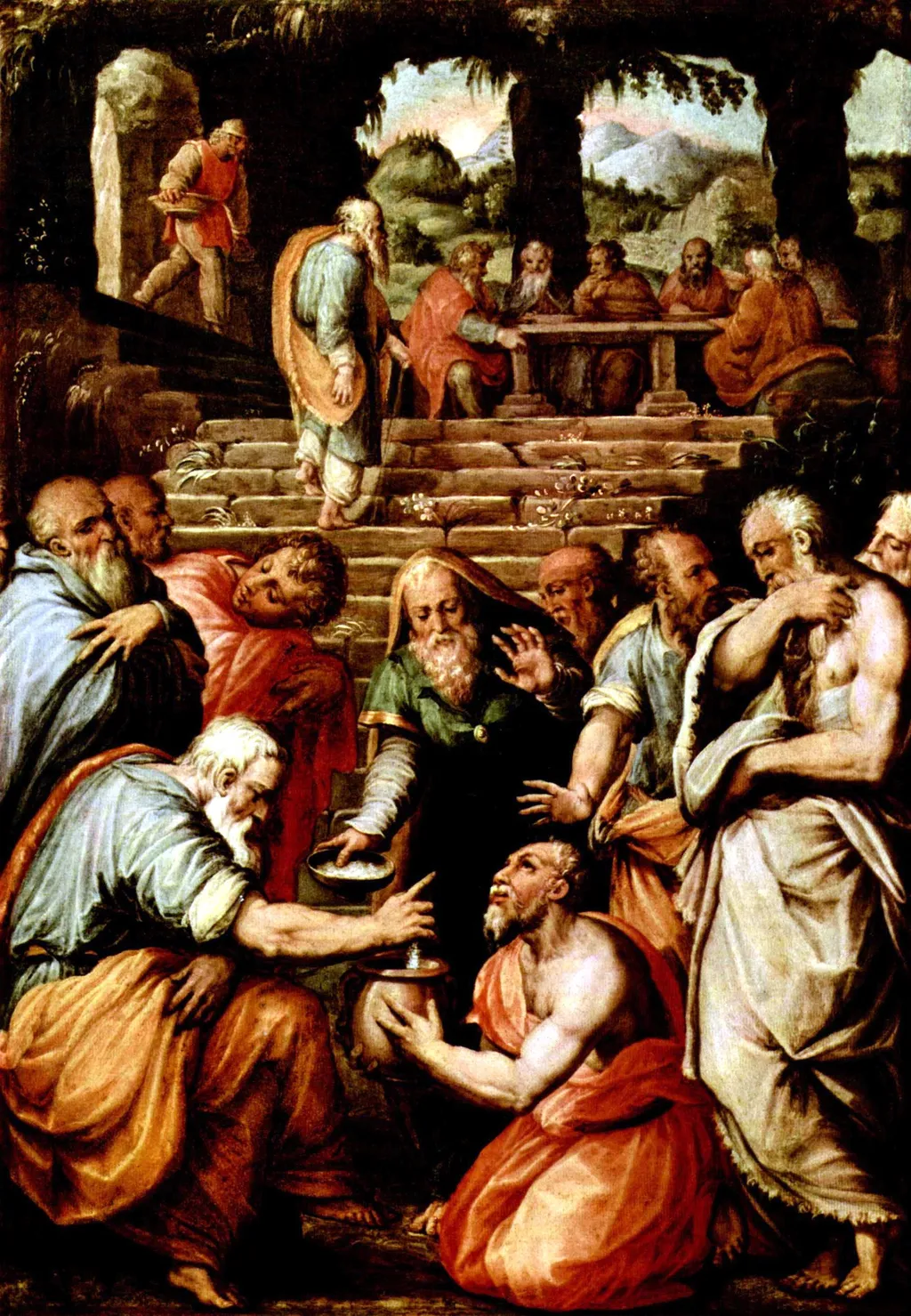
The Prophet Elisha is an oil painting by the Early Baroque Italian artist Giorgio Vasari. It dates from 1566 and is held in the collection of the Uffizi Gallery.
About this work
Overview
It resides today in the Uffizi Gallery in Florence, where it is part of a broader collection of Italian Renaissance and Mannerist religious imagery.
Painted in 1566 by Giorgio Vasari, this oil on canvas work portrays the biblical prophet Elisha. Created during the late Mannerist phase of Vasari’s career, the piece reflects his dual identity as both artist and art historian. It resides today in the Uffizi Gallery in Florence, where it is part of a broader collection of Italian Renaissance and Mannerist religious imagery. The painting’s composition and palette suggest a deliberate engagement with narrative clarity and emotional presence.
Subject & Meaning
The painting illustrates Elisha, a key figure in the Hebrew Bible known for miracles and prophetic authority. He is depicted as an older man with a beard, clad in a flowing robe, surrounded by attentive followers. The scene likely references one of his acts of divine intervention, such as healing or instruction, emphasizing spiritual leadership. The group’s focused attention reinforces the theme of revelation and the transmission of sacred wisdom.
Technique & Style
Vasari employs oil paint to achieve subtle gradations of light and texture, particularly in the folds of fabric and the rendering of skin. The palette leans on earthy browns and greens, contrasted with vivid reds and blues in the garments, creating visual harmony without theatricality. Figures are arranged in a loose semicircle, guiding the viewer’s eye toward the central prophet. The brushwork remains controlled, characteristic of Mannerist precision, though less stylized than his earlier works.
History & Provenance
Commissioned during Vasari’s tenure as court artist to the Medici, the painting entered the Uffizi’s collection shortly after its completion. It was likely intended for a devotional or scholarly setting, given Vasari’s role in shaping Medici cultural policy. Unlike his more famous architectural projects, this work remained relatively private in its reception, surviving intact through centuries of collection reorganization and political change.
Context
In mid-16th-century Italy, religious subjects remained central to artistic patronage, even as humanist ideals gained ground. Vasari, though best known for his writings on art history, continued to produce devotional imagery aligned with Counter-Reformation values. This painting reflects a broader trend of depicting prophets not as distant icons but as active moral guides, responding to the Church’s emphasis on scriptural authority and personal piety.
Legacy
While overshadowed by Vasari’s *Lives of the Artists*, this painting offers insight into his practical engagement with religious themes. It stands as a quiet example of how Mannerist aesthetics adapted to devotional needs in post-Tridentine Florence. Though not widely reproduced, its presence in the Uffizi ensures its role as a reference point for understanding the intersection of art, theology, and historiography in Renaissance Italy.
Own this work as a print
Artist & collection
Artist
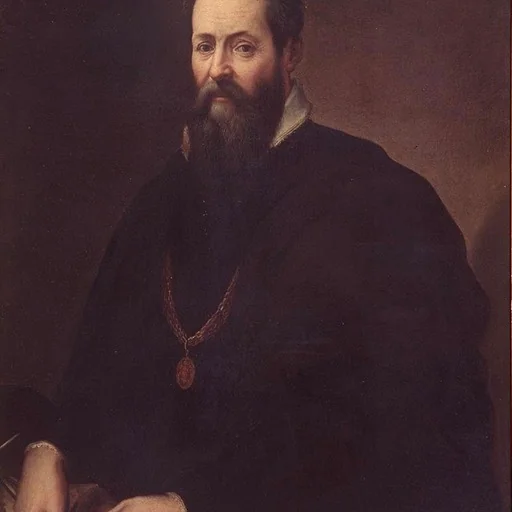
Giorgio Vasari (30 July 1511 – 27 June 1574) was an Italian Renaissance painter, architect, art historian, and biographer known for his work Lives of the Most Excellent Painters, Sculptors, and Architects, considered…

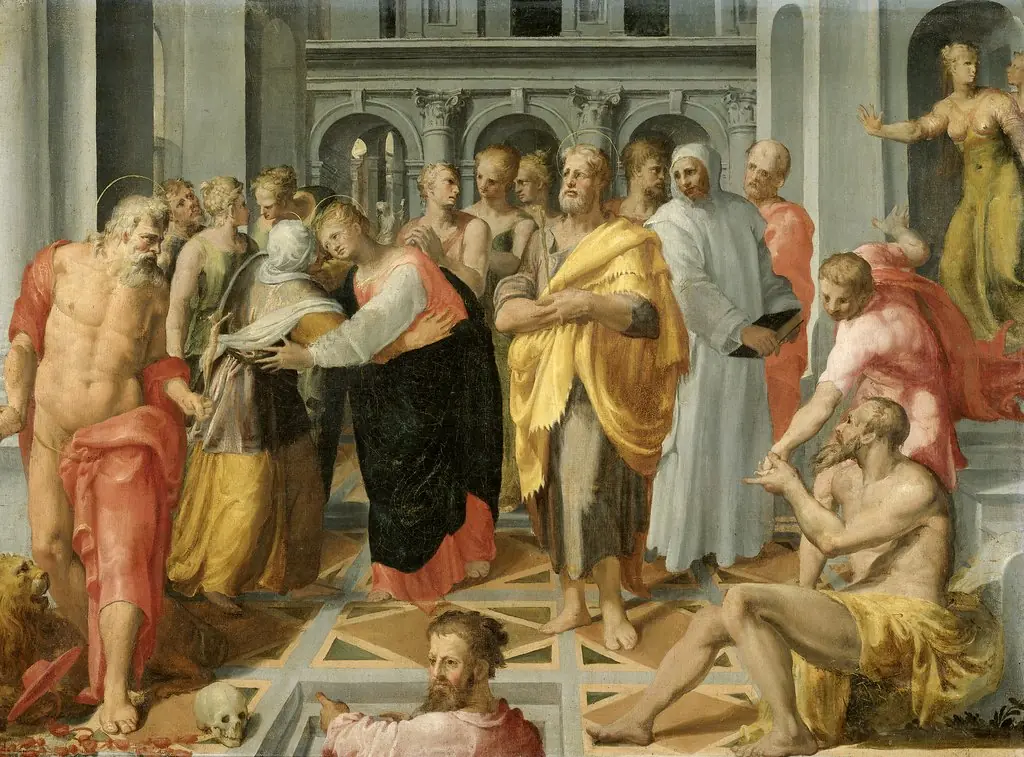 Visitation (Meeting of Mary and Elizabeth in the Presence of Saints Joseph and Jerome)
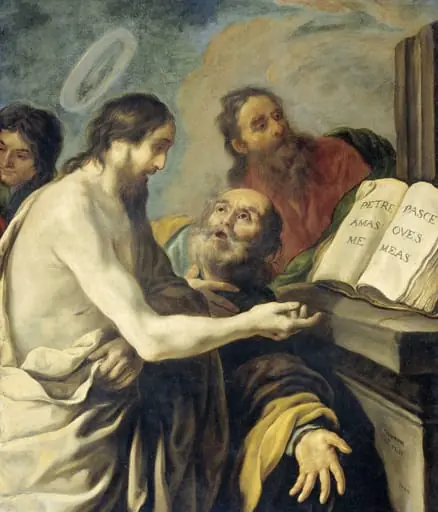 Christ Instructs Peter to Feed My Sheep
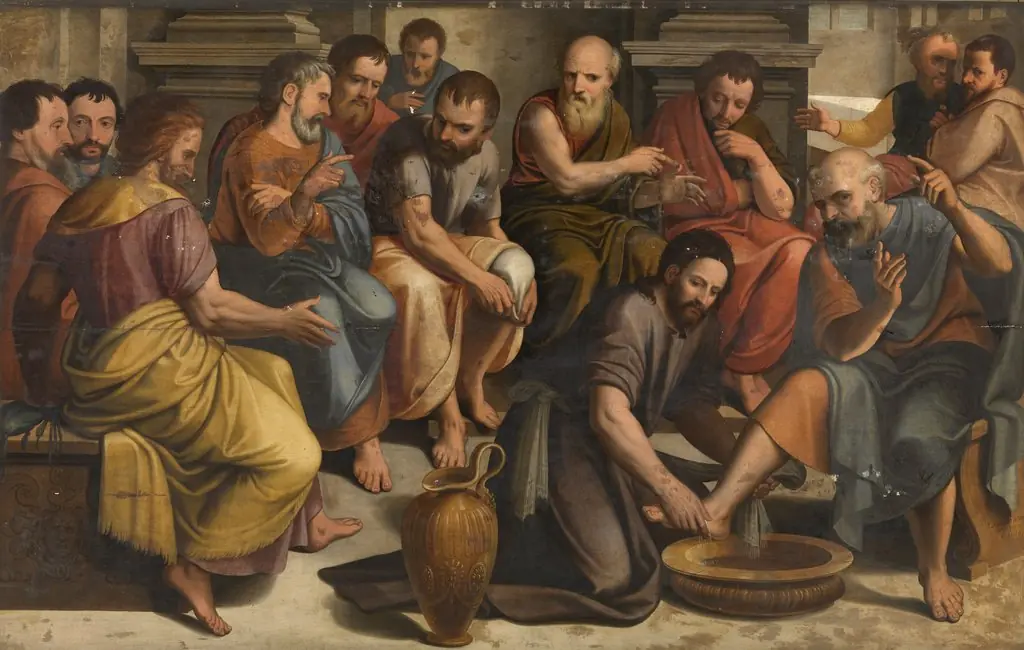 Christ Washing the Feet of the Apostles
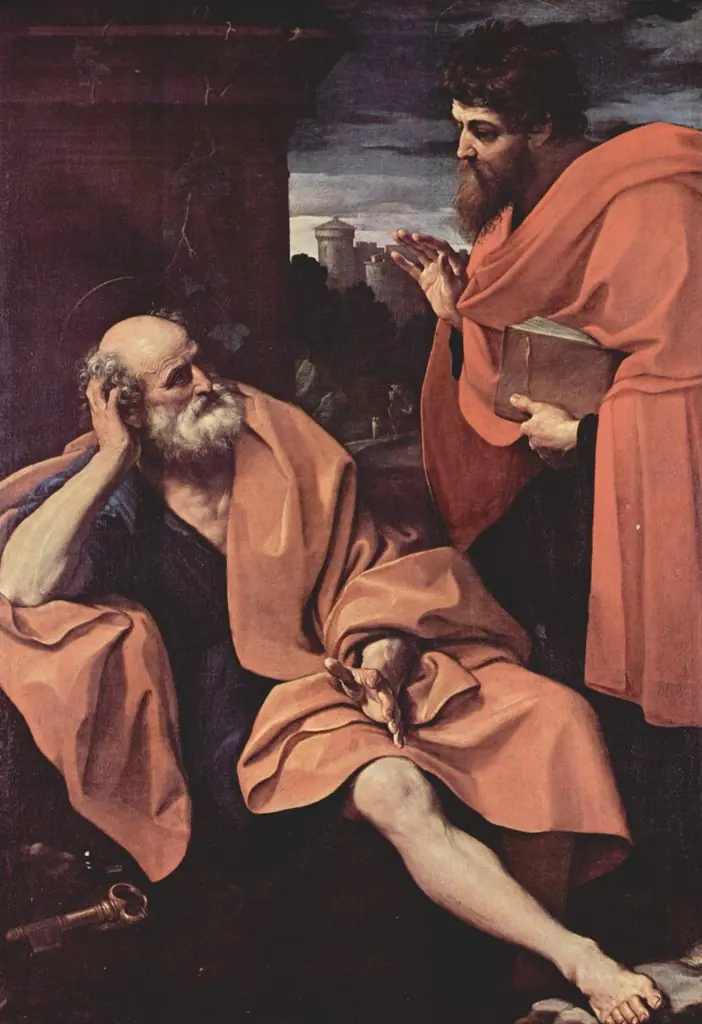 Peter and Paul
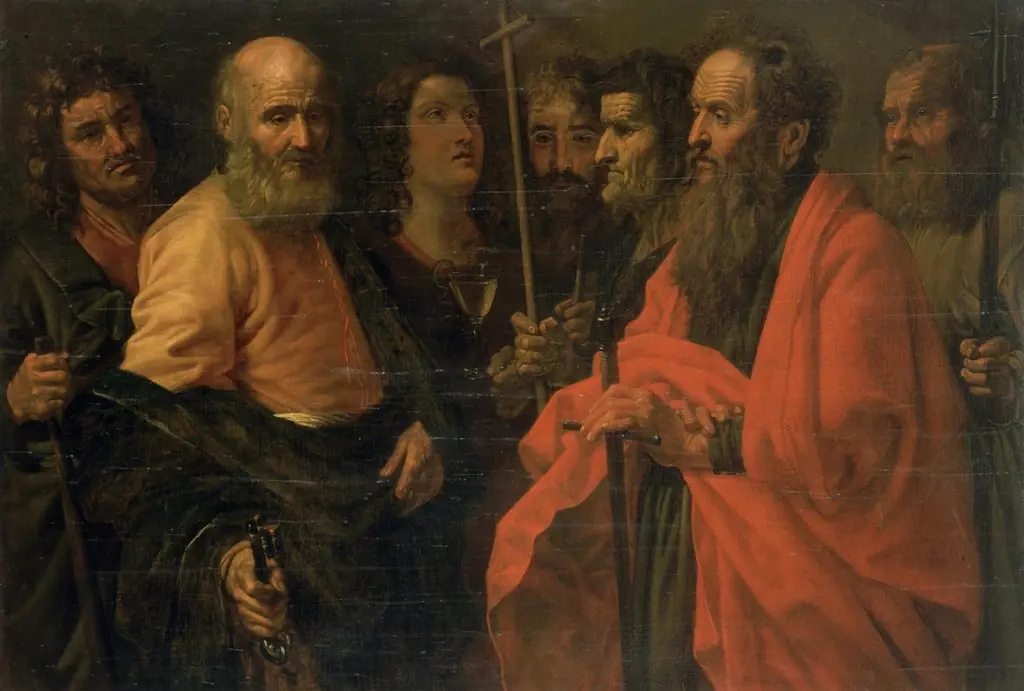 St James the Less, Sts Peter, Paul, John, Thomas, Philip, Judas and Thaddeus the Apostles
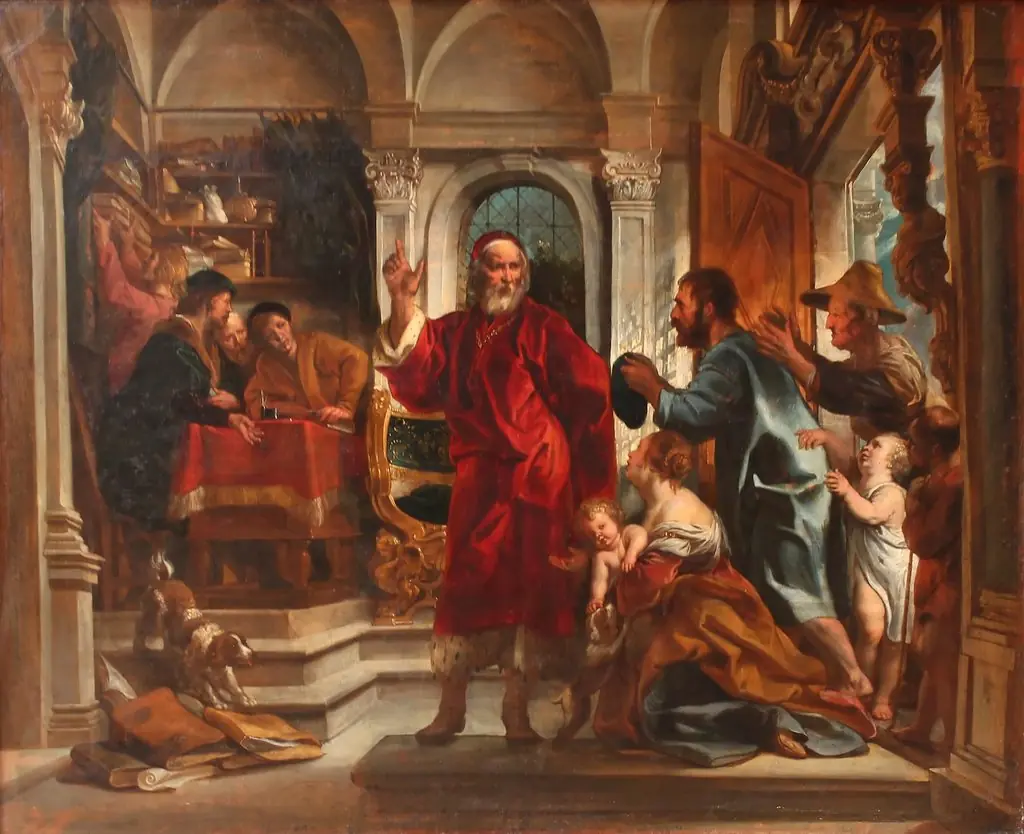 Saint Ivo of Kermartin helping the poor
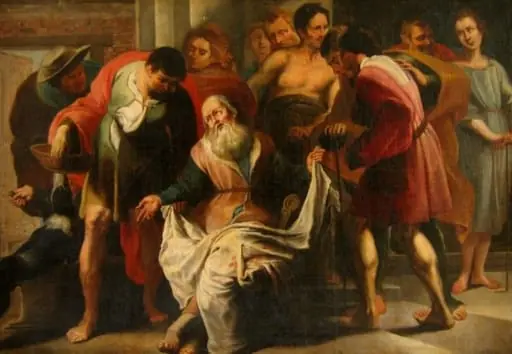 Fiii lui Iacob aduc hainele însângerate ale lui Iosif
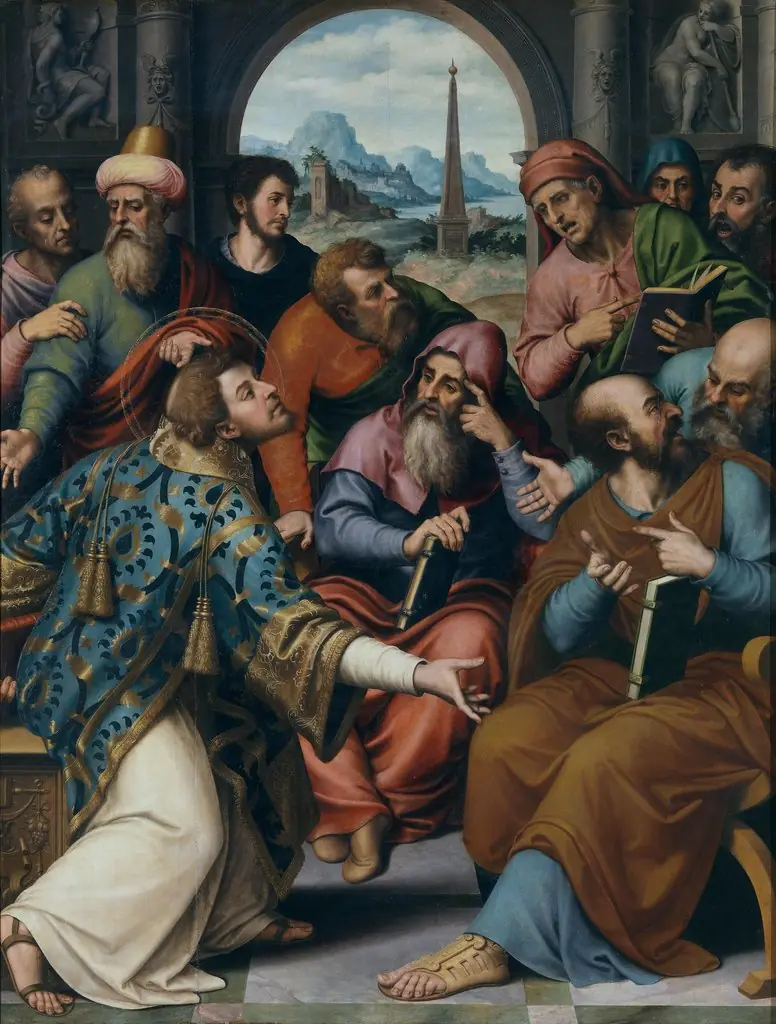 Saint Stephen in the Synagogue
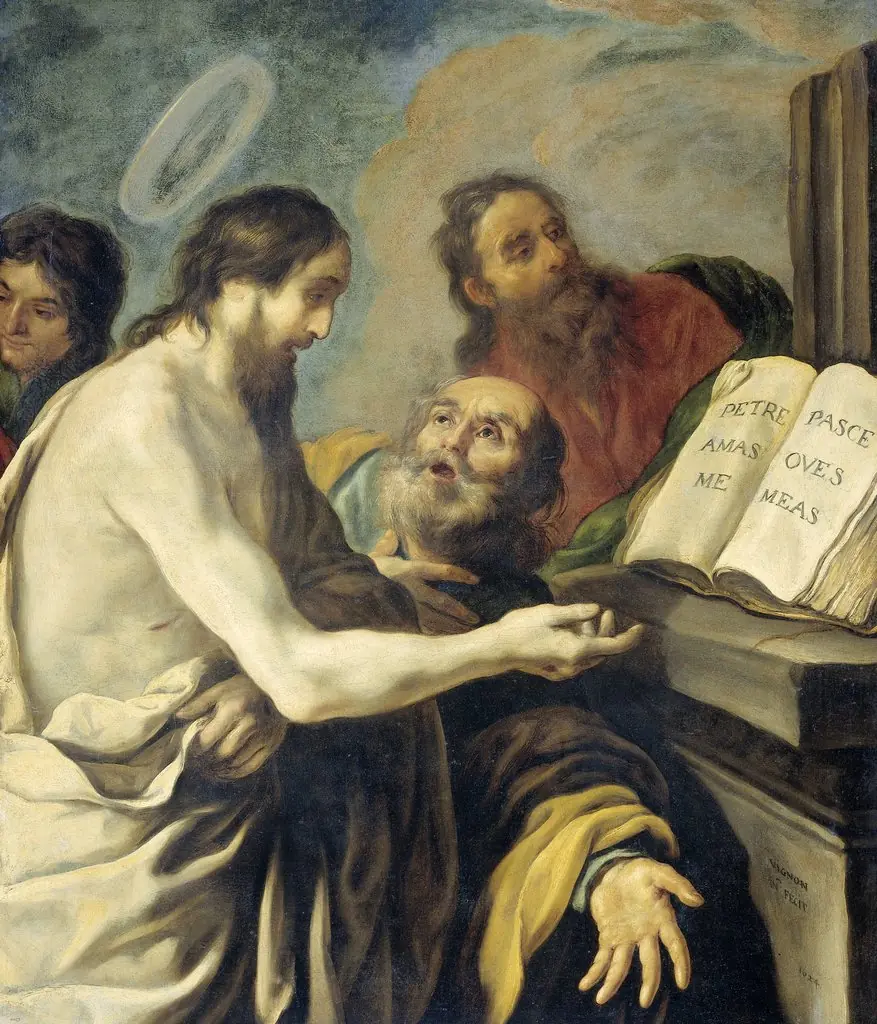 Christ Instructs Peter to Feed My Sheep
 Elymas the Sorcerer Struck with Blindness, sketch
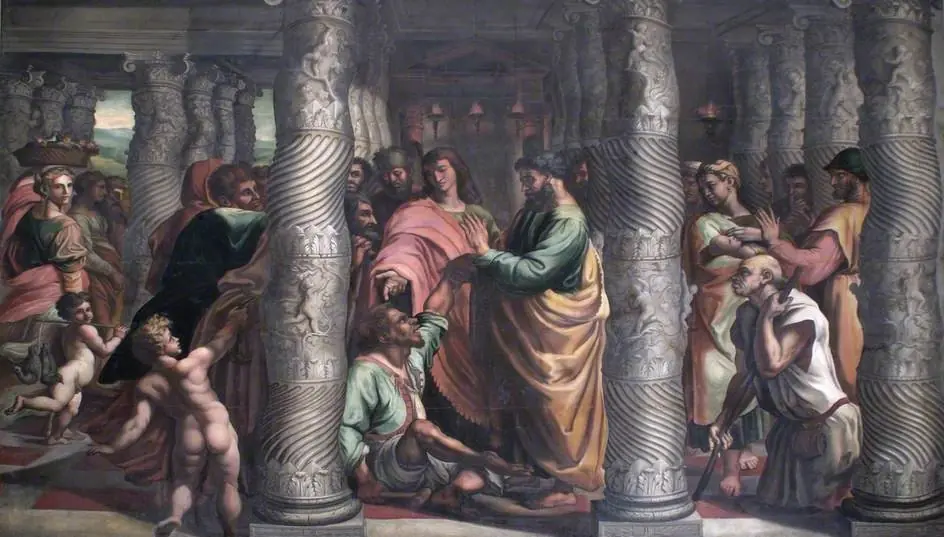 Sts Peter and John at the beautiful Gate
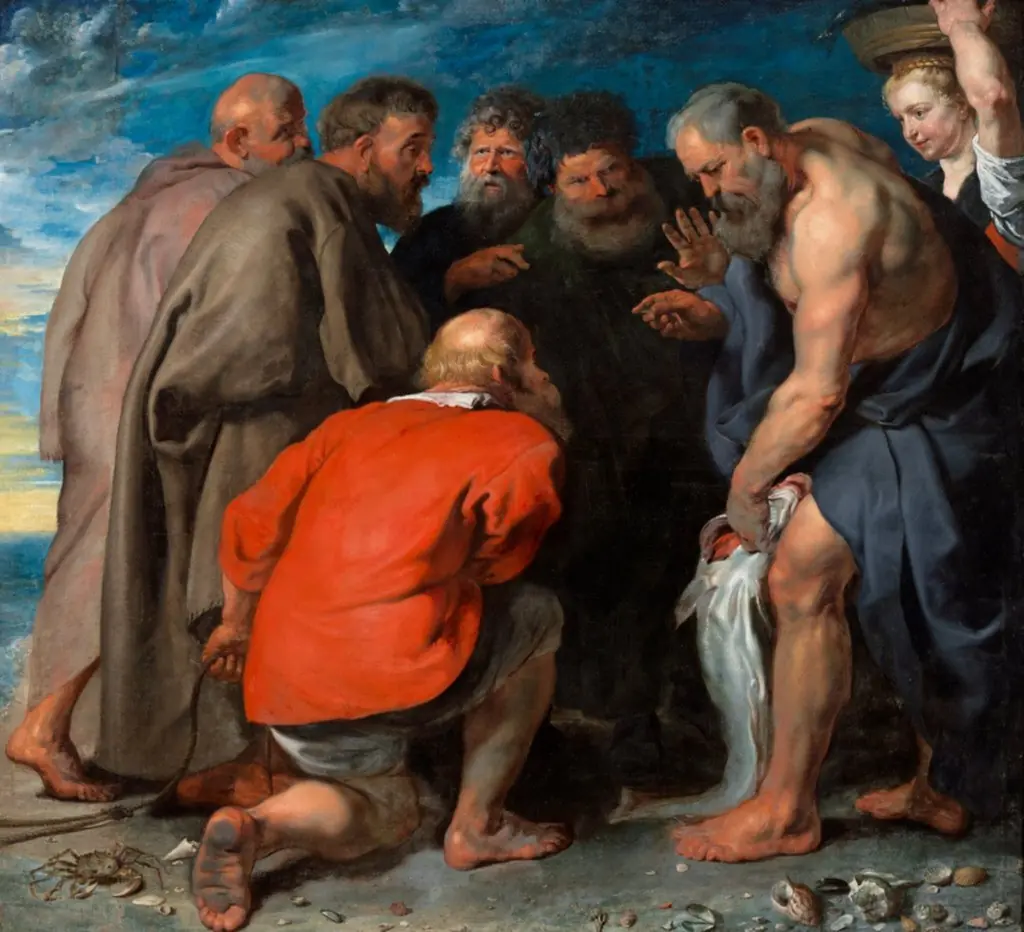 Saint Peter Finding the Tribute Money