Artwork
Peter and Paul
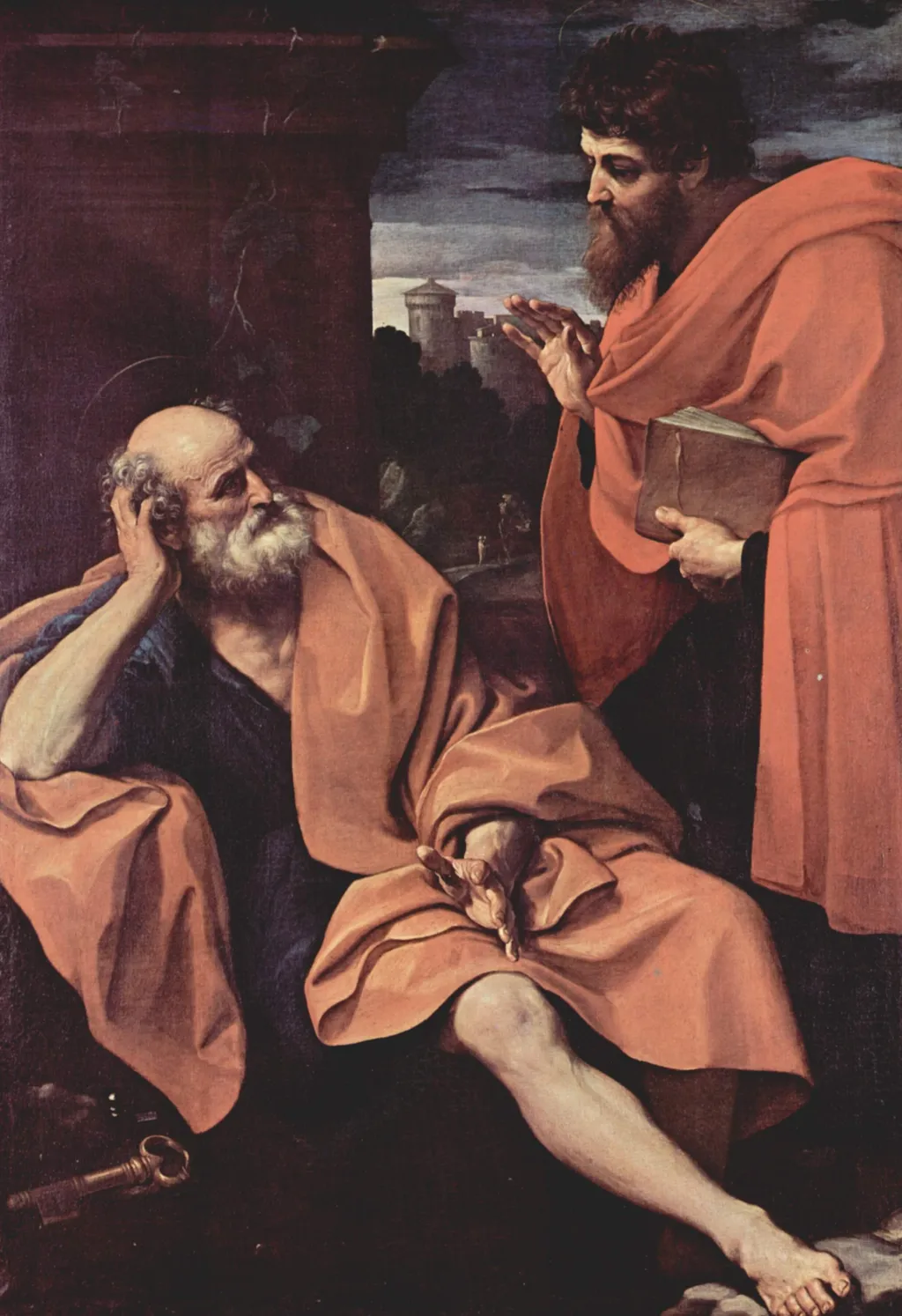
Peter and Paul is an oil painting by the Early Baroque Italian artist Guido Reni. It dates from 1605 and is held in the collection of the Pinacoteca di Brera.
About this work
Overview
The restrained palette and focused lighting reflect Reni’s early Baroque sensibility, grounded in clarity and emotional restraint.
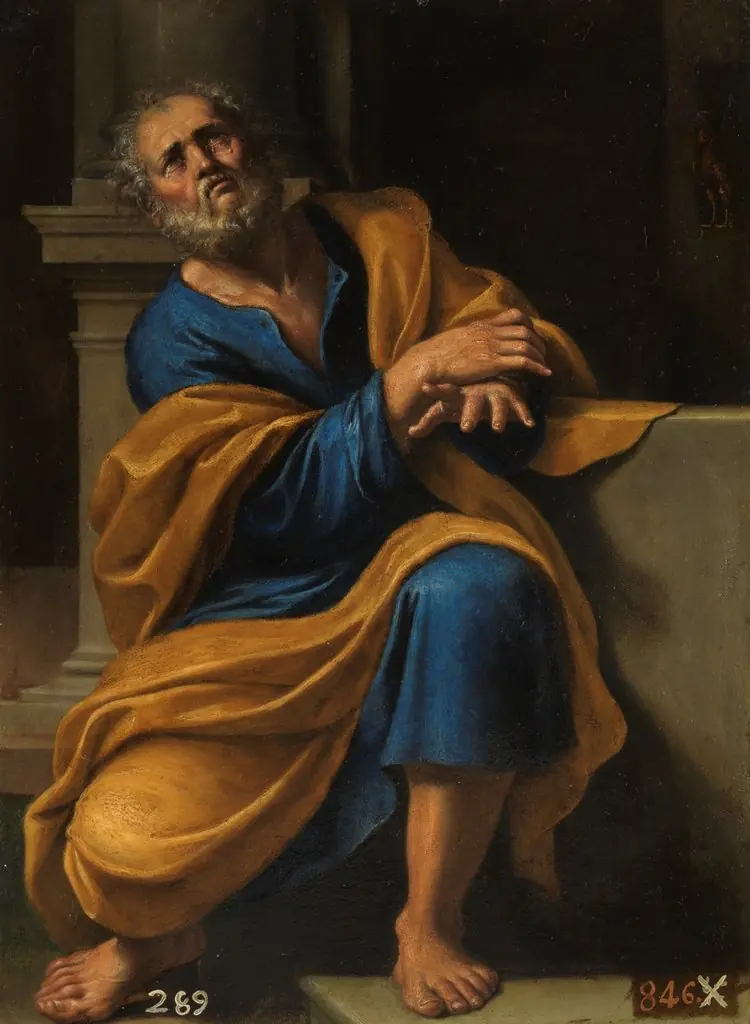
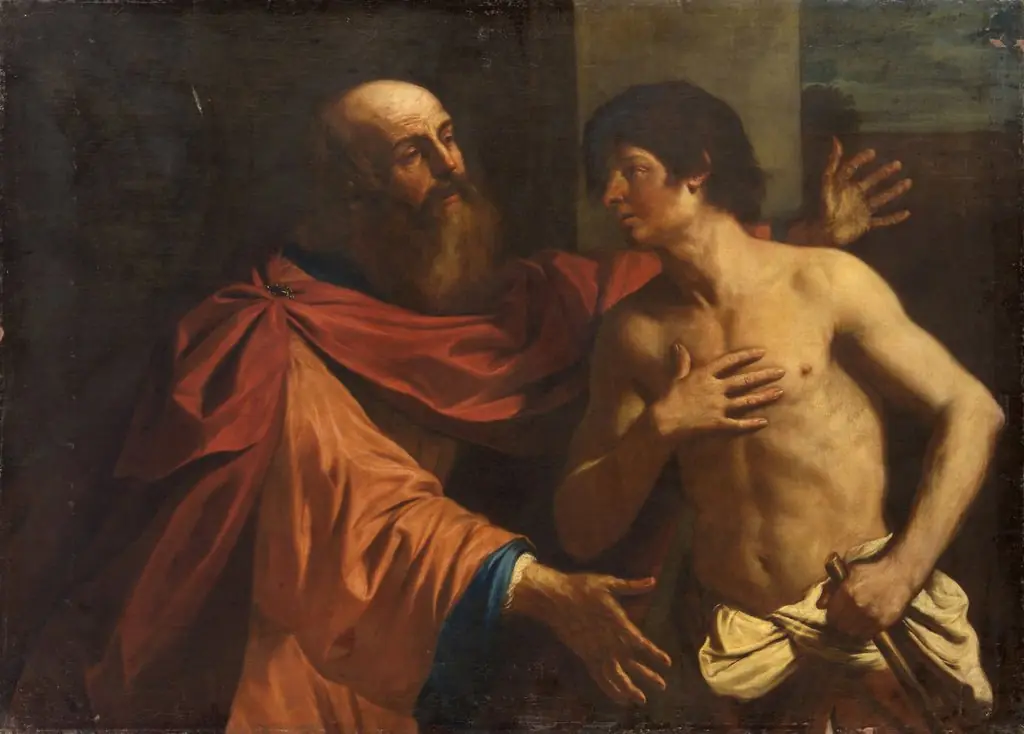
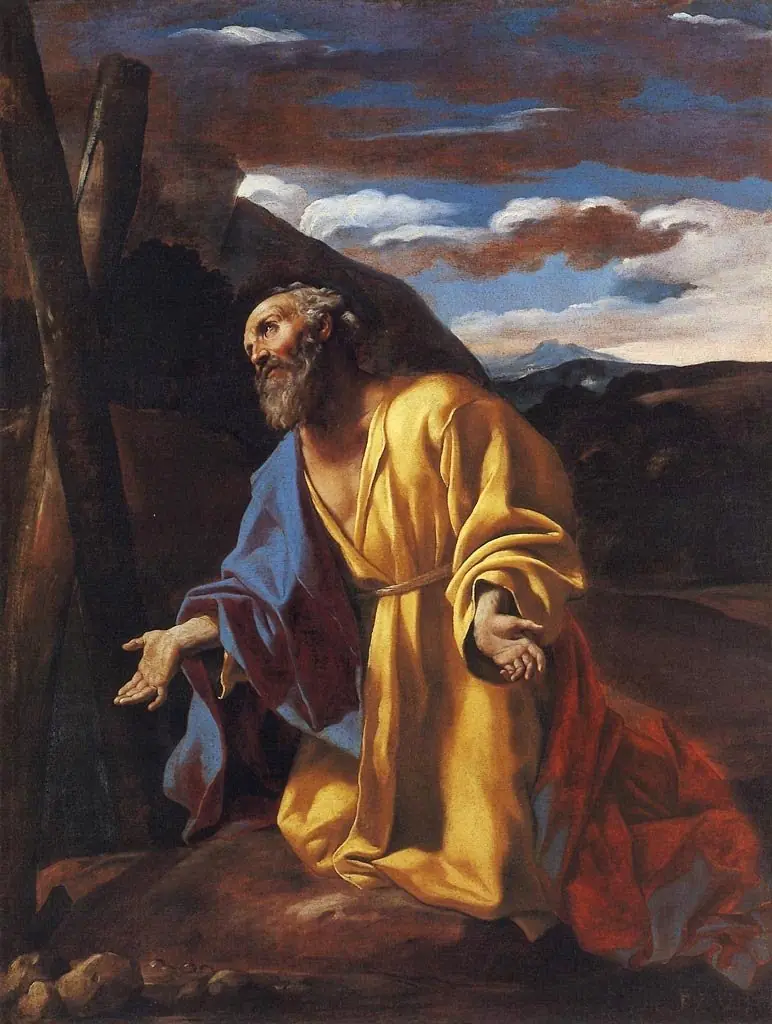
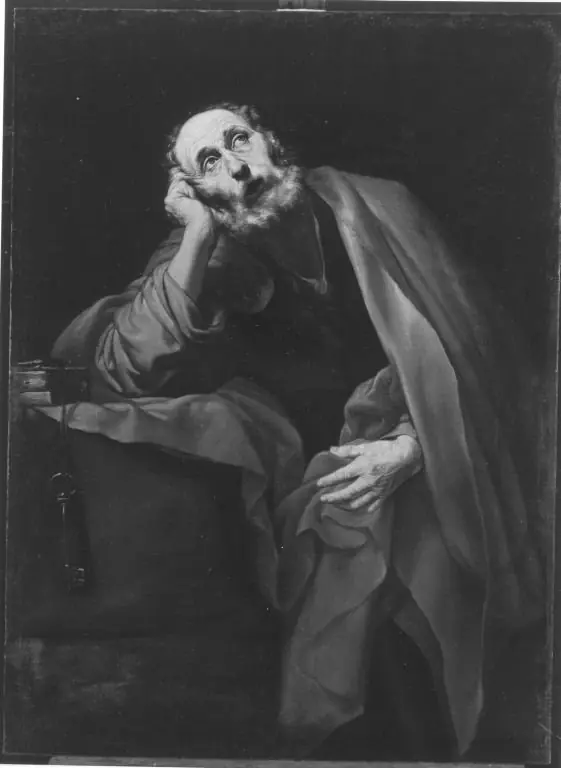
Painted in 1605 by Guido Reni, this oil-on-canvas work portrays the apostles Peter and Paul in a contemplative interior setting. It resides in the Pinacoteca di Brera in Milan. The composition centers on two figures, differentiated by posture and attire, set against a dimly lit room with a single source of natural light entering from behind. The restrained palette and focused lighting reflect Reni’s early Baroque sensibility, grounded in clarity and emotional restraint.
Subject & Meaning
The figures represent Saint Peter and Saint Paul, foundational figures in Christian tradition. Peter, seated and resting his hand on his head, suggests introspection or sorrow, possibly alluding to his denial of Christ. Paul, standing with a book and outstretched hand, embodies authority and teaching. Their juxtaposition conveys a quiet dialogue between human frailty and divine mission, without overt drama, emphasizing spiritual gravity over spectacle.
Technique & Style
Reni employs chiaroscuro to model the figures with subtle gradations of light and shadow, lending volume and presence to their forms. The dark background recedes, allowing the reddish-orange robe of Paul to draw attention without overwhelming the scene. Brushwork is refined and controlled, avoiding theatricality; the lighting is naturalistic, enhancing the psychological stillness of the moment rather than amplifying narrative intensity.
History & Provenance
Commissioned during Reni’s early career in Bologna, the painting entered the collection of the Brera in the late 18th century following the suppression of religious institutions under Napoleonic rule. Its attribution has remained consistent, with no significant alterations or reattributions recorded. It has been exhibited publicly since the Pinacoteca’s founding, serving as an early example of Reni’s transition from Mannerist influences toward classical clarity.
Context
Created shortly after the Council of Trent, the work aligns with Counter-Reformation ideals favoring clear, emotionally resonant religious imagery. Reni, influenced by Carracci and classical antiquity, moved away from Mannerist complexity toward balanced compositions and dignified figures. This painting reflects a broader trend in Italian art: using restraint and psychological depth to reinforce doctrinal authority without sensationalism.
Legacy
Though less widely known than Reni’s later mythological works, this painting exemplifies his early mastery of quiet intensity. It influenced subsequent generations of Italian painters seeking to balance emotional depth with formal harmony. Its presence in the Brera has ensured continued study, particularly as a model of how religious subjects could be rendered with dignity through understated lighting and gesture.
Own this work as a print
Artist & collection
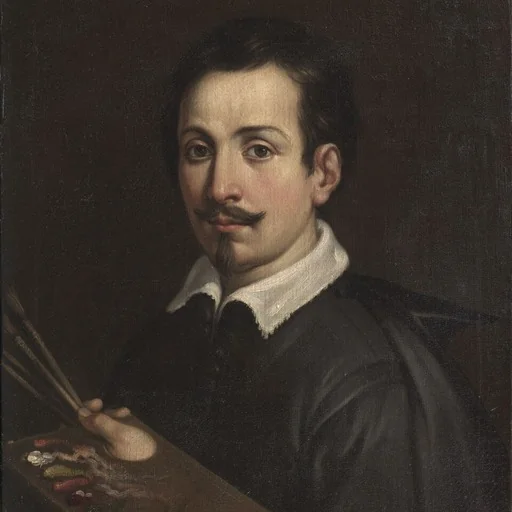
Artist
Guido Reni was an Italian Baroque painter, although his works showed a classical manner, similar to Simon Vouet, Nicolas Poussin, and Philippe de Champaigne.