Artwork
Bathsheba
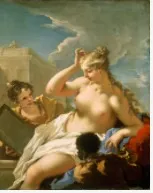
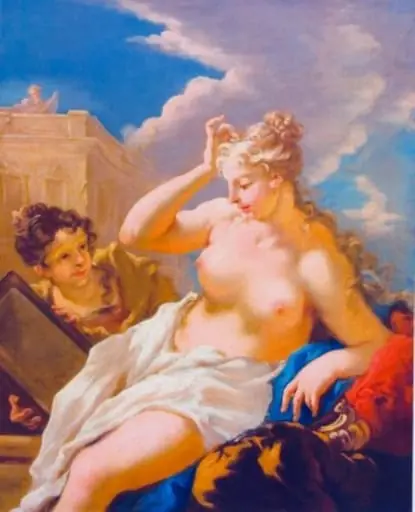
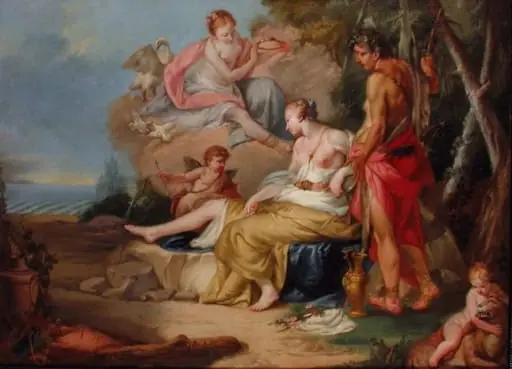
Bathsheba is an oil painting by the Rococo painting artist Giovanni Antonio Pellegrini. It dates from 1709 and is held in the collection of the National Gallery of Ireland.
About this work
Overview
Though rooted in Renaissance composition and Baroque dynamism, its delicate lighting and refined elegance align it with emerging Rococo sensibilities.
Painted in 1709 by Giovanni Antonio Pellegrini, *Bathsheba* is an oil-on-canvas work that reflects the transitional aesthetic of early 18th-century Venetian painting. Though rooted in Renaissance composition and Baroque dynamism, its delicate lighting and refined elegance align it with emerging Rococo sensibilities. The painting is part of the National Gallery of Ireland’s collection, where it remains a quiet example of religious narrative rendered with psychological nuance.
Subject & Meaning
The scene illustrates the biblical moment when Bathsheba, bathing on her rooftop, is observed by King David. Here, she is depicted not in the act of being watched, but in private reflection, holding a letter—likely David’s summons. Her nudity is neither overtly sensual nor scandalous, but framed as vulnerability. The boy beside her, gazing upward, introduces an element of witness, deepening the emotional weight of her solitude and impending moral dilemma.
Technique & Style
Pellegrini employed soft, luminous brushwork to model Bathsheba’s form against a hazy, atmospheric backdrop. The drapery of the white cloth contrasts with the smoothness of her skin, while the distant landscape recedes with minimal detail, enhancing the intimacy of the foreground. His palette favors cool blues and muted flesh tones, avoiding theatricality in favor of restrained elegance. The composition directs focus to her contemplative expression, achieved through subtle shifts in light and posture.
History & Provenance
Commissioned during Pellegrini’s mature period, the painting likely originated in a private Venetian collection before entering the Irish national collection in the 19th century. Its journey reflects the broader movement of Italian art across Europe during the Enlightenment. No definitive records of its early ownership survive, but its preservation in a public institution since the 1800s has ensured its continued study and display.
Context
In early 18th-century Venice, religious subjects remained popular among patrons seeking refined, emotionally resonant imagery. Pellegrini, trained in the traditions of Veronese and influenced by Roman Baroque grandeur, adapted these elements into a more intimate, psychologically oriented style. *Bathsheba* exemplifies how sacred narratives were reimagined for private contemplation rather than public devotion, aligning with broader shifts in aristocratic taste across Europe.
Legacy
Though not widely reproduced or celebrated in popular culture, *Bathsheba* stands as a representative work of Pellegrini’s contribution to Venetian painting’s evolution. It illustrates how narrative restraint and emotional subtlety could replace overt drama in religious art. Scholars recognize it as a bridge between High Baroque expressiveness and the quieter, more introspective tone that would characterize later Rococo and Neoclassical approaches.
Artist & collection
Artist
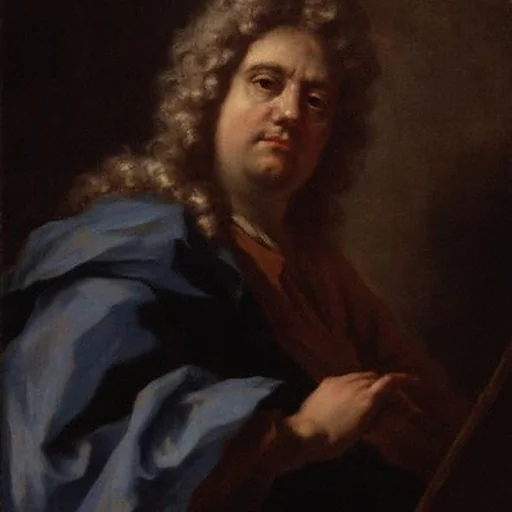
Giovanni Antonio Pellegrini (29 April 1675 – 2 or 5 November 1741) was one of the leading Venetian history painters of the early 18th century.

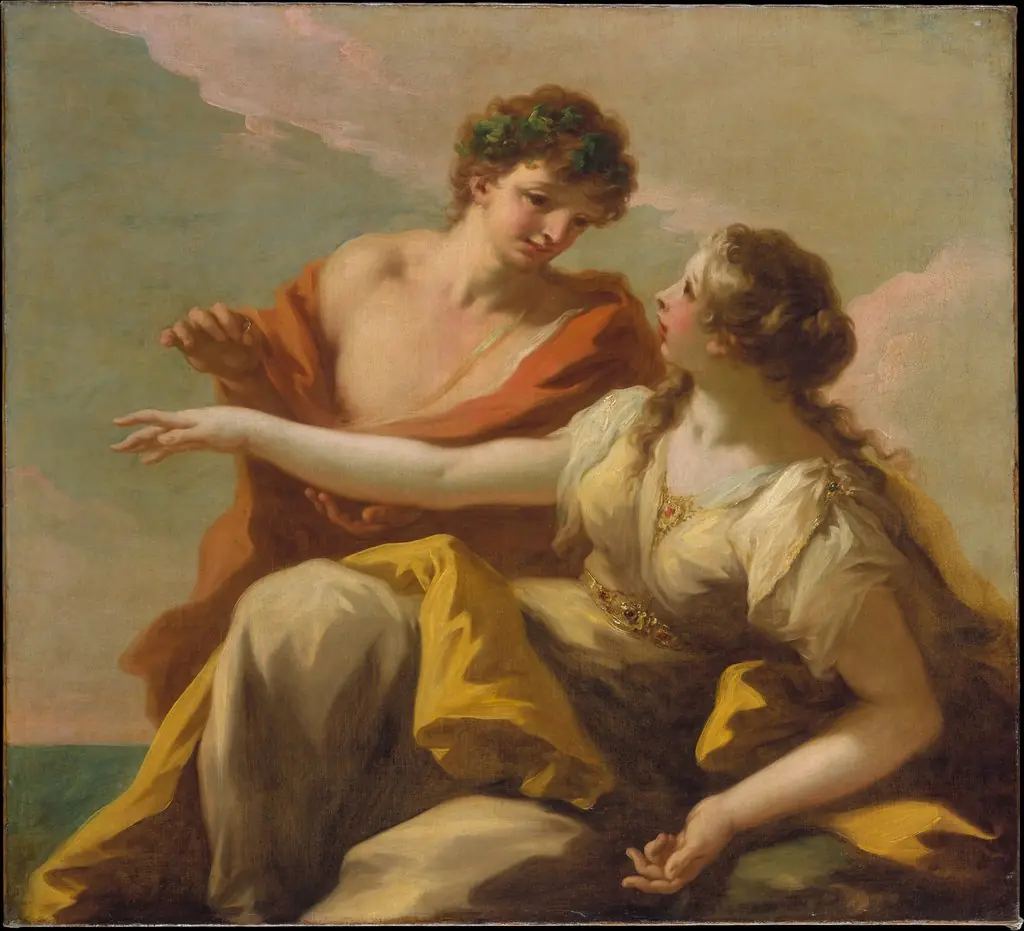 Bacchus and Ariadne
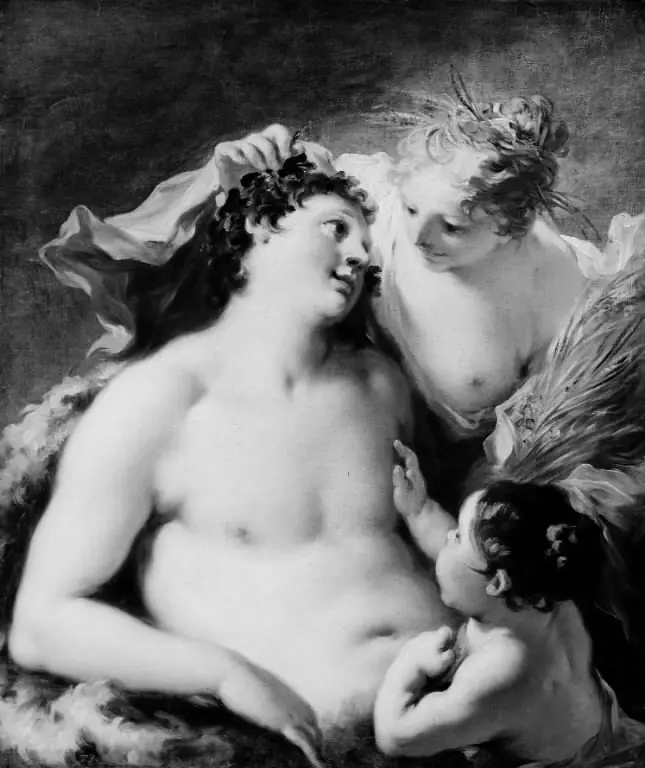 Ceres, Bacchus and Cupid
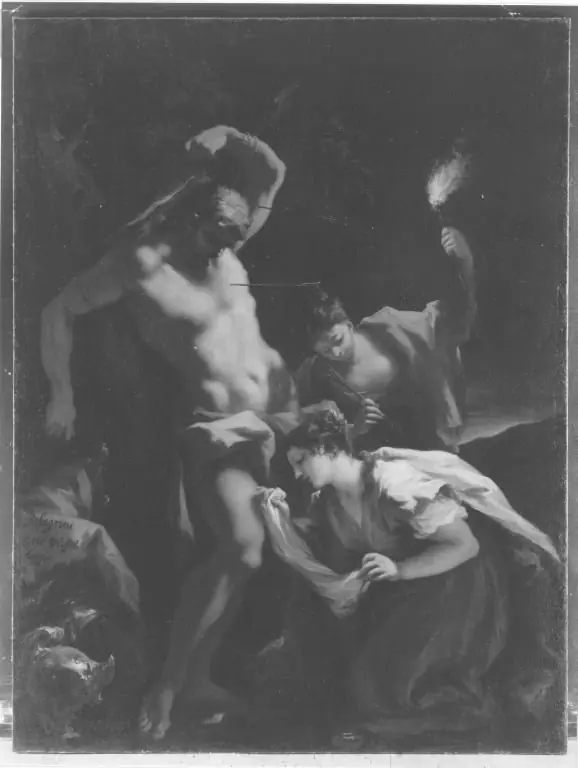 Rettung des hl. Sebastian durch Irene
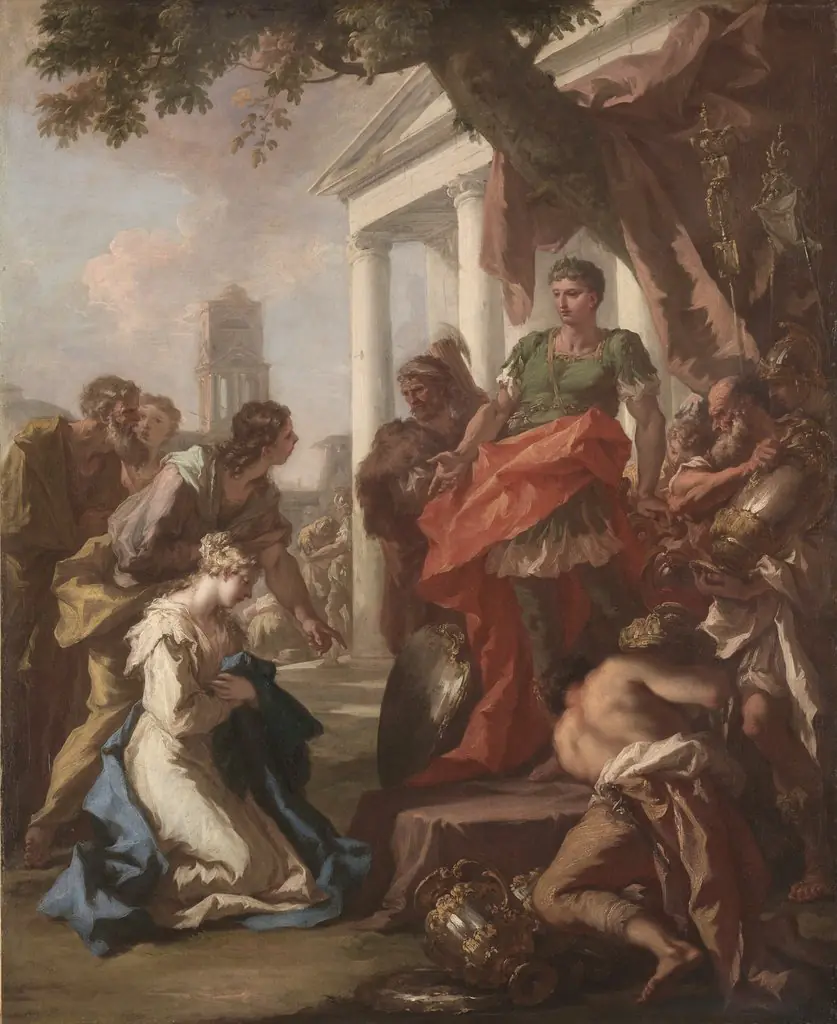 The Continence of Scipio
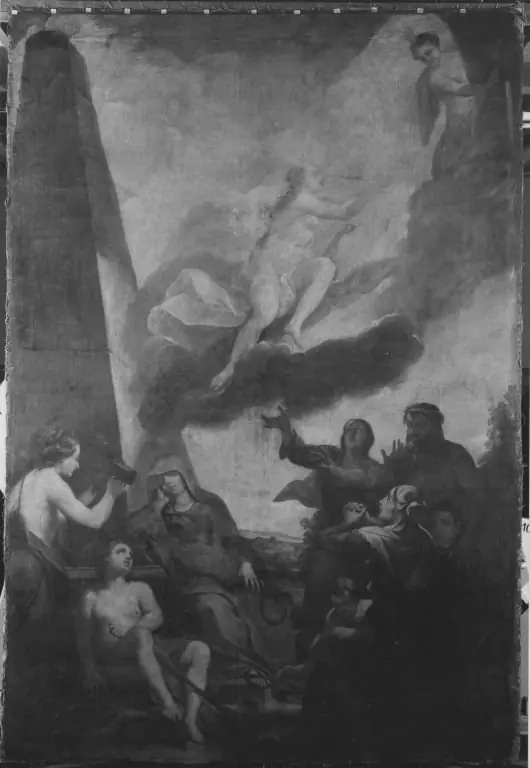 Allegorie auf den Tod einer Fürstin
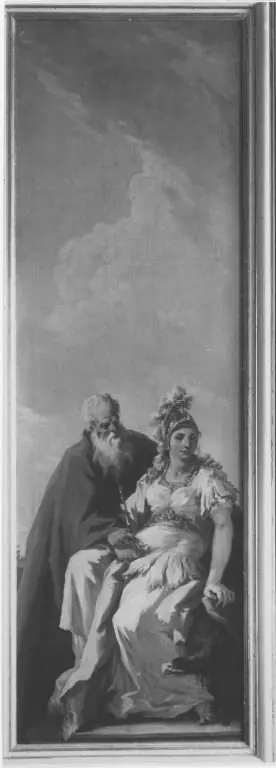 Allegorie: Ein alter Mann ergreift das Szepter
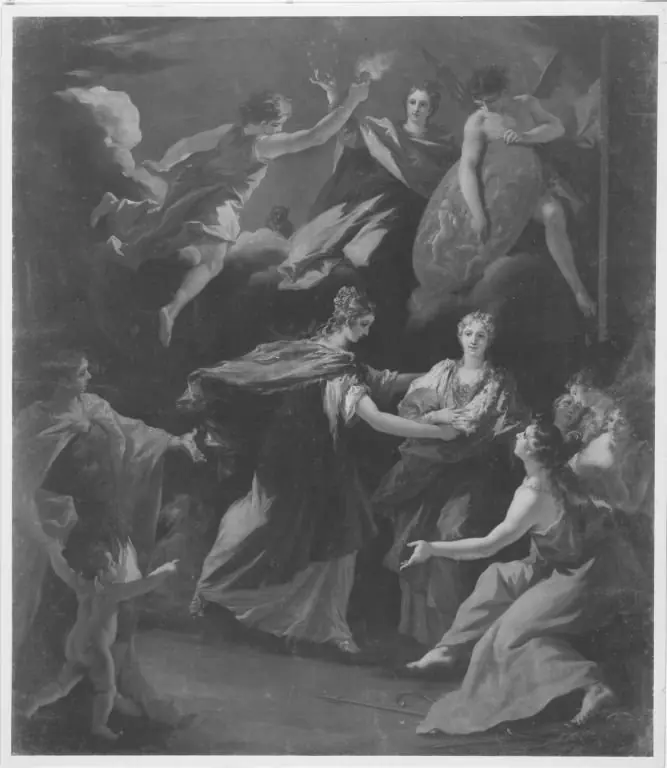 Begrüßung der Kurfürstin Maria Luisa von Toskana
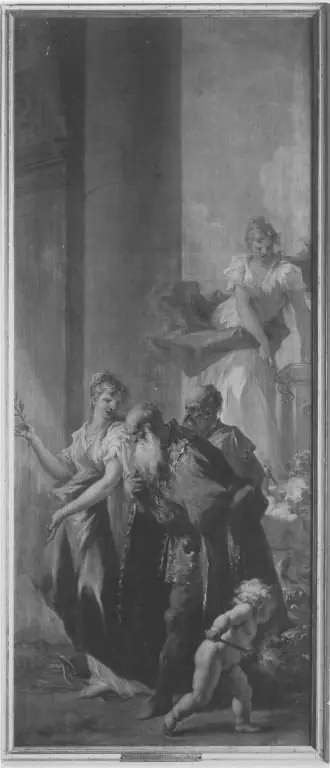 Allegorie der Befreiung vom Joch des Islam (Frieden und Glück unter Johann Wilhelm von der Pfalz)