Artwork
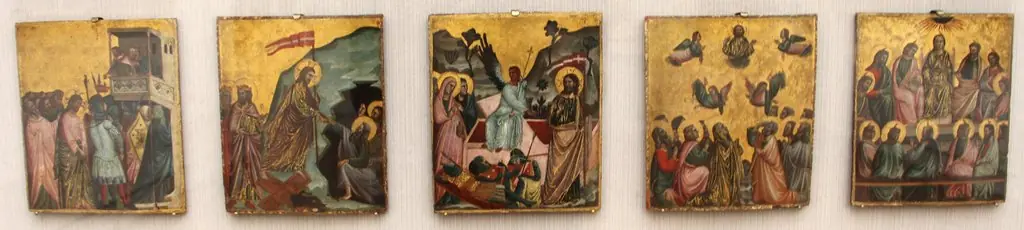
Christ in front of Pilate
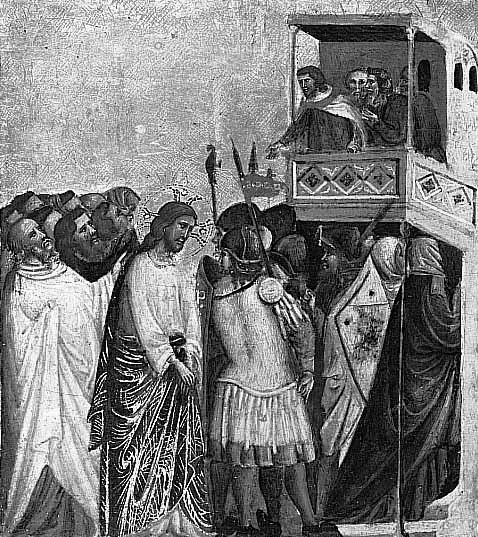
Christ in front of Pilate is an unspecified painting by the Early Renaissance artist Giovanni Baronzio. It is held in the collection of the Gemäldegalerie Berlin.
About this work
Overview
The painting is now held in the Gemäldegalerie, Berlin, as part of its collection of Italian panel paintings from the period.
Painted in the mid-14th century by Giovanni Baronzio, this work depicts the moment Christ stands before Pontius Pilate. Created in the Romagna-Marche region, it reflects the transition from medieval to early Renaissance conventions. Baronzio, a key figure in the Rimini school, synthesized local traditions with innovations introduced by Giotto. The painting is now held in the Gemäldegalerie, Berlin, as part of its collection of Italian panel paintings from the period.
Subject & Meaning
The scene captures Christ, marked by a crown of thorns and a simple white robe, facing Pilate, who sits elevated on a dais. Surrounding figures include soldiers in armor and onlookers, emphasizing the tension between authority and innocence. The composition underscores Christ’s quiet dignity amid hostility, a common theological theme in medieval Christian art. The crowd’s varied reactions suggest moral ambiguity and the weight of judgment.
Technique & Style
Baronzio employs a pronounced contrast between light and shadow, drawing from early chiaroscuro methods to model forms and direct attention. Figures are rendered with angular drapery and defined contours, showing Giotto’s influence in spatial clarity and emotional gravity. The background features simplified architecture and a shallow depth, typical of transitional 14th-century panel painting, where symbolic presence outweighs naturalistic space.
History & Provenance
The painting originated in the Marche region, likely as part of a larger altarpiece or devotional cycle. It entered the Gemäldegalerie Berlin’s collection in the 19th century, following the dispersal of ecclesiastical holdings after secularization. Its attribution to Baronzio was solidified through stylistic comparison with other documented works from Rimini, where he was active between 1330 and 1360.
Context
Baronzio worked during a period when Italian painting was shifting from Byzantine rigidity toward greater naturalism. Though not as widely known as Giotto, he carried forward his innovations in regional centers like Rimini, where local patrons favored devotional imagery with emotional resonance. This painting reflects the broader trend of narrative clarity in religious scenes, aimed at fostering contemplation among the faithful.
Legacy
Baronzio’s work, including this panel, represents a regional branch of early Renaissance art that preserved spiritual intensity while adopting structural advances from Florence. Though overshadowed by larger centers, his contributions helped sustain a distinct visual language in central Italy. Today, the painting serves as a reference for understanding how Giotto’s influence permeated smaller artistic communities beyond major urban hubs.
Artist & collection

Artist
Giovanni Baronzio, also known as Giovanni da Rimini, (died before 1362), was an Italian painter who was active in Romagna and the Marche region during the second quarter of the 14th century.

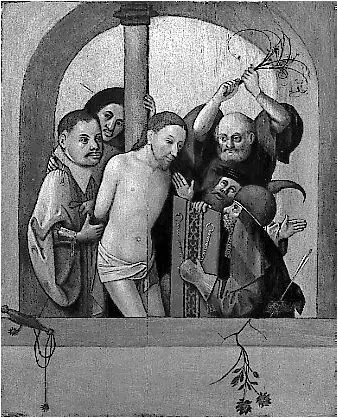 The Flagellation of Christ
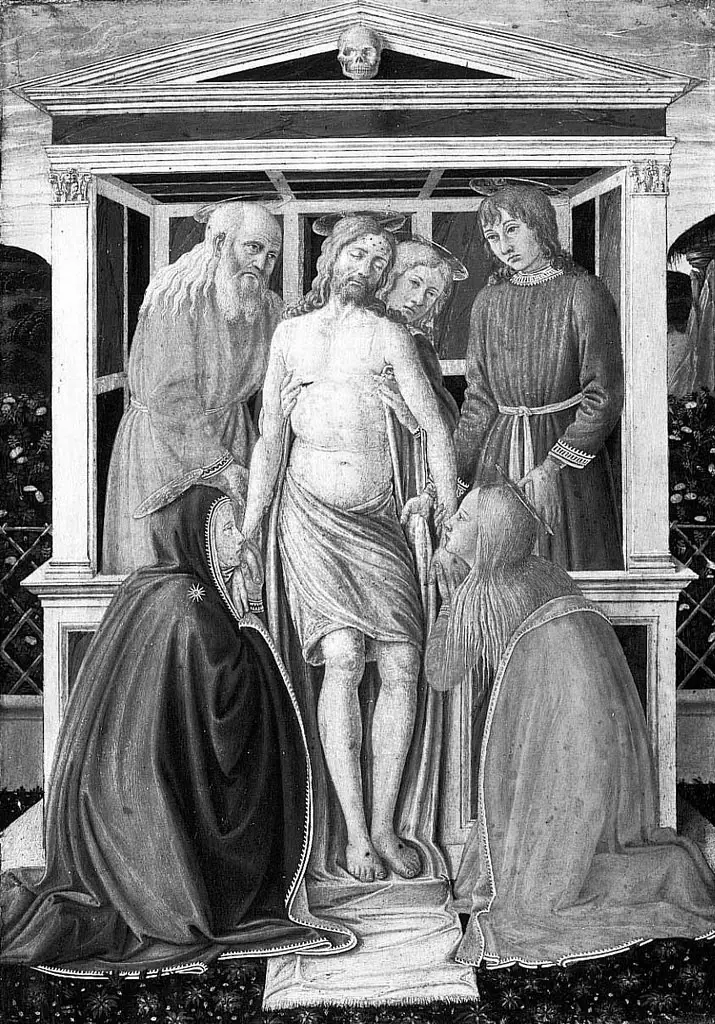 The Domination of Christ
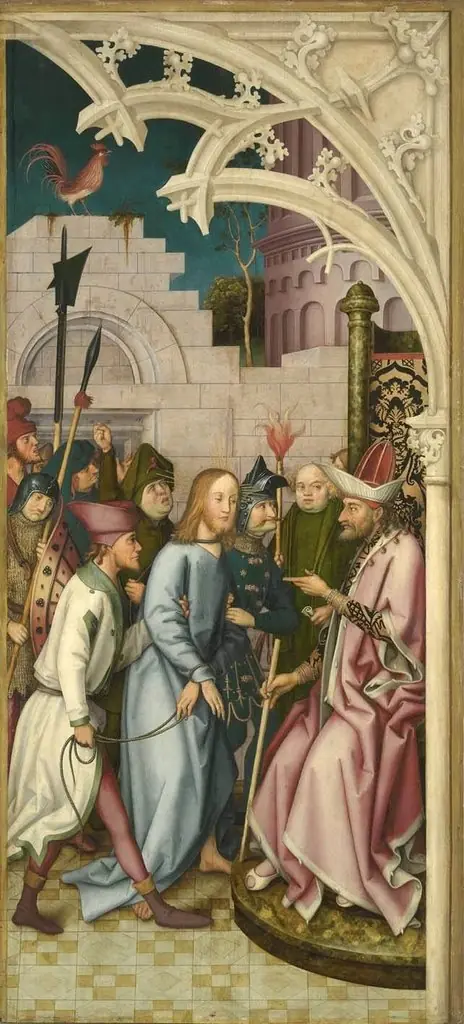 Kaisheimer Altar: Christus vor Pilatus
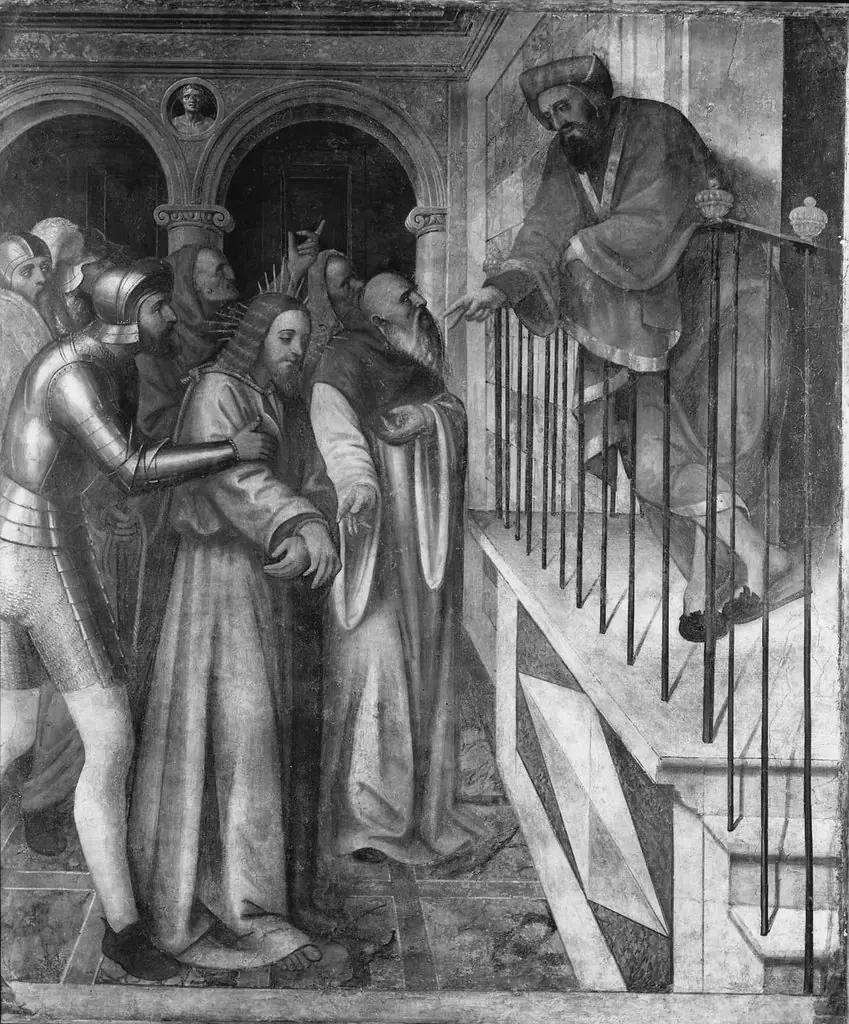 Christ before Herod
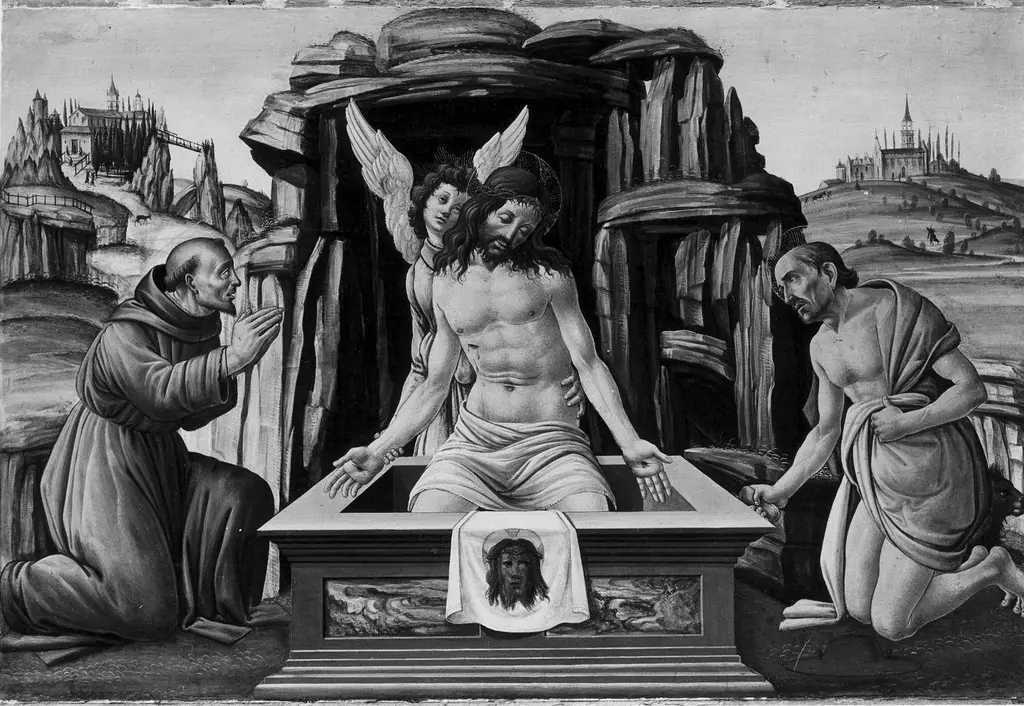 Christ in the tomb
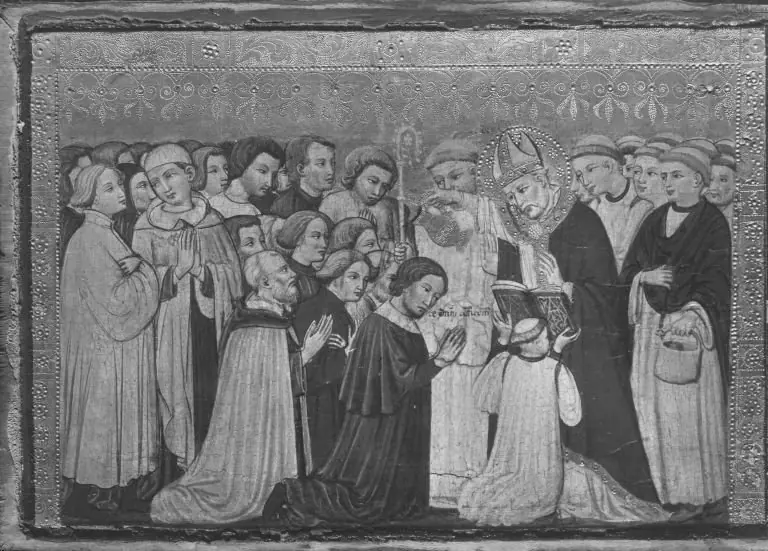 The baptism of Saint Augustine
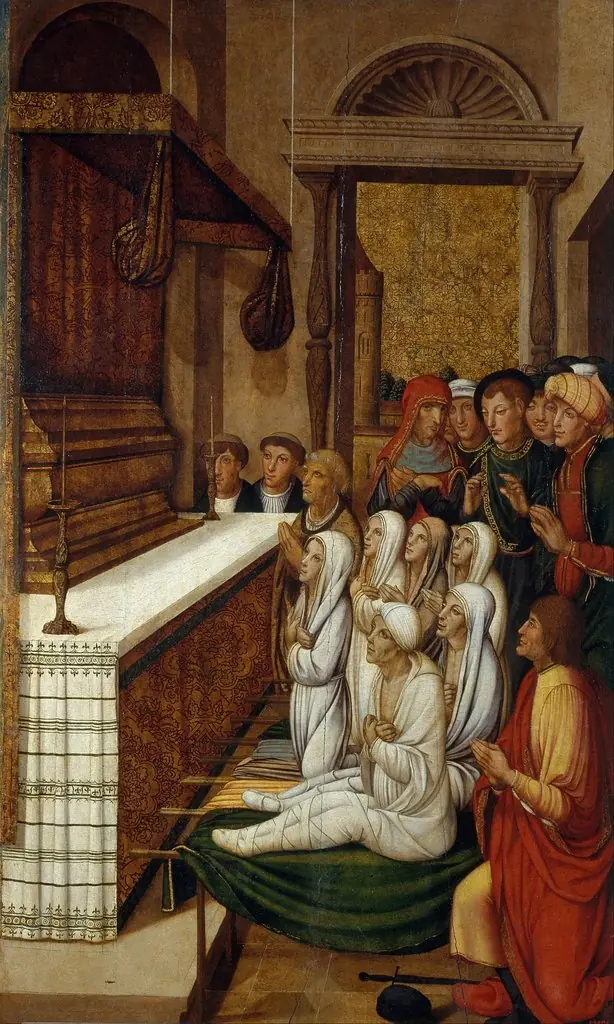 Six Resurrections before the Relics of Saint Stephen
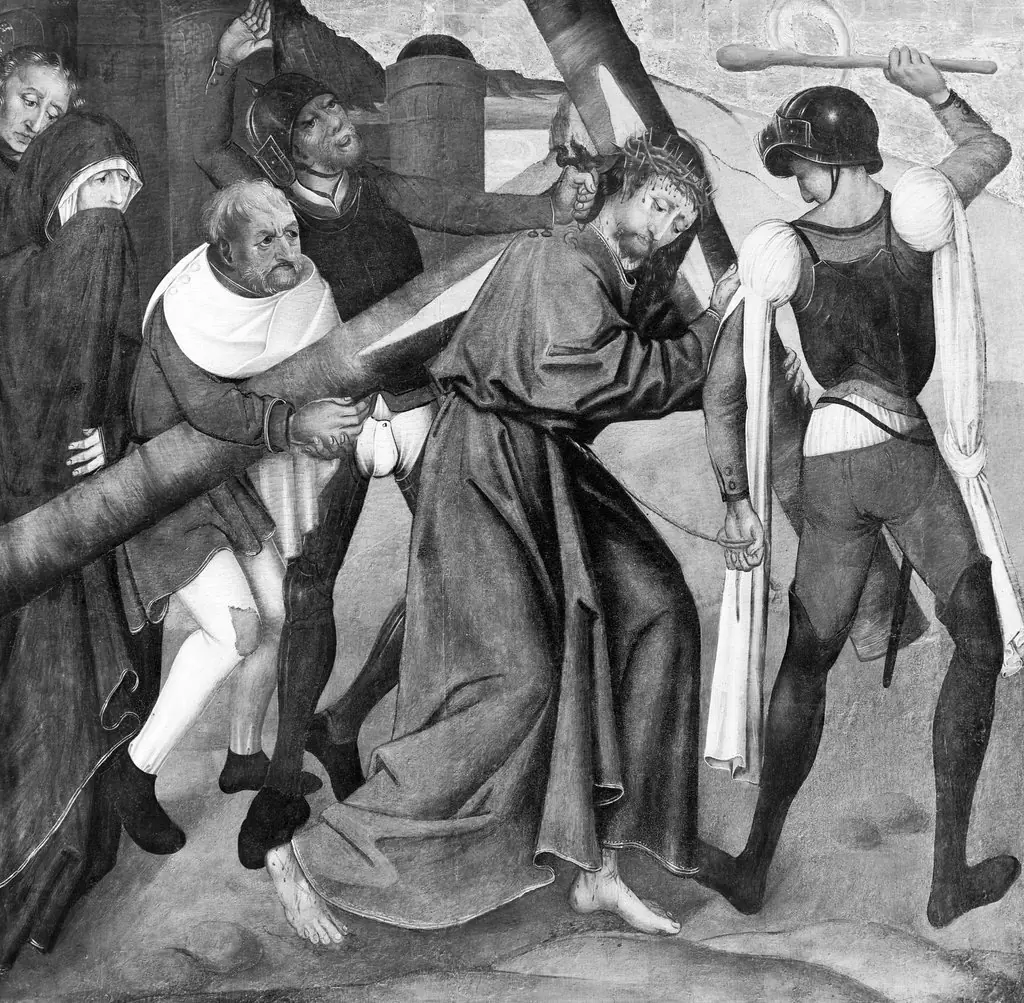 Carrying the Cross
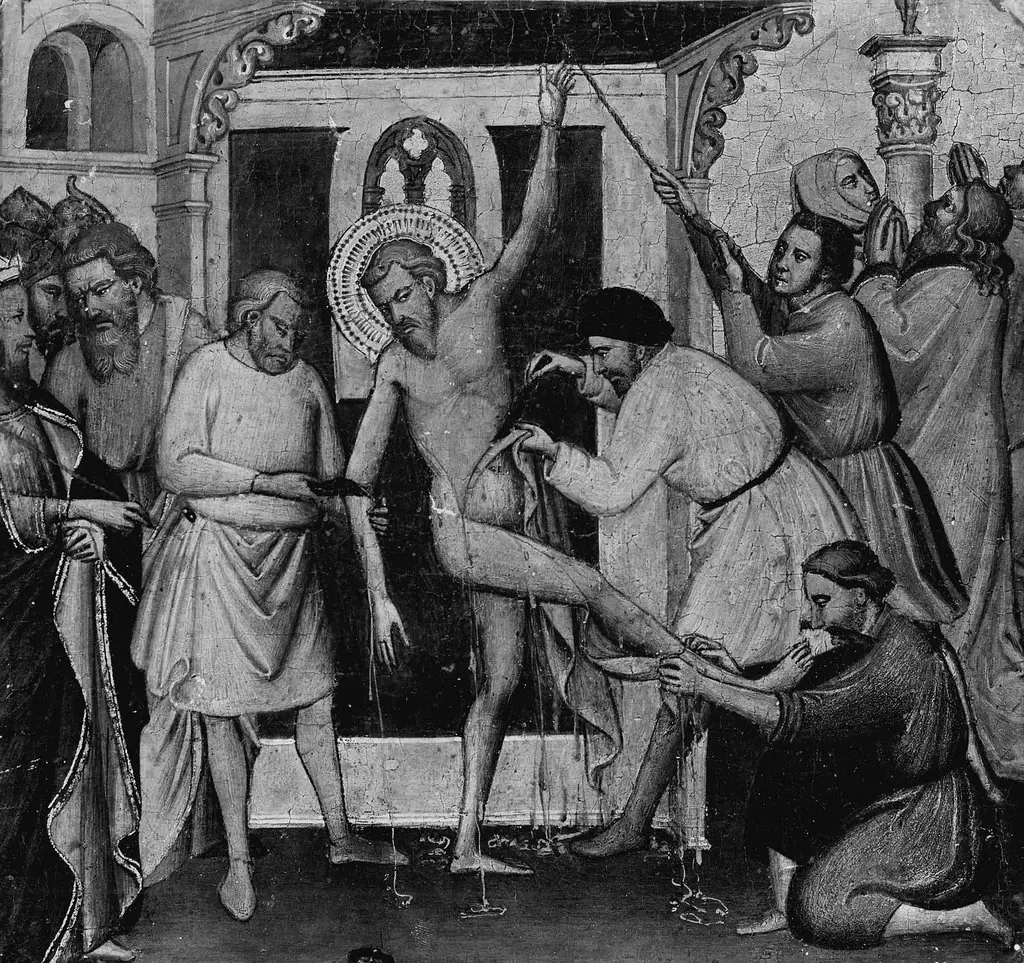 Martyrdom of Saint Bartholomew
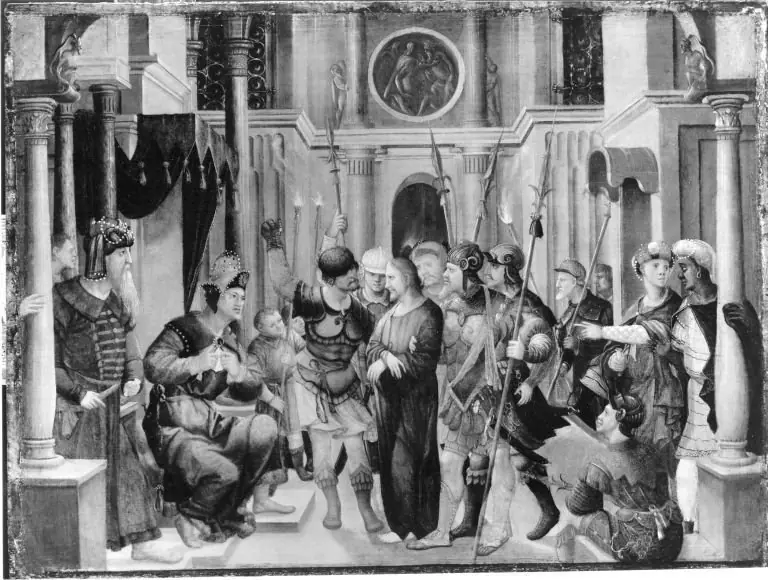 Christ standing for Kaiphas
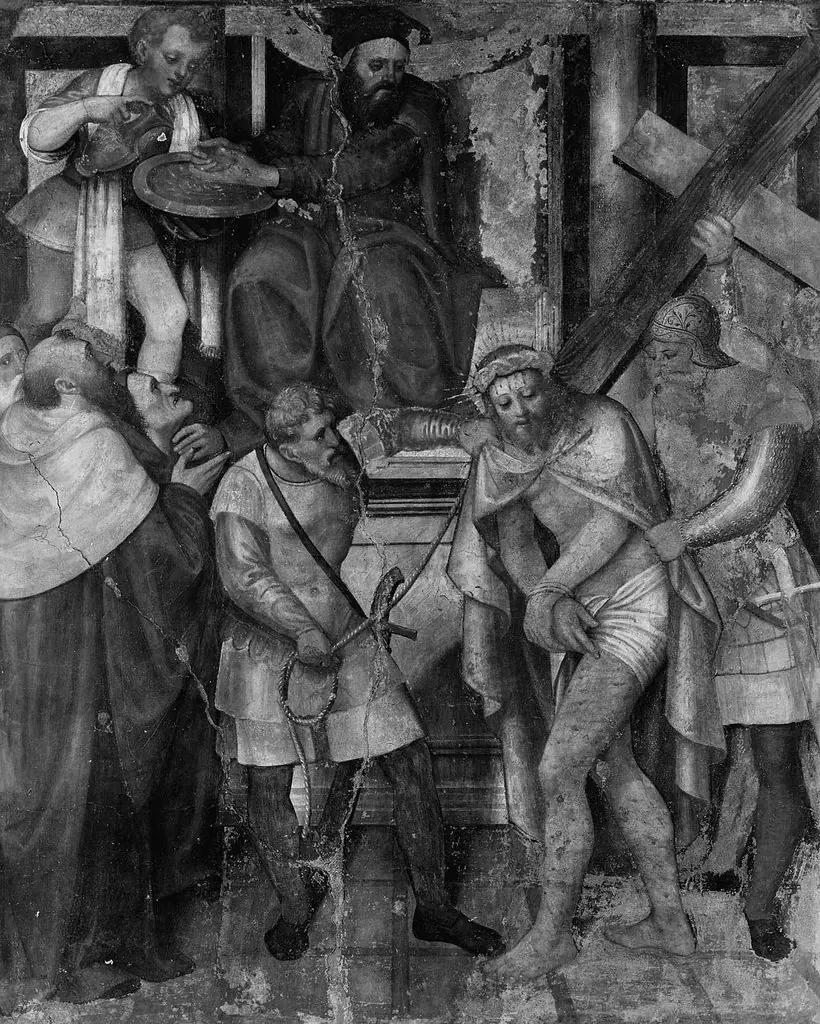 Christ before Pilate