Artwork
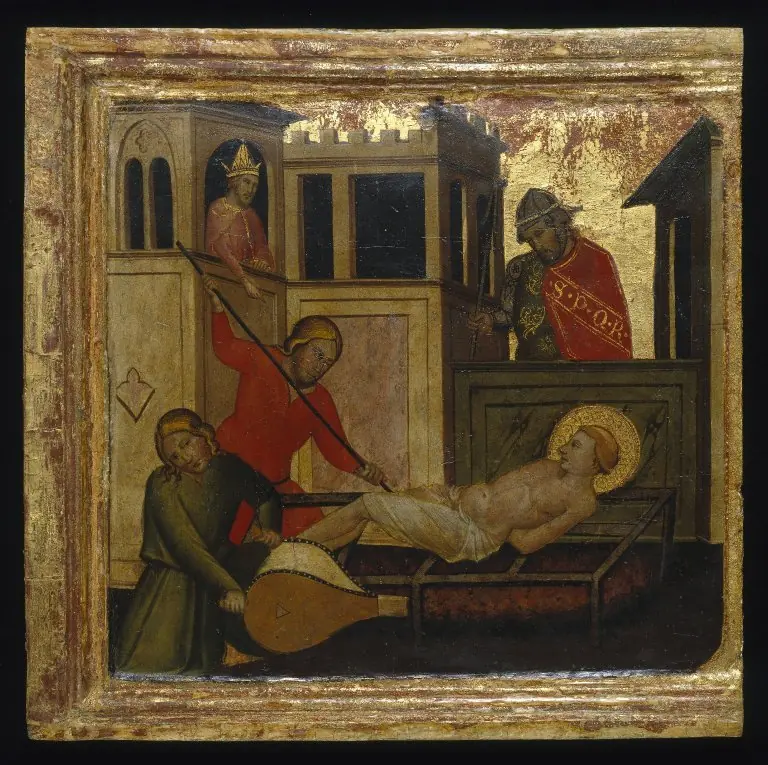
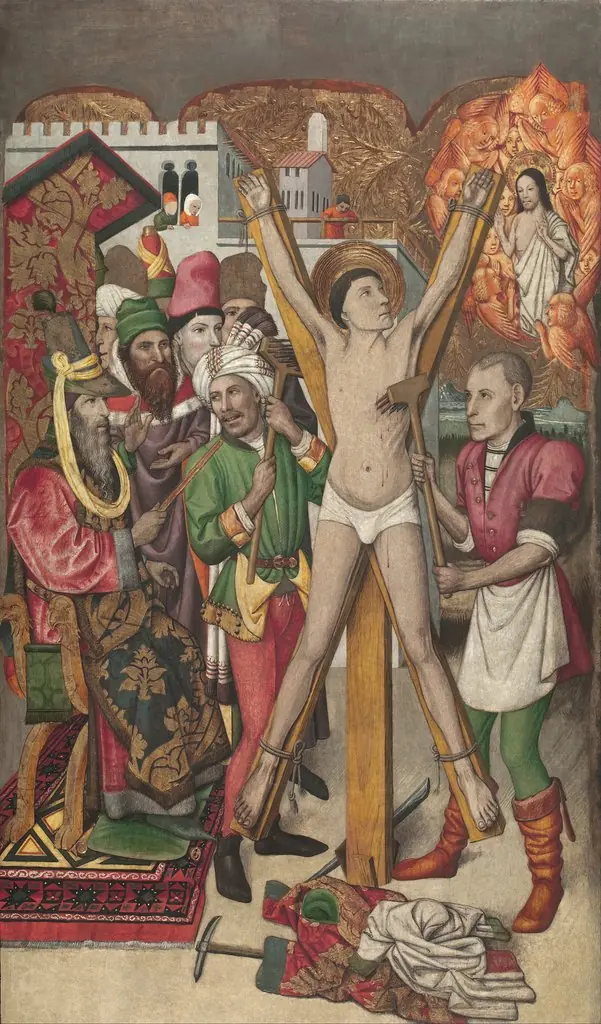
Martyrdom of Saint Bartholomew
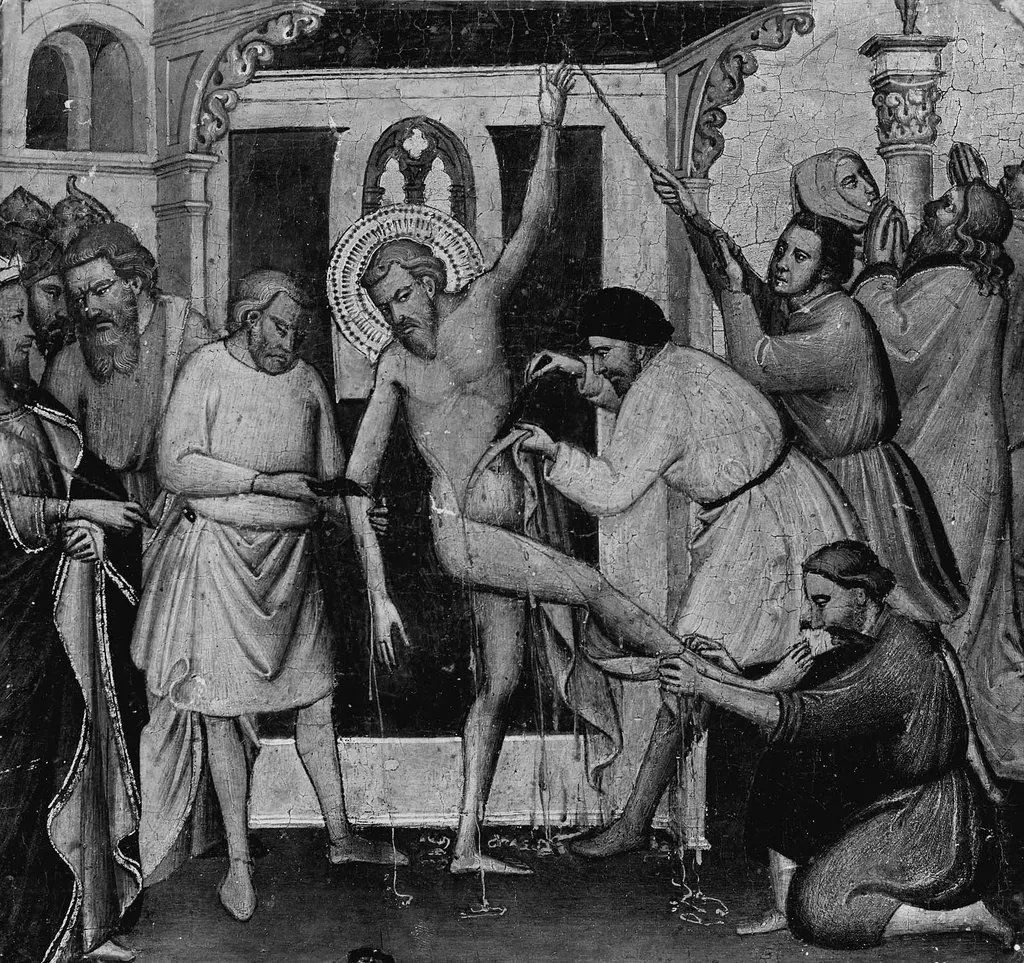
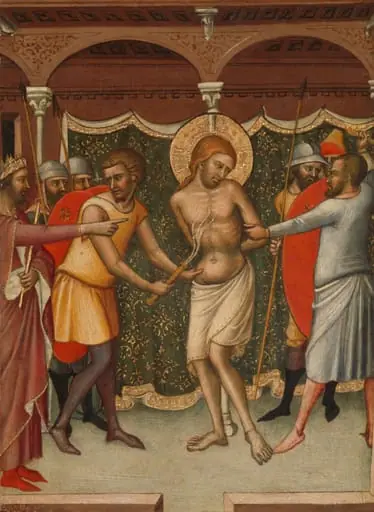
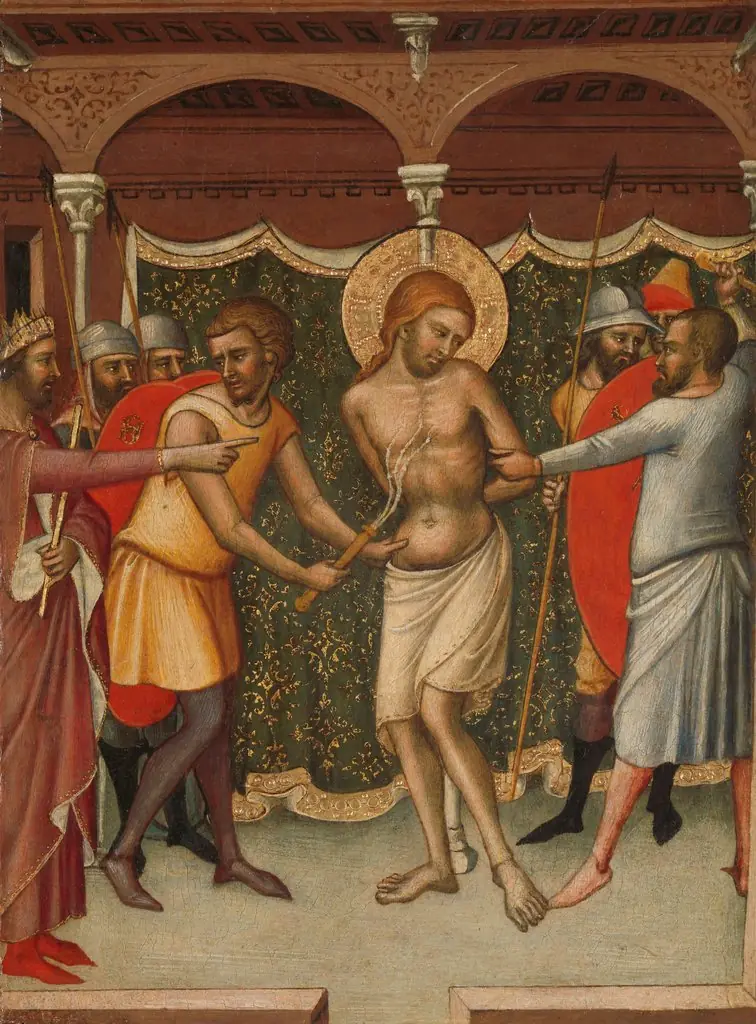
Martyrdom of Saint Bartholomew is an unspecified painting by the Early Renaissance artist Lorenzo di Niccolò. It dates from 1407 and is held in the collection of the Museum of Fine Arts Boston.
About this work
Overview
Created in 1407 by Lorenzo di Niccolò, an active Florentine painter between 1391 and 1412, the work depicts the martyrdom of Saint Bartholomew. Executed in tempera on panel with a gold ground, the composition presents the saint amid a gruesome execution, his body exposed and his expression marked by suffering. The painting is part of the Museum of Fine Arts, Boston collection.
Subject & Meaning
The saint stands with his arms raised, legs spread, while two figures manipulate his flesh, emphasizing the intensity of his martyrdom.
The scene illustrates the traditional legend of Saint Bartholomew’s death by flaying. The saint stands with his arms raised, legs spread, while two figures manipulate his flesh, emphasizing the intensity of his martyrdom. A halo crowns his head, signalling sanctity despite the graphic violence, and the surrounding onlookers convey a range of reactions from horror to morbid fascination, underscoring the spiritual triumph over physical torment.
Technique & Style
Lorenzo employs the tempera medium, layering pigment with egg yolk to achieve precise, luminous colors against a gilded background. The composition reflects a transitional Trecento aesthetic: Gothic verticality and decorative detail coexist with emerging Classical spatial cues, such as the arched doorways and columnar framing. Figures are rendered in flowing robes and modest head coverings, their gestures articulated with a careful linear quality typical of early Renaissance painting.
History & Provenance
The painting remained in private hands for several centuries before entering the Museum of Fine Arts, Boston, where it is displayed as part of the early Italian Renaissance holdings. Documentation traces its attribution to Lorenzo di Niccolò based on stylistic analysis and archival references to his activity in Florence during the early 15th century.
Context
Produced during a period of artistic transition in Florence, the work bridges the medieval Gothic tradition and the nascent humanist concerns of the Renaissance. Its subject matter aligns with the era’s devotional focus on saints’ suffering as a model of piety, while the inclusion of a gold ground reflects lingering Byzantine influences that were gradually giving way to more naturalistic spatial arrangements.
Artist & collection
Artist
Lorenzo di Niccolò or Lorenzo di Niccolò di Martino was an Italian painter who was active in Florence from 1391 to 1412.