Artwork
Paisagem com rio e barco ao seco em São Paulo (Ponte Grande)
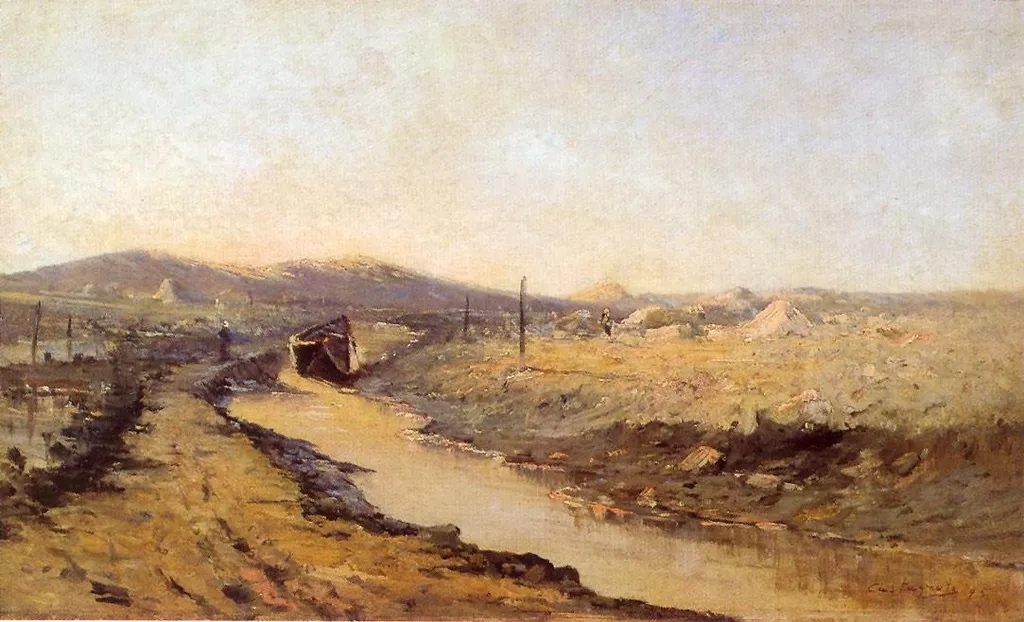
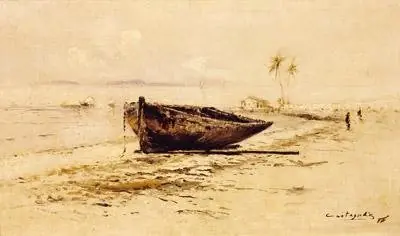
Paisagem com rio e barco ao seco em São Paulo (Ponte Grande) is an oil painting by the American Impressionist artist Giovanni Battista Castagneto. It dates from 1898 and is held in the collection of the São Paulo Museum of Art.
About this work
Overview
Painted in 1898 by Giovanni Battista Castagneto, this oil-on-canvas work depicts a quiet riverside scene near Ponte Grande in São Paulo.
Painted in 1898 by Giovanni Battista Castagneto, this oil-on-canvas work depicts a quiet riverside scene near Ponte Grande in São Paulo. Though often associated with landscape traditions, its classification as a history painting reflects its documentation of a specific regional environment during a period of urban and infrastructural change in Brazil. The painting resides in the collection of the São Paulo Museum of Art.
Subject & Meaning
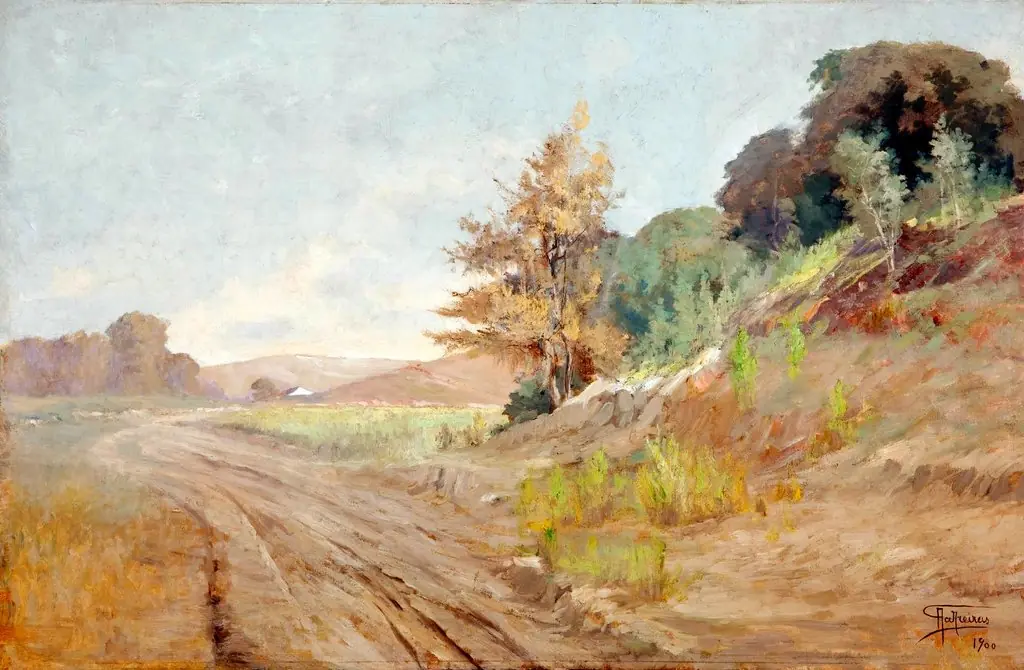
The scene captures a beached boat beside a slow-moving river, with a solitary figure gazing toward the water. Rolling hills and an open sky frame the composition, suggesting a moment of stillness amid rural life. The absence of industrial elements and the focus on natural light imply a contemplative view of the landscape, possibly evoking nostalgia for a pre-modern countryside as São Paulo expanded.
Technique & Style
Castagneto employed loose brushwork and a warm, atmospheric palette to convey the effects of sunlight across land and water. Rather than sharp detail, he emphasized tonal transitions and soft edges, creating a sense of depth through layered hues. While influenced by European impressionist methods, the treatment of light and space aligns more closely with regional interpretations than with American Impressionism as formally defined.
History & Provenance
The painting was completed during Castagneto’s active period in São Paulo, where he documented local scenery with observational precision. It entered the São Paulo Museum of Art’s collection in the 20th century, likely through acquisition or donation. Its preservation reflects institutional interest in early Brazilian landscape painting as a record of regional identity during the nation’s formative decades.
Context
In late 19th-century Brazil, artists increasingly turned to native landscapes as subjects, moving away from European models. Castagneto’s work emerged alongside a broader cultural shift toward documenting Brazil’s natural and rural environments. Though not overtly political, such paintings contributed to a visual narrative of national character, subtly contrasting rural tranquility with the rapid modernization of urban centers like São Paulo.
Legacy
Castagneto’s painting remains a representative example of early Brazilian landscape art that prioritized atmosphere over narrative. It is studied for its technical approach to light and its role in shaping perceptions of the São Paulo countryside before industrialization. While not widely reproduced, it holds significance within the museum’s collection as a quiet testament to a vanishing rural world.
Artist & collection
Artist
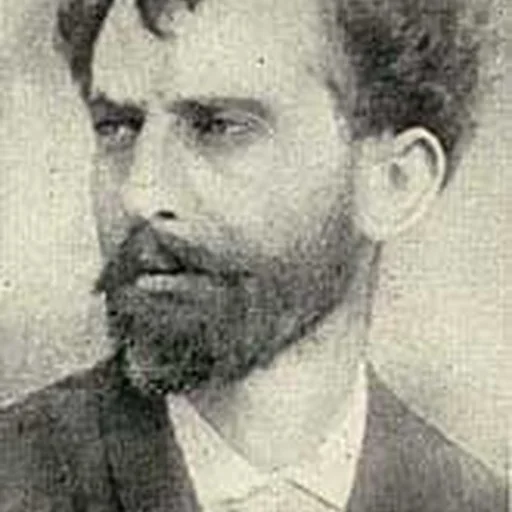
Giovanni Battista Felice Castagneto, or João Batista Castagneto, (27 November 1851 – 29 December 1900) was an Italo-Brazilian landscape and seascape painter.

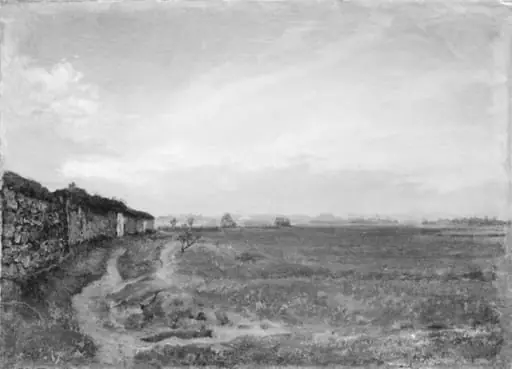 Landscape (in the Barbizon district?)
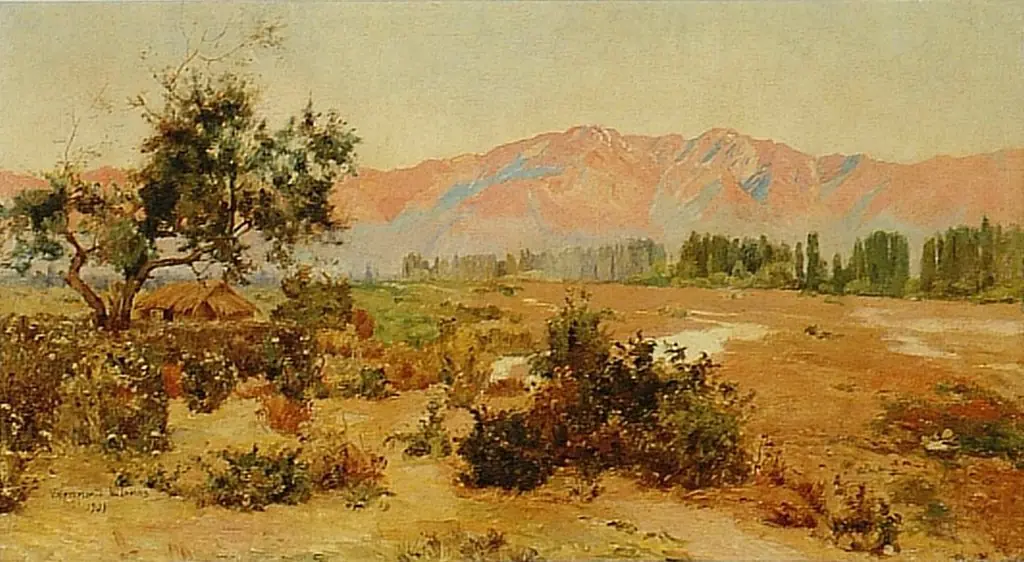 Paisaje de cordillera
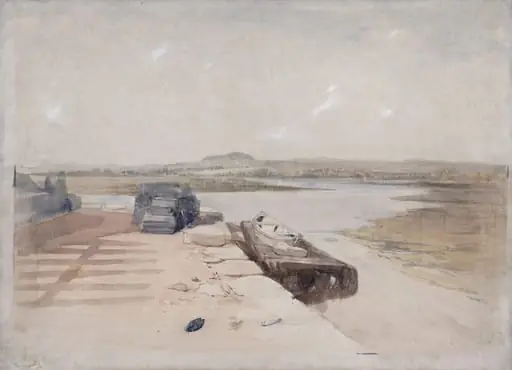 Slate Wharf on the Bank of a River
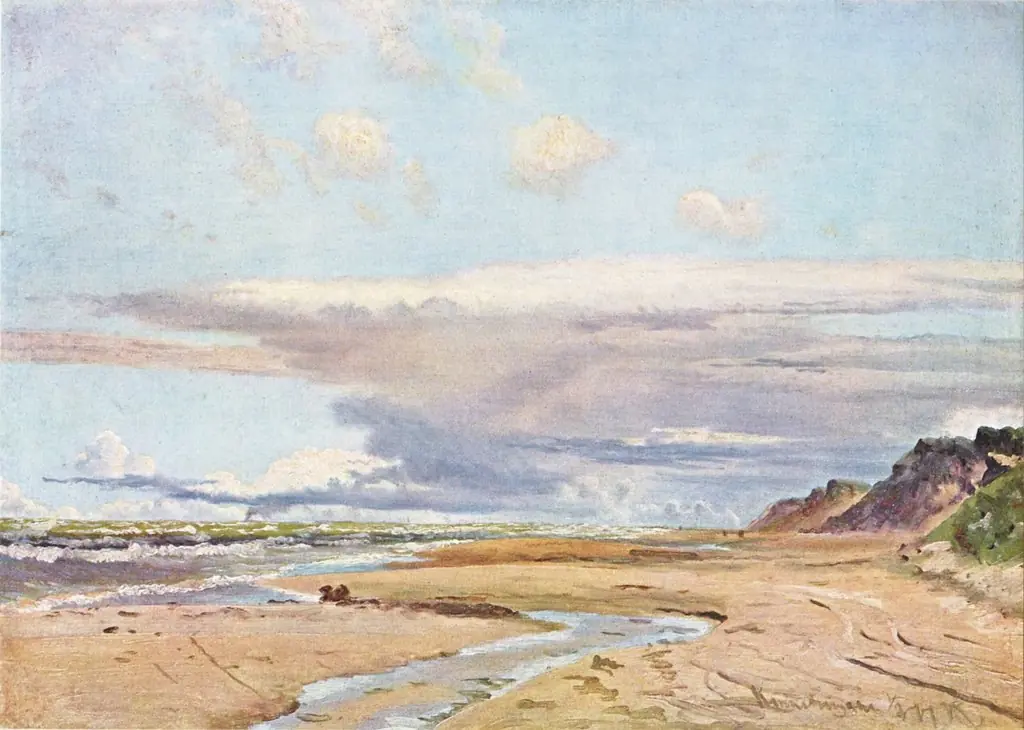 The Beach at Kandestederne, West Jutland
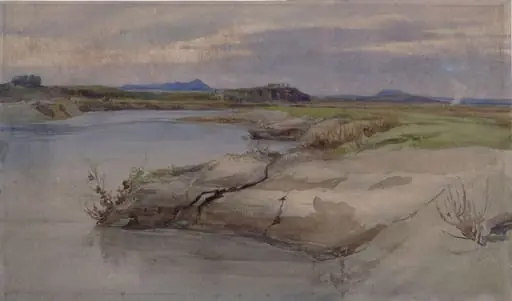 Landscape in the Campagna
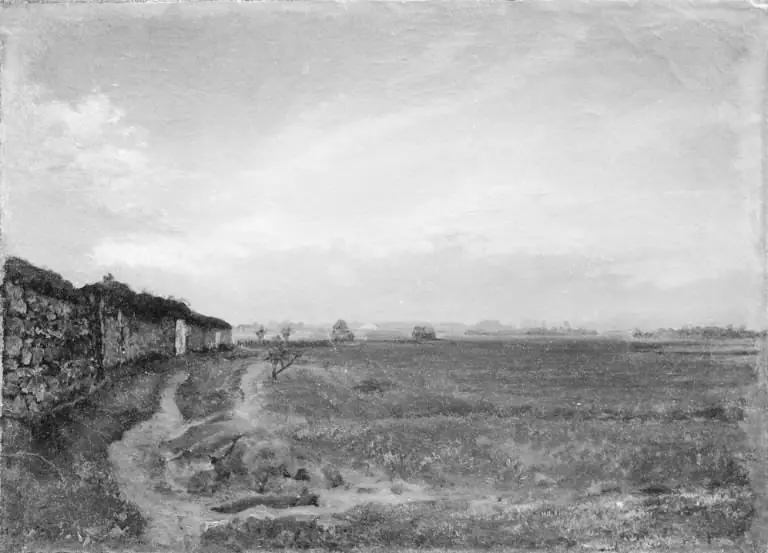 Landscape (in the Barbizon district?)
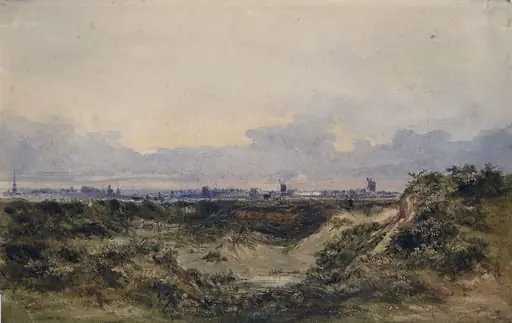 Heath Scene
 Vestjysk landskab. Holmsland
 Landscape with Bridge, Figures and Cattle
 Landscape with a bunch of trees
 Vestjysk landskab. Holmsland
 Hazy Day