Artwork
Rest on the Flight into Egypt
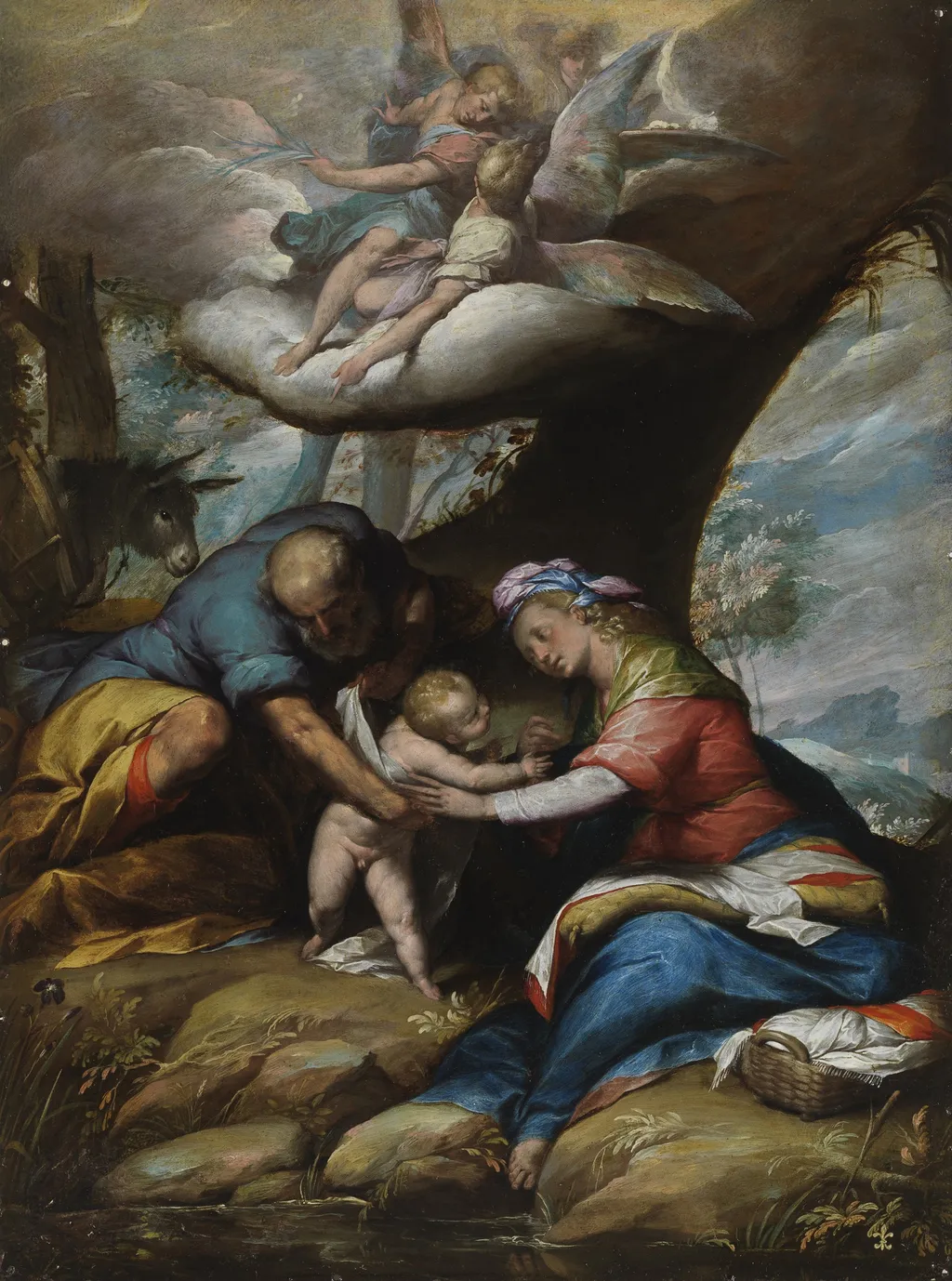
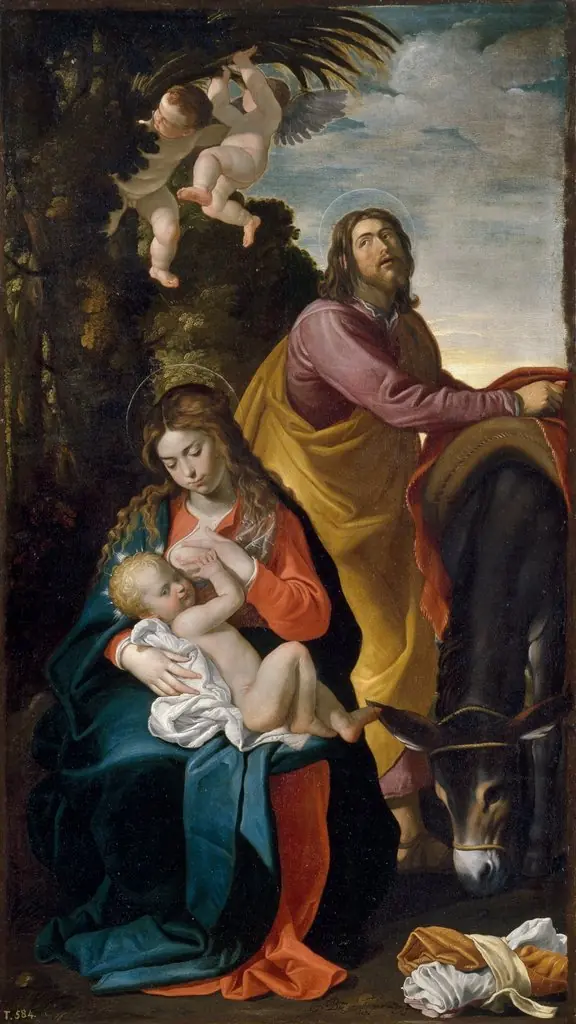
Rest on the Flight into Egypt is an oil painting by the Early Baroque Italian artist Giovanni Battista Crespi. It dates from 1598 and is held in the collection of the Museo del Prado.
About this work
Overview
Created during the transition from Mannerism to the Baroque, the painting reflects Crespi’s role as a Milanese artist navigating evolving artistic currents.
Painted in 1598 by Giovanni Battista Crespi, known as Il Cerano, this oil-on-canvas work captures a quiet moment from the Holy Family’s journey into Egypt. Created during the transition from Mannerism to the Baroque, the painting reflects Crespi’s role as a Milanese artist navigating evolving artistic currents. His multifaceted career as a painter, sculptor, and architect informed his compositional sensitivity and attention to spatial harmony.
Subject & Meaning
The scene portrays the Virgin Mary, Saint Joseph, and the infant Jesus paused in rest during their flight from Herod’s persecution. Mary cradles Jesus with quiet tenderness, while Joseph watches over them with solemn vigilance. The domestic intimacy of the moment transforms a biblical narrative into a humanized experience, emphasizing protection, stillness, and familial devotion within a natural setting.
Technique & Style
Crespi employs chiaroscuro to model the figures with soft, naturalistic volume, enhancing their three-dimensionality against the landscape. The brushwork is controlled yet fluid, avoiding the exaggerated elegance of Mannerism in favor of grounded realism. Light falls gently across the figures, unifying the composition and drawing focus to the emotional core of the scene without theatricality.
History & Provenance
Crespi received commissions from Milan’s ecclesiastical institutions and noble houses, including the Borromeo and Gonzaga families. While the painting’s early ownership is not fully documented, its style and subject align with devotional works produced for private chapels and aristocratic collections in Lombardy during the late 16th century. It reflects the demand for intimate religious imagery among Milan’s elite.
Context
In late 16th-century Lombardy, religious art increasingly favored emotional immediacy over idealized forms. Crespi’s work responds to Counter-Reformation ideals that encouraged accessible, heartfelt depictions of sacred stories. His synthesis of regional traditions with emerging Baroque naturalism positioned him as a key figure in Milan’s artistic evolution, distinct from the more dramatic styles of Rome or Venice.
Legacy
Crespi’s *Rest on the Flight into Egypt* exemplifies a quiet, human-centered approach to religious painting that influenced later Lombard artists. Though less widely known than his contemporaries, his integration of tender narrative with subtle lighting and spatial coherence contributed to the regional Baroque idiom. The work remains a testament to the capacity of understated composition to convey spiritual depth.
Own this work as a print
Artist & collection
Artist
Giovanni Battista Crespi (23 December 1573 – 23 October 1632), called Il Cerano, was an Italian painter, sculptor, and architect.

 Rest on the Flight into Egypt
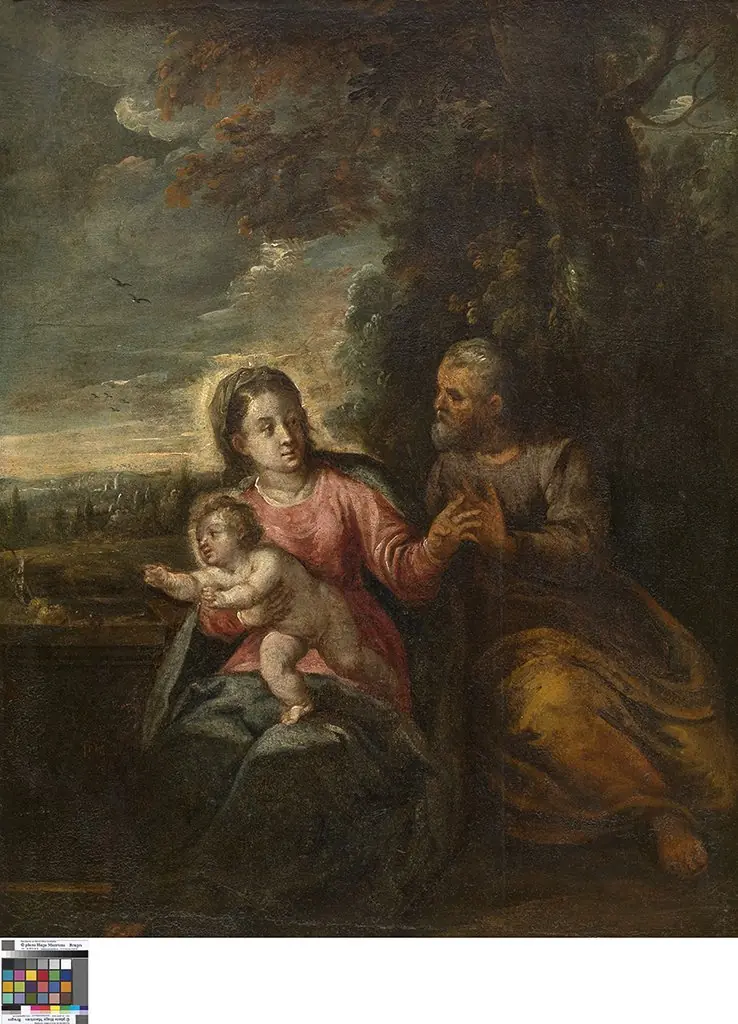 Rest on the Flight into Egypt
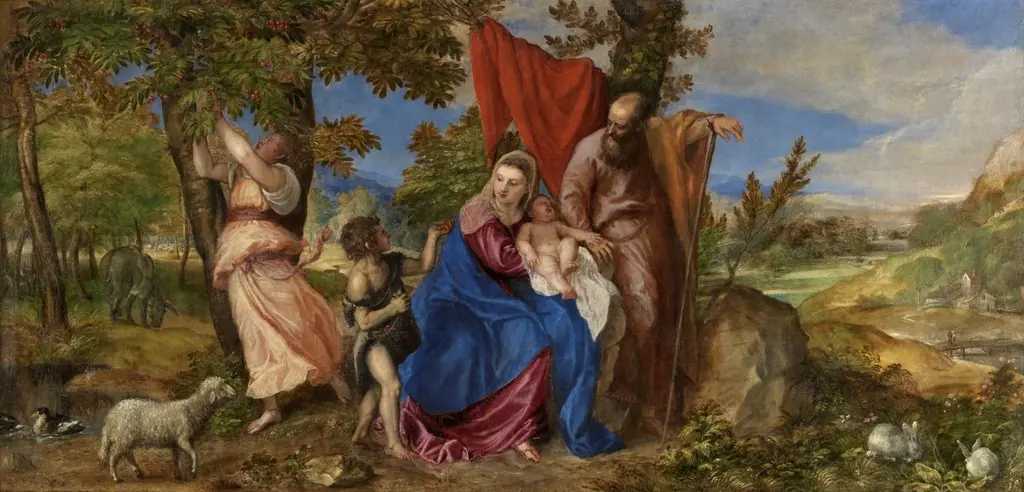 Rest on the Flight into Egypt
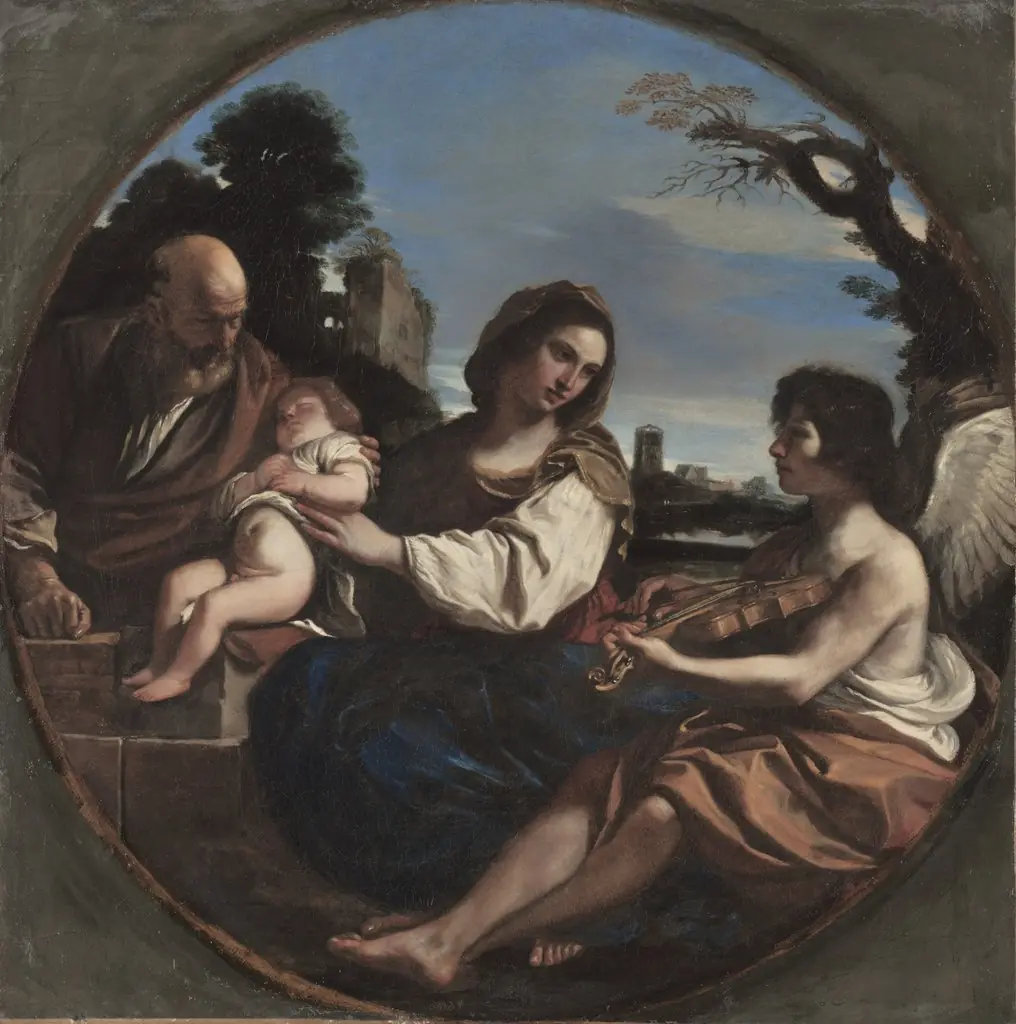 Rest on the Flight into Egypt
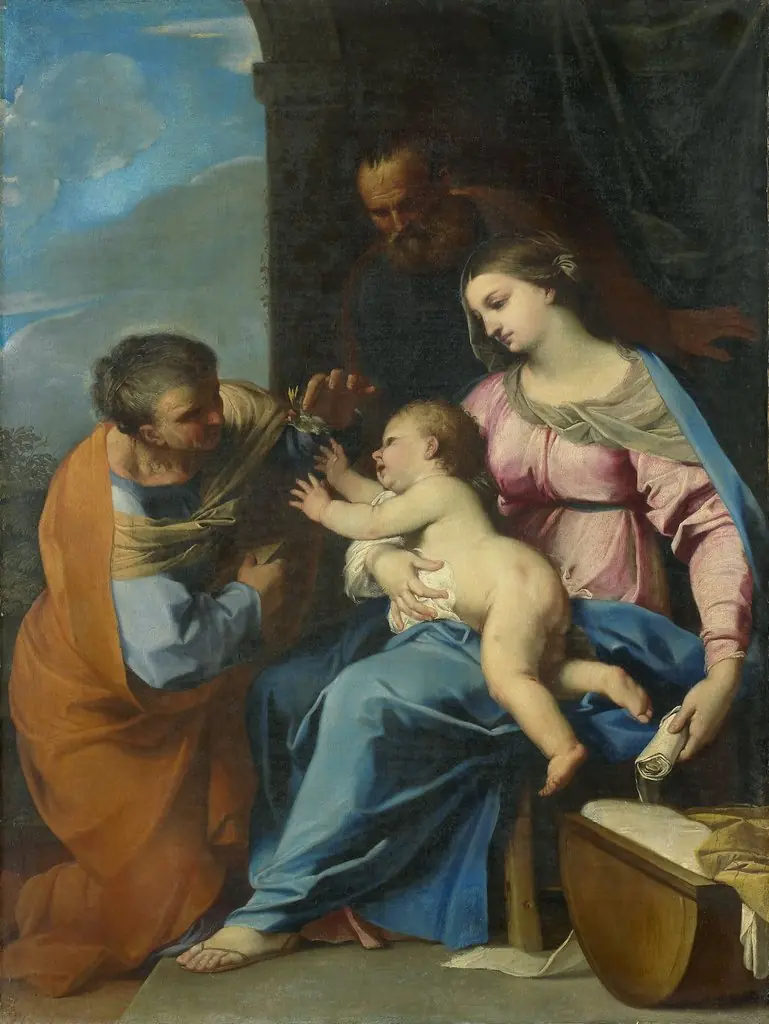 Holy Family
 Neitsyt Maria, Jeesus-lapsi, Johannes Kastaja ja Pyhä Antonius Apotti
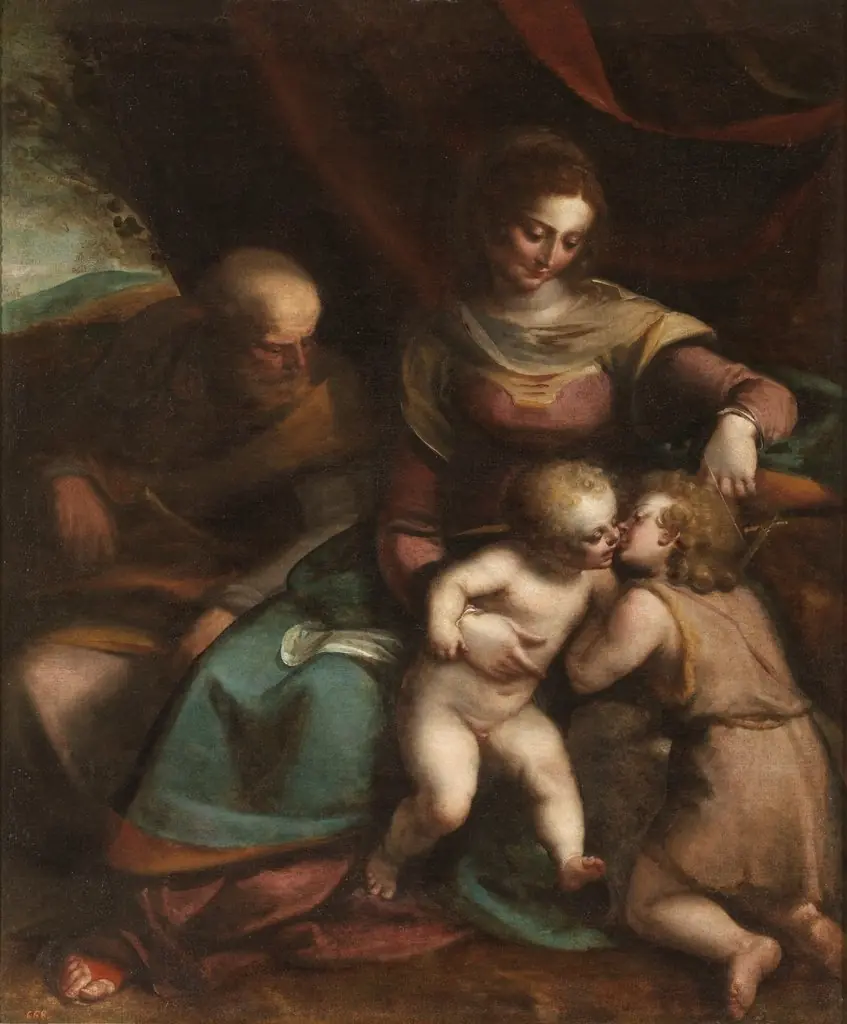 The Holy Family
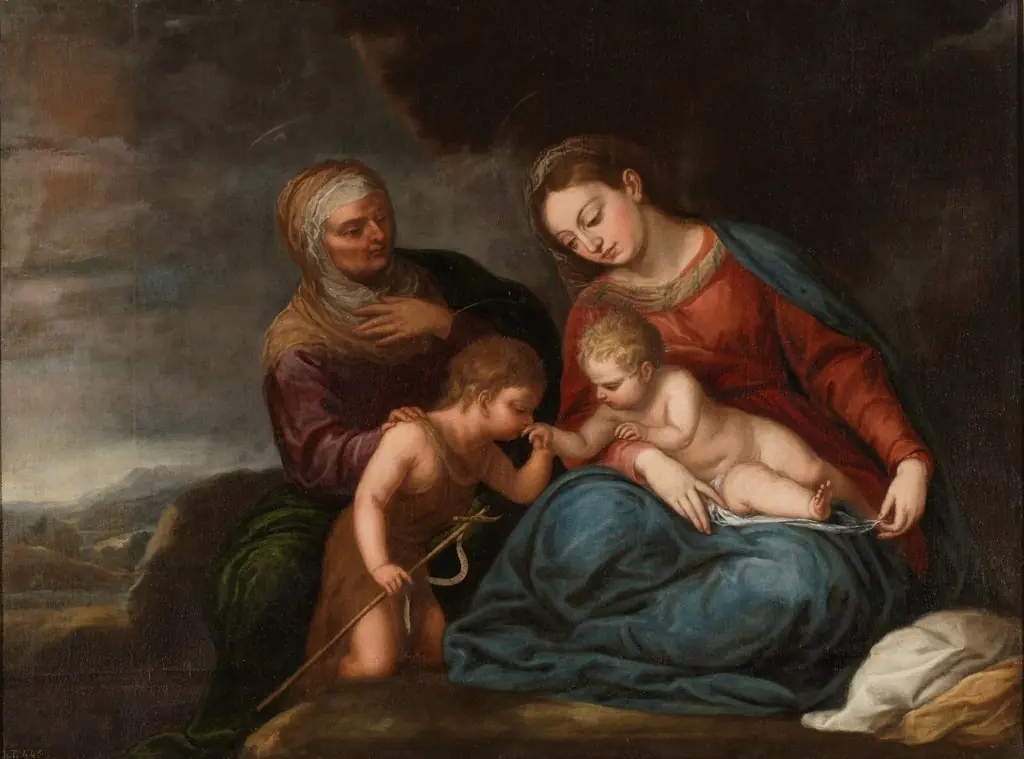 The Virgin and Child with Saints Elizabeth and John
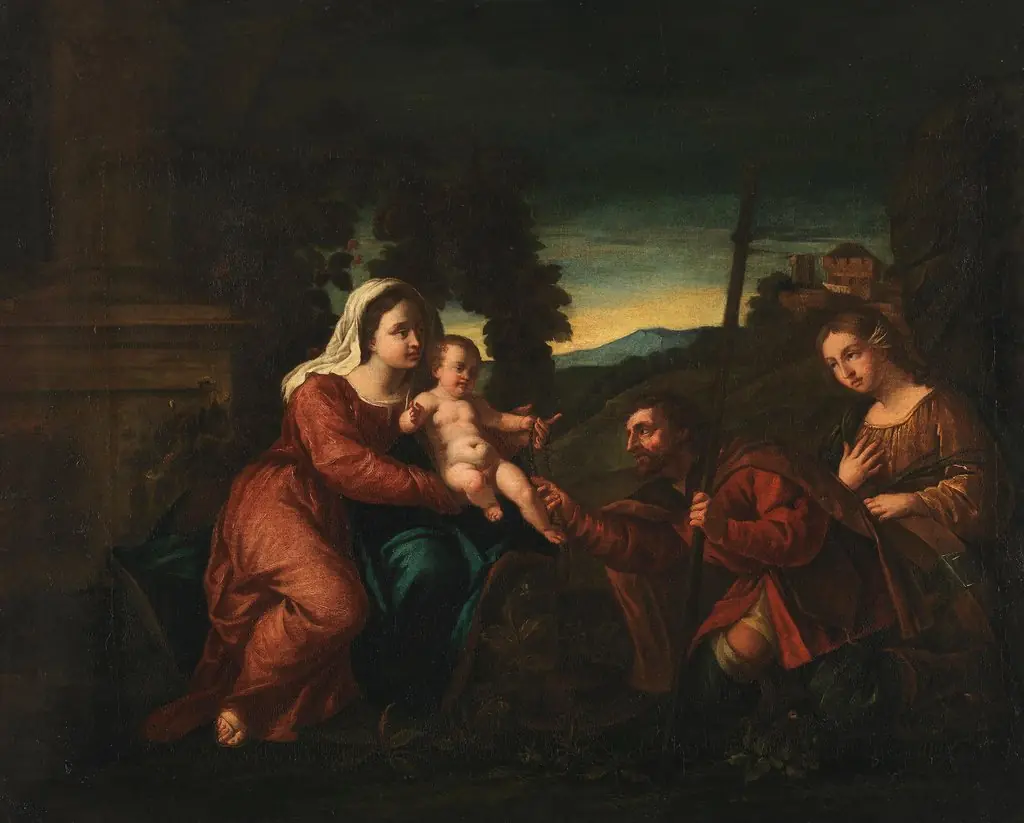 Madonna and Child with Saints Roche and Mary Magdalene
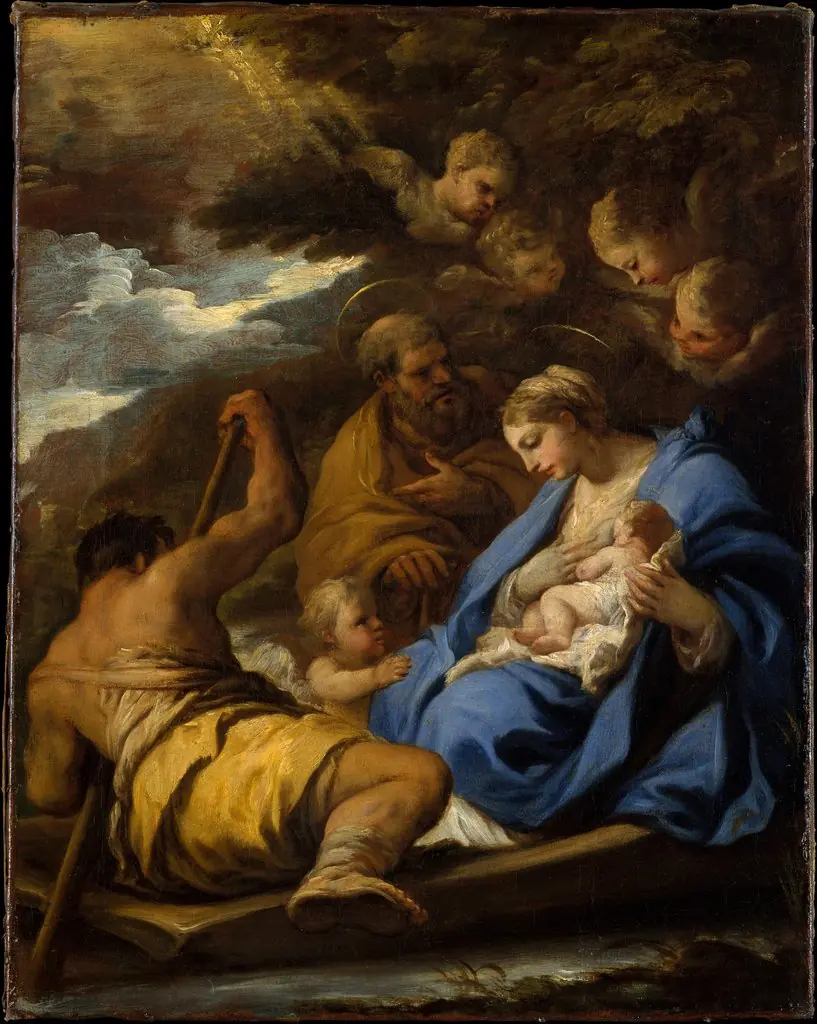 The Flight into Egypt
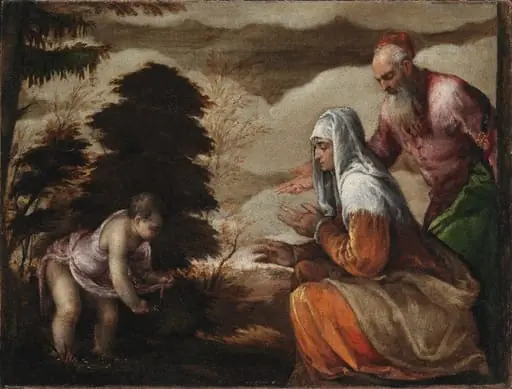 Johannes Kastaja kerää kukkia vanhemmilleen
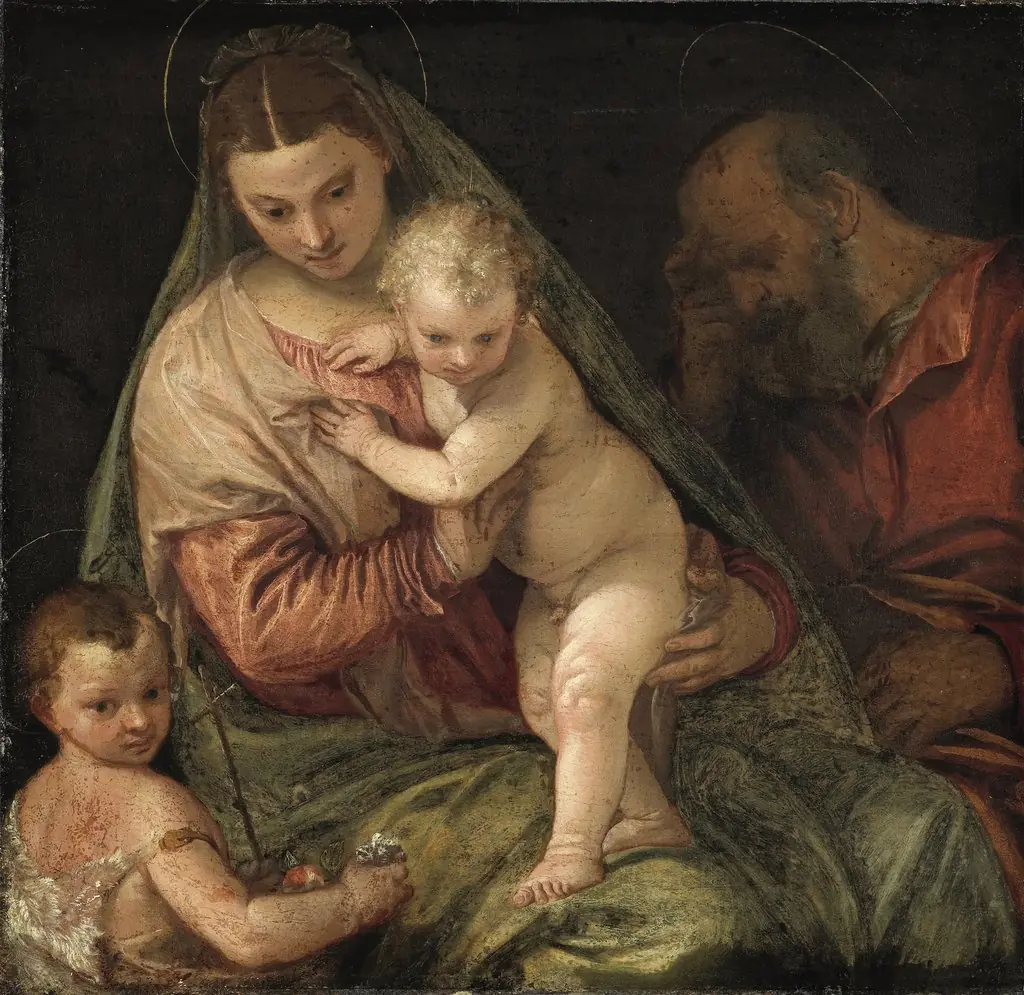 Holy Family with Young Saint John