Artwork
St Carlo Borromeo Adoring Christ
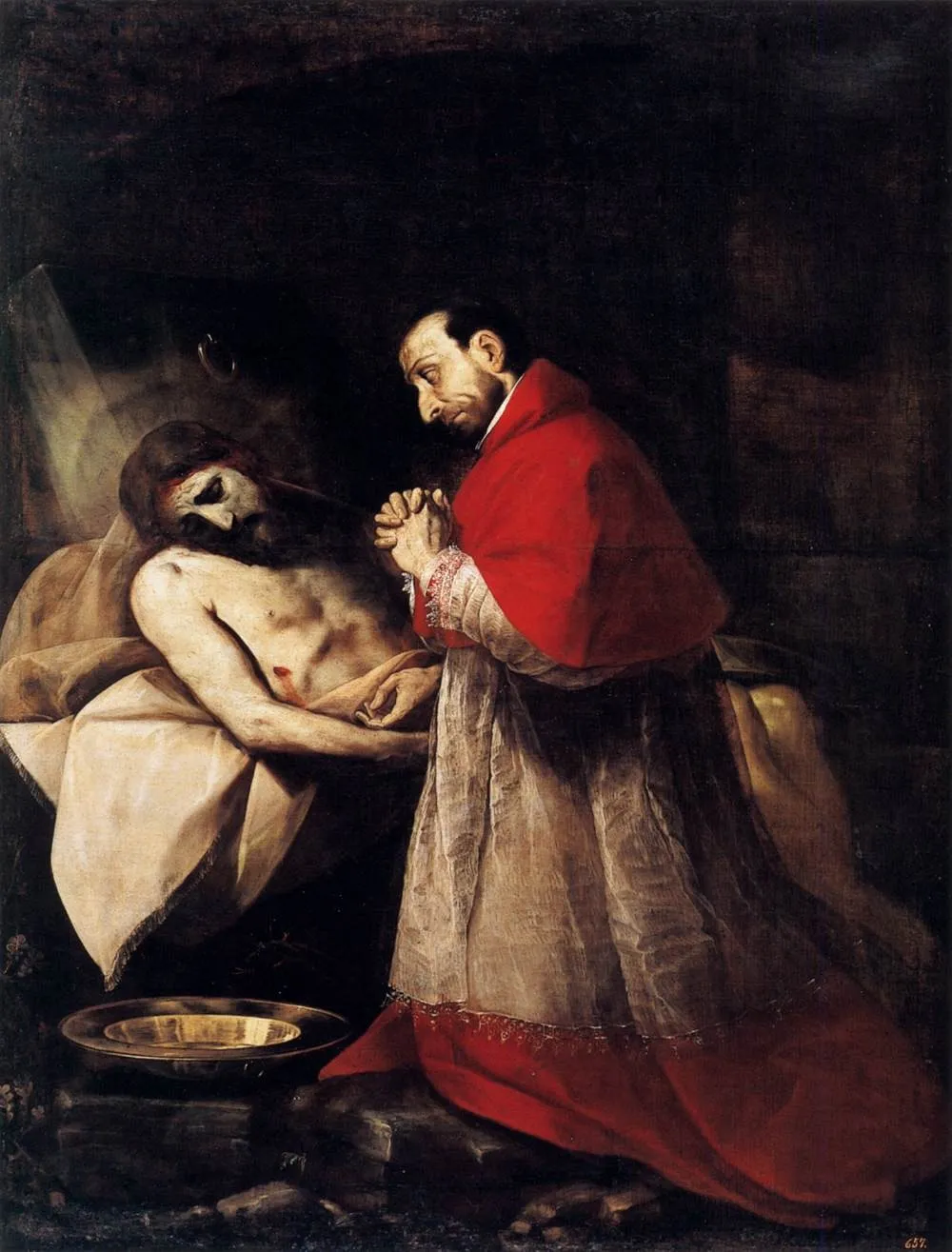
St Carlo Borromeo Adoring Christ is an oil painting by the Early Baroque Italian artist Giovanni Battista Crespi. It dates from 1610 and is held in the collection of the Museo del Prado.
About this work
Overview
Created in 1610, *St Carlo Borromeo Adoring Christ* is an oil painting by the Milanese artist Giovanni Battista Crespi, known as Il Cerano. Executed during the early Italian Baroque, the work presents a solemn religious scene rendered with a restrained palette and dramatic lighting.
Subject & Meaning
The composition shows a figure in a red robe kneeling beside a supine body draped in a white sheet. The kneeling man clasps his hands and lowers his gaze, suggesting prayerful devotion toward the lifeless or contemplative figure, evoking themes of reverence and sacrifice associated with Saint Carlo Borromeo.
Technique & Style
Crespi employs a dark, almost tenebristic background that isolates the two figures, allowing the subtle modeling of flesh and fabric to emerge. The handling of oil paint combines the elongated forms of late Mannerism with the emerging naturalism of Baroque, evident in the chiaroscuro and the tactile rendering of the red robe and white sheet.
History & Provenance
The painting was produced for a patron connected to the Borromeo family, a prominent Milanese lineage that supported Crespi’s career. Throughout the centuries it remained in private collections linked to the family before entering a public museum collection in the twentieth century.
Context
At the time of its creation, Milan was transitioning from Mannerist conventions to the more emotive Baroque style. Crespi, active as painter, sculptor, and architect, embodied this shift, and the work reflects his role in mediating between the two artistic currents while serving Counter‑Reformation devotional aims.
Artist & collection
Artist
Giovanni Battista Crespi (23 December 1573 – 23 October 1632), called Il Cerano, was an Italian painter, sculptor, and architect.

 Mass of Saint Gregory
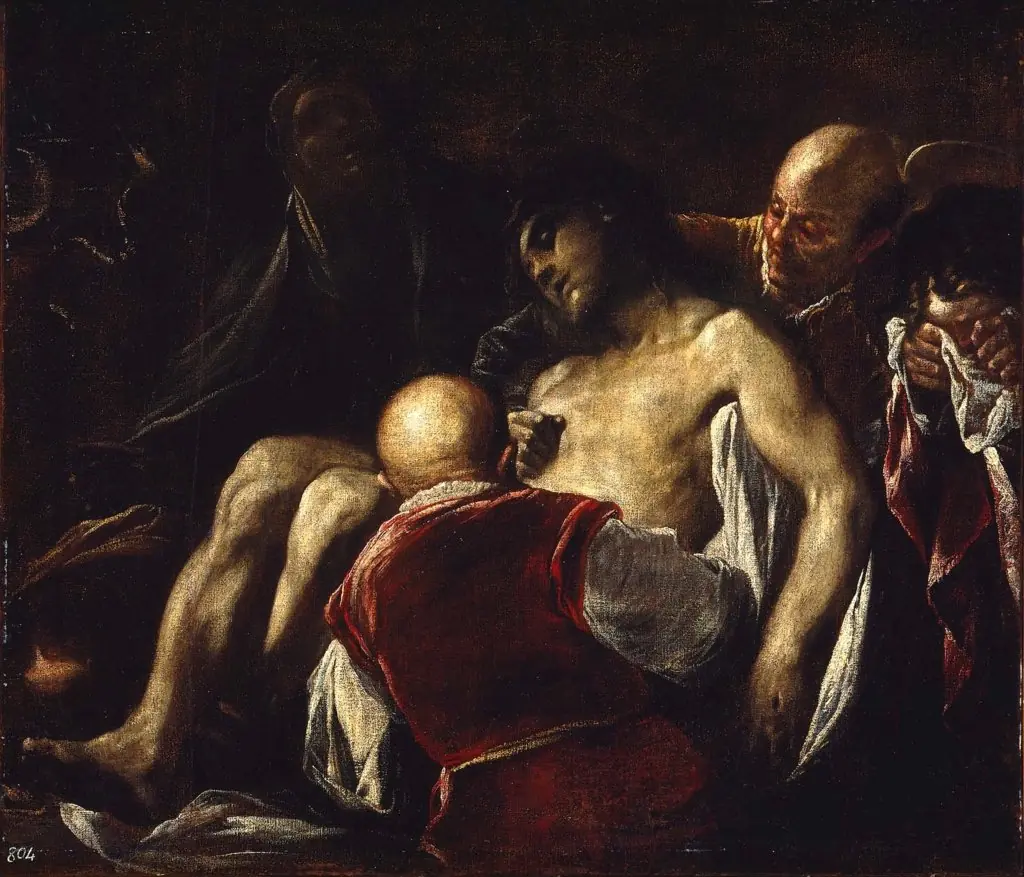 The Entombment of Christ
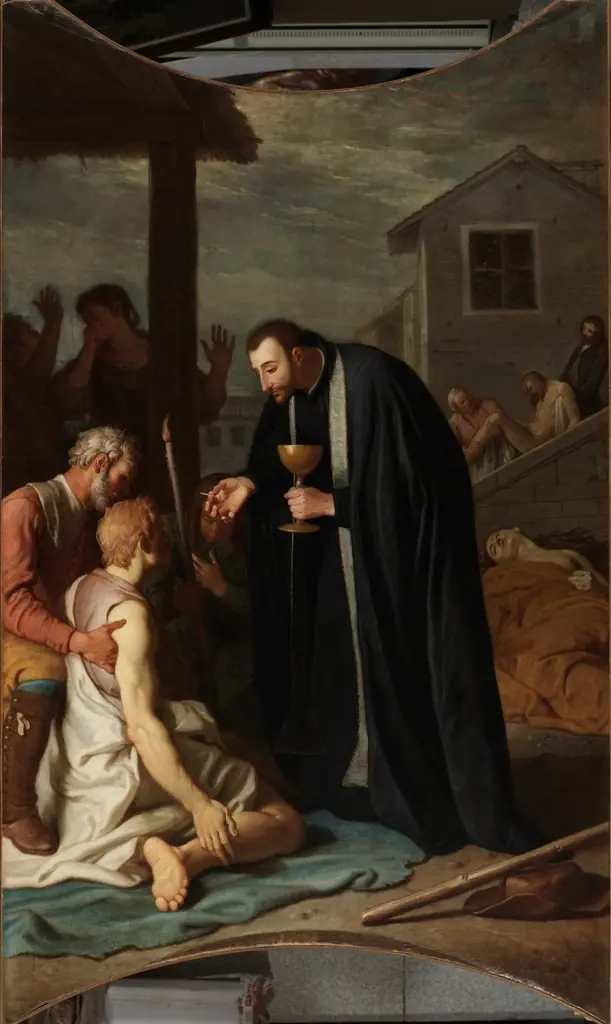 San Francisco de Regis dando la comunión a un tullido
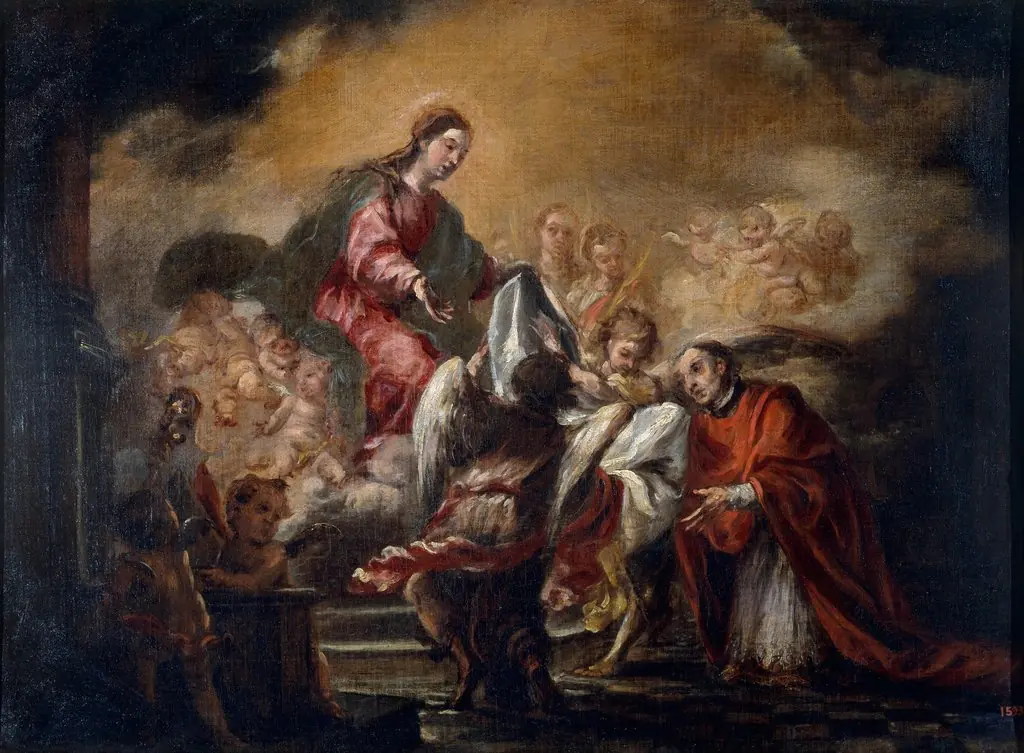 Imposition of the Chasuble on Saint Ildephonsus
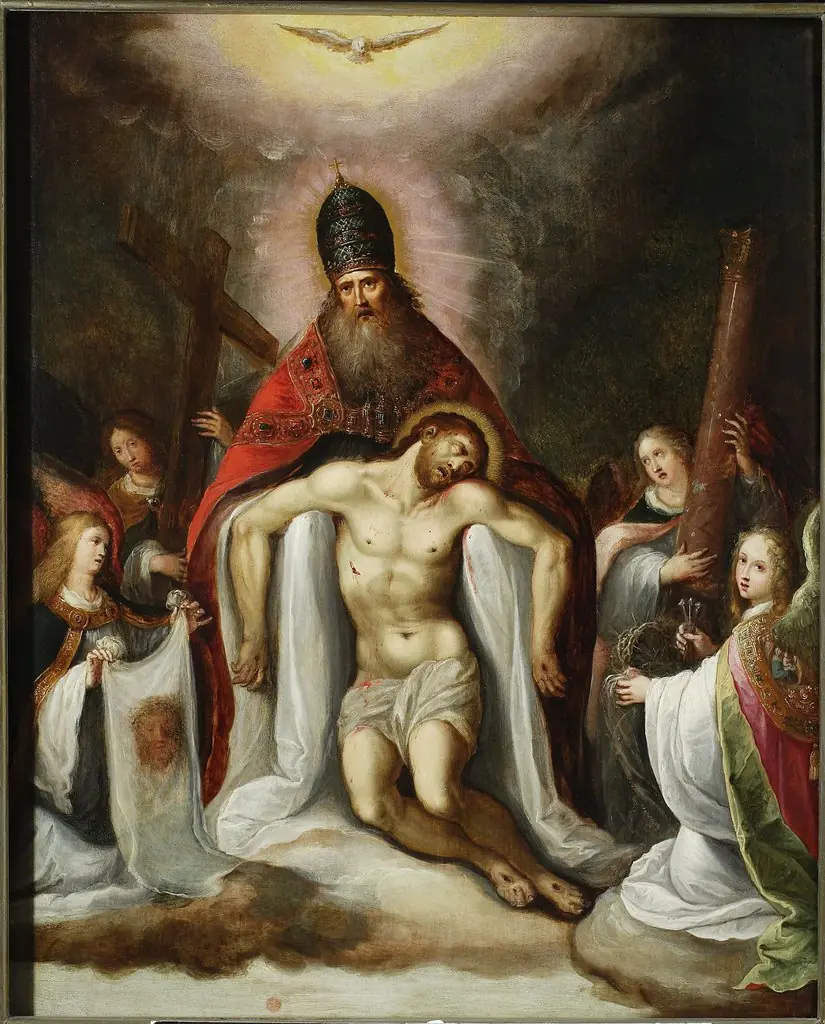 Holy Trinity (Throne of Grace)
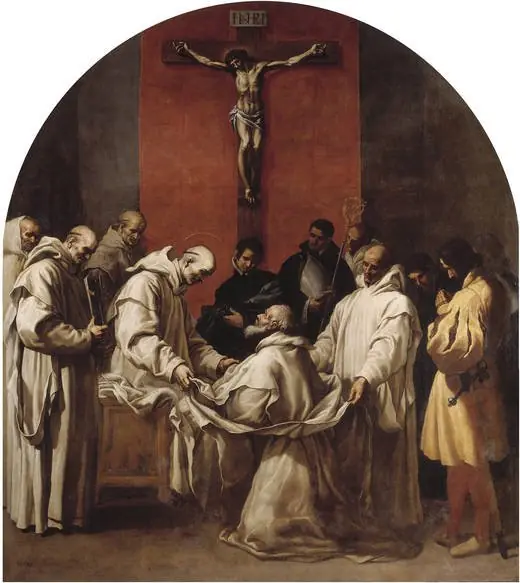 Bishop Hugo wears the Carthusian Habit
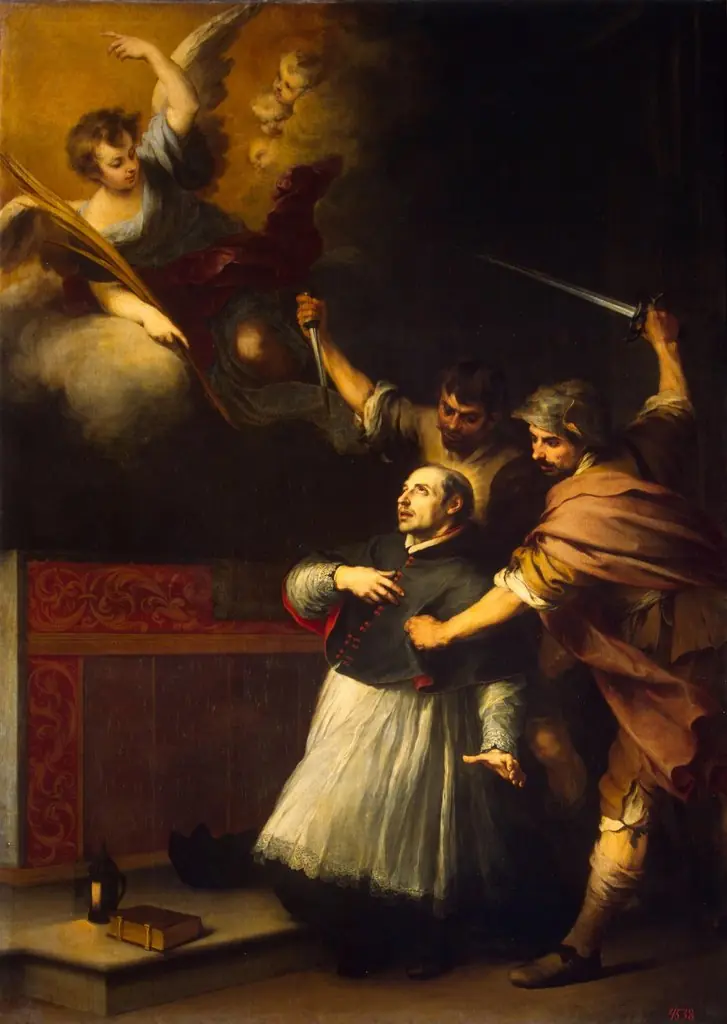 Death of the Inquisitor Pedro de Arbues
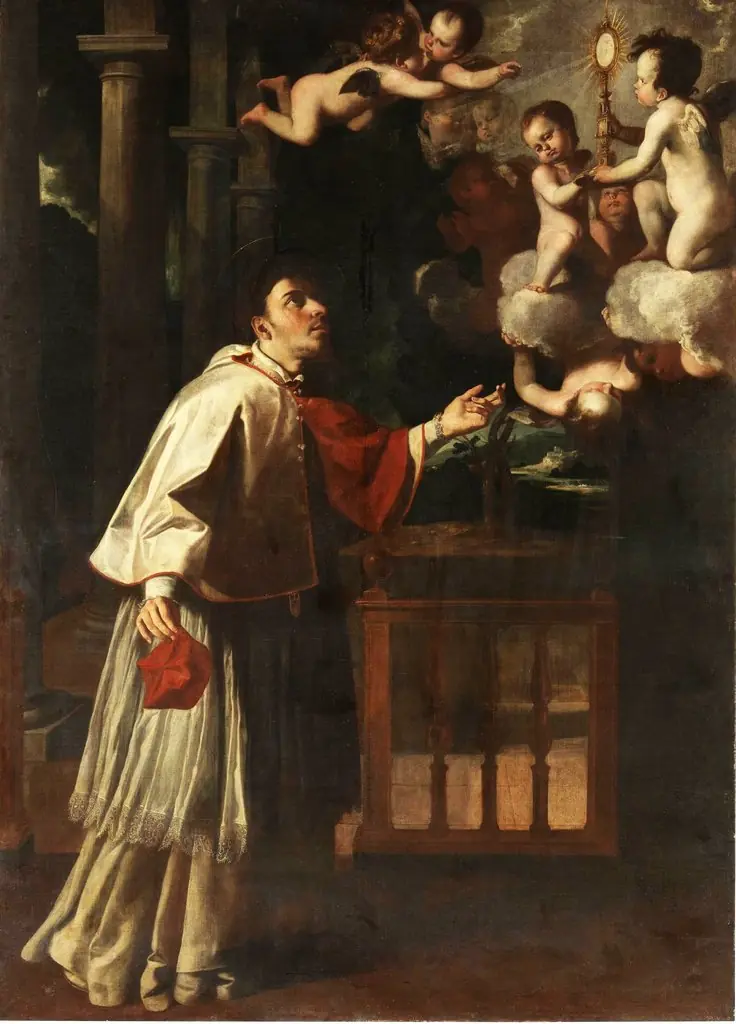 St. Raymond Nonnatus
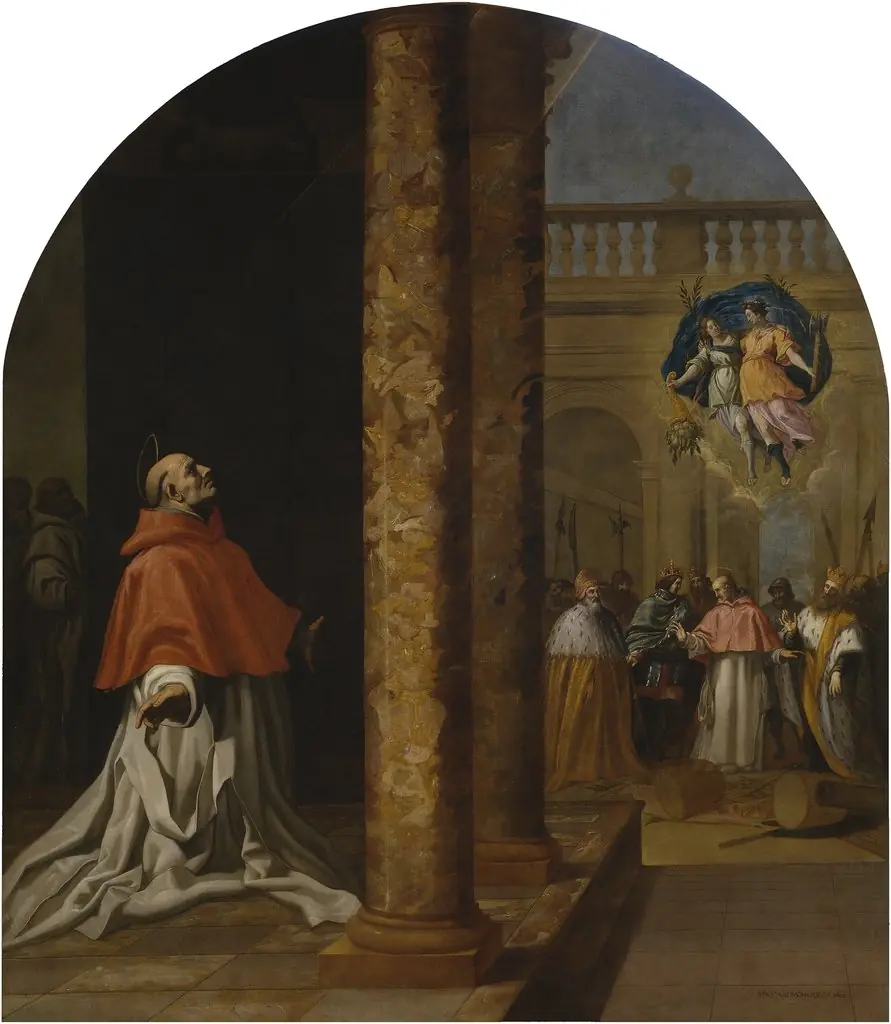 Recognition of the Carthusian Saint Cardinal Niccolò Albergati
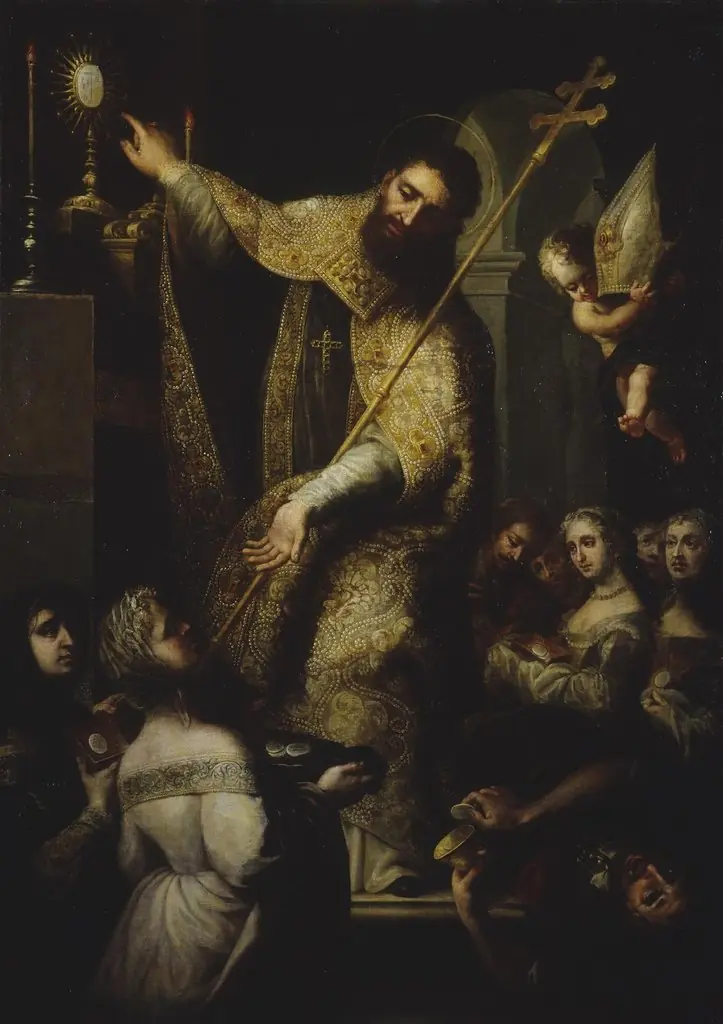 Triumph of St Norbert
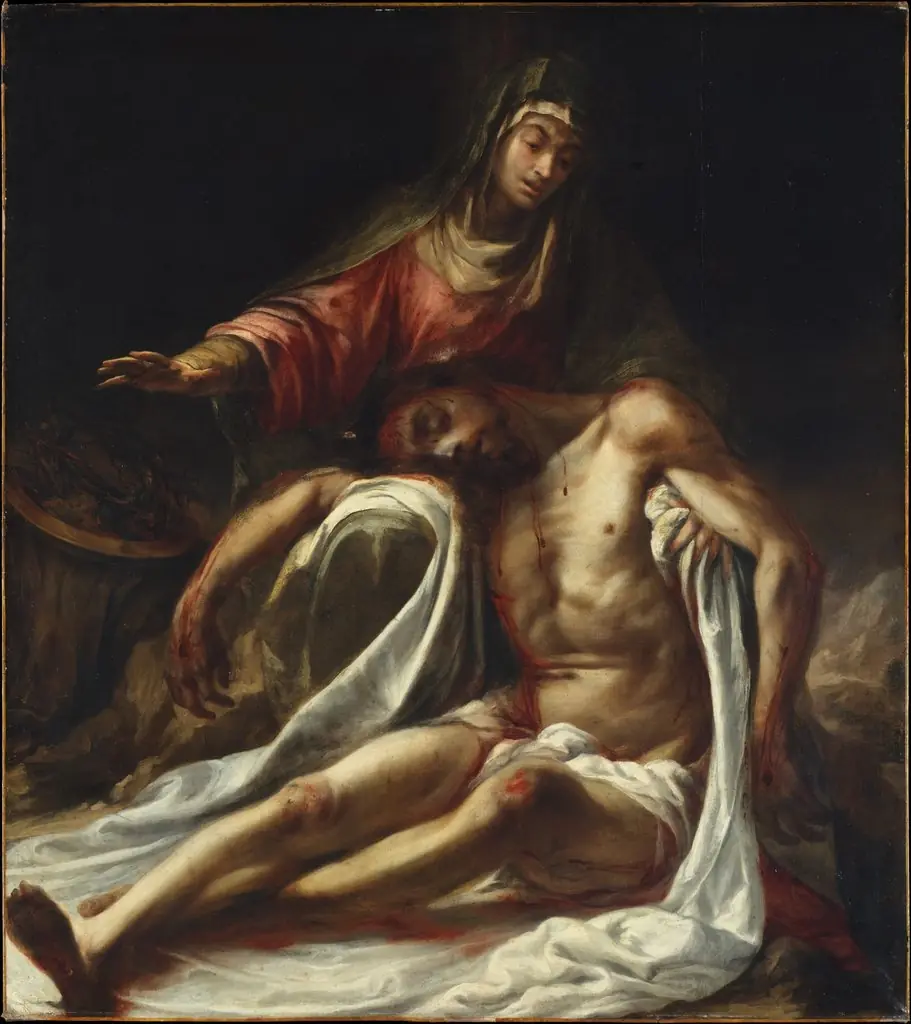 Pietà
Pietà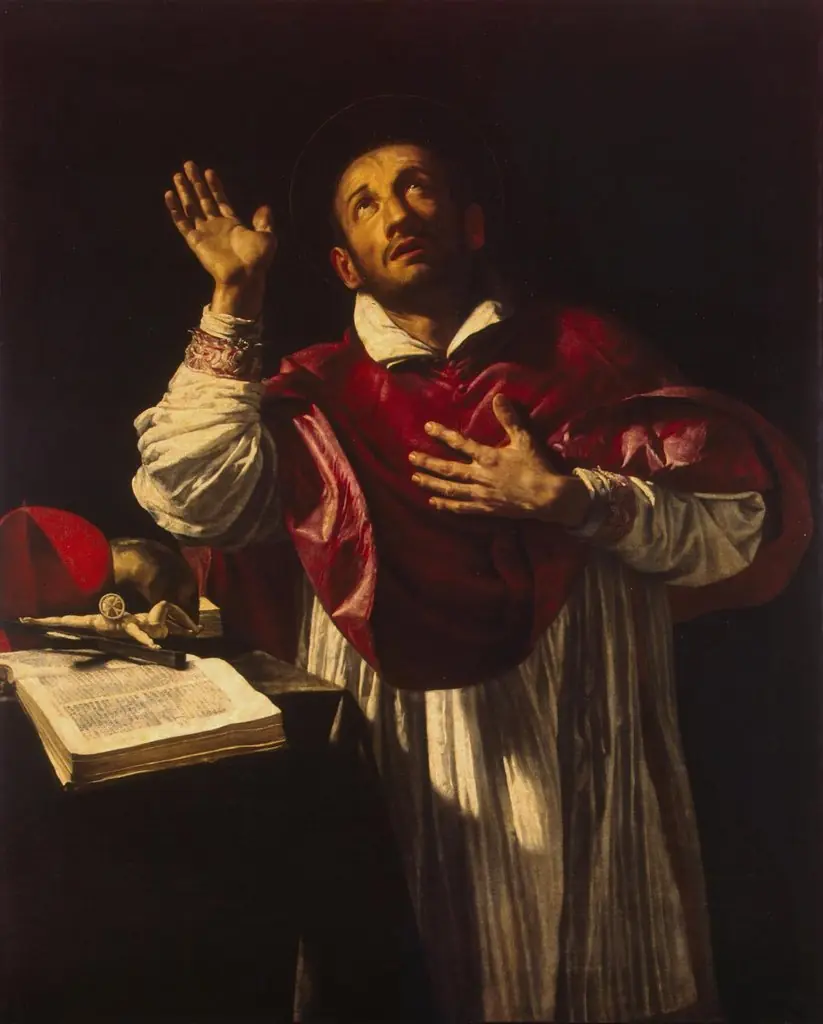 St Carlo Borromeo