Artwork
Das Innere des Baptisteriums von San Marco in Venedig
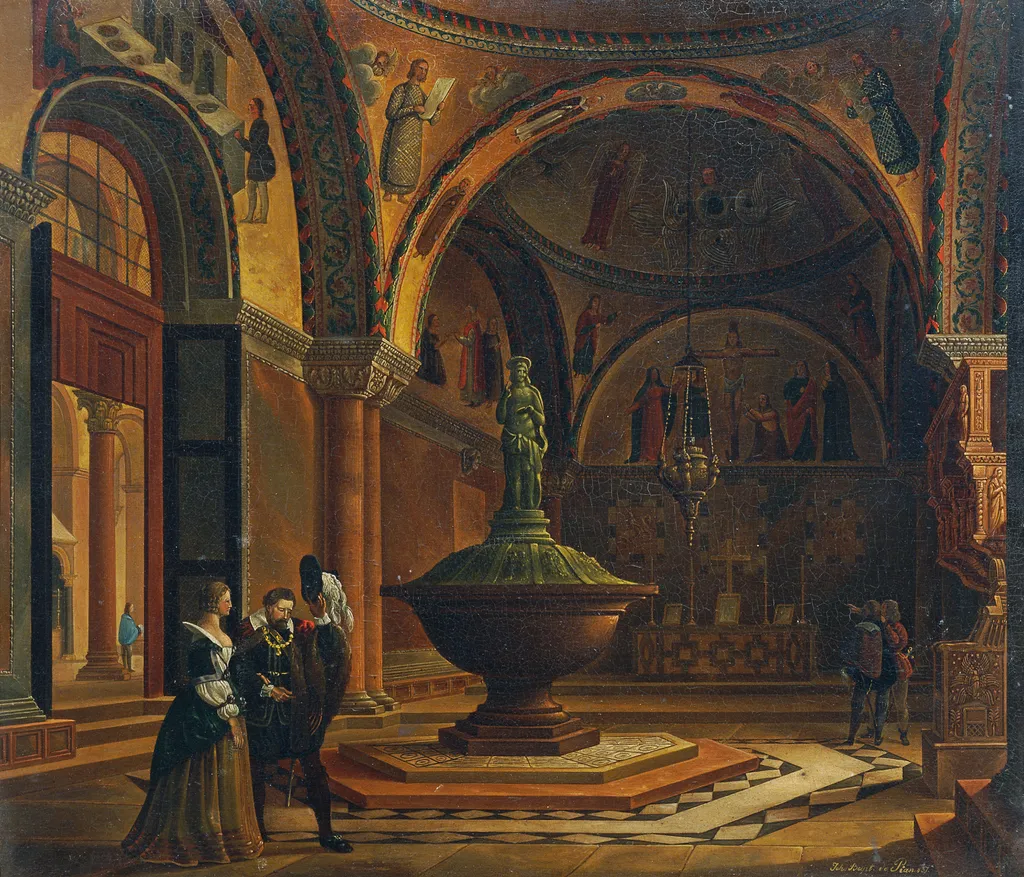
Das Innere des Baptisteriums von San Marco in Venedig is an oil painting by Giovanni Battista de Pian. It dates from 1837 and is held in the collection of the Kunsthistorisches Museum.
About this work
Overview
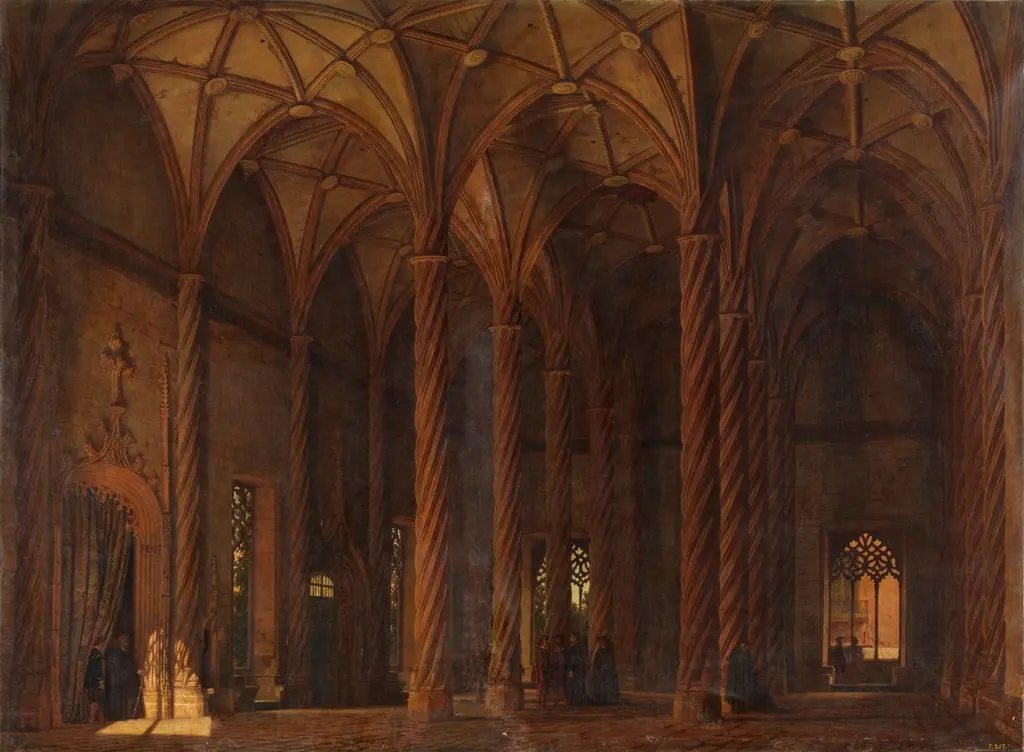
Giovanni Battista de Pian’s 1837 oil on canvas presents the interior of the Baptistery of San Marco in Venice. The composition captures the vaulted space bathed in subdued illumination, emphasizing architectural detail and a centrally placed statue. The work is part of the collection of the Kunsthistorisches Museum in Vienna.
Subject & Meaning
The painting focuses on a solemn ecclesiastical setting, with a robed figure perched on a pedestal at the heart of the nave. Surrounding the statue are a few figures dressed in period attire, suggesting a liturgical or ceremonial gathering. The arrangement highlights the spiritual centrality of the statue within the sacred space.
Technique & Style
De Pian employs a restrained palette and sharp chiaroscuro, allowing light to strike the statue and nearby figures while casting deep shadows across the arches and stonework. The precise rendering of architectural elements and the delicate treatment of the chandelier’s glow convey a realistic yet atmospheric approach typical of early‑19th‑century academic painting.
History & Provenance
Completed in 1837, the canvas entered the holdings of the Kunsthistorisches Museum, where it remains on display. Its acquisition reflects the museum’s 19th‑century interest in documenting European religious architecture through contemporary artistic lenses.
Context
The work belongs to a broader 19th‑century trend of interior church studies, wherein artists recorded historic sacred sites with an eye toward preservation and scholarly interest. By depicting San Marco’s Baptistery, de Pian contributes to the visual record of Venice’s architectural heritage during a period of growing tourism and antiquarianism.
Own this work as a print
Artist & collection
Artist
Giovanni Battista de Pian (1813–1857) was an artist, born in Vienna.

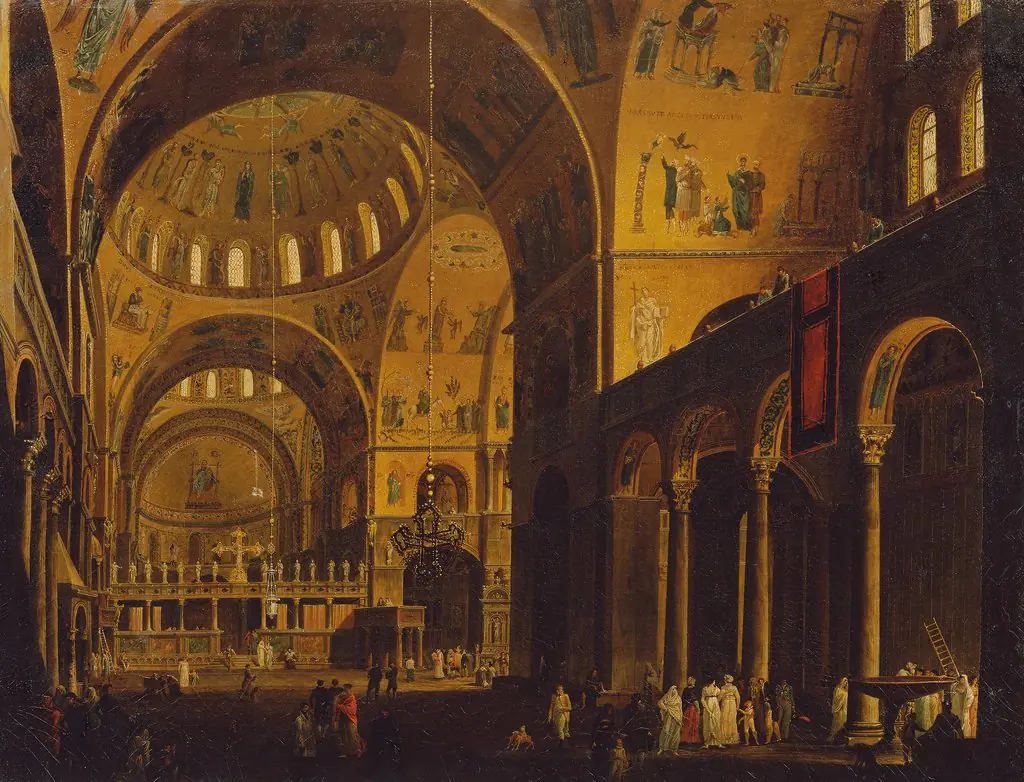 Das Innere von San Marco
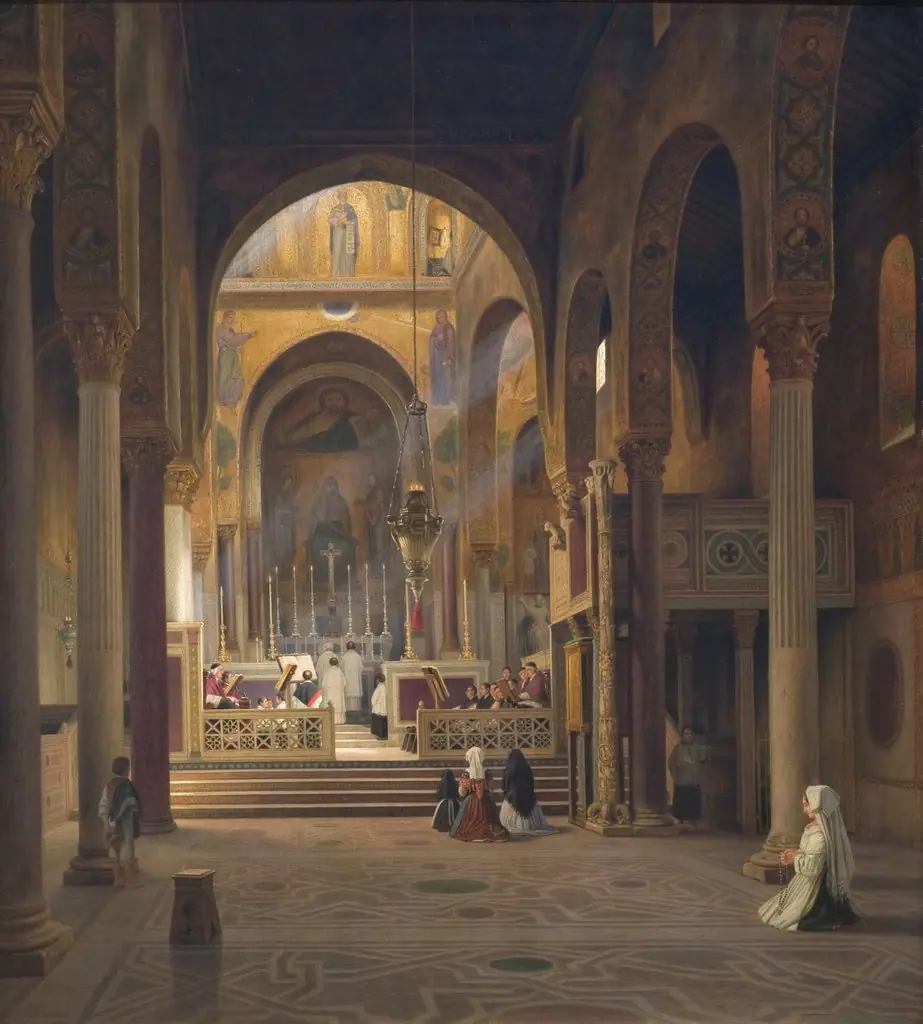 Interior of the Capella Palatina in Palermo, Italy
 Interior of the Capella Palatina in Palermo, Italy
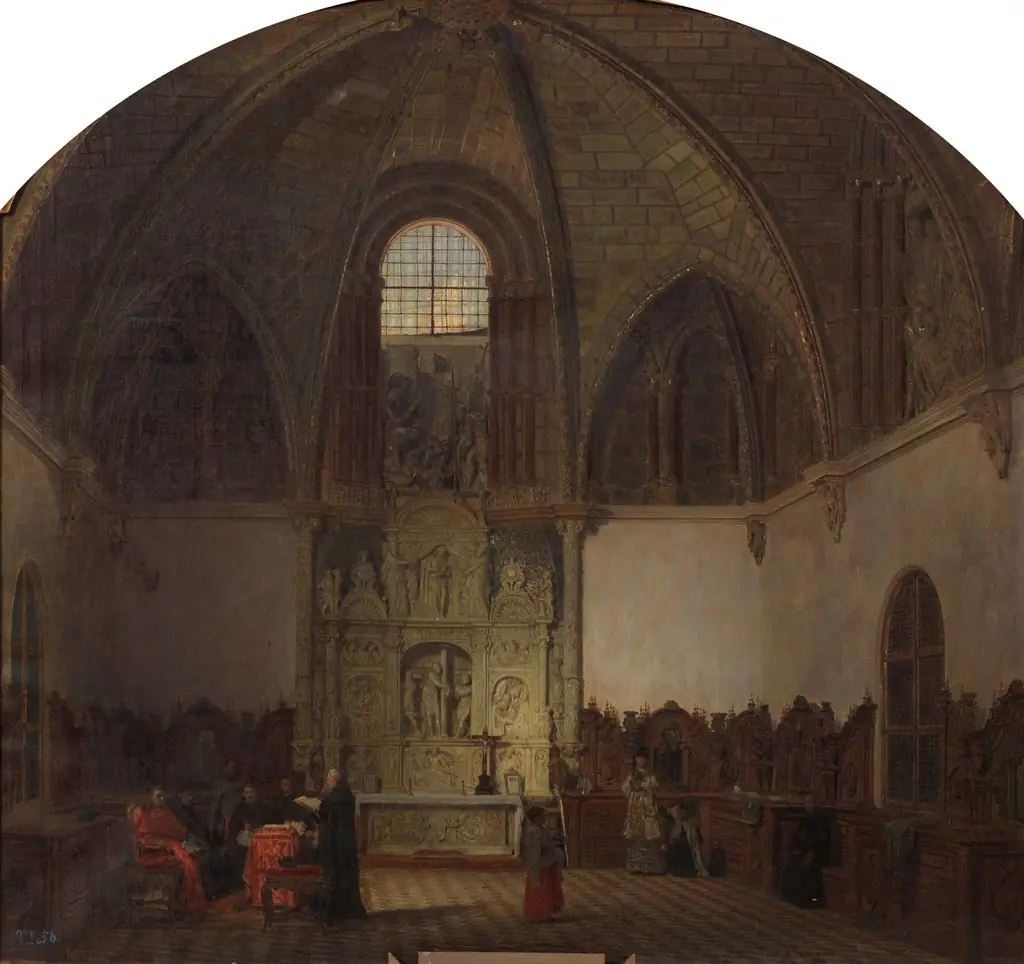 Interior de la capilla de San Bernardo donde se juramentaron los comuneros de Castilla (hoy sacristía mayor de la catedral de Ávila) en ocasión de celebrarse una conferencia por su obispo y cabildo
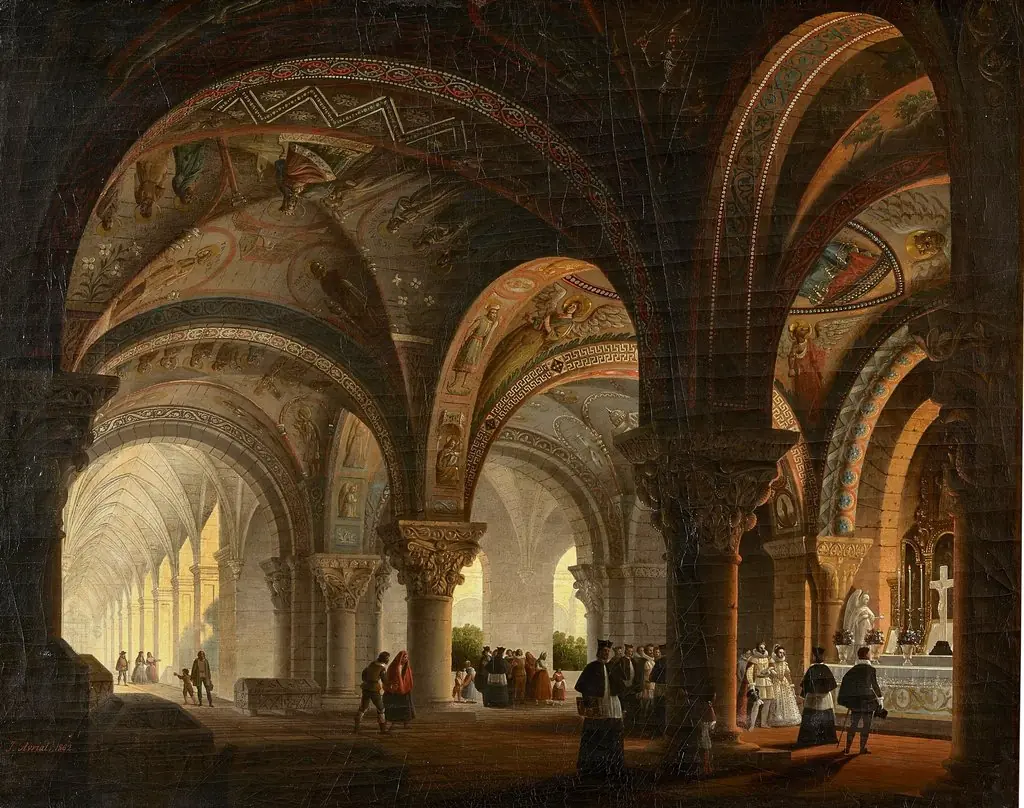 Panteón de los reyes de León
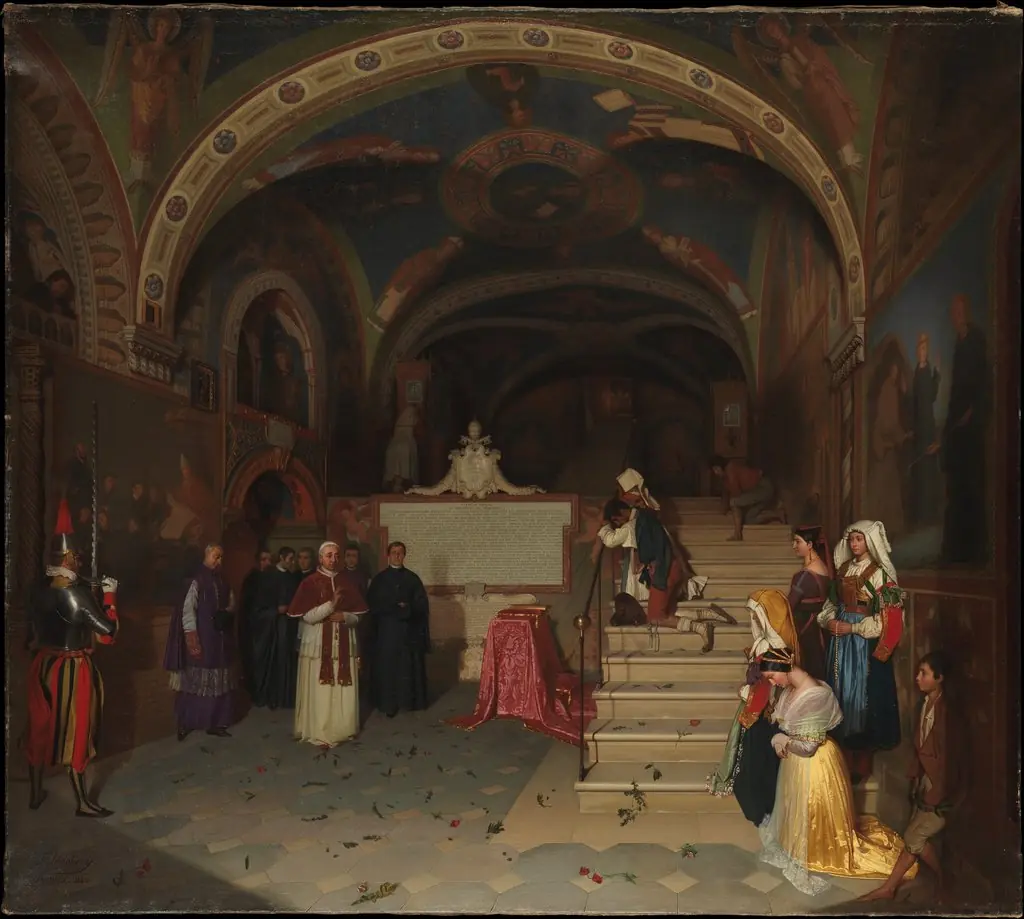 Pope Gregory XVI Visiting the Church of San Benedetto at Subiaco
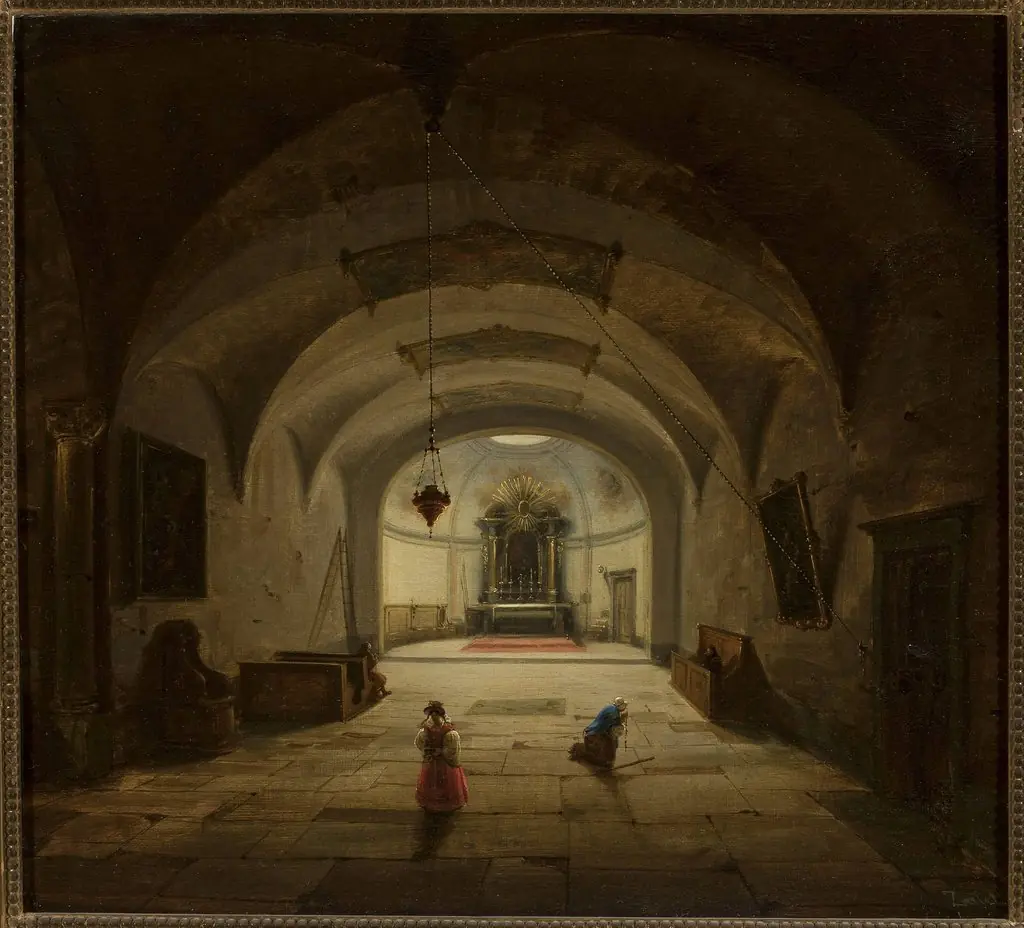 Interior of the subterranean chapel
 Das Innere der Tellskapelle am Vierwaldstättersee
 Interior of St. John’s Cathedral in Warsaw
 Interior of St. Mark's, Venice
 Interior of St. John’s church in Warsaw
 Vista de la Lonja de la Seda en Valencia