Artwork
Interior of St. John’s Cathedral in Warsaw
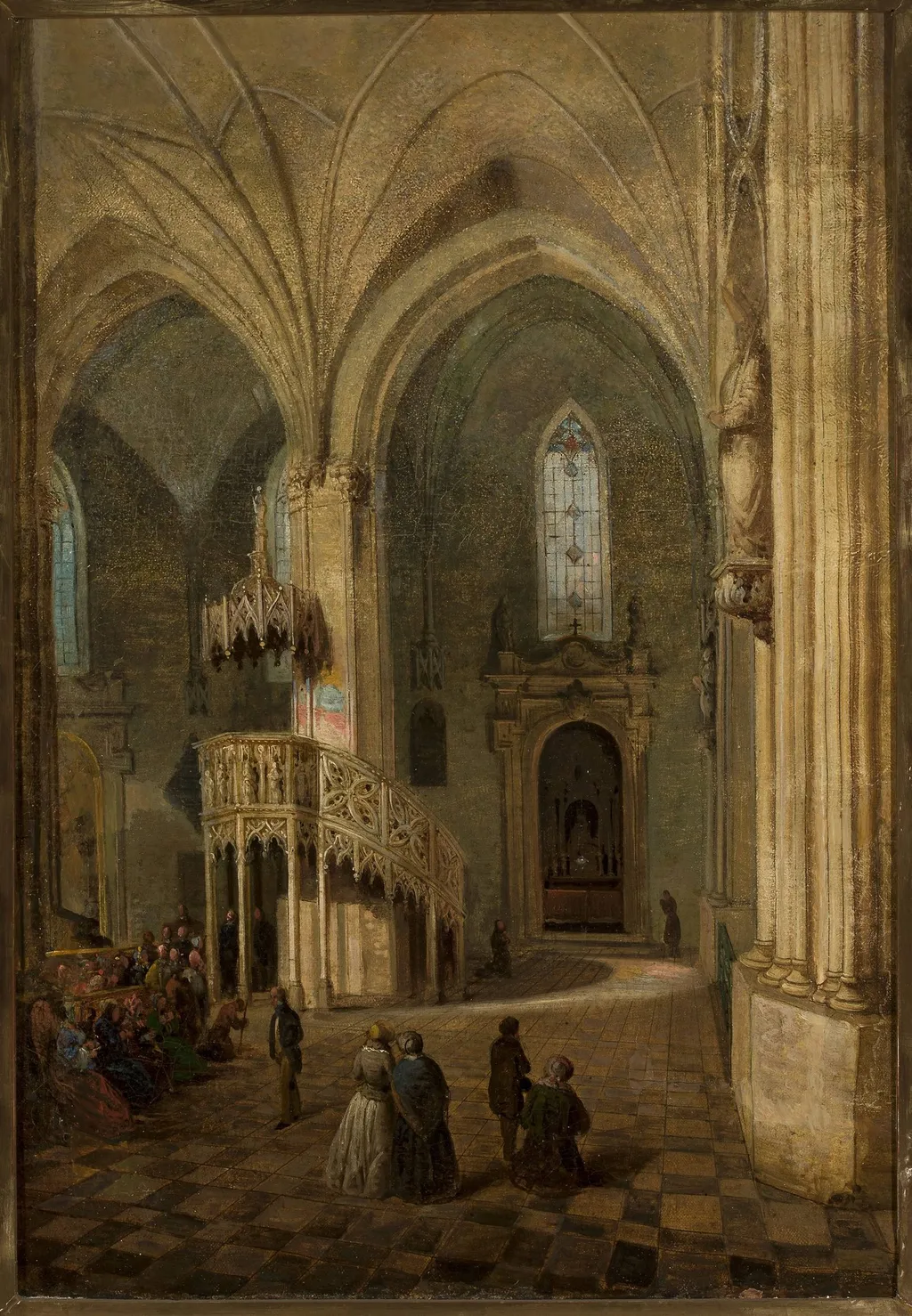
Interior of St. John’s Cathedral in Warsaw is an oil painting by Marcin Zaleski. It dates from 1846 and is held in the collection of the National Museum in Warsaw.
About this work
Overview
A prominent Polish vedutist of the Neoclassical era, Zaleski specialized in precise architectural views of major Polish cities.
Painted around 1846 by Marcin Zaleski, this oil work captures the interior of St. John’s Cathedral in Warsaw. A prominent Polish vedutist of the Neoclassical era, Zaleski specialized in precise architectural views of major Polish cities. The painting is held in the collection of the National Museum in Warsaw, reflecting its significance as a record of the city’s sacred spaces during the 19th century.
Subject & Meaning
The scene depicts worshippers within the cathedral’s vast nave, some standing, others kneeling in quiet devotion. The architecture dominates the composition, its soaring arches and stained-glass windows framing human figures as small, contemplative presences. The atmosphere conveys solemnity rather than ceremony, emphasizing personal reflection within a monumental sacred space.
Technique & Style
Zaleski employed careful linear perspective and restrained tonal gradations to render the cathedral’s spatial depth. Light streams through high windows, illuminating stone carvings and wooden furnishings without dramatic contrasts. The brushwork is precise but not overly theatrical, favoring clarity and structural accuracy over emotional intensity, consistent with Neoclassical ideals of order and restraint.
History & Provenance
Created during a period of Polish cultural preservation under foreign partition, the painting documents a key religious site in Warsaw’s urban landscape. It entered the National Museum’s collection in the 19th century and has remained there since, serving as both an artistic record and a testament to the endurance of national identity through sacred architecture.
Context
Zaleski’s work emerged amid a broader movement to document Poland’s architectural heritage as political autonomy waned. His vedute paintings of churches, squares, and streets offered visual continuity for a nation without statehood. This interior view aligns with contemporaneous efforts to preserve memory through topographical accuracy and dignified representation.
Legacy
The painting stands as a representative example of 19th-century Polish veduta, influencing later artists who sought to record urban and religious spaces with documentary fidelity. While not widely known internationally, it remains a key reference in Polish art history for its quiet precision and its role in sustaining cultural memory during a time of national fragmentation.
Artist & collection
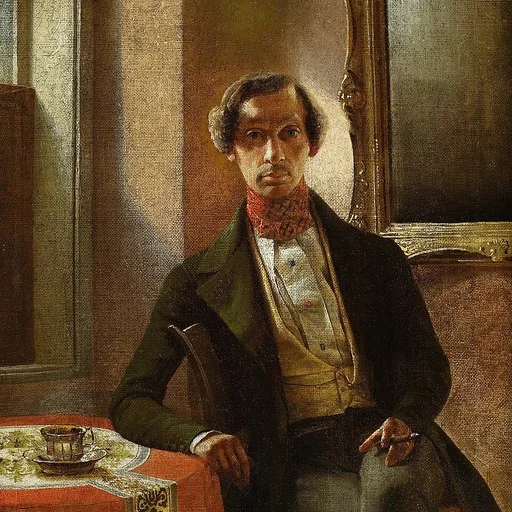
Artist
Marcin Zaleski (1796 – 16 September 1877) was a Polish painter, a representative of Neoclassicism, considered the greatest Polish vedutist of the 19th century. He mostly painted the cityscapes of Warsaw, Kraków and Wilno.

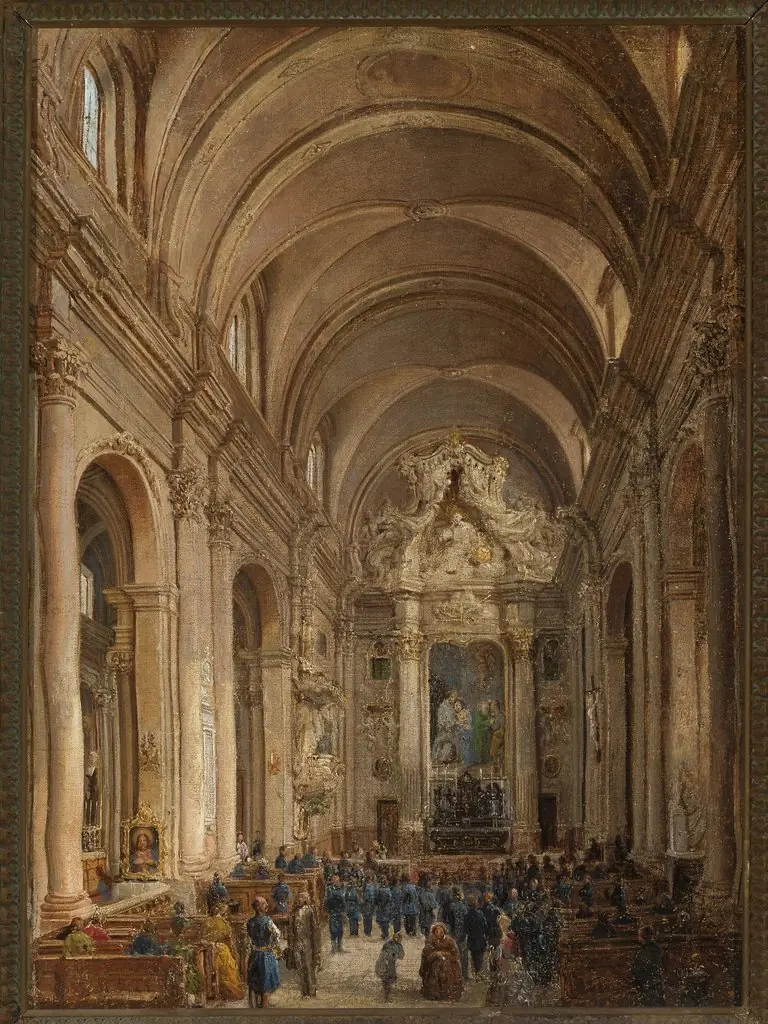 Church of the Nuns of the Visitation in Warsaw
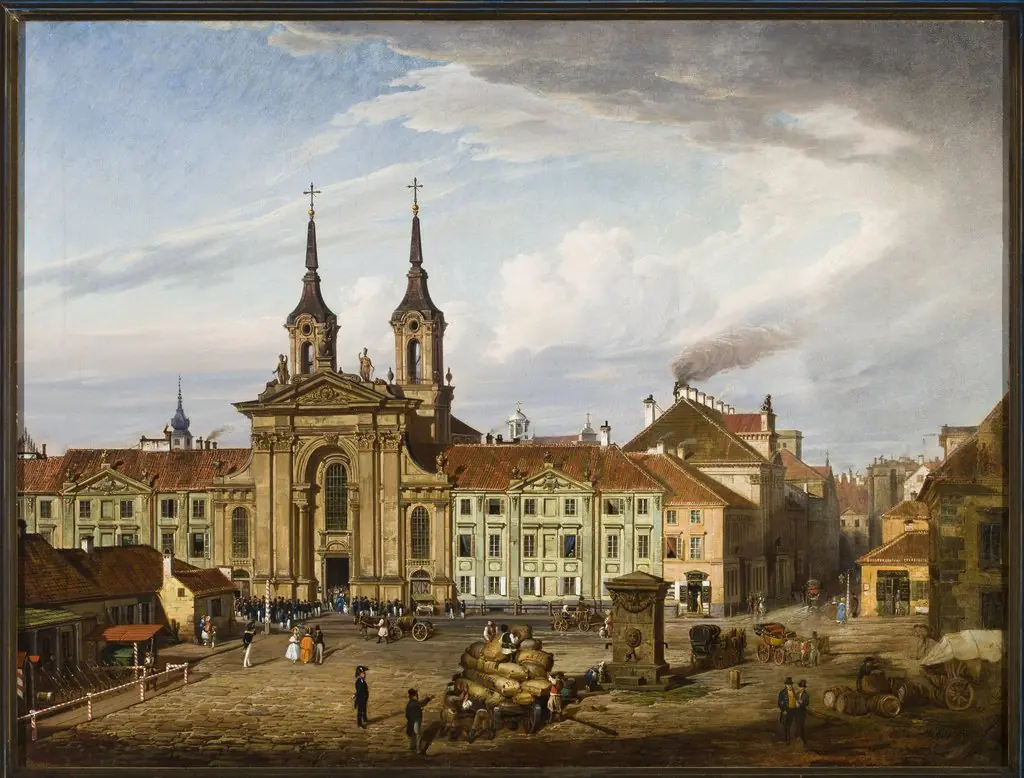 Krasiński Square and the Piarist church
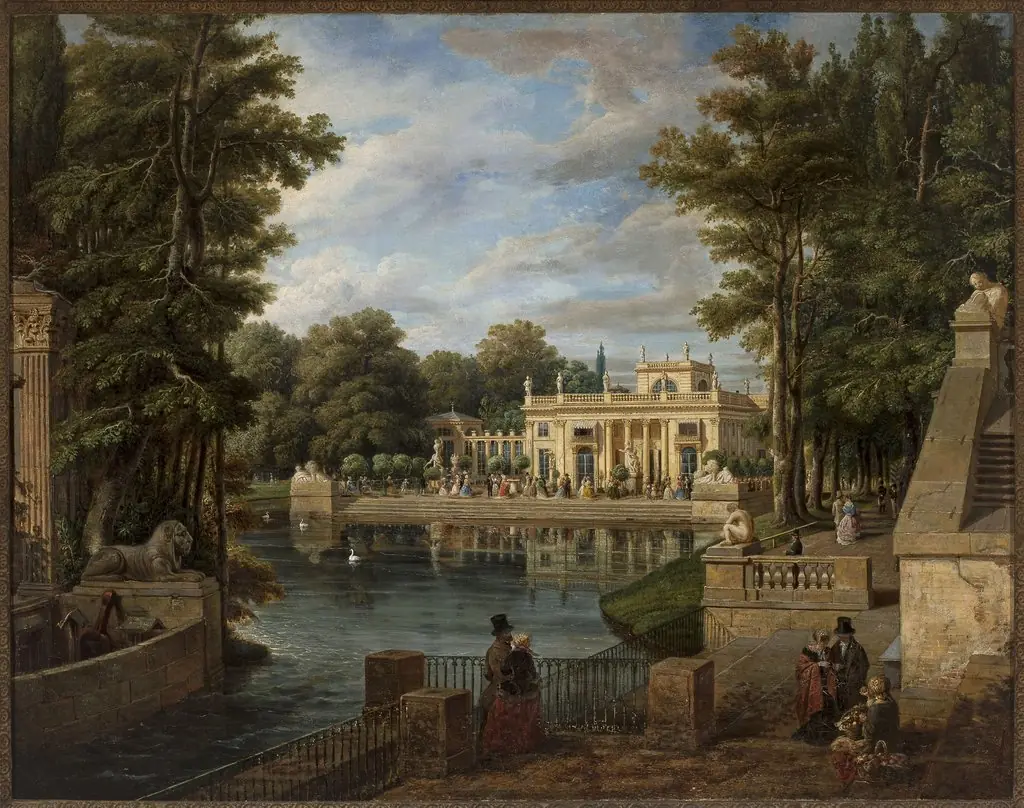 View of the Łazienki Palace in summer
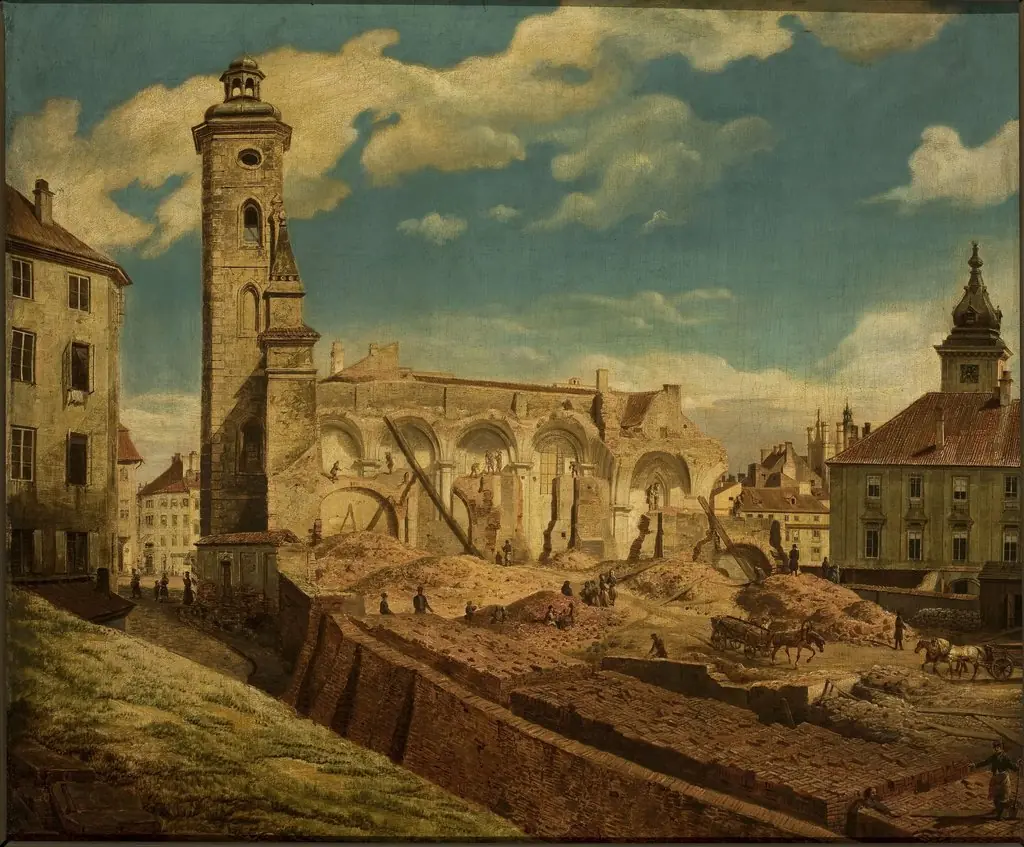 Demoliition of the church of the Bernardine Sisters in Warsaw
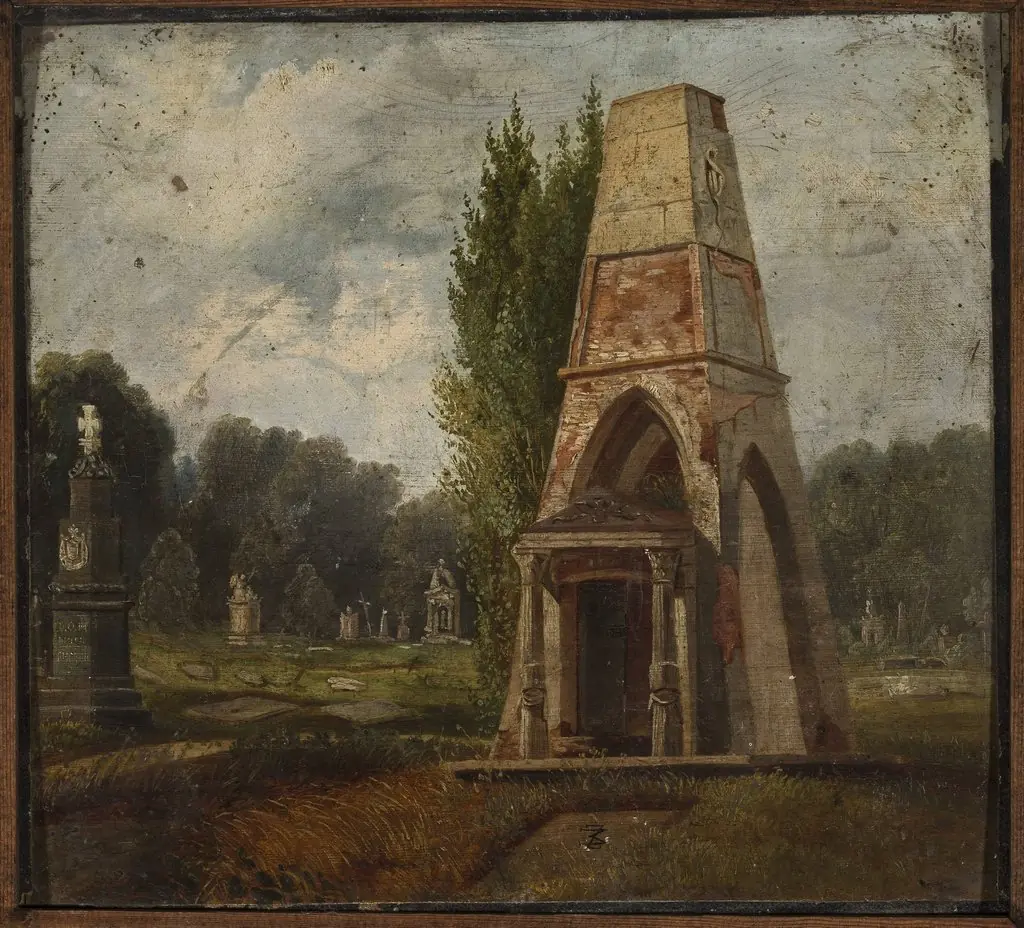 Kochanowski tomb at the Powązki cemetery
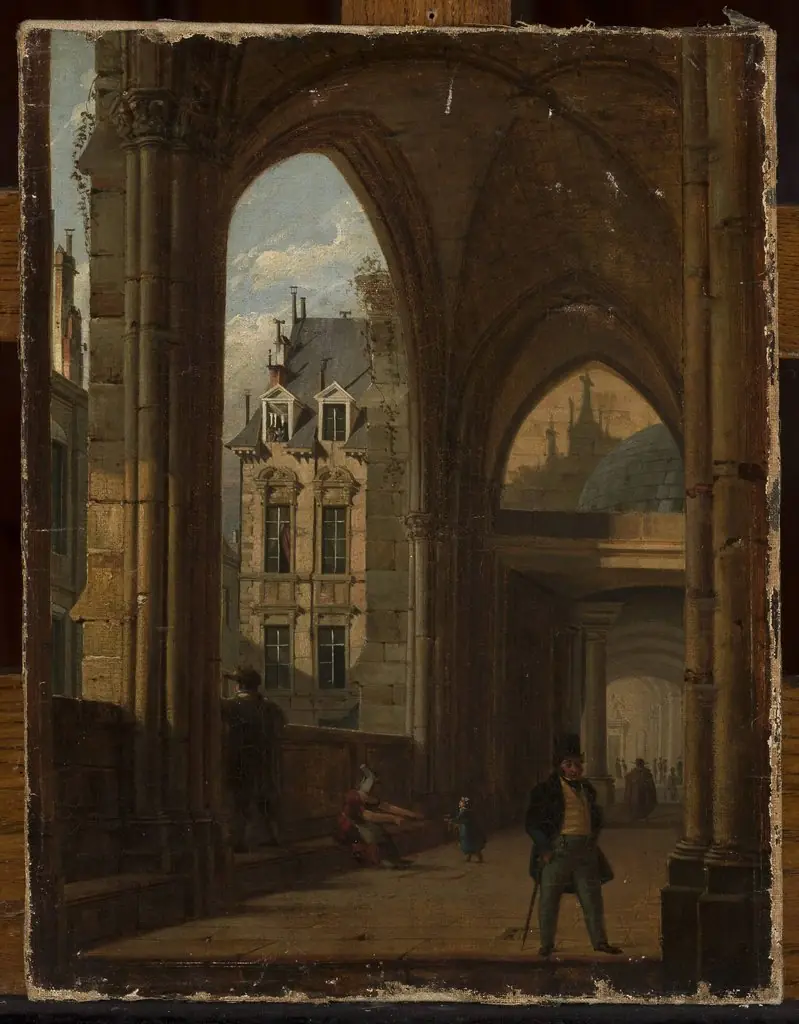 Arcades with the view of the city
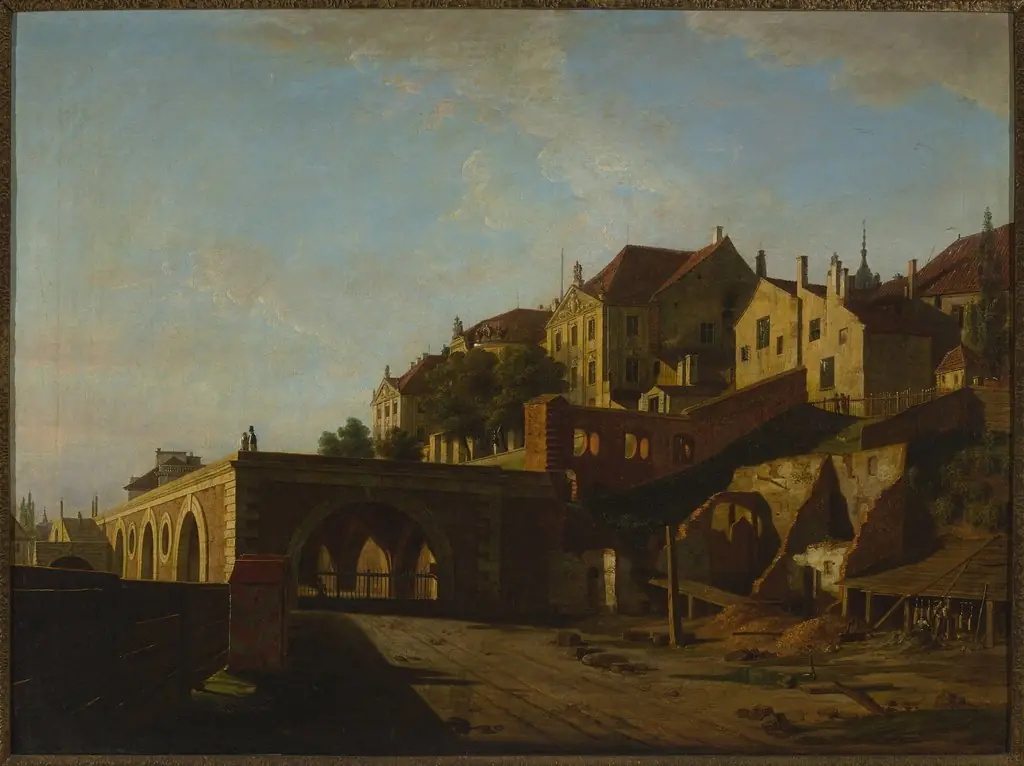 View of the castle from the north
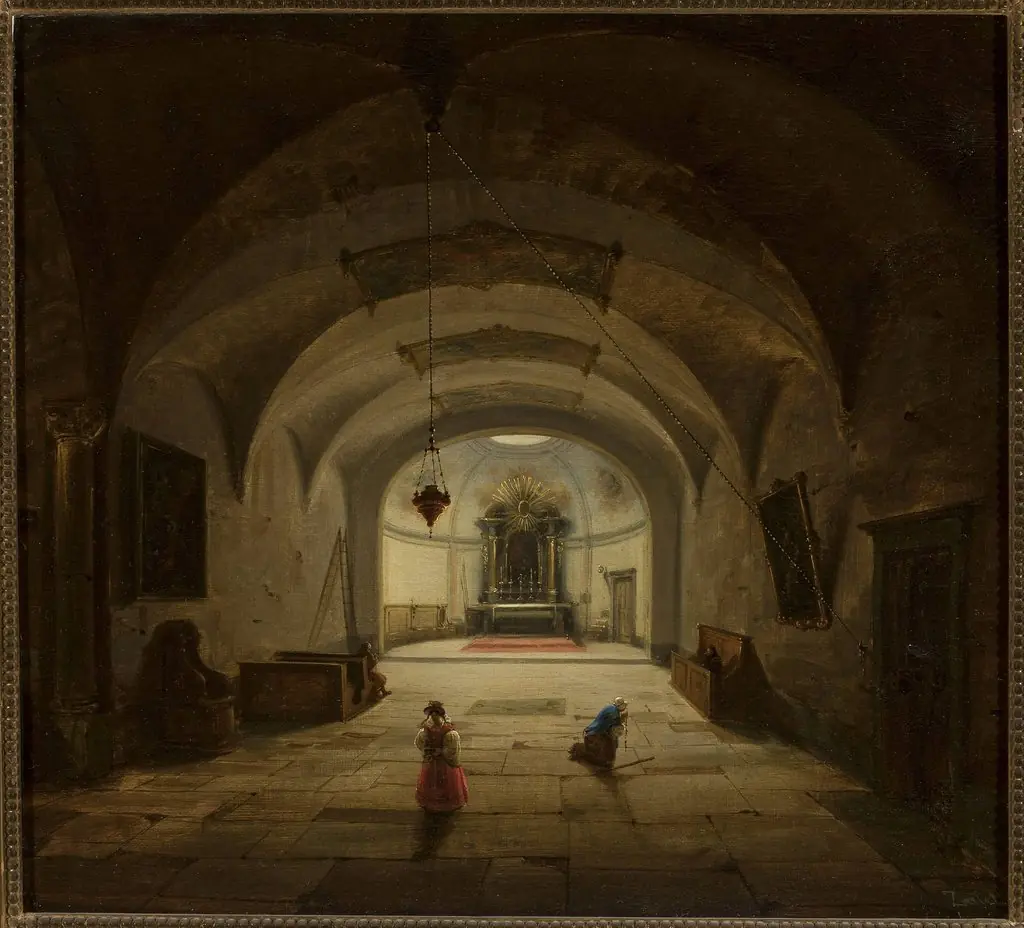 Interior of the subterranean chapel
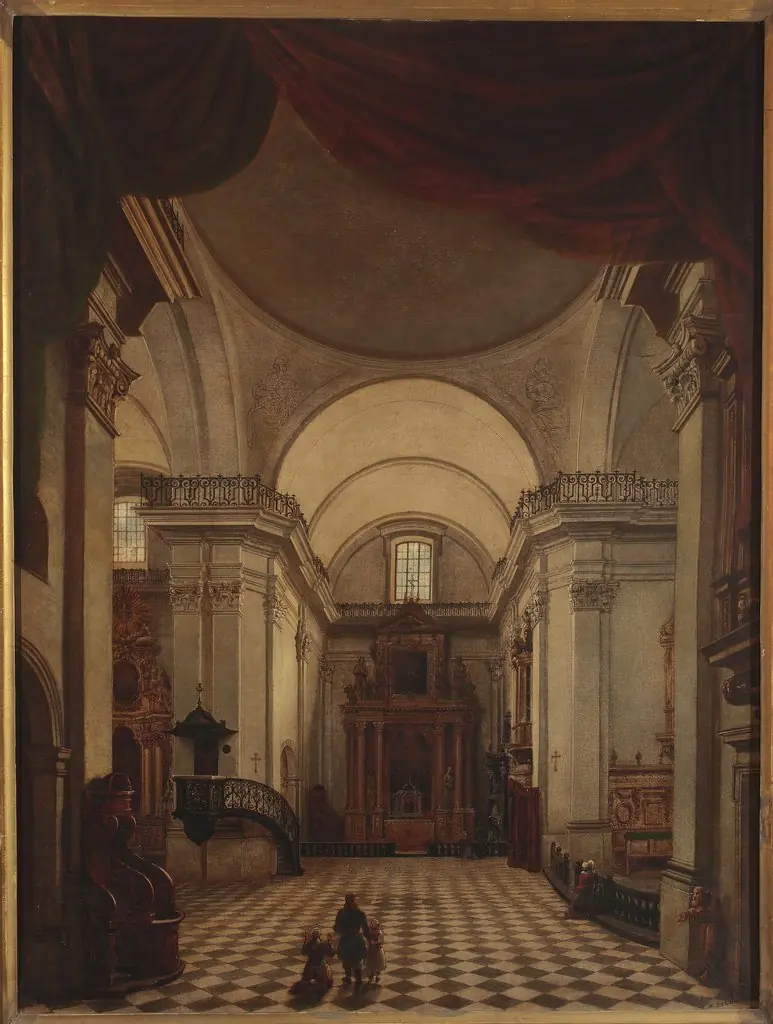 Interior of the Holy Cross Church in Warsaw
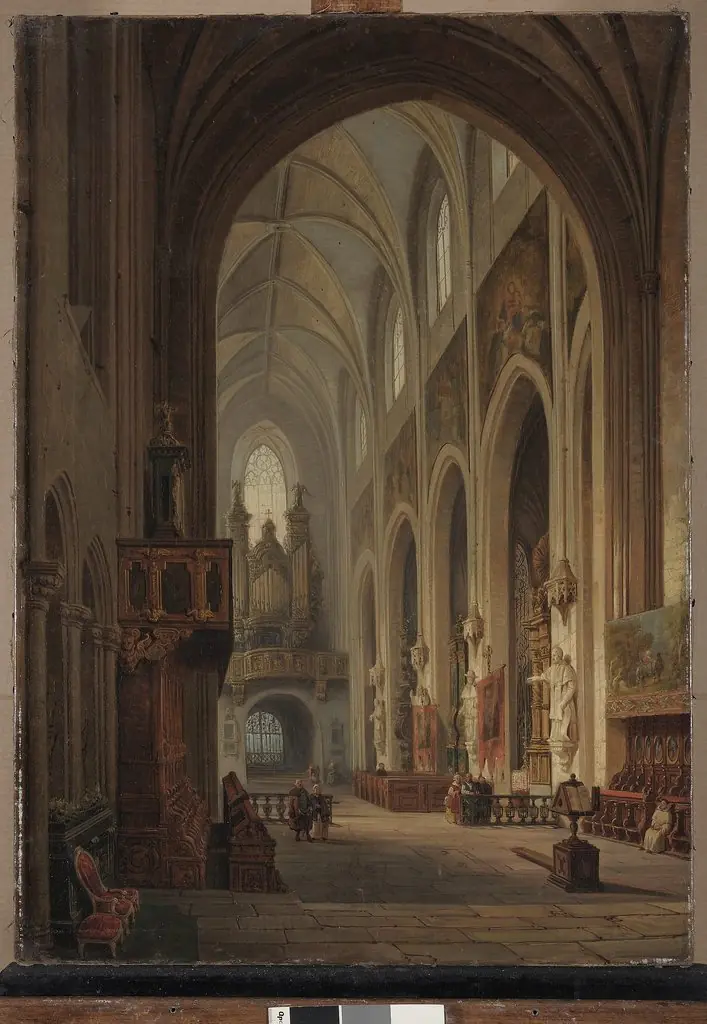 Interior of the Dominican Church in Kraków
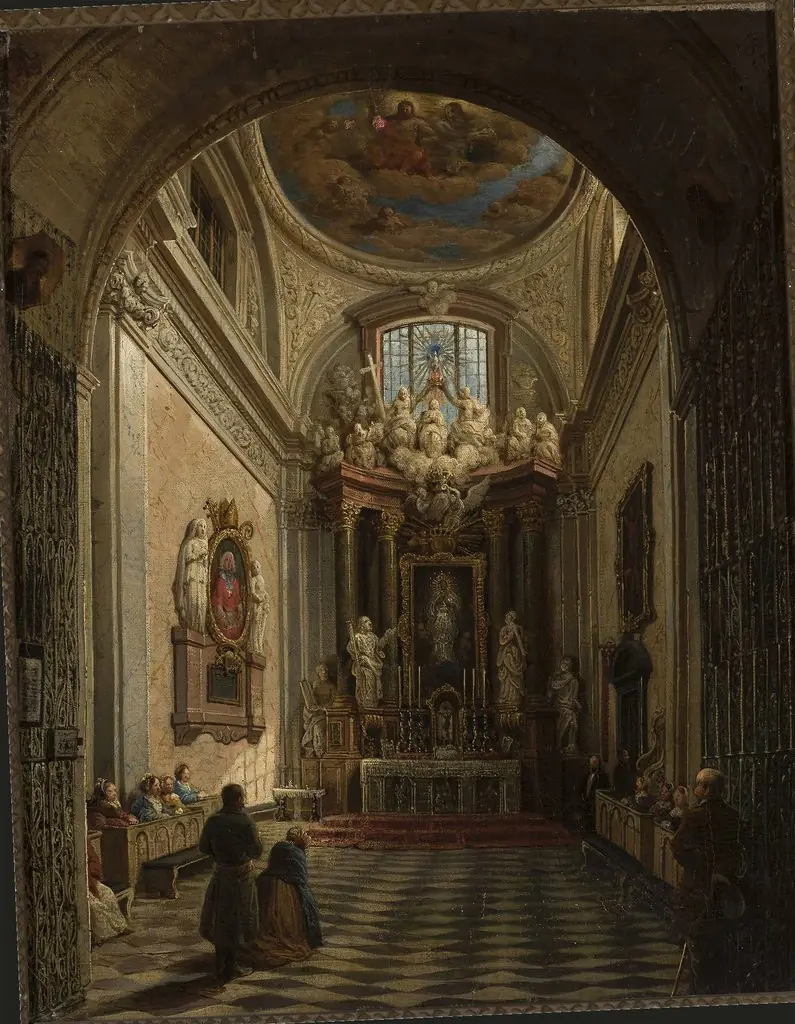 Literary Chapel in St. John’s Cathedral in Warsaw
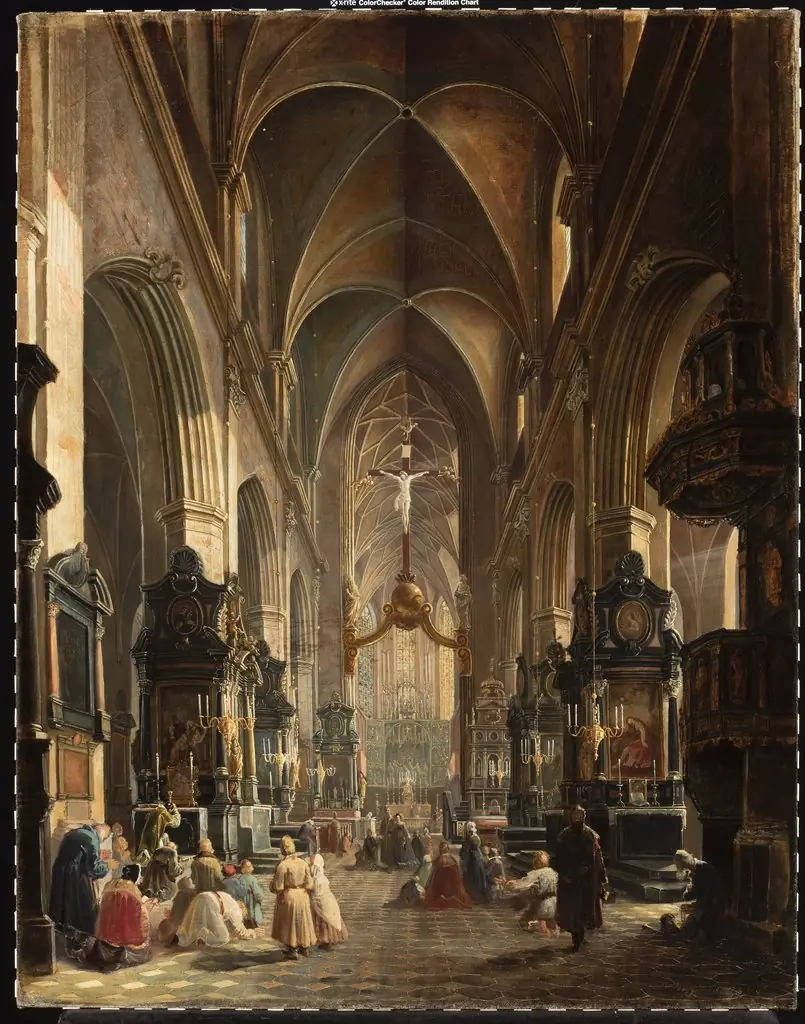 Interior of the Church of Virgin Mary in Kraków
 Interior of Milan Cathedral
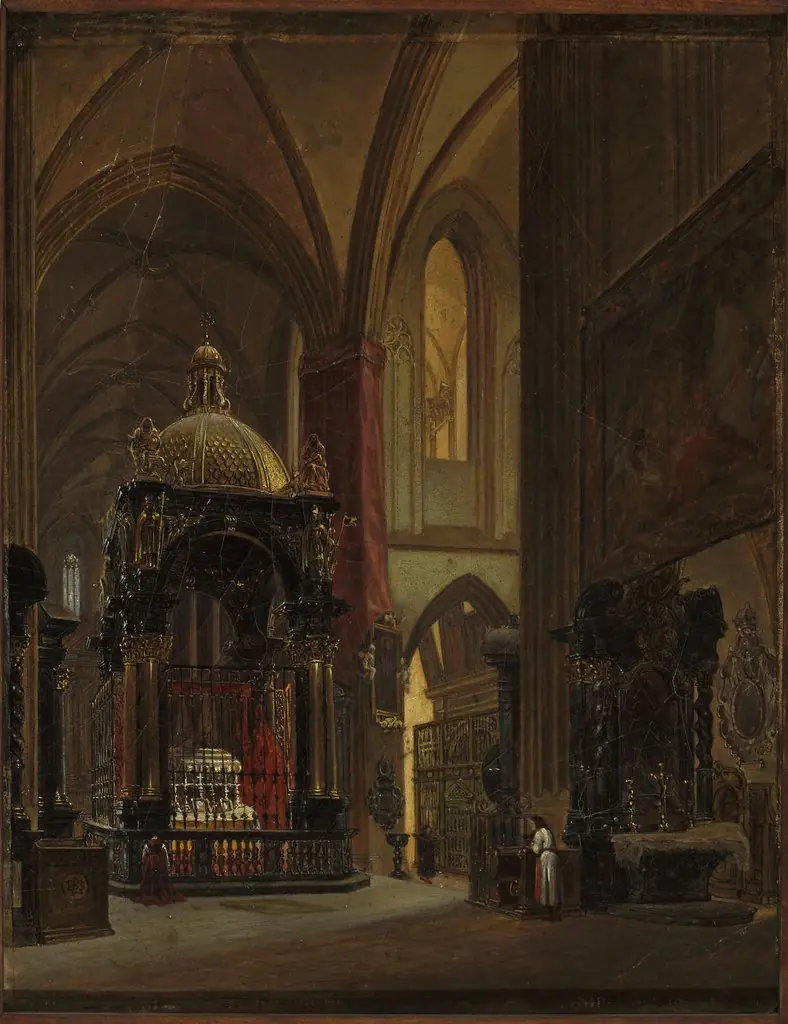 Interior of the Wawel Cathedral
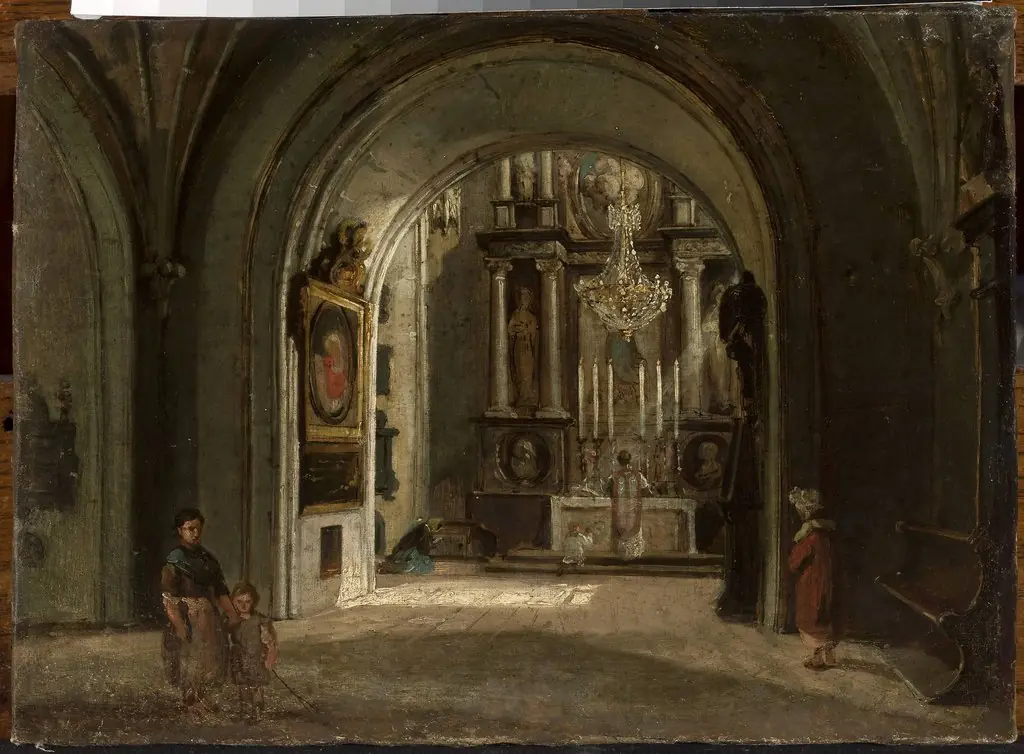 Interior of St. John’s church in Warsaw
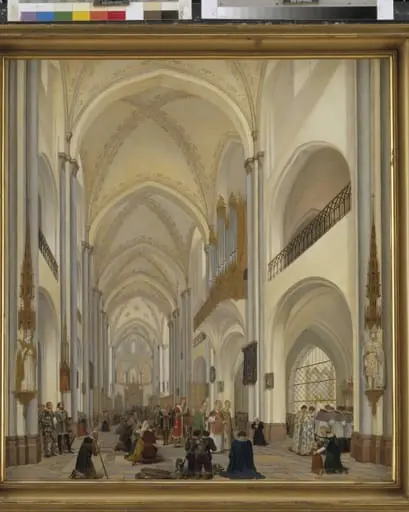 The Interior of Roskilde Cathedral
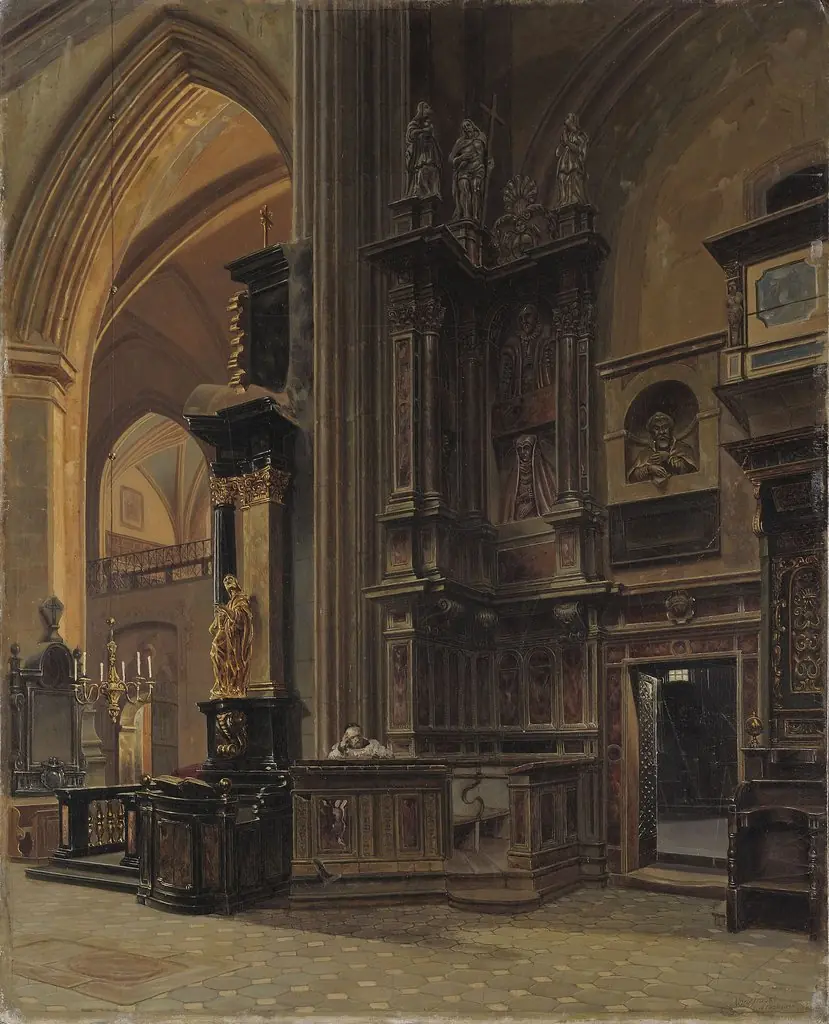 Interior of Saint Mary’s Basilica in Kraków
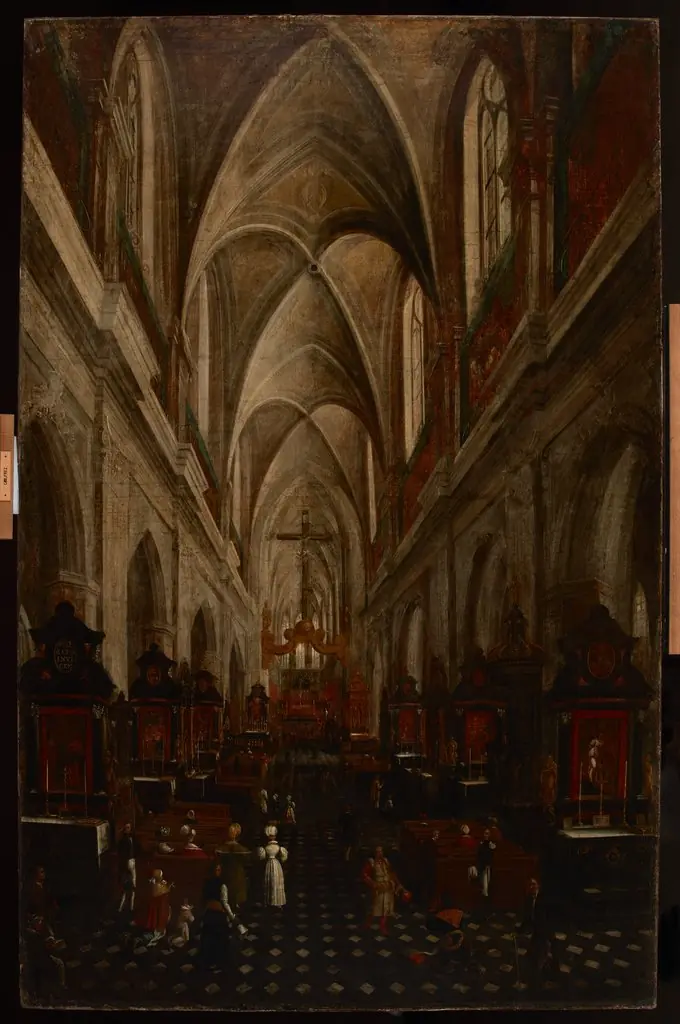 Interior of St Mary's Church in Krakow
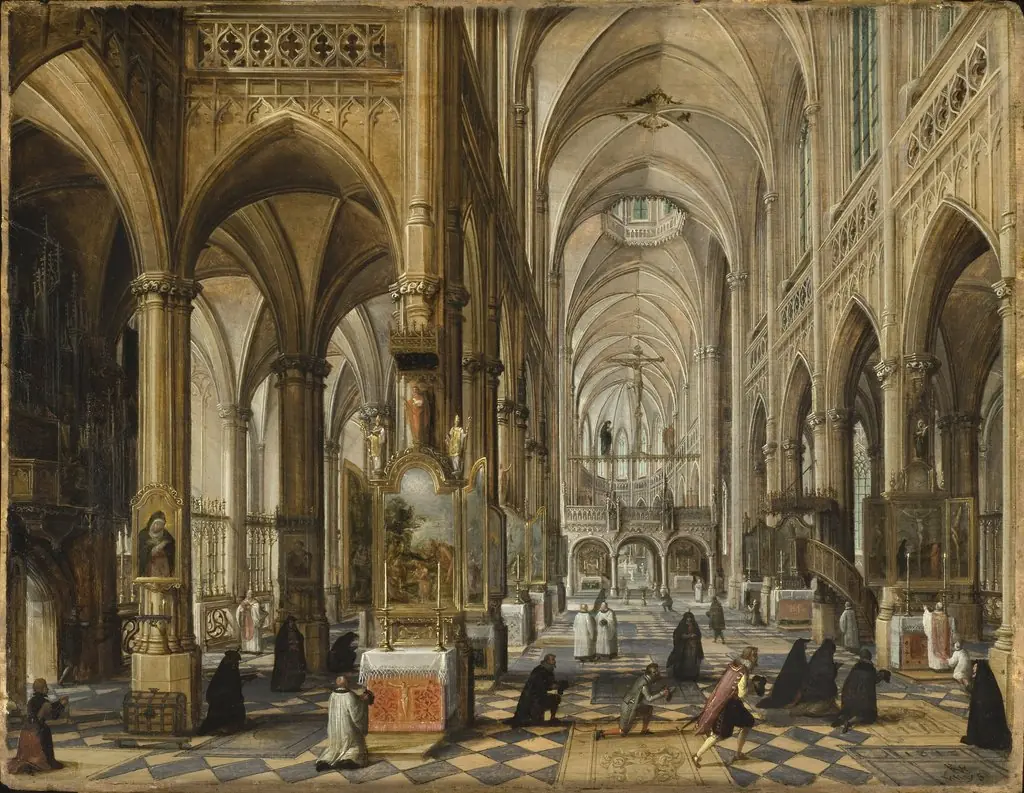 Interior of a Gothic Cathedral