Artwork
Panteón de los reyes de León
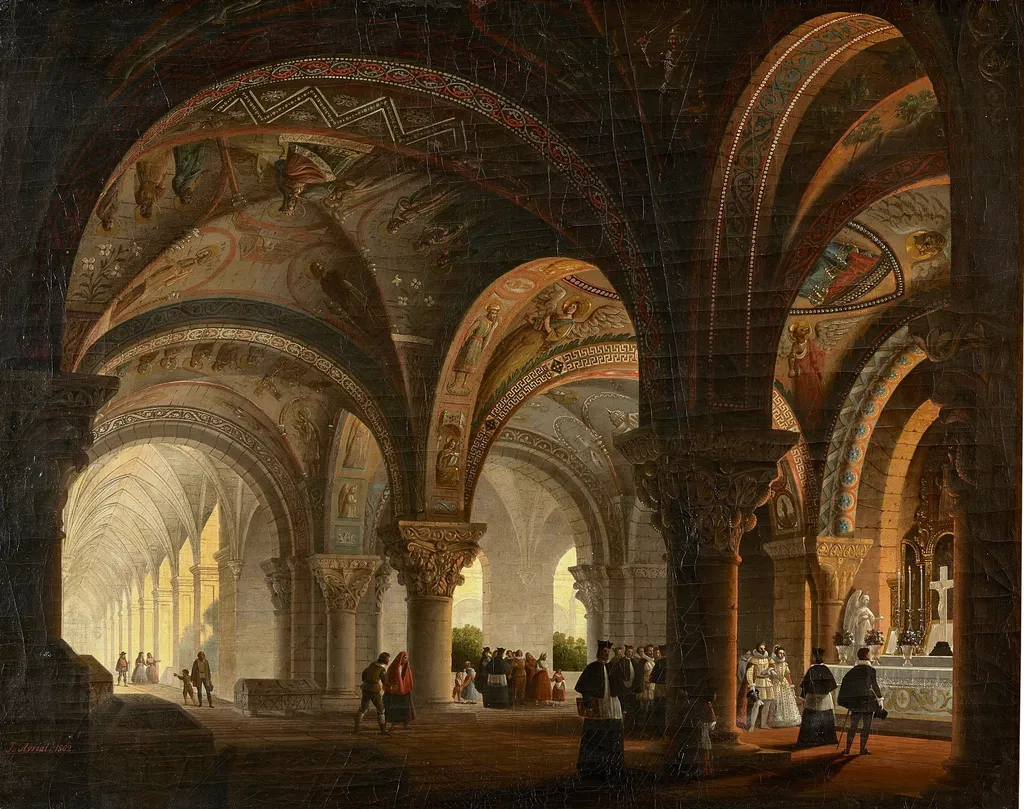
Panteón de los reyes de León is an oil painting by the Realist artist José María Avrial y Flores. It dates from 1862 and is held in the collection of the Museo del Prado.
About this work
Overview
The painting serves as a visual record of a site of royal burial and national memory, rendered with attention to architectural detail and atmospheric stillness.
Painted in 1862 by José María Avrial y Flores, this oil work depicts an interior space identified as the Pantheon of the Kings of León. The composition captures a solemn, dimly lit chamber with vaulted ceilings and stone architecture, populated by figures in historical attire. The painting serves as a visual record of a site of royal burial and national memory, rendered with attention to architectural detail and atmospheric stillness.
Subject & Meaning
The scene represents the Pantheon of the Kings of León, a burial site for medieval monarchs of the Kingdom of León. The figures, dressed in 19th-century interpretations of historical garb, are arranged in contemplative poses, suggesting ritual or mourning. The painting does not depict specific individuals but evokes the weight of lineage and the enduring presence of royal legacy within sacred architecture.
Technique & Style
Avrial y Flores employed a muted palette and controlled lighting to emphasize the somber mood of the interior. The brushwork is precise in rendering architectural elements—arches, columns, and ornamental stonework—while the human figures are rendered with soft edges, blending into the ambient gloom. The composition draws the eye toward the distant altar, reinforcing the spiritual gravity of the space.
History & Provenance
Completed in 1862, the painting entered the collection of the Museo del Prado shortly after its creation. It was likely commissioned or acquired as part of a broader 19th-century effort to document Spain’s historical monuments and royal heritage. Its presence in the museum reflects institutional interest in national identity through visual representation of sacred and royal sites.
Context
In mid-19th-century Spain, there was a resurgence of interest in medieval history and architecture, fueled by Romanticism and nationalist sentiment. Avrial y Flores, known for historical and architectural subjects, contributed to this trend by portraying sites tied to Spain’s early kingdoms. The painting aligns with efforts to preserve cultural memory amid political upheaval and modernization.
Legacy
The work remains a documented reference for the visual interpretation of the Pantheon of the Kings of León during the 19th century. While not widely exhibited, it contributes to the museum’s collection of historical interiors and offers insight into how Spanish artists of the period engaged with national heritage through controlled, reverent composition.
Own this work as a print
Artist & collection
Artist
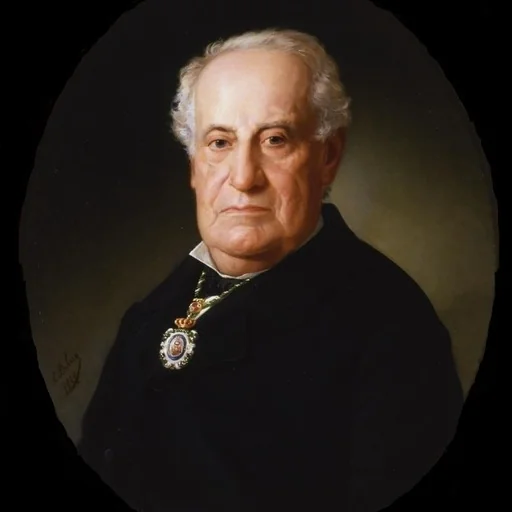
José María Avrial y Flores (1807–1891) was an artist, born in Madrid.

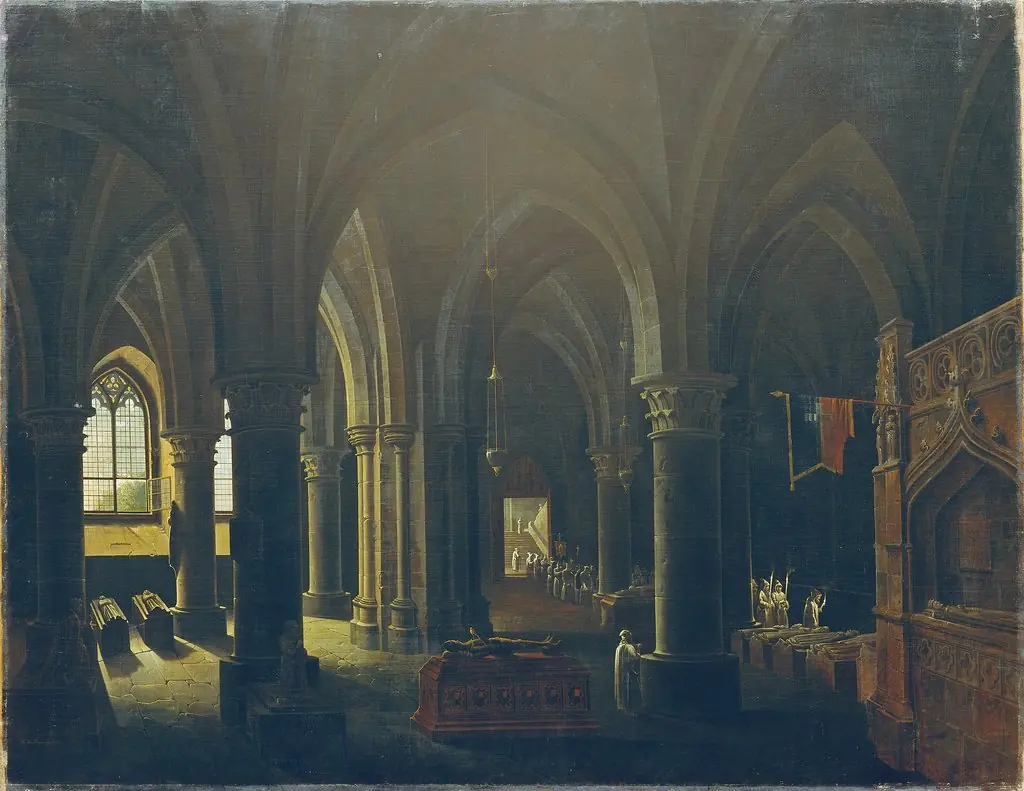 Gotisches Gruftgewölbe
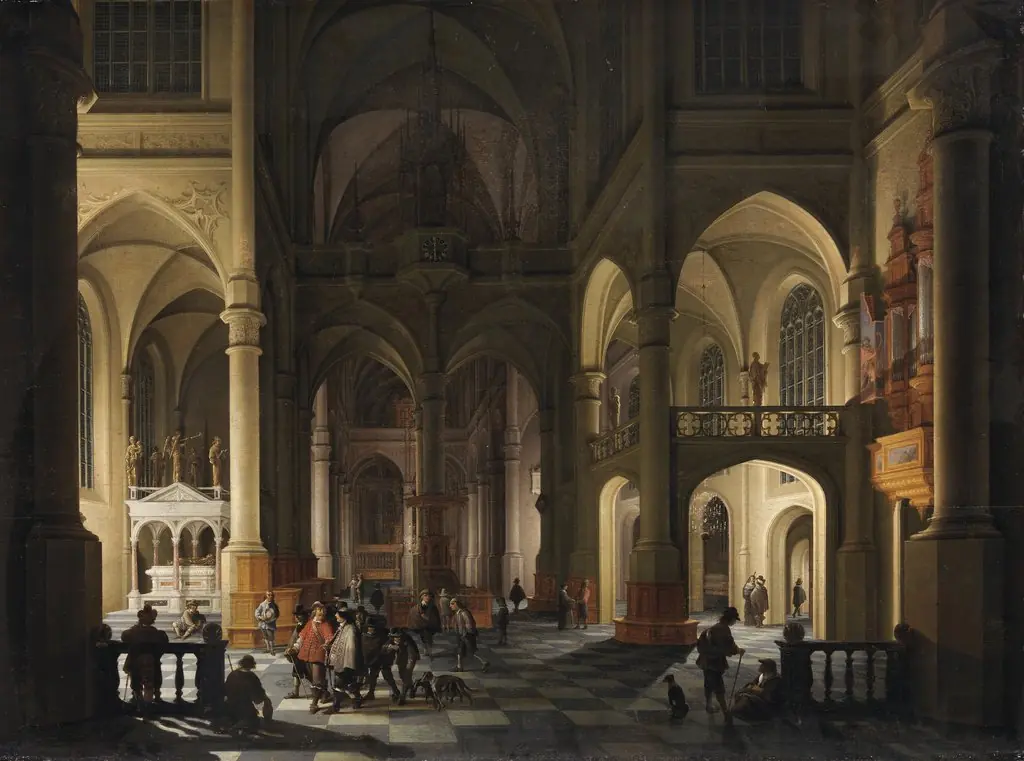 An Interior of a Church
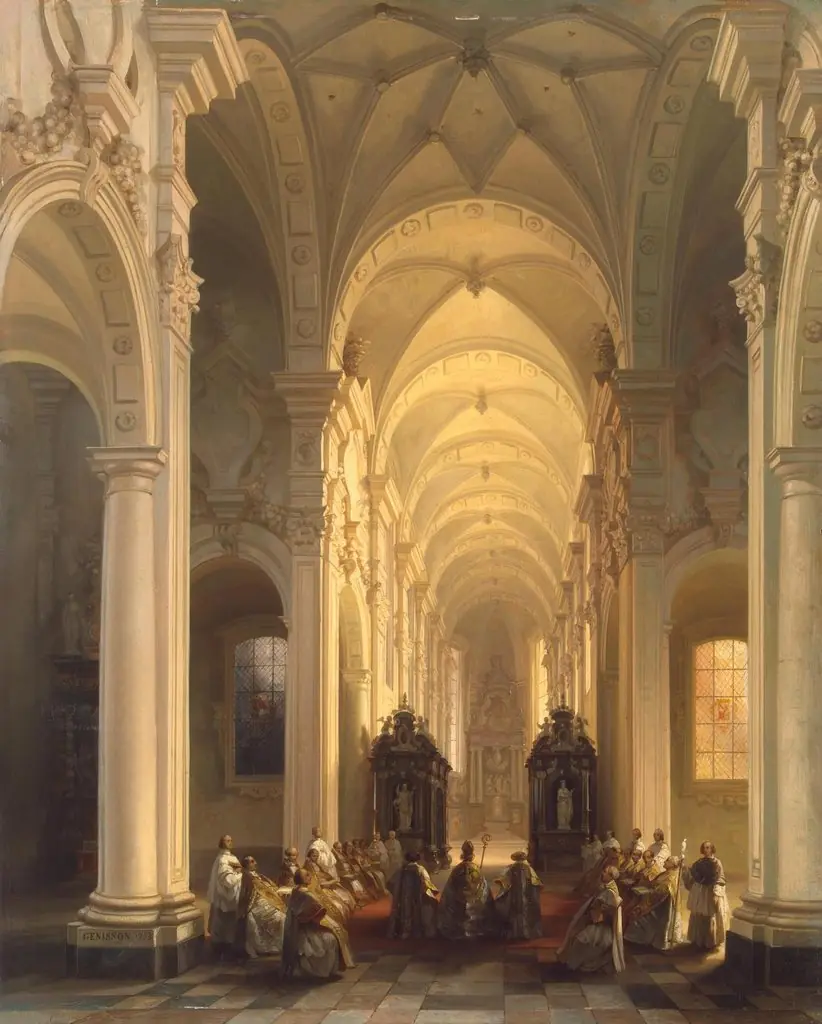 Interior of a Church in Averbode
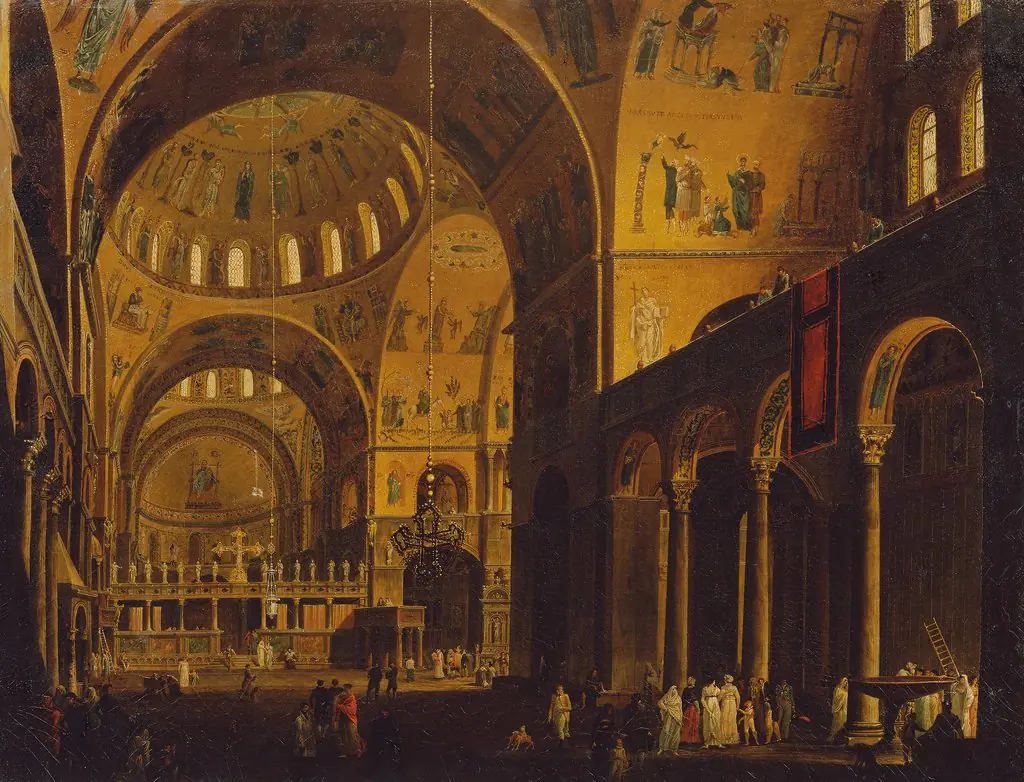 Das Innere von San Marco
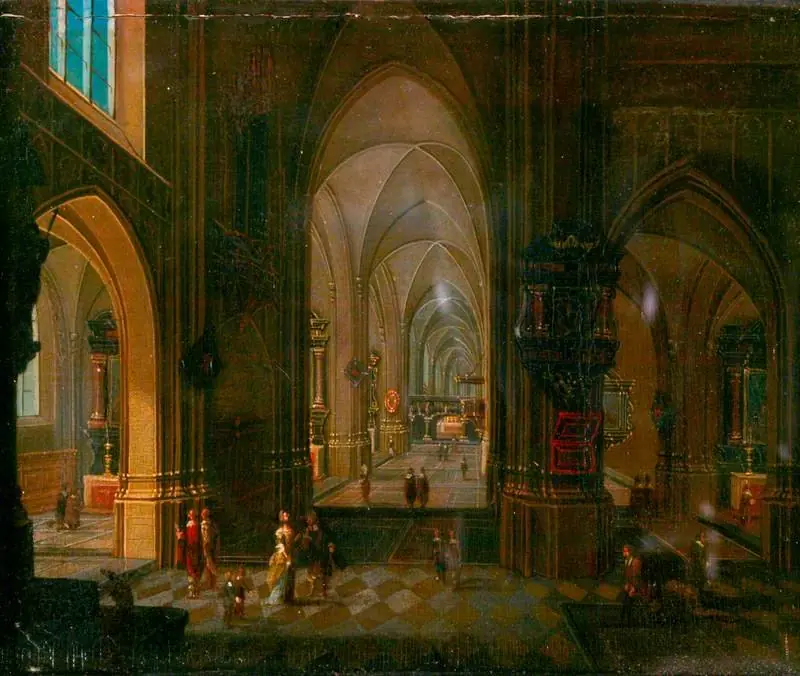 Interior of a Church
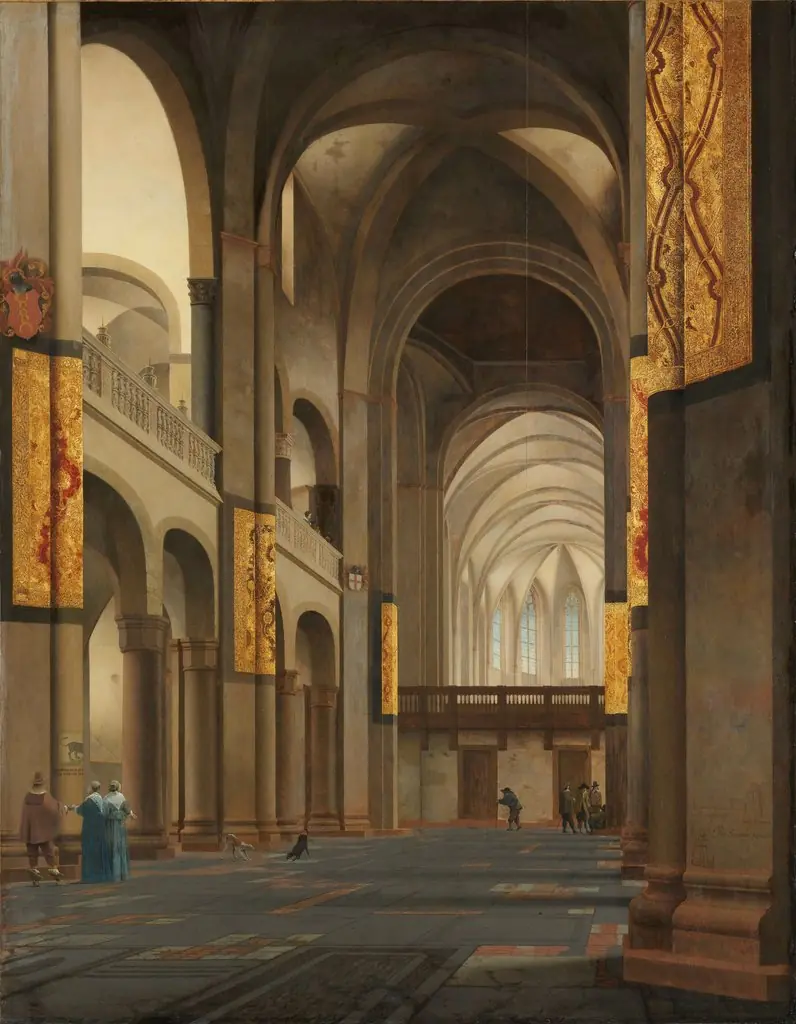 The Nave and Choir of the Mariakerk in Utrecht, seen from the West
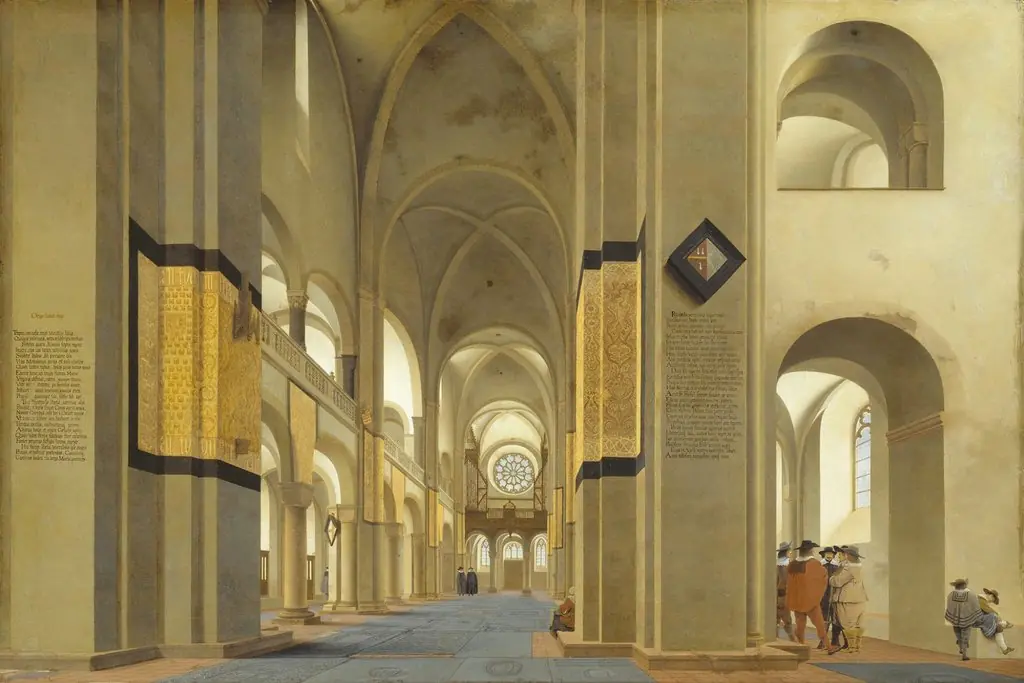 Interior of the Saint Mary Church in Utrecht
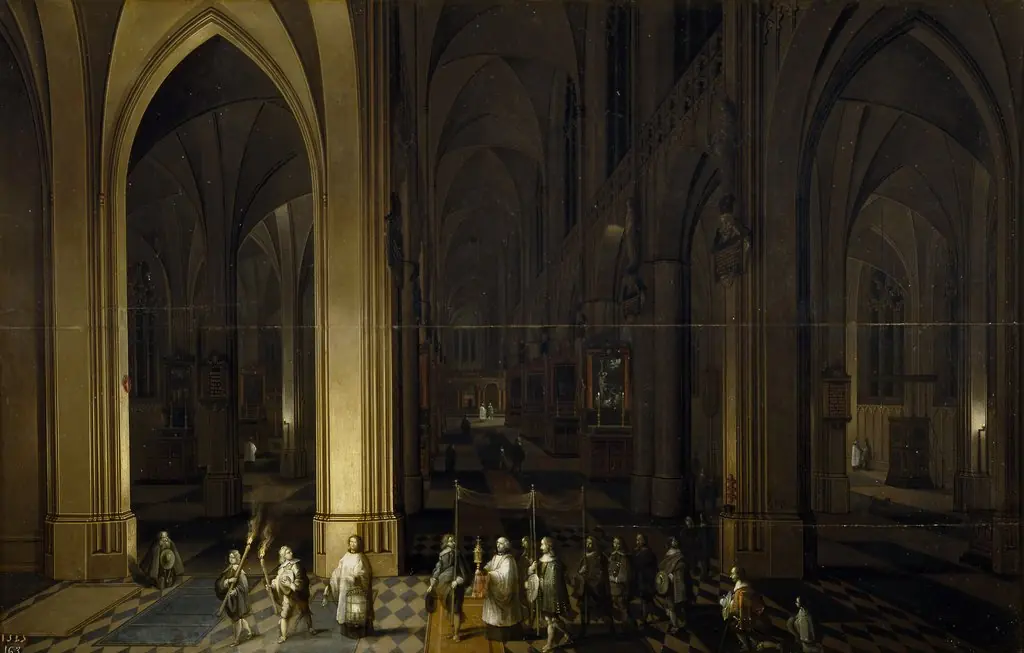 Viaticum inside a church
 Interior of a Gothic Church
 The Cloisters, San Lorenzo fuori le mura