Artwork
Portrait of Vincenzo Guarignoni
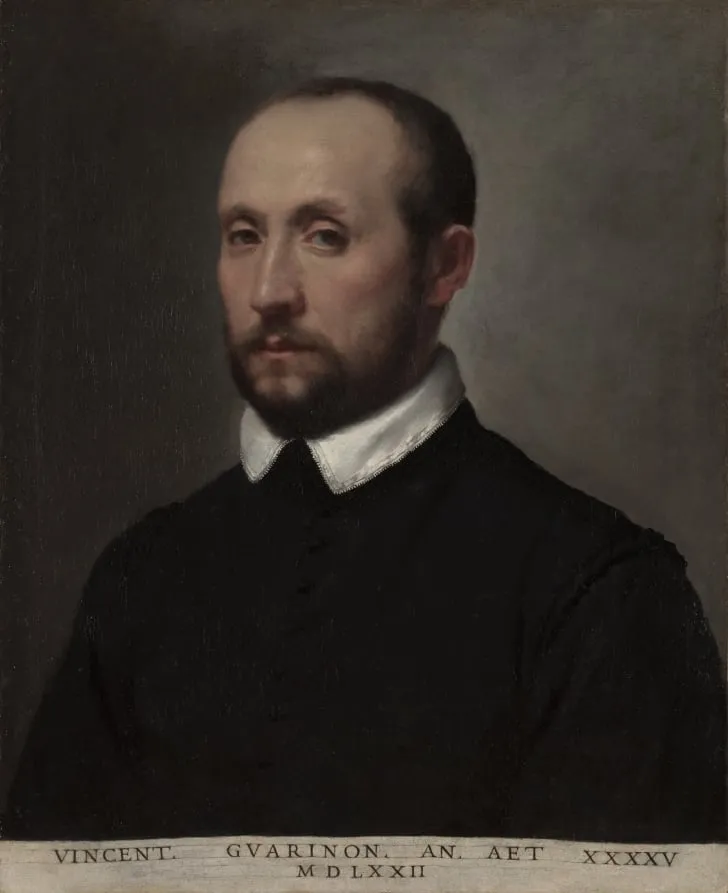
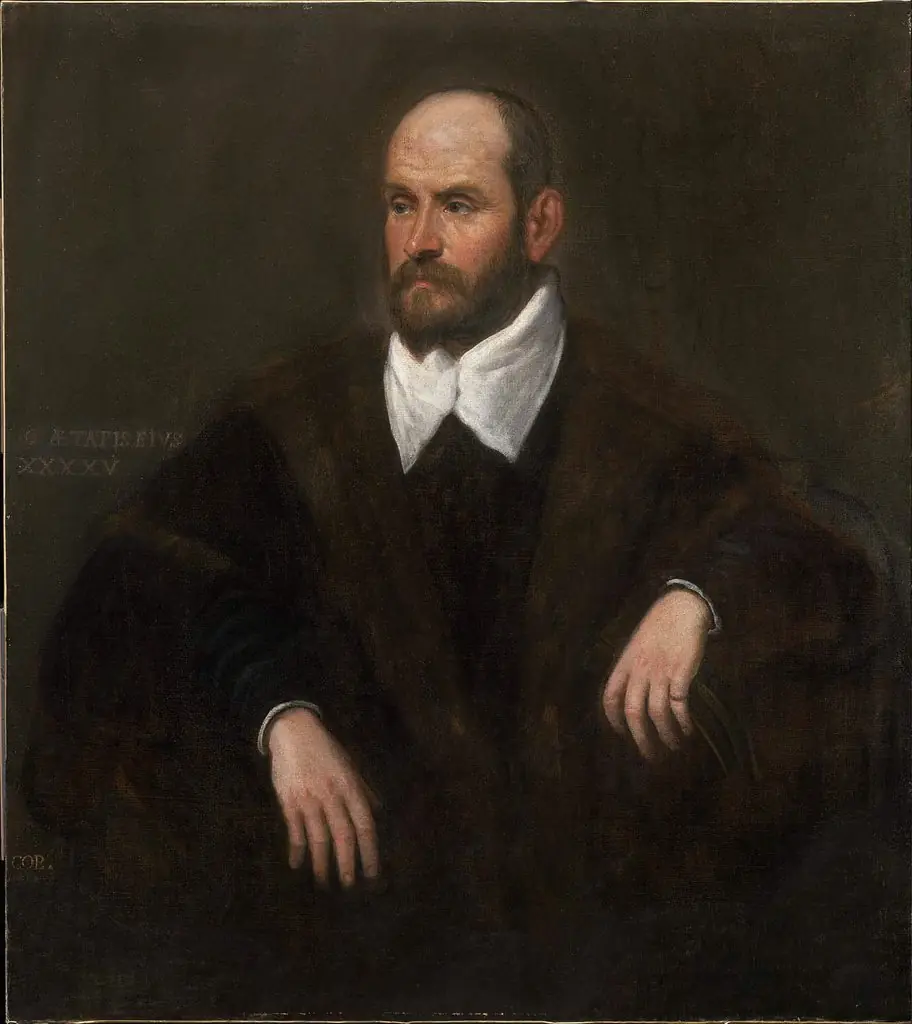
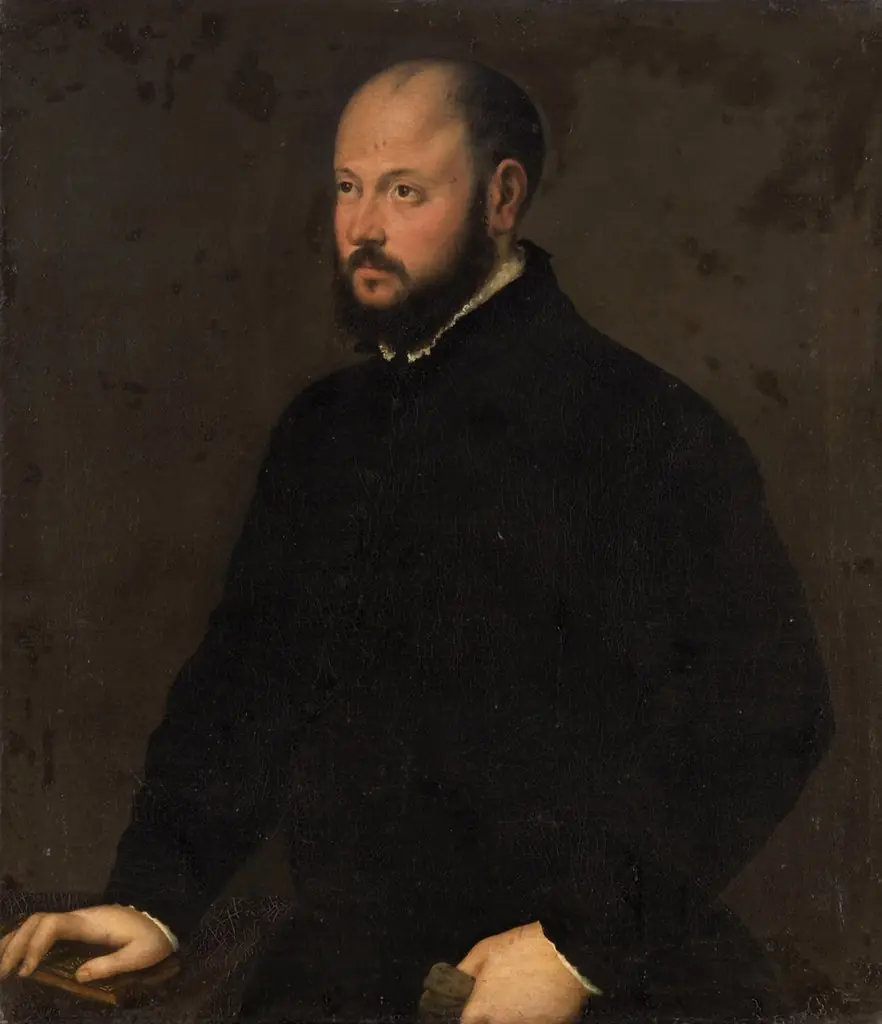
Portrait of Vincenzo Guarignoni is an unspecified painting by the Mannerist artist Giovanni Battista Moroni. It dates from 1572 and is held in the collection of the Cleveland Museum of Art. This oil painting depicts Vincenzo Guarignoni, a 45-year-old man from Bergamo, northern Italy, rendered with quiet precision.
About this work
Overview
This oil painting depicts Vincenzo Guarignoni, a 45-year-old man from Bergamo, northern Italy, rendered with quiet precision. The work includes a Latin inscription confirming his age and the year of execution, anchoring it in a specific historical moment. The composition avoids theatricality, focusing instead on stillness and presence, characteristic of mid-16th-century Lombard portraiture.
Subject & Meaning
Guarignoni belonged to a respected Bergamese family, and the portrait reflects his social standing through restrained elegance rather than overt display. His direct gaze and composed posture suggest introspection and gravitas, aligning with Renaissance ideals of noble character. The absence of symbolic objects or elaborate settings emphasizes personal dignity over status markers.
Technique & Style
The artist rendered fabric folds and hand gestures with careful attention to texture and light, enhancing the figure’s physical presence. Brushwork is controlled yet nuanced, avoiding idealization in favor of observed detail. The muted palette and neutral background focus attention on the sitter’s face and hands, reinforcing a sense of quiet realism common in Lombard painting of the period.
History & Provenance
The painting’s origin is tied to Guarignoni’s family in Bergamo, likely commissioned to mark his adult maturity or a significant life event. Its survival suggests continued familial preservation. Stylistic parallels with Giovanni Battista Moroni’s portraits indicate shared regional conventions, though the artist’s identity remains unconfirmed.
Context
In mid-1500s northern Italy, portraiture increasingly served to convey moral and social authority through restraint. Bergamo’s merchant and noble classes favored such images to assert legitimacy without flamboyance. This work fits within a broader trend of secular portraiture that valued psychological depth and understated refinement over heraldic display.
Legacy
Though not widely known outside regional collections, the portrait exemplifies the quiet sophistication of Lombard portraiture. Its emphasis on individual presence without embellishment influenced later depictions of civic leaders and contributed to the evolution of psychological realism in Italian art.
Artist & collection
Artist
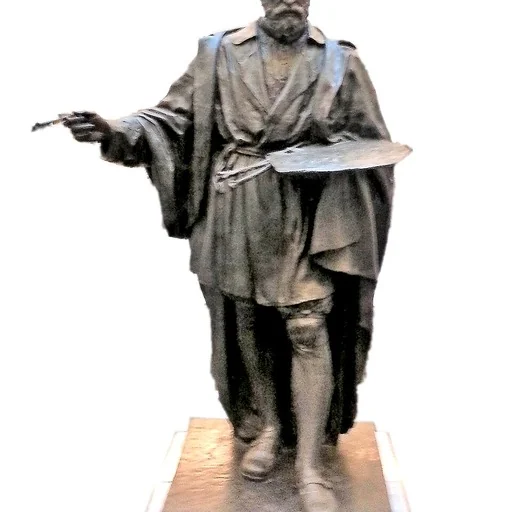
Giovanni Battista Moroni, also known as Giambattista Moroni was an Italian painter of the Mannerist school.

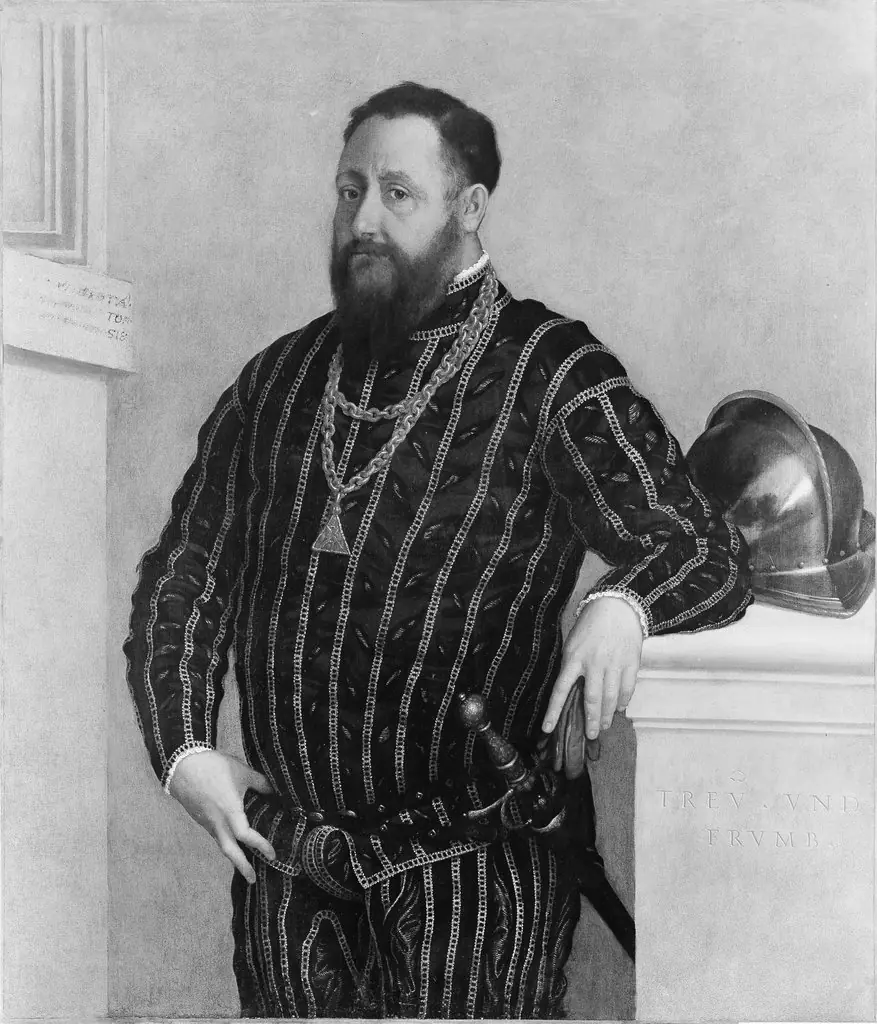 Portrait of a Man
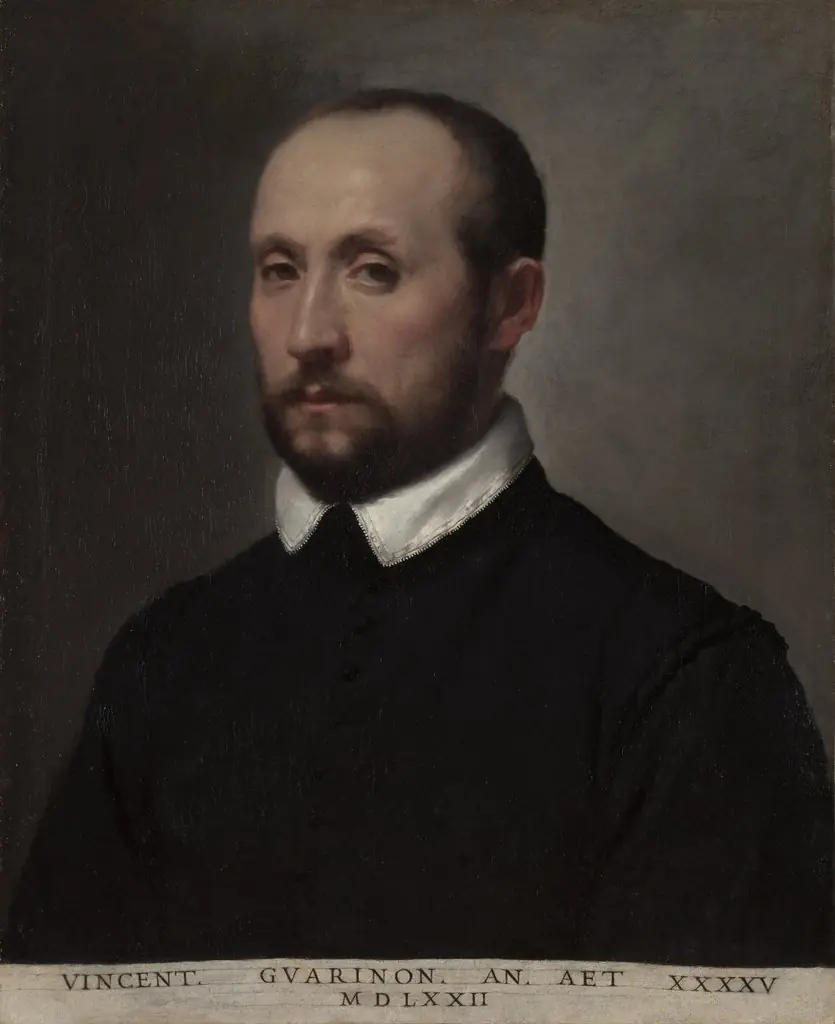 Portrait of Vincenzo Guarignoni
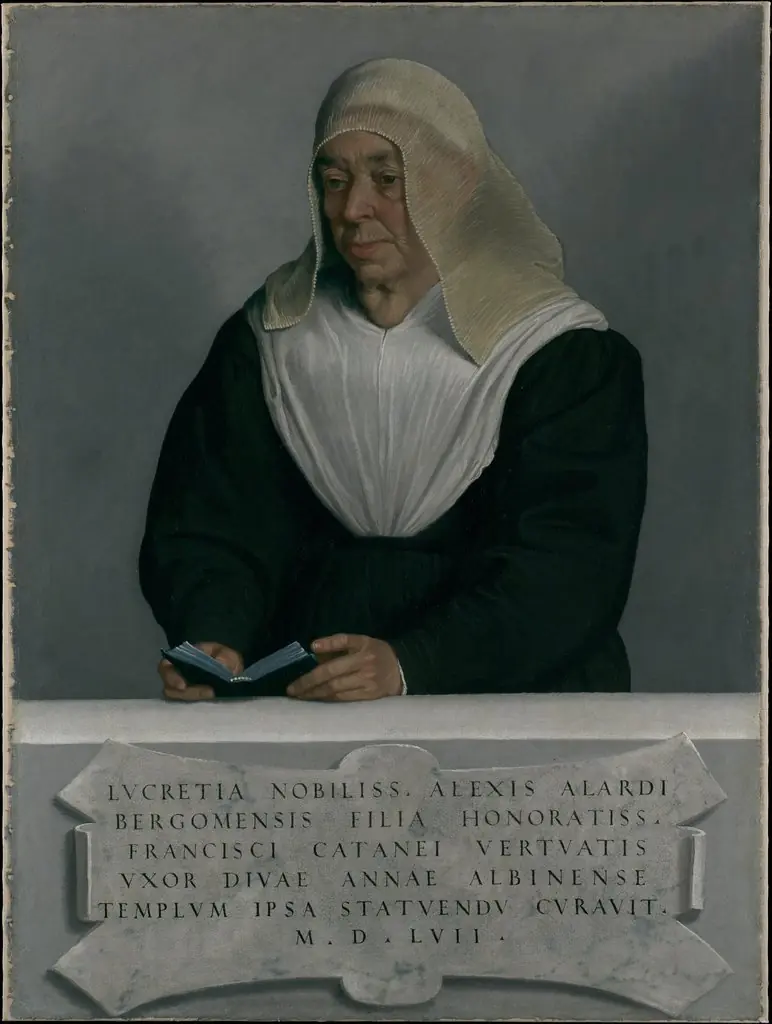 Abbess Lucrezia Agliardi Vertova (1490?–1558)
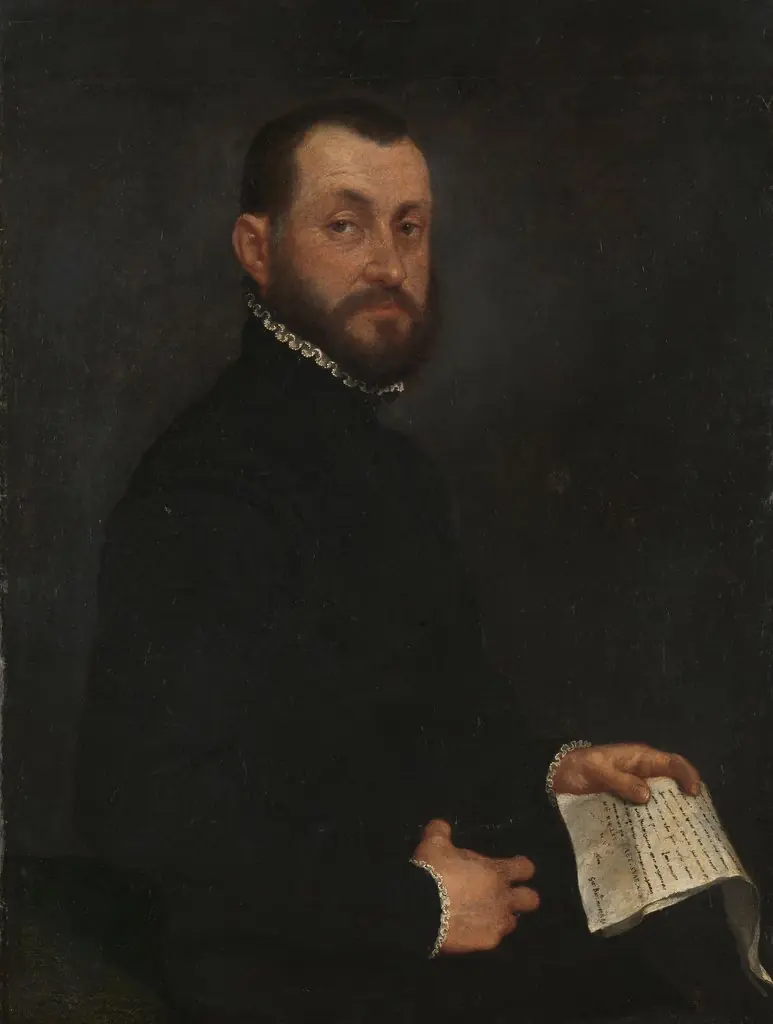 Portrait of a Man
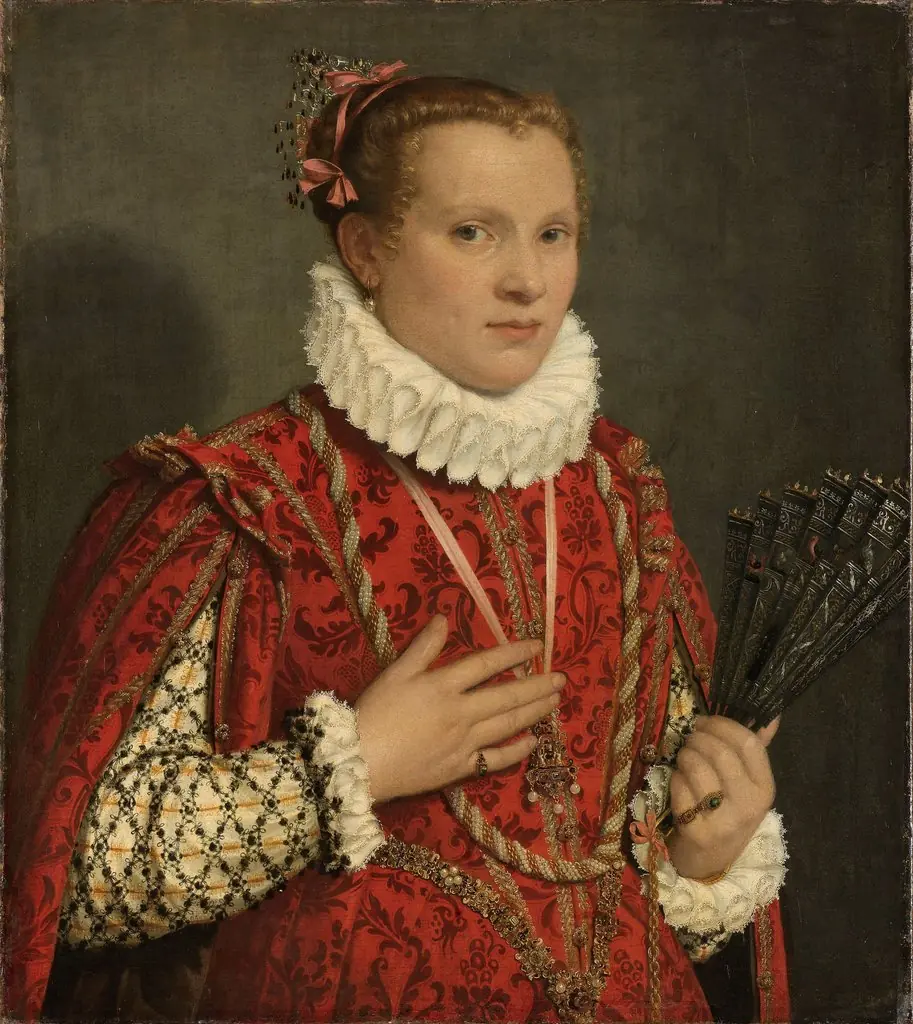 Portrait of a young Woman
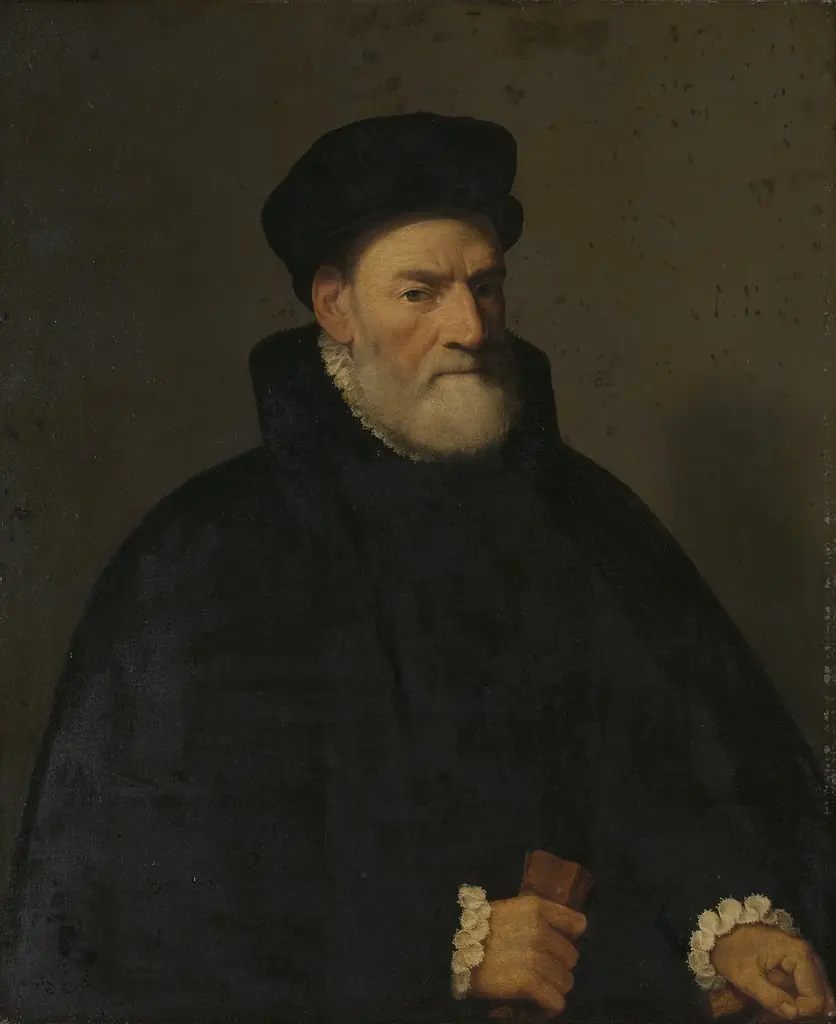 Portrait of an Old Man, probably Vercellino Olivazzi, Senator from Bergamo
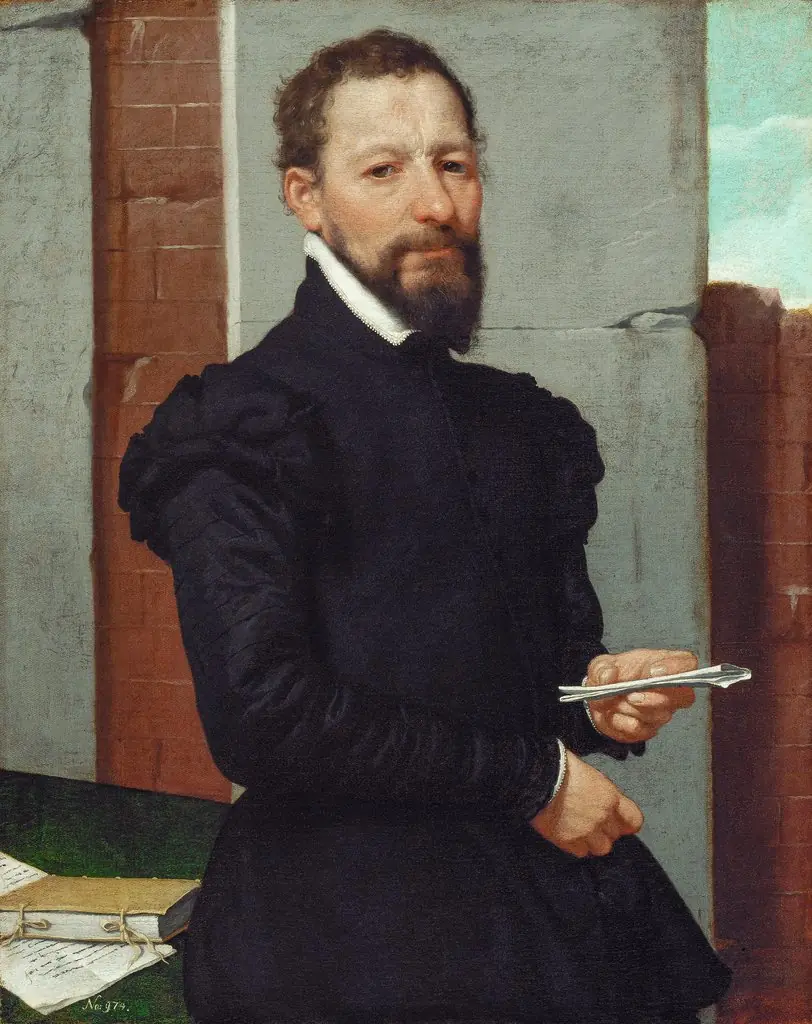 The Orator Giovan Pietro Maffeis (?) (1533-1603)
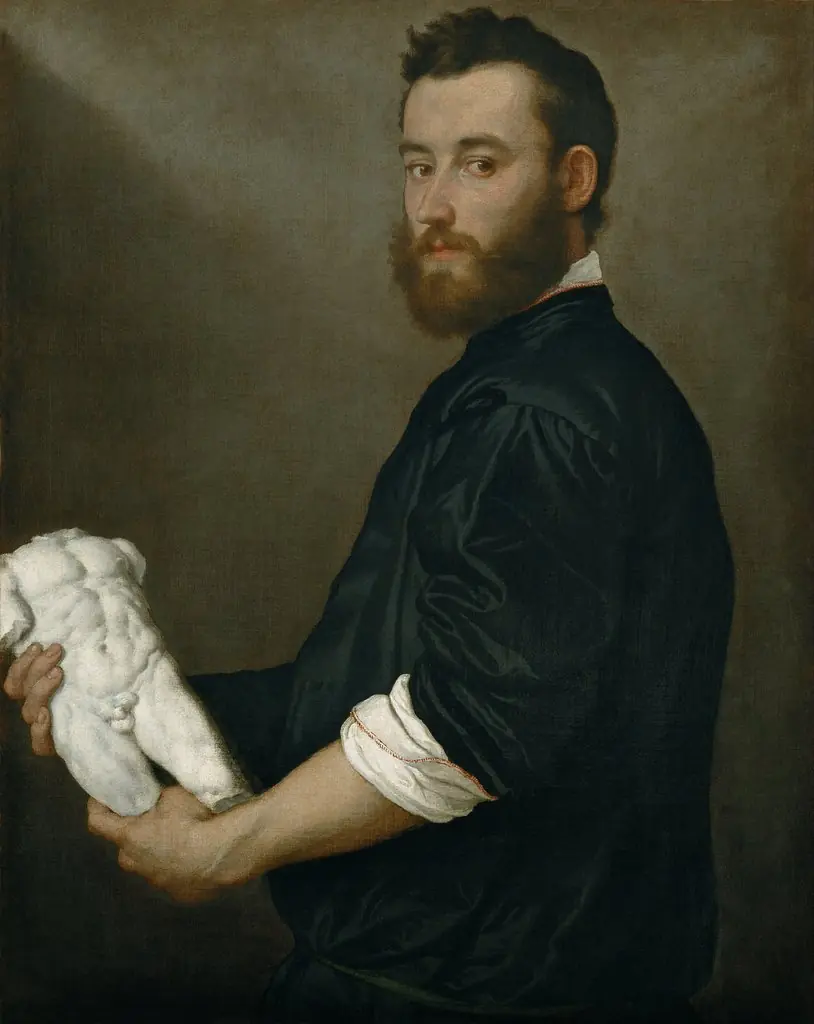 Portrait of the sculptor Alessandro Vittoria