Artwork
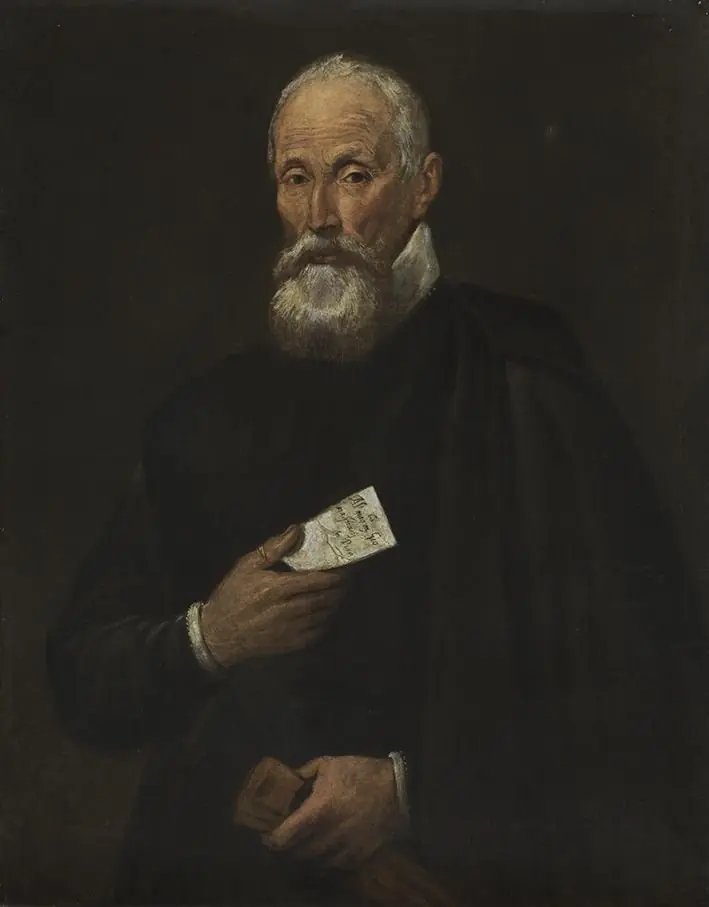
Portrait of Giovanni Bressani (1490 - 1560)
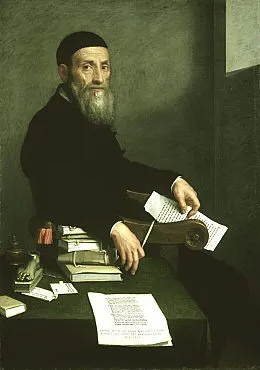
Portrait of Giovanni Bressani (1490 - 1560) is an oil painting by the Early Baroque Italian artist Giovanni Battista Moroni. It dates from 1562 and is held in the collection of the National Galleries Scotland.
About this work
Overview
Painted in 1562 by Giovanni Battista Moroni, this oil portrait captures Giovanni Bressani, a scholar and civic figure of the Italian Renaissance.
Painted in 1562 by Giovanni Battista Moroni, this oil portrait captures Giovanni Bressani, a scholar and civic figure of the Italian Renaissance. The work is part of the Scottish National Gallery’s collection and exemplifies Moroni’s skill in portraying intellectual presence through quiet, unadorned realism. Unlike grand ceremonial portraits of the era, this image emphasizes the subject’s private engagement with his work.
Subject & Meaning
Giovanni Bressani is depicted in the midst of scholarly activity, seated at a desk littered with documents and books. His focused gaze and the quill in hand suggest an ongoing intellectual labor, possibly drafting or reviewing correspondence. The absence of symbols of rank or wealth shifts emphasis from status to mental exertion, reflecting Renaissance ideals of the learned individual as a man of reason and diligence.
Technique & Style
Moroni employs subtle tonal gradations to render the textures of fabric, paper, and wood with quiet precision. The dark clothing contrasts with the pale collar and the muted tones of the desk’s surface, drawing attention to the hands and the objects they touch. Brushwork is restrained, avoiding theatricality; light falls naturally, modeling form without dramatic contrast, reinforcing the portrait’s intimate, unposed character.
History & Provenance
The portrait entered the Scottish National Gallery’s collection in the 19th century, having passed through private European hands since its creation. Its attribution to Moroni has been consistently supported by stylistic analysis and archival records linking Bressani to the artist’s circle in Lombardy. No significant alterations or restorations are documented, preserving the original composition and surface integrity.
Context
In mid-16th century northern Italy, portraits of non-noble intellectuals were becoming more common, reflecting broader cultural shifts toward valuing scholarship and civic service. Moroni, working in Bergamo and surrounding towns, captured this emerging class with psychological depth. Bressani’s portrait aligns with this trend, presenting a man defined not by lineage but by his intellectual pursuits.
Legacy
This portrait stands as a representative example of Moroni’s contribution to Renaissance portraiture beyond aristocratic commissions. Its emphasis on quiet concentration influenced later depictions of scholars and professionals. Though not widely exhibited in its time, its preservation and study have cemented its role in understanding how Renaissance artists portrayed the inner life of ordinary learned men.
Artist & collection
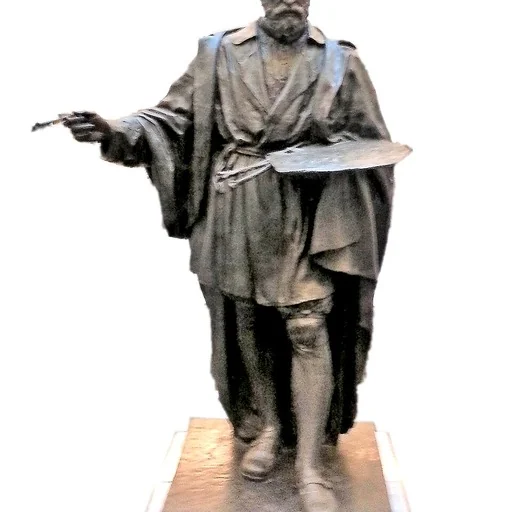
Artist
Giovanni Battista Moroni, also known as Giambattista Moroni was an Italian painter of the Mannerist school.

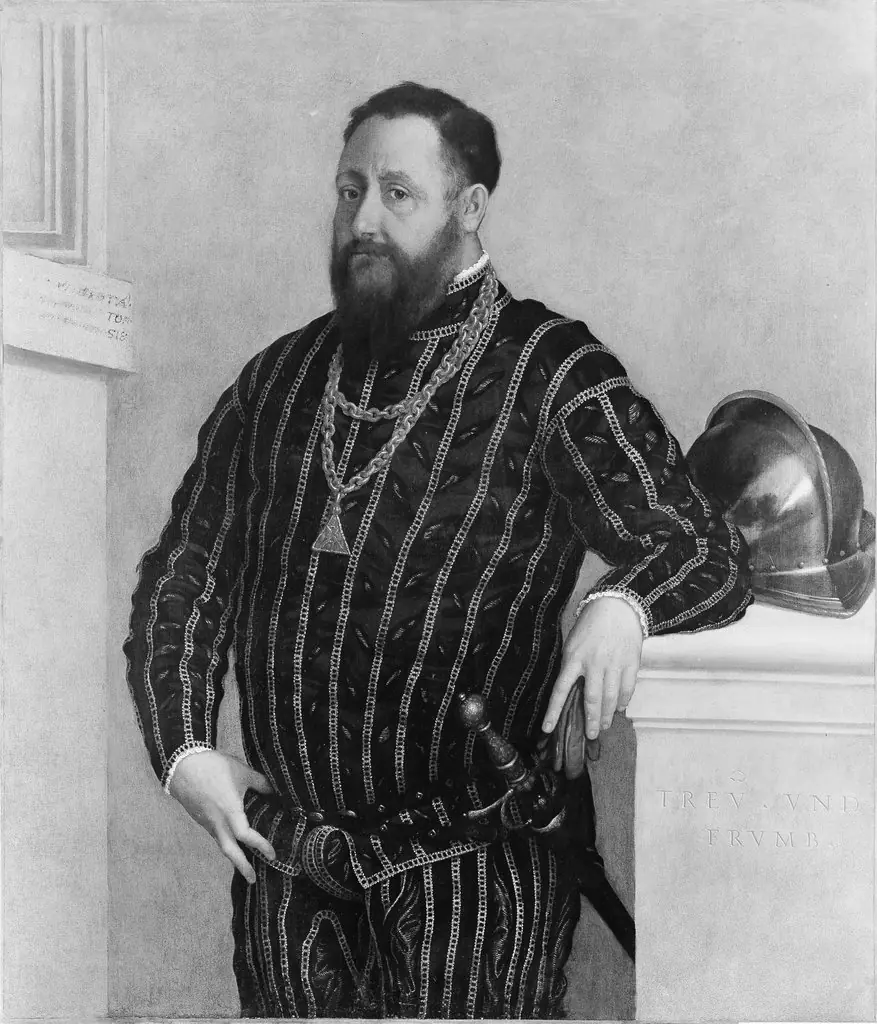 Portrait of a Man
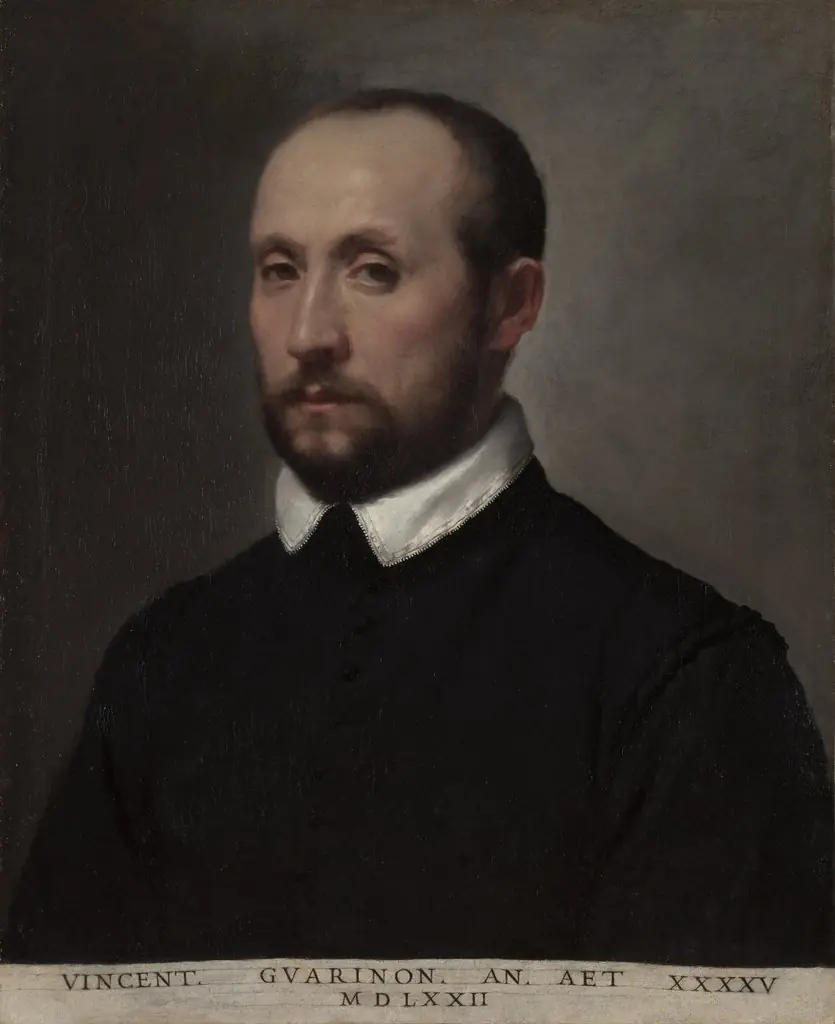 Portrait of Vincenzo Guarignoni
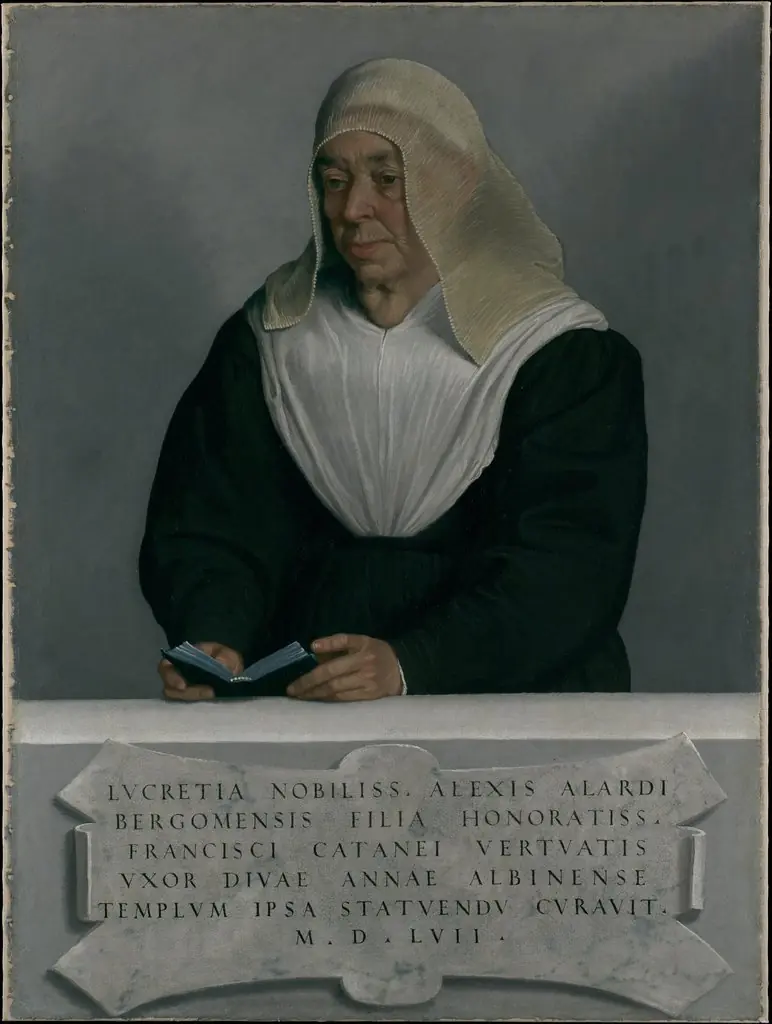 Abbess Lucrezia Agliardi Vertova (1490?–1558)
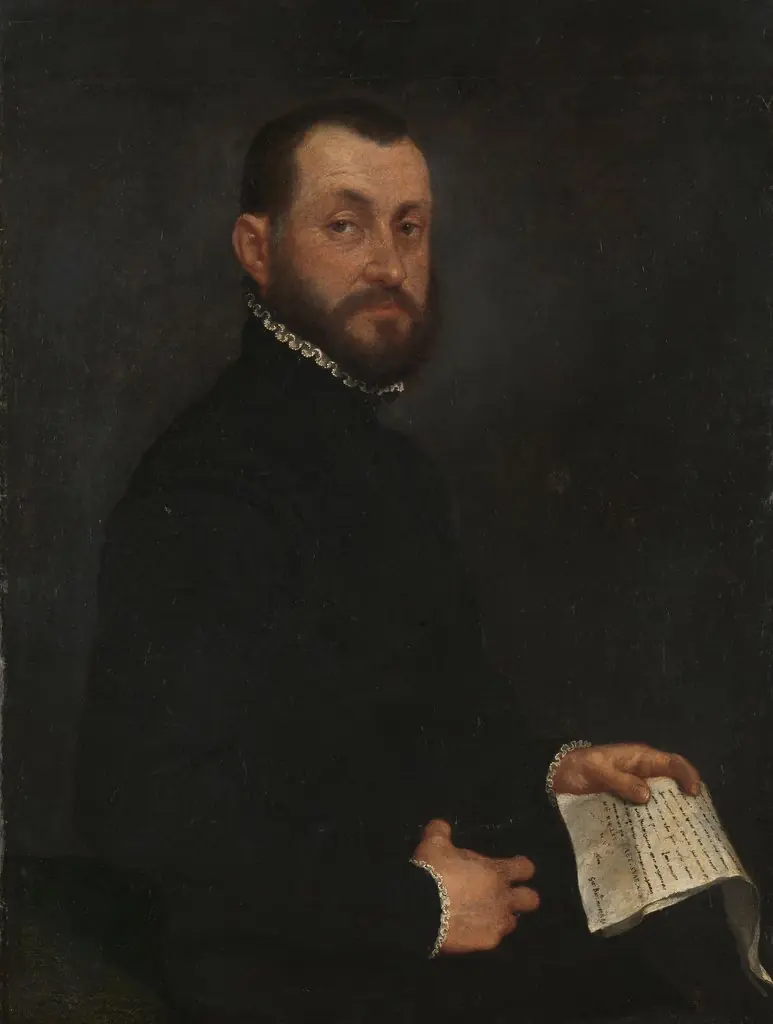 Portrait of a Man
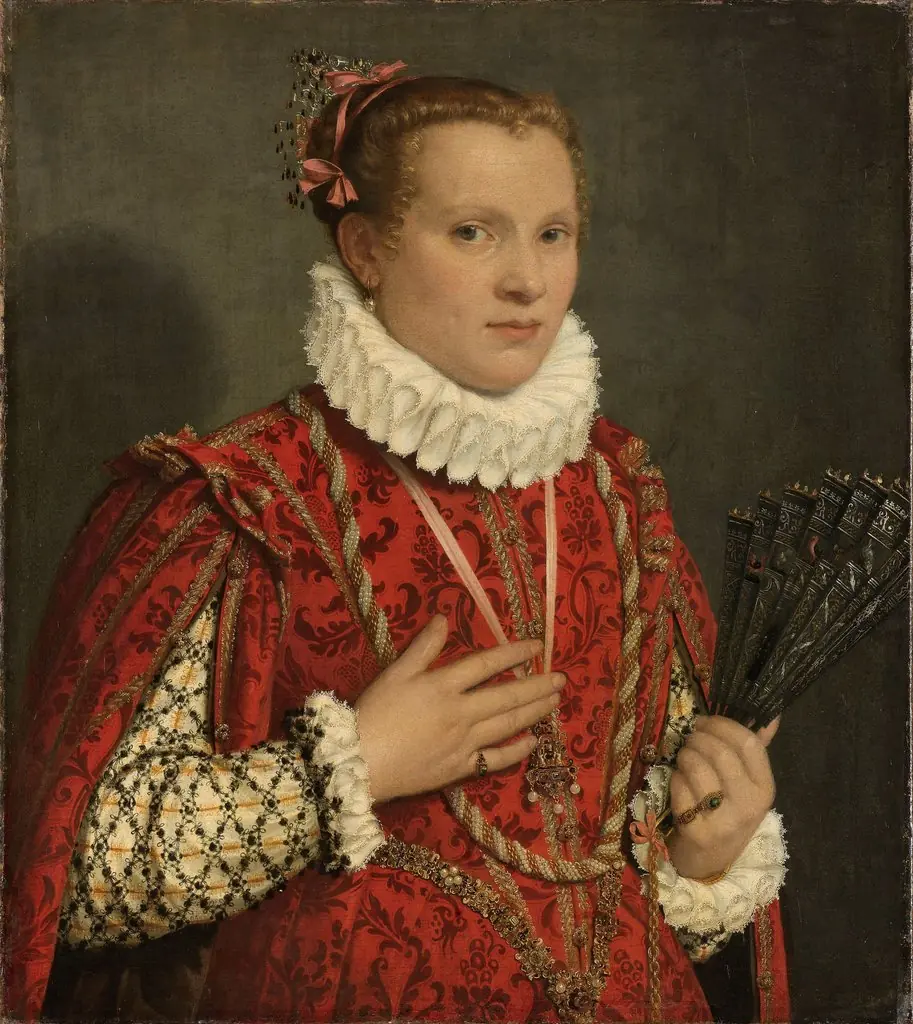 Portrait of a young Woman
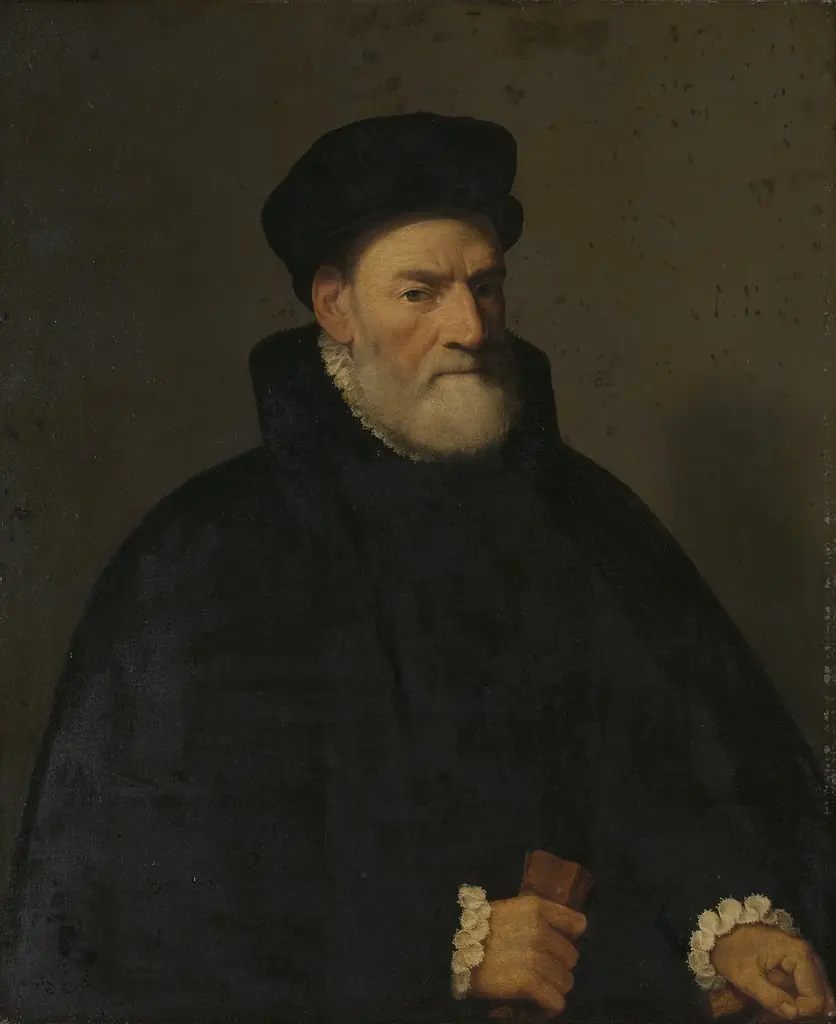 Portrait of an Old Man, probably Vercellino Olivazzi, Senator from Bergamo
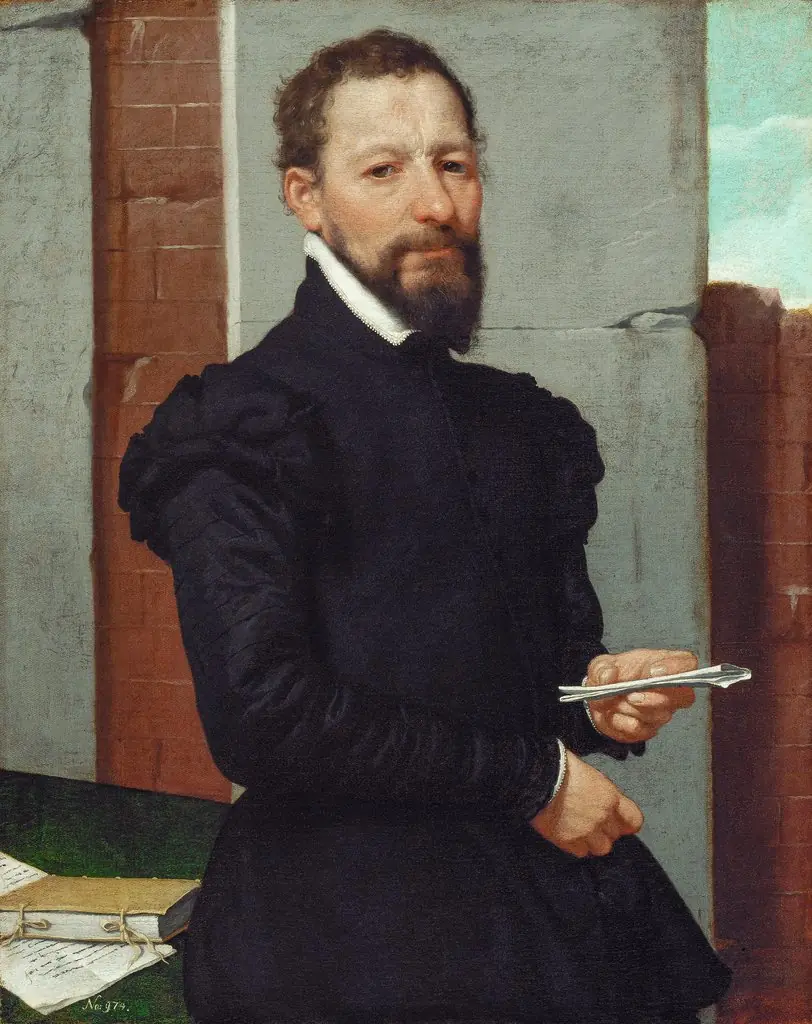 The Orator Giovan Pietro Maffeis (?) (1533-1603)
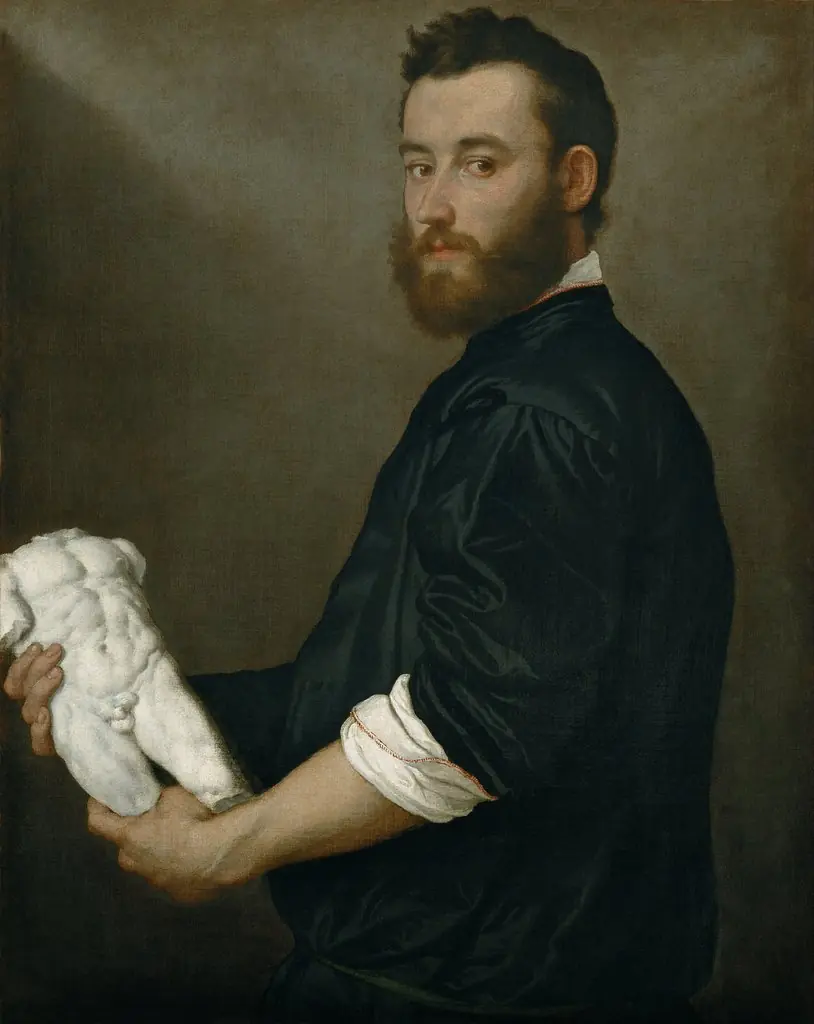 Portrait of the sculptor Alessandro Vittoria
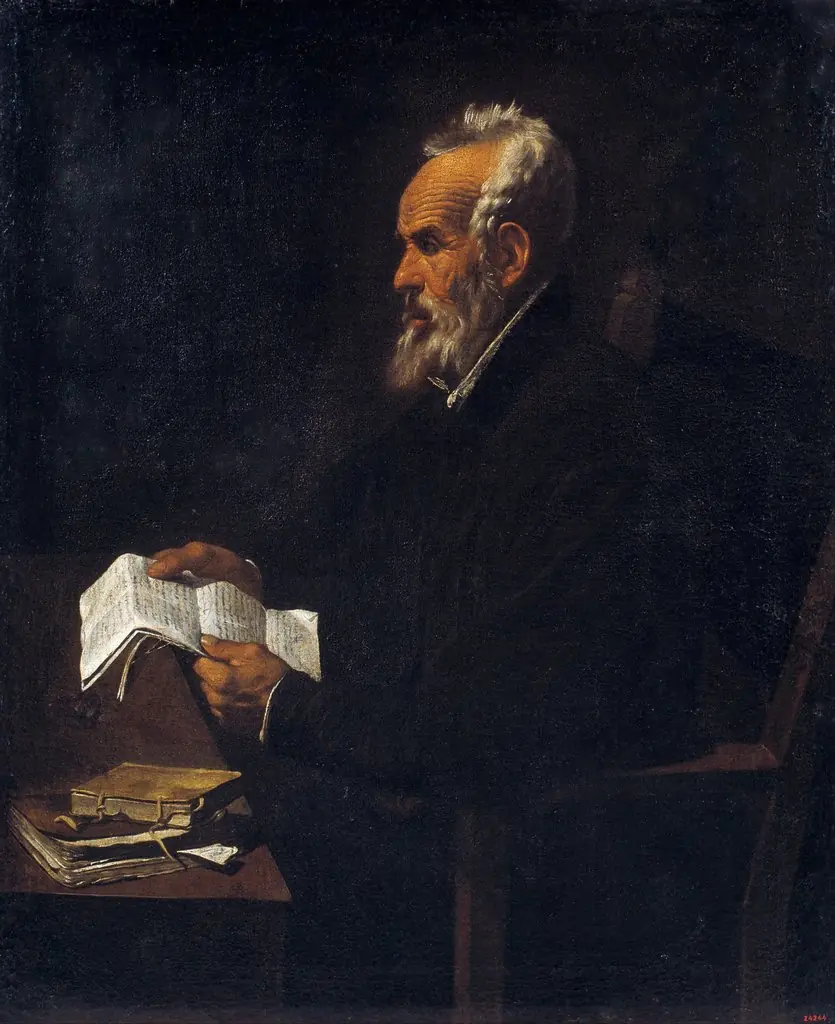 Ramon Llull
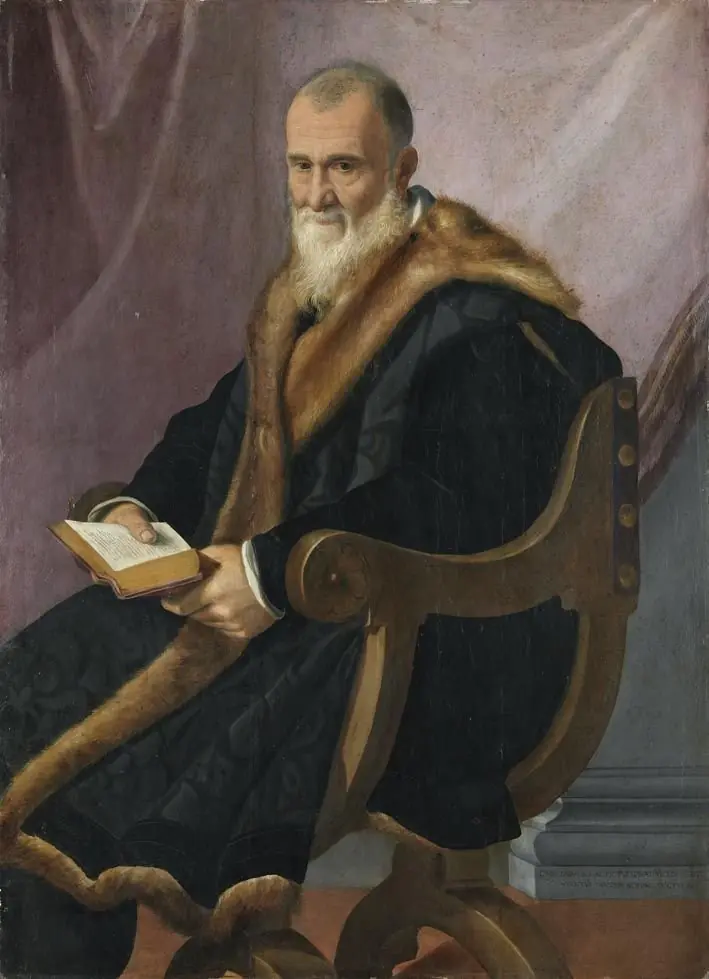 Portrait of the Florentine humanist Pietro Vettori
 Portrait of a man in a fur coat
 Portrait of an man with circle and paper roll
 Giovanni della Casa (1503-1556)
 Portrait of a Man
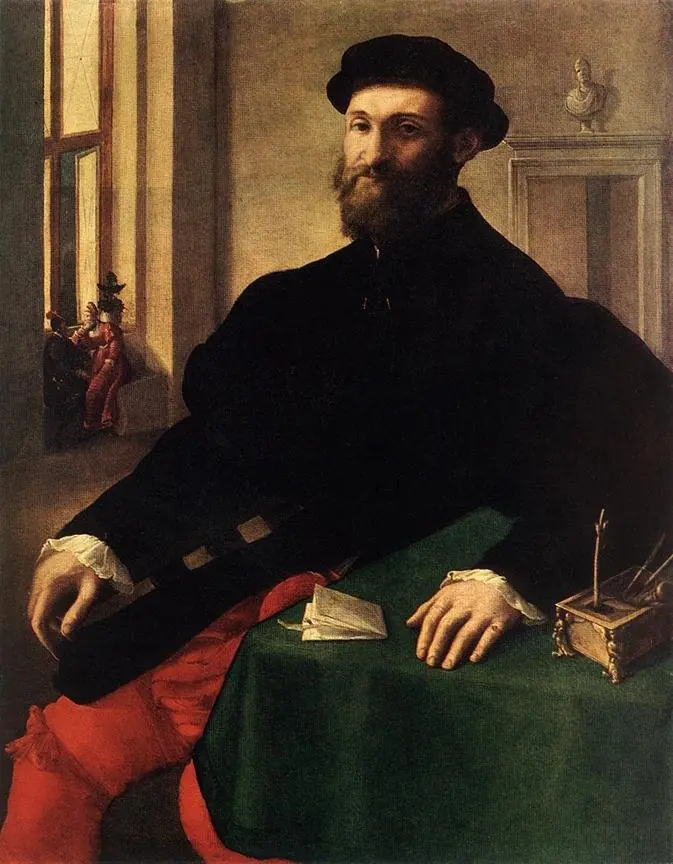 Portrait of a Man
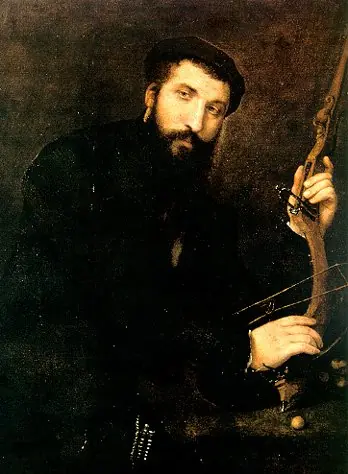 Portrait of a crossbowman (Mastro Battista di Rocca Contrada)
 Portrait of a Man
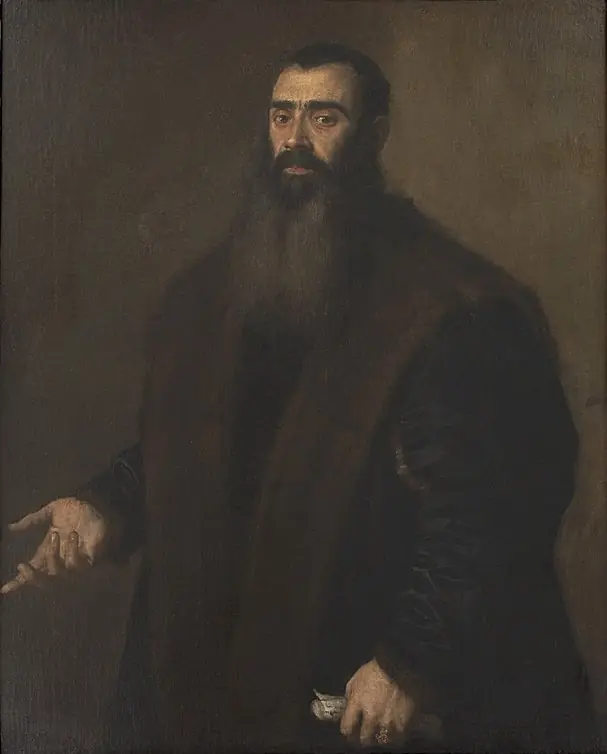 Portrait of Willibald Imhoff
 Bildnis des Pisaners Giovanni Magnani
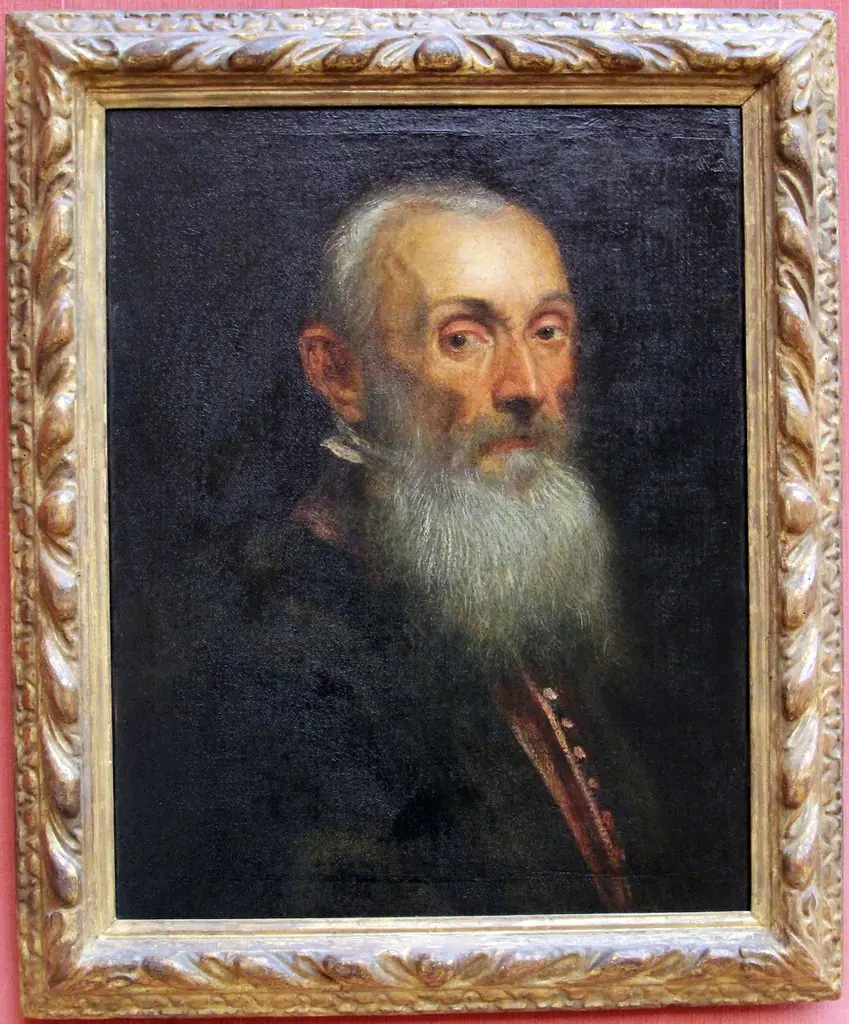 Portrait of Giovanni Mocenigo (1508-1580)