Artwork
The Transfiguration
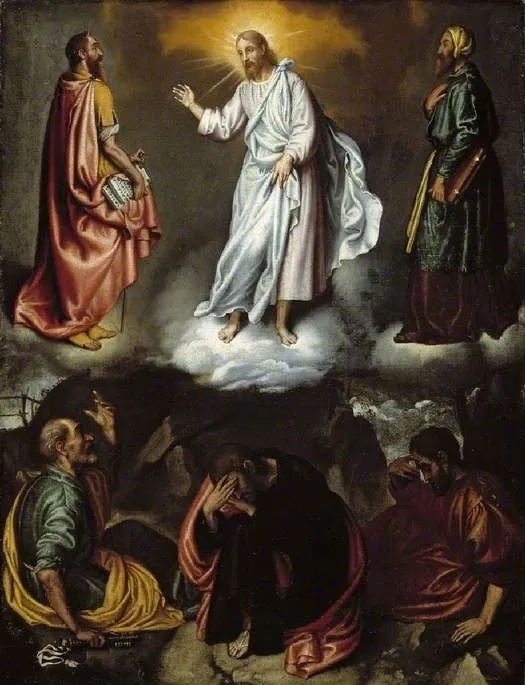
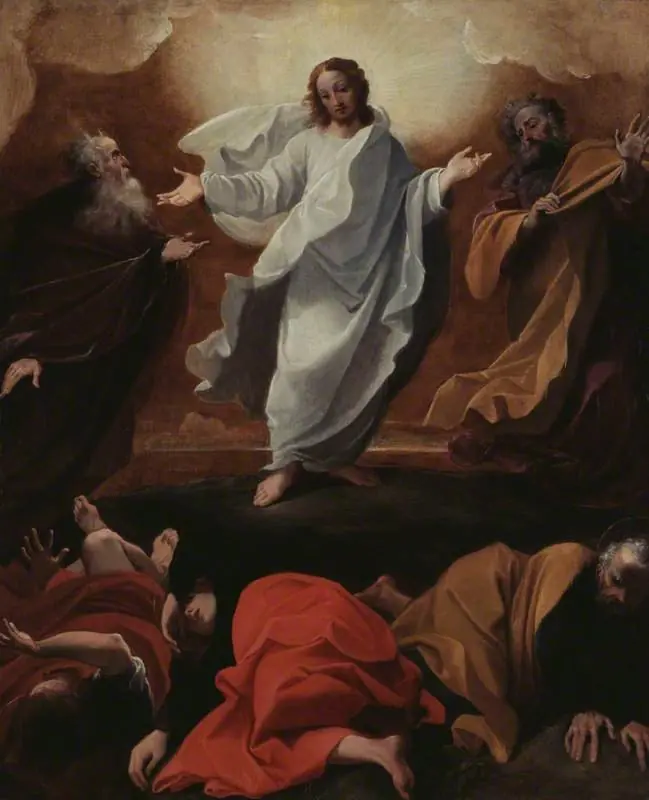
The Transfiguration is an oil painting by Giovanni Battista Moroni. It dates from 1561 and is held in the collection of the Fitzwilliam Museum.
About this work
Overview
Giovanni Battista Moroni’s oil on canvas, dated around 1561, portrays the biblical episode of the Transfiguration. The composition centers on a luminous Christ standing upon a cloud, surrounded by a radiant halo. Flanked by two figures holding books, the scene includes a group of kneeling and seated men below, all directed toward the divine figure, set against a darkened backdrop.
Subject & Meaning
The work illustrates the moment when Christ is revealed in divine glory to his disciples, a theme common in Counter‑Reformation art. The two book‑bearing figures, likely the apostles Peter and Paul, underscore the transmission of sacred knowledge, while the attentive crowd below conveys reverence and the human response to divine revelation.
Technique & Style
Moroni employs pronounced chiaroscuro, using stark contrasts between illuminated forms and the surrounding gloom to heighten drama. The figures are rendered with precise modeling, the white robe of Christ and the vivid garments of the companions standing out against the somber background. Light appears to emanate from the central figure, creating a focused visual hierarchy.
History & Provenance
The painting entered the collection of the Fitzwilliam Museum in Cambridge, where it remains on display. Its attribution to Moroni, an artist known for portraiture, reflects his occasional engagement with religious subjects during the mid‑16th century, situating the work within his broader oeuvre and the artistic currents of the Italian Renaissance.
Artist & collection
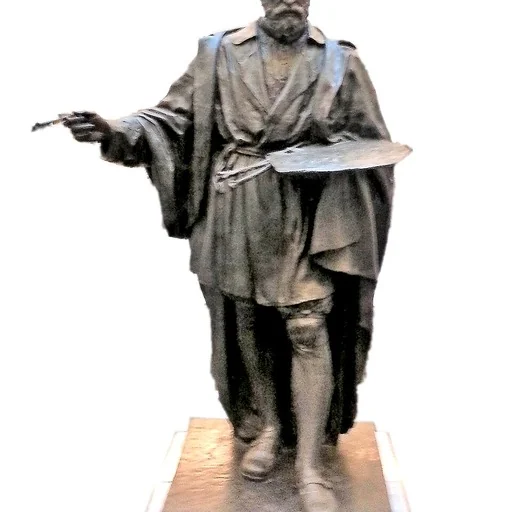
Artist
Giovanni Battista Moroni, also known as Giambattista Moroni was an Italian painter of the Mannerist school.

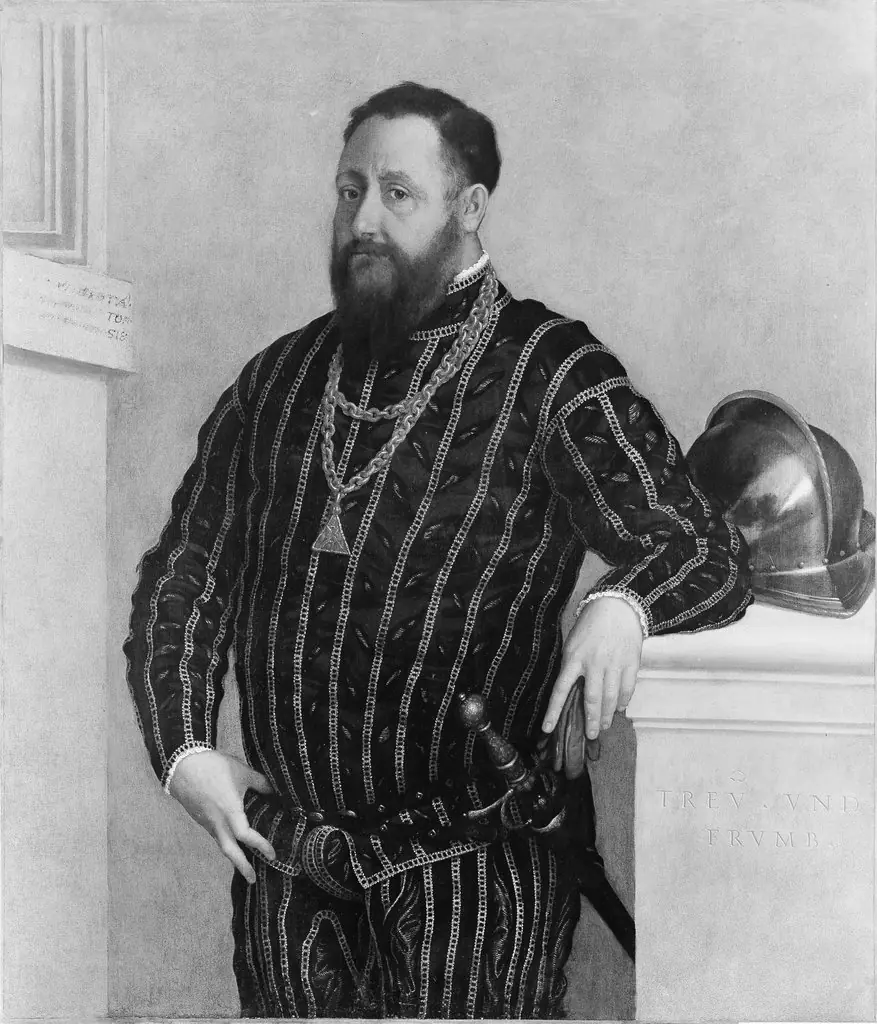 Portrait of a Man
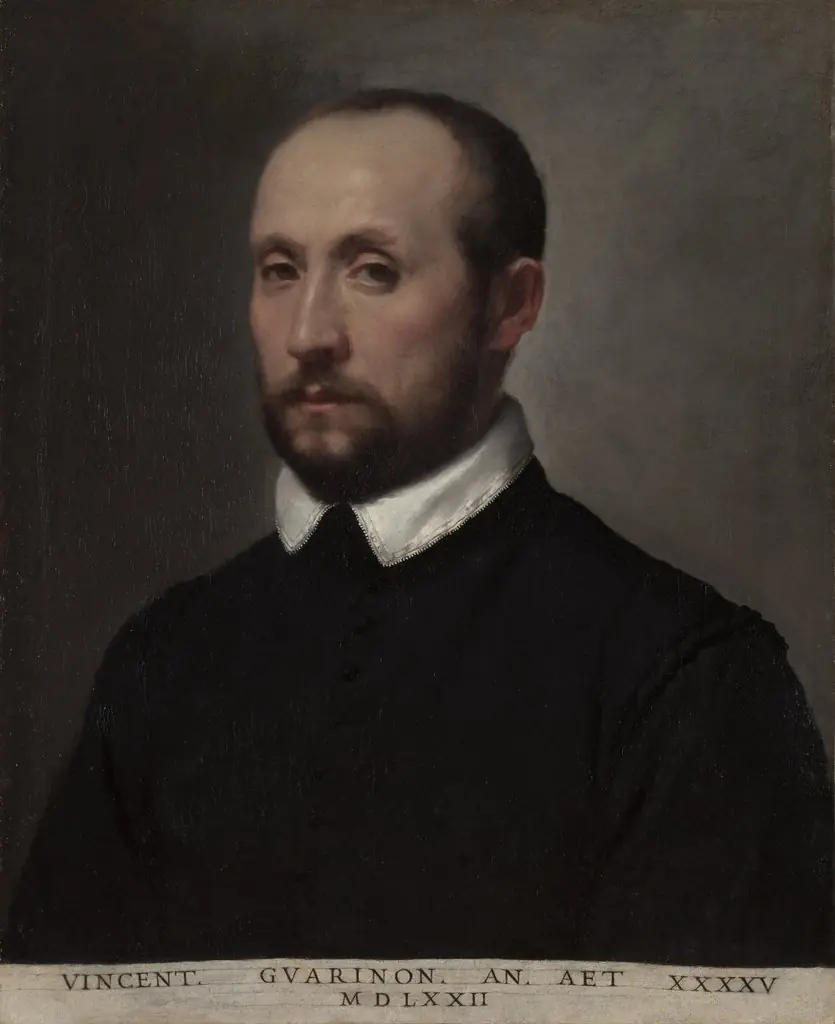 Portrait of Vincenzo Guarignoni
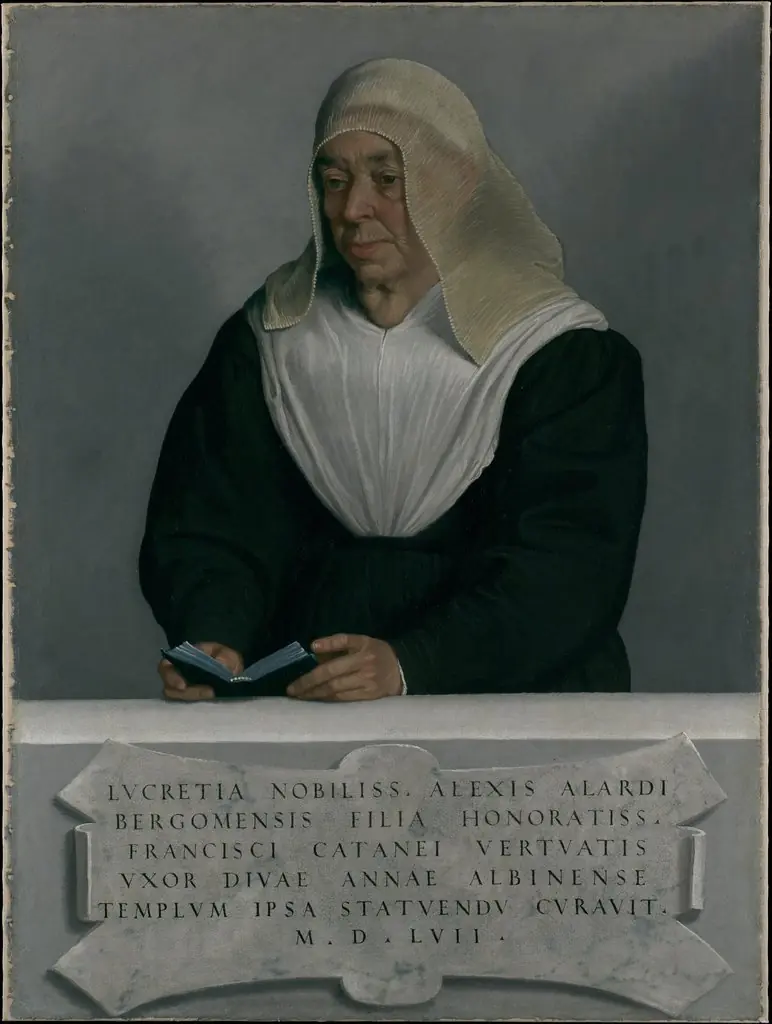 Abbess Lucrezia Agliardi Vertova (1490?–1558)
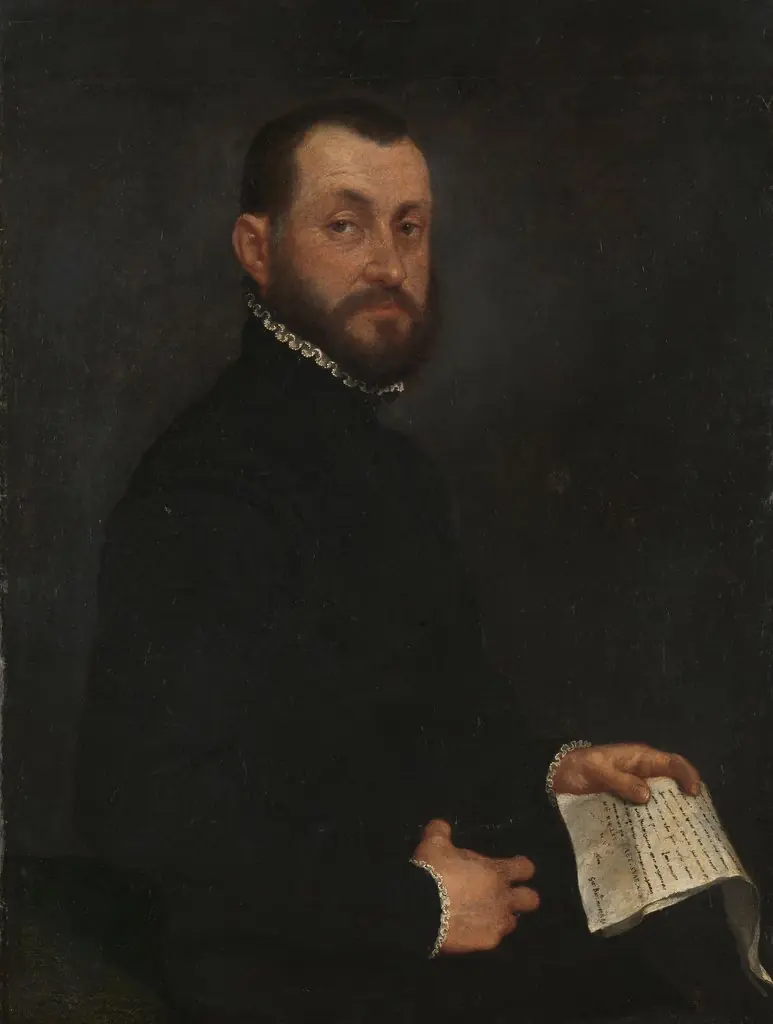 Portrait of a Man
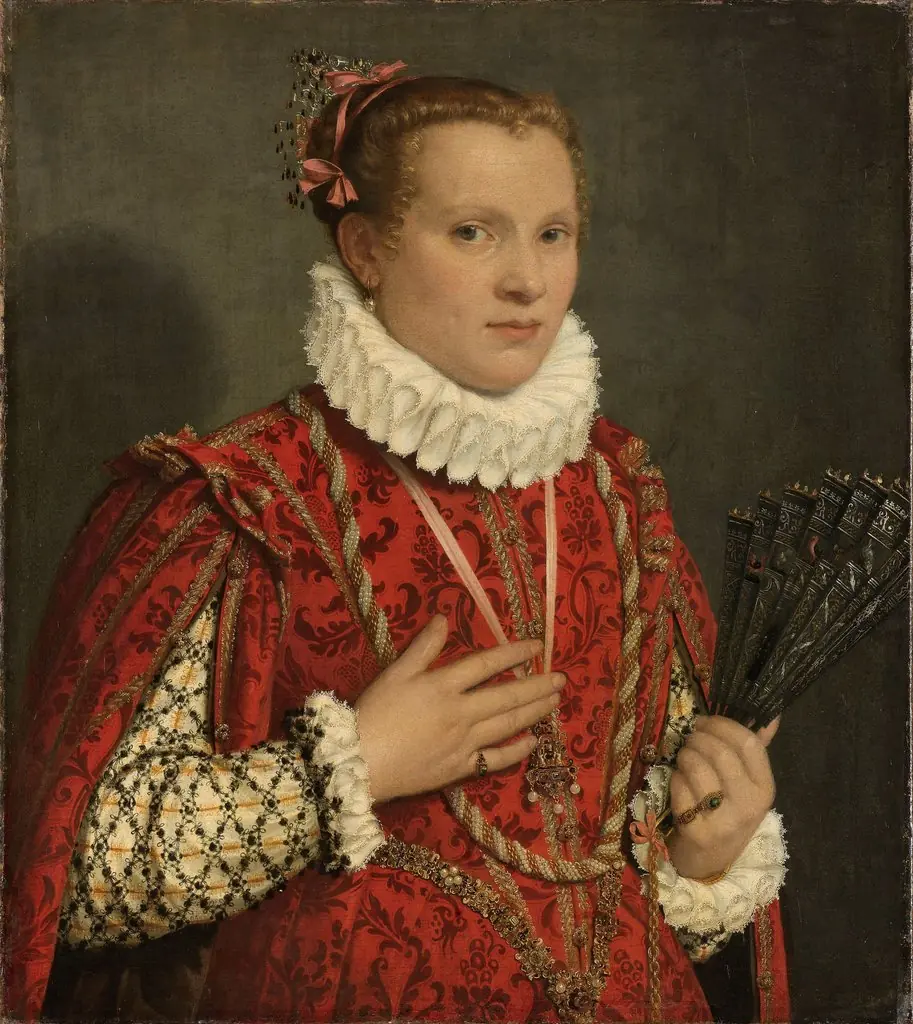 Portrait of a young Woman
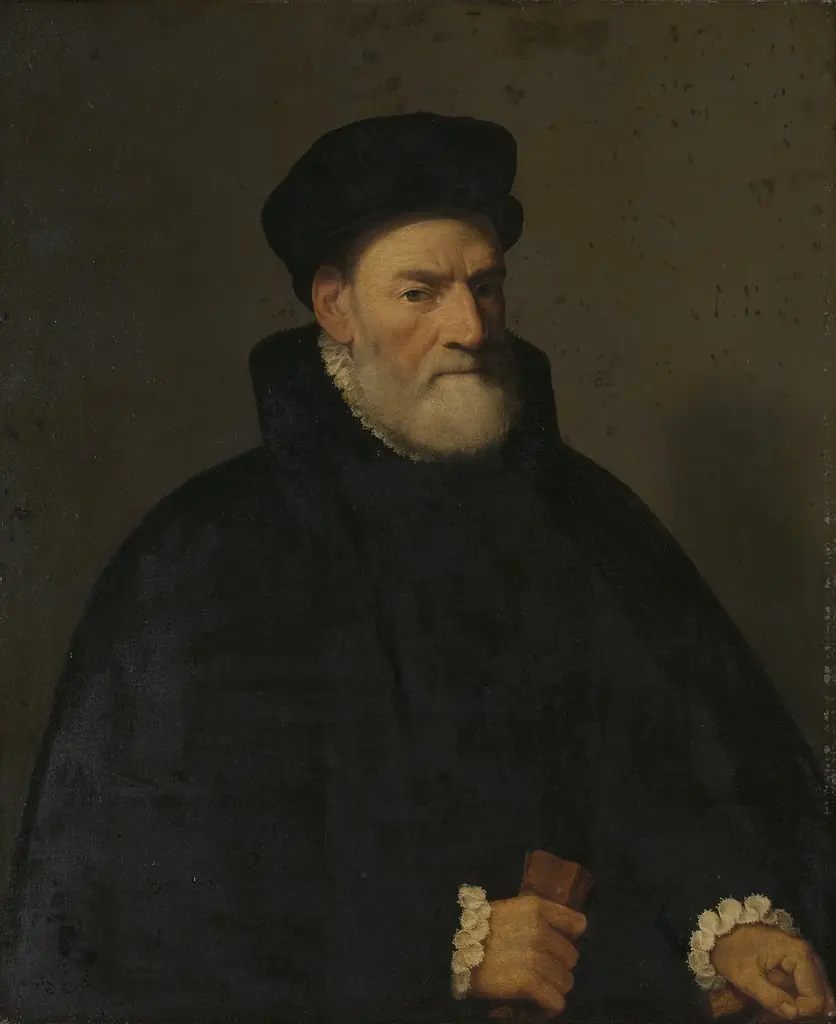 Portrait of an Old Man, probably Vercellino Olivazzi, Senator from Bergamo
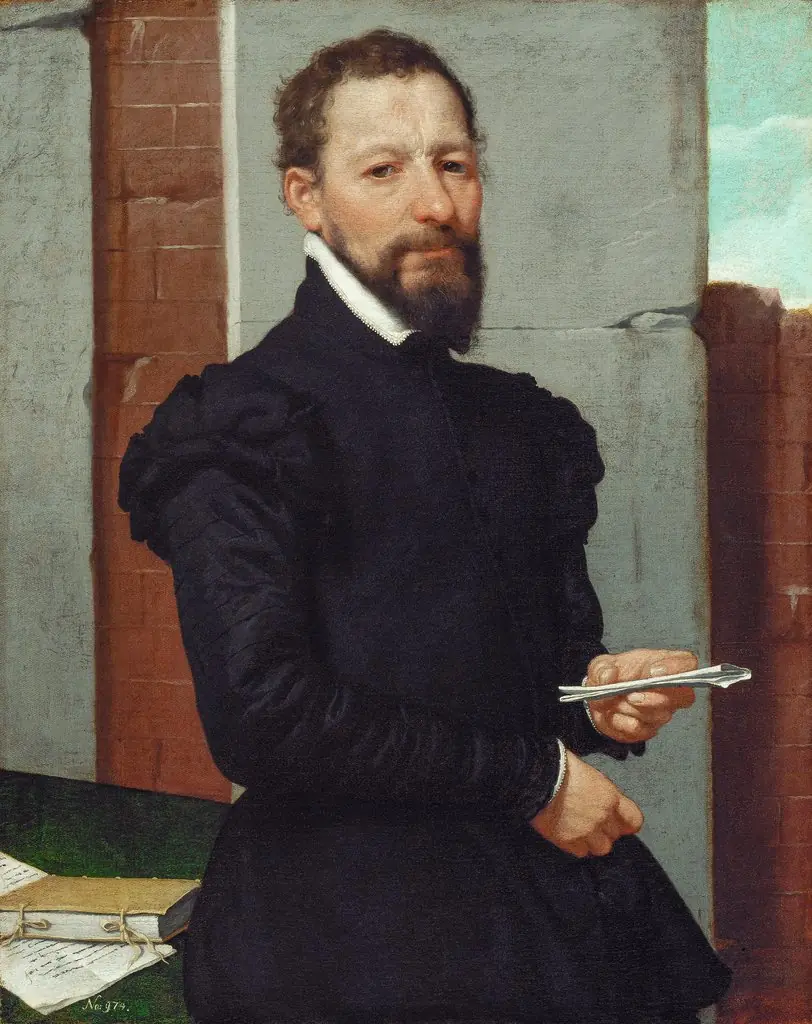 The Orator Giovan Pietro Maffeis (?) (1533-1603)
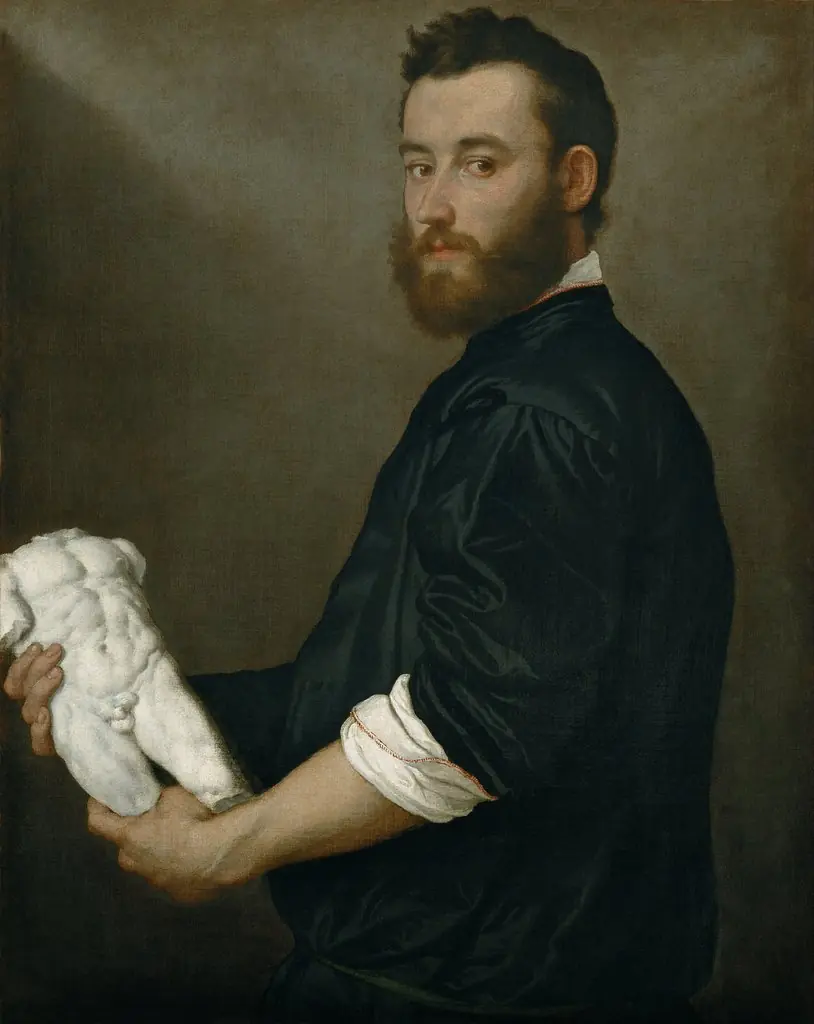 Portrait of the sculptor Alessandro Vittoria