Artwork
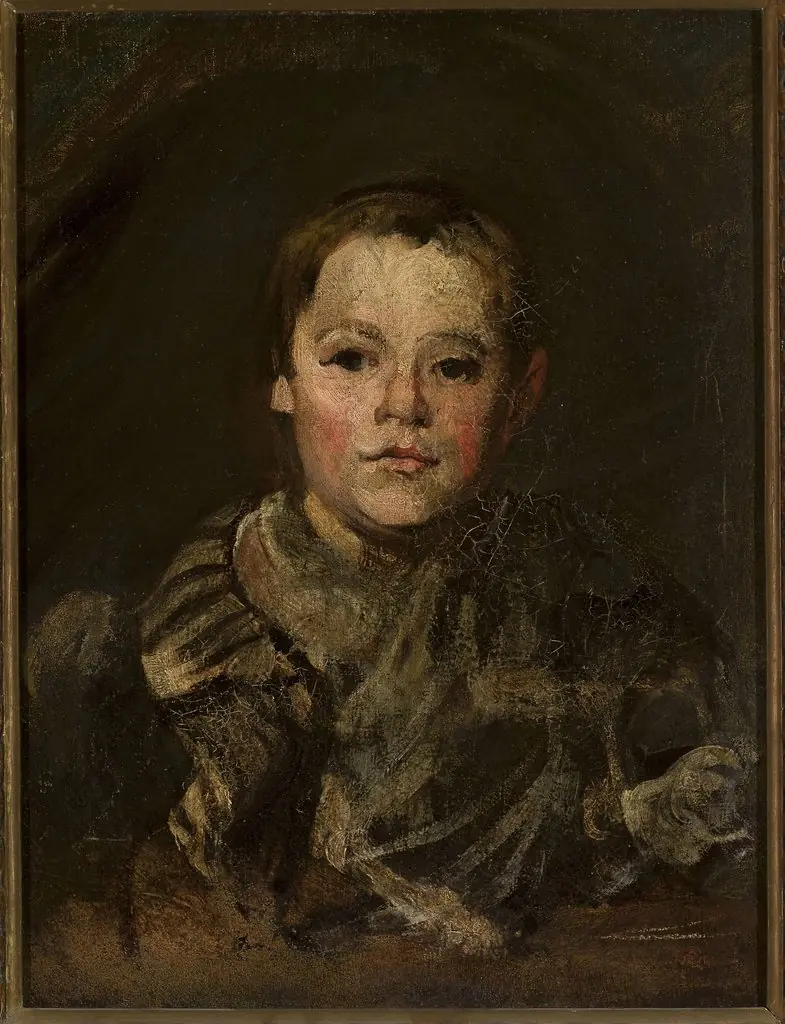
A Portrait of the Artist's Son Giacomo
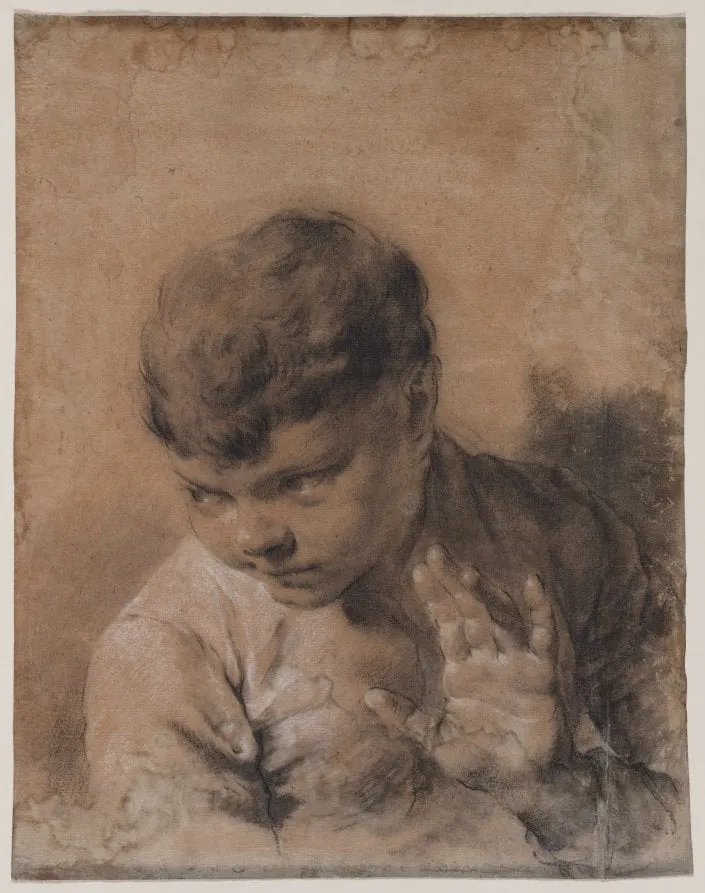
A Portrait of the Artist's Son Giacomo is a drawing by the Baroque artist Giovanni Battista Piazzetta. It dates from 1735 and is held in the collection of the Cleveland Museum of Art.
About this work
Overview
Created around 1735, this drawing by Giovanni Battista Piazzetta depicts his young son Giacomo in a quiet, intimate moment. Executed in chalk or charcoal on paper, the work is part of the collection at The Cleveland Museum of Art. Its modest scale and unadorned setting reflect a personal rather than formal commission, emphasizing the artist’s observation of familial life over public display.
Subject & Meaning
The boy, Giacomo, is shown gazing downward at his hands, his expression calm and introspective. The focus on his hands—roughened, detailed, and naturally posed—suggests an interest in the physicality of youth and the early signs of labor. The absence of props or symbolic elements strips the image of narrative, leaving only the quiet presence of a child in a private, unguarded moment.
Technique & Style
The blurred, neutral background eliminates distraction, directing attention entirely to the boy’s form and the quiet economy of the draftsmanship.
Piazzetta employed soft, layered shading to model the boy’s face with subtle volume, using chiaroscuro to define contours without harsh lines. The hands are rendered with greater textural precision, their knuckles and skin folds rendered with deliberate, almost tactile strokes. The blurred, neutral background eliminates distraction, directing attention entirely to the boy’s form and the quiet economy of the draftsmanship.
History & Provenance
The drawing remained within the artist’s family until at least the 19th century, later entering a private collection in Europe before being acquired by The Cleveland Museum of Art in the 20th century. Its survival in good condition is notable, as many such intimate studies were lost or discarded. Documentation of its early ownership is limited, but its stylistic consistency with Piazzetta’s known drawings supports its attribution.
Context
In early 18th-century Venice, portrait drawings of family members were often preparatory or personal, distinct from commissioned oil paintings. Piazzetta, known for religious and theatrical subjects, used such sketches to explore light, expression, and gesture. This work aligns with a broader trend among Venetian artists to value observational drawing as both practice and emotional record, separate from public commissions.
Legacy
Though not widely exhibited, the drawing exemplifies Piazzetta’s sensitivity to human presence and his mastery of monochromatic medium. It influenced later artists interested in psychological realism and informal portraiture. Its preservation offers insight into how artists engaged with their own families, revealing a quiet counterpoint to the grandeur of their public works.
Artist & collection

Artist
Giovanni Battista Piazzetta (also called Giambattista Piazzetta or Giambattista Valentino Piazzetta) (February 13, 1682 or 1683 – April 28, 1754) was an Italian Rococo painter of religious subjects and genre scenes.

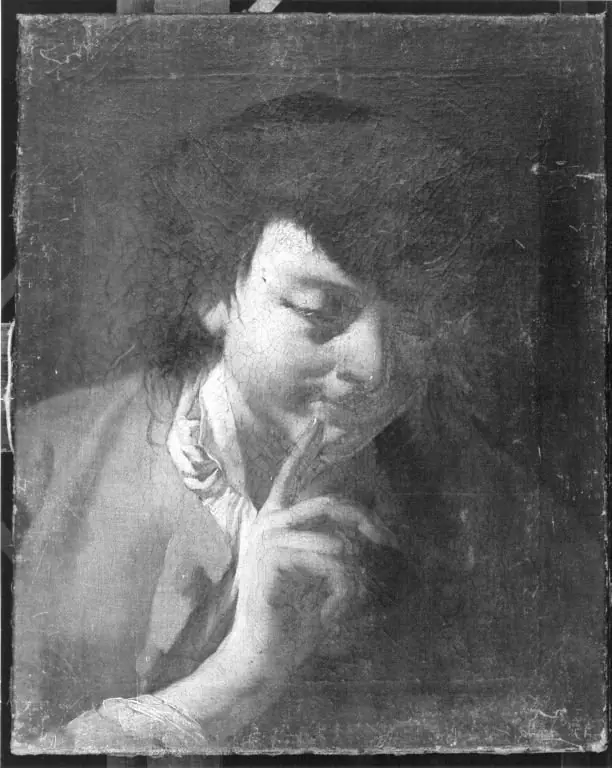
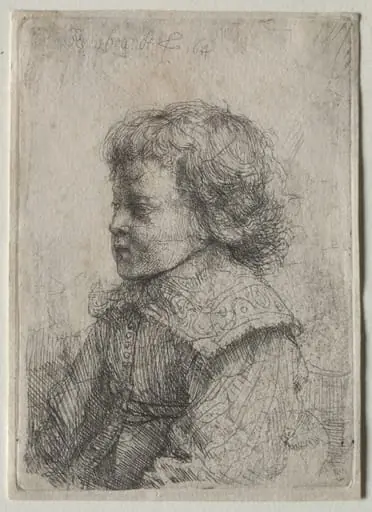 Portrait of a Boy in Profile
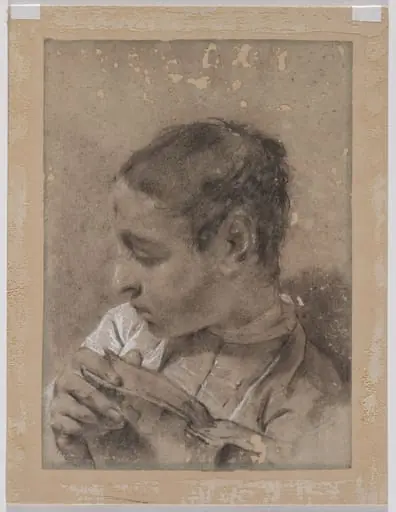 Head of a Young Man in Profile with a Book
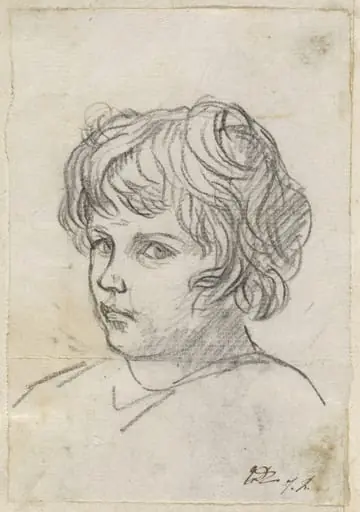 Head of a Boy
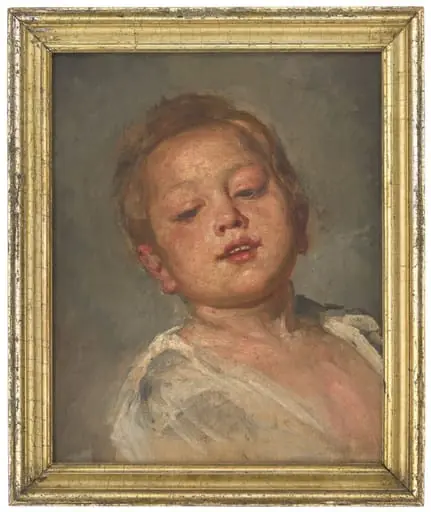 Porträt eines Jungen (Studie)
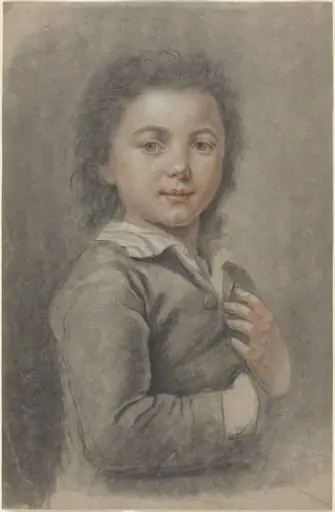 Portrait of a Young Boy
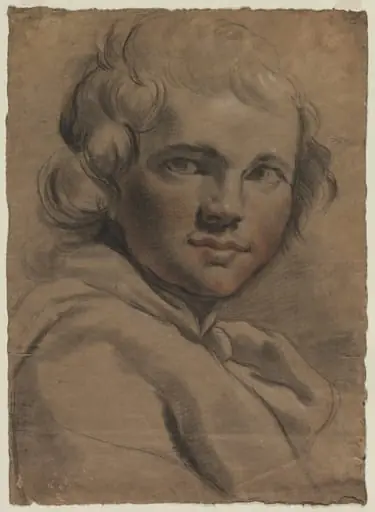 Head of a Young Man (recto)
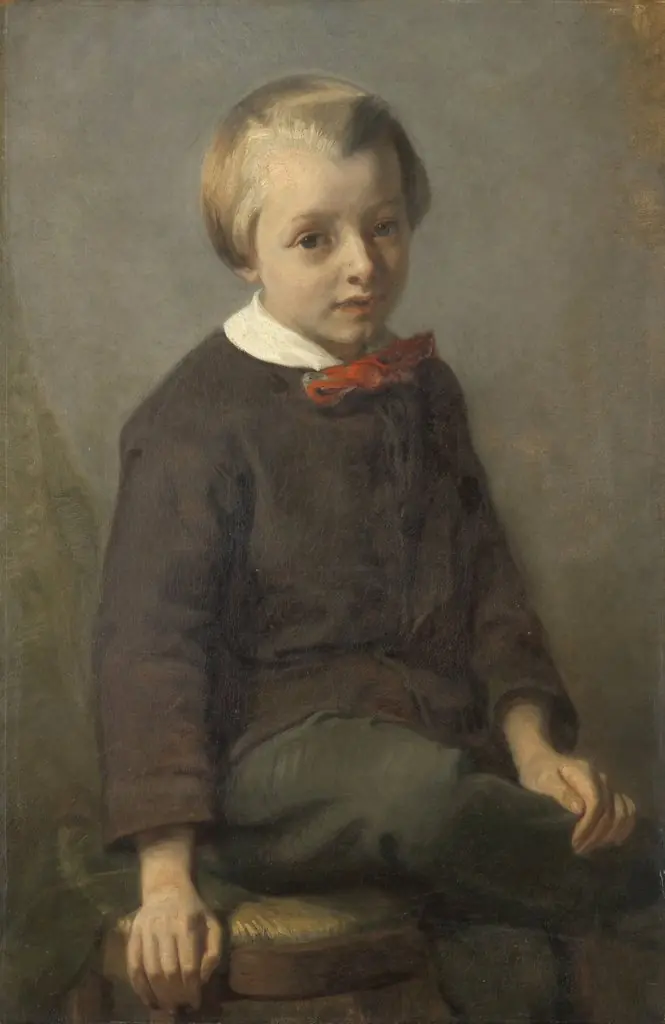 Portrait of a Boy
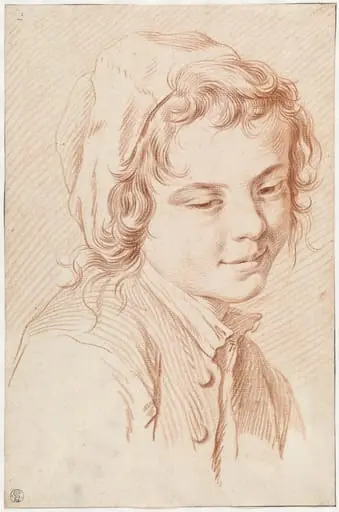 Head of a Boy
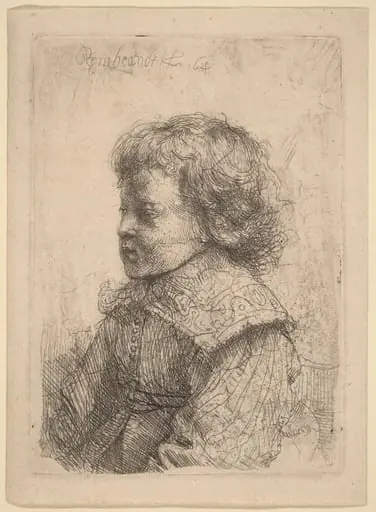 Portrait of a Boy in Profile
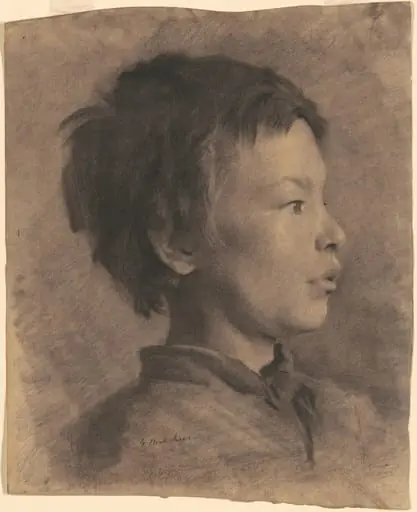 Head of a Boy
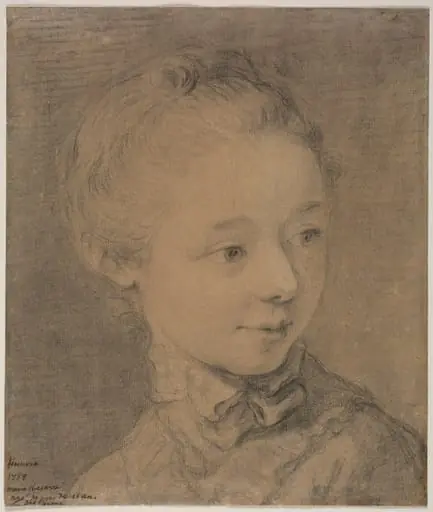 Head of a Young Girl Turning toward the Right
 Portrait of the artist’s son