Artwork
Johannes der Täufer
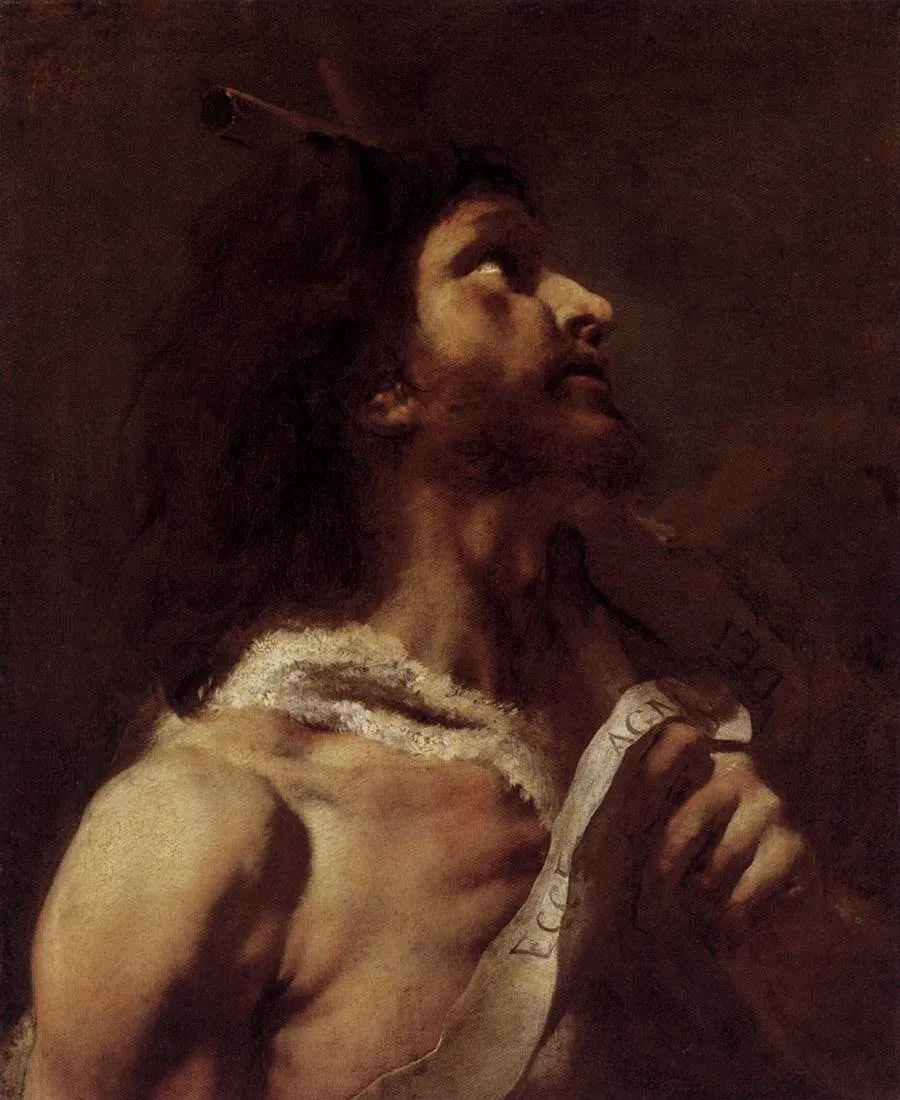
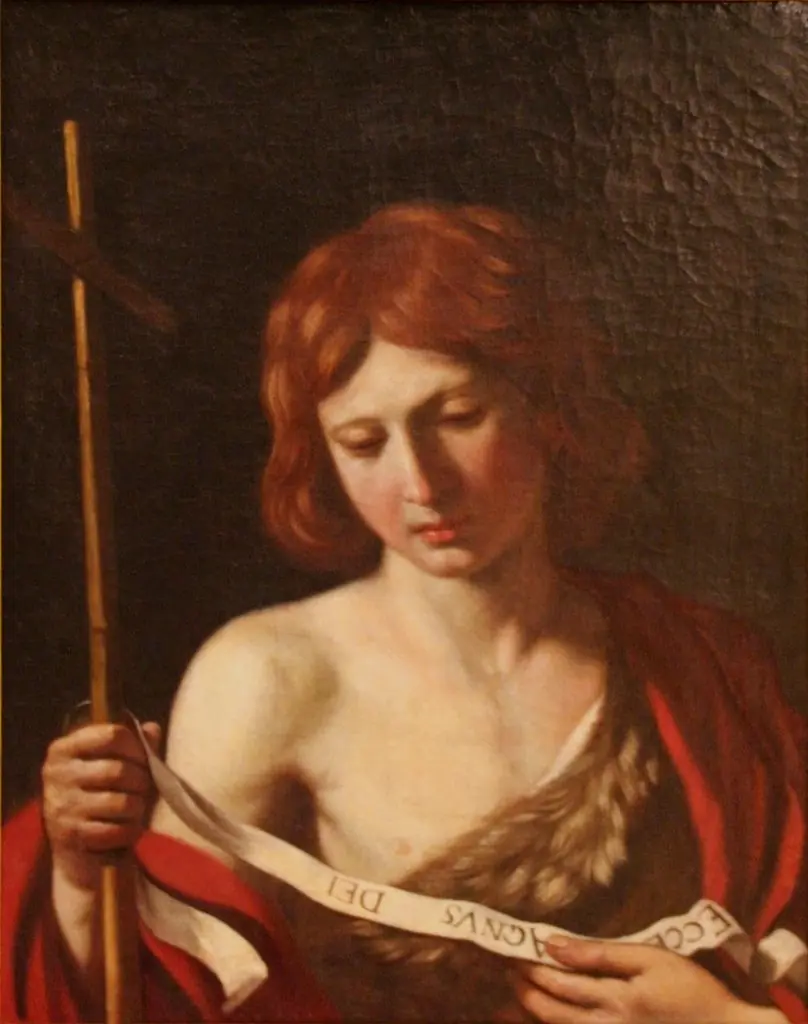
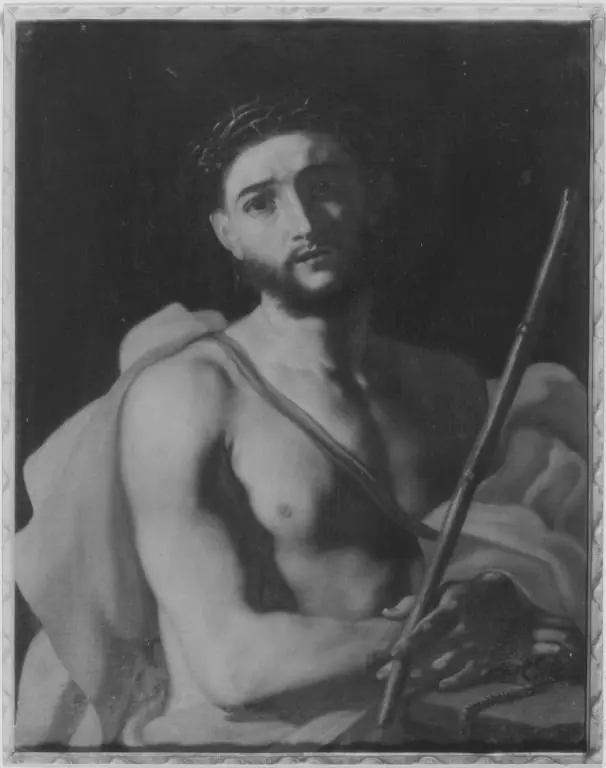
Johannes der Täufer is an oil painting by the Rococo painting artist Giovanni Battista Piazzetta. It dates from 1745 and is held in the collection of the Gemäldegalerie Berlin.
About this work
Overview
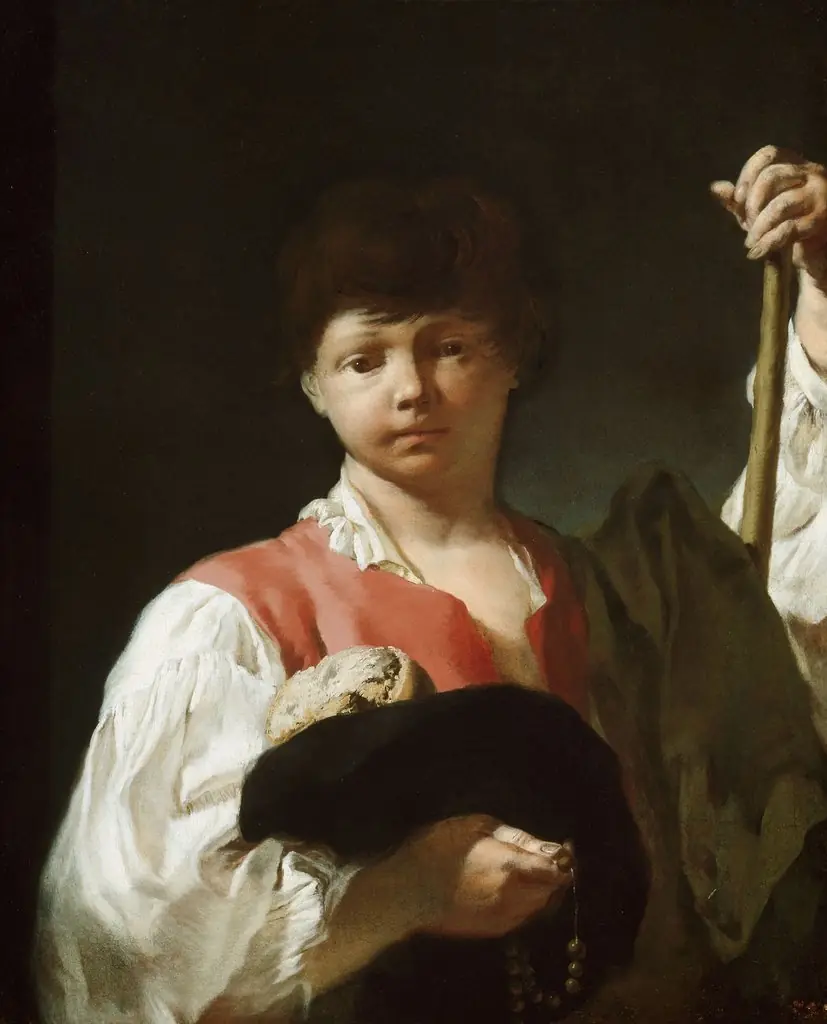
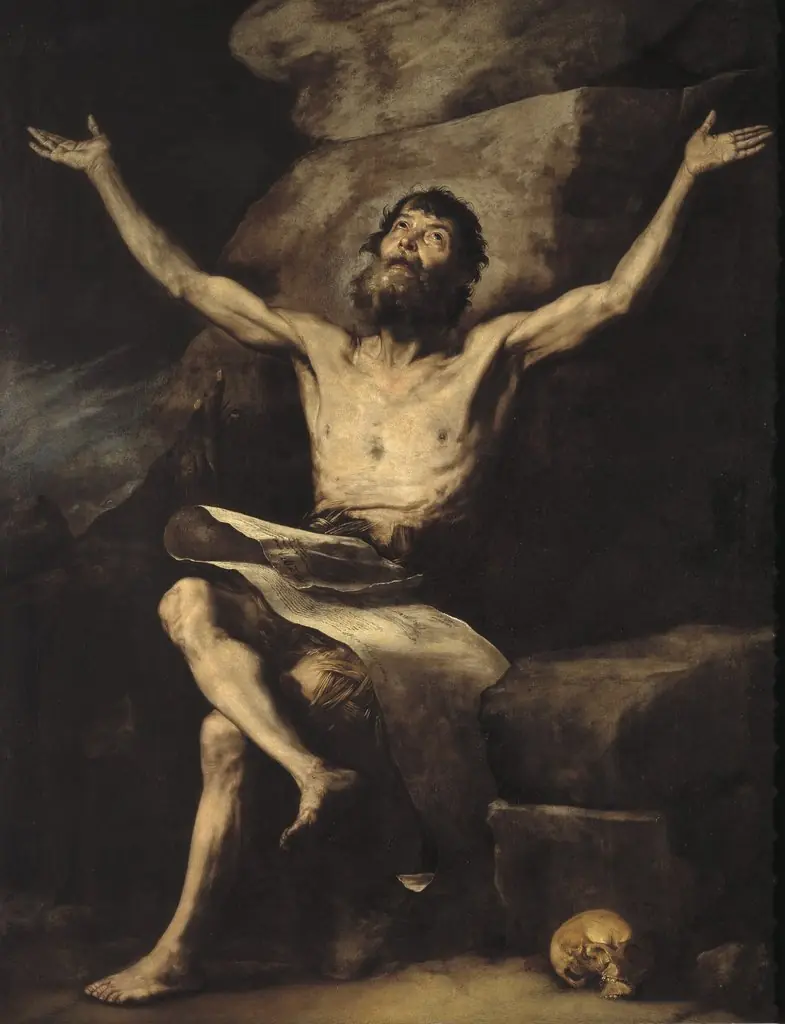
Giovanni Battista Piazzetta’s oil on canvas, dated 1745, presents a solitary figure of John the Baptist. The work is part of the Gemäldegalerie Berlin’s collection and exemplifies the artist’s late‑Baroque sensibility through its dramatic lighting and restrained composition.
Subject & Meaning
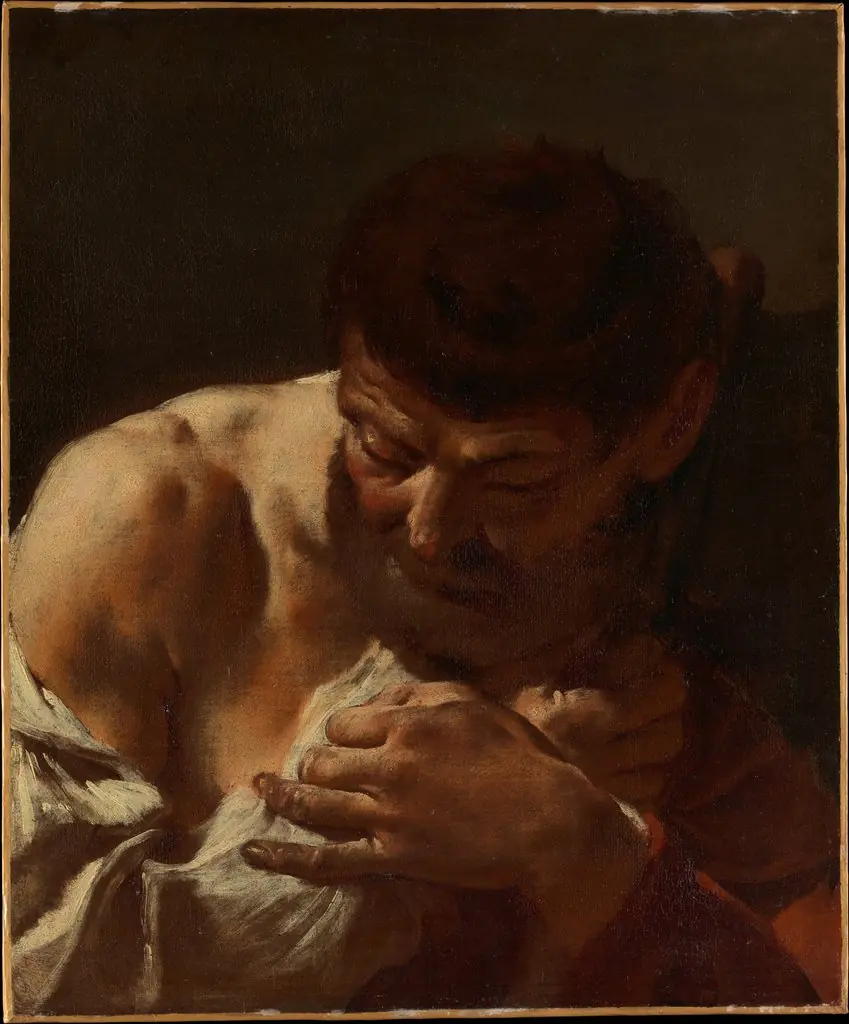
The central figure is the biblical forerunner of Christ, rendered with a contemplative gaze directed upward. He is depicted shirtless, save for a white cloth draped over his left shoulder, and holds a written scrap, alluding to his prophetic role and the tradition of announcing the Messiah.
Technique & Style
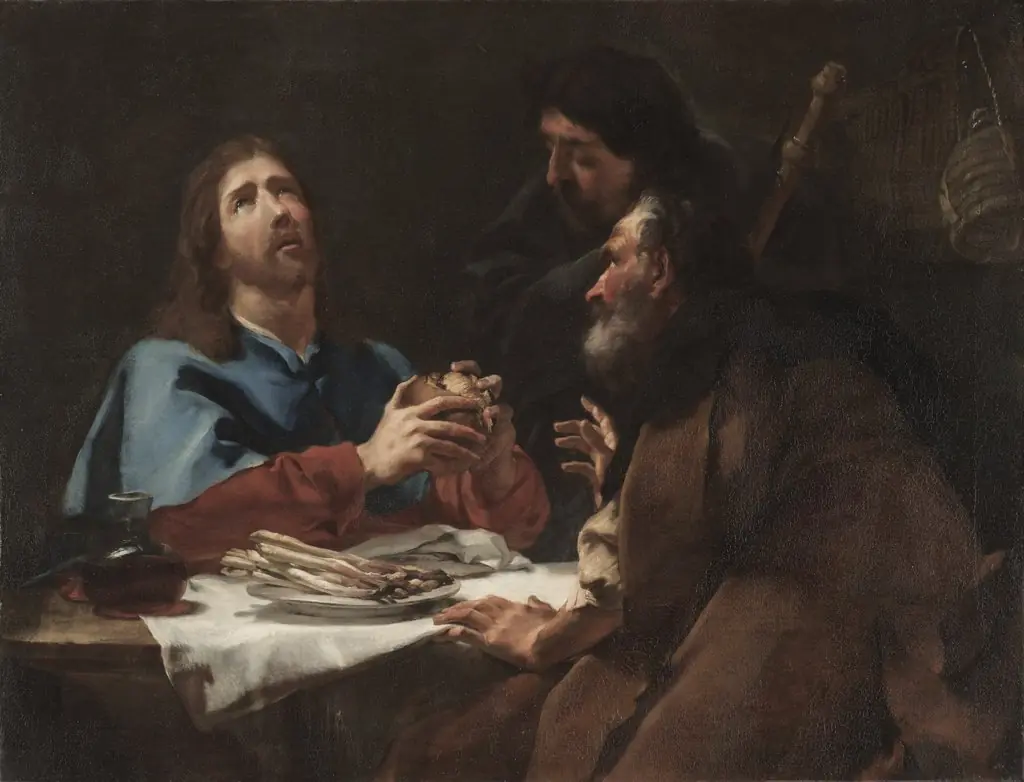
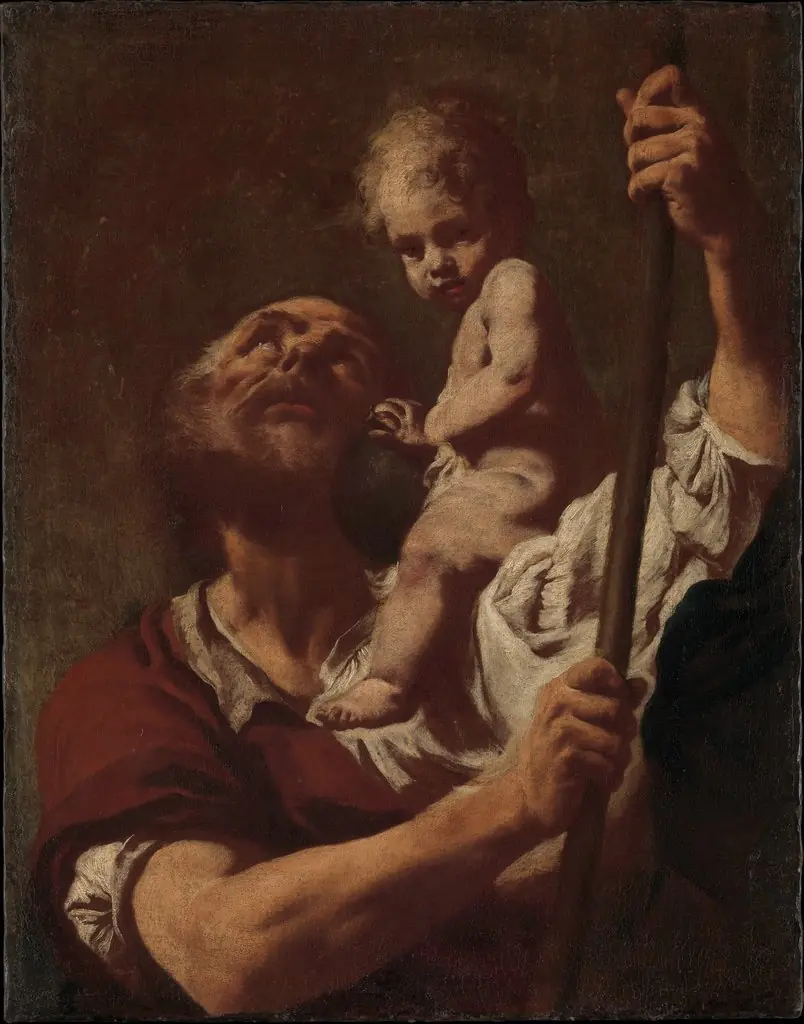
Piazzetta employs chiaroscuro to model the saint’s flesh and drapery, creating a stark contrast between illuminated flesh and a deep, shadowed background. The interplay of light and shadow gives the figure a sculptural presence, while the limited palette focuses attention on the expressive face and hands.
History & Provenance
Created in the mid‑18th century, the painting entered the Gemäldegalerie Berlin’s holdings during the museum’s expansion of its Baroque collection. Documentation traces its acquisition to the early 20th century, where it has been displayed as part of the gallery’s representation of Venetian religious art.
Context
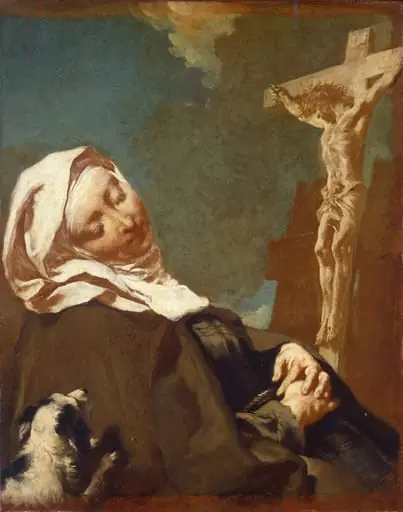
Piazzetta, active in Venice, was influenced by the dramatic tenebrism of Caravaggio and the refined elegance of the Venetian school. This work reflects the period’s devotional imagery, where saints were portrayed with heightened emotional intensity to engage the viewer’s piety.
Artist & collection

Artist
Giovanni Battista Piazzetta (also called Giambattista Piazzetta or Giambattista Valentino Piazzetta) (February 13, 1682 or 1683 – April 28, 1754) was an Italian Rococo painter of religious subjects and genre scenes.