Artwork
The Beggar Boy (The Young Pilgrim)
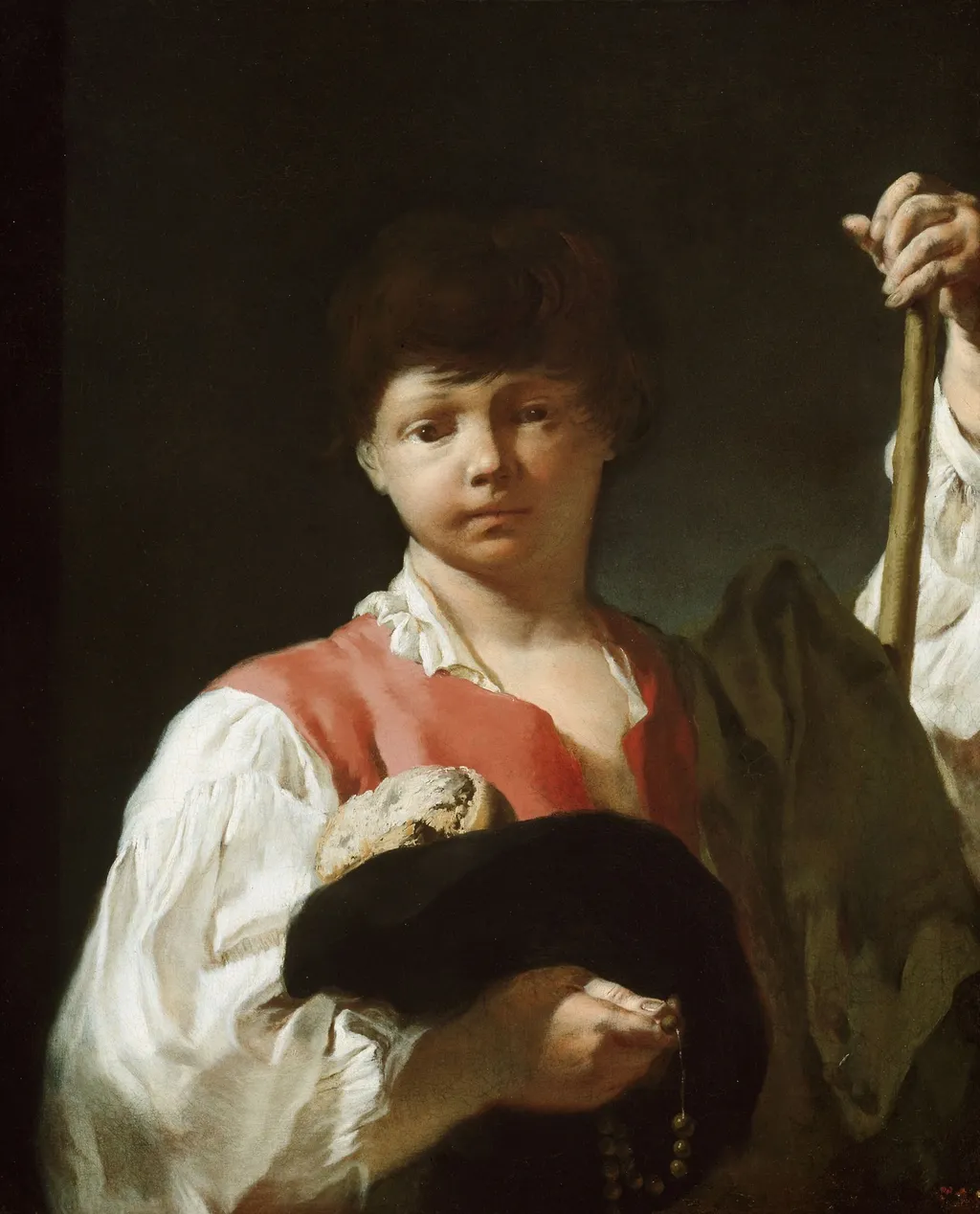
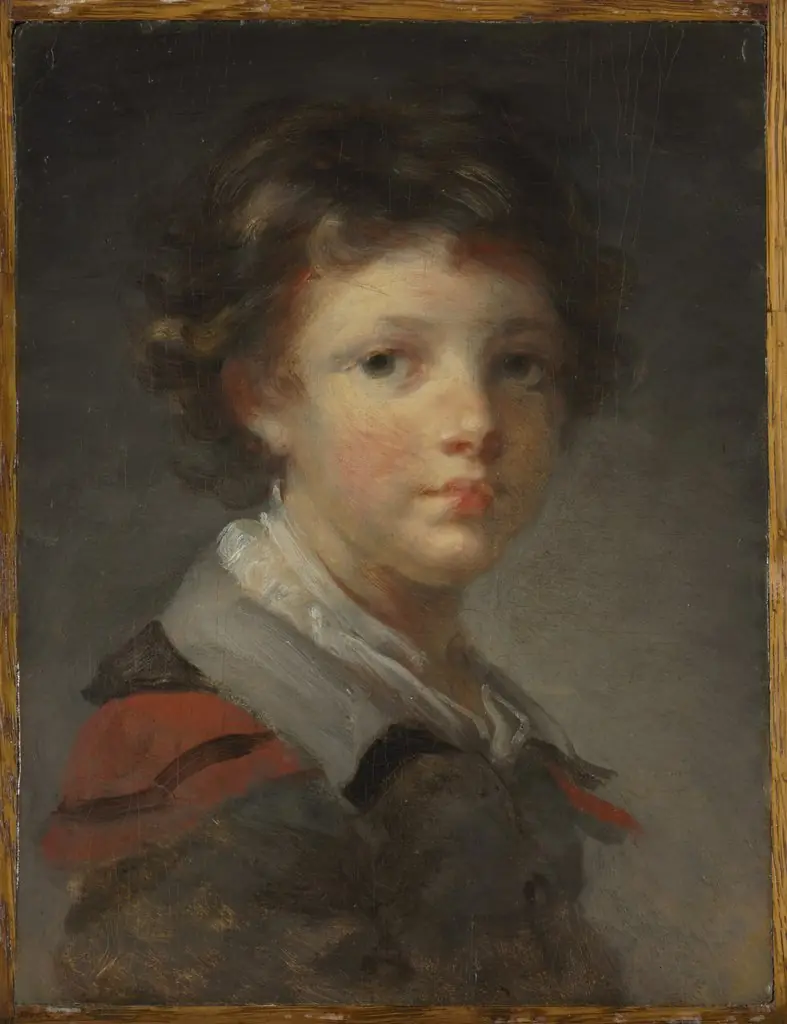
The Beggar Boy (The Young Pilgrim) is an oil painting by the Rococo painting artist Giovanni Battista Piazzetta. It dates from 1727 and is held in the collection of the Art Institute of Chicago.
About this work
Overview
Painted in 1727 by Giovanni Battista Piazzetta, this oil-on-canvas work depicts a young boy in humble attire, standing alone in a dimly lit space. The painting is cataloged as a genre scene, capturing a quiet, unidealized moment of daily life. It resides in the collection of the Art Institute of Chicago, where its emotional restraint and subtle lighting continue to draw attention.
Subject & Meaning
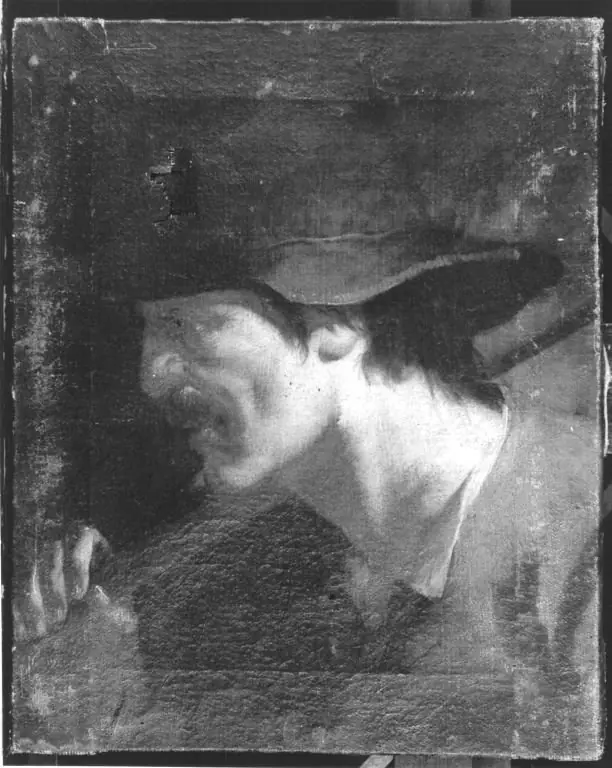
The boy, dressed in a simple white shirt and red vest, holds a walking stick and clutches the fur of a small black dog at his side.
The boy, dressed in a simple white shirt and red vest, holds a walking stick and clutches the fur of a small black dog at his side. His expression is solemn, eyes fixed ahead, suggesting contemplation or endurance. Behind him, a shadowy hand extends ambiguously—neither clearly threatening nor comforting—leaving the narrative open to interpretation, perhaps hinting at vulnerability or unseen guidance.
Technique & Style
Piazzetta employs chiaroscuro to isolate the figure against a deep, indistinct background. Soft, directional light falls across the boy’s face and torso, heightening the texture of his clothing and the fur of the dog. The contrast between illuminated flesh and surrounding darkness creates a sculptural presence, emphasizing stillness and inner focus over dramatic action.
History & Provenance
The painting was completed in 1727 during Piazzetta’s mature period in Venice. It entered the Art Institute of Chicago’s collection in the early 20th century, likely through a private acquisition or bequest. Its provenance prior to that is not fully documented, though its style aligns with other Venetian genre works of the era.
Context
In early 18th-century Venice, genre scenes like this one reflected a growing interest in ordinary lives, distinct from grand religious or mythological themes. Piazzetta, known for religious works, occasionally turned to secular subjects with psychological depth. This painting fits within a broader trend of empathetic portrayals of the poor, influenced by both Caravaggisti traditions and Venetian naturalism.
Legacy
Though not widely exhibited outside institutional settings, the painting remains a quiet example of Piazzetta’s ability to convey dignity in marginal figures. Its restrained composition and emotional ambiguity distinguish it from more theatrical contemporaries, offering a nuanced vision of youth and solitude in Baroque-era Italy.
Own this work as a print
Artist & collection

Artist
Giovanni Battista Piazzetta (also called Giambattista Piazzetta or Giambattista Valentino Piazzetta) (February 13, 1682 or 1683 – April 28, 1754) was an Italian Rococo painter of religious subjects and genre scenes.

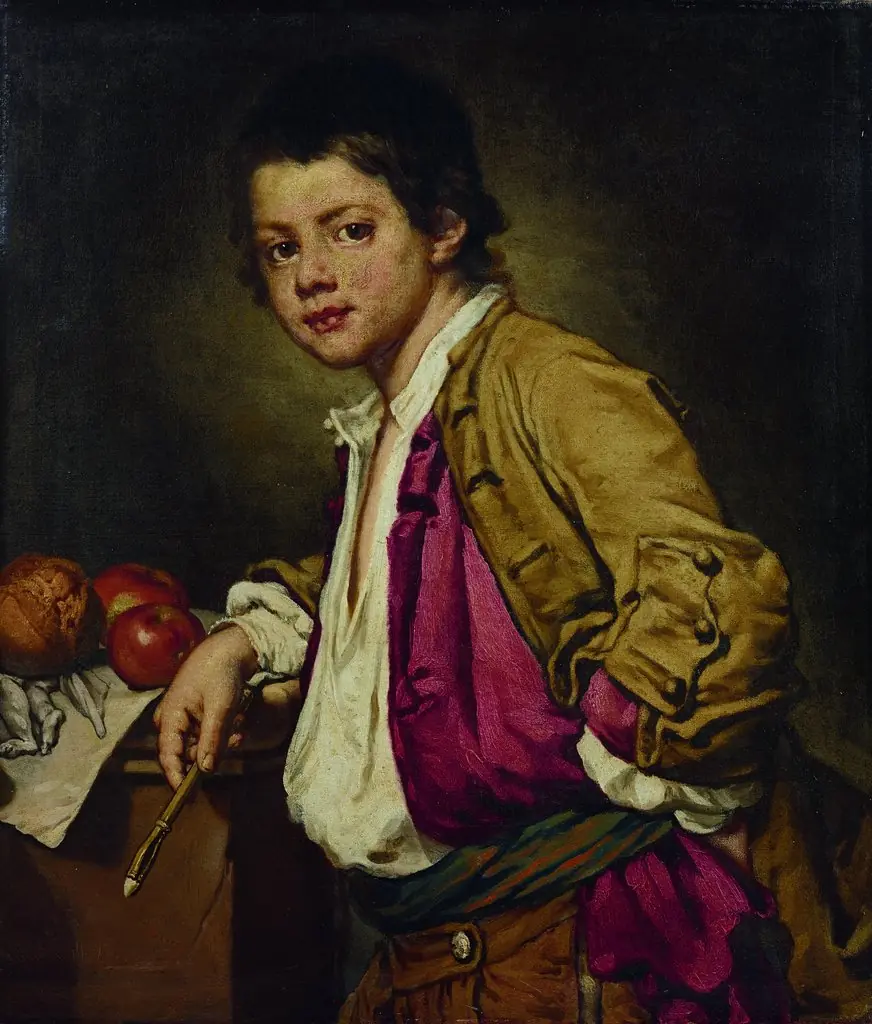 Portrait of a Young Painter
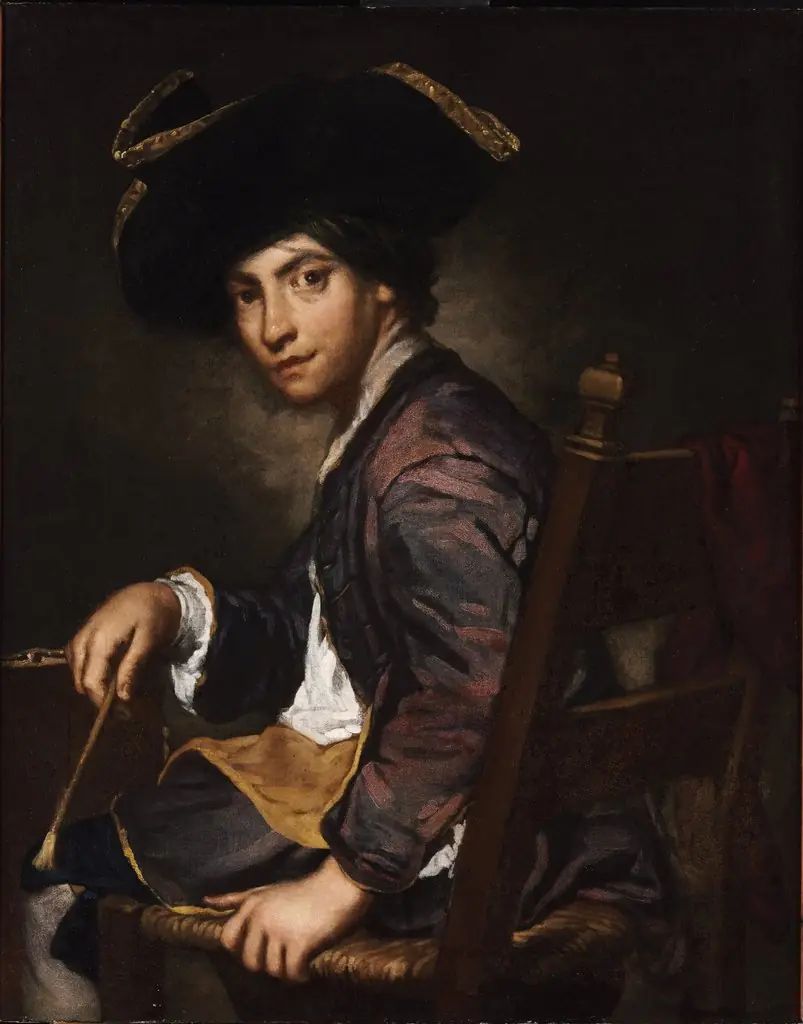 Young Painter in His Studio
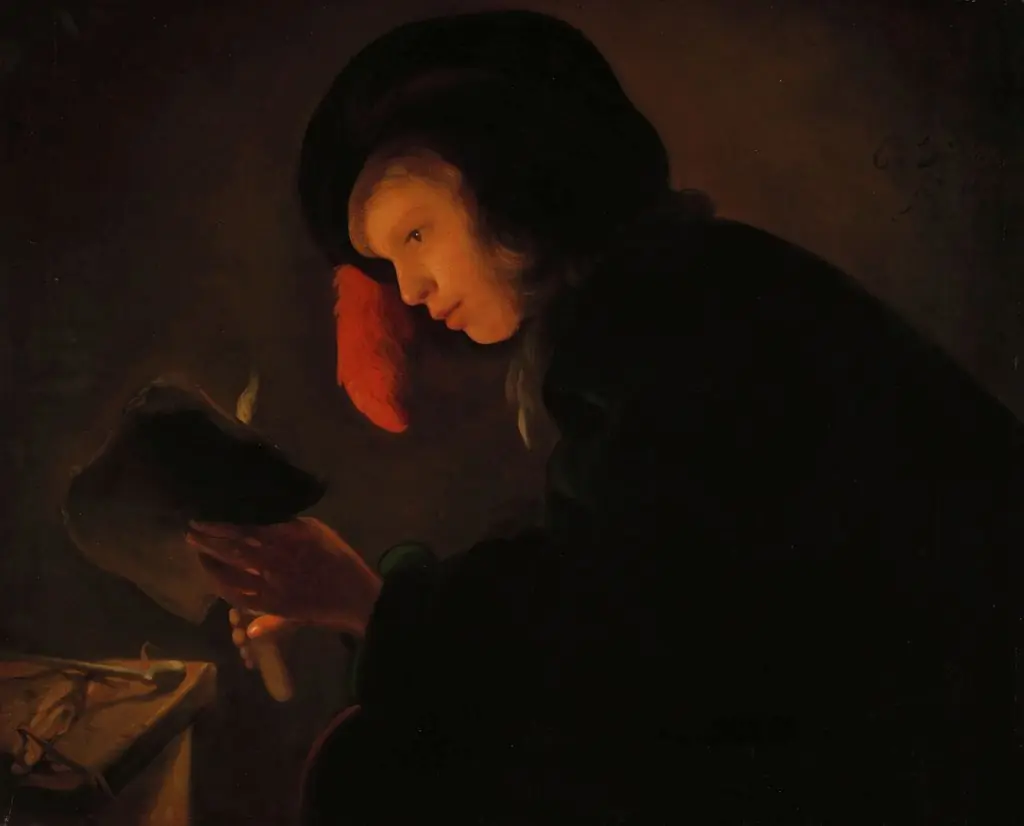 Young man by candle light
 Portrait of F.P. Makerovsky in masquerade costume
 A child with bird
 Young Man by Candlelight
 Portrait of a Young Man
 Portrait of A. V. Tropinin
 Gardener resting
 Saint John the Evangelist
 Alfred Dedreux (1810–1860) as a Child
 A Boy in a Red-lined Cloak