Artwork
Self-portrait
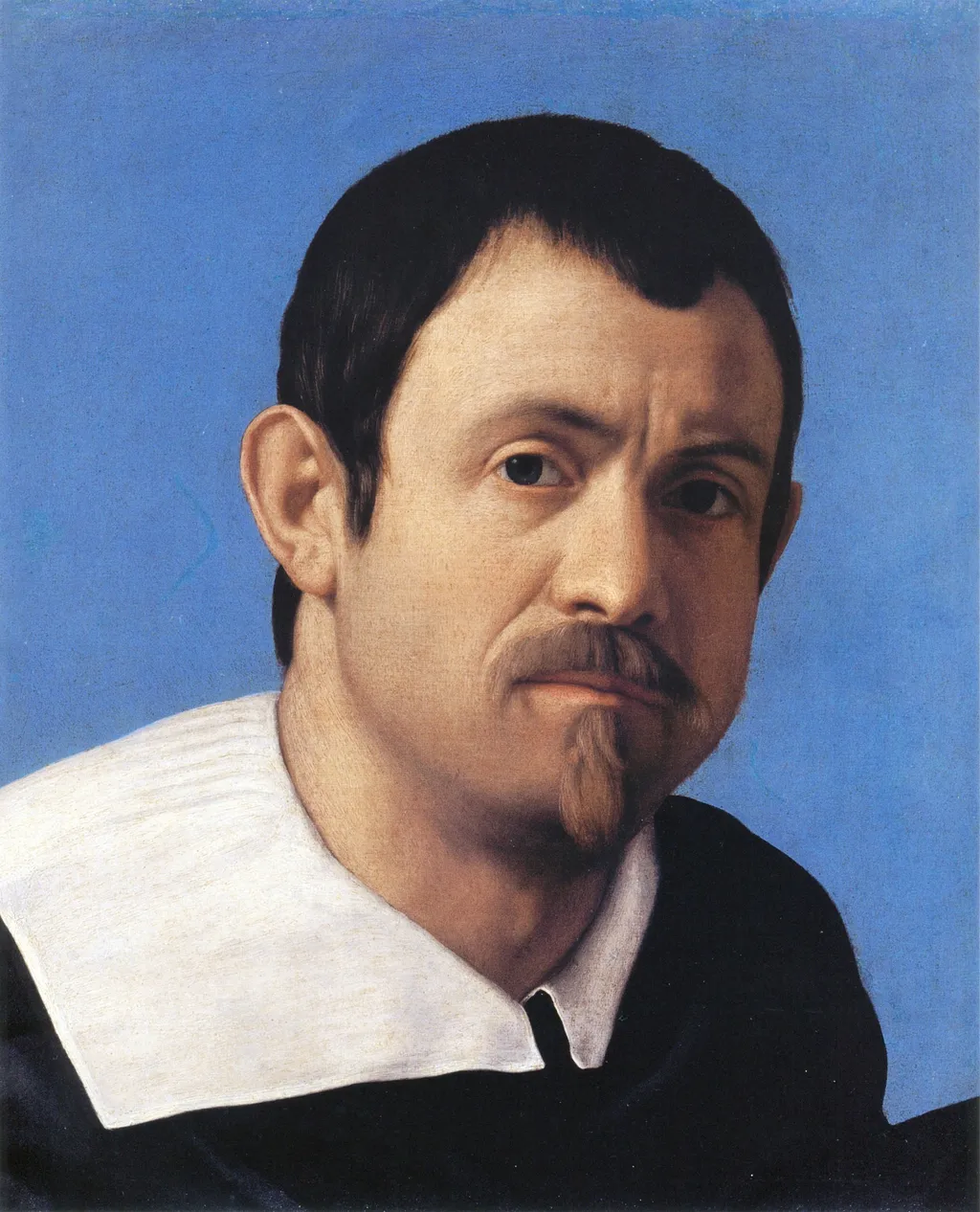
Self-portrait is an oil painting by the Early Baroque Italian artist Giovanni Battista Salvi da Sassoferrato. It dates from 1646 and is held in the collection of the Uffizi Gallery.
About this work
Overview
Painted in 1646, this oil-on-canvas self-portrait by Giovanni Battista Salvi da Sassoferrato presents the artist in a restrained, frontal pose. Executed during the early Baroque period in Italy, the work reflects his deliberate engagement with the classical ideals of Raphael. The composition is intimate and focused, emphasizing the artist’s presence without narrative distraction.
Subject & Meaning
The artist depicts himself with quiet composure, gazing directly at the viewer. His dark hair, short beard, and plain white collar suggest modesty and professional seriousness. The absence of symbolic objects or elaborate attire shifts emphasis to his identity as a painter, not a nobleman or religious figure. The portrait functions as a quiet assertion of artistic self-awareness.
Technique & Style
Sassoferrato employs chiaroscuro to model the face and shoulders with subtle gradations of light and shadow, lending volume without dramatic contrast.
Sassoferrato employs chiaroscuro to model the face and shoulders with subtle gradations of light and shadow, lending volume without dramatic contrast. The solid blue background eliminates spatial distraction, heightening focus on the figure. His brushwork is smooth and controlled, aligning with the refined, almost devotional aesthetic he favored—drawing from High Renaissance models rather than the theatricality of his contemporaries.
History & Provenance
The painting entered the Medici collection in the 17th century and has remained in Florence’s artistic heritage since. It was cataloged in the Uffizi Gallery’s holdings by the 18th century and has been consistently displayed as an example of Baroque portraiture rooted in classical tradition. Its continuous presence in the collection underscores its recognized significance within Italian art history.
Context
In mid-17th-century Italy, many artists turned to Raphael’s harmony and clarity as a counter to the growing dynamism of Baroque style. Sassoferrato, working in the Marche region, became known for this conservative approach. His self-portrait reflects a broader trend among painters who sought legitimacy through association with earlier masters, prioritizing discipline over innovation.
Legacy
Though less celebrated than his peers, Sassoferrato’s self-portrait endures as a quiet testament to the persistence of Renaissance ideals in Baroque Italy. It illustrates how artists navigated tradition amid stylistic change, using restraint to assert professional identity. The work remains a reference point for studies on self-representation and stylistic continuity in 17th-century painting.
Own this work as a print
Artist & collection
Artist
Giovanni Battista Salvi da Sassoferrato
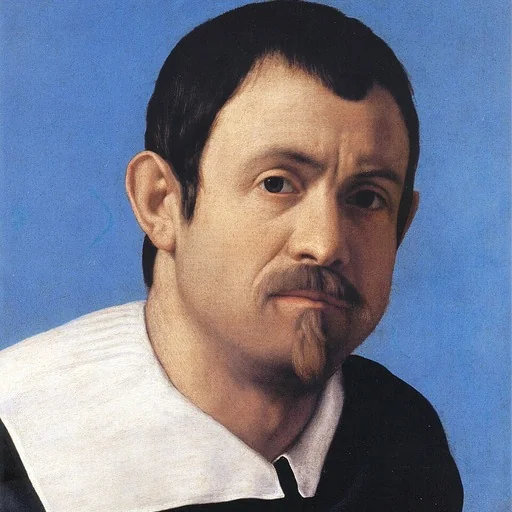
Giovanni Battista Salvi da Sassoferrato (25 August 1609 – 8 August 1685), also known as Giovanni Battista Salvi, was an Italian Baroque painter, known for his archaizing commitment to Raphael's style.

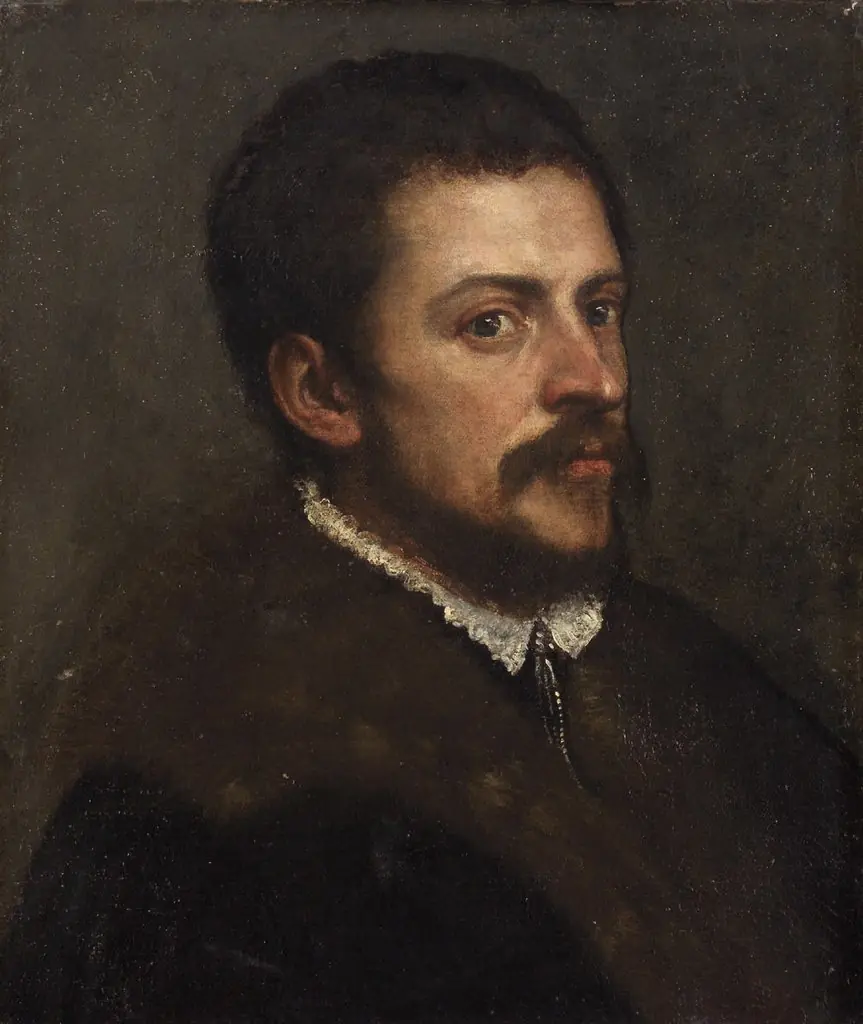 Portrait of a Bearded Man
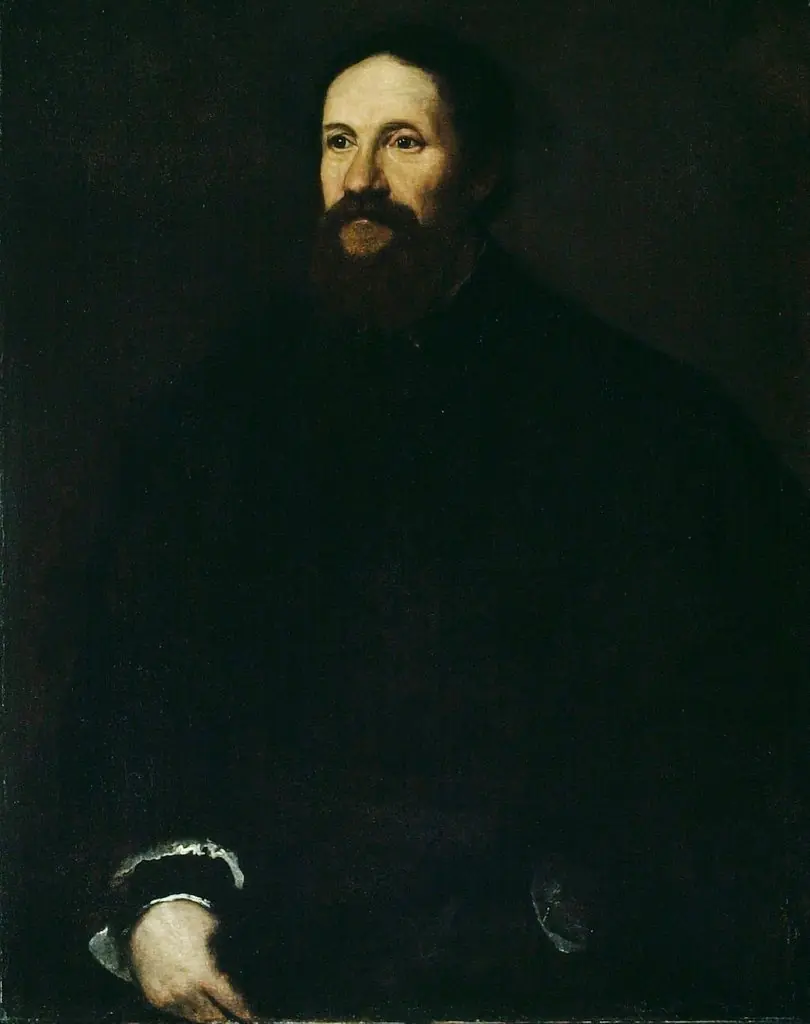 Portrait of a Gentleman
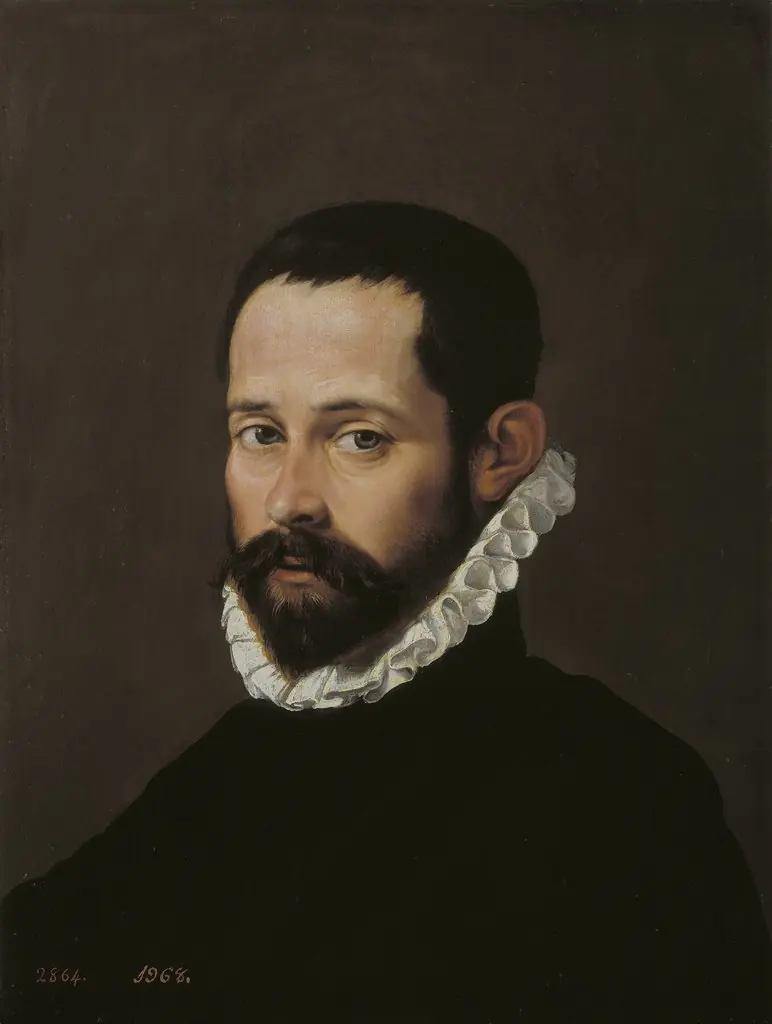 Portrait of Diego Hurtado de Mendoza
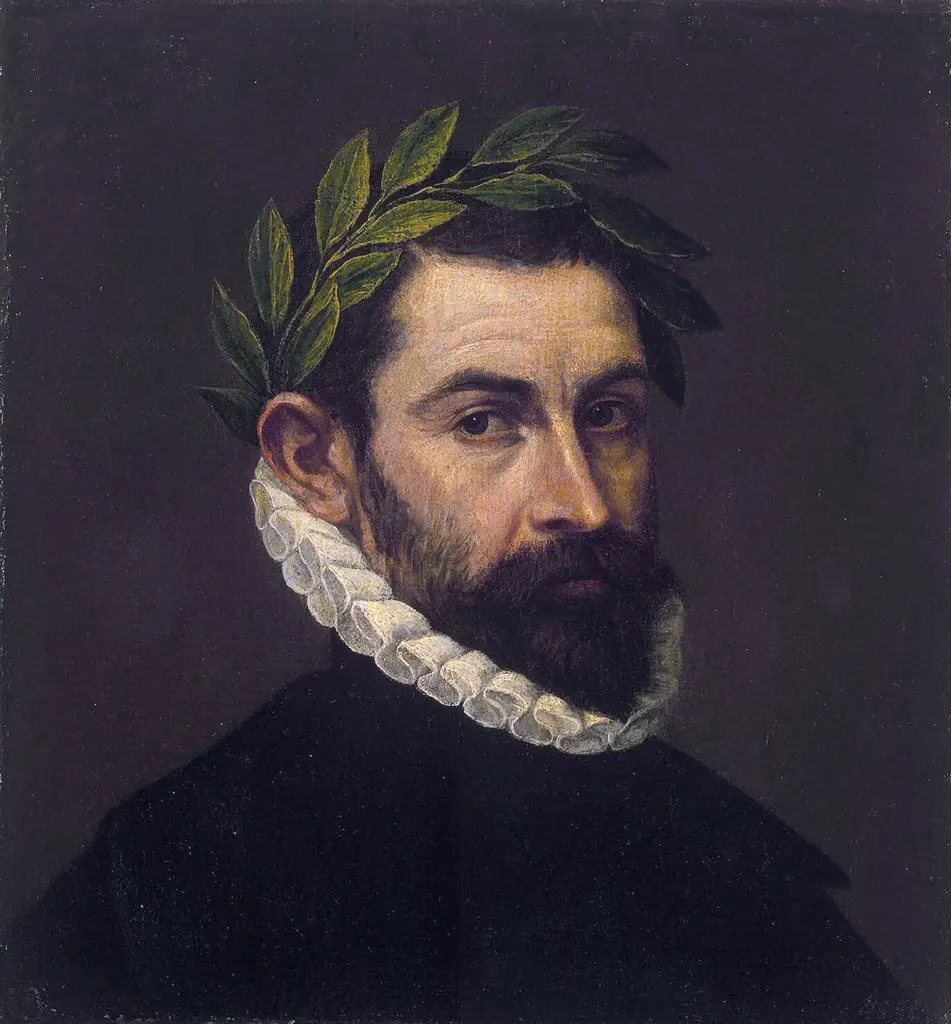 Portrait of the Poet Alonso Ercilla y Zuniga
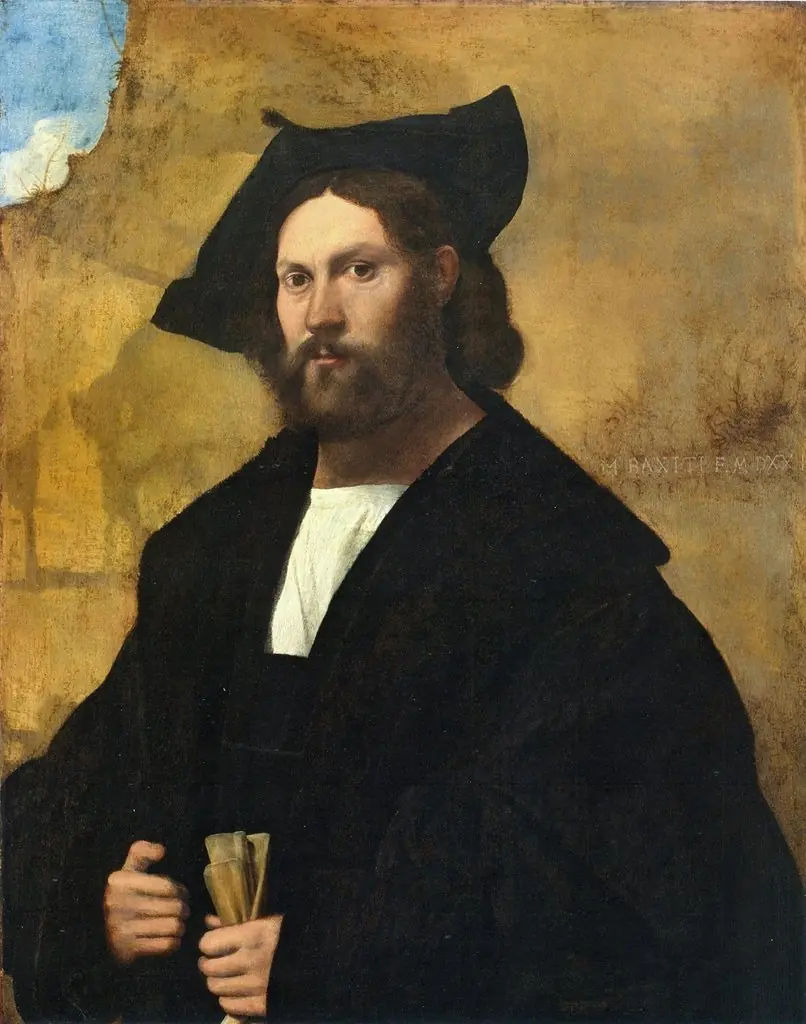 Portrait of a gentleman in black
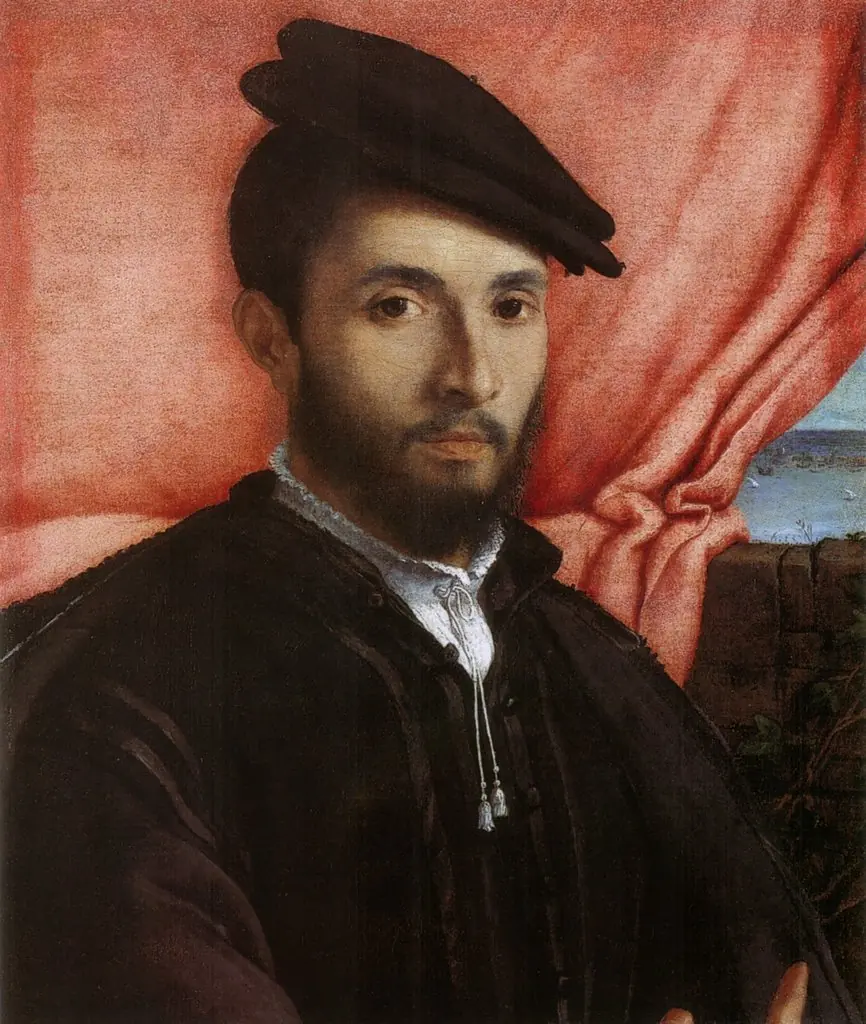 Portrait of a young Man
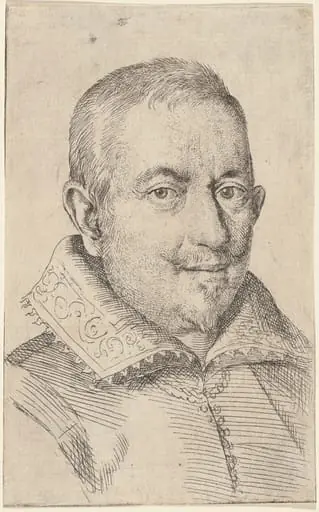 Portrait of a Middle-Aged Man
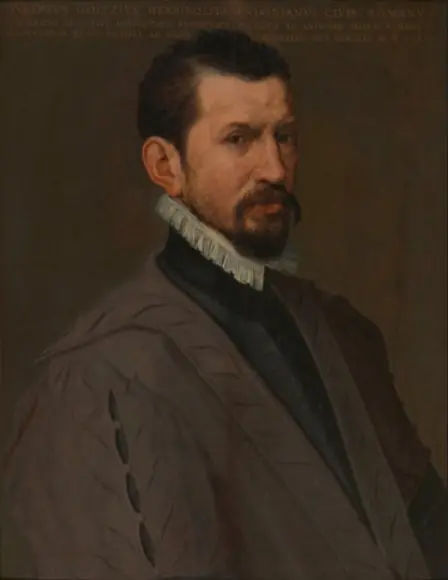 Portrait of Hubert Goltzius
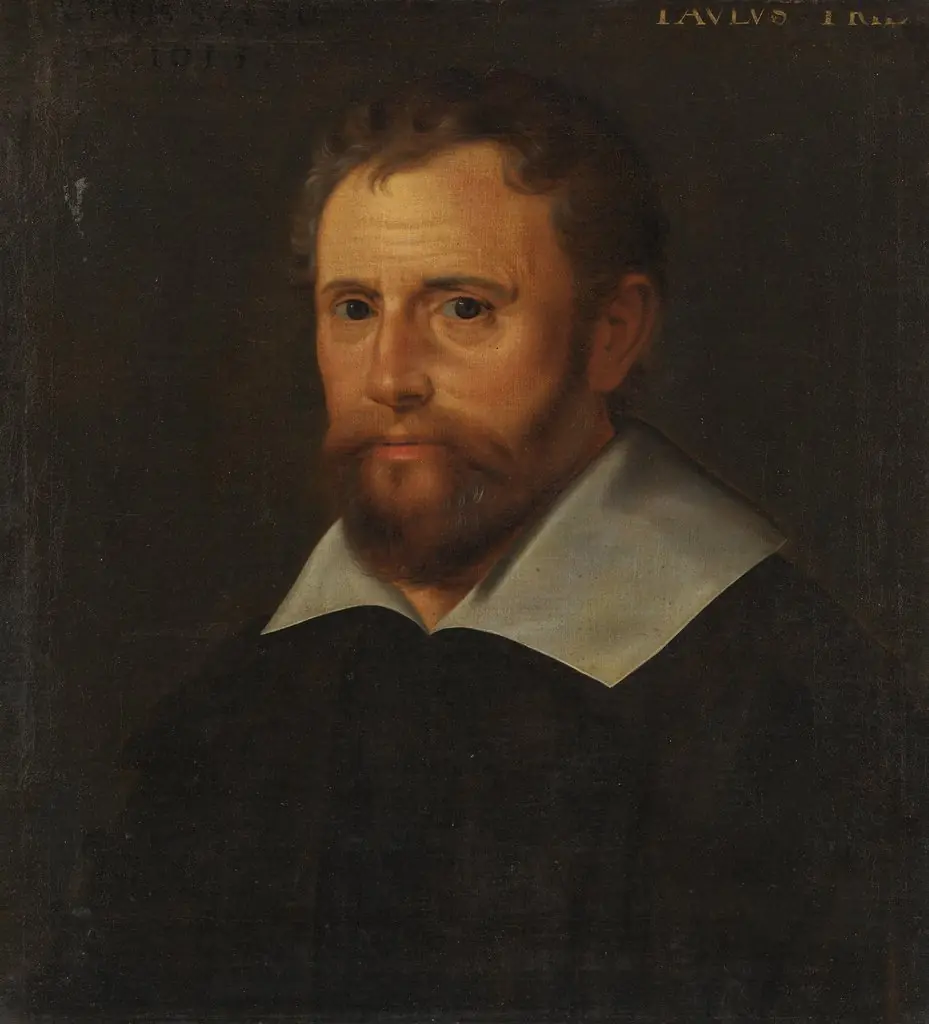 Bildnis des Paul Bril (zugeschrieben)
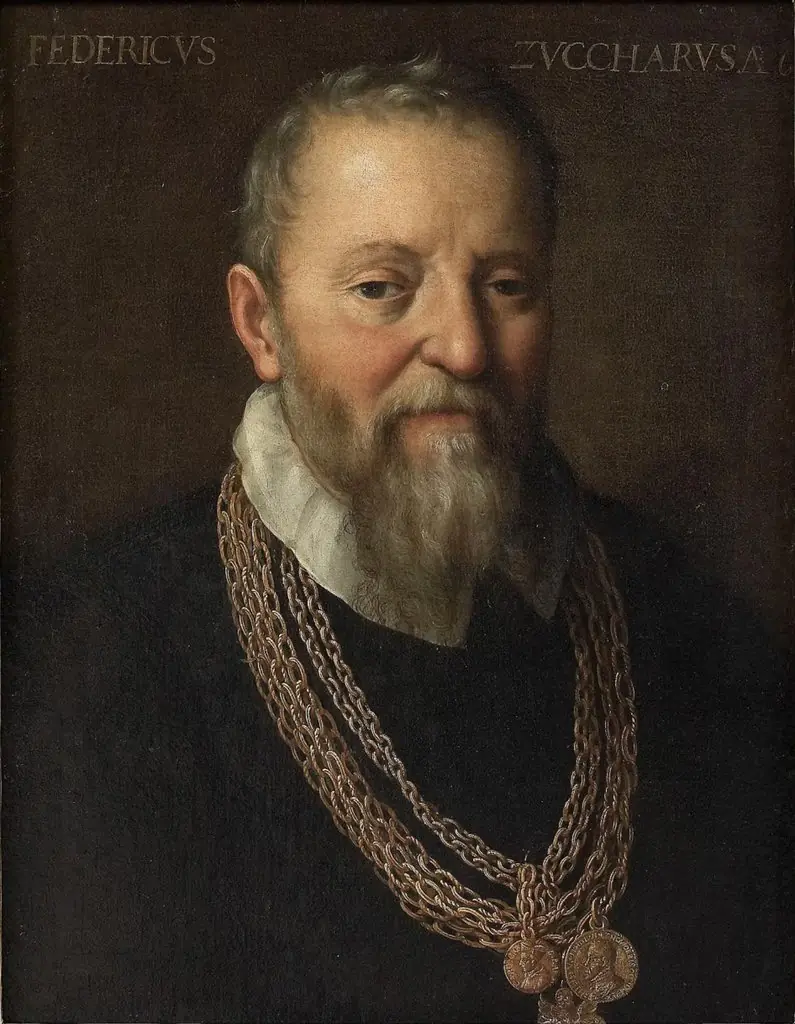 Portrait of Federico Zuccaro
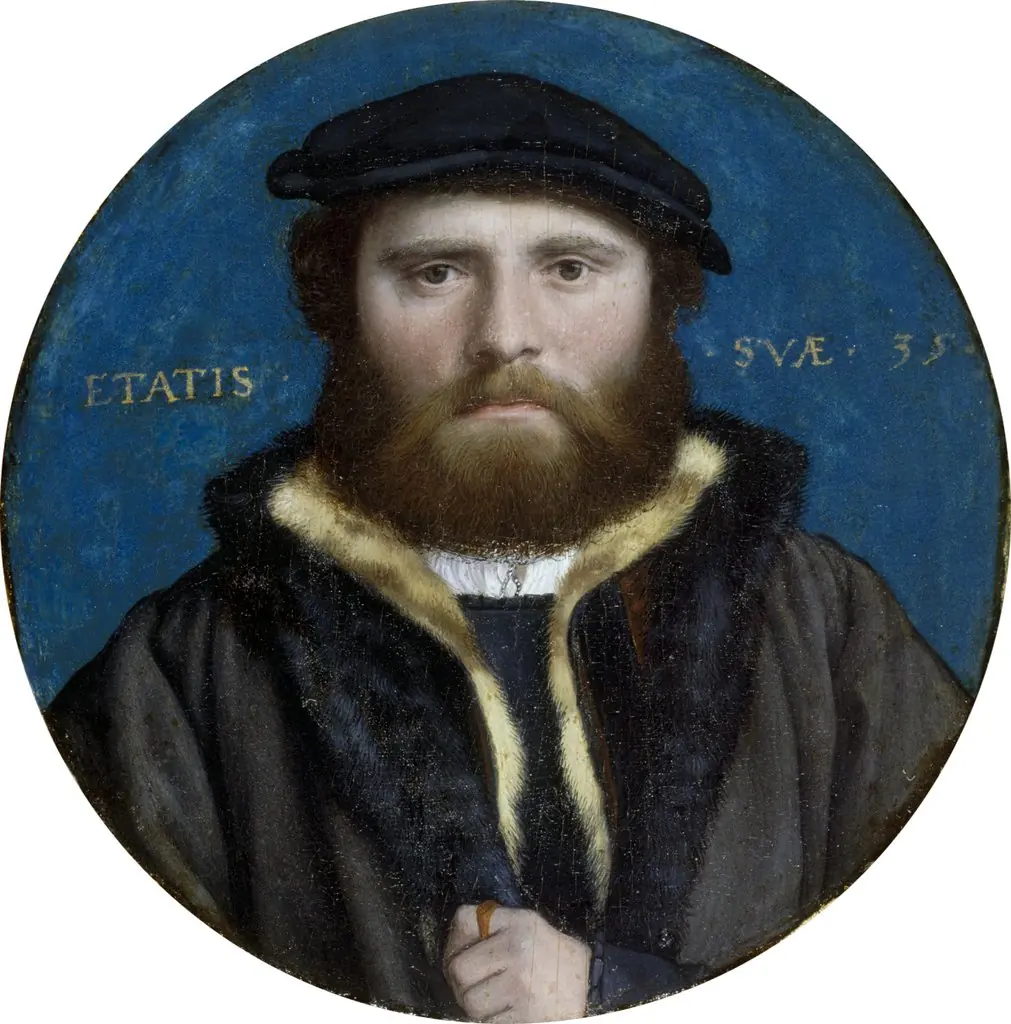 Hans of Antwerp
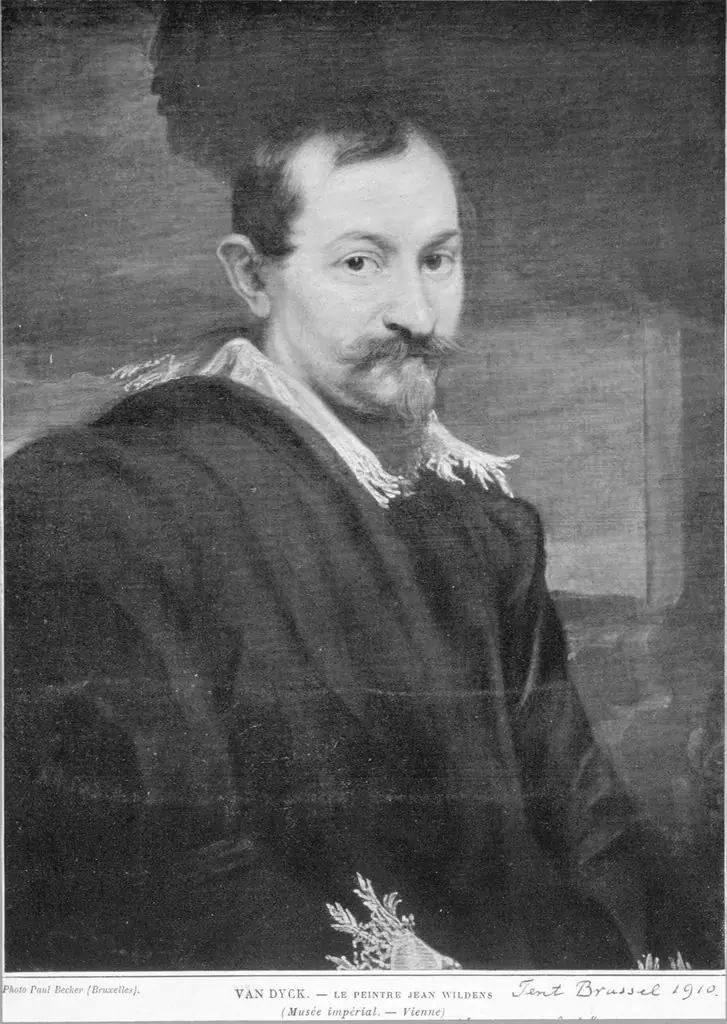 Lost portrait of Jan Wildens