Artwork
Armida Encounters the Sleeping Rinaldo
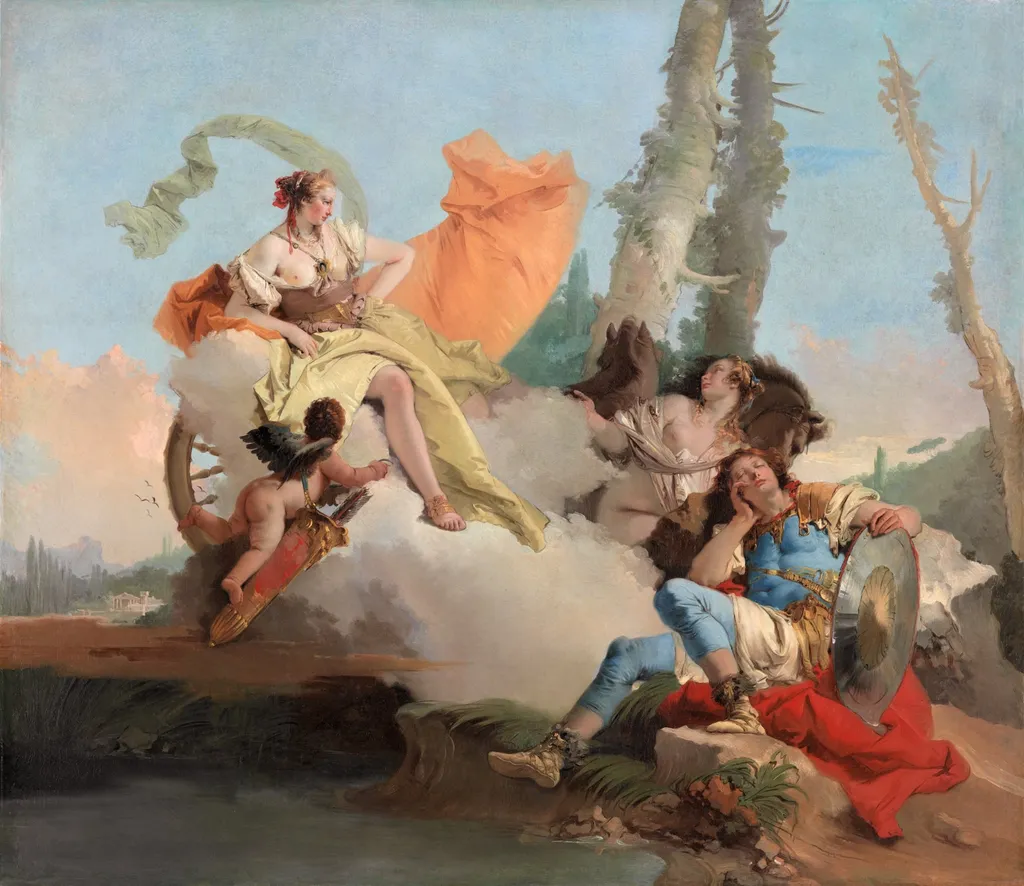
Armida Encounters the Sleeping Rinaldo is an oil painting by the Baroque artist Giovanni Battista Tiepolo. It dates from 1744 and is held in the collection of the Art Institute of Chicago.
About this work
Overview
It depicts a pivotal moment in the tale of Armida and Rinaldo, set against the backdrop of the First Crusade.
Painted in oil on canvas, this work is one of a series commissioned for the Palazzo Corner in Venice, illustrating episodes from Torquato Tasso’s epic poem Gerusalemme liberata. It depicts a pivotal moment in the tale of Armida and Rinaldo, set against the backdrop of the First Crusade. Tiepolo’s composition balances mythic narrative with atmospheric grandeur, characteristic of his large-scale decorative cycles for aristocratic residences across Europe.
Subject & Meaning
The scene captures Armida, a sorceress, observing the sleeping Christian knight Rinaldo, whom she intends to abduct. Her enchantment disrupts his sacred duty to reclaim Jerusalem, replacing martial resolve with romantic surrender. Surrounding putti, playfully handling his weapons, underscore the fragility of his resolve. The moment reflects a broader tension between earthly desire and spiritual obligation, though the painting emphasizes enchantment over moral conflict.
Technique & Style
Tiepolo employed glazing techniques to achieve luminous, ethereal color effects, layering thin veils of pigment to make hues appear to glow. His brushwork combines precise draftsmanship with a fluid, almost improvisational touch, particularly in the rendering of drapery and clouds. The sky dominates the composition, its airy expanse enhancing the sense of otherworldly movement and weightlessness.
History & Provenance
Created for the Palazzo Corner, a prominent Venetian noble residence, the painting was part of a thematic cycle depicting scenes from Tasso’s poem. These works adorned the grand halls of the palace, intended to impress visitors with the family’s cultural refinement. The suite’s original arrangement has since been dispersed, but the painting’s commission reflects the 18th-century Venetian elite’s fascination with literary and mythological narratives.
Context
Tasso’s Gerusalemme liberata, published in 1581, was widely read across Europe and became a favored source for visual artists. Tiepolo’s interpretation aligns with the Baroque and Rococo preference for emotional intensity and fantastical settings. While the poem framed Armida’s magic as perilous, Tiepolo’s treatment softens its moral edge, focusing instead on the allure of illusion and the sensuality of the supernatural.
Legacy
The painting exemplifies Tiepolo’s mastery in translating literary themes into immersive visual experiences. His ability to merge narrative clarity with atmospheric brilliance influenced later decorative painters and reinforced the role of mythological cycles in aristocratic interiors. Though the original context has changed, the work remains a testament to the fusion of poetry, painting, and elite patronage in 18th-century Europe.
Own this work as a print
Artist & collection

Artist
Giovanni Battista Tiepolo, also known as Giambattista Tiepolo, was an Italian painter and printmaker from the Republic of Venice who painted in the Rococo style, considered an important member of the 18th-century Venetian school.


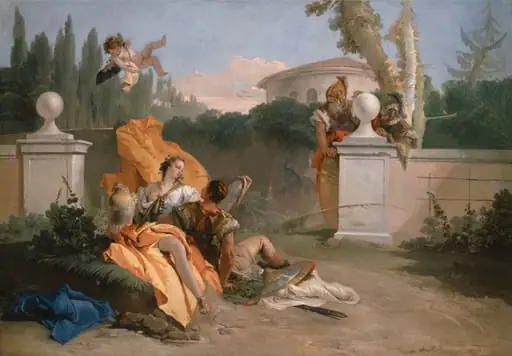 Rinaldo and Armida in Her Garden
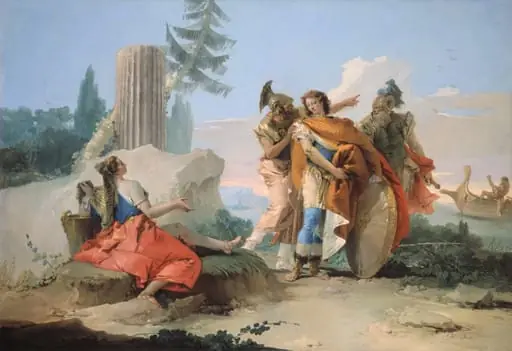 Armida Abandoned by Rinaldo
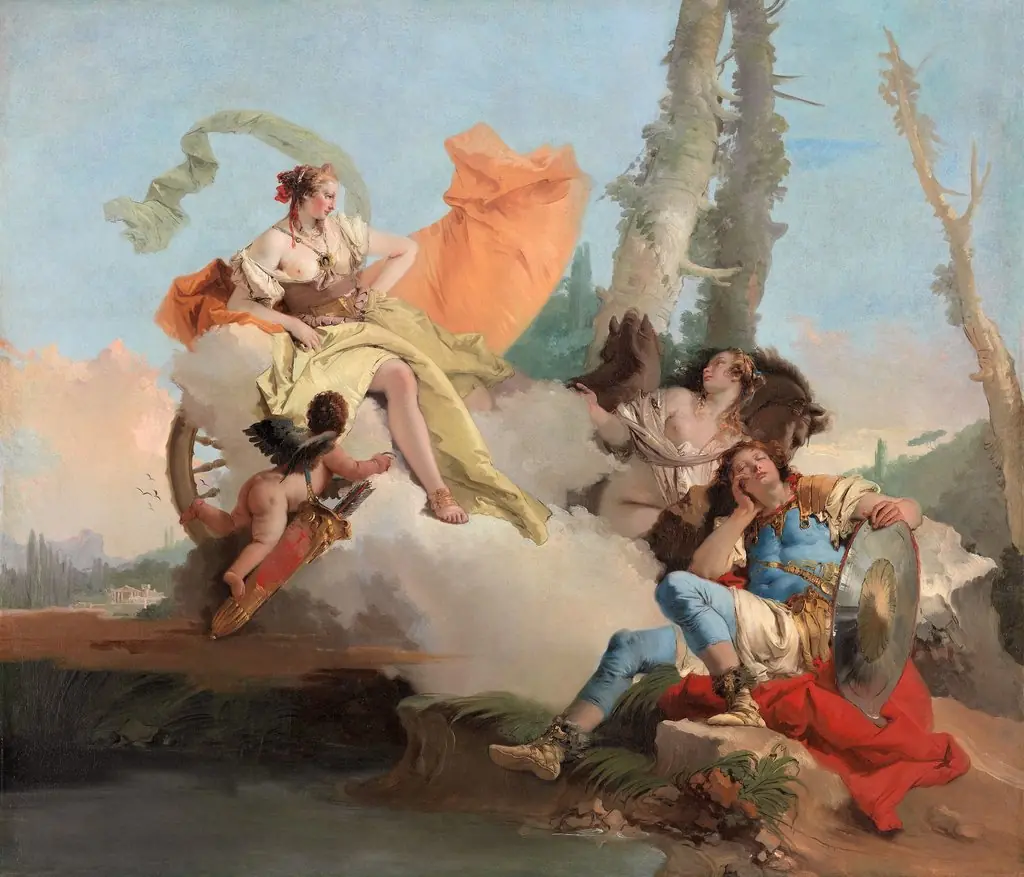 Armida Encounters the Sleeping Rinaldo
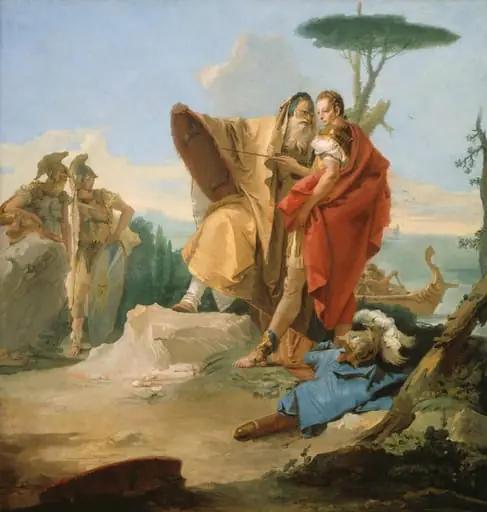 Rinaldo and the Magus of Ascalon
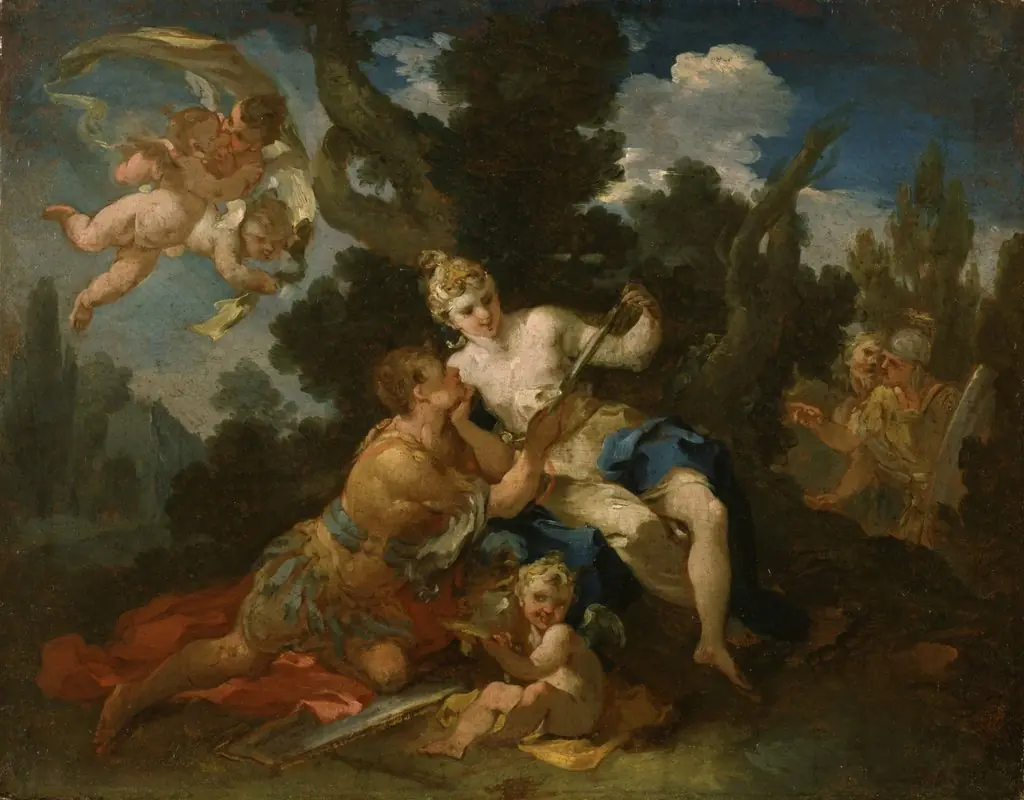 Rinaldo and Armida
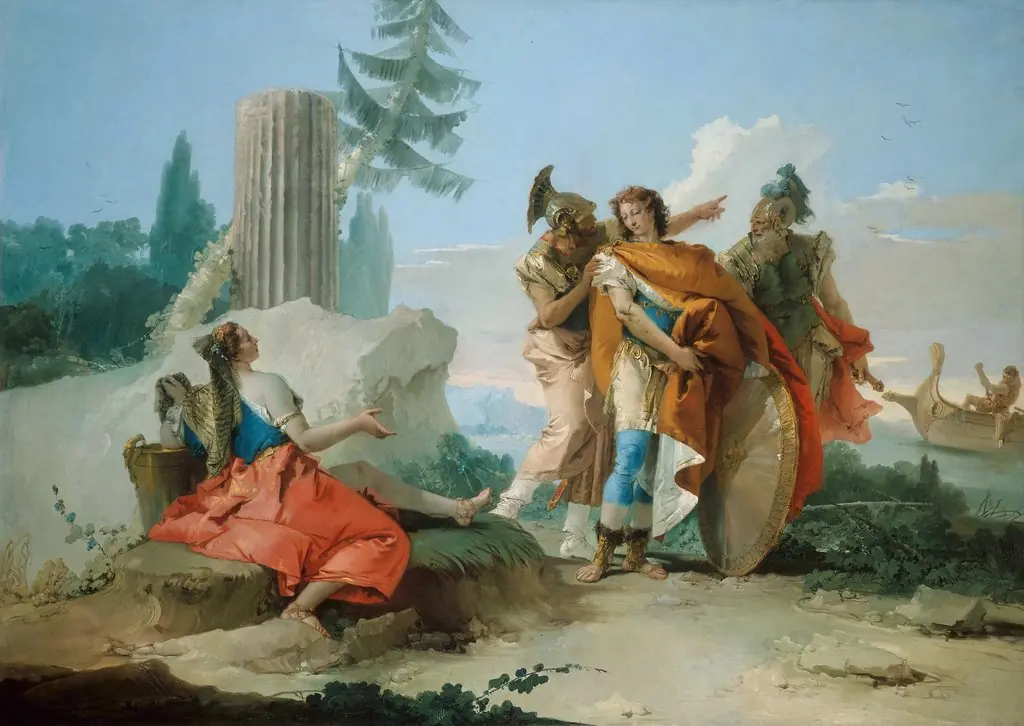 Armida Abandoned by Rinaldo
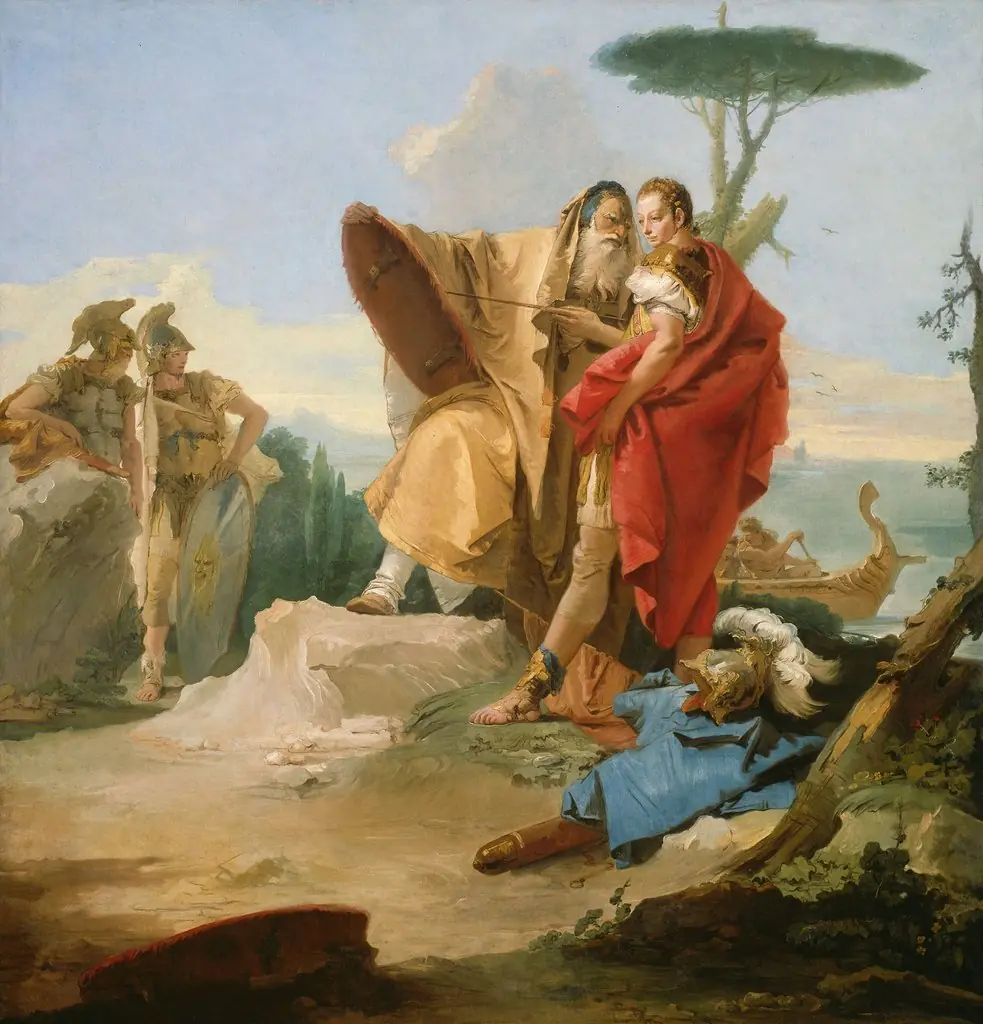 Rinaldo and the Magus of Ascalon
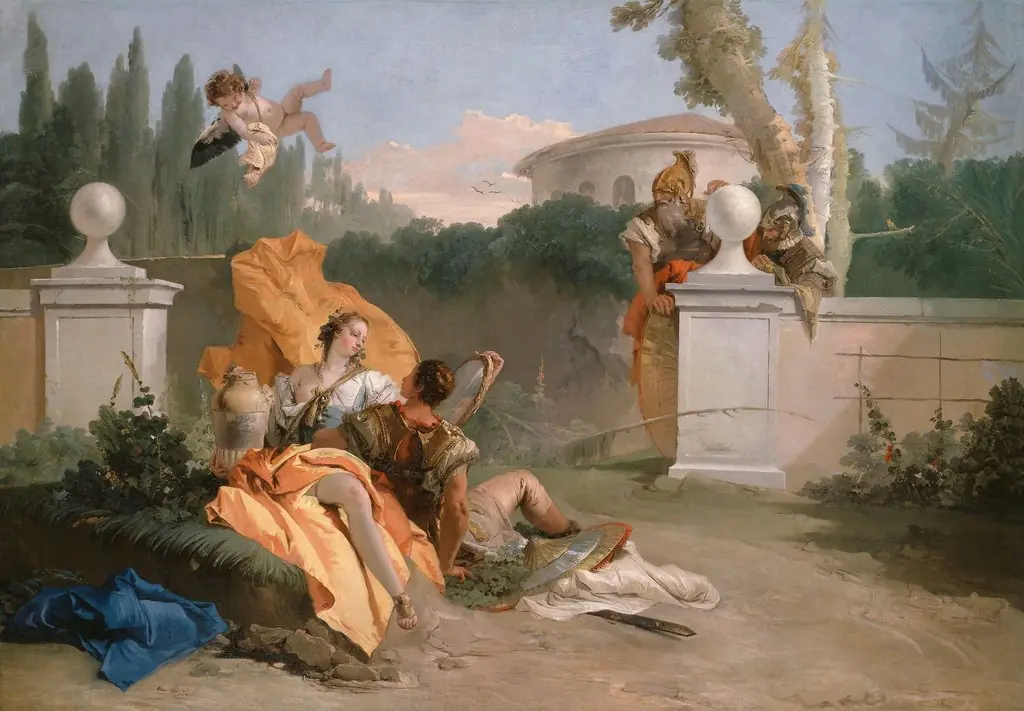 Rinaldo and Armida in Her Garden
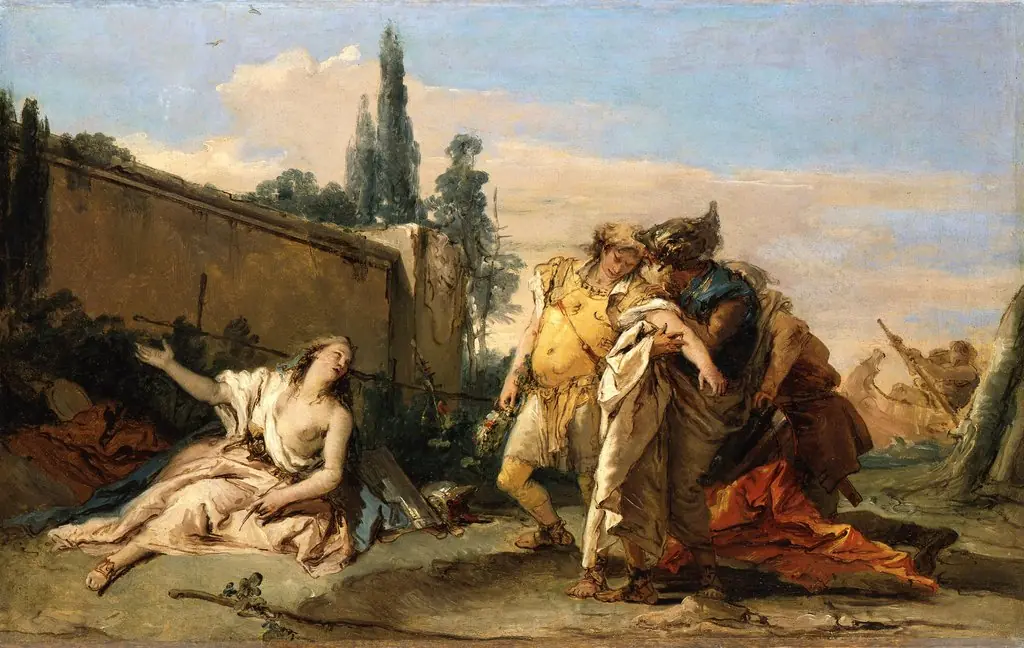 Rinaldos farewell from Armida
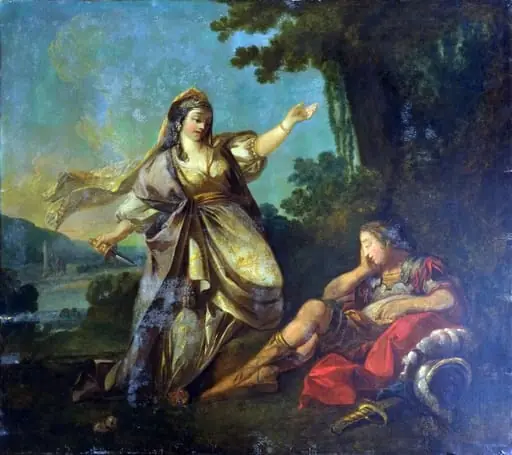 Rinaldo și Armida
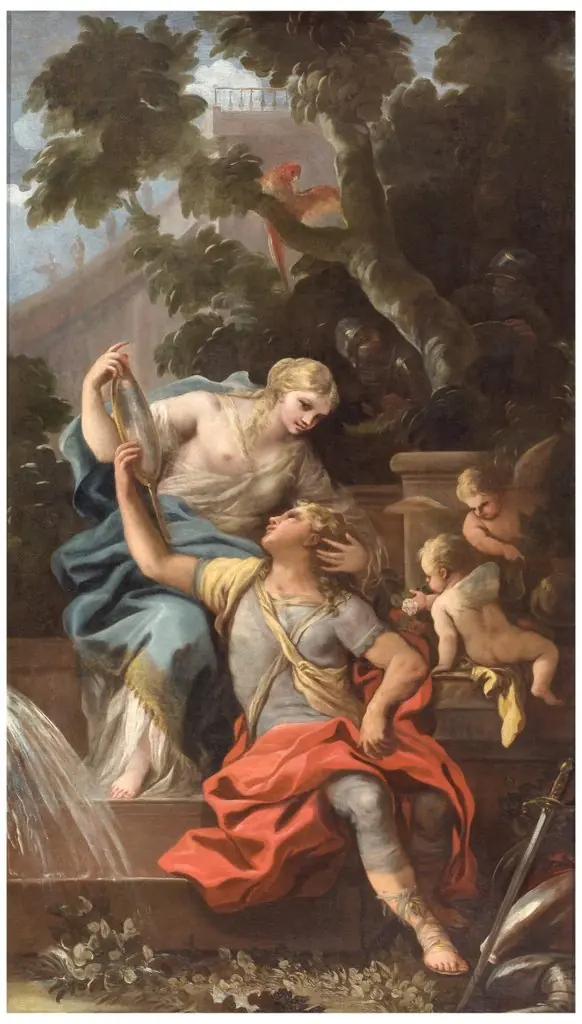 Armida and Rinaldo
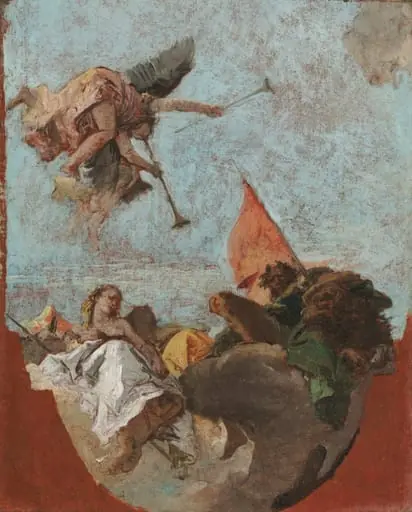 Sketch for a Ceiling