Artwork
The Immaculate Conception
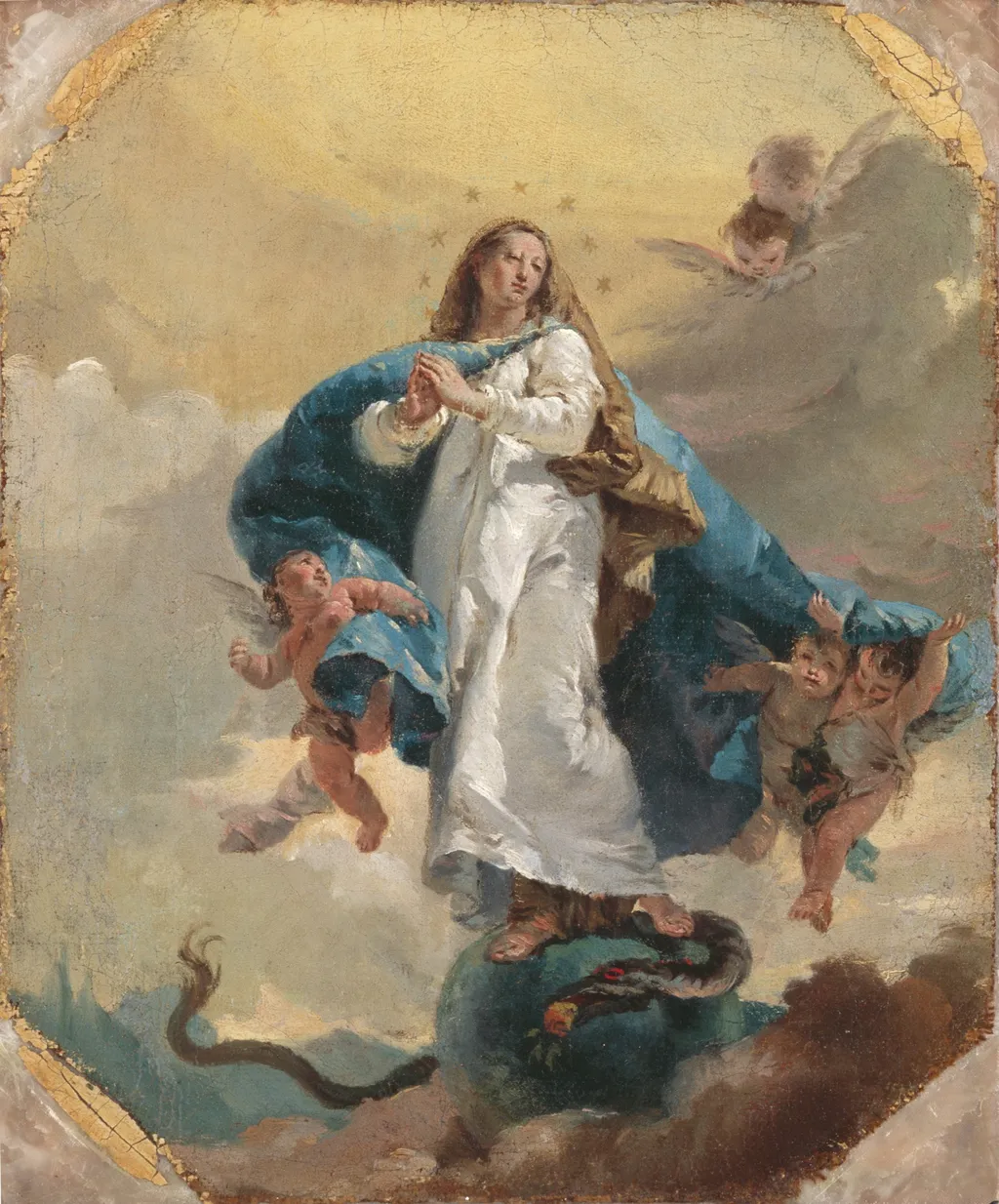
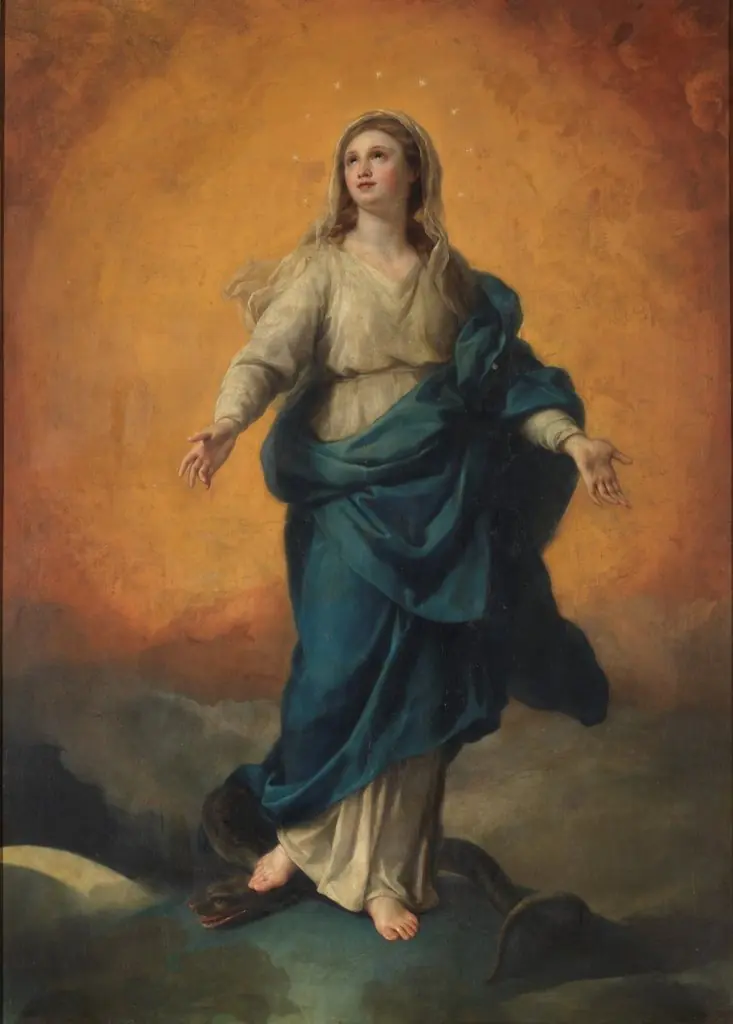
The Immaculate Conception is an oil painting by the Rococo painting artist Giovanni Battista Tiepolo. It dates from 1733 and is held in the collection of the Detroit Institute of Arts.
About this work
Overview
Giovanni Battista Tiepolo’s canvas entitled *The Immaculate Conception* dates from 1733 and is part of the collection of the Detroit Institute of Arts. The work presents a devotional scene centered on the Virgin Mary, rendered in the Rococo sensibility for which Tiepolo is known.
Subject & Meaning
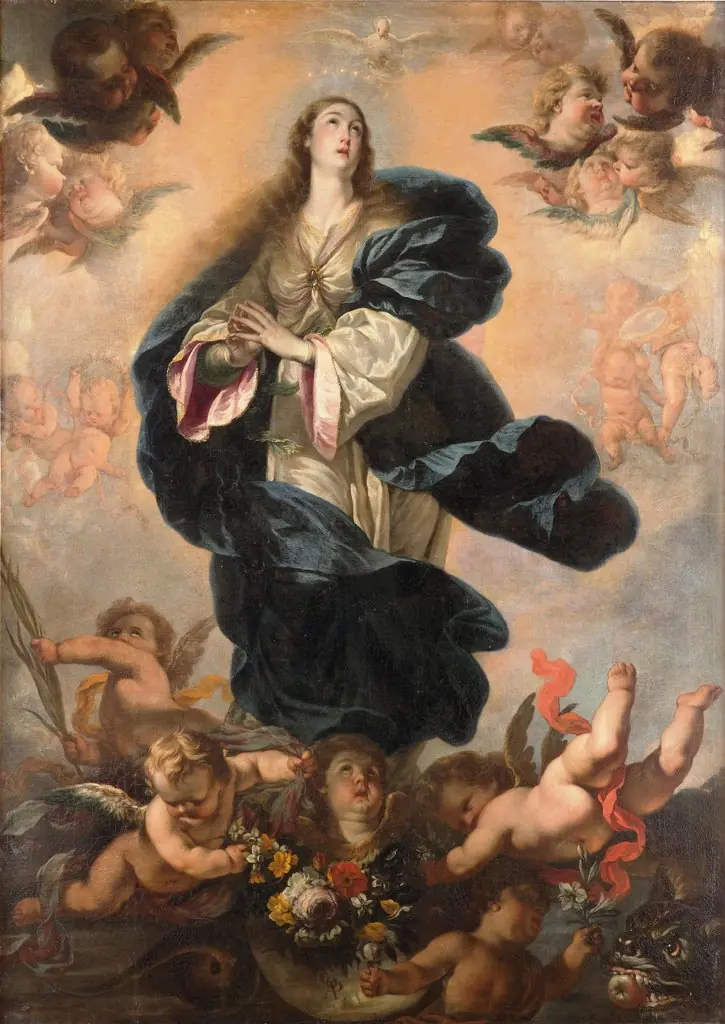
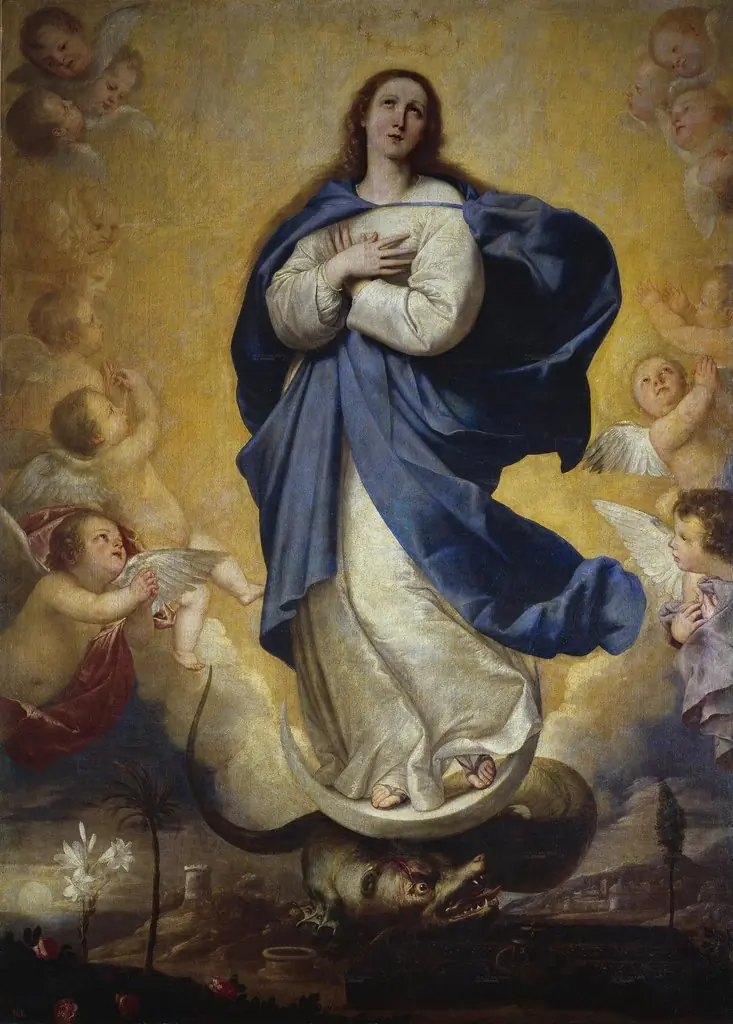
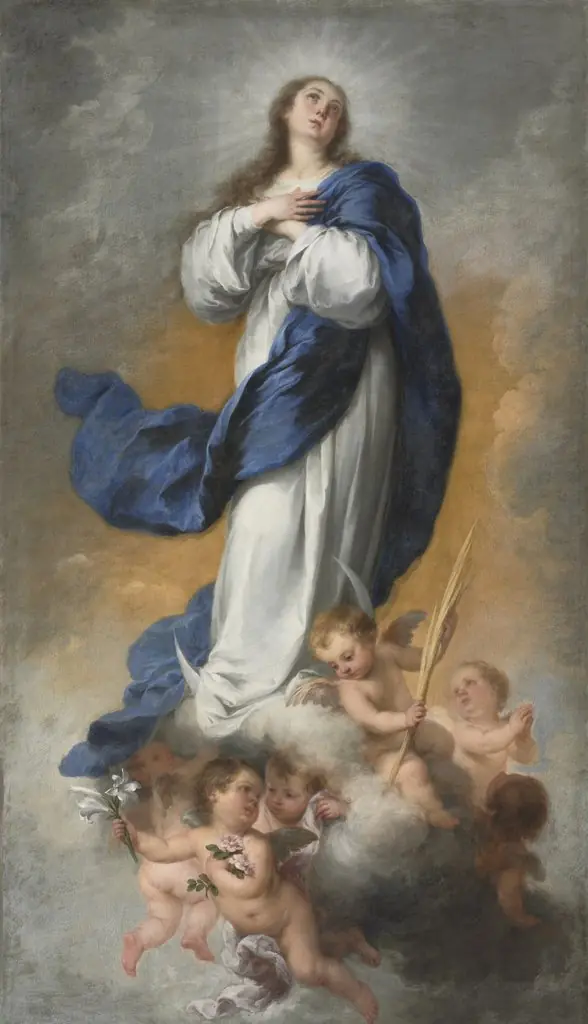
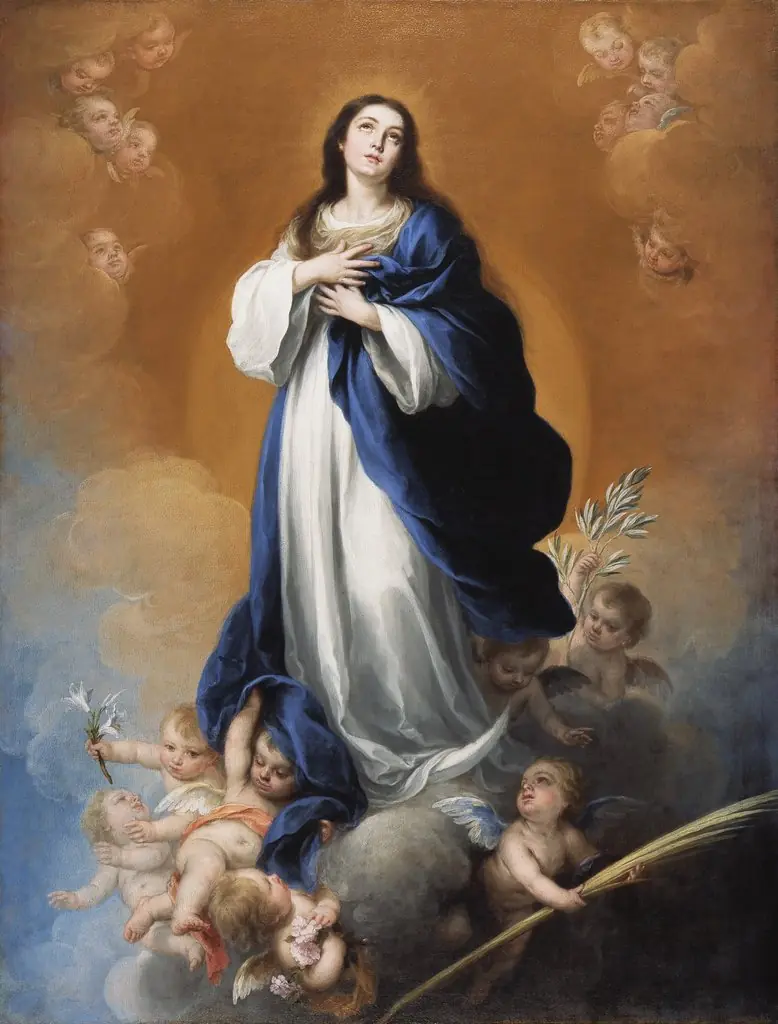
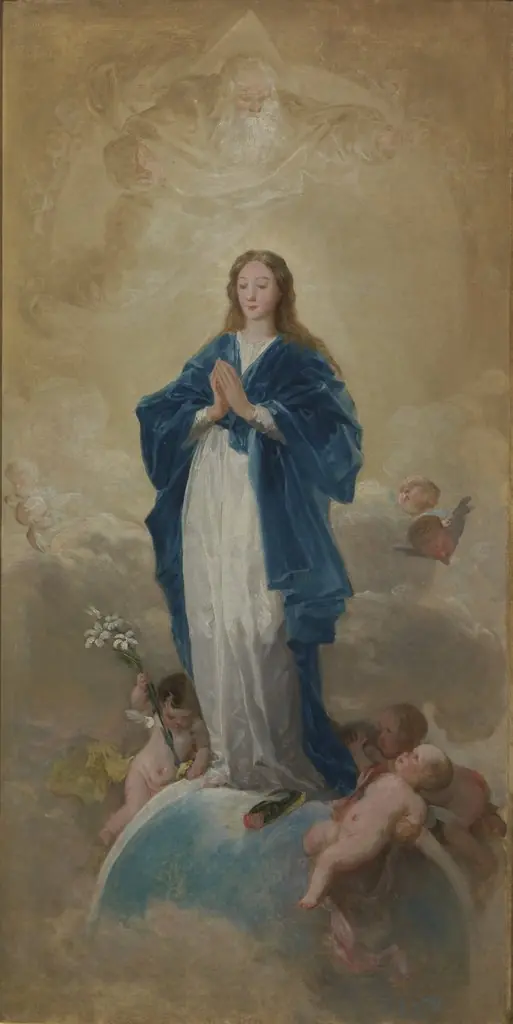
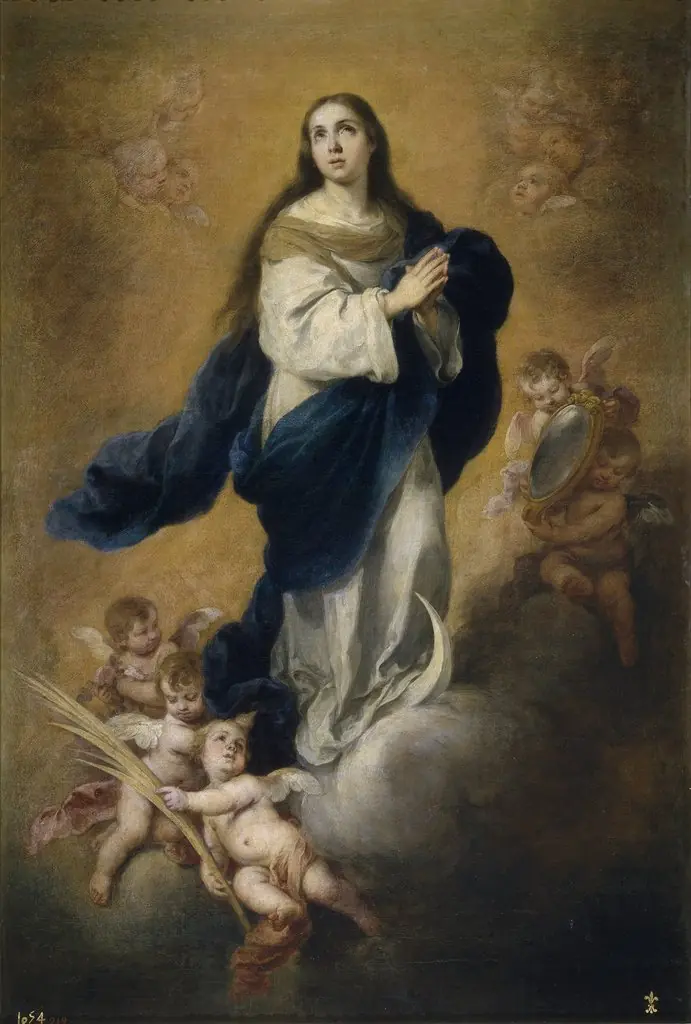
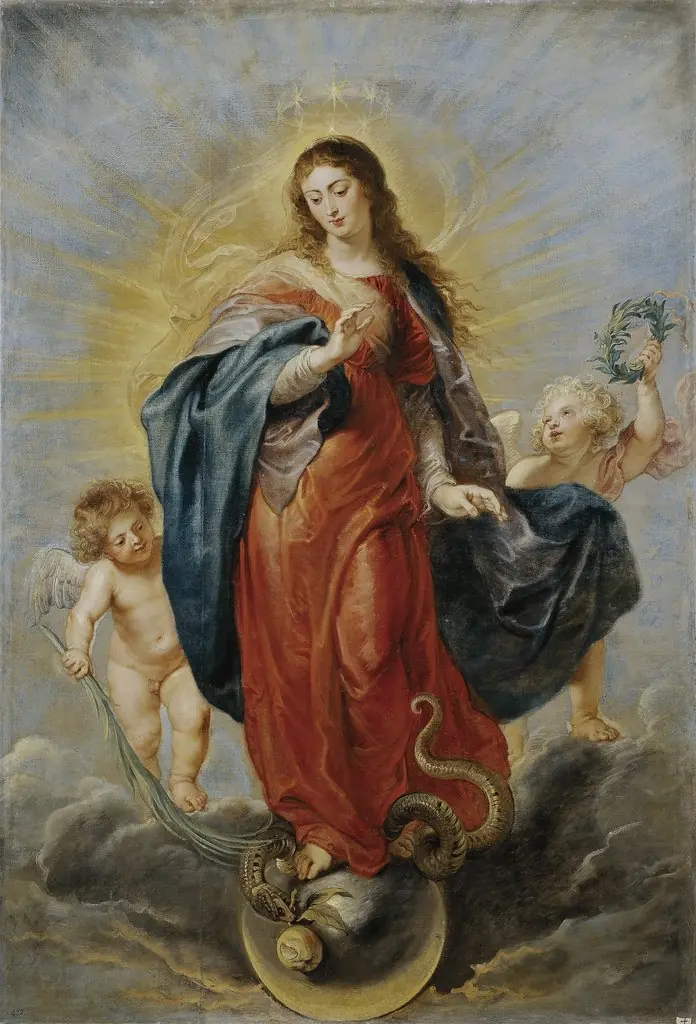
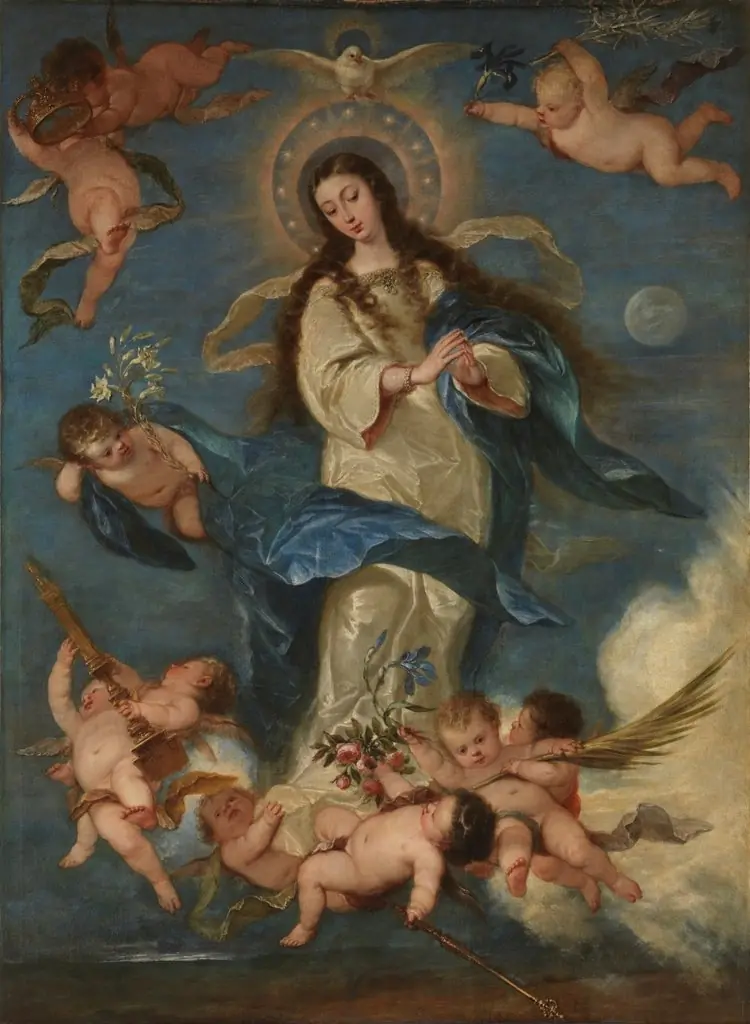
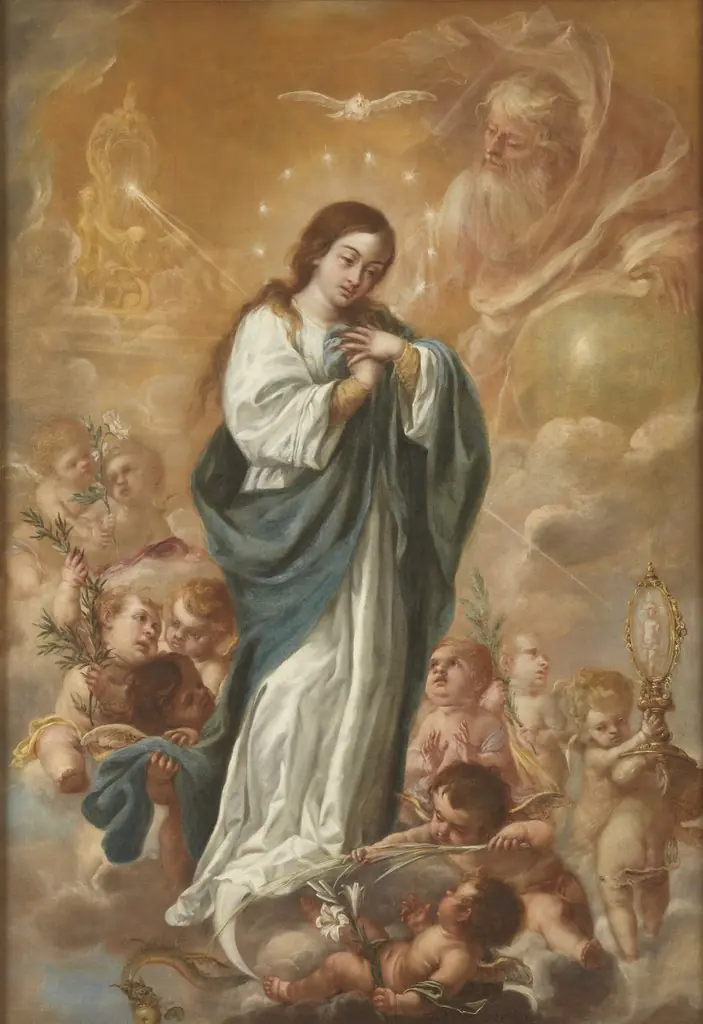
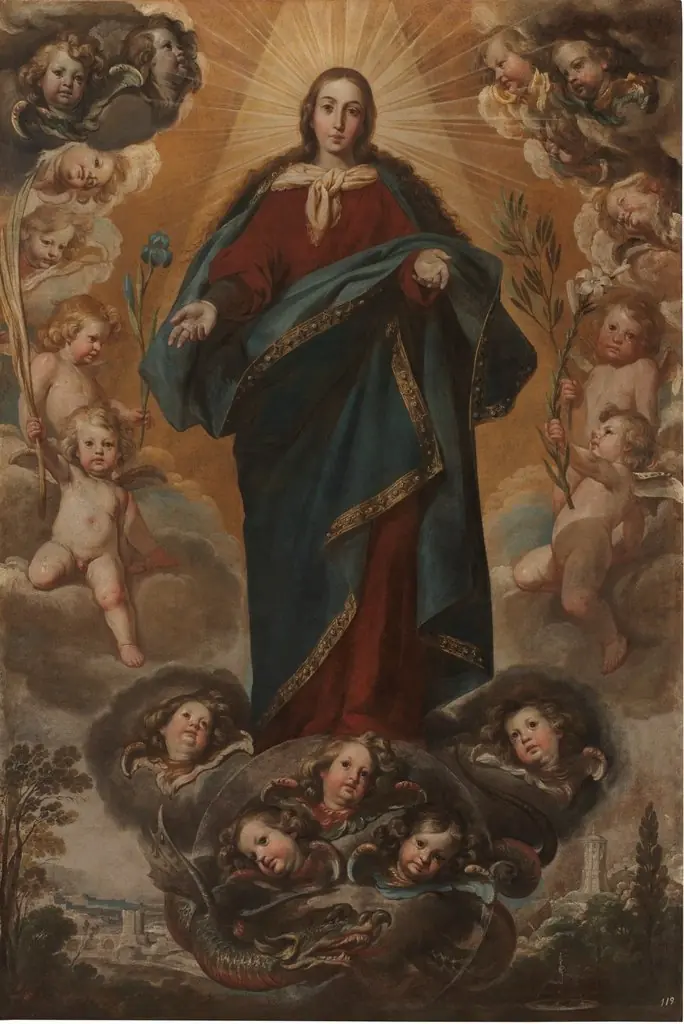
The composition shows the Virgin clothed in white and blue garments, poised atop a subdued serpent, a traditional symbol of triumph over sin. Surrounding her are a host of cherubs and angels, their presence reinforcing the theological theme of Mary's purity and divine favor.
Technique & Style
Tiepolo employs delicate brushwork and nuanced color transitions to create a luminous atmosphere. A soft golden‑yellow backdrop merges with hints of blue and gray, while subtle chiaroscuro models the figures, giving them a sense of volume and a gentle, ethereal glow.
History & Provenance
Painted in the early 1730s, the canvas entered the Detroit Institute of Arts’ holdings in the 20th century, where it remains on display. Its acquisition reflects the museum’s broader effort to represent European religious painting of the Rococo period.
Artist & collection

Artist
Giovanni Battista Tiepolo, also known as Giambattista Tiepolo, was an Italian painter and printmaker from the Republic of Venice who painted in the Rococo style, considered an important member of the 18th-century Venetian school.