Artwork
The Immaculate Conception
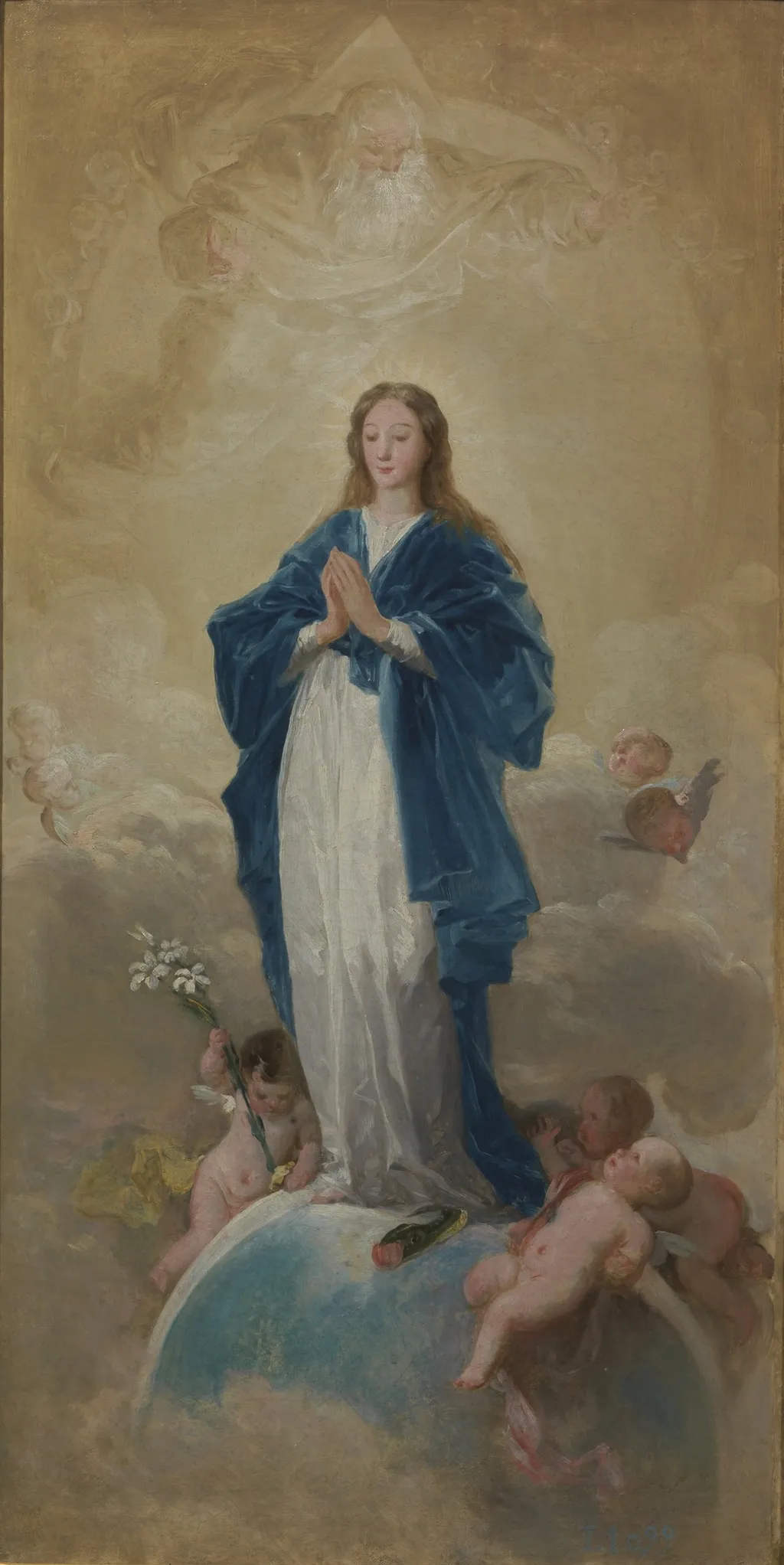
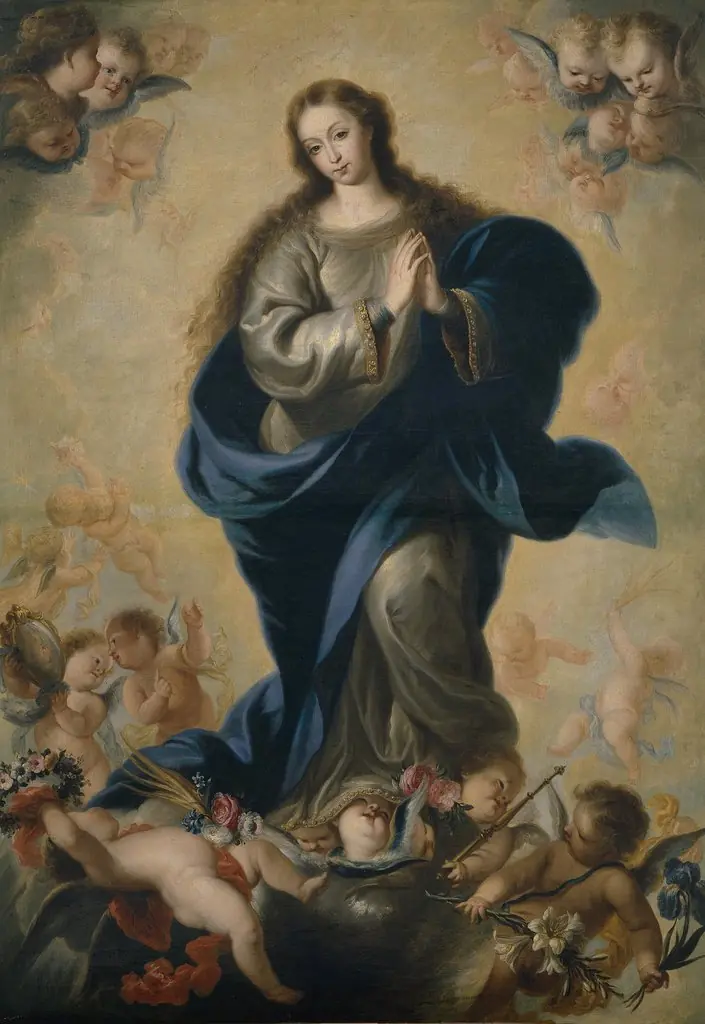
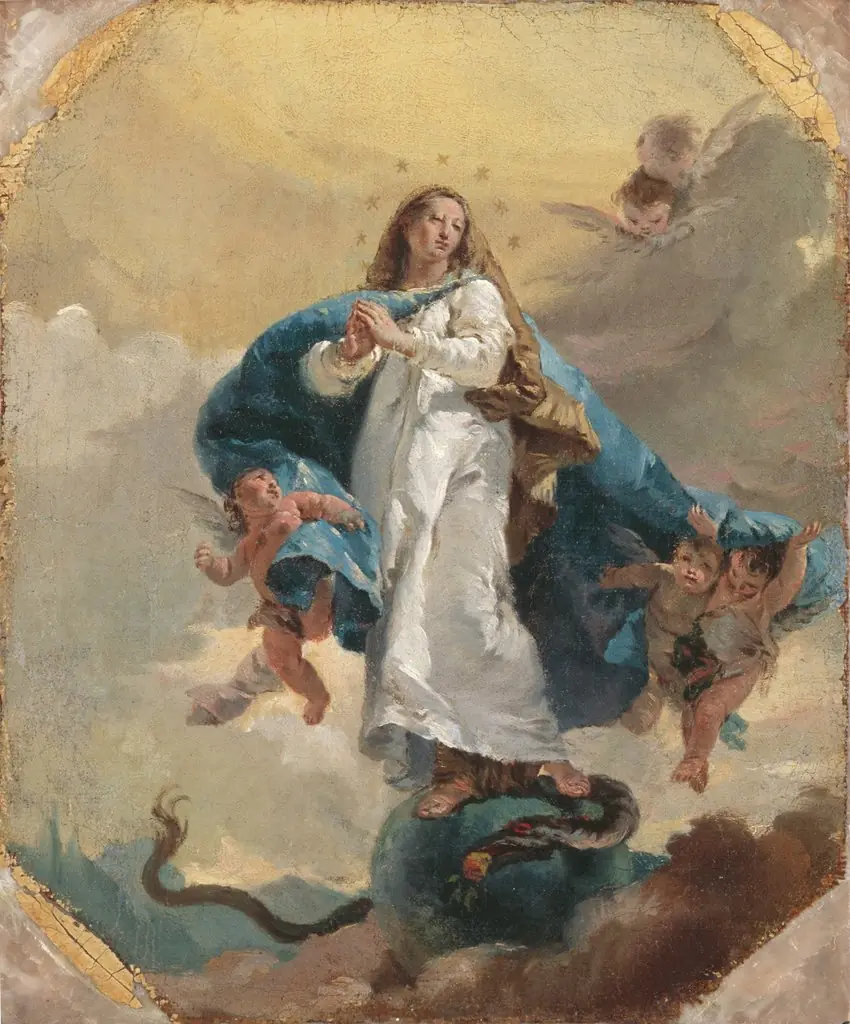
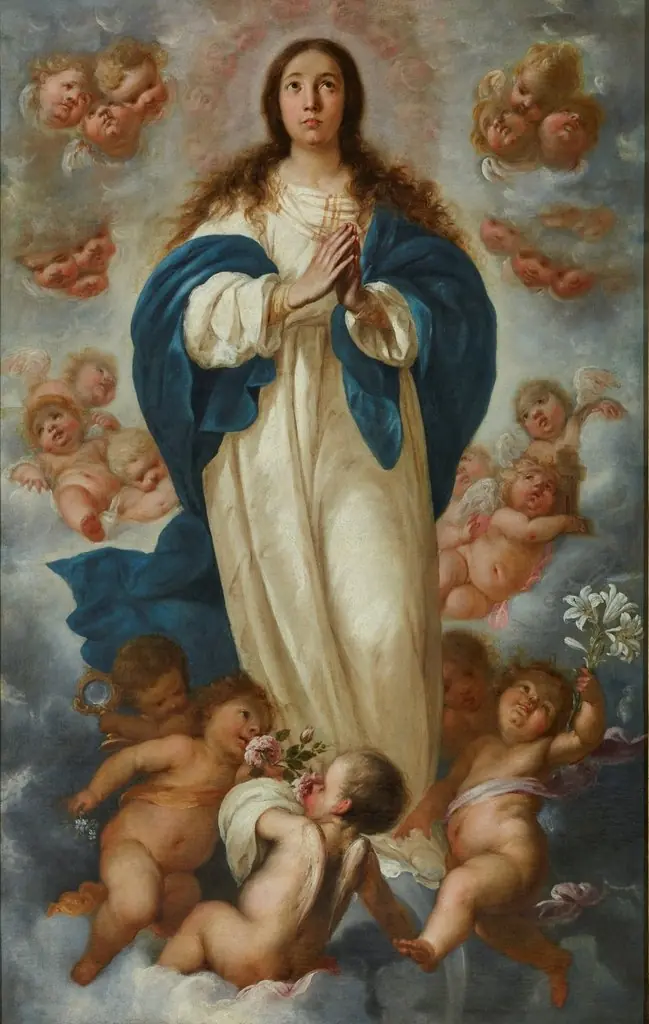
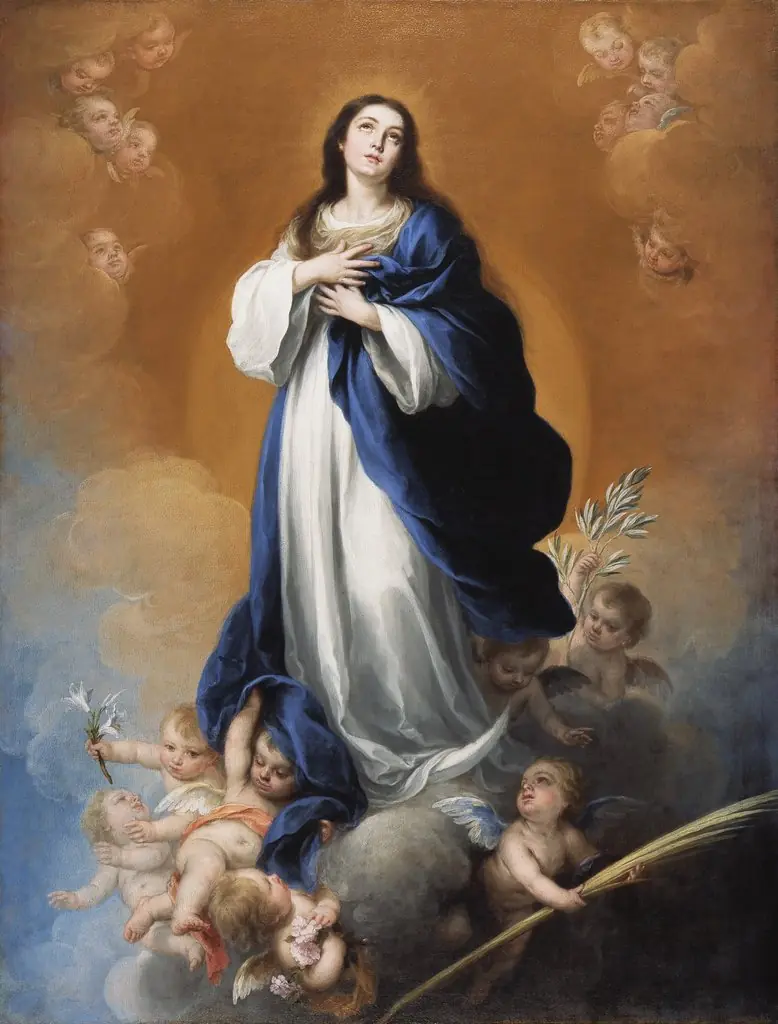
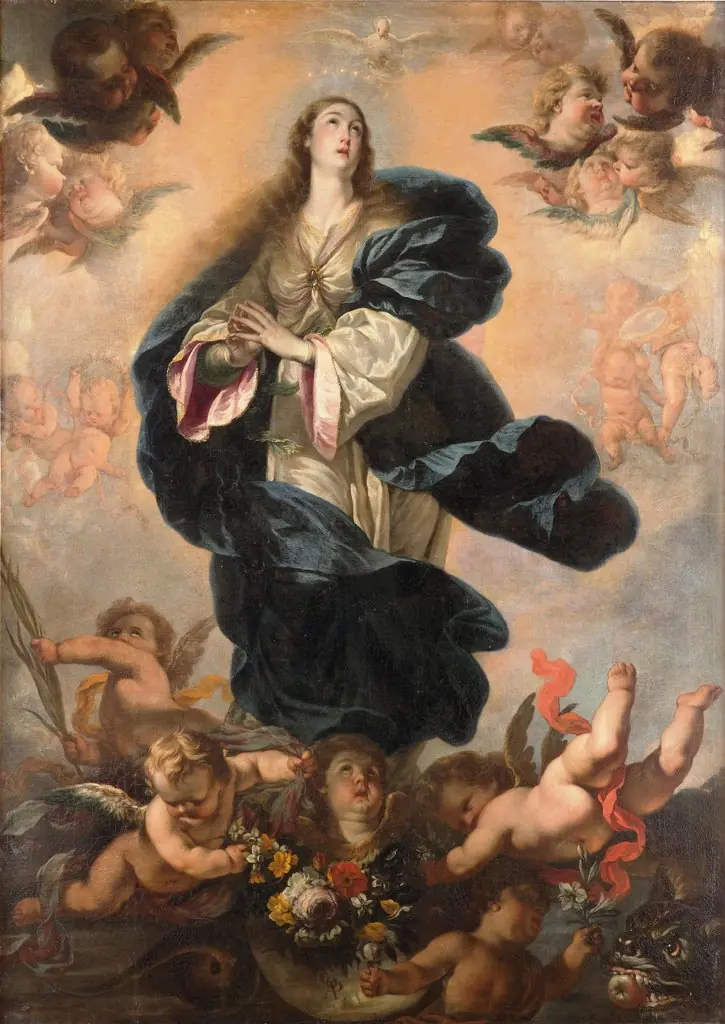
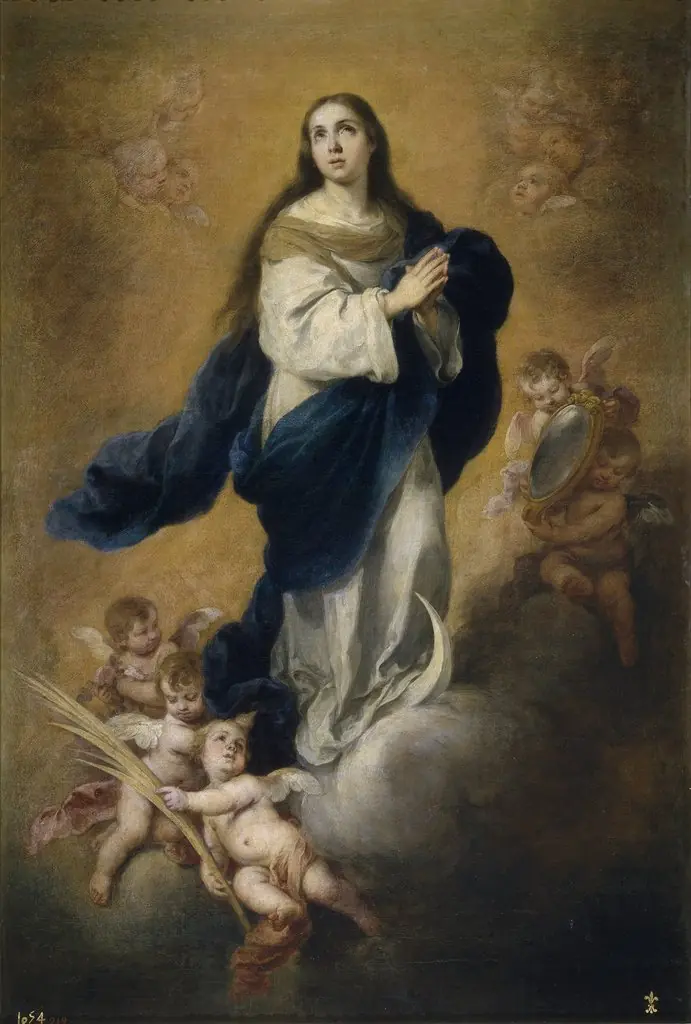
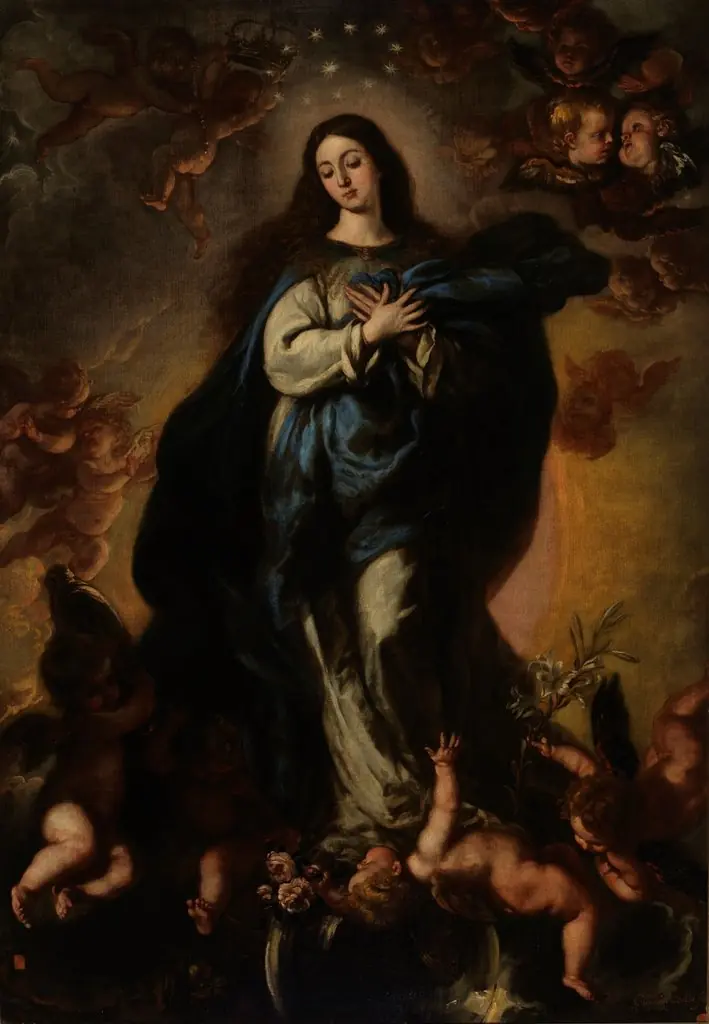
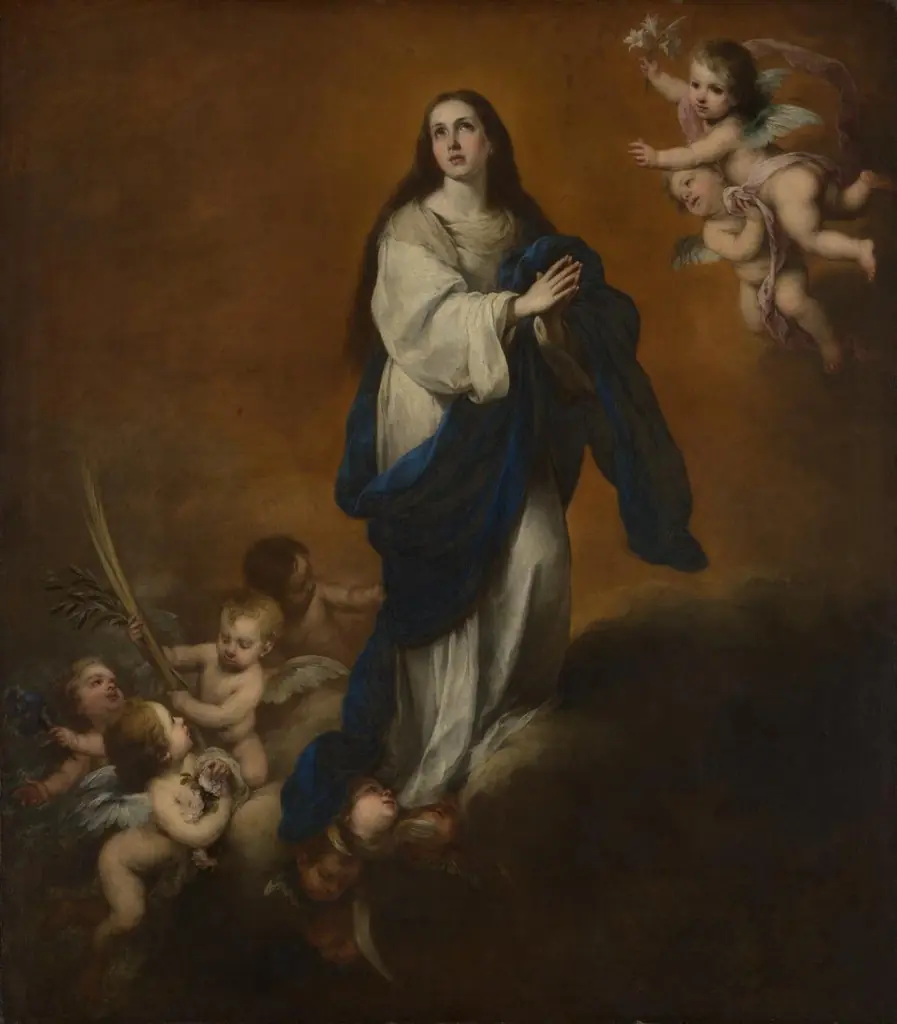
The Immaculate Conception is an oil painting by the Rococo painting artist Francisco Goya. It dates from 1792 and is held in the collection of the Museo del Prado.
About this work
Overview
It remains part of the permanent collection at Madrid’s Museo del Prado, where it is displayed among other Spanish religious paintings of the period.
Painted in 1792, Francisco Goya’s *The Immaculate Conception* is a devotional oil on canvas commissioned for a Spanish religious institution. Though created during the late Rococo era, the work reflects Goya’s evolving style, blending traditional iconography with a more restrained, atmospheric approach. It remains part of the permanent collection at Madrid’s Museo del Prado, where it is displayed among other Spanish religious paintings of the period.
Subject & Meaning
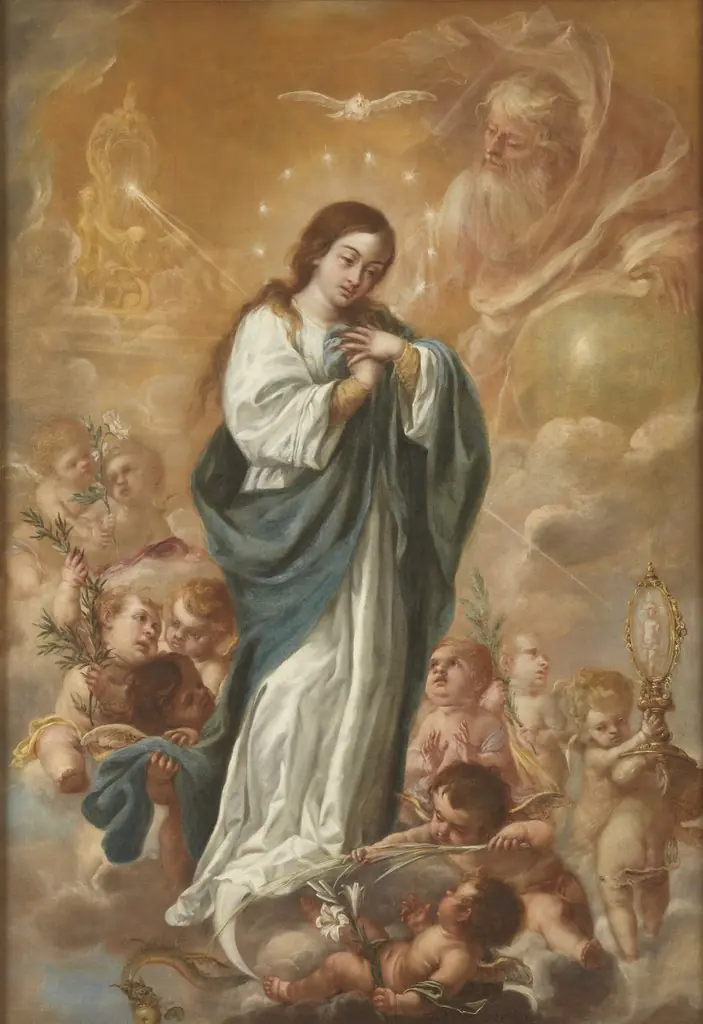
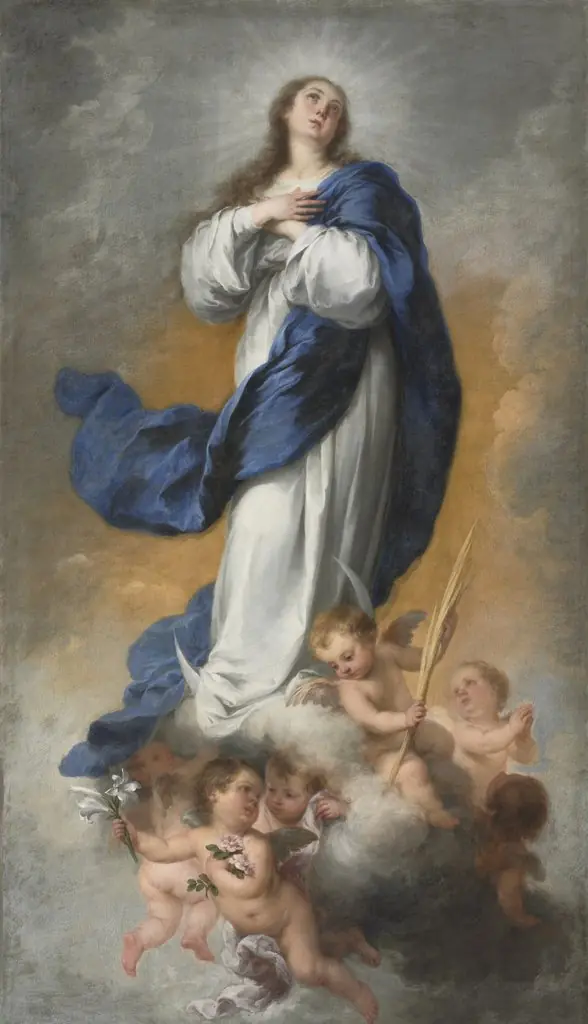
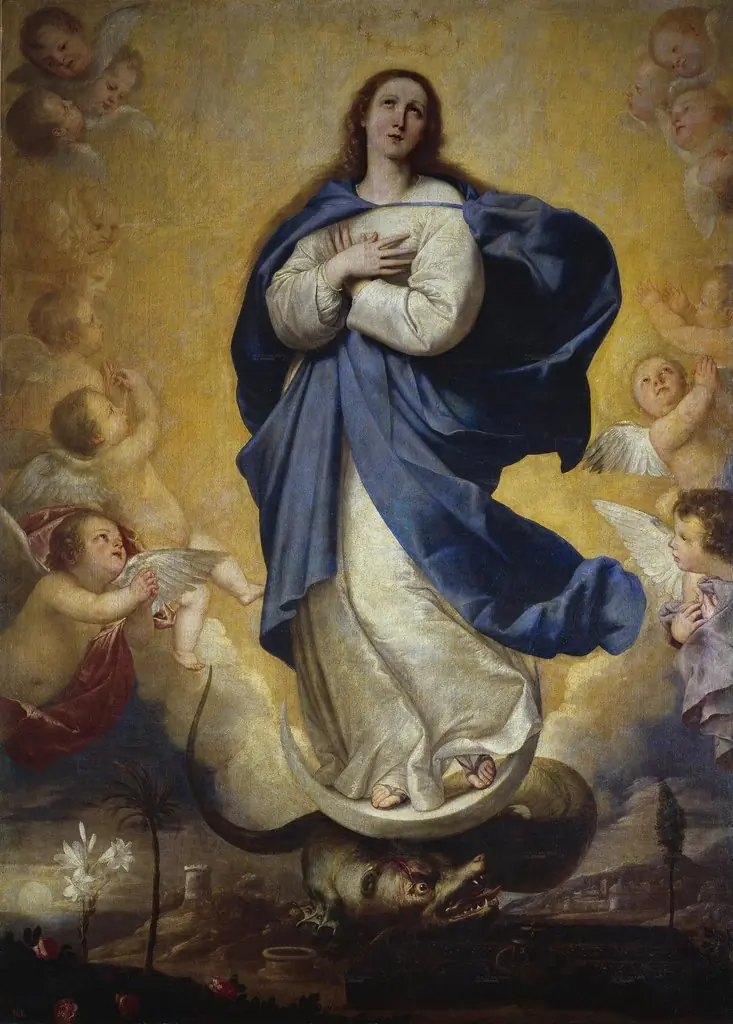
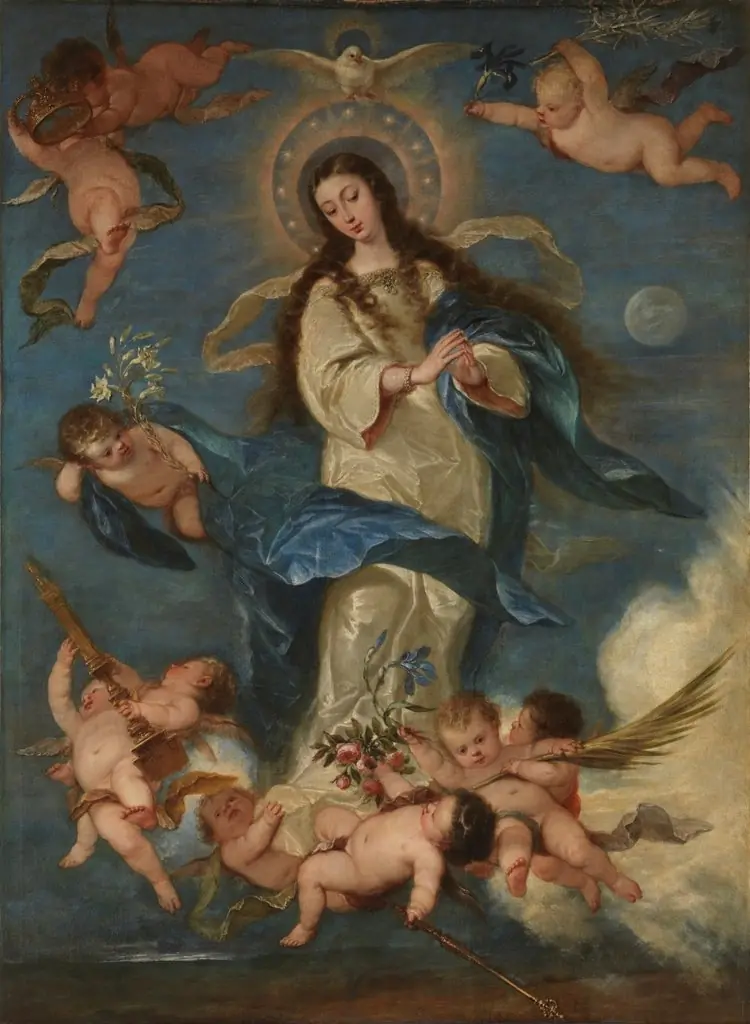
The painting illustrates the Catholic doctrine of the Virgin Mary’s conception without original sin. She stands atop a celestial globe, symbolizing her triumph over earthly corruption, while a haloed figure—likely God the Father—hovers above, partially veiled by clouds. Cherubs surround her, reinforcing her divine status. Her clasped hands and downward gaze convey quiet reverence, emphasizing contemplation over theatricality.
Technique & Style
Goya employs soft, diffused lighting to create a luminous, ethereal atmosphere, contrasting with the darker, more dramatic chiaroscuro of earlier Baroque traditions. The Virgin’s white robe and blue mantle are rendered with subtle tonal gradations, while the cherubs and clouds are loosely brushed, suggesting movement and weightlessness. The composition centers Mary with deliberate symmetry, grounding the mystical subject in calm order.
History & Provenance
Commissioned for the Convent of the Barefoot Carmelites in Madrid, the painting was likely intended for private devotion. It entered the Prado’s collection in the 19th century following the secularization of religious institutions in Spain. Its survival through political upheavals and church reforms reflects its enduring cultural value, though it was never widely reproduced or publicly celebrated during Goya’s lifetime.
Context
Created during Goya’s tenure as court painter, this work stands apart from his later, more critical pieces. It aligns with official religious commissions of the Spanish monarchy, which still upheld traditional iconography despite Enlightenment influences. The painting reveals Goya’s ability to navigate institutional expectations while subtly infusing his own quiet, introspective sensibility into conventional subjects.
Legacy
Though less known than Goya’s darker works, *The Immaculate Conception* illustrates his early mastery of religious composition and emotional restraint. It serves as a bridge between the ornate Baroque traditions of Spanish ecclesiastical art and the more personal, psychologically nuanced approaches that would define his later career. The painting remains a quiet testament to his versatility within the constraints of patronage.
Artist & collection
Artist
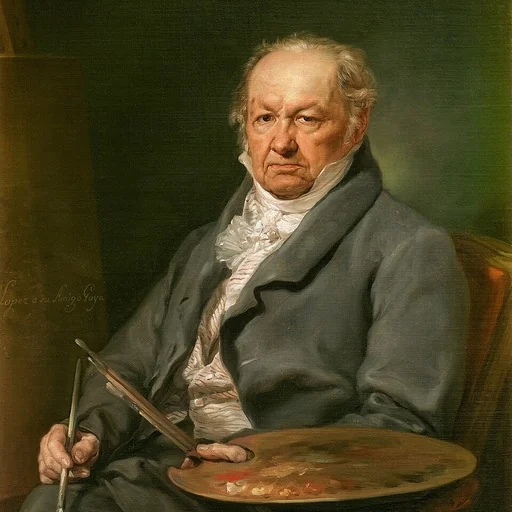
Francisco José de Goya y Lucientes (; Spanish: ; 30 March 1746 – 16 April 1828) was a Spanish romantic painter and printmaker.