Artwork
The Immaculate Conception
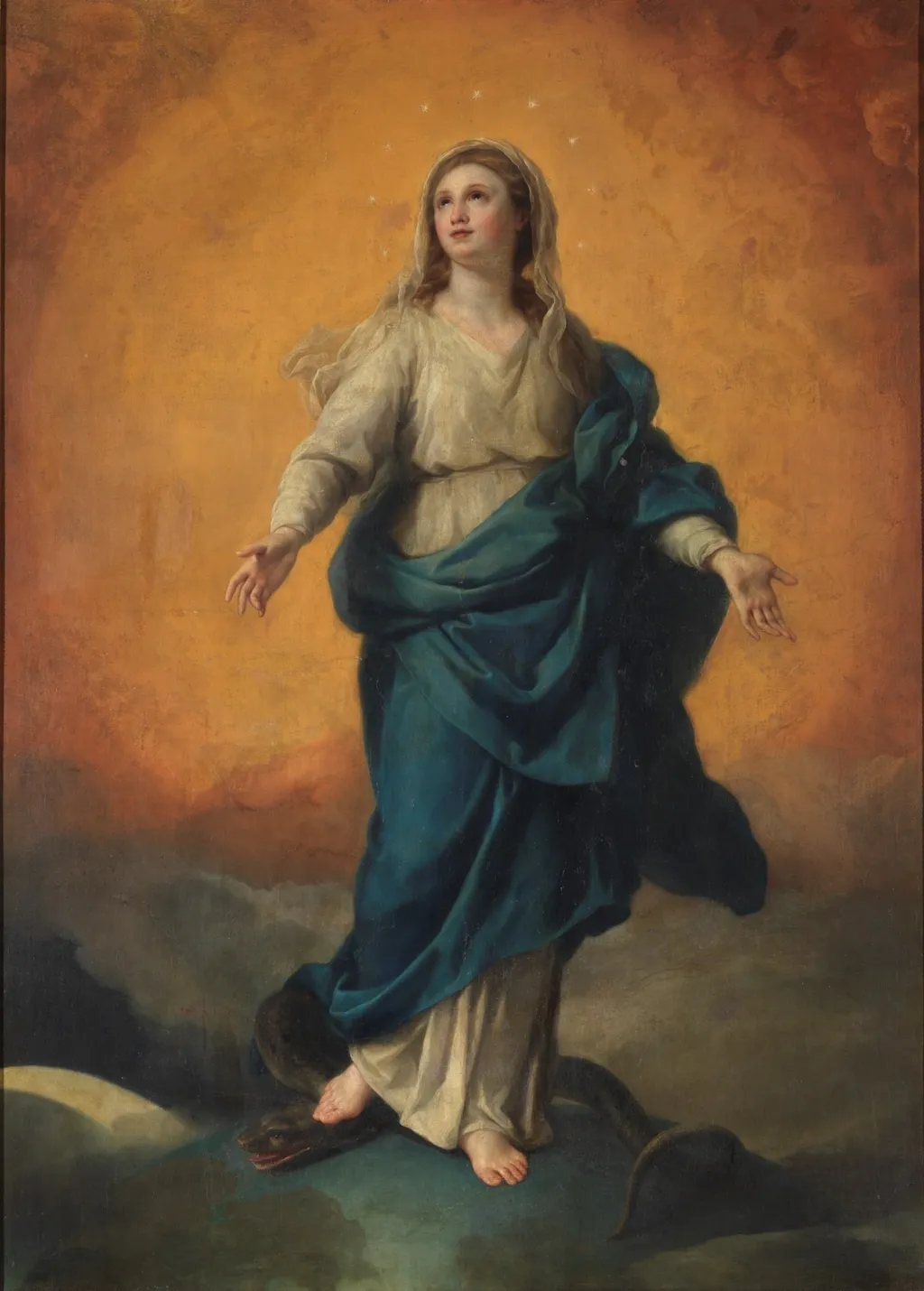
The Immaculate Conception is an oil painting by the Early Baroque Italian artist Anton Raphael Mengs. It dates from 1701 and is held in the collection of the Museo del Prado.
About this work
Overview
The Immaculate Conception is a religious oil painting by Anton Raphael Mengs, dated to 1701. It is currently part of the collection at the Museo del Prado.
Subject & Meaning
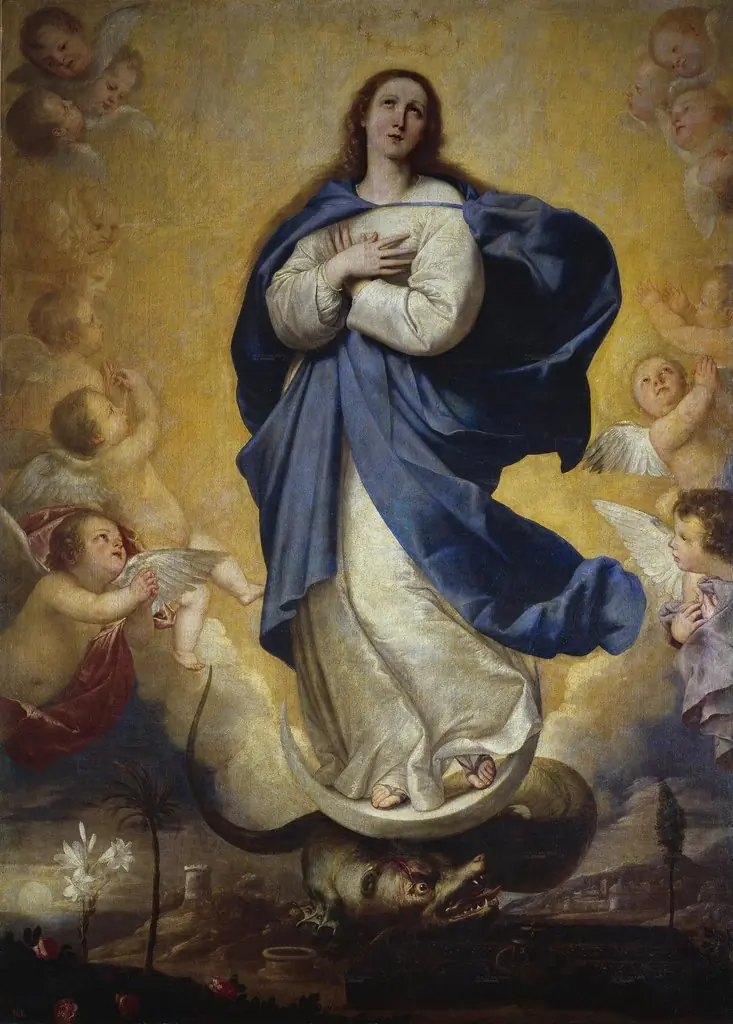
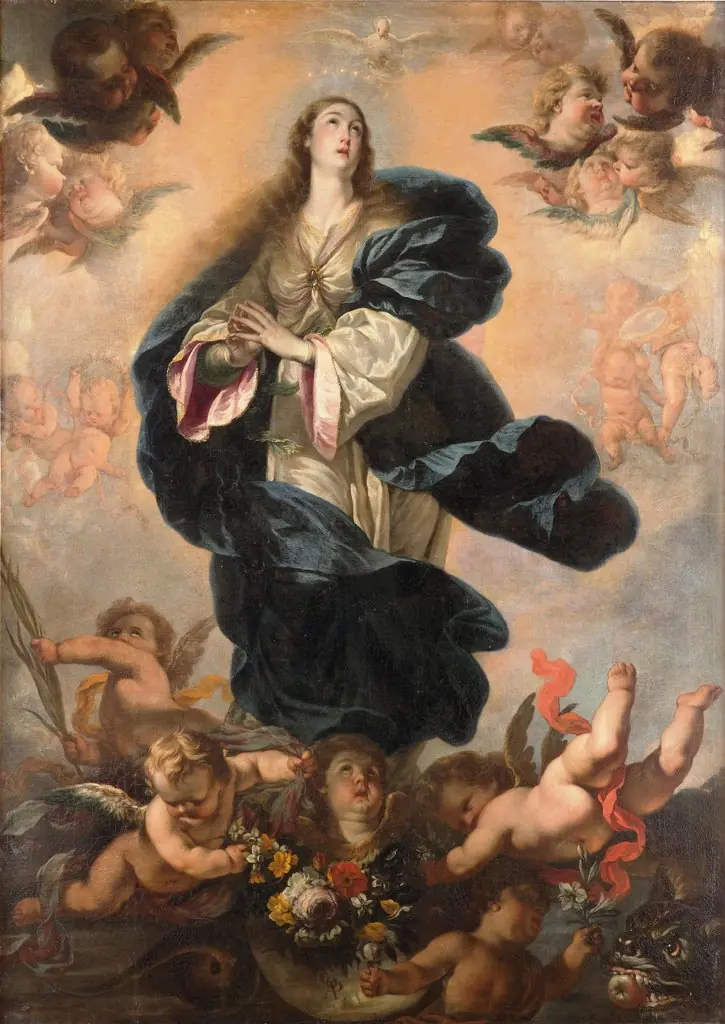
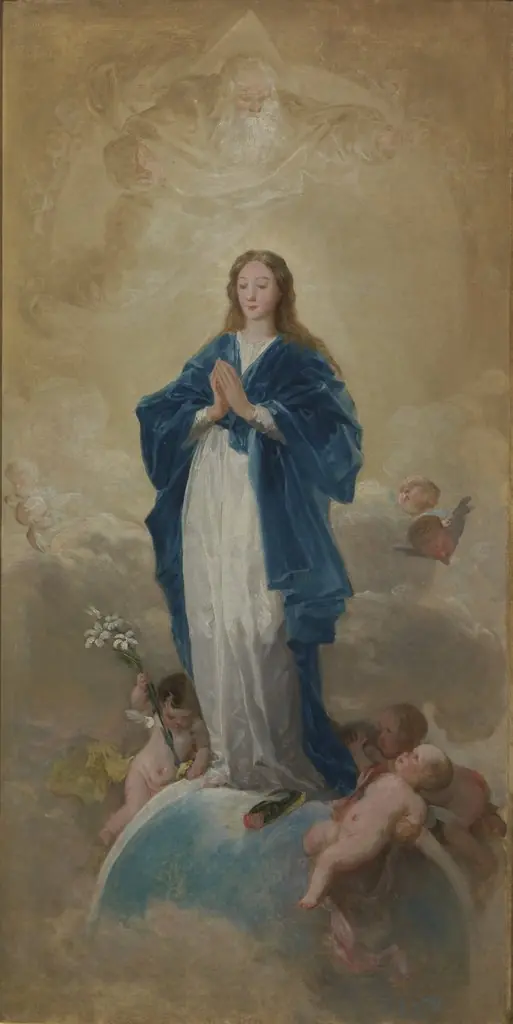
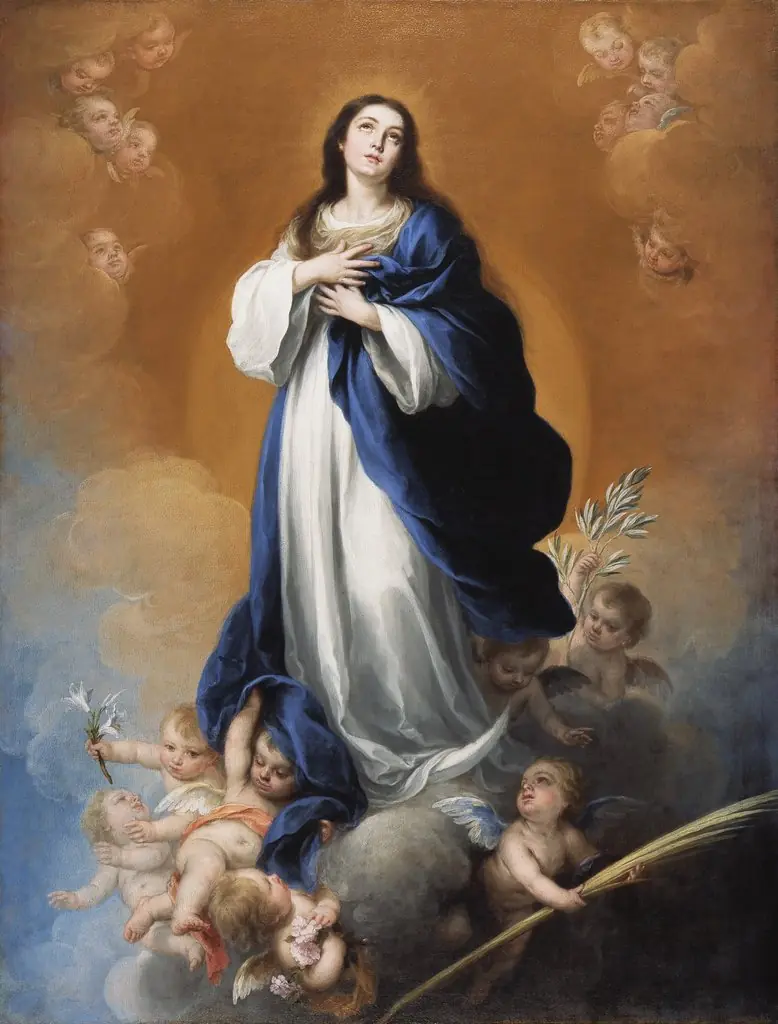
The painting depicts a serene female figure, identified as the Immaculate Conception, standing on a cloud with one bare foot and one sandaled foot. Her outstretched arms and weightless pose convey a sense of divine elevation. Attired in a blue robe over a lighter underdress, her calm, gentle facial expression embodies the subject's sacred nature.
Technique & Style
Mengs employed a warm, golden background with subtle brushstrokes, contrasting with the soft, three-dimensional quality of the subject's face and robes, achieved through nuanced lighting effects. The overall style reflects a blend of clarity and depth, characteristic of Mengs' approach to religious themes.
History & Provenance
Created in 1701, the painting's history prior to its acquisition by the Museo del Prado is not detailed here. Its current location suggests it has been preserved and appreciated within a prominent European art collection.
Context
The Immaculate Conception reflects the artistic and religious sensibilities of its time, blending spiritual themes with the developing techniques of 18th-century European painting, notably in its use of light and color to evoke the divine.
Legacy
As part of the Museo del Prado's collection, the painting contributes to the broader understanding and appreciation of Anton Raphael Mengs' oeuvre and the evolution of religious art in Europe during the 18th century.
Own this work as a print
Artist & collection



 The Immaculate Conception
 The Immaculate Conception
 The Immaculate Conception
 The Immaculate Conception
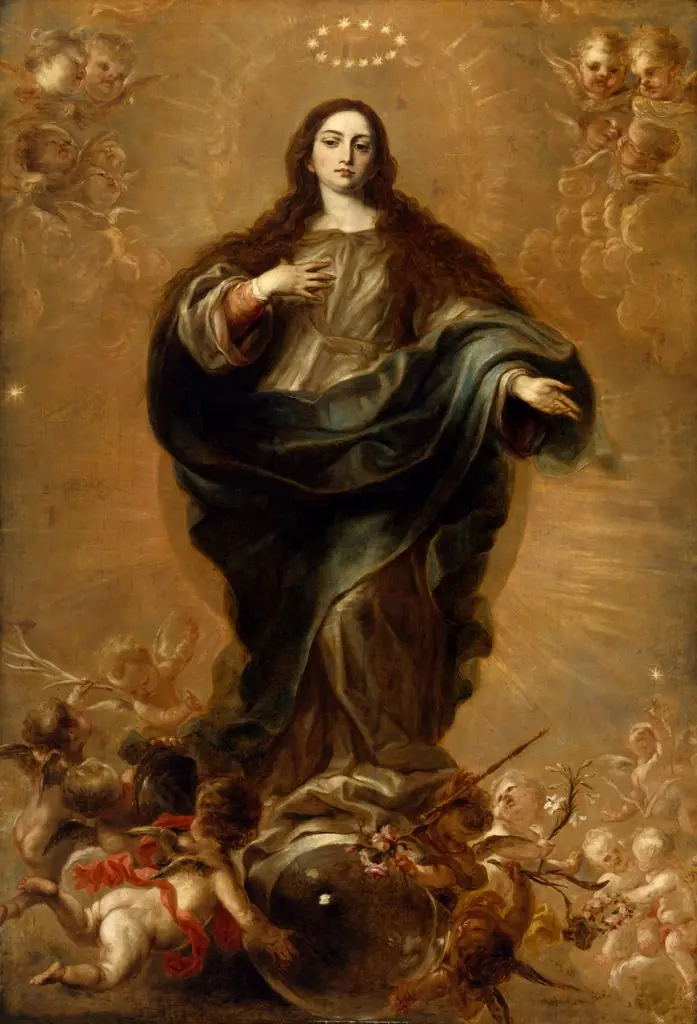 The Immaculate Conception
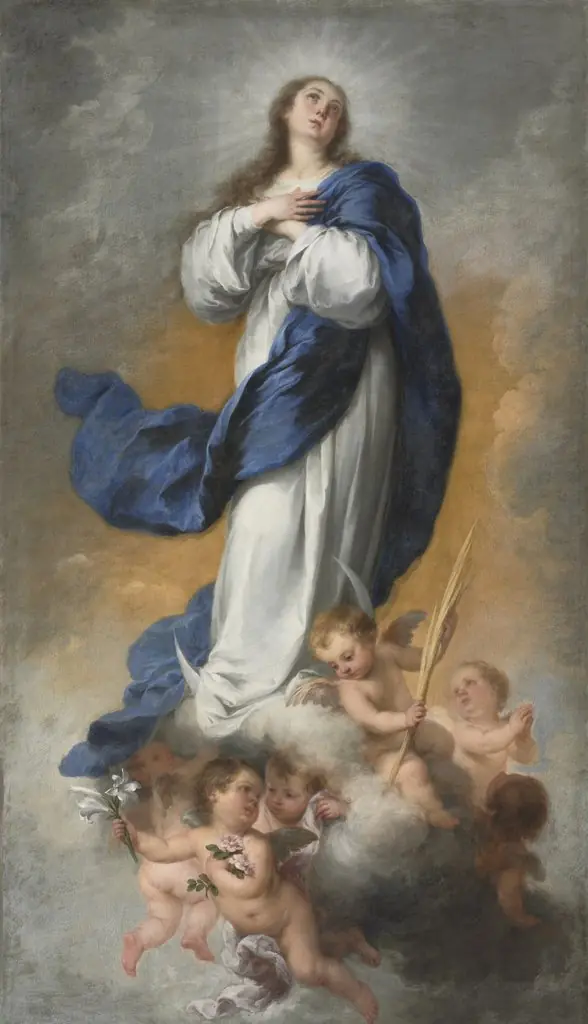 The Immaculate Conception
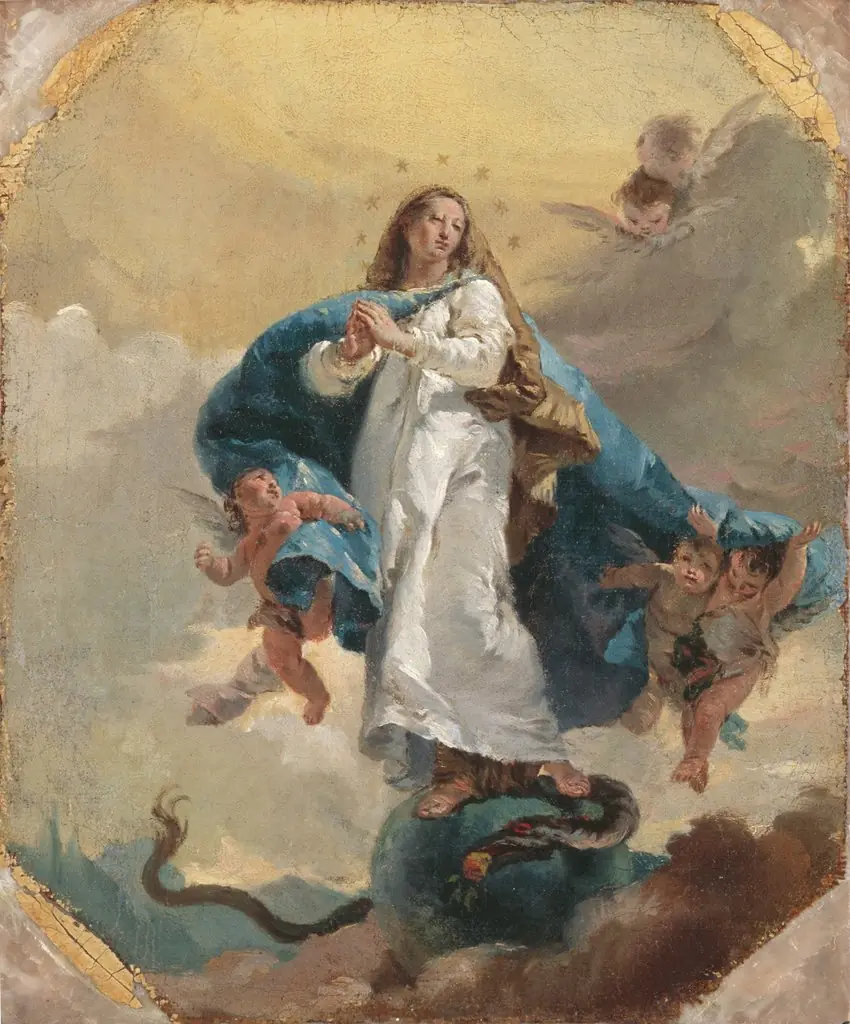 The Immaculate Conception
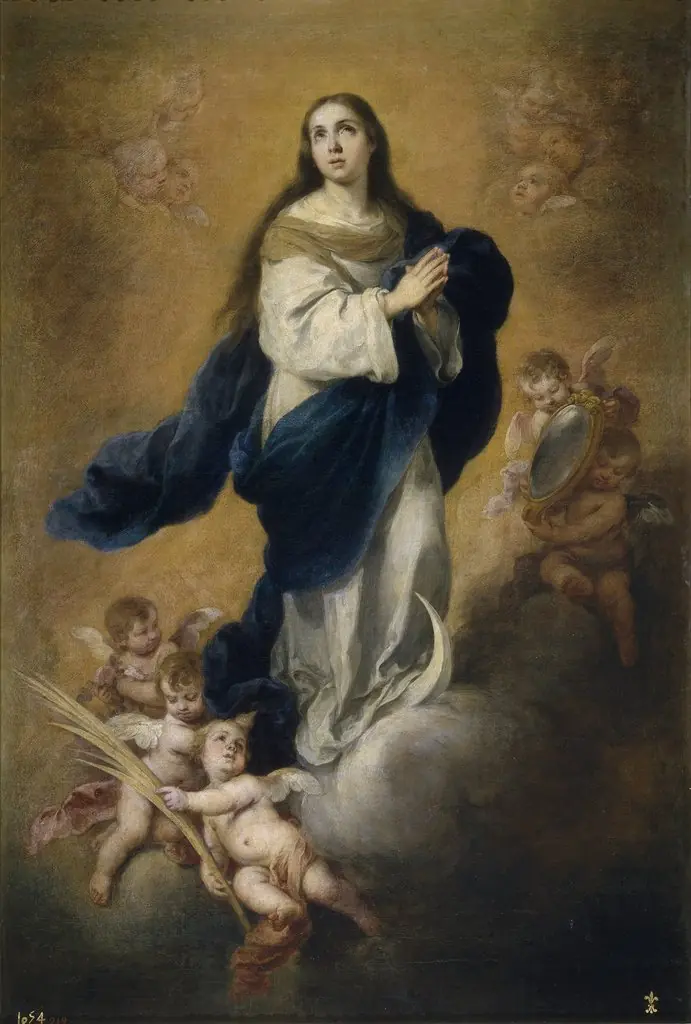 The Immaculate Conception
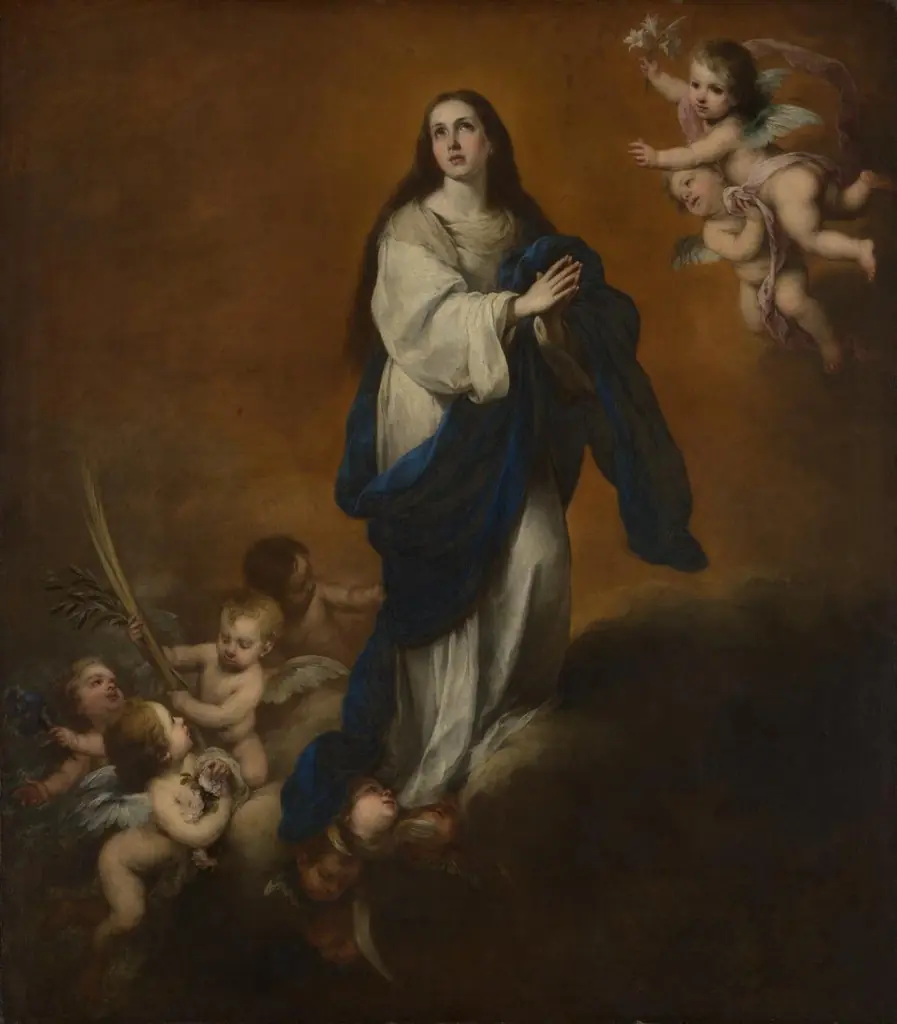 The Immaculate Conception
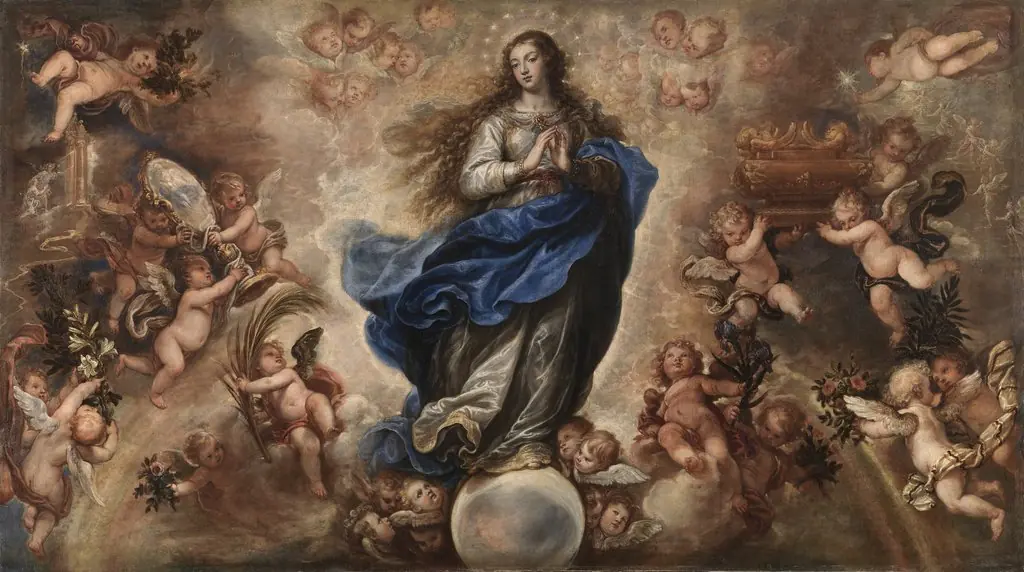 The Immaculate Conception
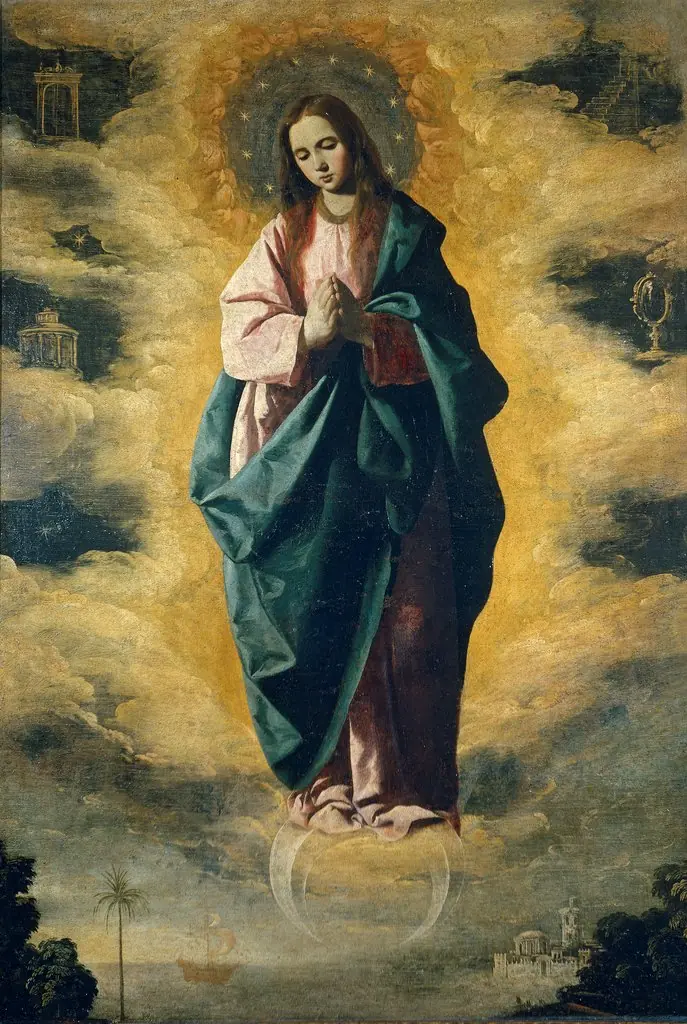 The Immaculate Conception
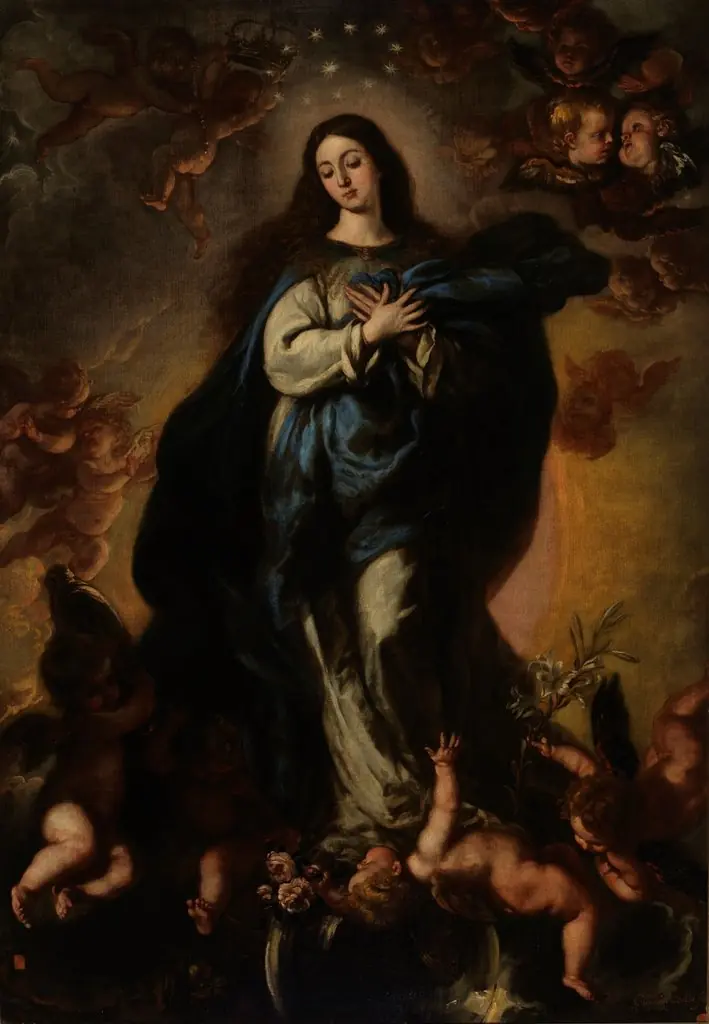 The Immaculate Conception