Artwork
The Patron Saints of the Crotta Family
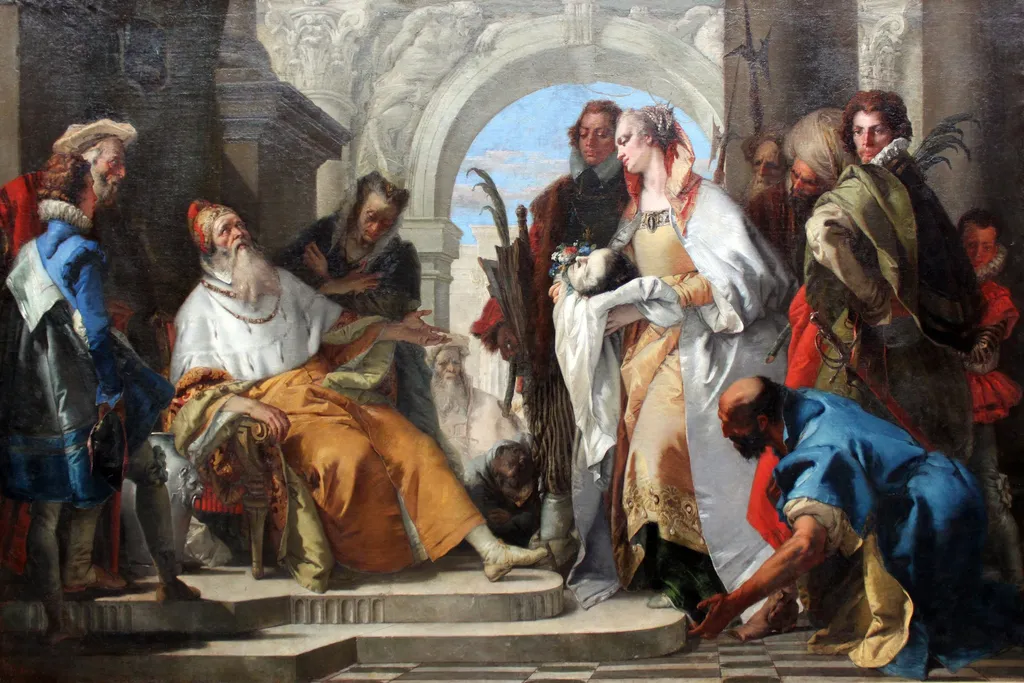
The Patron Saints of the Crotta Family is an oil painting by the Early Baroque Italian artist Giovanni Battista Tiepolo. It dates from 1441 and is held in the collection of the Städel Museum.
About this work
Overview
The Patron Saints of the Crotta Family is an oil painting created by Giovanni Domenico Tiepolo in 1750. The work illustrates a pivotal moment in the legend of St. Grata, linking her narrative to the Crotta family's ancestry.
Subject & Meaning
The painting depicts St. Grata, accompanied by martyrs Firmus and Rusticus, presenting her pagan father with the miraculously flowering head of Alexander of Bergamo. This scene symbolizes the father's conversion to Christianity, which subsequently introduces the faith to Bergamo.
Technique & Style
Executed in oil paint, the work features detailed, expressive figures set against a backdrop of arches, columns, and a distant blue sky. The palette includes prominent yellows, blues, and reds, with intricate textile rendering and solemn, grandiose atmosphere.
History & Provenance
Commissioned by the Crotta family, Bergamo natives established in Venice, the painting aimed to enhance their social standing in Venetian society by highlighting their ancestral ties to St. Grata's legend.
Context
The work reflects 18th-century Italian artistic traditions, blending religious narrative with familial patronage, common among Venetian families seeking to assert their lineage and status.
Legacy
While specific lasting impacts on art history are not prominently documented, the painting remains a notable example of Tiepolo's oeuvre and the artistic patronage practices of Venetian noble families during the period.
Own this work as a print
Artist & collection

Artist
Giovanni Battista Tiepolo, also known as Giambattista Tiepolo, was an Italian painter and printmaker from the Republic of Venice who painted in the Rococo style, considered an important member of the 18th-century Venetian school.

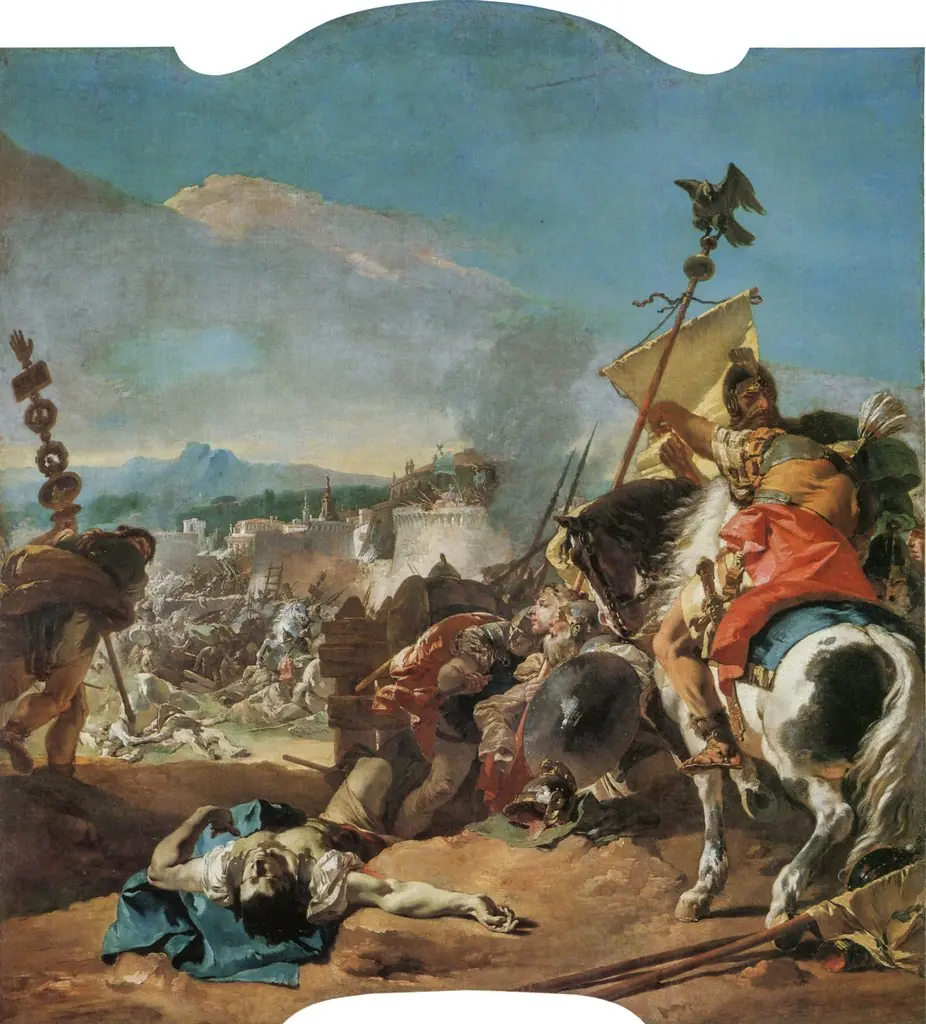
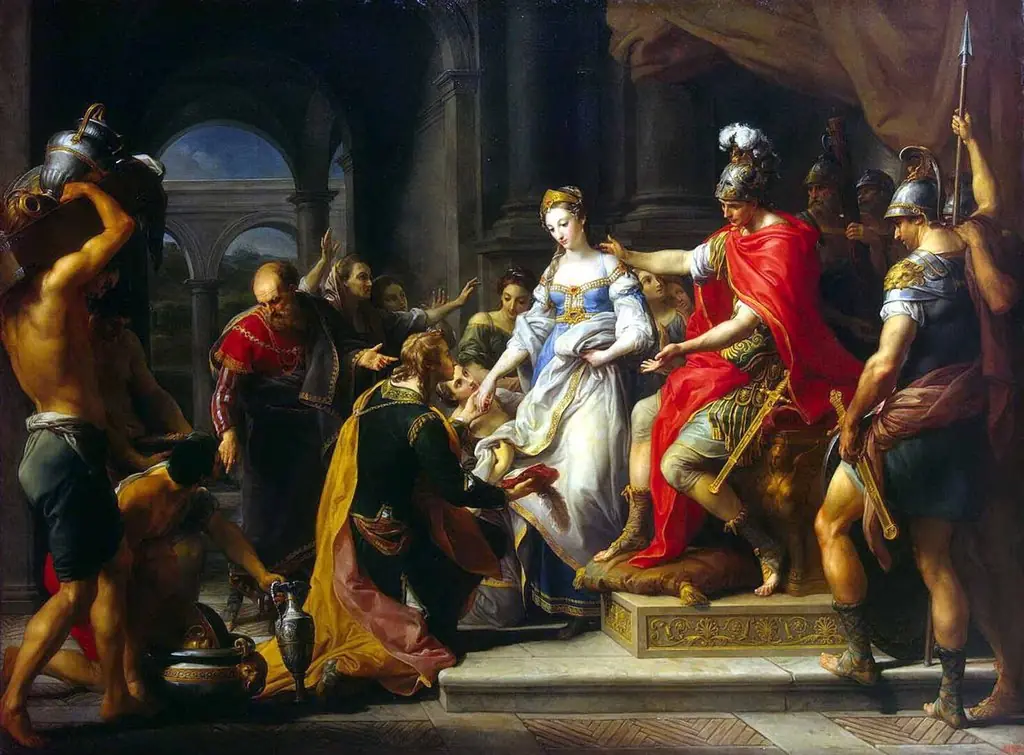 Continence of Scipio
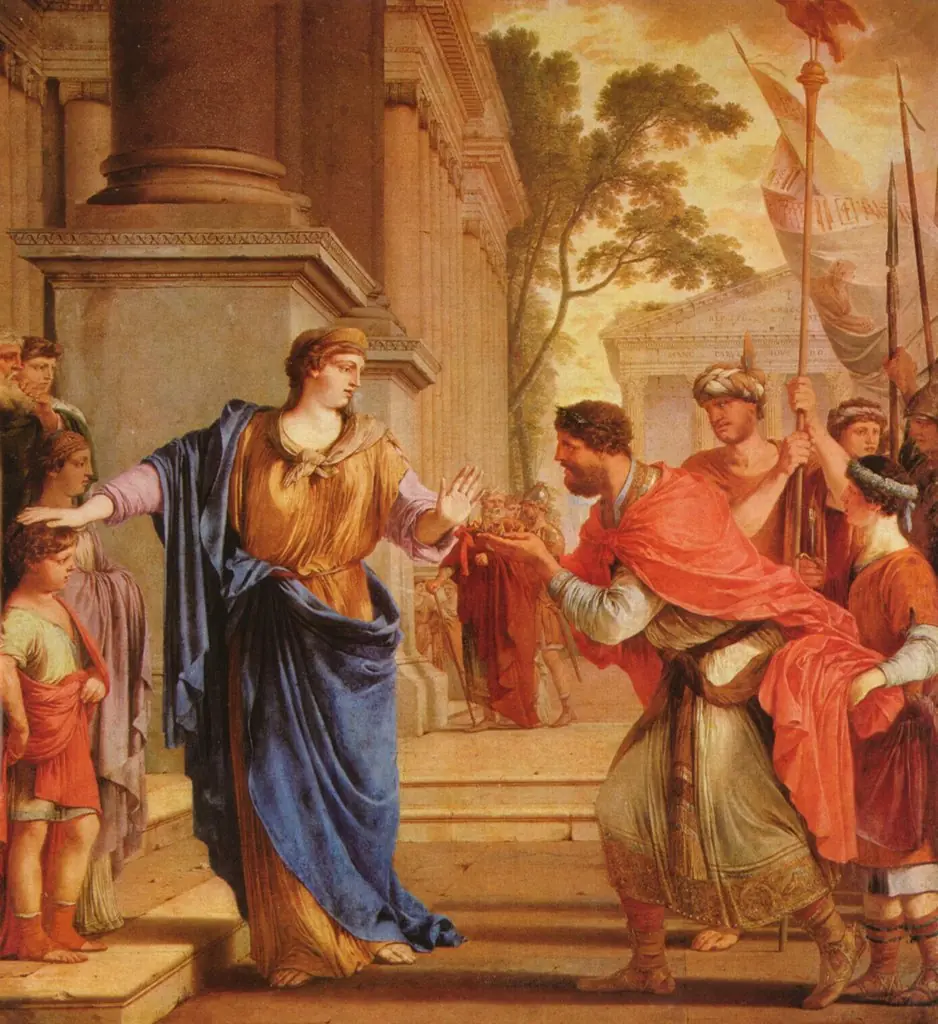 Cornelia rejects the crown of the Ptolemies
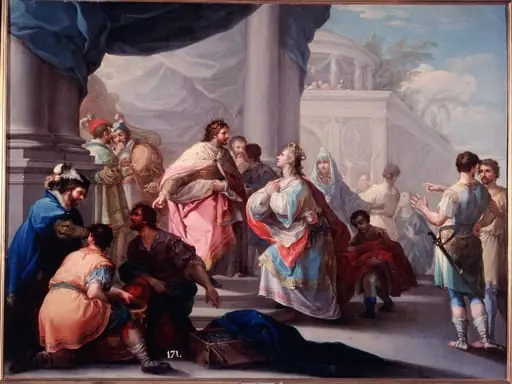 The Empress Marta de Constantinople before Alfonso X. Ramón Bayeu and Subías
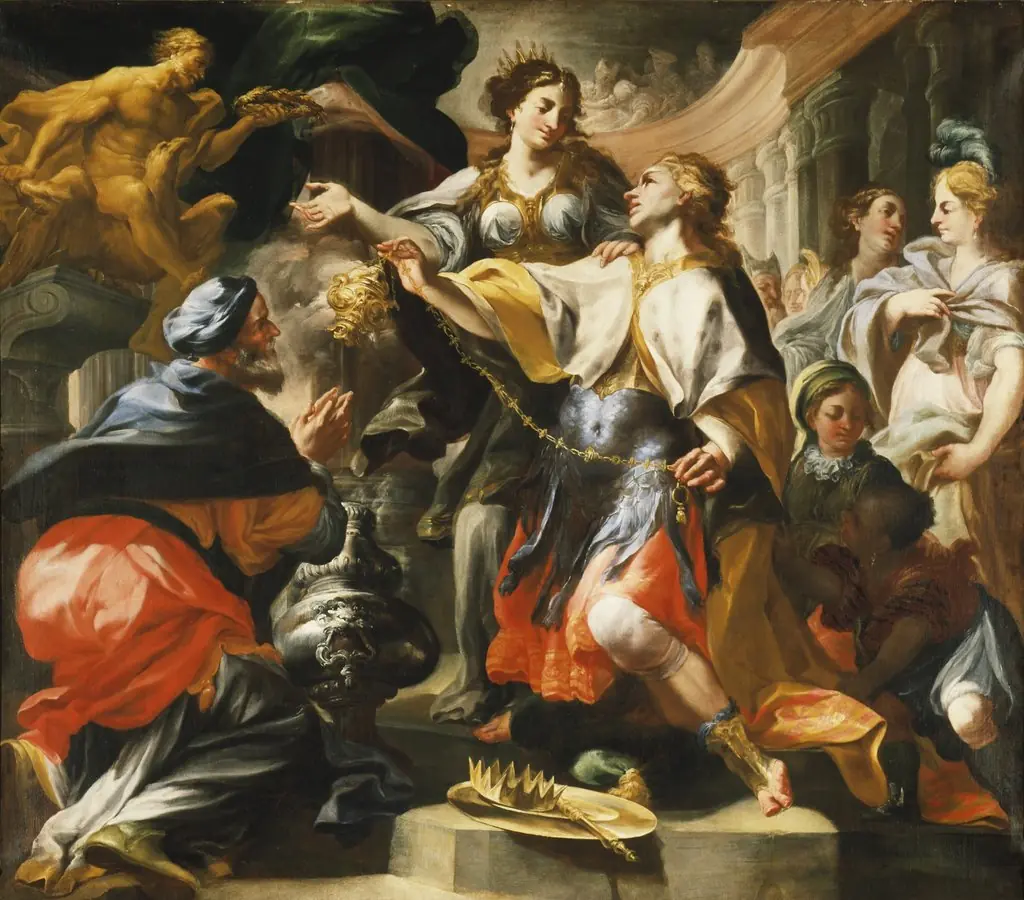 Solomon Worshiping a Pagan God
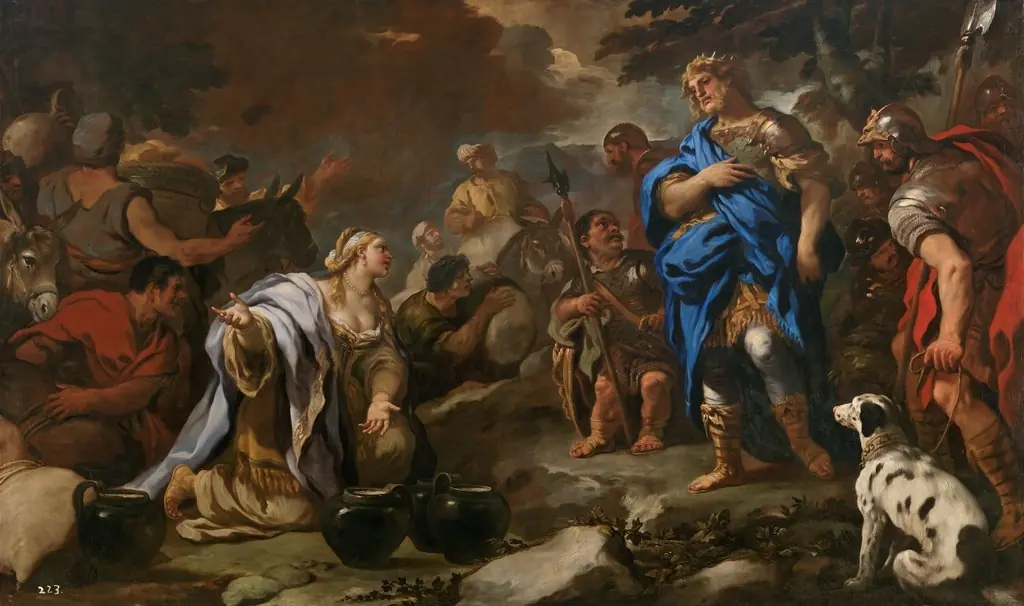 La prudente Abigail
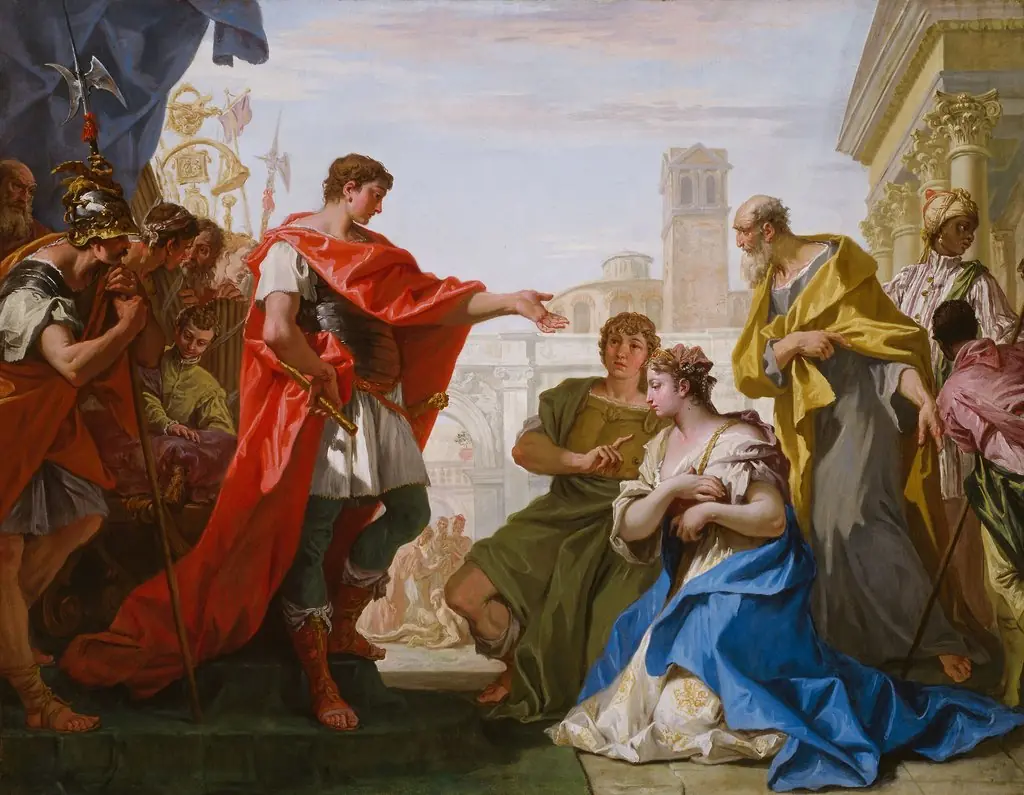 The Continence of Scipio
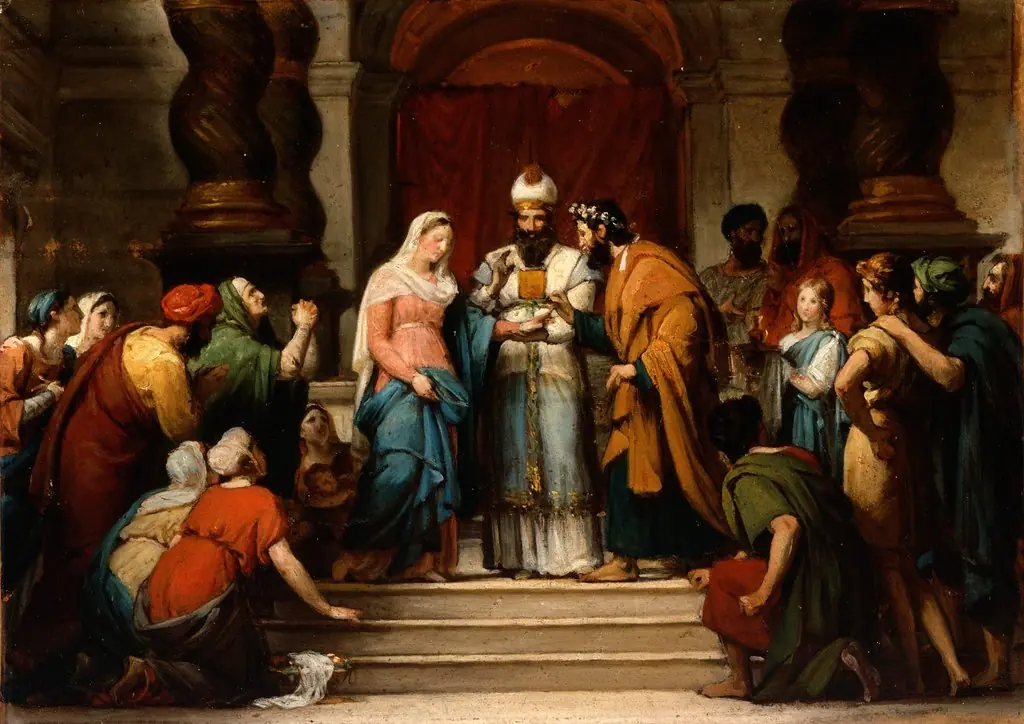 The Marriage of the Virgin
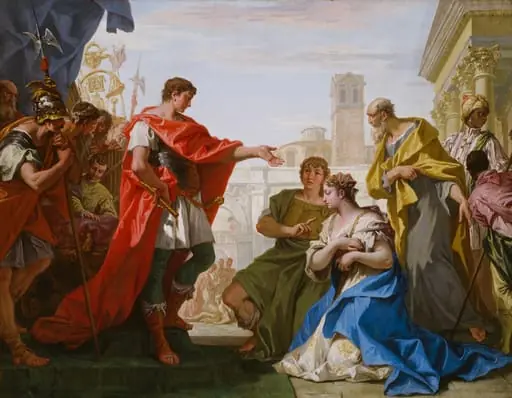 The Continence of Scipio
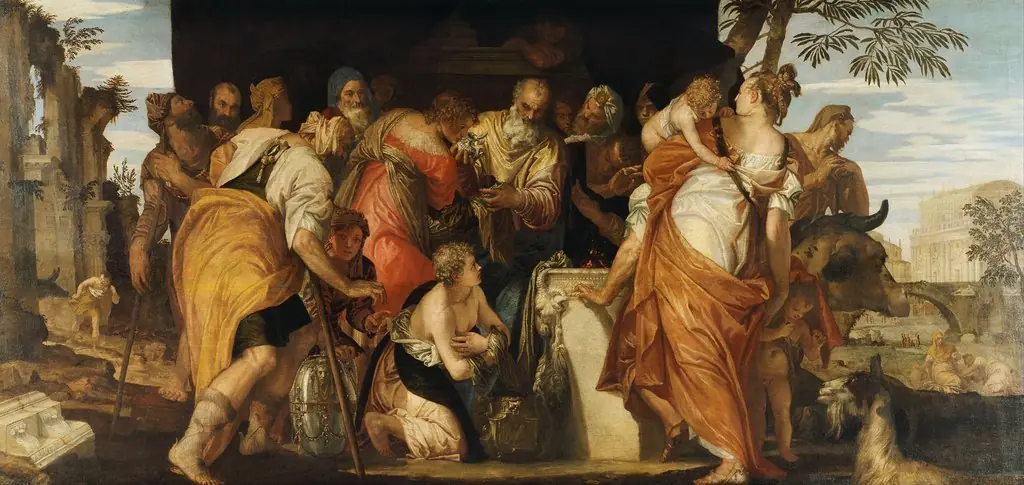 The Anointing of David
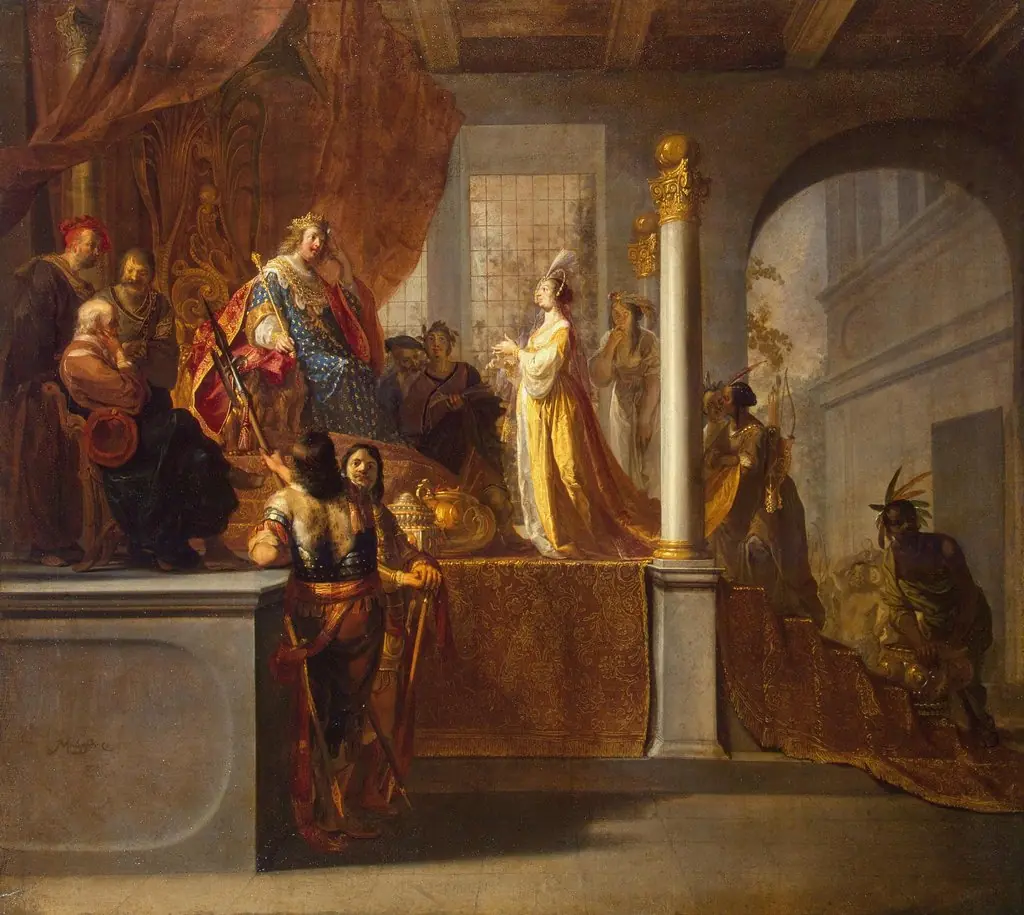 Queen of Sheba before Solomon
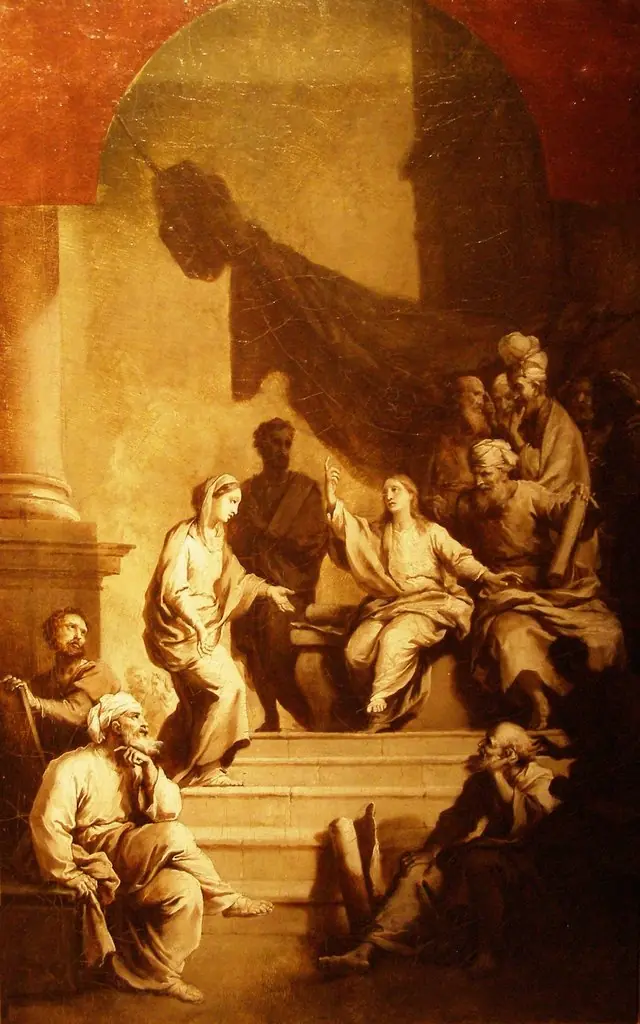 Twelve-year-old Jesus teaching in the Temple.
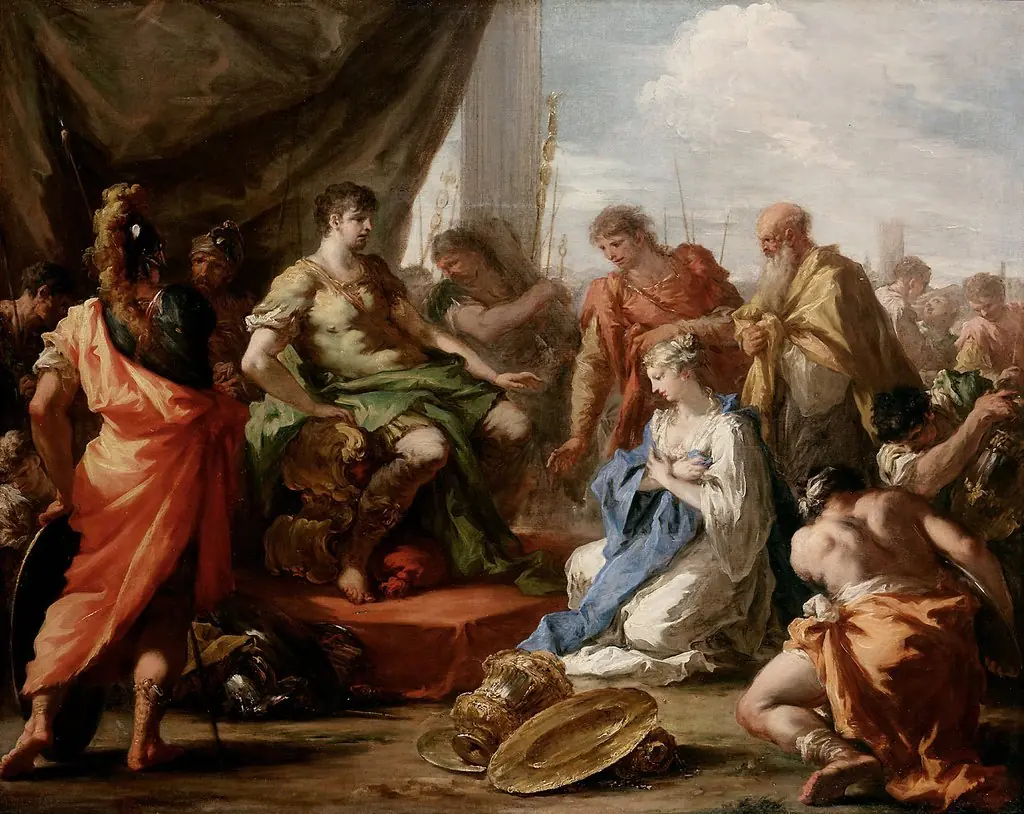 Enthaltsamkeit des Scipio