Artwork
The Marriage of the Virgin
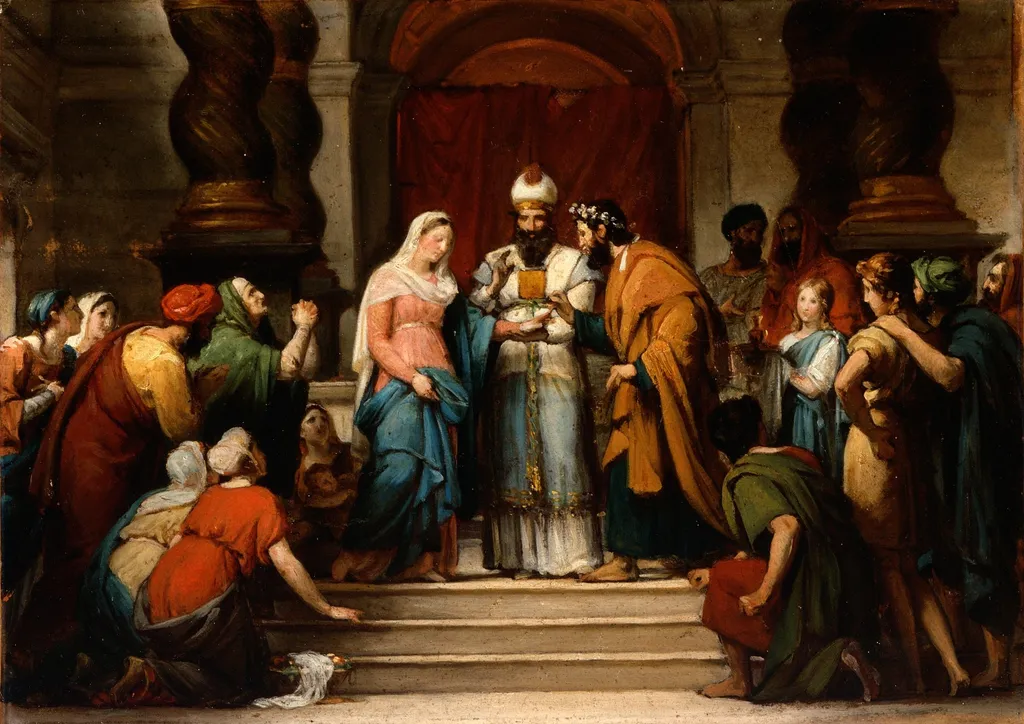
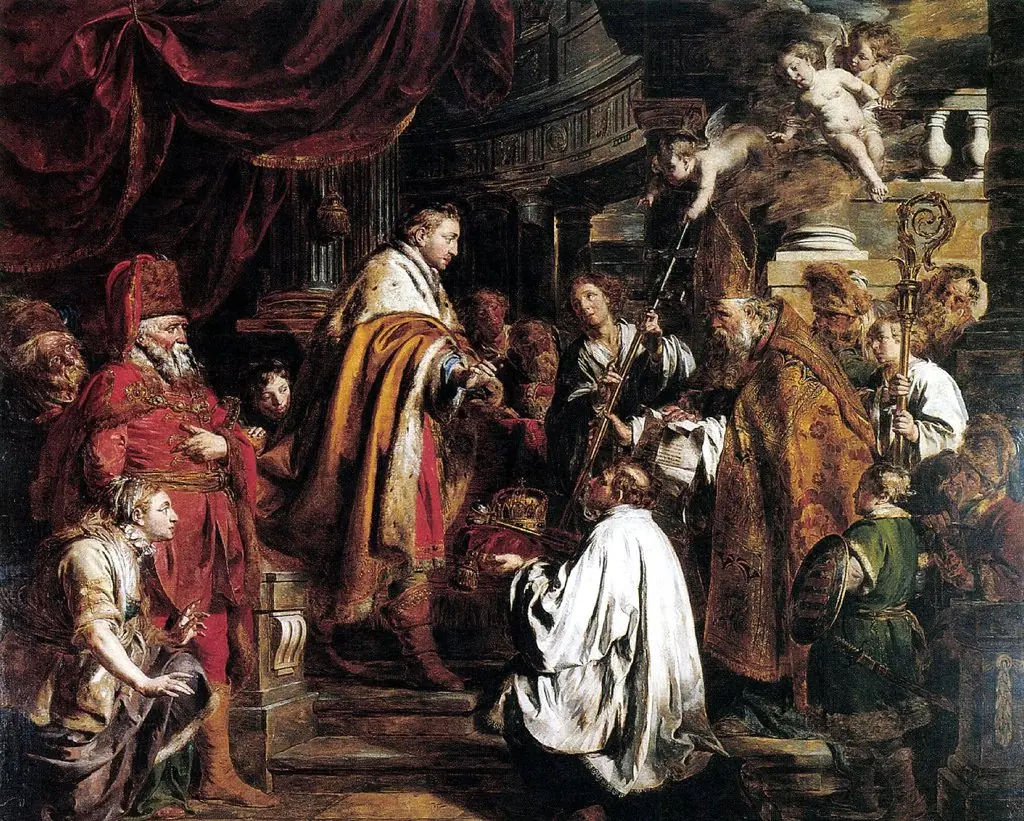
The Marriage of the Virgin is an oil painting by Jérôme-Martin Langlois. It dates from 1833 and is held in the collection of the Los Angeles County Museum of Art.
About this work
Overview
Painted in 1833 by French artist Jérôme-Martin Langlois, this oil-on-canvas work illustrates the biblical wedding of the Virgin Mary and Saint Joseph. Langlois, a student of Jacques-Louis David and later a recipient of the Legion of Honour, produced this piece during the height of Neoclassical influence in French art. It resides today in the collection of the Los Angeles County Museum of Art.
Subject & Meaning
The central figures, dressed in white with gold accents, are distinguished by their posture and placement, emphasizing the sacred nature of the event.
The scene captures the ceremonial union of Mary and Joseph, framed within a formal architectural setting. Figures gather in quiet reverence, their expressions conveying solemnity rather than exuberance. The central figures, dressed in white with gold accents, are distinguished by their posture and placement, emphasizing the sacred nature of the event. The composition reflects traditional iconography of the marriage, aligning with devotional expectations of the period.
Technique & Style
Langlois employs a controlled use of chiaroscuro to model forms and direct attention toward the central figures. Surface texture is built through deliberate impasto, particularly in the folds of garments and the rich drapery of the background curtain. Warm tones of gold, crimson, and ochre unify the scene, while the lighting suggests a contained, interior space illuminated by an unseen source.
History & Provenance
Completed in 1833, the painting was likely commissioned for a religious or private collection, consistent with Langlois’s patronage during the Bourbon Restoration. It entered the Los Angeles County Museum of Art’s holdings in the 20th century, though its earlier provenance prior to acquisition remains undocumented in public records.
Context
Langlois worked within the Neoclassical tradition, favoring clarity of form and moral seriousness over Romantic drama. His approach to religious subjects aligned with state-sponsored artistic ideals of the early 19th century, which emphasized order, dignity, and historical fidelity. This painting reflects broader trends in French ecclesiastical art, where biblical narratives were rendered with architectural precision and restrained emotion.
Legacy
Though not widely exhibited today, the painting exemplifies Langlois’s technical discipline and his role in sustaining Neoclassical aesthetics beyond the Napoleonic era. It stands as a representative work of French religious painting from the 1830s, illustrating how traditional themes were maintained through refined technique rather than innovation.
Own this work as a print
Artist & collection
Artist
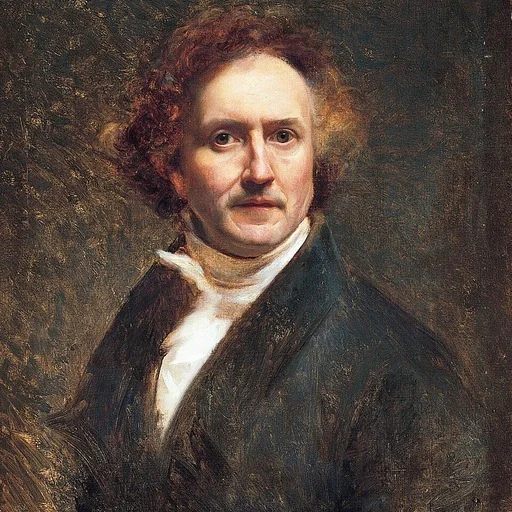
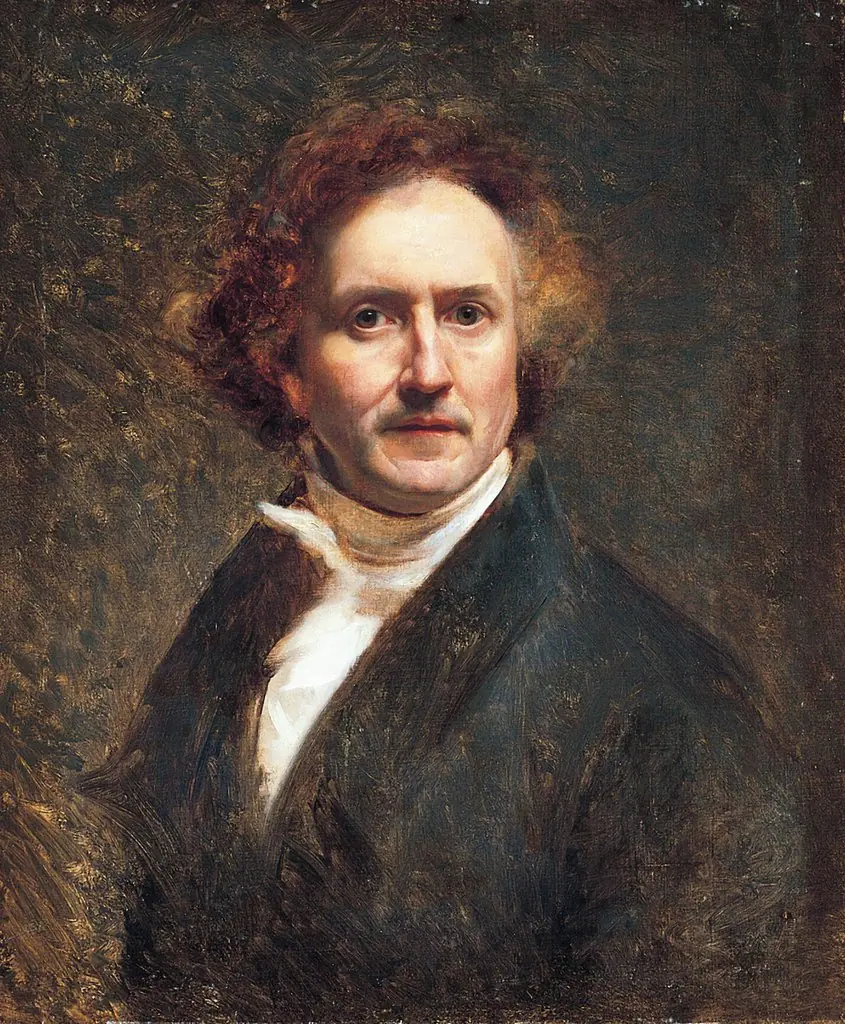
Jerome-Martin Langlois (11 March 1779 – 28 December 1838) was a French Neoclassical style painter. He was trained by painter Jacques-Louis David and he was a Knight of the Legion of Honour.

 The Patron Saints of the Crotta Family
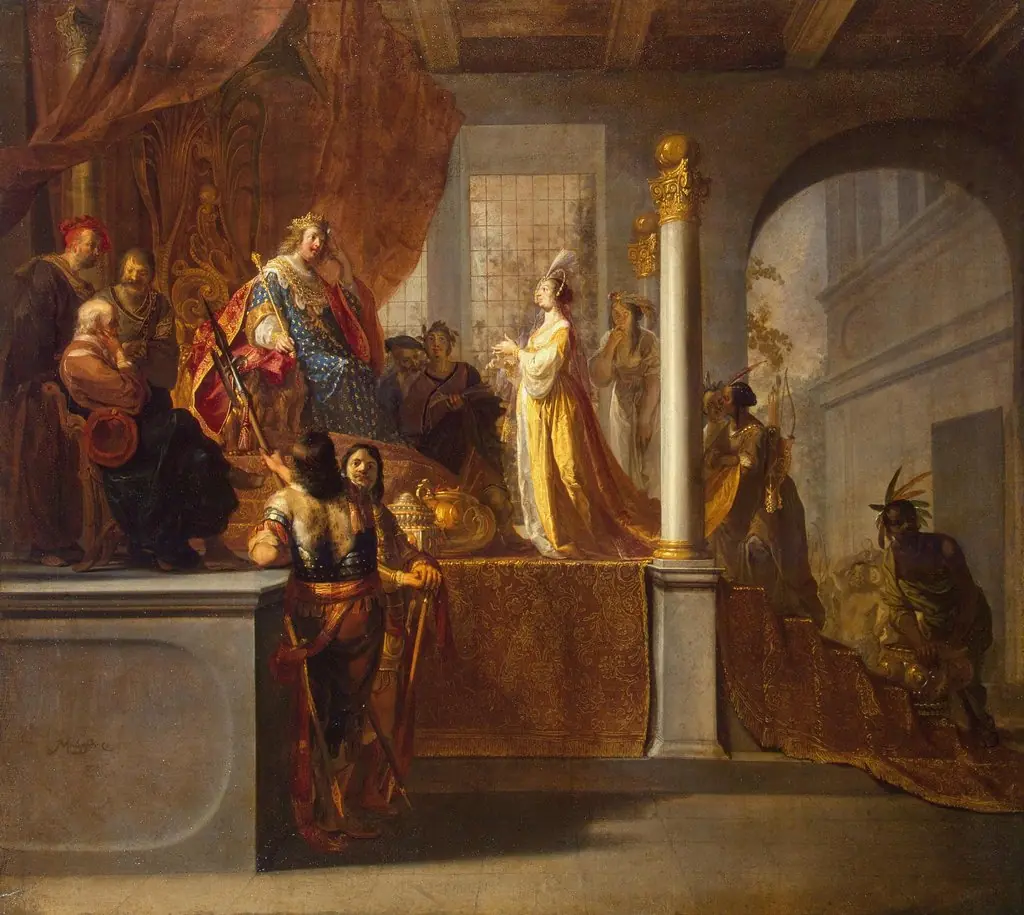 Queen of Sheba before Solomon
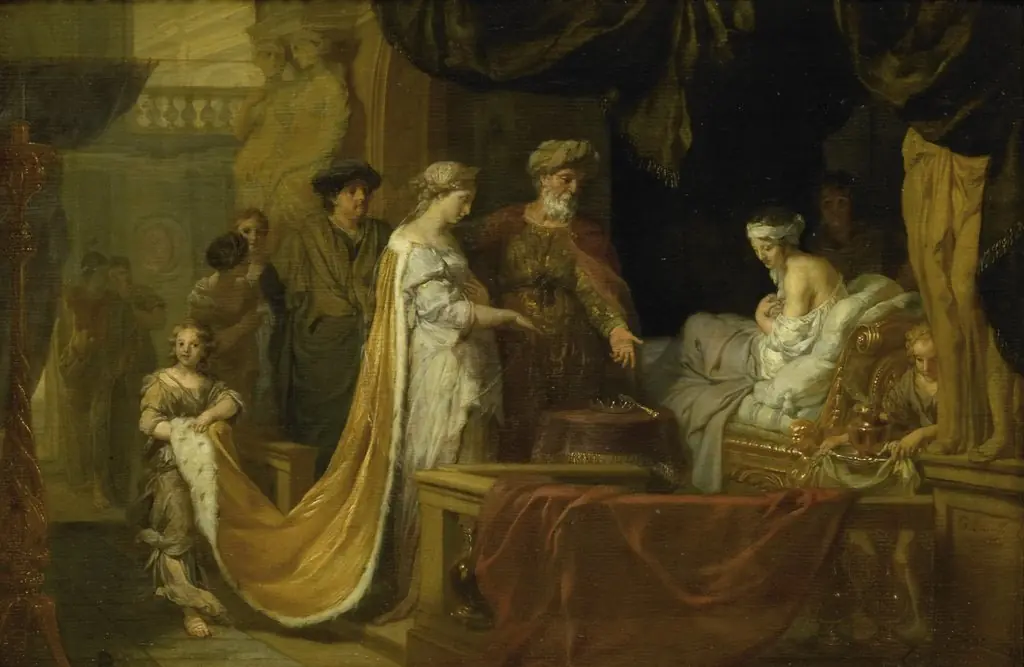 Antiochus and Stratonice
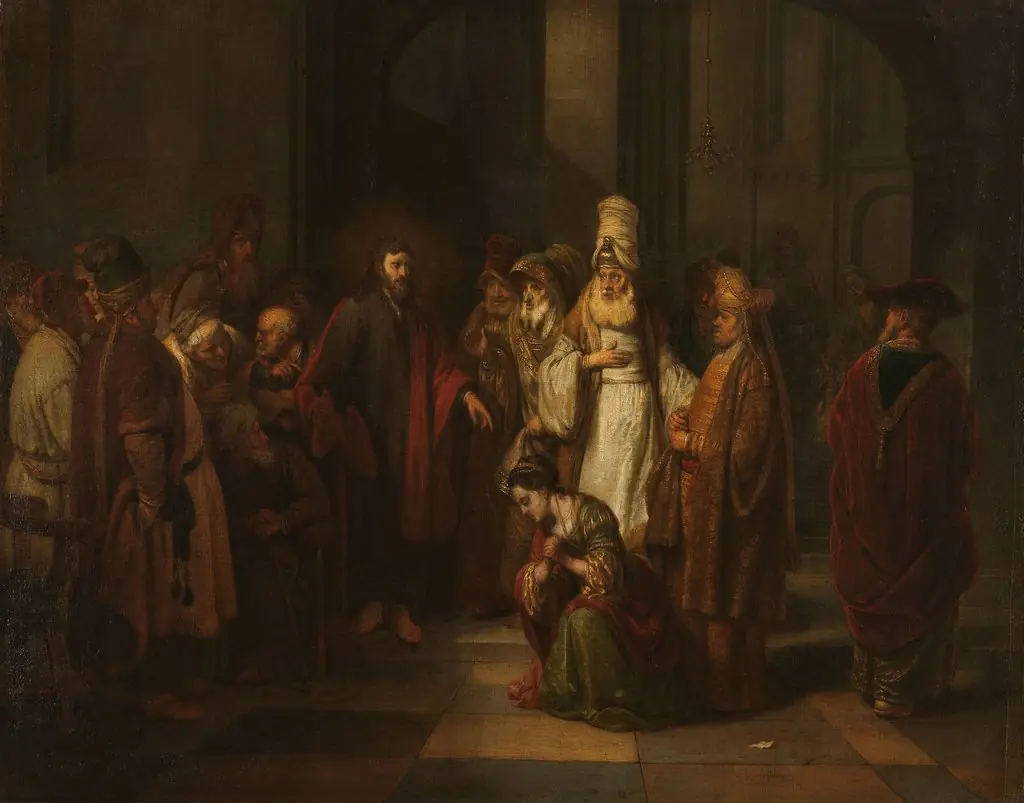 Christus and the woman in adultery
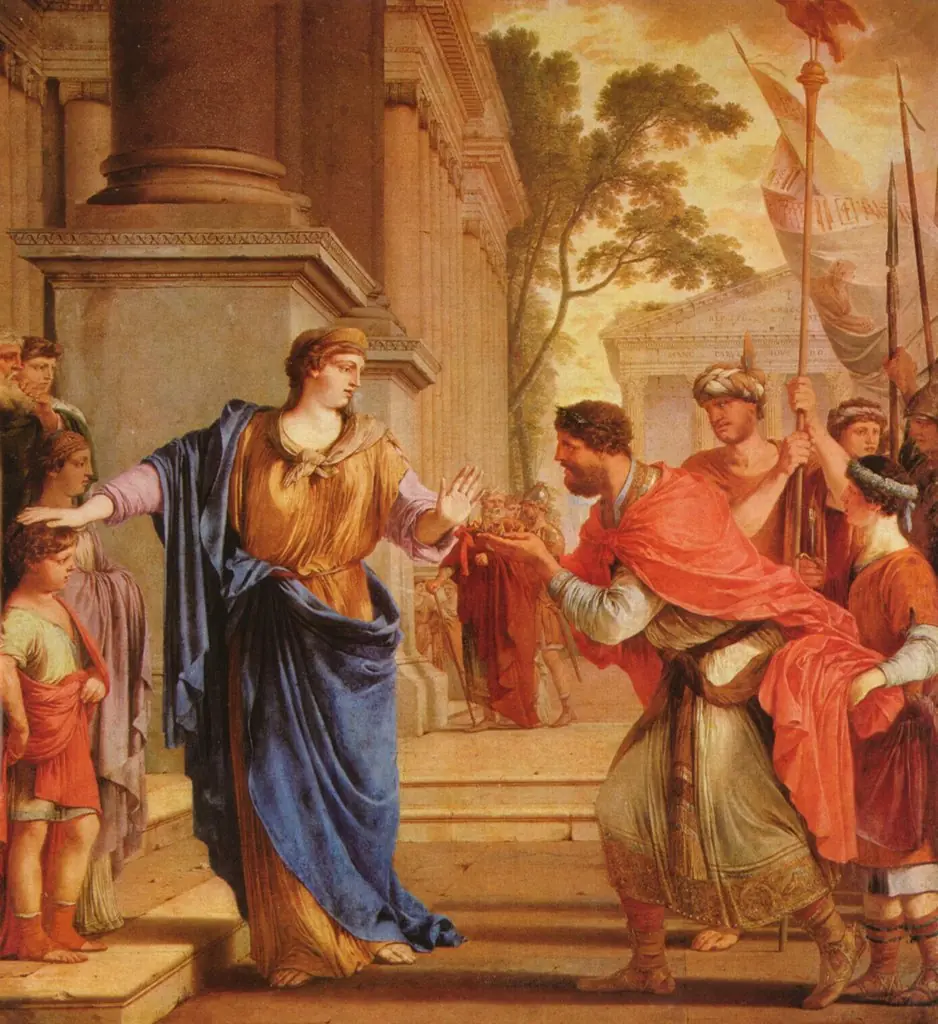 Cornelia rejects the crown of the Ptolemies
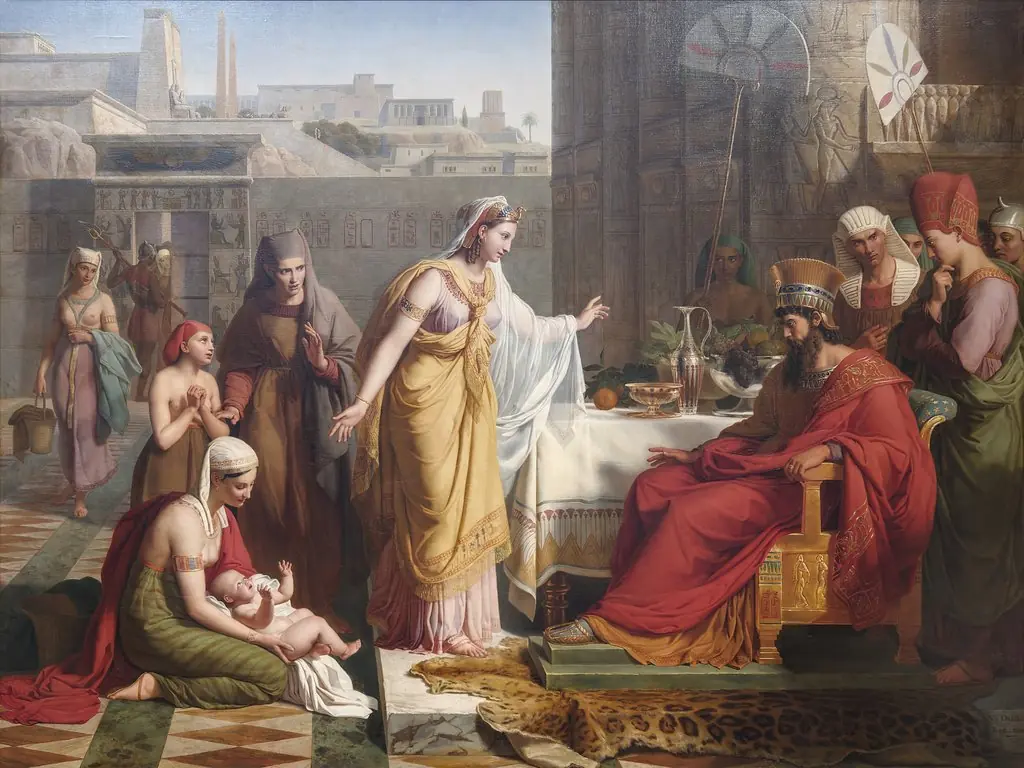 Moïse enfant présenté à Pharaon
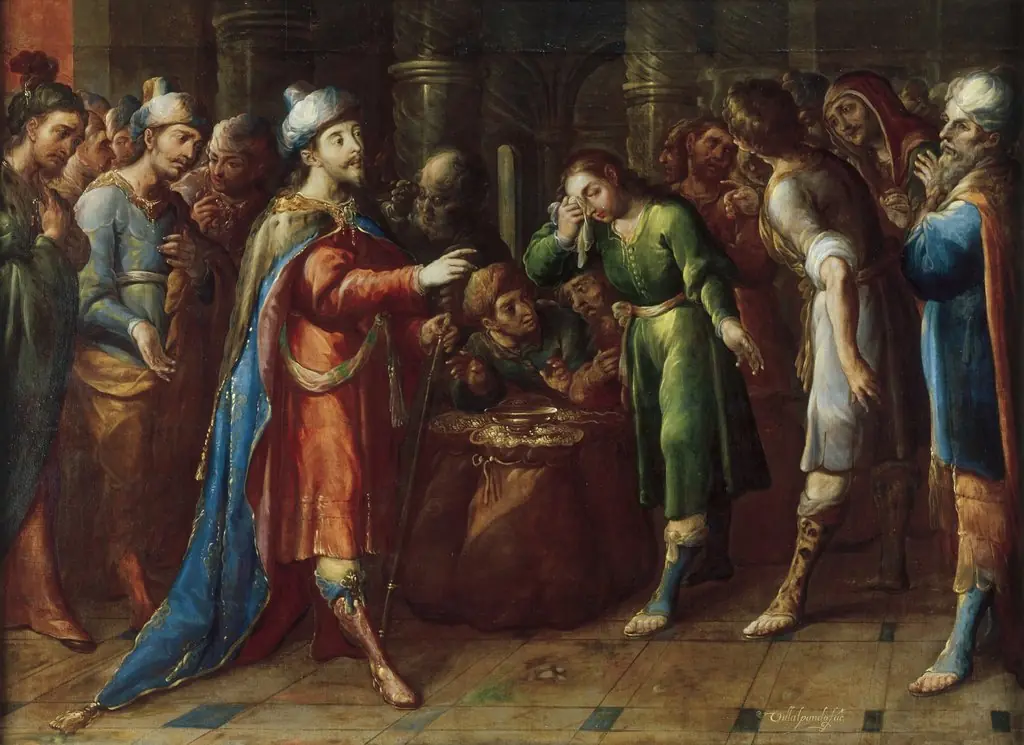 Joseph Claims Benjamin as his Slave
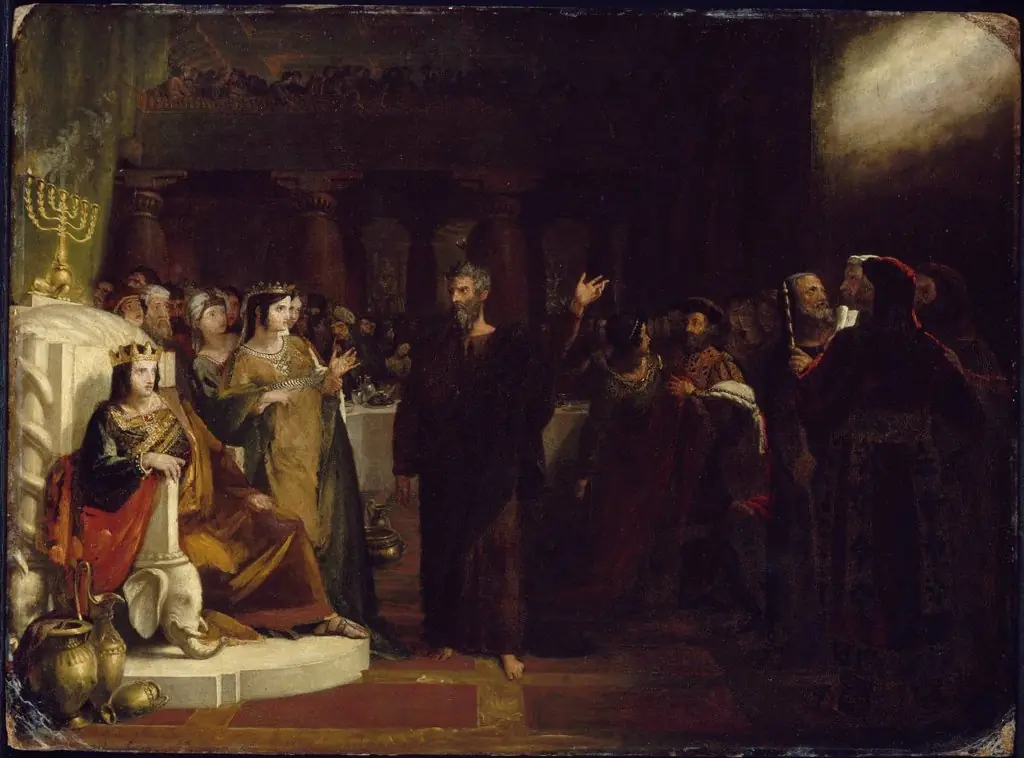 Study for Belshazzar's Feast
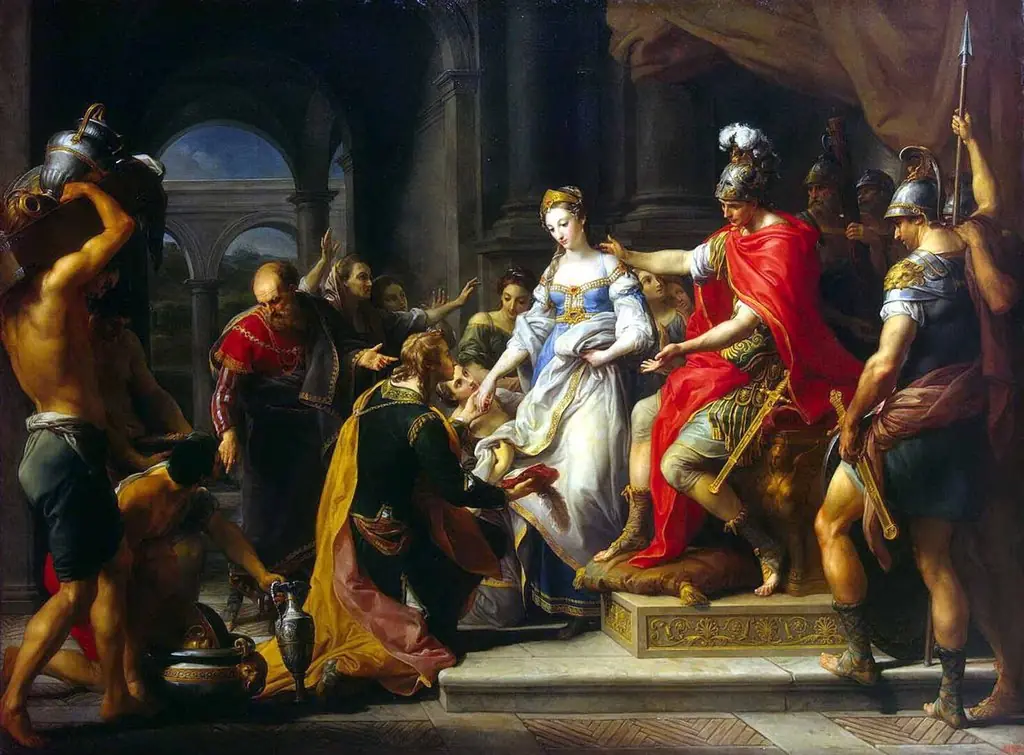 Continence of Scipio
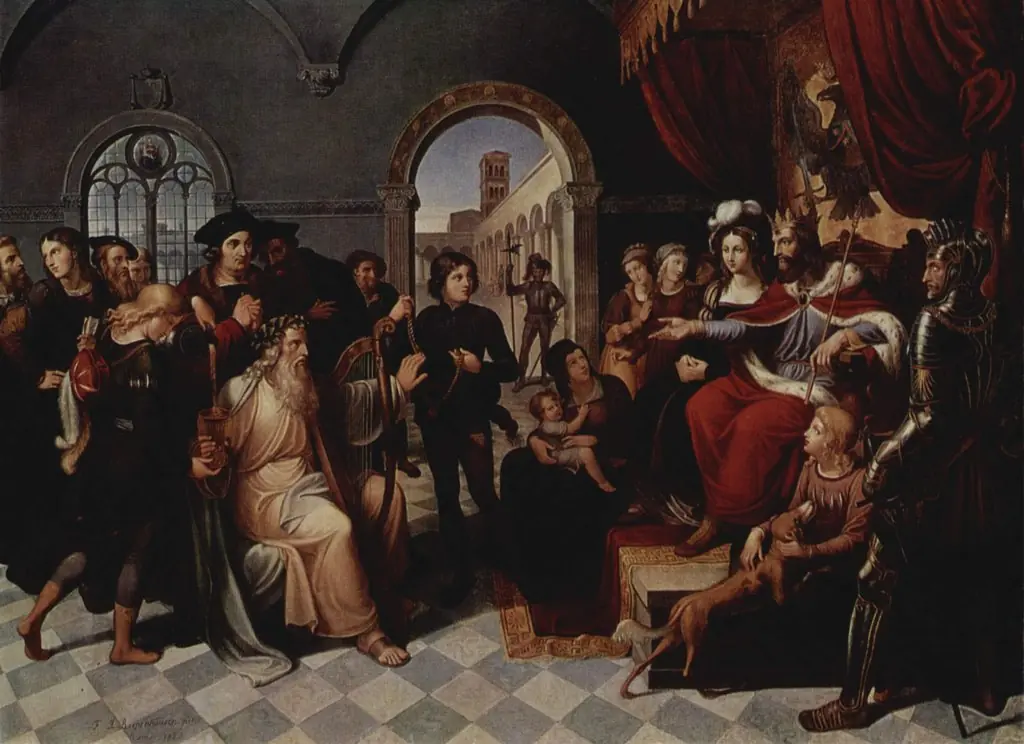 Singer
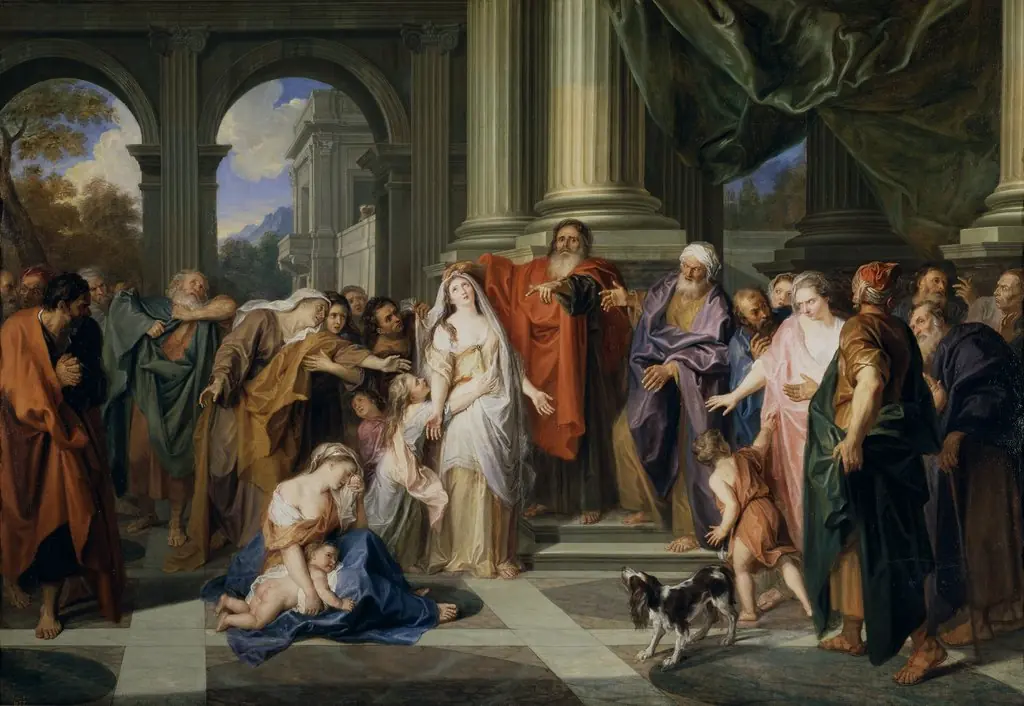 Susannah accused of adultery
 Saint Stephen, king of Hungary Receiving the Legate