Artwork
Continence of Scipio
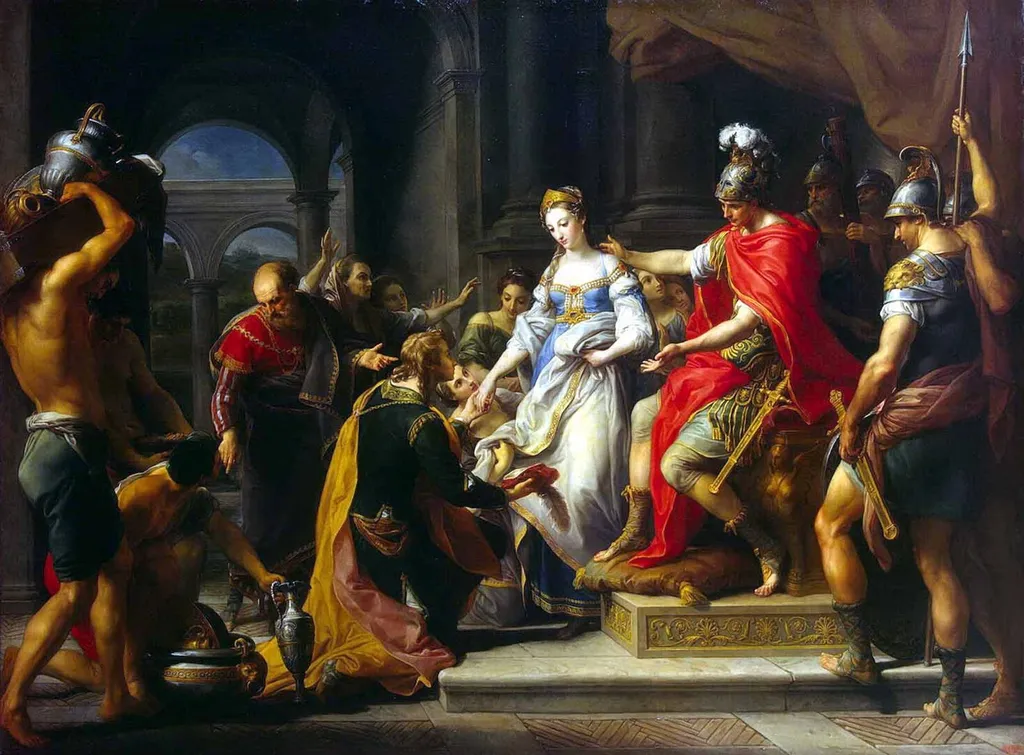
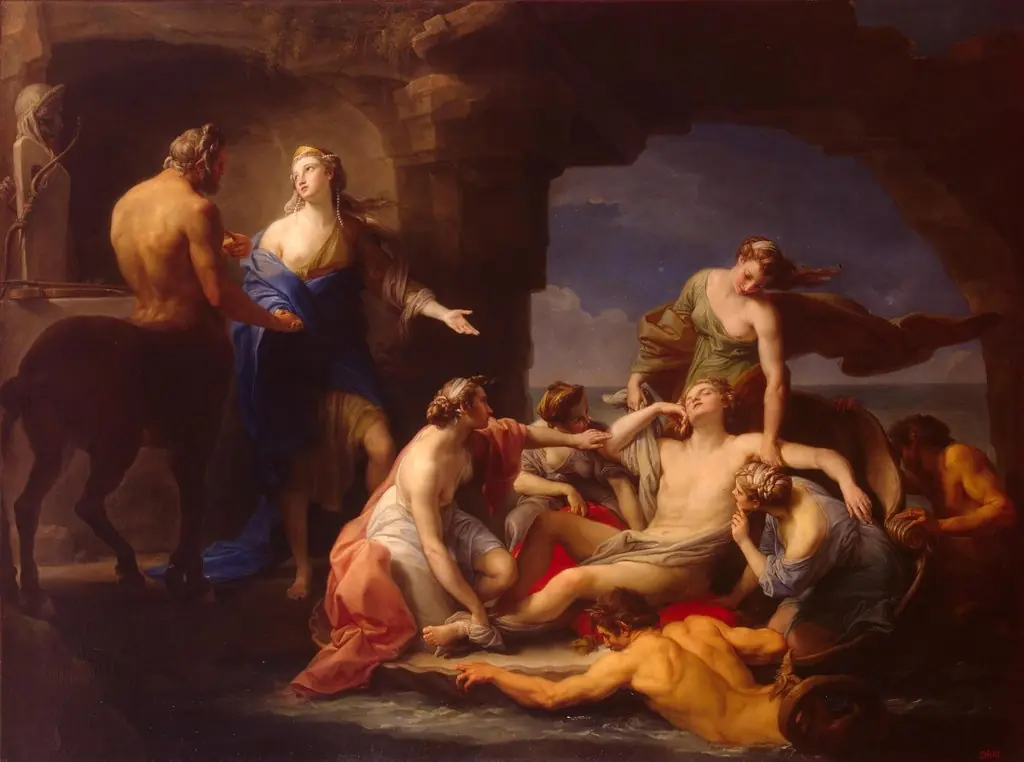
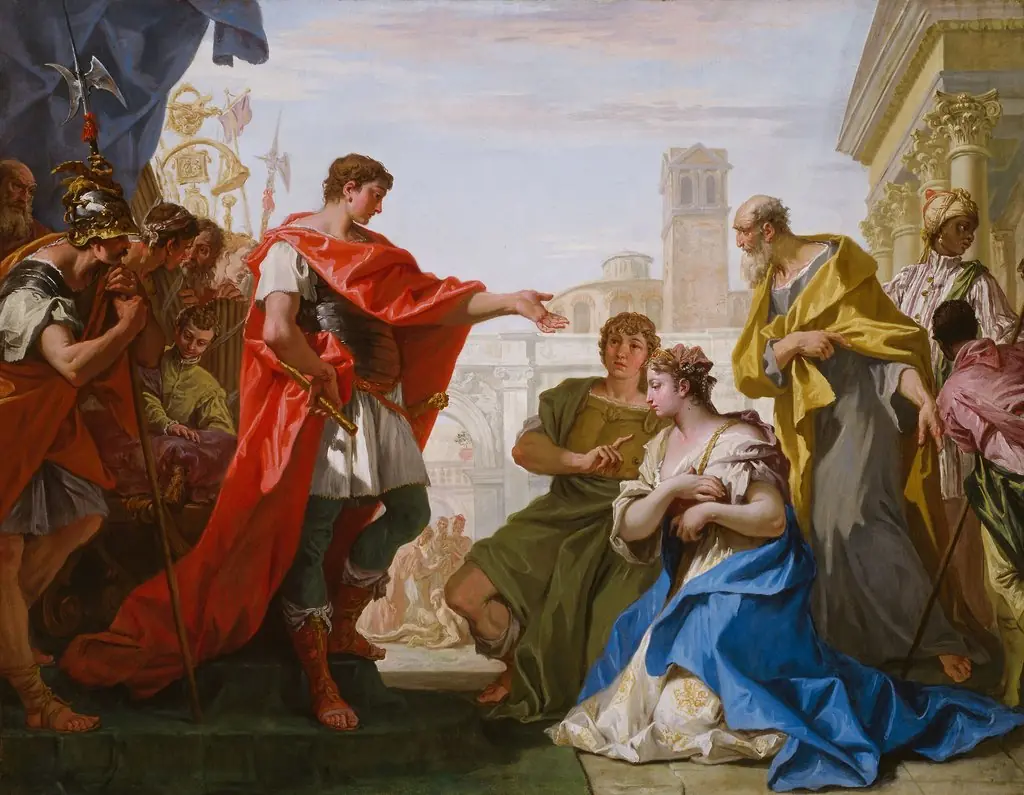
Continence of Scipio is an oil painting by the Rococo painting artist Pompeo Batoni. It dates from 1771 and is held in the collection of the Hermitage Museum.
About this work
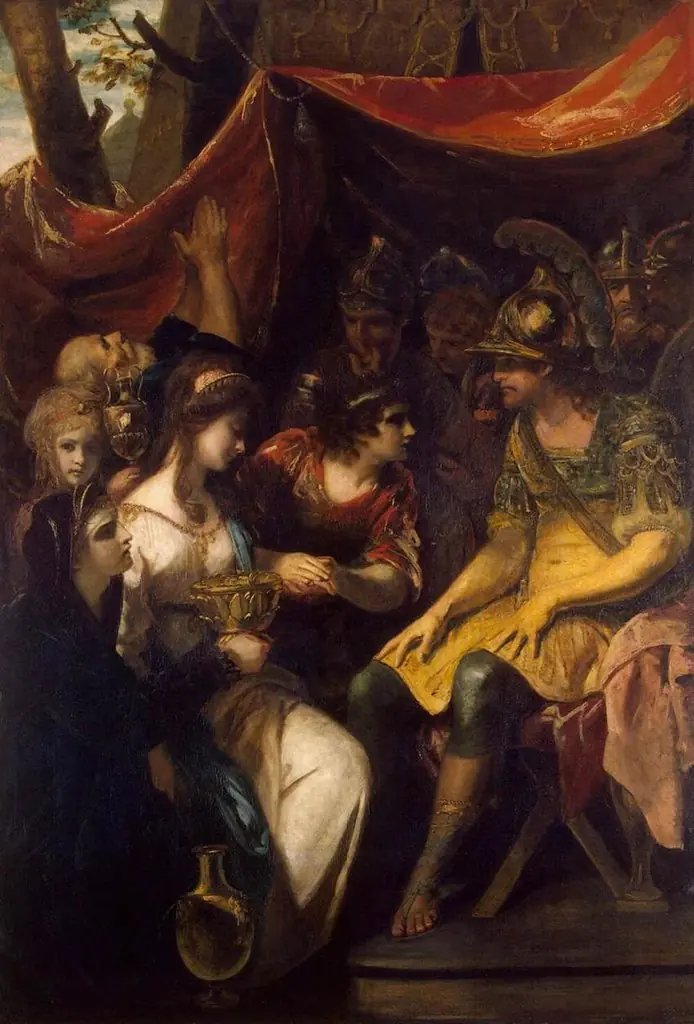
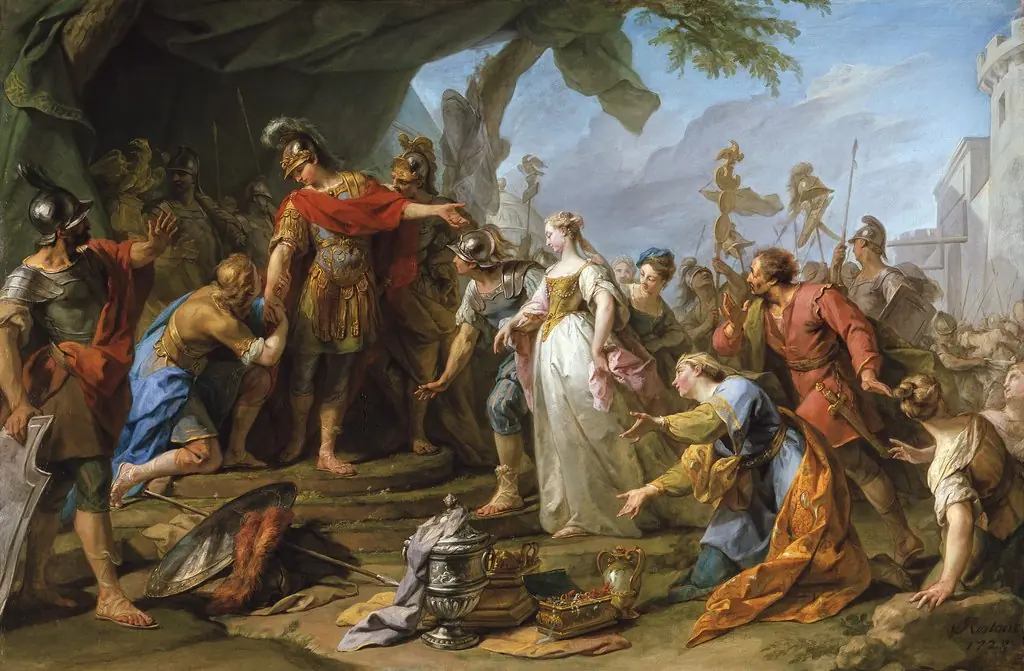
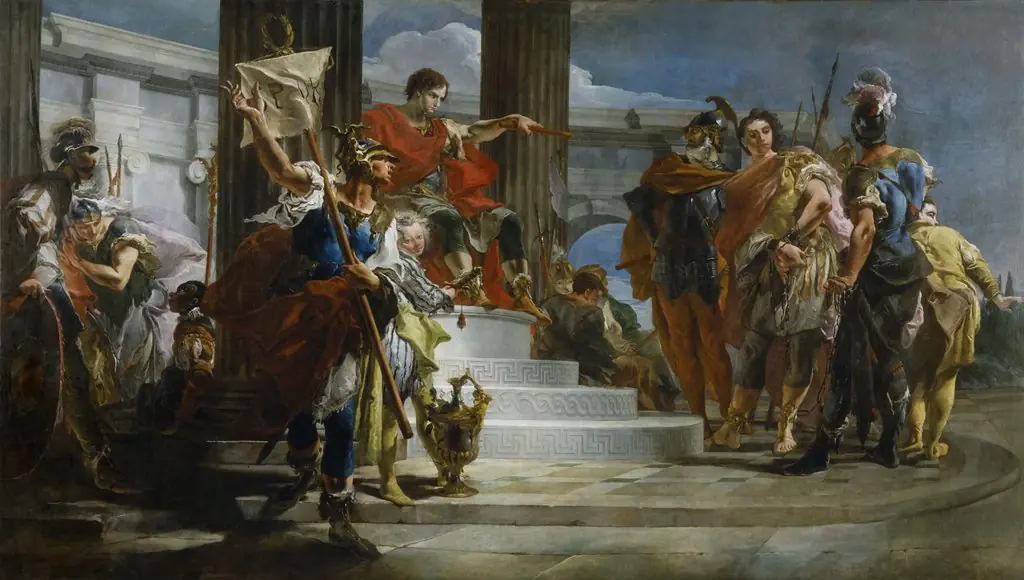
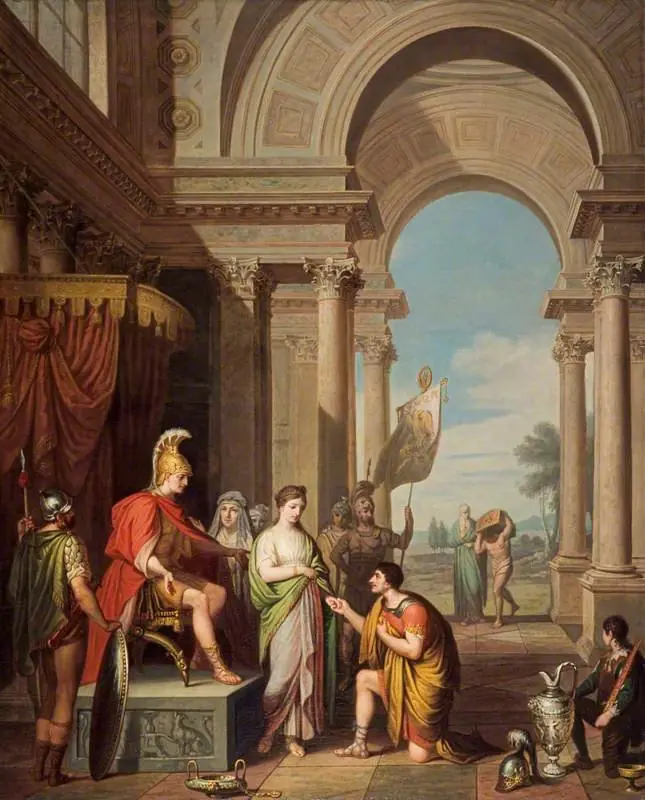
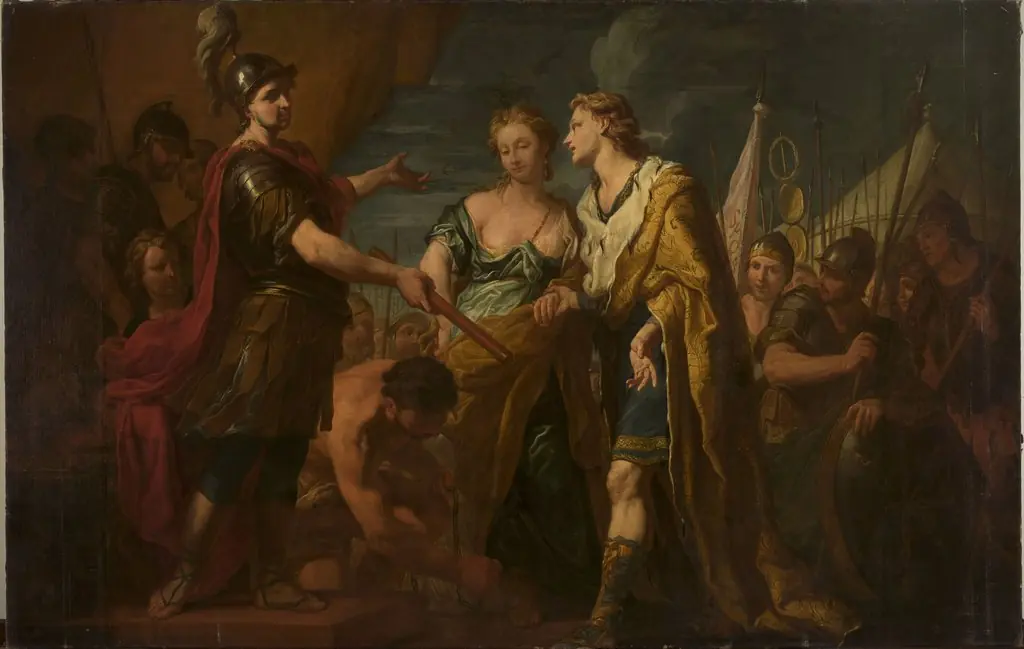
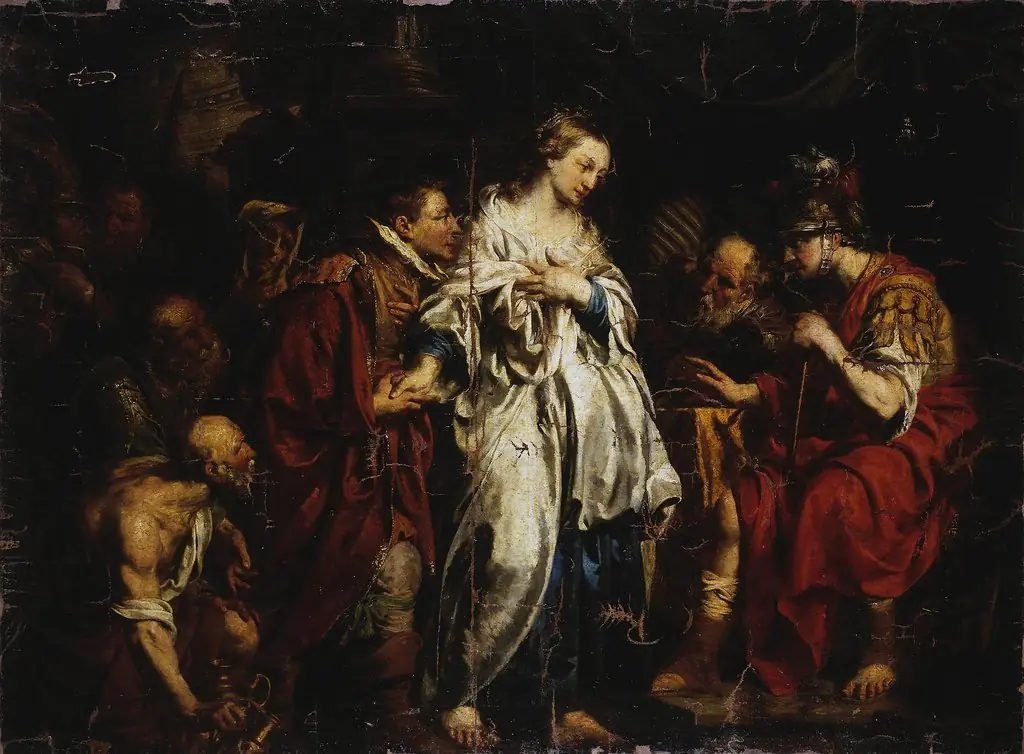
Scipio Africanus refuses a ransom for a noblewoman prisoner and lets her go back to her fiancé.
Continence of Scipio is a history painting by Pompeo Batoni, made in 1771. It was done in oil paint.
The picture shows a moment from the Siege of Carthage in the Second Punic War. Scipio Africanus refuses a ransom for a noblewoman prisoner and lets her go back to her fiancé. The story comes from Livy and was a favorite theme for artists.
Look up the museum: State Hermitage Museum. It is displayed there among other works from the 18th century.
Overview
Continence of Scipio is a history painting executed in oil on canvas by Italian artist Pompeo Batoni in 1771. It is currently housed in the State Hermitage Museum.
Subject & Meaning
The painting illustrates a pivotal moment from the Second Punic War, where Roman General Scipio Africanus demonstrates clemency by releasing a noblewoman prisoner to her fiancé without accepting a ransom, as recounted by the Roman historian Livy.
History & Provenance
Created in 1771, Continence of Scipio is now part of the State Hermitage Museum's collection, displayed alongside other 18th-century works.
Context
The story of Scipio's continence, derived from Livy's historical accounts, was a popular theme among artists, reflecting the enduring influence of classical narratives on European art.
Artist & collection
Artist
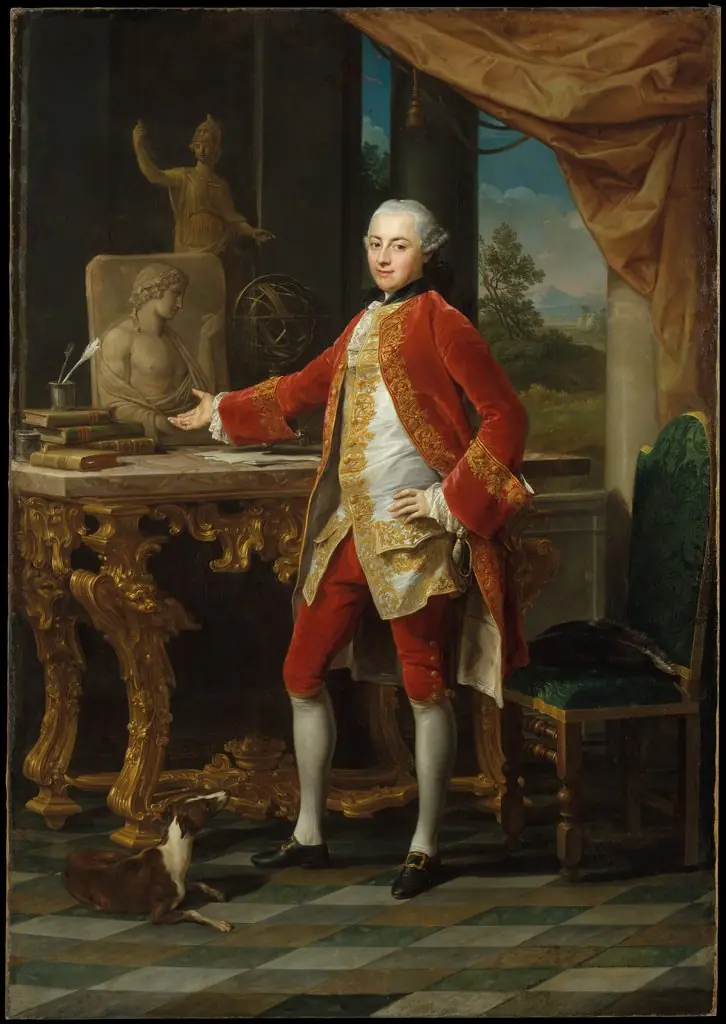
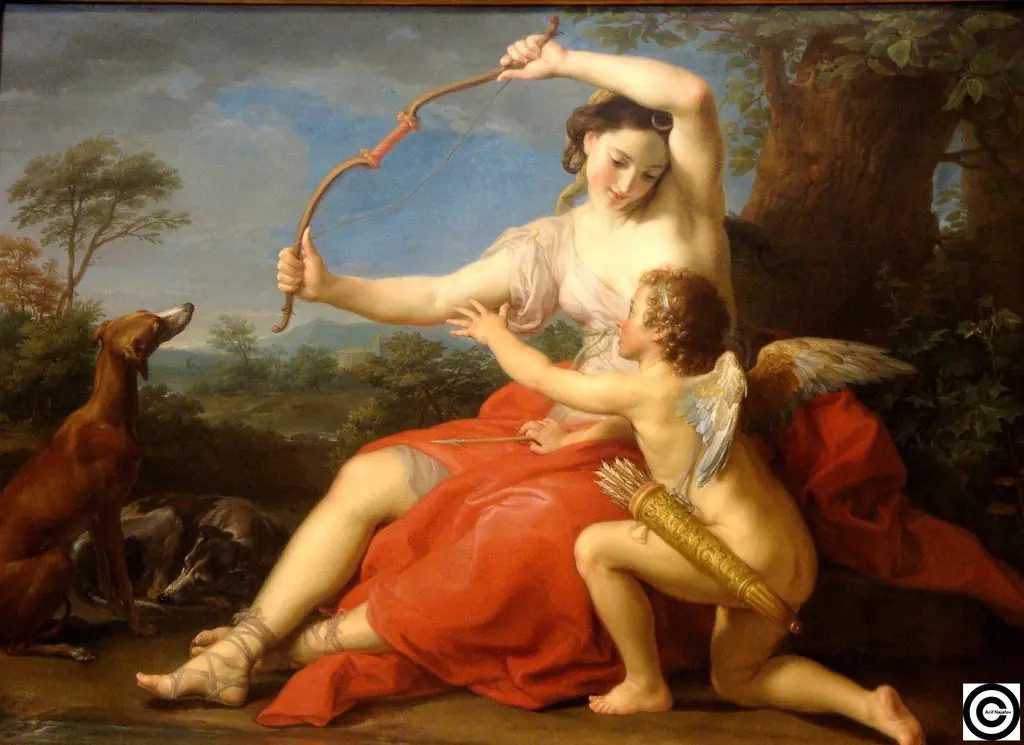
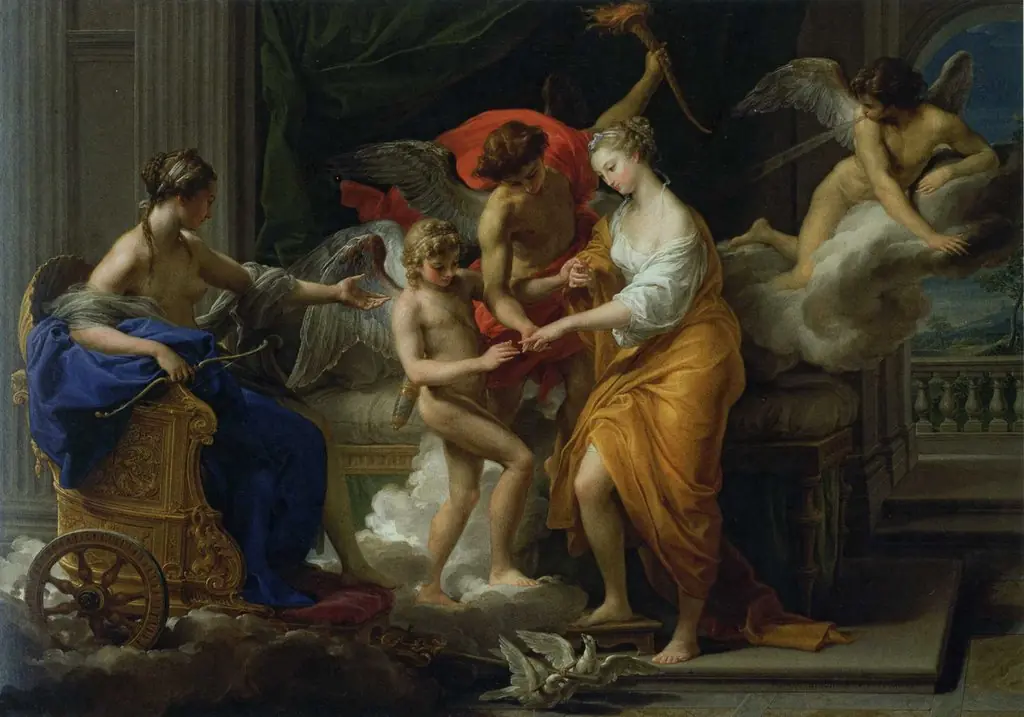
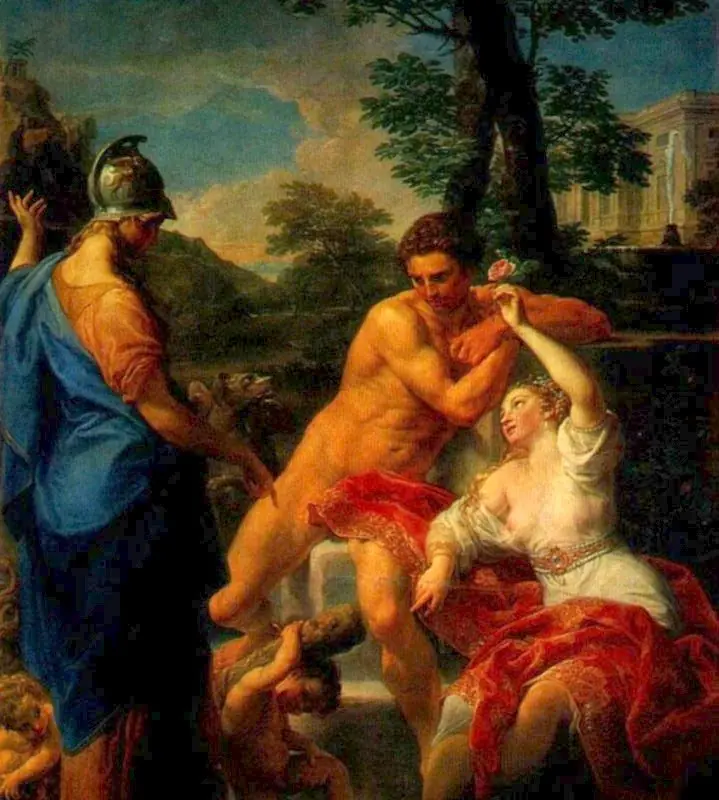
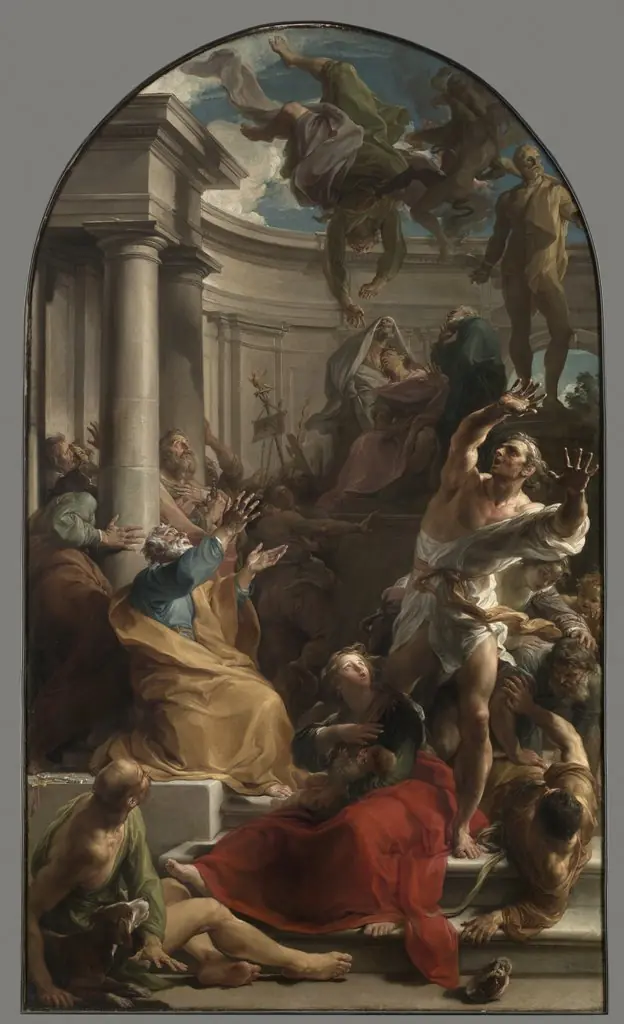
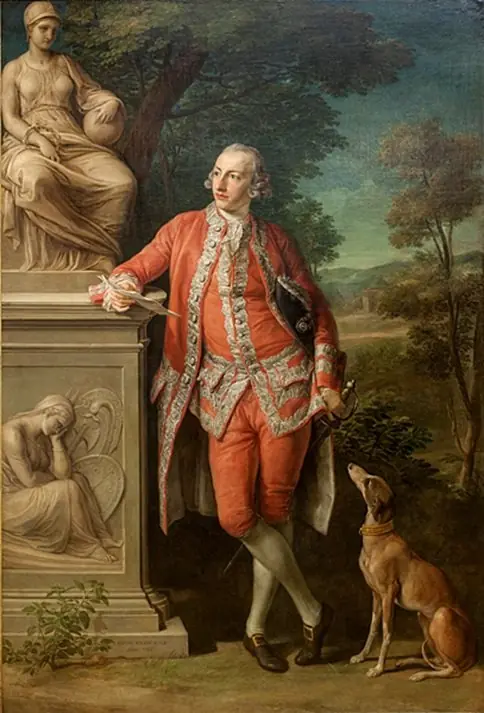
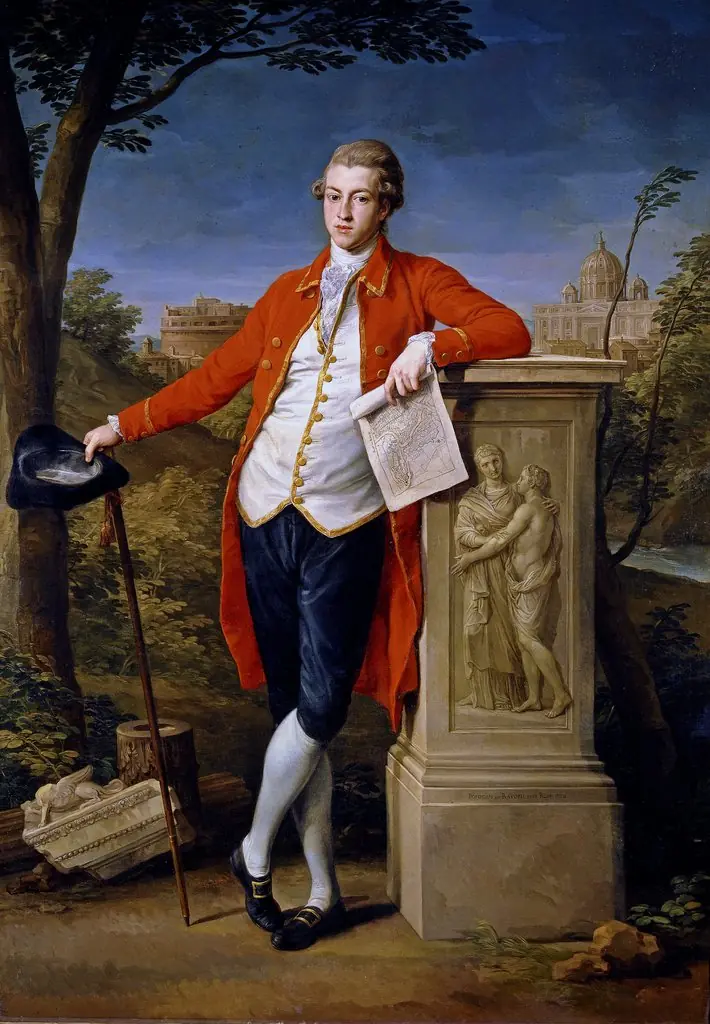
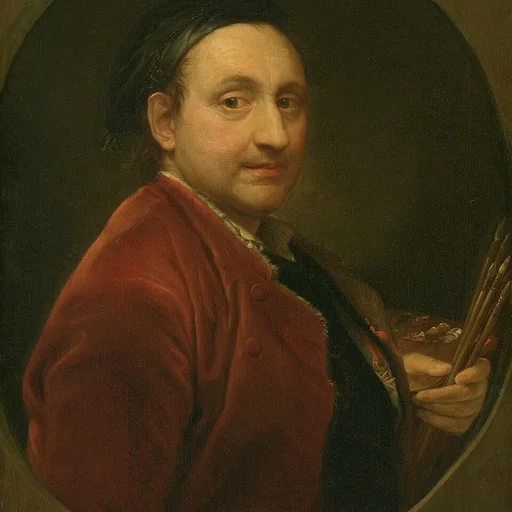
Pompeo Girolamo Batoni (25 January 1708 – 4 February 1787) was an Italian painter who displayed a solid technical knowledge in his portrait work and in his numerous allegorical and mythological pictures.