Artwork
Noah and the Animals Entering the Ark
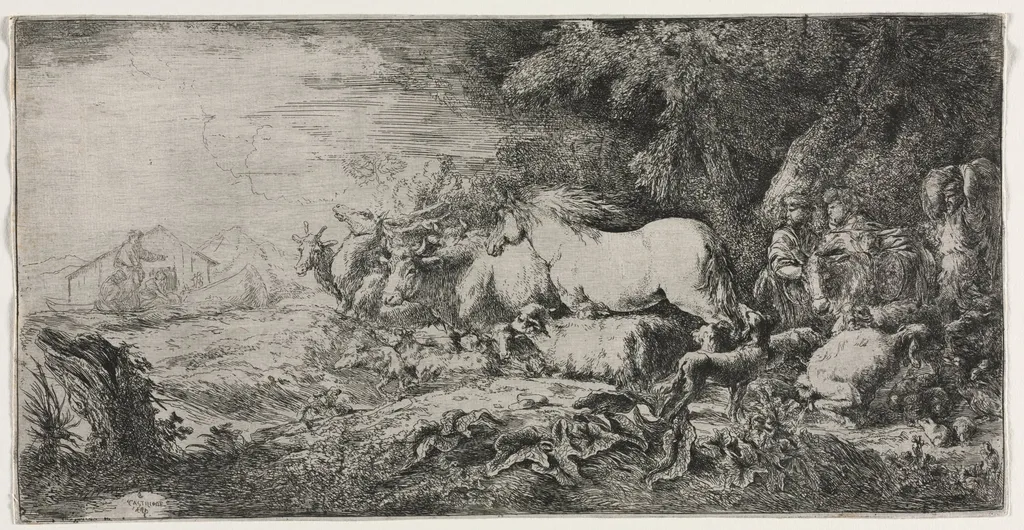
Noah and the Animals Entering the Ark is a print by the Baroque artist Giovanni Benedetto Castiglione. It dates from 1652 and is held in the collection of the Cleveland Museum of Art.
About this work
Overview
This etching by Giovanni Benedetto Castiglione illustrates the biblical scene of animals entering Noah’s Ark, a subject he returned to repeatedly.
This etching by Giovanni Benedetto Castiglione illustrates the biblical scene of animals entering Noah’s Ark, a subject he returned to repeatedly. Unlike traditional depictions, the composition emphasizes the chaotic movement of diverse creatures—horses, deer, goats, dogs, and even small rodents—guided by human figures. Castiglione’s focus on animal life and dynamic motion reflects his personal interest in natural forms, setting his work apart from more rigid religious narratives of the period.
Subject & Meaning
The scene captures a moment of orderly chaos: animals of varying sizes and species are led toward the ark, suggesting divine order amid biological diversity. The inclusion of domestic and wild animals, alongside smaller creatures like guinea pigs, underscores a universal call to preservation. Castiglione’s interpretation avoids overt solemnity, instead conveying the physical effort and urgency of the task, aligning with a human-centered view of the biblical event.
Technique & Style
Castiglione adopted a sketch-like etching style influenced by Rembrandt’s prints, which were rare in Italy at the time. He layered deep, incised lines with lighter, broken strokes to suggest depth and texture, creating a sense of spatial recession. The foliage is rendered in swirling, rhythmic lines that animate the landscape, giving the scene a sense of organic motion. His technique blends precision with expressive looseness, distinguishing his prints from the more polished engravings of his contemporaries.
History & Provenance
Created in the mid-17th century, this print emerged during Castiglione’s mature period in Genoa, where he had access to Northern European prints through trade networks. Though Rembrandt’s etchings were not widely circulated in Italy, Castiglione encountered them and adapted their tactile, atmospheric qualities. The work was likely produced for a collector interested in both biblical themes and innovative graphic techniques, reflecting the growing appreciation for printmaking as an independent art form.
Context
In mid-17th-century Italy, religious imagery dominated visual culture, but Castiglione’s focus on the natural world within sacred narratives offered a fresh perspective. His interest in animals aligned with broader scientific curiosity about nature, even as the Counter-Reformation emphasized doctrinal clarity. By blending biblical storytelling with observational detail, he bridged devotional art and emerging naturalism, positioning himself at the intersection of tradition and innovation.
Legacy
Castiglione’s etchings, including this one, helped expand the expressive potential of printmaking in Italy. His use of varied line work and dynamic composition influenced later generations of printmakers who sought to move beyond rigid formalism. Though less celebrated than his paintings, his graphic works remain significant for their technical experimentation and intimate engagement with the natural world, marking a quiet but important shift in Italian print culture.
Artist & collection
Artist
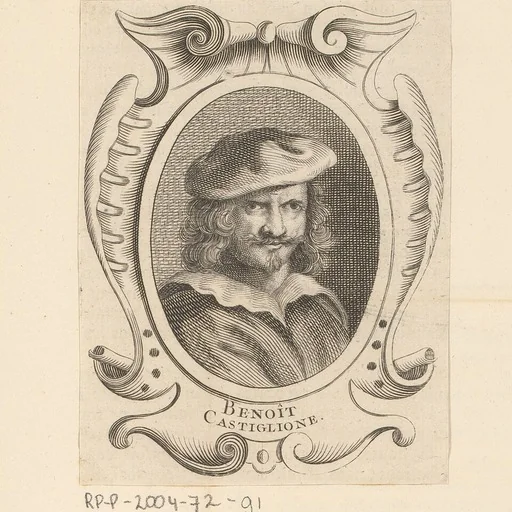
Giovanni Benedetto Castiglione
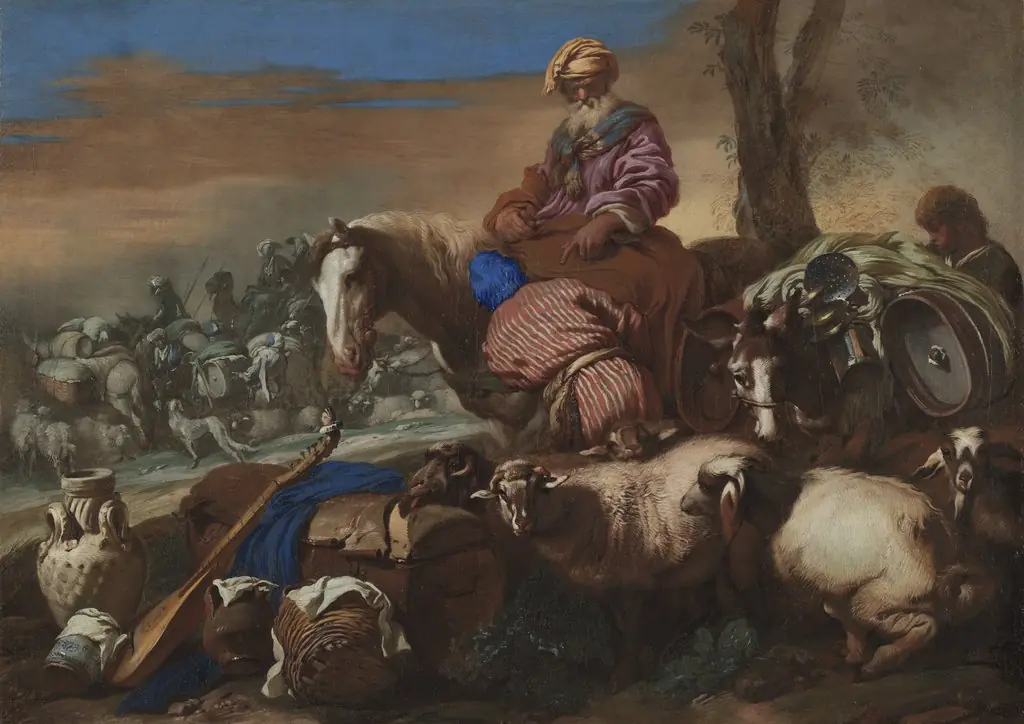
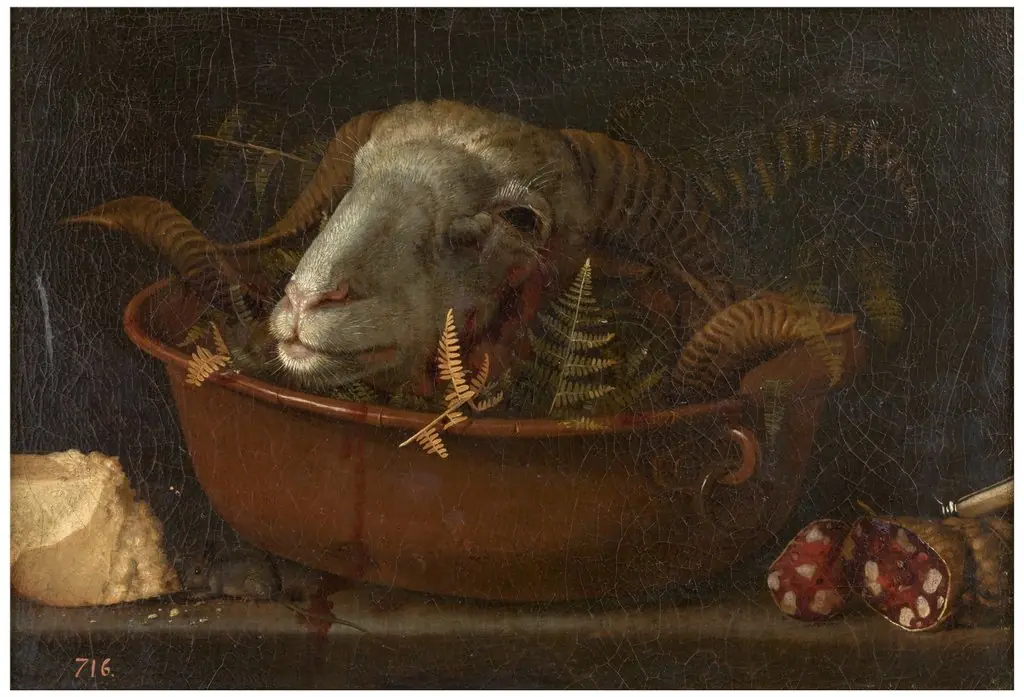
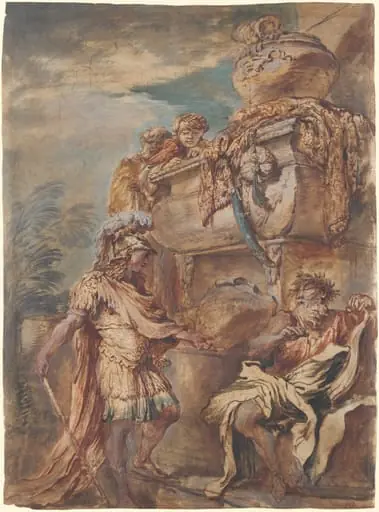
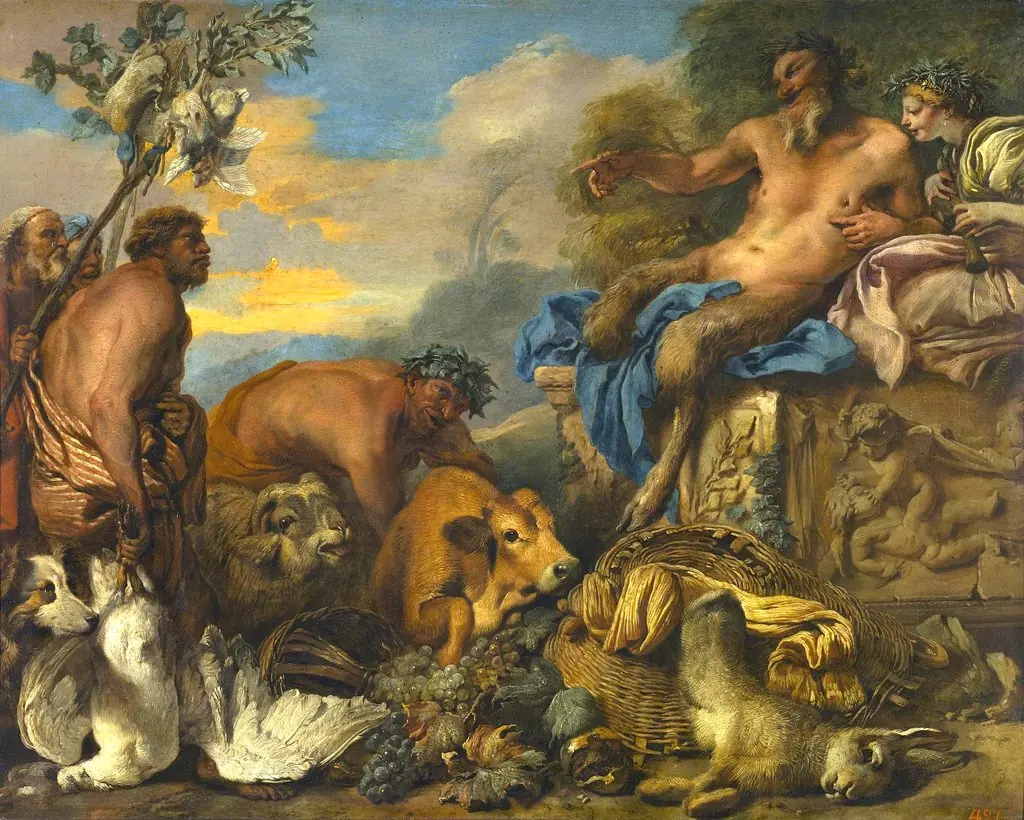
Giovanni Benedetto Castiglione (baptized 23 March 1609 – 5 May 1664) was an Italian Baroque painter, printmaker and draftsman, of the Genoese school.

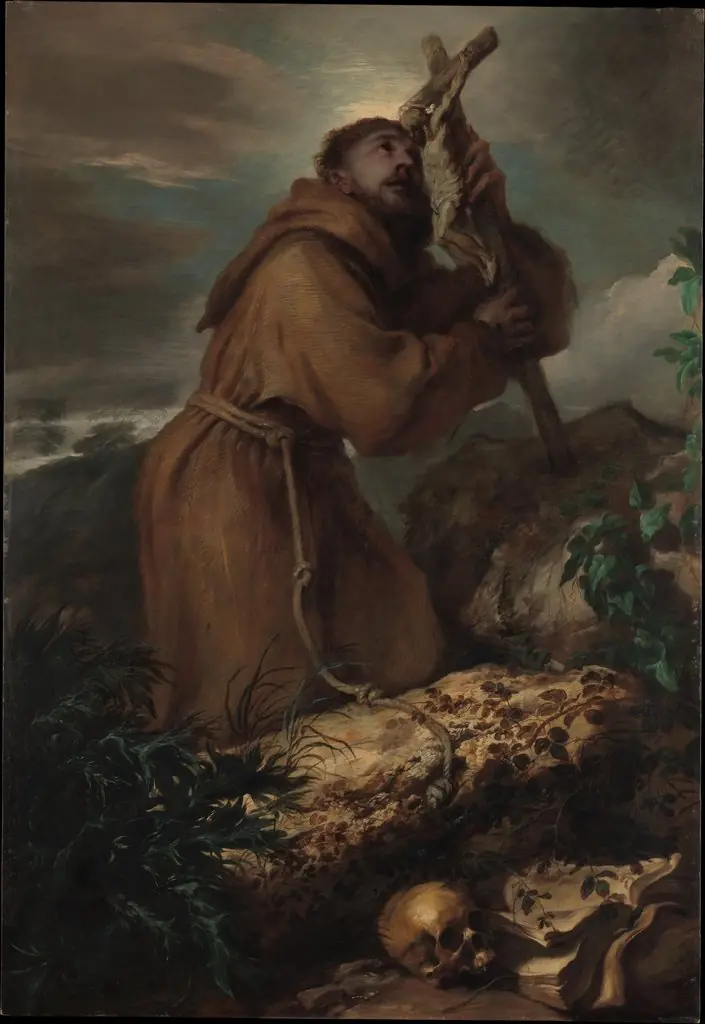
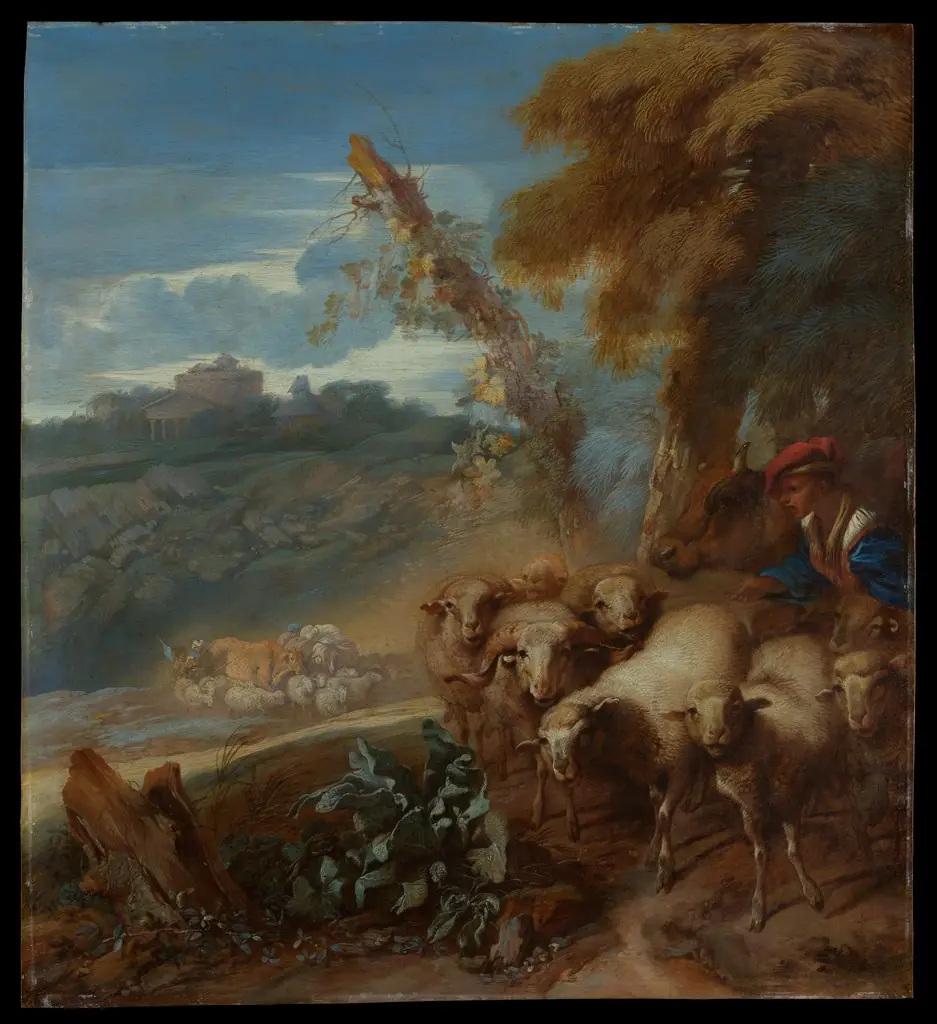
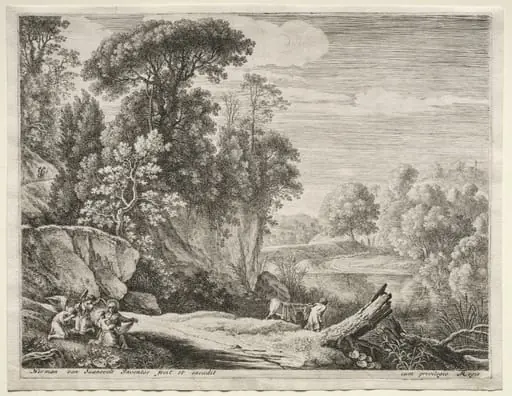 The Flight into Egypt: The Donkey Led to the River
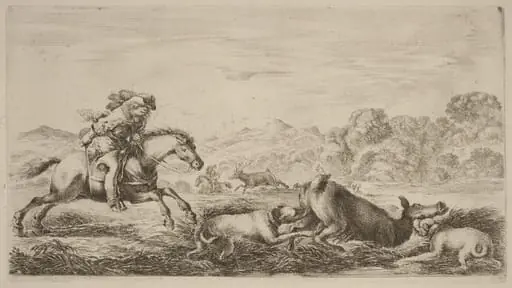 Doe in a Marsh Attacked by Two Dogs
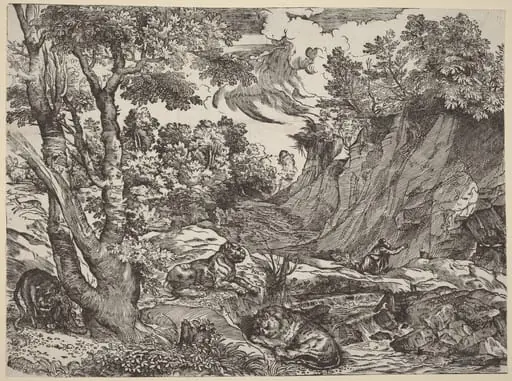 Saint Jerome in the Wilderness
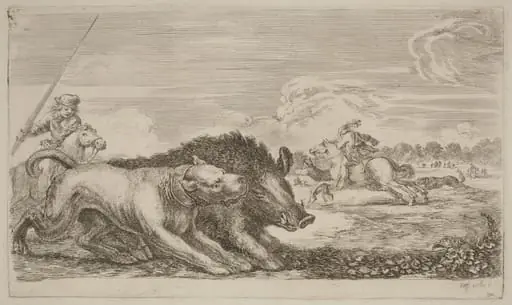 Boar Chased by a Dog
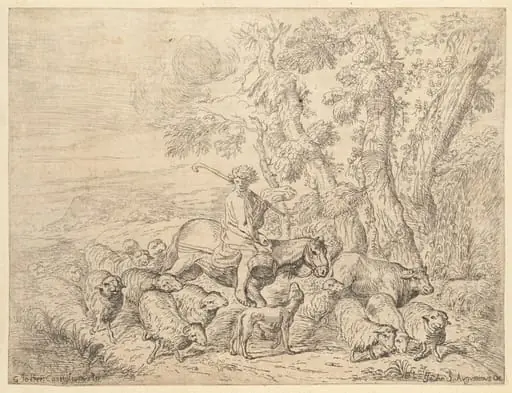 Shepherd on Horseback
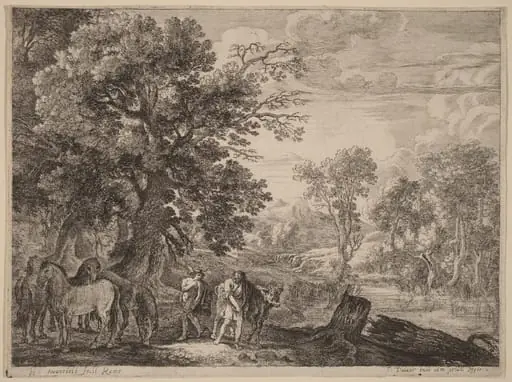 Mercury Silencing Battus
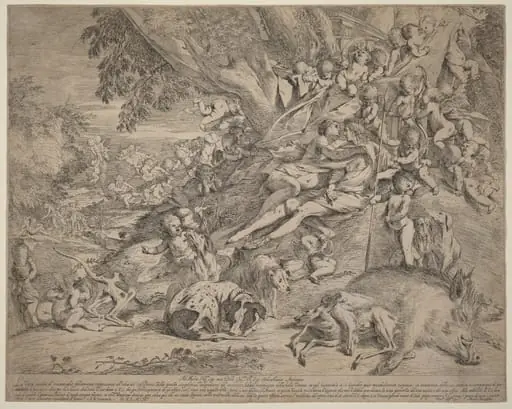 Venus and Adonis
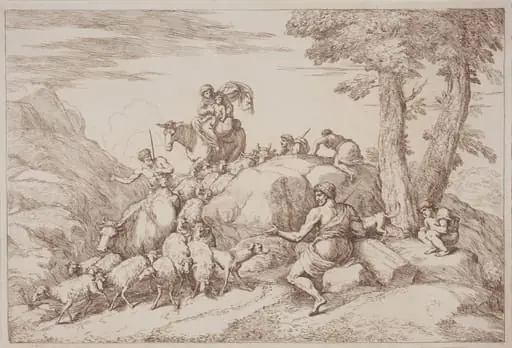 A Pastoral Journey with a Mother and Child on Horesback and an Elderly Shepherd Seated
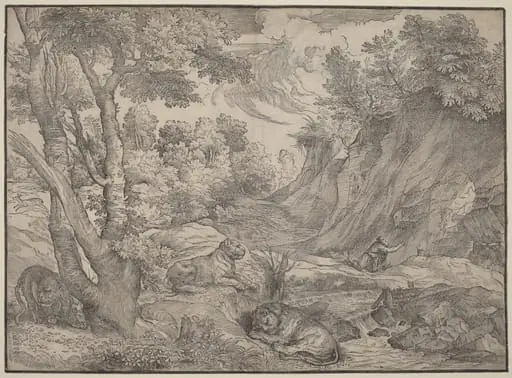 Saint Jerome in the Wilderness