Artwork
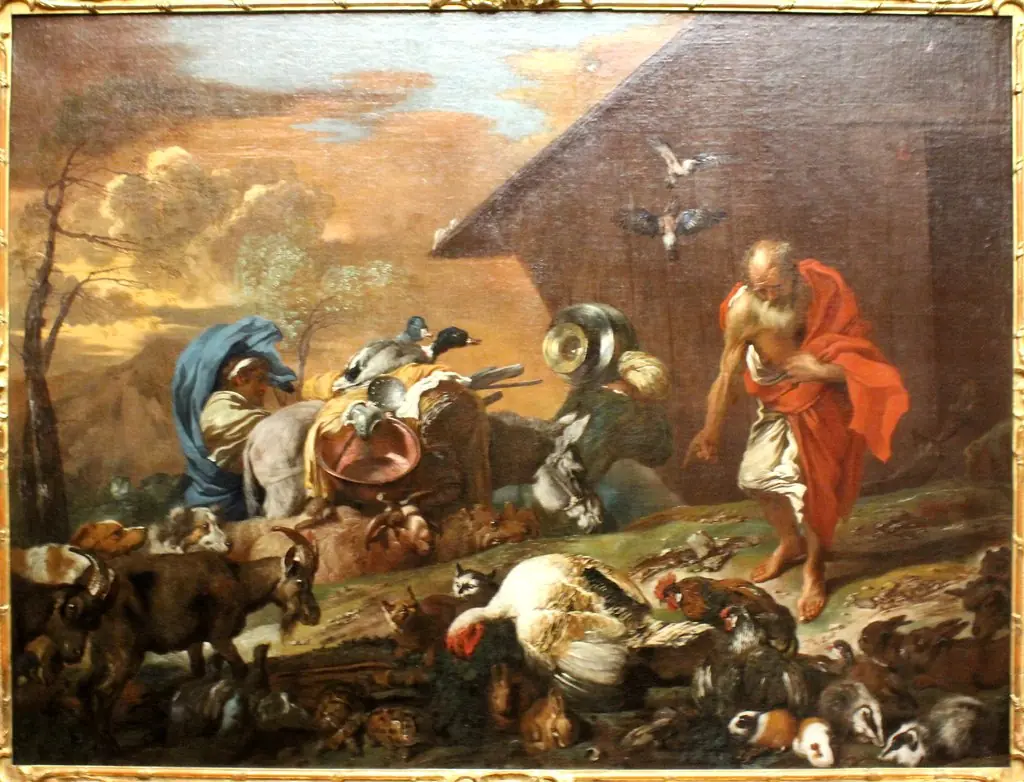
Noah mit den Tieren vor der Arche
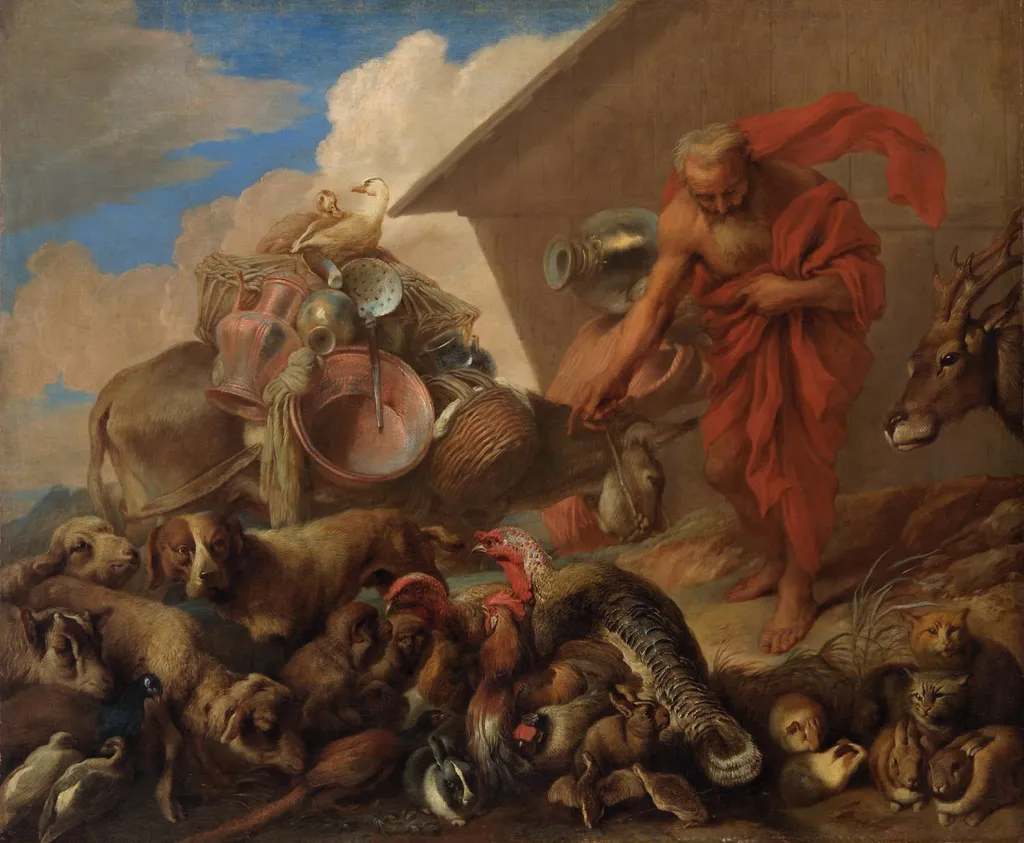
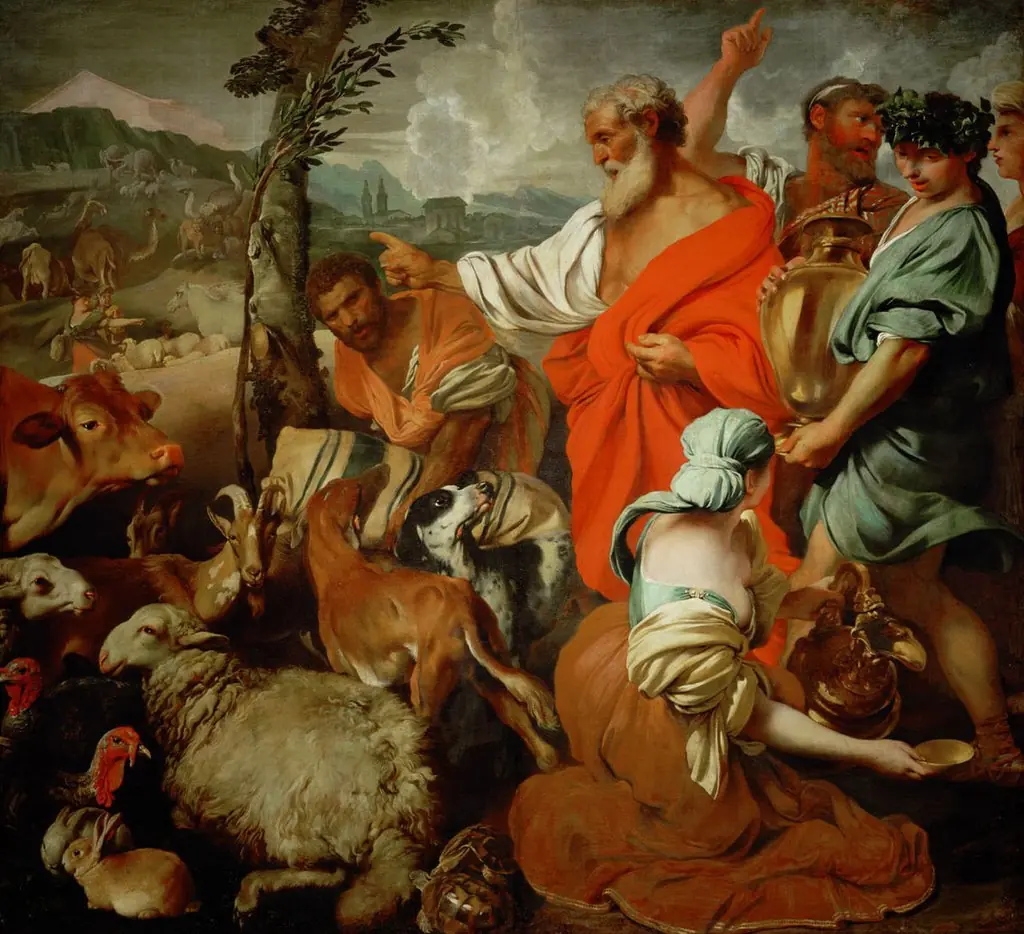
Noah mit den Tieren vor der Arche is an unspecified painting by the Early Baroque Italian artist Giovanni Benedetto Castiglione. It dates from 1650 and is held in the collection of the Kunsthistorisches Museum.
About this work
Overview
Painted around 1650 by Giovanni Benedetto Castiglione, known as Il Grechetto, this work depicts Noah and the animals gathered before the Ark.
Painted around 1650 by Giovanni Benedetto Castiglione, known as Il Grechetto, this work depicts Noah and the animals gathered before the Ark. Executed in the early Baroque style, it reflects Castiglione’s fascination with animal life and biblical themes. The painting is held in the Kunsthistorisches Museum’s collection and exemplifies his dynamic approach to composition, where movement and tension dominate the small canvas.
Subject & Meaning
The scene captures the moment just before the Flood, as animals and humans assemble on the Ark’s ramp. A nude figure in a red cloak, possibly Noah, holds a spear, directing the chaos. The tangled animals—donkeys, horses, sheep, poultry—suggest urgency and disorder, underscoring the biblical narrative’s tension between divine order and earthly confusion. The red flag flutters as a symbol of impending judgment, heightening the sense of transition.
Technique & Style
Castiglione employs sharp chiaroscuro to model forms, creating stark contrasts between illuminated animals and shadowed recesses. His brushwork is energetic, with loose, almost sketch-like strokes that convey motion. The crowded composition fills every space, avoiding empty areas, while the swirling clouds and dramatic sky enhance the emotional intensity. This approach reflects his background in printmaking, where immediacy and texture were essential.
History & Provenance
The painting entered the Kunsthistorisches Museum’s collection in the 19th century, likely through Habsburg acquisitions. It has remained in public hands since, with no record of significant ownership changes. Castiglione’s reputation as a prolific animal painter and innovator in monotype printmaking helped preserve interest in his works, ensuring this piece’s survival and recognition within Baroque collections.
Context
In mid-17th century Italy, biblical scenes remained popular among patrons seeking moral or theological narratives. Castiglione’s focus on animals distinguished him from contemporaries who emphasized human drama. His Genoese training and exposure to Flemish naturalism informed his detailed rendering of creatures, blending observation with symbolic weight, aligning with broader Baroque interests in emotional immediacy and tactile realism.
Legacy
Though less known than some Baroque peers, Castiglione’s inventive handling of animal subjects and his development of monotype printing influenced later artists interested in expressive draftsmanship. This painting exemplifies his unique ability to infuse chaotic scenes with narrative clarity. His work remains a reference for studies on the intersection of naturalism and religious storytelling in 17th-century Italian art.
Artist & collection
Artist
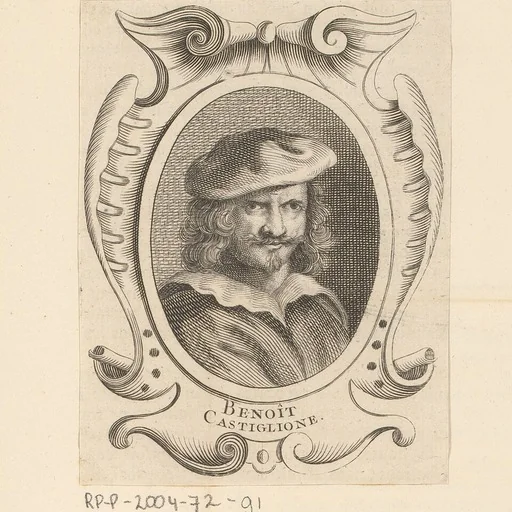
Giovanni Benedetto Castiglione
Giovanni Benedetto Castiglione (baptized 23 March 1609 – 5 May 1664) was an Italian Baroque painter, printmaker and draftsman, of the Genoese school.

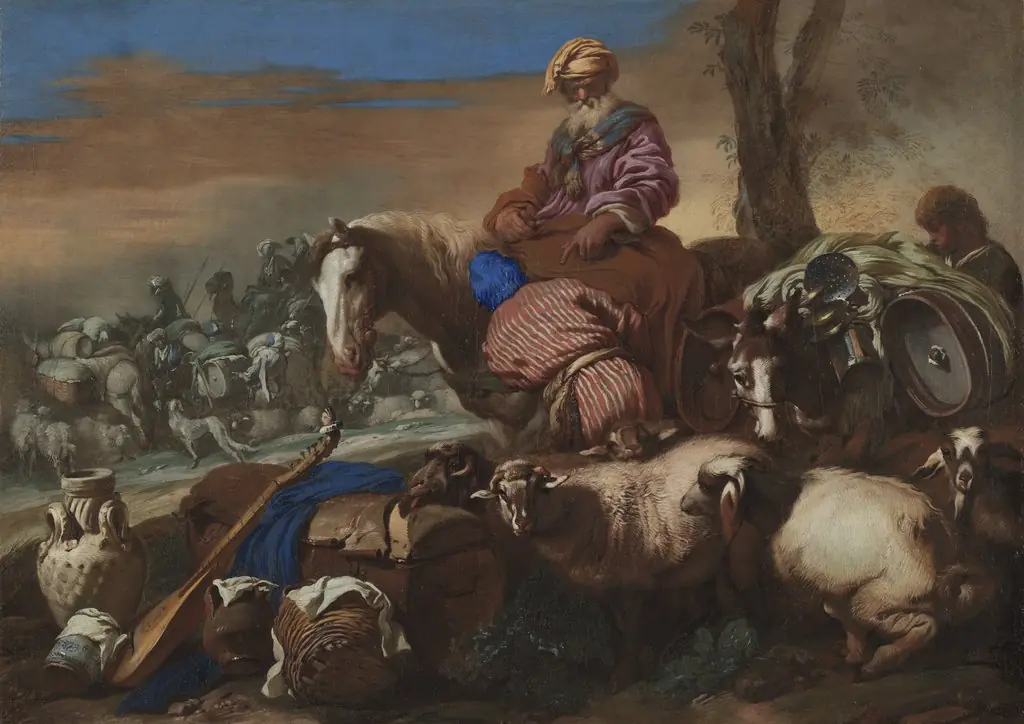
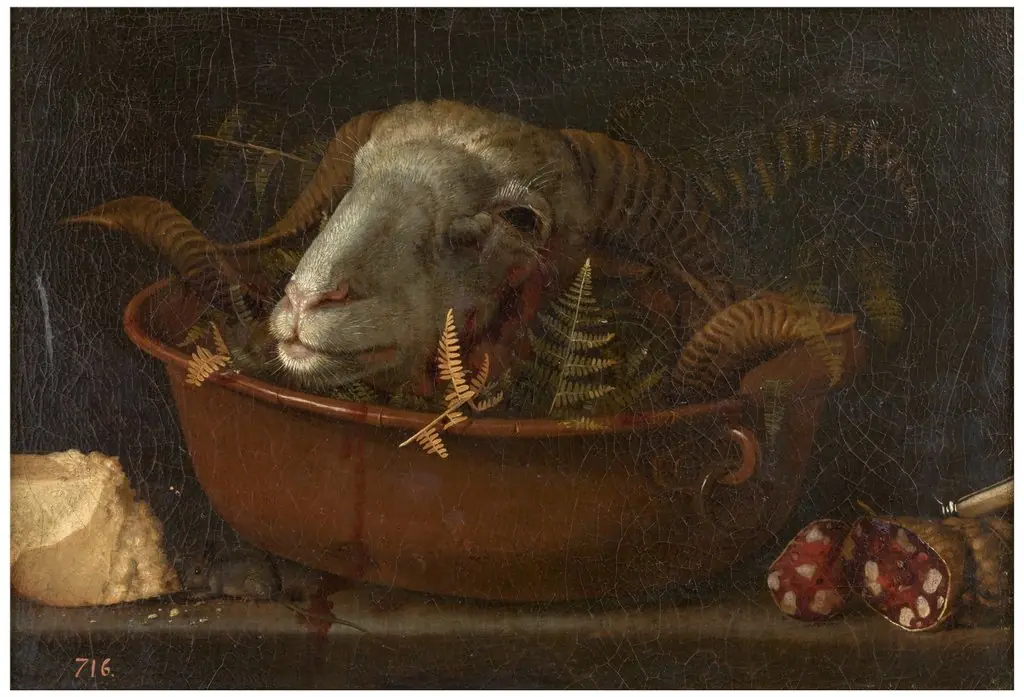
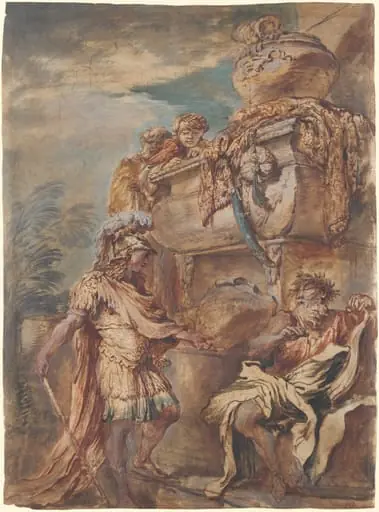
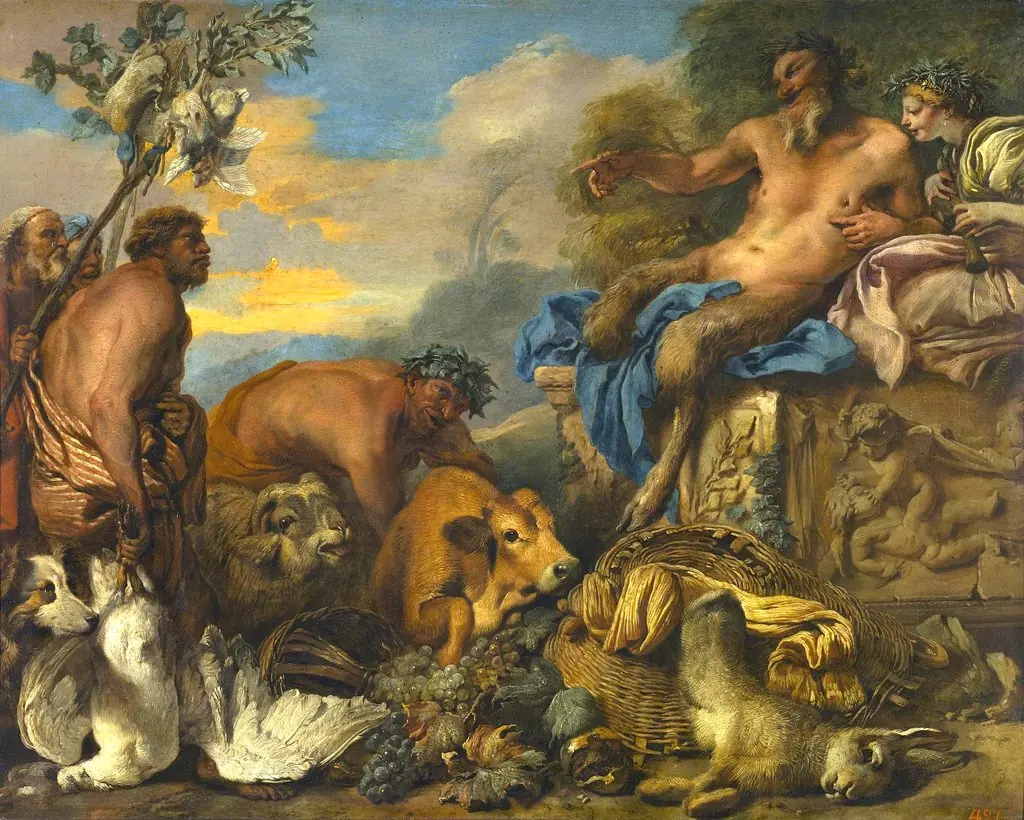
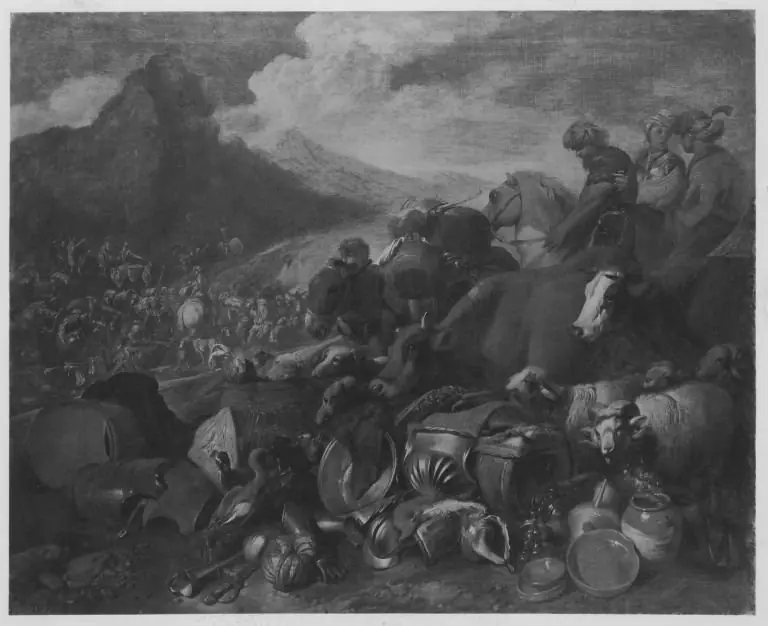
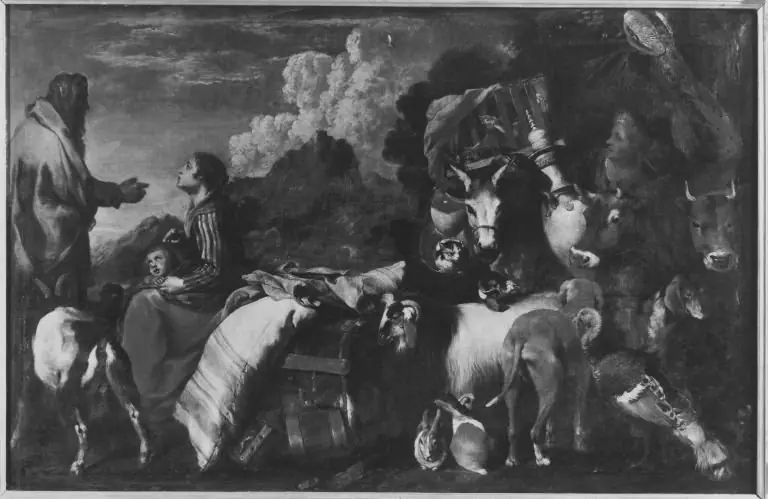
 In Front of Noah's Ark (Dresden)
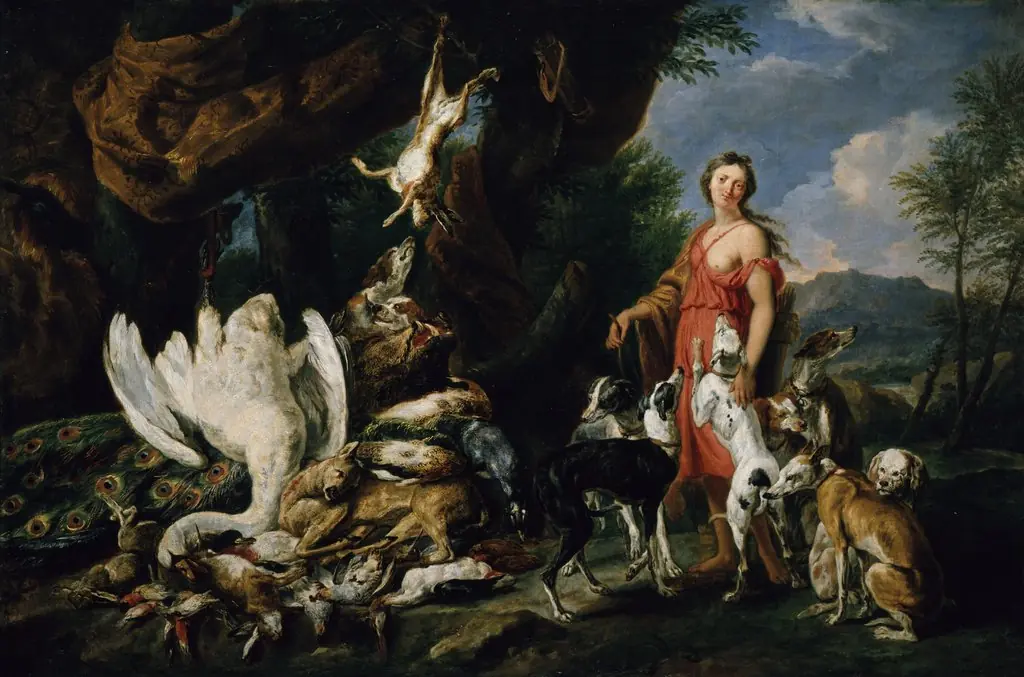 Diana with Her Hunting Dogs beside Kill
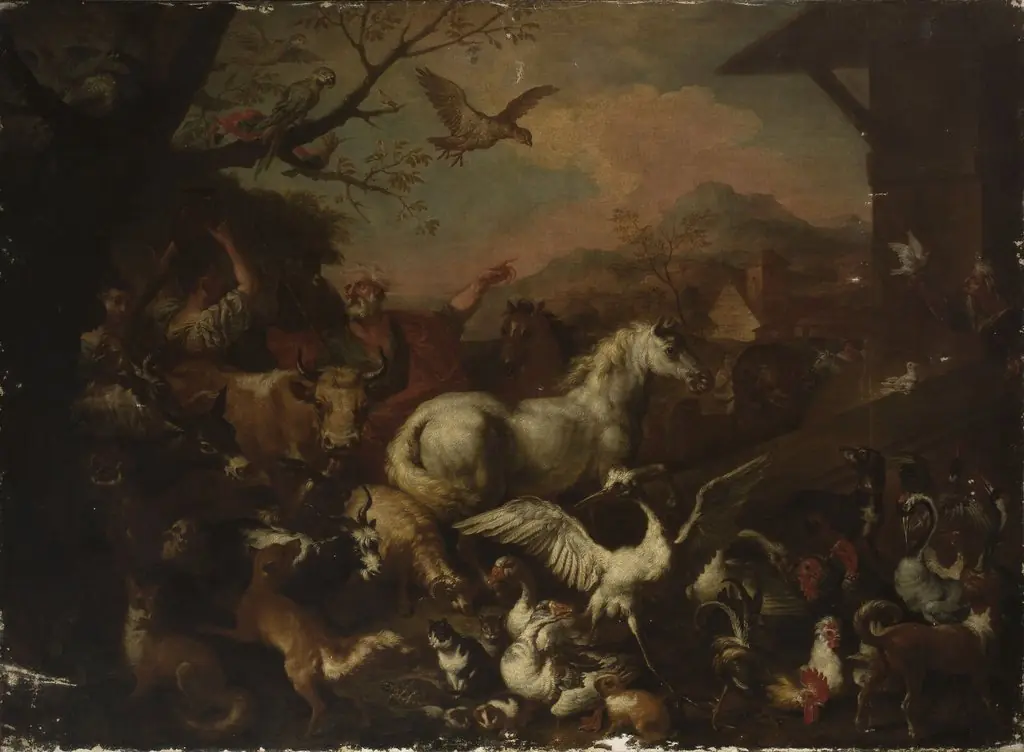 In front of Noah's Ark
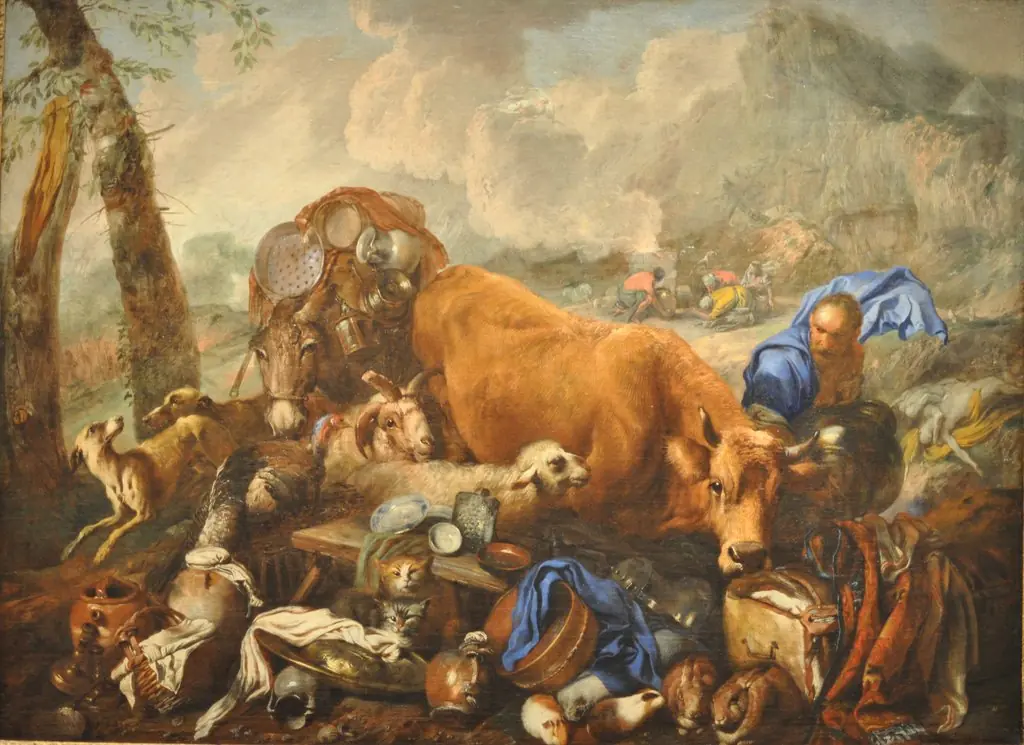 Noah's Sacrifice after the Deluge
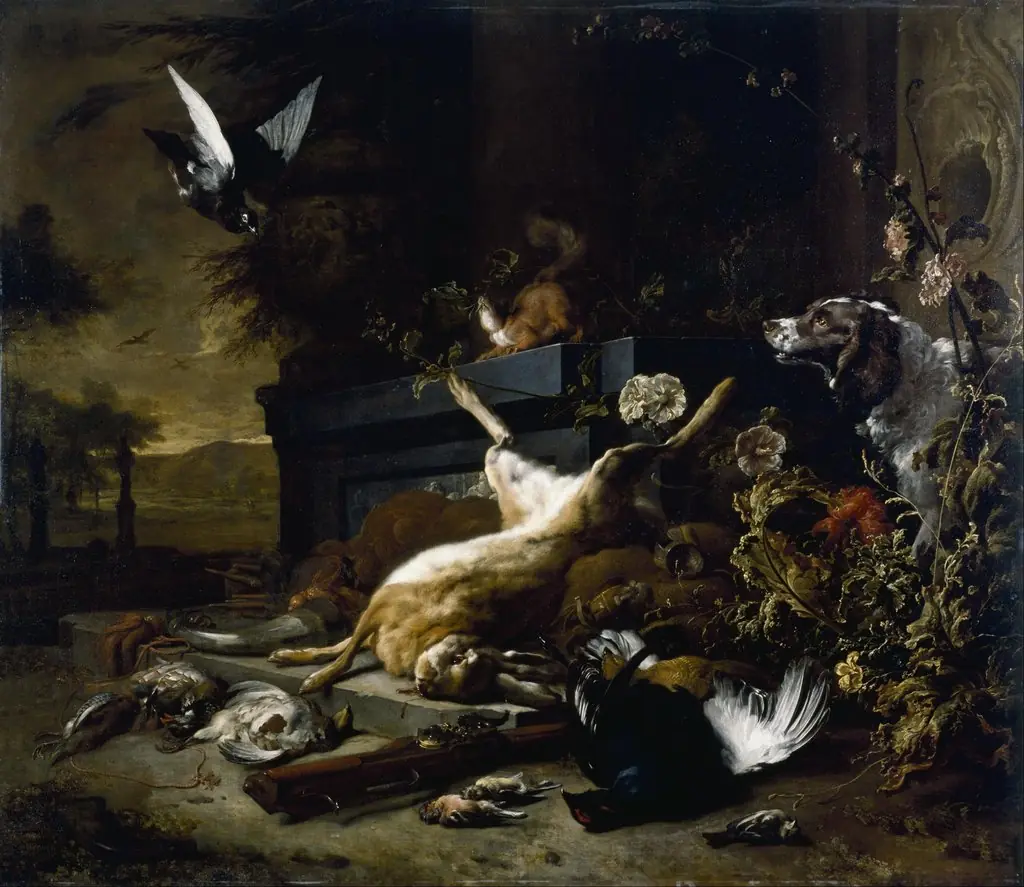 Still Life of Game including a Hare, Black Grouse and Partridge, a Spaniel looking on with a Pigeon in Flight
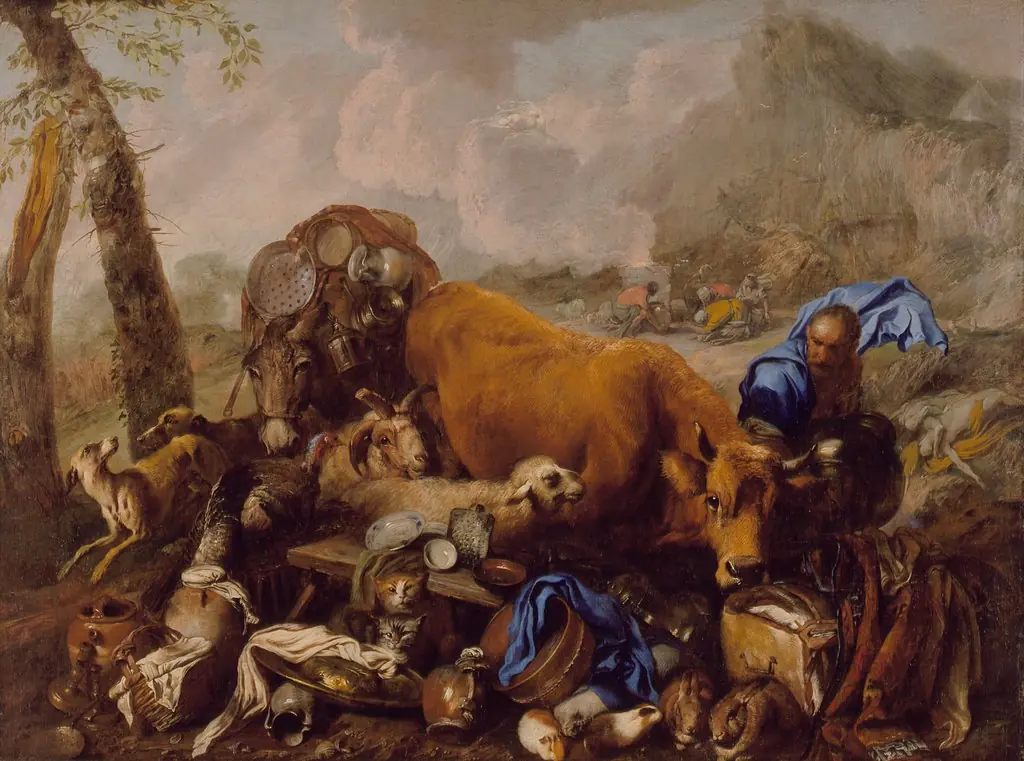 Noah's Sacrifice after the Deluge
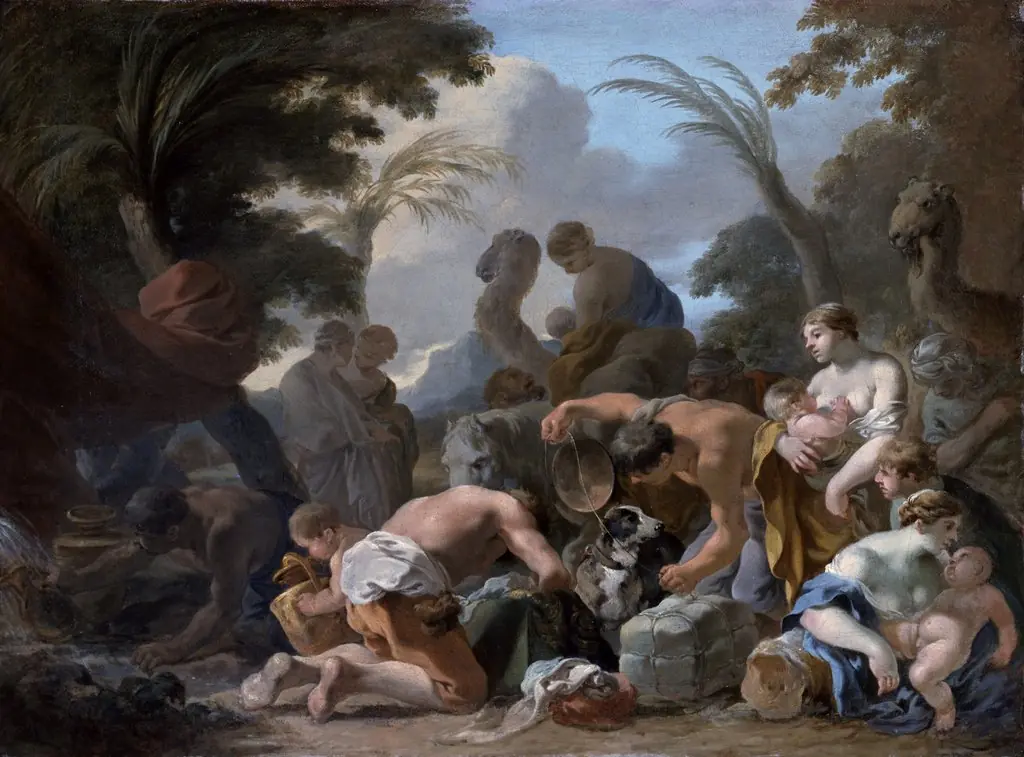 Laban Searching the Belongings of Jacob
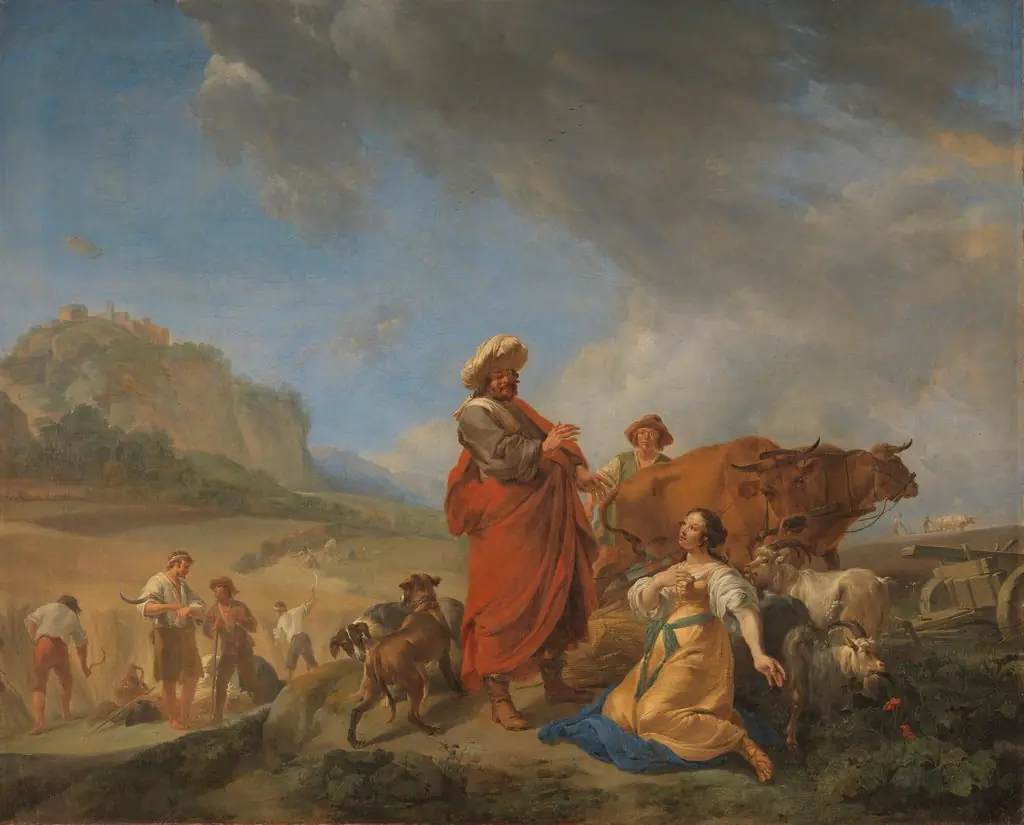 Ruth and Boas
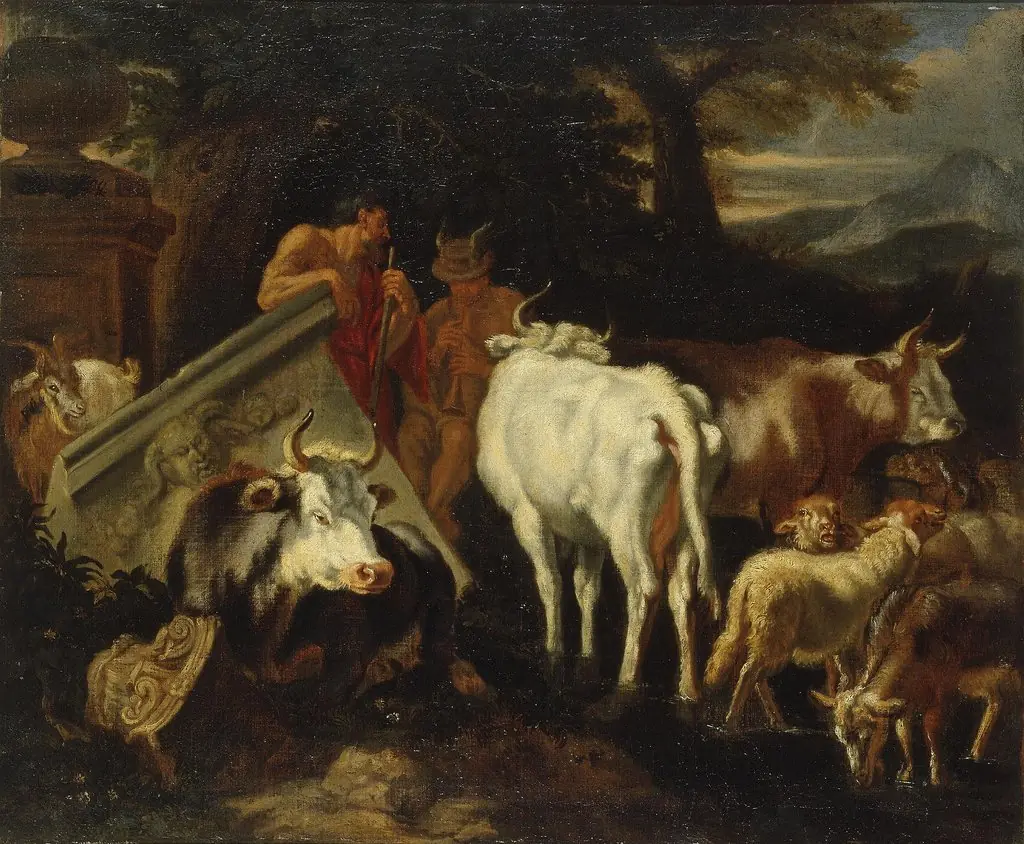 Mercury and Argus
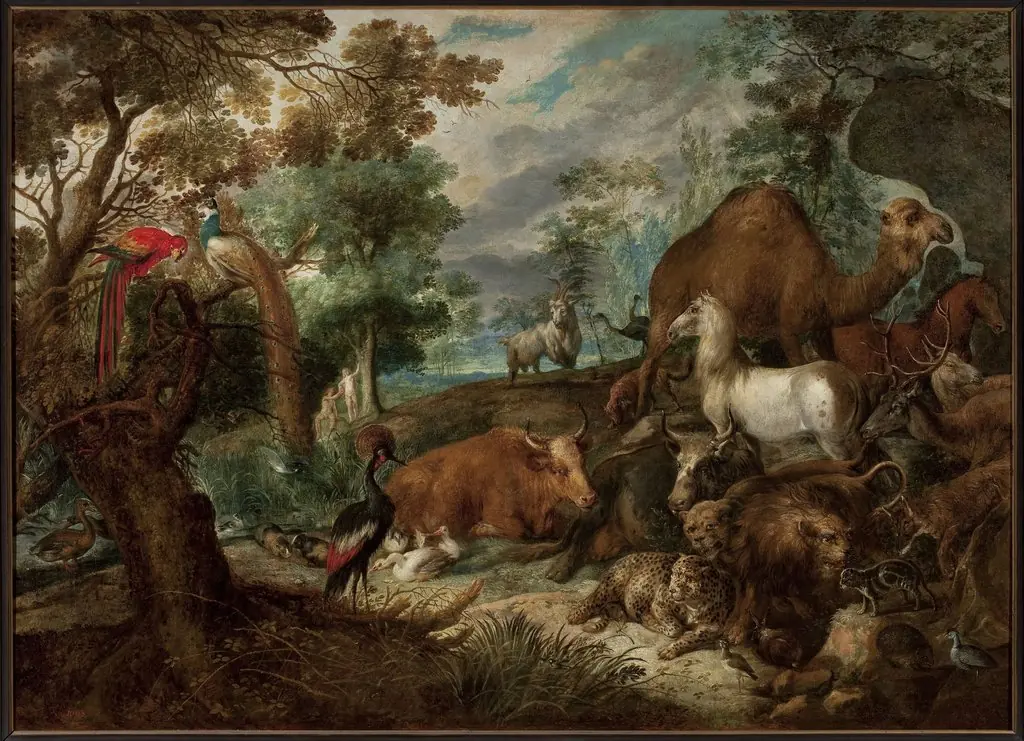 Paradise
 Einzug der Tiere in die Arche Noah