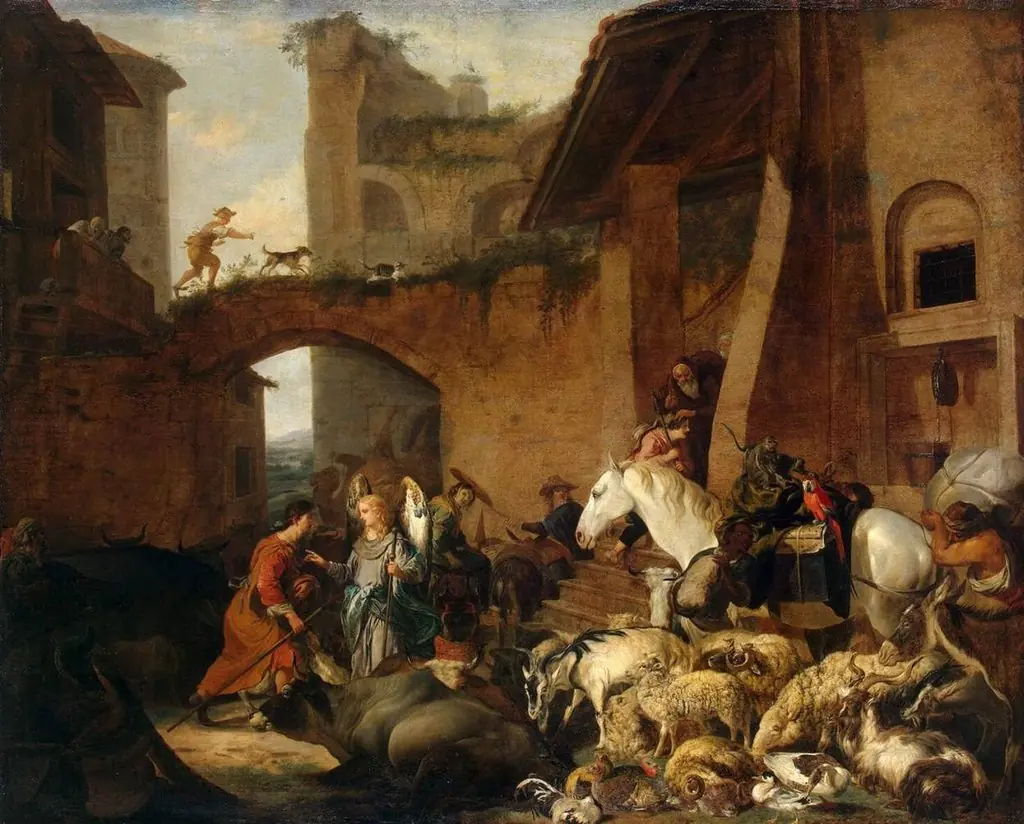
Artwork
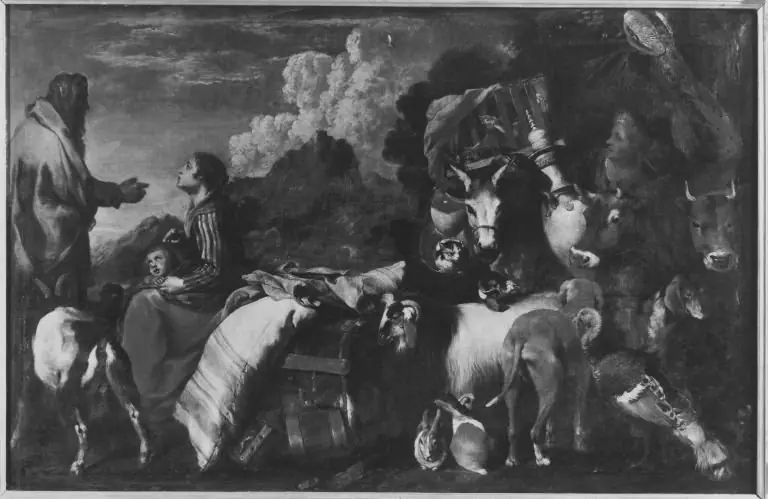
In Front of Noah's Ark (Dresden)
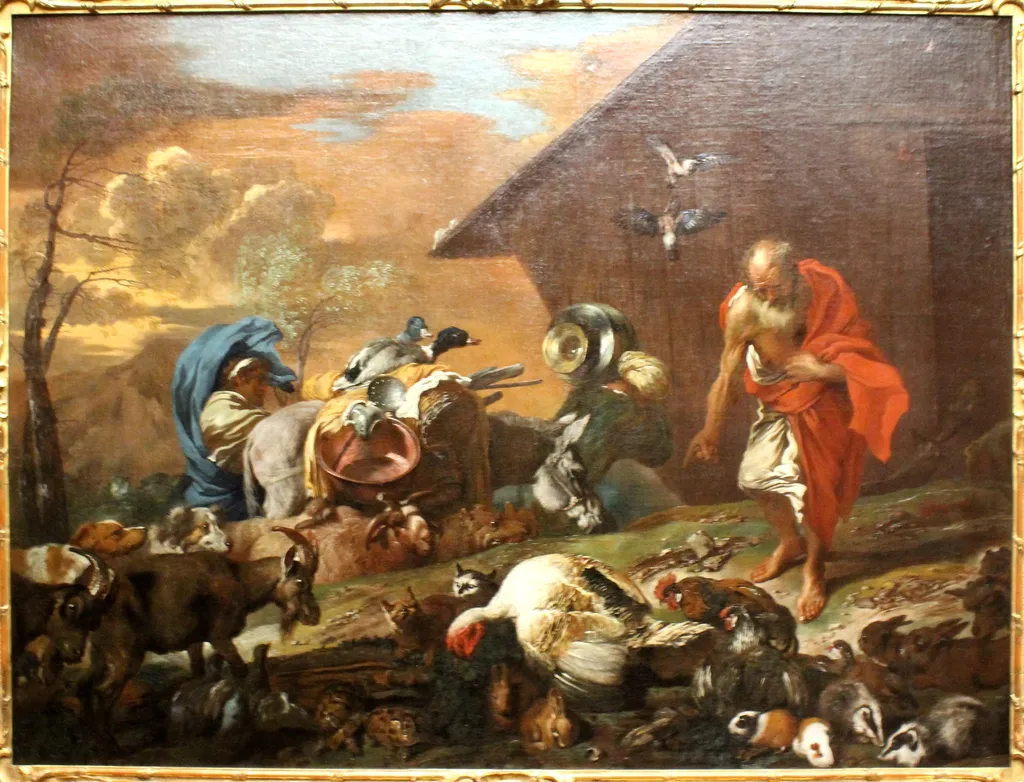
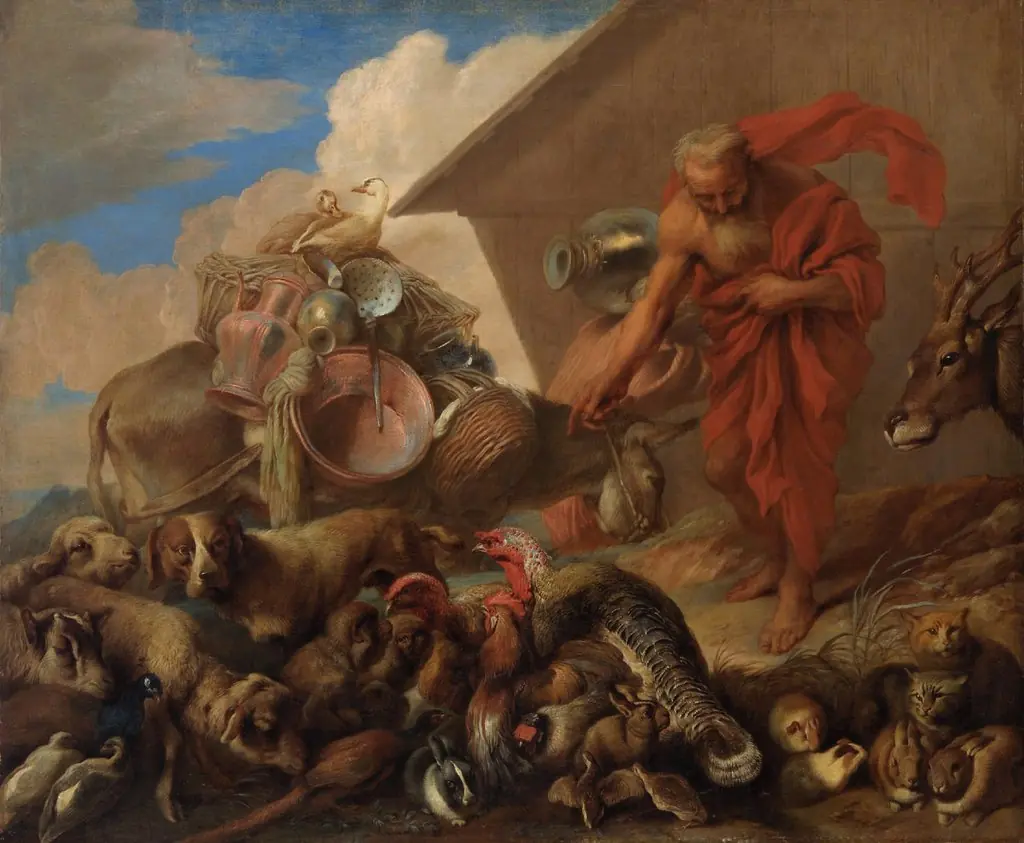
In Front of Noah's Ark (Dresden) is an unspecified painting by the Barbizon school artist Giovanni Benedetto Castiglione. It dates from 1647 and is held in the collection of the Gemäldegalerie Alte Meister.
About this work
Overview
The painting resides in the Gemäldegalerie Alte Meister in Dresden, part of a broader body of work where biblical themes intersect with pastoral life.
Painted around 1647 by Giovanni Benedetto Castiglione, known as Il Grechetto, this work depicts a moment from the biblical story of Noah’s Ark. Castiglione, a Genoese artist active in the mid-17th century, combined religious narrative with keen observation of the natural world. The painting resides in the Gemäldegalerie Alte Meister in Dresden, part of a broader body of work where biblical themes intersect with pastoral life.
Subject & Meaning
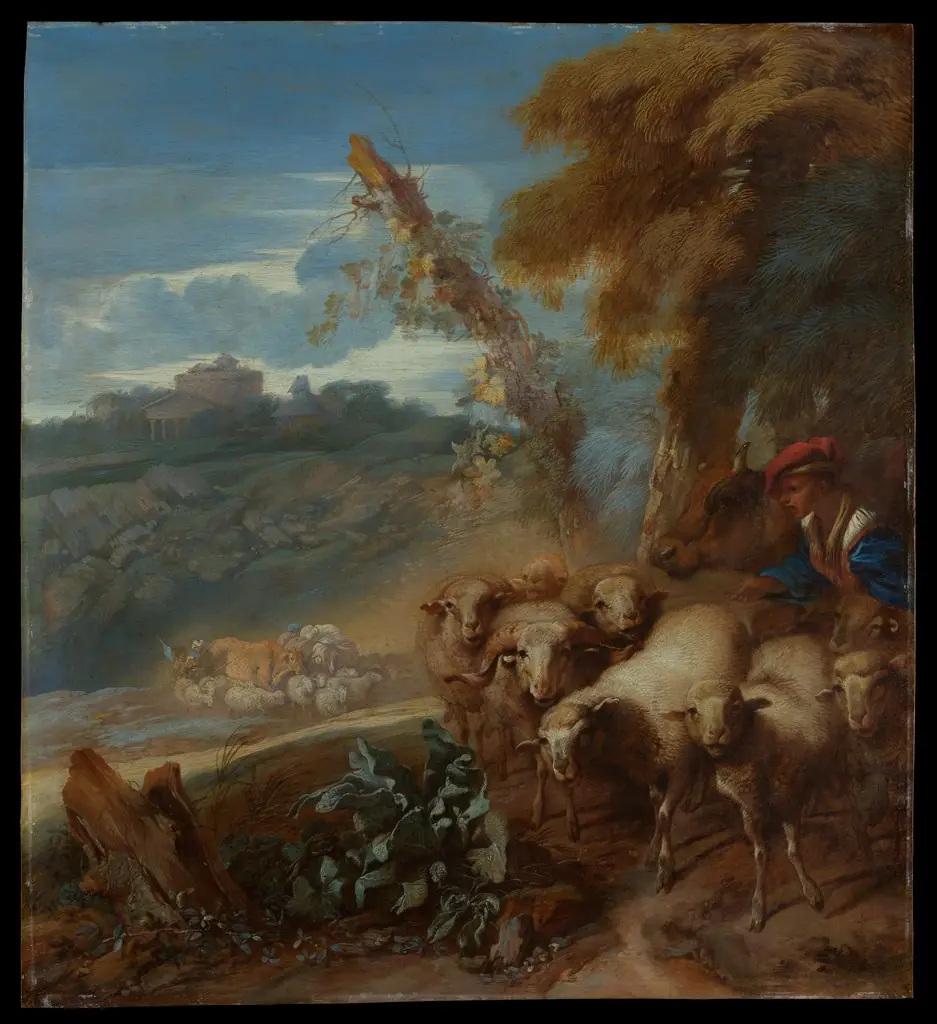
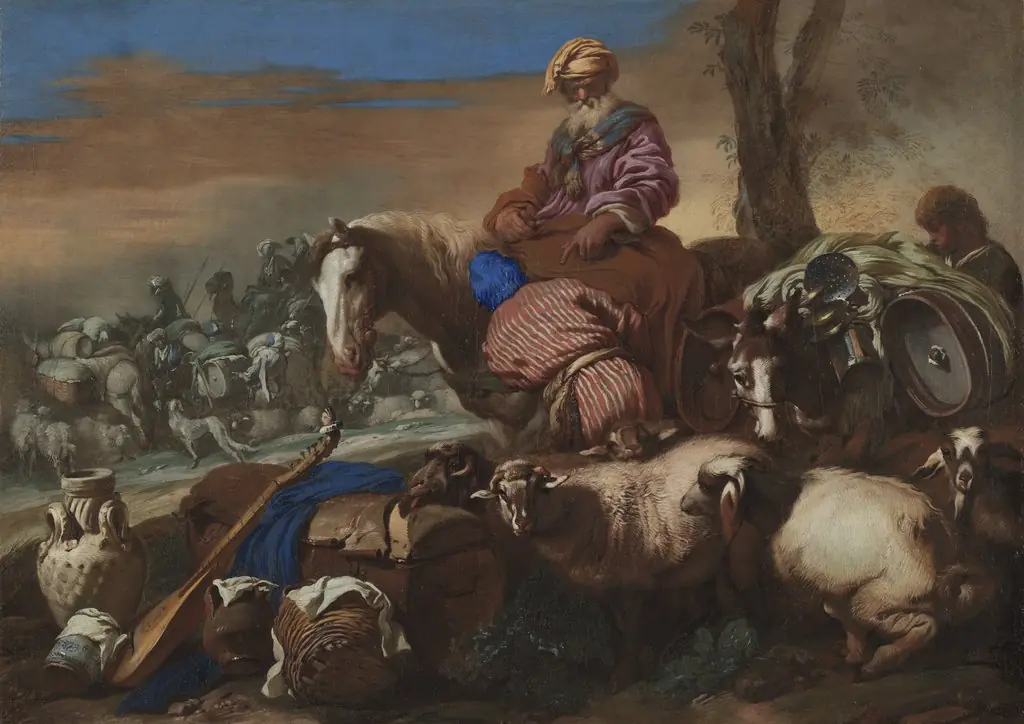
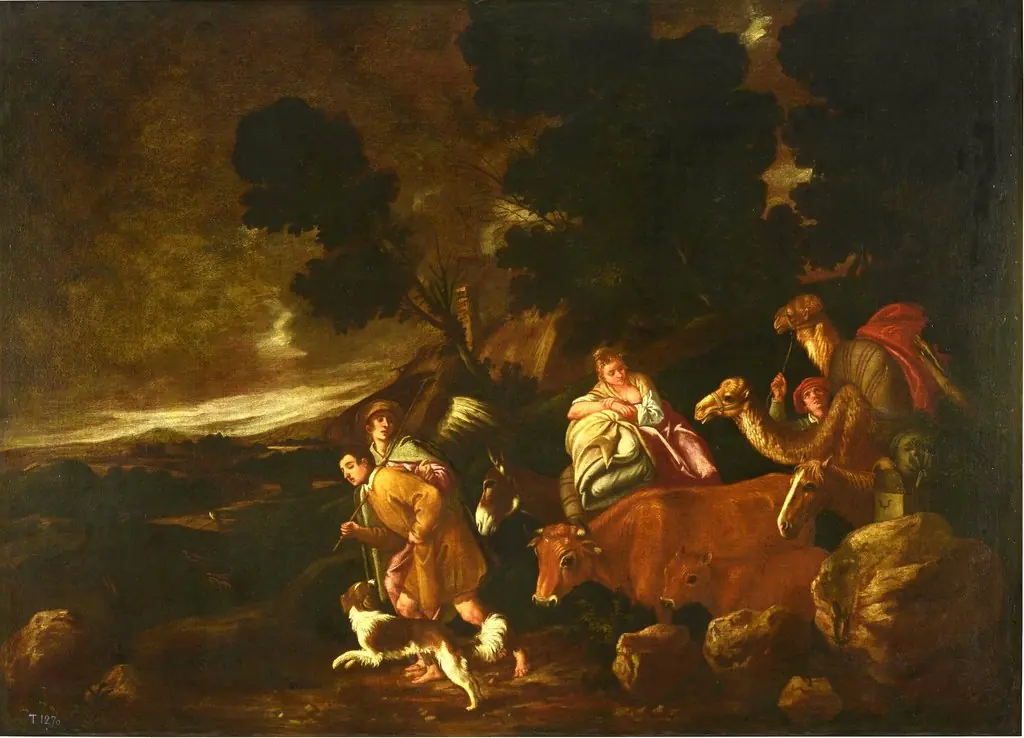
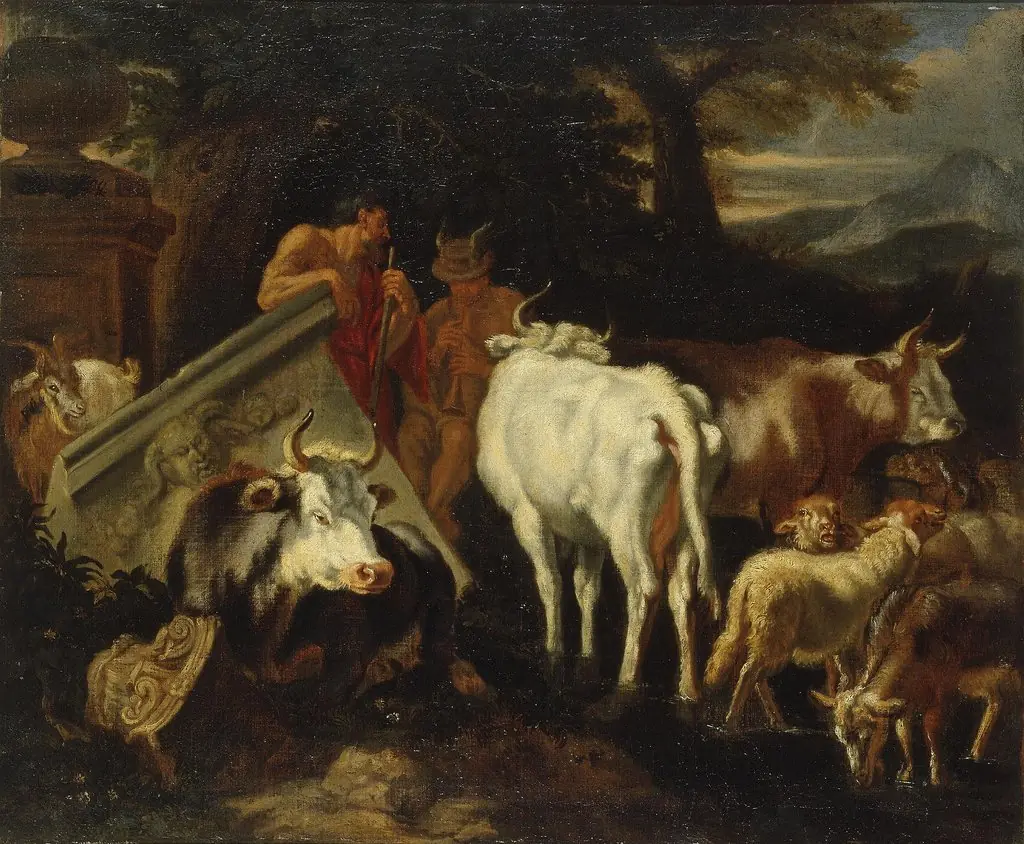
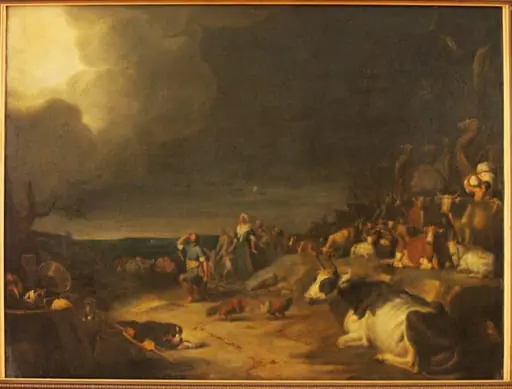
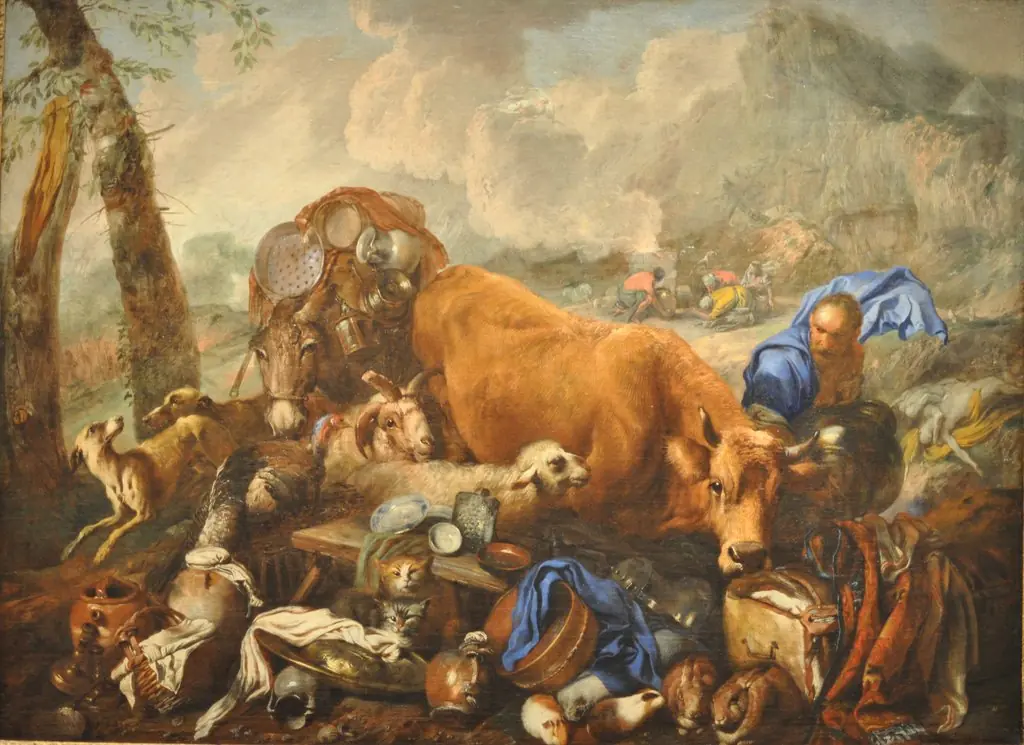
The scene centers on a figure in a red robe, likely Noah, standing before a large wooden structure interpreted as the Ark. Around him, a diverse group of animals—birds, goats, and a large white bird—gather in a calm yet dynamic arrangement. The composition suggests the moment after the flood, when life begins anew. The animals’ varied postures imply movement and coexistence, reinforcing themes of divine order and renewal.
Technique & Style
Castiglione employed loose, expressive brushwork to convey texture and motion, particularly in the animals’ fur and feathers. His use of chiaroscuro adds depth, while the cloudy sky and sparse trees frame the scene without overwhelming it. The palette is muted yet deliberate, with the red robe drawing attention to the central figure. His approach blends dramatic lighting with intimate naturalism, characteristic of his Baroque style.
History & Provenance
The painting entered the collection of the Gemäldegalerie Alte Meister in Dresden during the 18th or early 19th century, likely through the Saxon royal acquisitions. Its attribution to Castiglione has been consistently supported by stylistic analysis and archival records. Unlike many of his prints, this oil painting remains relatively understudied, though its presence in a major European collection underscores its recognized significance.
Context
Castiglione worked during a period when Italian painters increasingly turned to rural and animal subjects within biblical frameworks. While not part of the Barbizon school—which emerged later in France—his focus on nature and livestock aligned with broader European trends favoring observable reality over idealized forms. His work reflects a shift toward emotional immediacy in religious art, grounded in the physical world.
Legacy
Castiglione’s integration of animals into sacred narratives influenced later artists interested in naturalism and narrative intimacy. Though less celebrated than contemporaries like Caravaggio, his ability to animate livestock with individual character contributed to the evolution of genre painting. This work remains a quiet example of how Baroque artists reimagined scripture through the lens of everyday observation.
Artist & collection
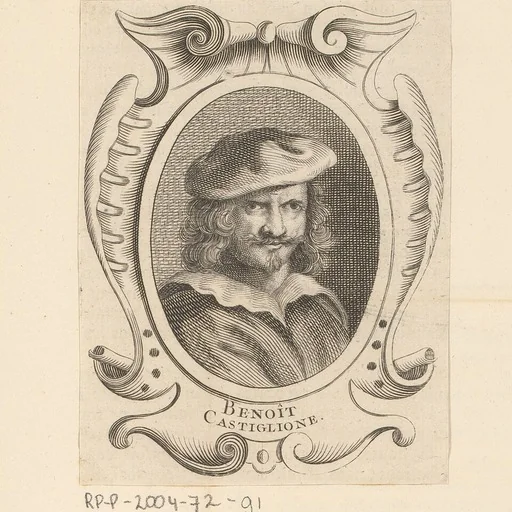
Artist
Giovanni Benedetto Castiglione
Giovanni Benedetto Castiglione (baptized 23 March 1609 – 5 May 1664) was an Italian Baroque painter, printmaker and draftsman, of the Genoese school.