Artwork
Coronation of the Virgin
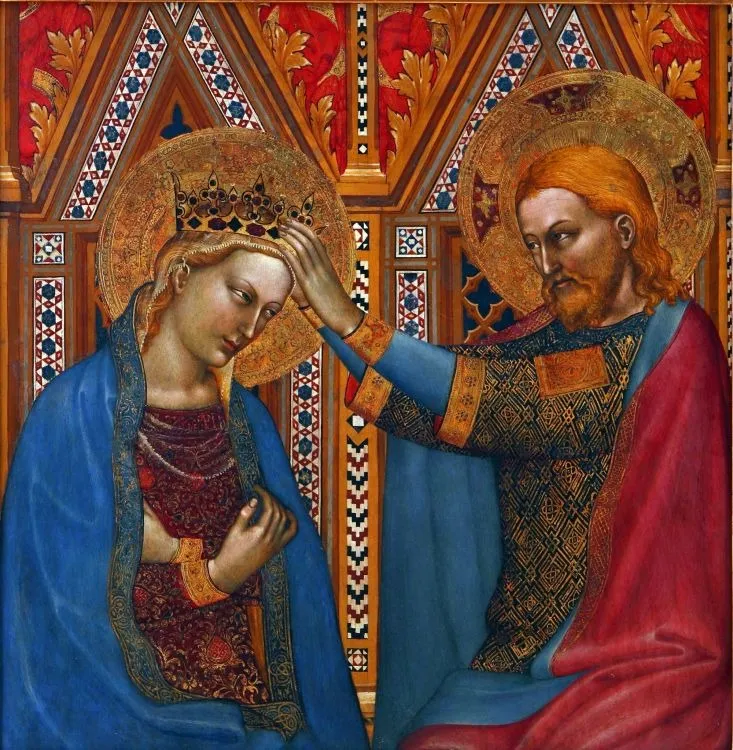
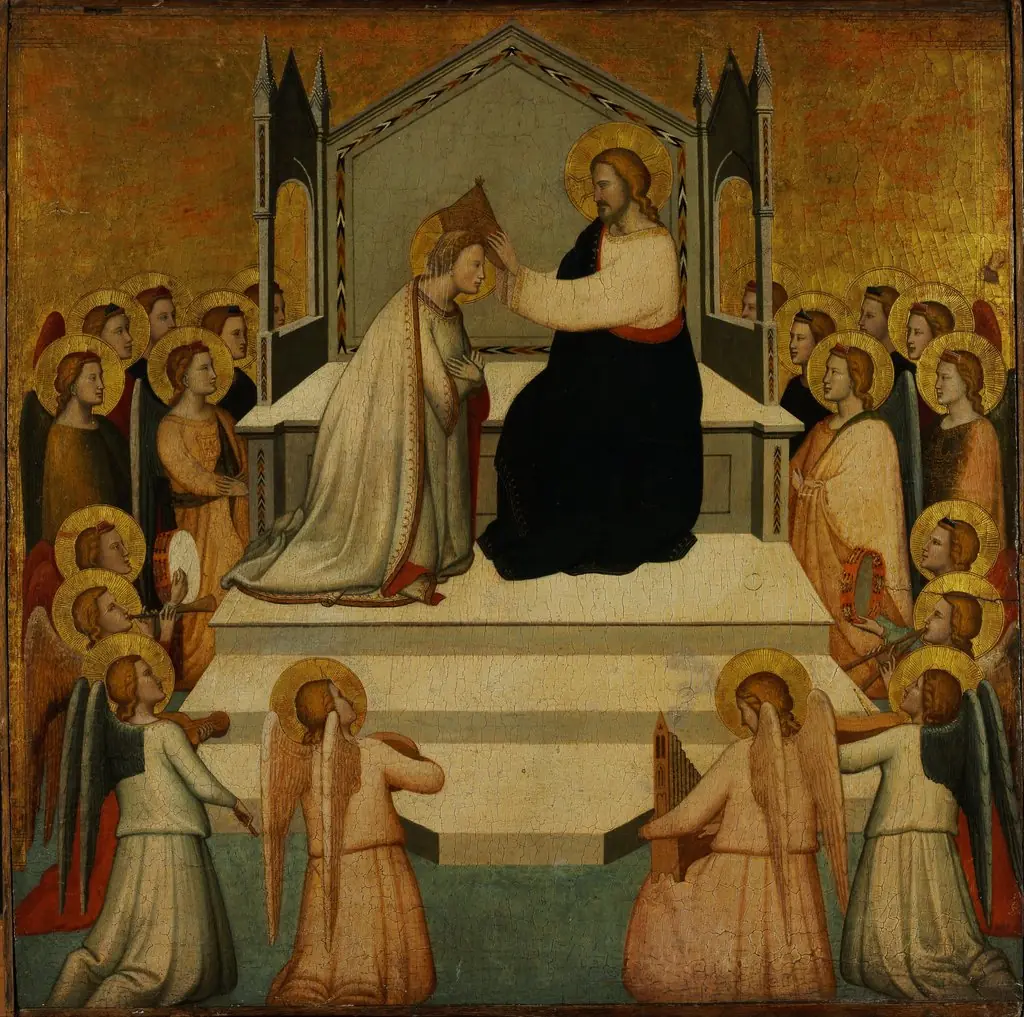
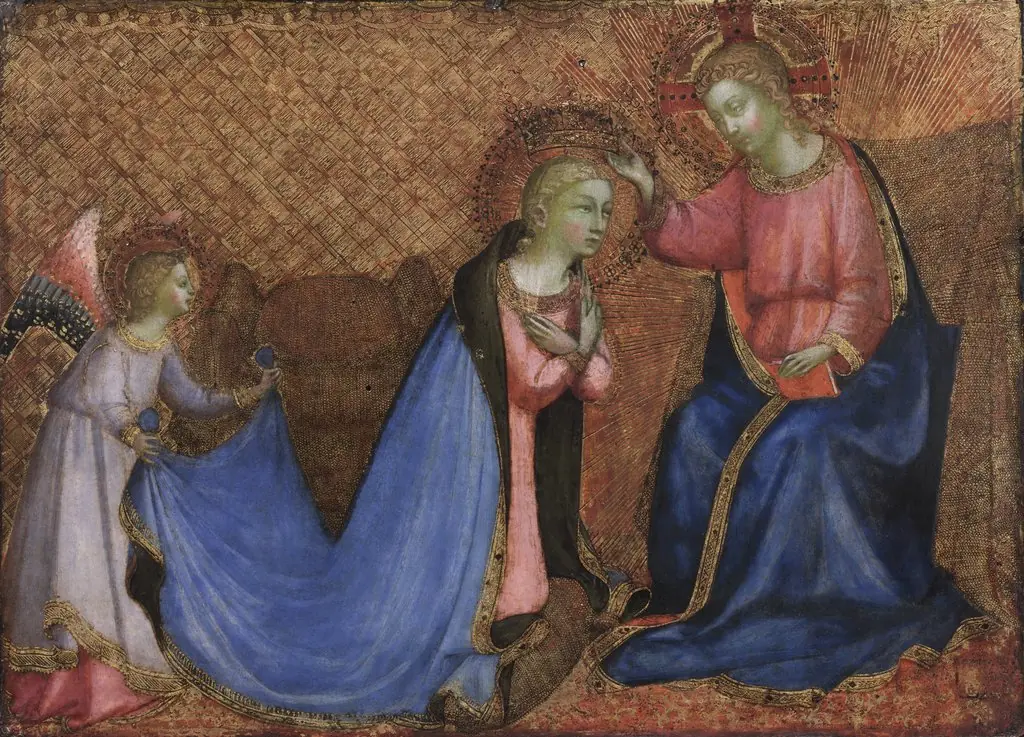
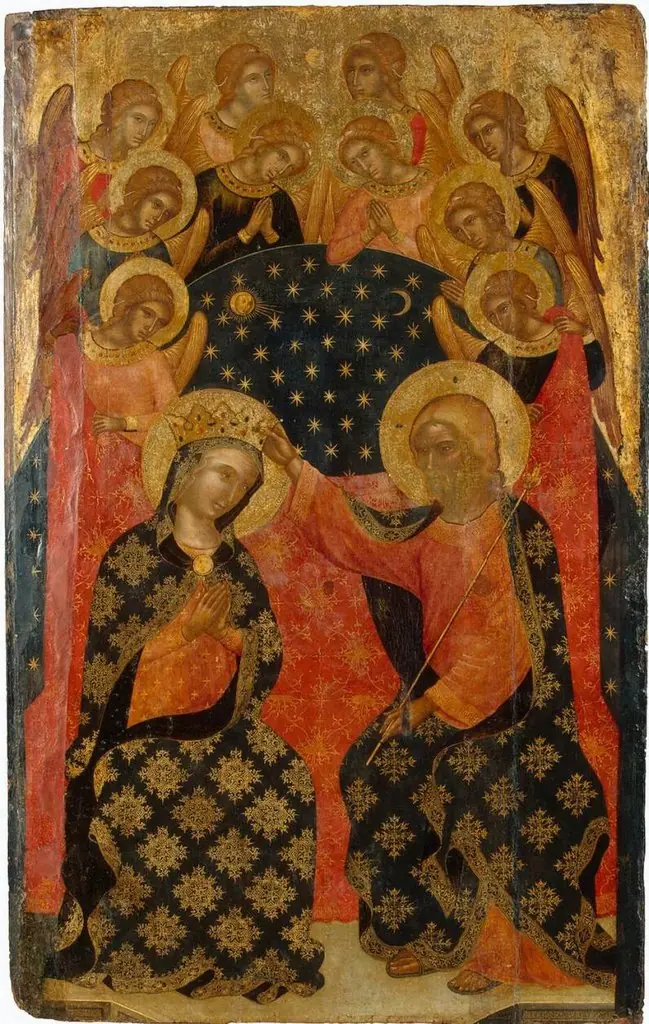
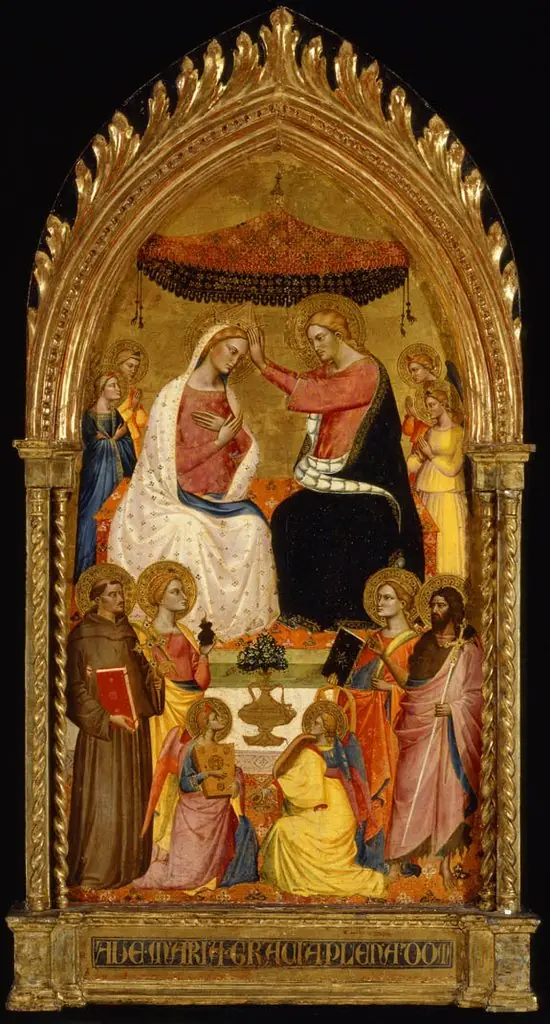
Coronation of the Virgin is a tempera painting by the Byzantine icon painting artist Giovanni da Milano. It dates from 1360 and is held in the collection of the National Museum of Fine Arts, Argentina.
About this work
Overview
Coronation of the Virgin is a tempera painting created by Giovanni da Milano in 1360, now housed at the National Museum of Fine Arts in Buenos Aires.
Subject & Meaning
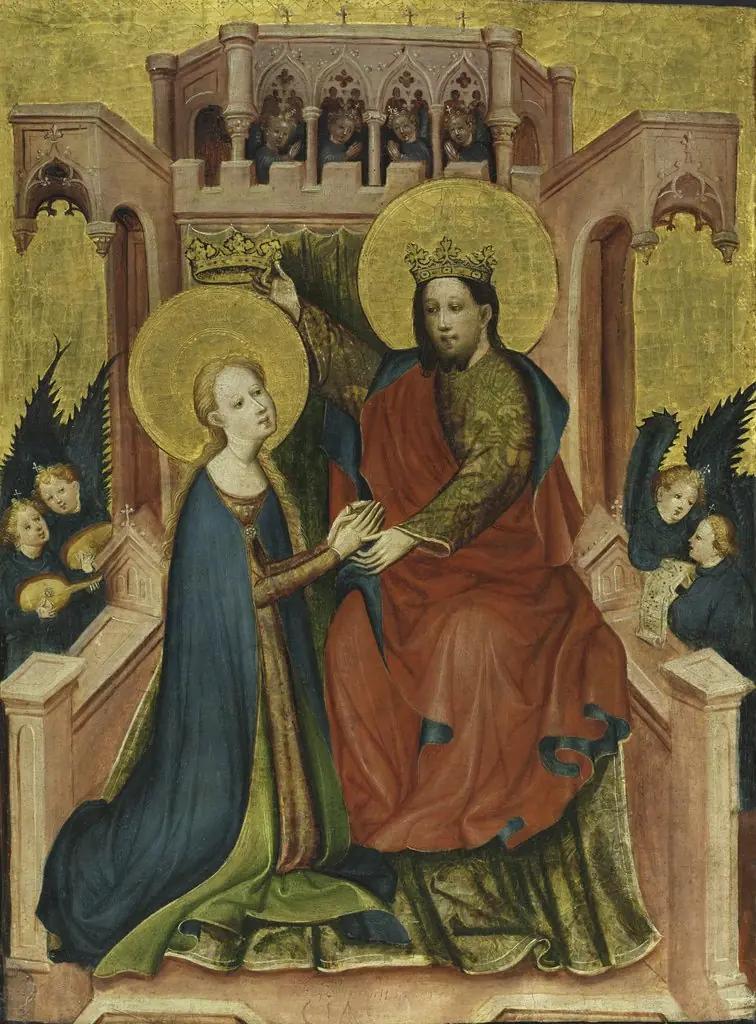
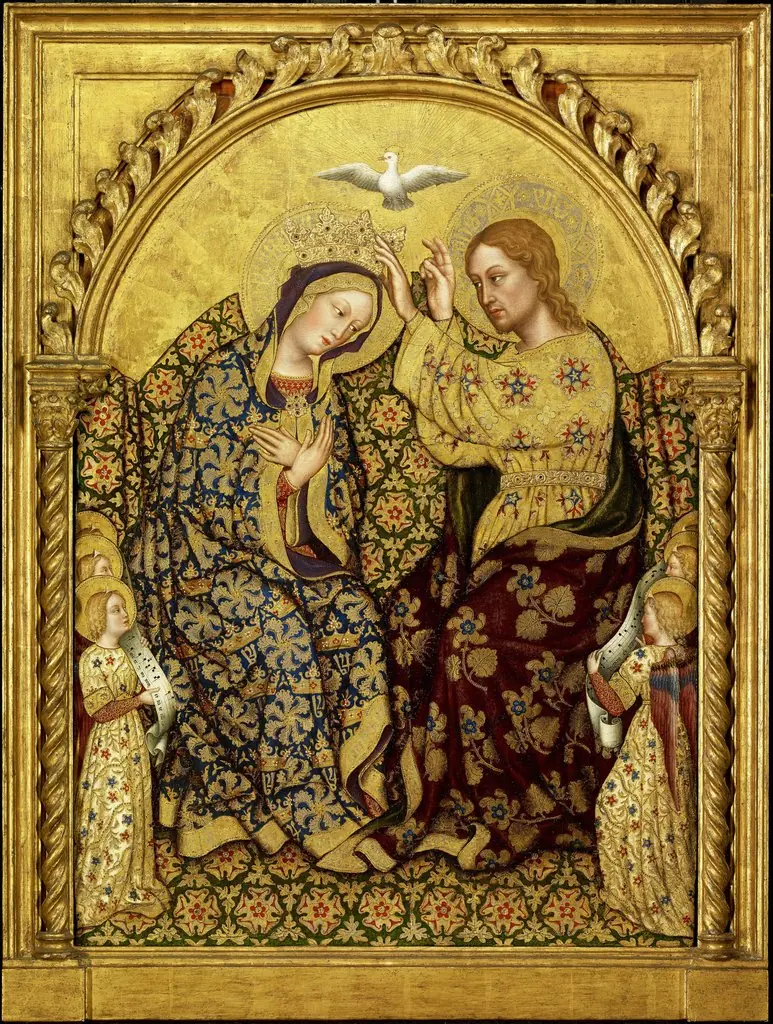
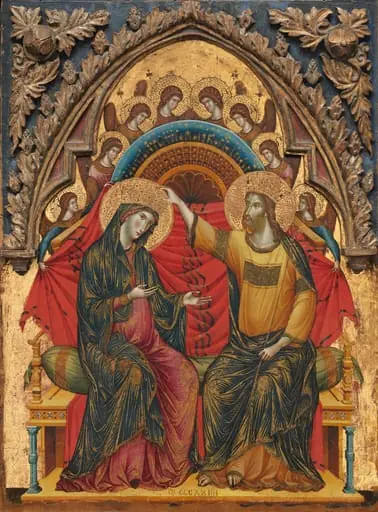
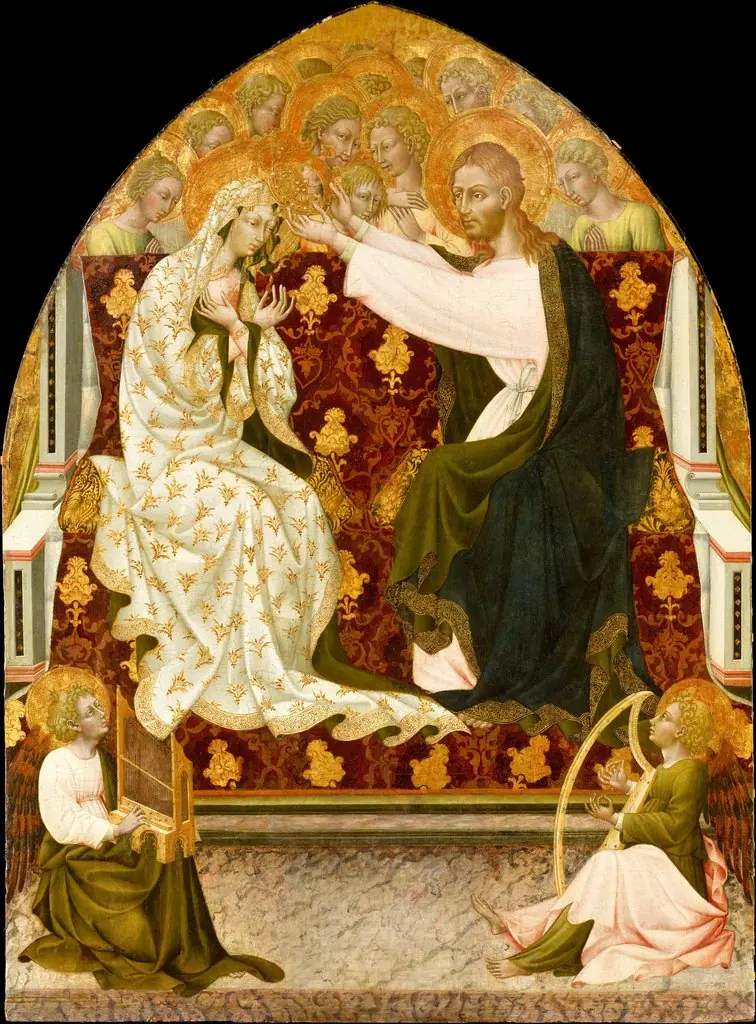
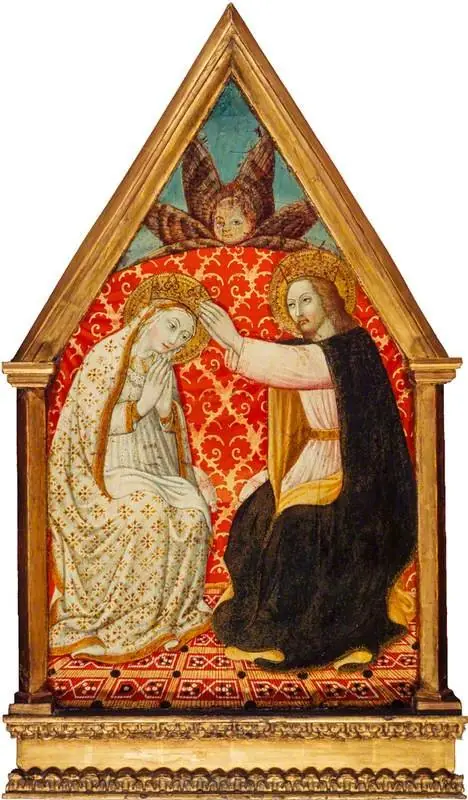
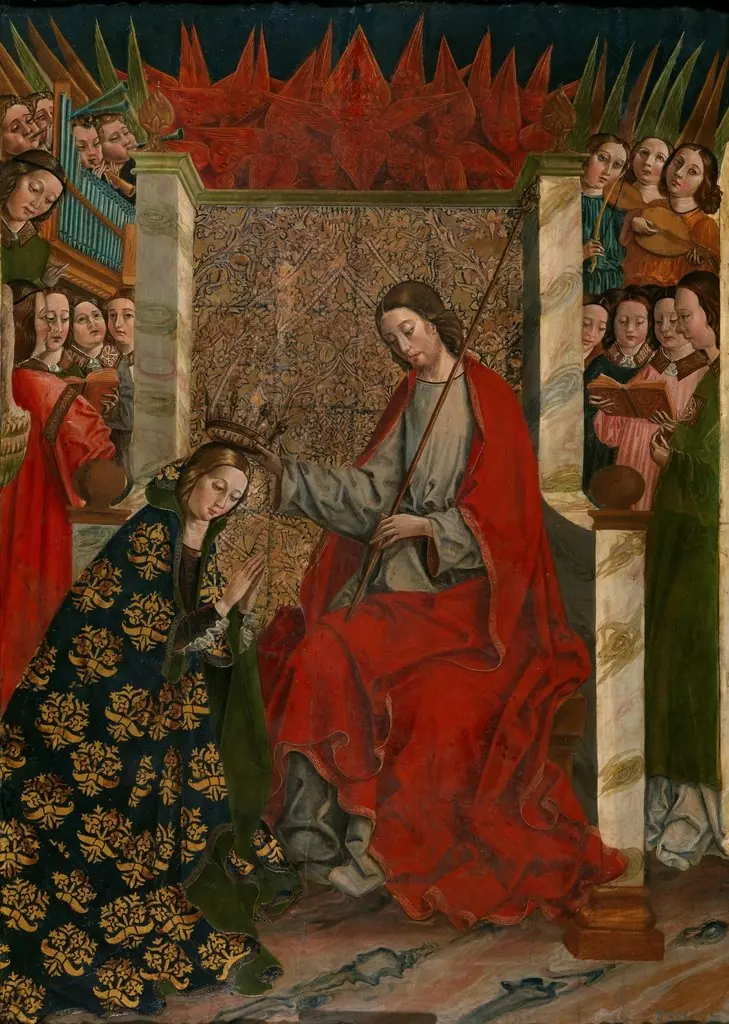
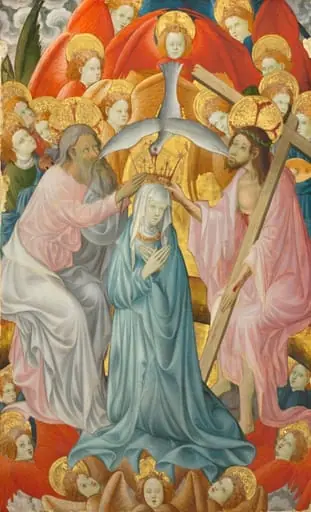
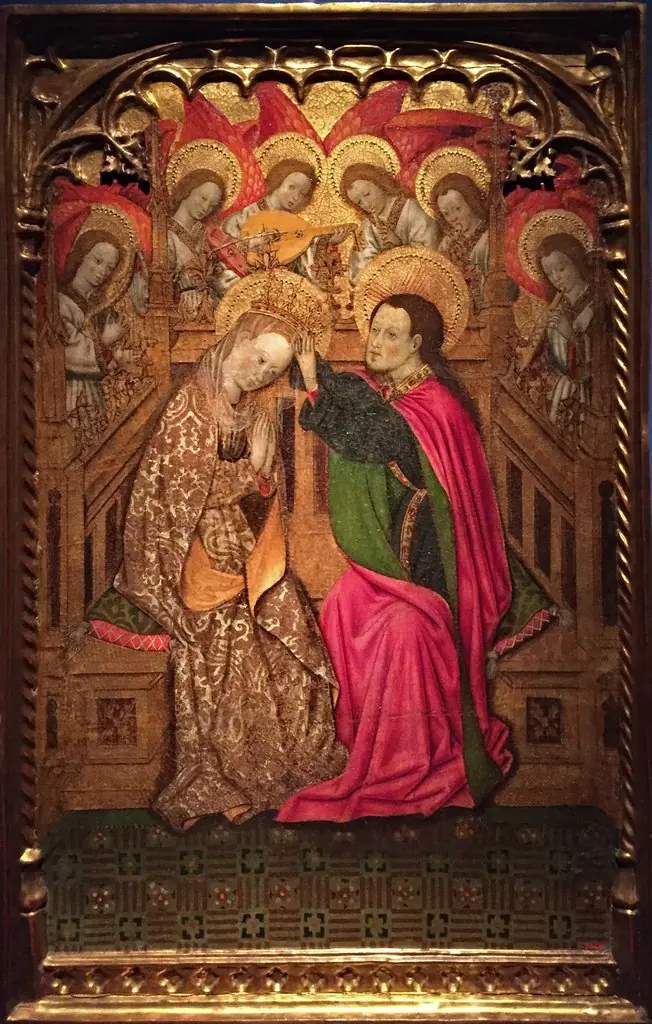
The painting depicts a sacred coronation scene, specifically the crowning of the Virgin Mary by Christ, conveyed through reverent and traditional iconography.
Technique & Style
Executed in tempera, the work adheres to the Byzantine iconographic tradition while reflecting the influence of Giotto, characteristic of early Italian Renaissance painting.
History & Provenance
Giovanni da Milano, active in Florence and Rome from 1346 to 1369, created this piece during his documented presence in the region, linking it to 14th-century Tuscan art.
Context
The painting's style, with its geometric-patterned background and use of gold halos, situates it within the broader context of mid-14th-century Tuscan art, influenced by both Lombard origins and Florentine practices.
Artist & collection
Artist
Giovanni da Milano (Giovanni di Jacopo di Guido da Caversaccio) was an Italian painter, known to be active in Florence and Rome between 1346 and 1369.

Museum
National Museum of Fine Arts, Argentina
Continue through works from the same source collection.