Artwork
Self-portrait
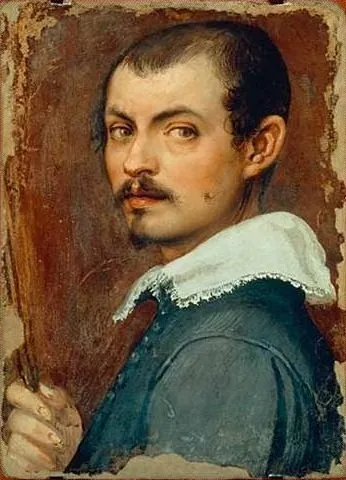
Self-portrait is an unspecified painting by the Early Baroque Italian artist Giovanni da San Giovanni. It dates from 1616 and is held in the collection of the Uffizi Gallery.
About this work
Overview
Giovanni da San Giovanni's *Self-portrait* (1616) is a Baroque-era painting created during the artist's active period in Florence, Italy. The work is now part of the Uffizi Gallery's collection.
Subject & Meaning
The subject of the painting is the artist himself, portrayed from the waist up. His direct gaze and serious expression convey quiet confidence and introspection, suggesting a thoughtful self-presentation.
Technique & Style
The artist employed a warm, earthy-toned background to contrast with his dark attire, accentuated by a white collar. The overall composition reflects early Baroque stylistic elements.
History & Provenance
Painted in 1616, the *Self-portrait* has been held in the Uffizi Gallery, tracing its provenance back to the artist's lifetime in Florence.
Context
Created amidst the flourishing early Baroque in Italy, the painting situates Giovanni da San Giovanni within the era's artistic movements, characteristic of Florence during that time.
Legacy
As a self-portrait from the early Baroque, the work contributes to the period's artistic record, offering insight into the artist's persona and style, though its broader impact is defined by its presence within the Uffizi's collections.
Artist & collection
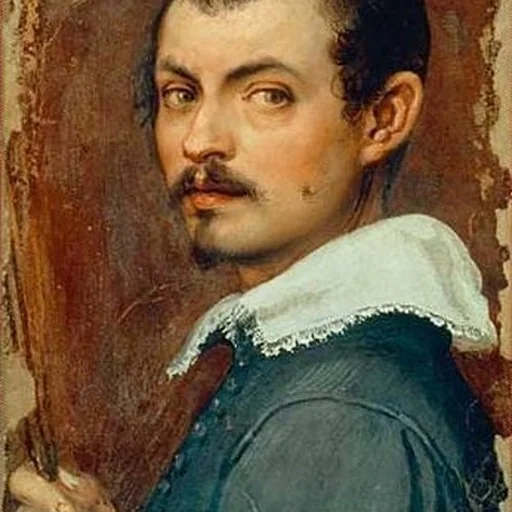
Artist
Giovanni da San Giovanni (20 March 1592 – 9 December 1636), also known as Giovanni Mannozzi, was an Italian painter of the early Baroque period, active in Florence.

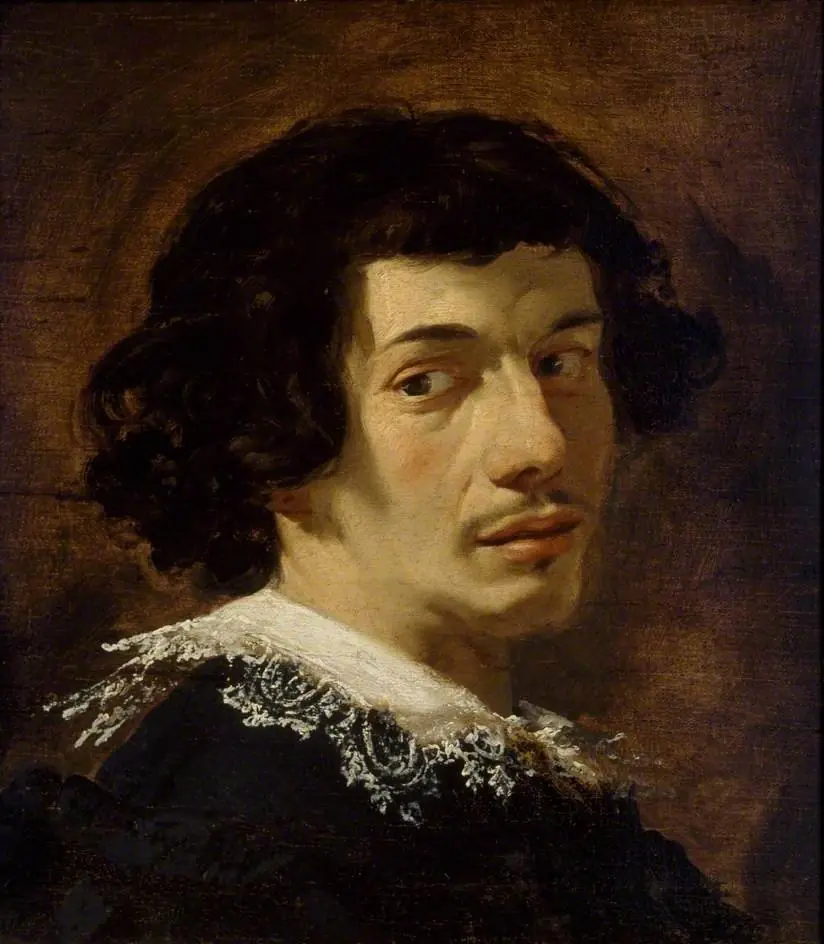 Portrait of a young Man (Self-portrait?)
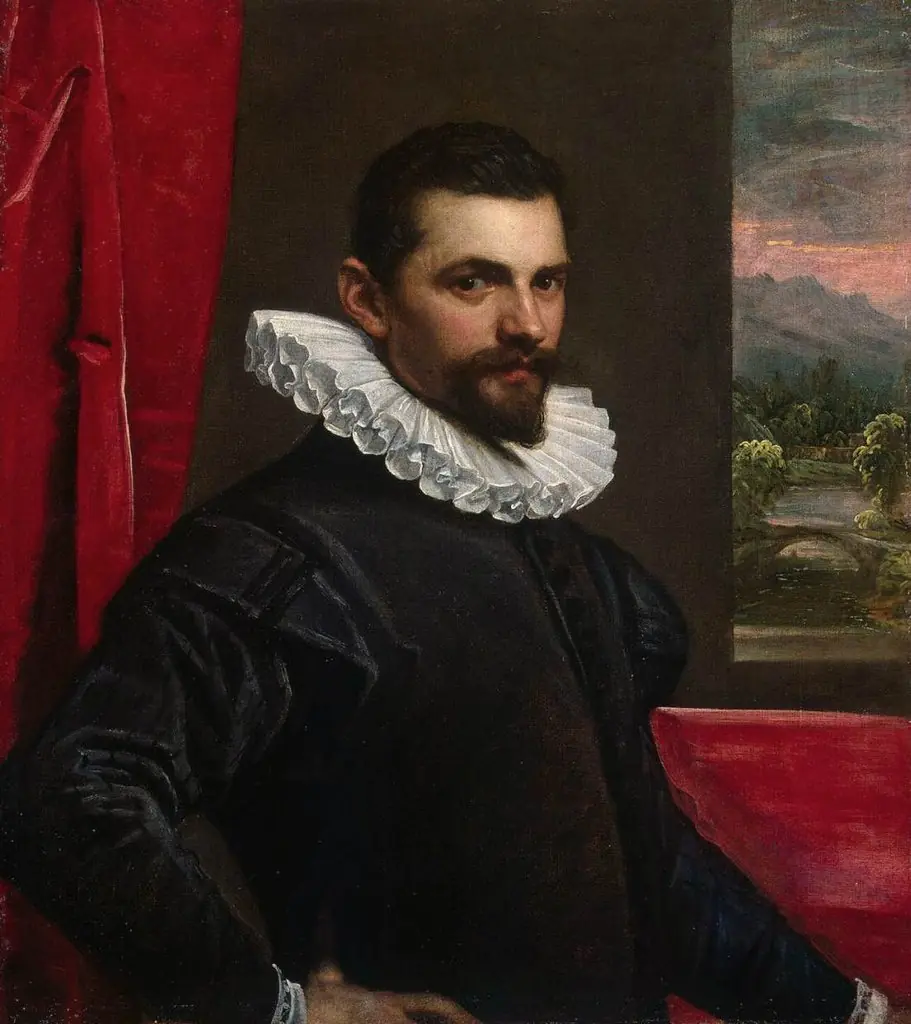 Portrait of a Man (Francesco Bassano?)
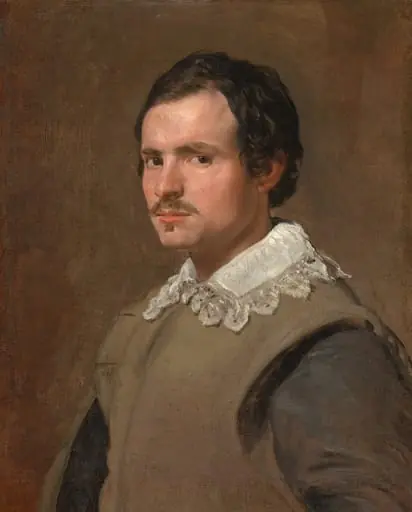 Portrait of a Young Man
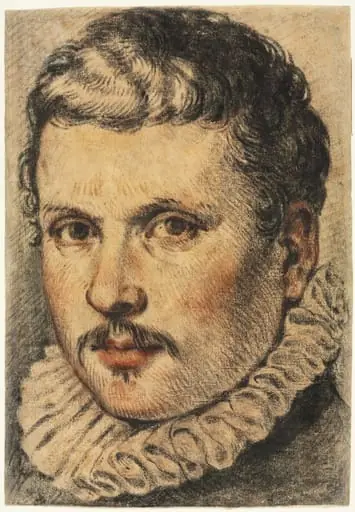 Portrait of a Man
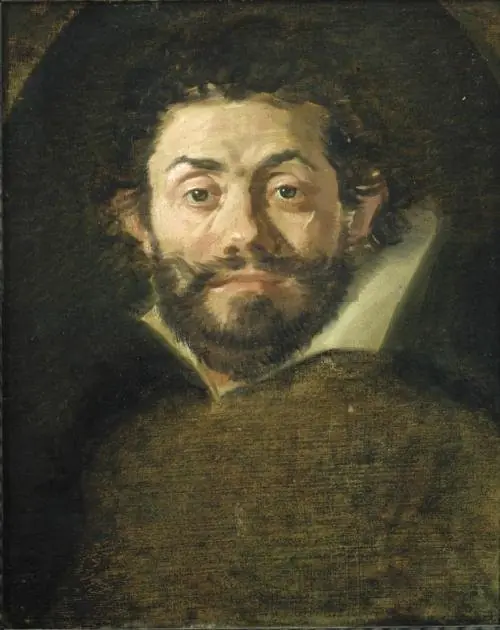 Portrait of John Barclay
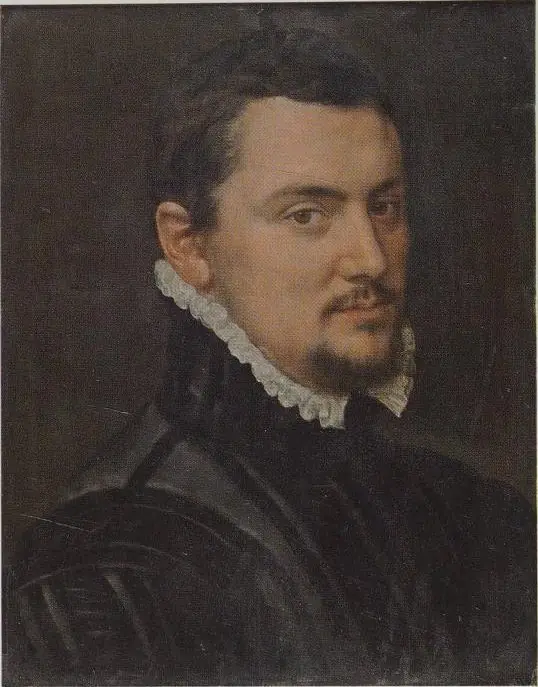 Portrait of an unknown man
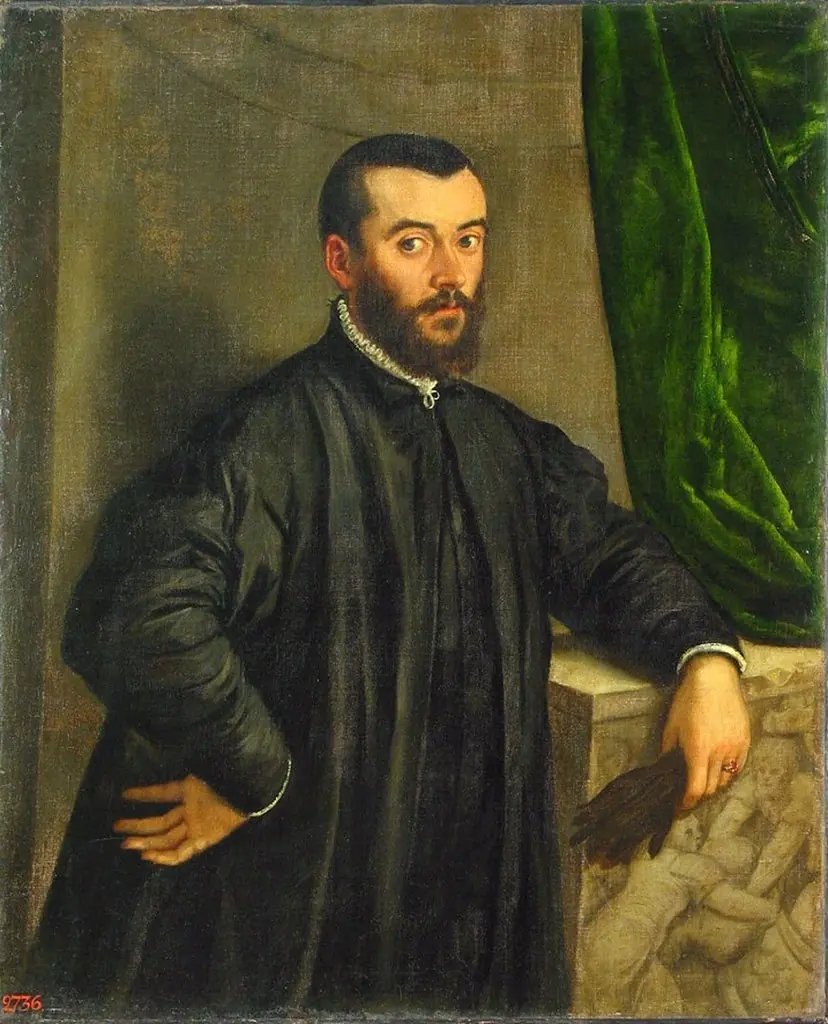 Portrait of a Man Dressed in Black
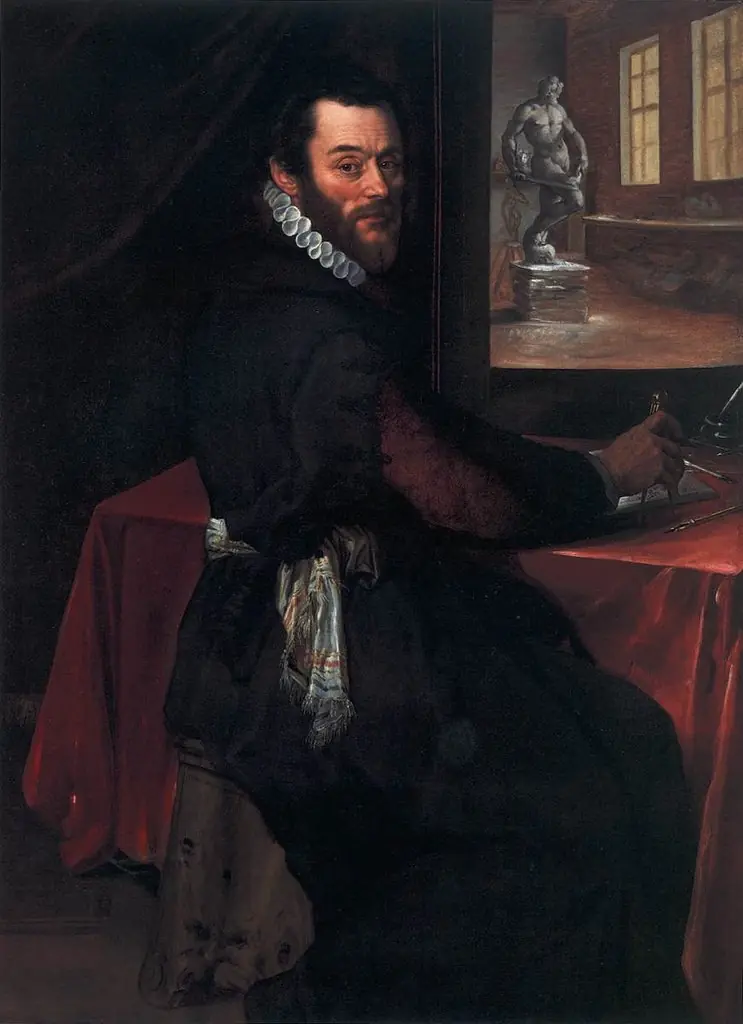 Portrait of Giambologna in his Studio
 Portrait of Giovanni Battista Brignole
 Portrait of a Man
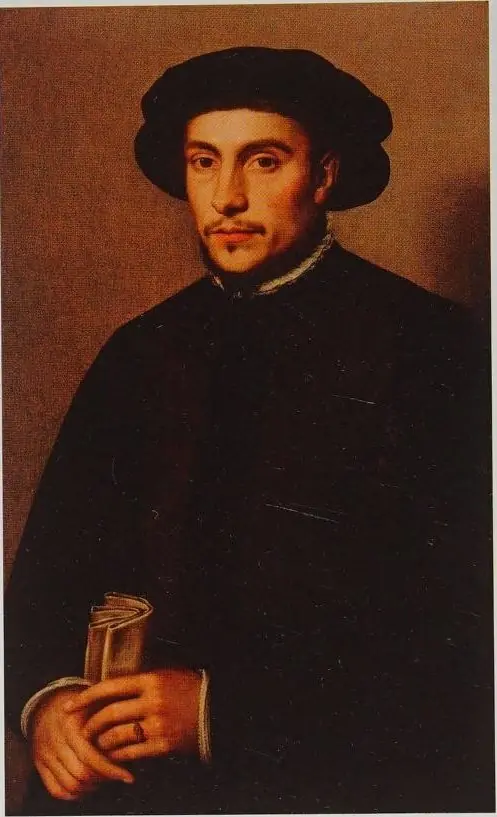 Portrait of a man
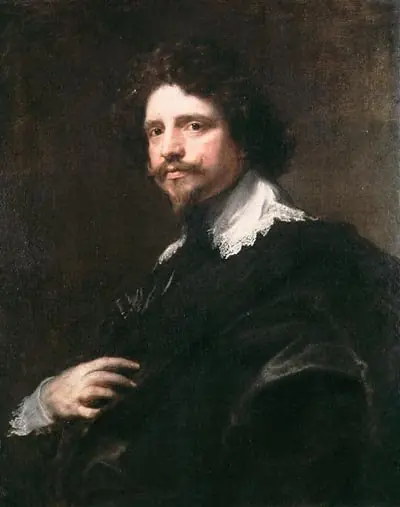 Portrait of Michel Le Blon