Artwork
The Beheading of Saint John the Baptist
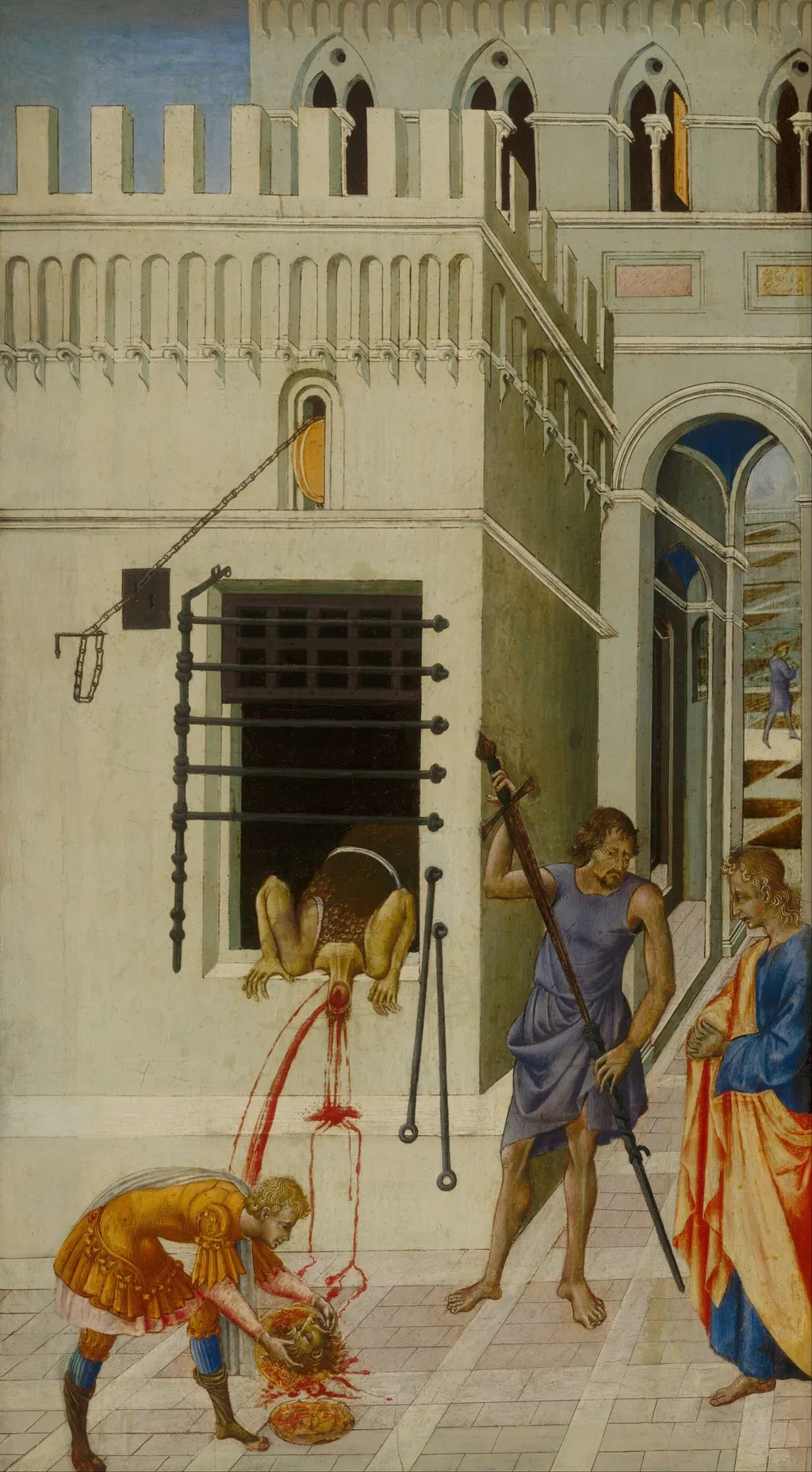
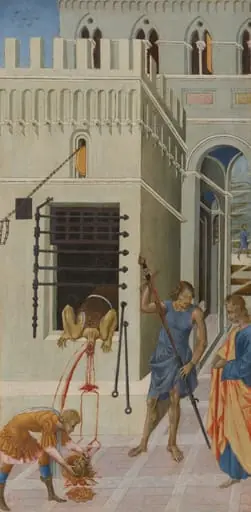
The Beheading of Saint John the Baptist is an unspecified painting by the Early Renaissance artist Giovanni di Paolo. It dates from 1457 and is held in the collection of the Art Institute of Chicago.
About this work
Overview
Figures are arranged in a tight, theatrical grouping, their gestures and garments directing the viewer’s attention to the central act.
Painted in the 15th century by Giovanni di Paolo, this tempera work captures the moment of Saint John the Baptist’s execution. The scene is rendered with intense emotional gravity, emphasizing ritualized violence within a confined architectural space. Figures are arranged in a tight, theatrical grouping, their gestures and garments directing the viewer’s attention to the central act. The use of vivid color and sharp contrasts heightens the sense of solemnity and dread.
Subject & Meaning
The painting illustrates the execution of John the Baptist, a biblical event tied to divine judgment and martyrdom. The central figure, likely Salome, collects the severed head, while the executioner, sword still raised, embodies state-sanctioned violence. The onlookers, including a figure in blue and orange, suggest complicity or passive witness. The scene functions as both narrative and moral meditation, underscoring the cost of truth-telling in the face of power.
Technique & Style
Giovanni di Paolo employs tempera on panel, using flat, luminous colors and stylized forms typical of Sienese Gothic tradition. Figures are elongated and angular, with garments rendered in bold, non-naturalistic hues. Chiaroscuro is subtly applied to model faces and limbs, though the lighting remains symbolic rather than realistic. The tiled floor and arched architecture provide a structured, almost stage-like setting, reinforcing the ceremonial nature of the act.
History & Provenance
Created in the mid-1400s, the painting likely originated as part of a devotional altarpiece in a Sienese church or private chapel. Its survival through centuries reflects its enduring religious significance in Tuscany. Though its early ownership is undocumented, it entered public collections in the 19th century, where it was recognized for its expressive intensity and stylistic distinctiveness within late medieval Italian painting.
Context
This work emerged during a period when Siena maintained a distinct artistic identity, favoring spiritual intensity over Florentine naturalism. The subject of John’s martyrdom resonated with contemporary concerns about faith, authority, and sacrifice. The painting’s stylized architecture and symbolic color use align with devotional practices of the time, where visual narratives served as tools for meditation and moral instruction.
Legacy
Though not widely known outside specialist circles, the painting remains a key example of late Gothic narrative painting in Italy. Its emotional directness and formal economy influenced regional artists who prioritized spiritual expression over anatomical precision. Today, it stands as a testament to the power of medieval iconography to convey complex theological themes through restrained, yet potent, visual language.
Artist & collection

Artist
Giovanni di Paolo di Grazia was an Italian painter, working primarily in Siena, becoming a prolific painter and illustrator of manuscripts, including Dante's texts.

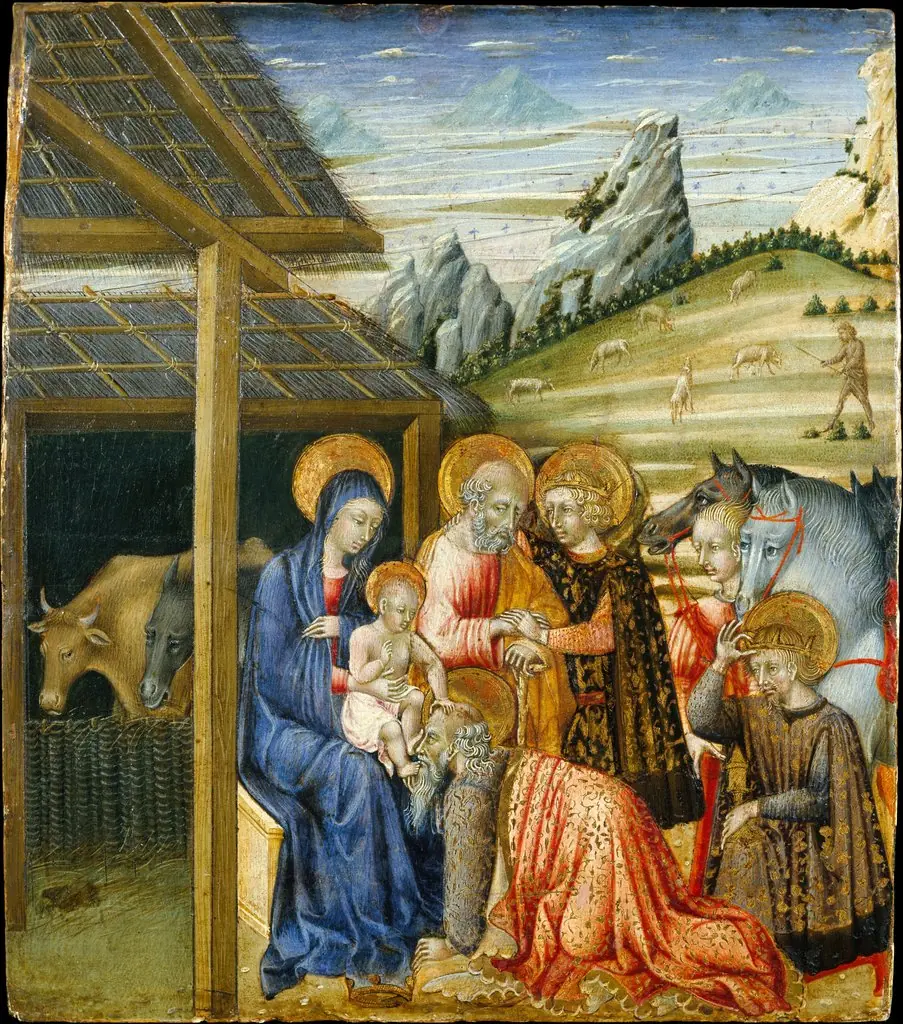 The Adoration of the Magi
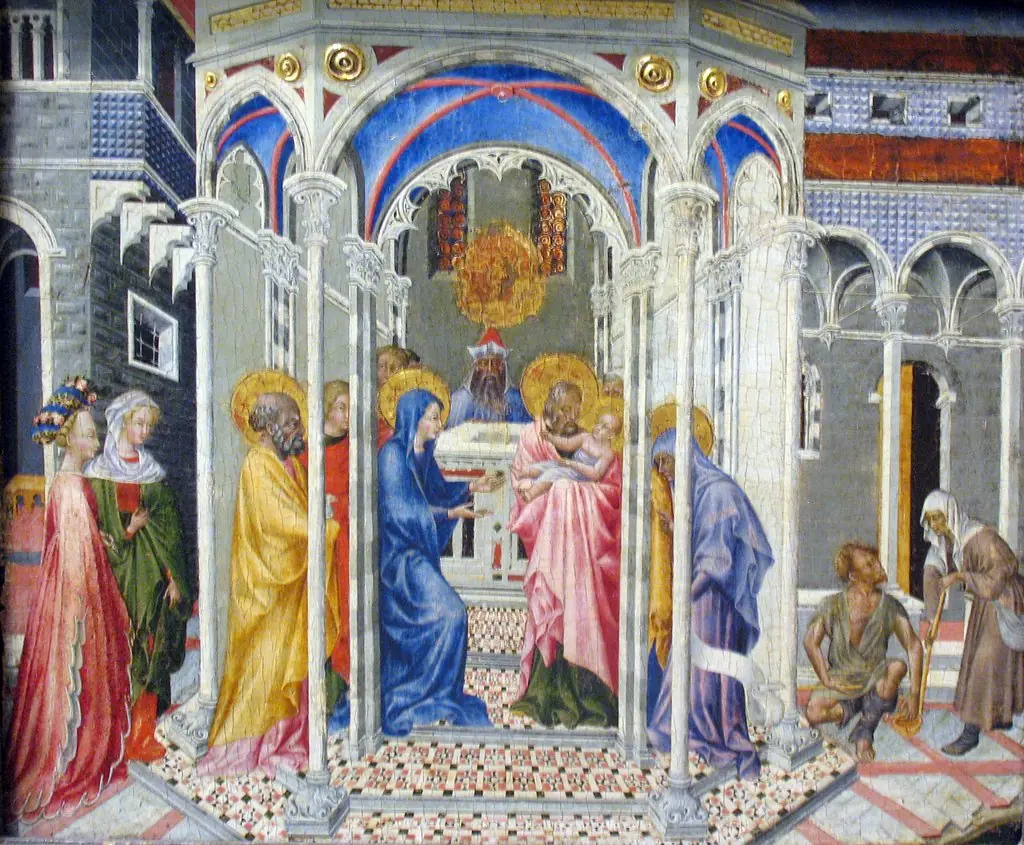 The Presentation of Christ in the Temple
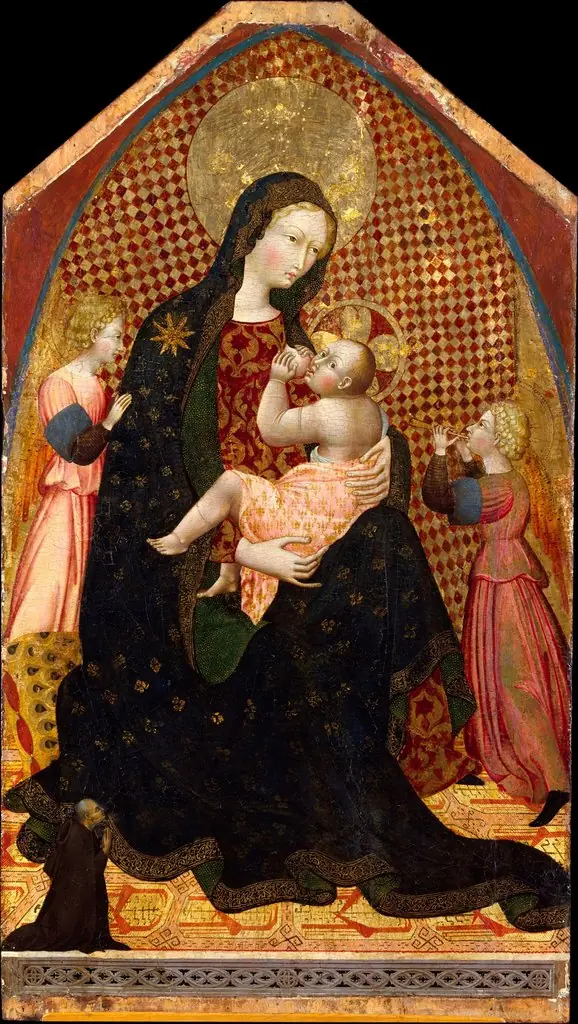 Madonna and Child with Two Angels and a Donor
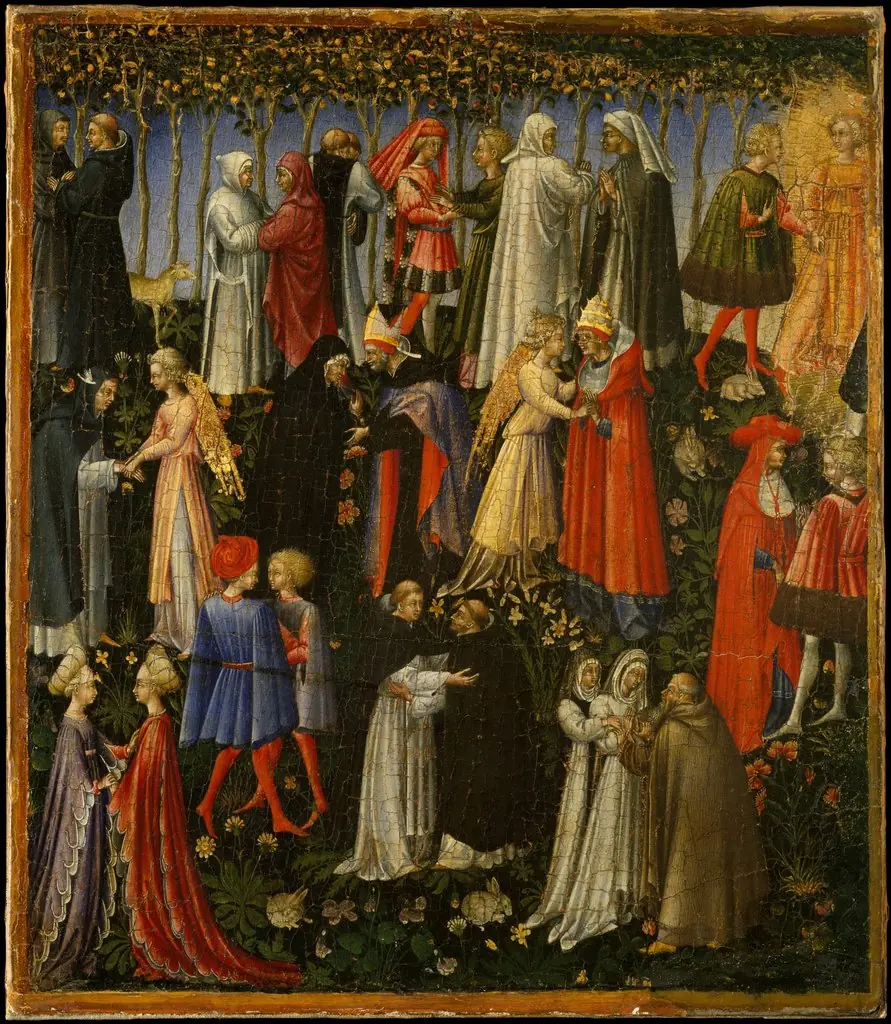 Paradise
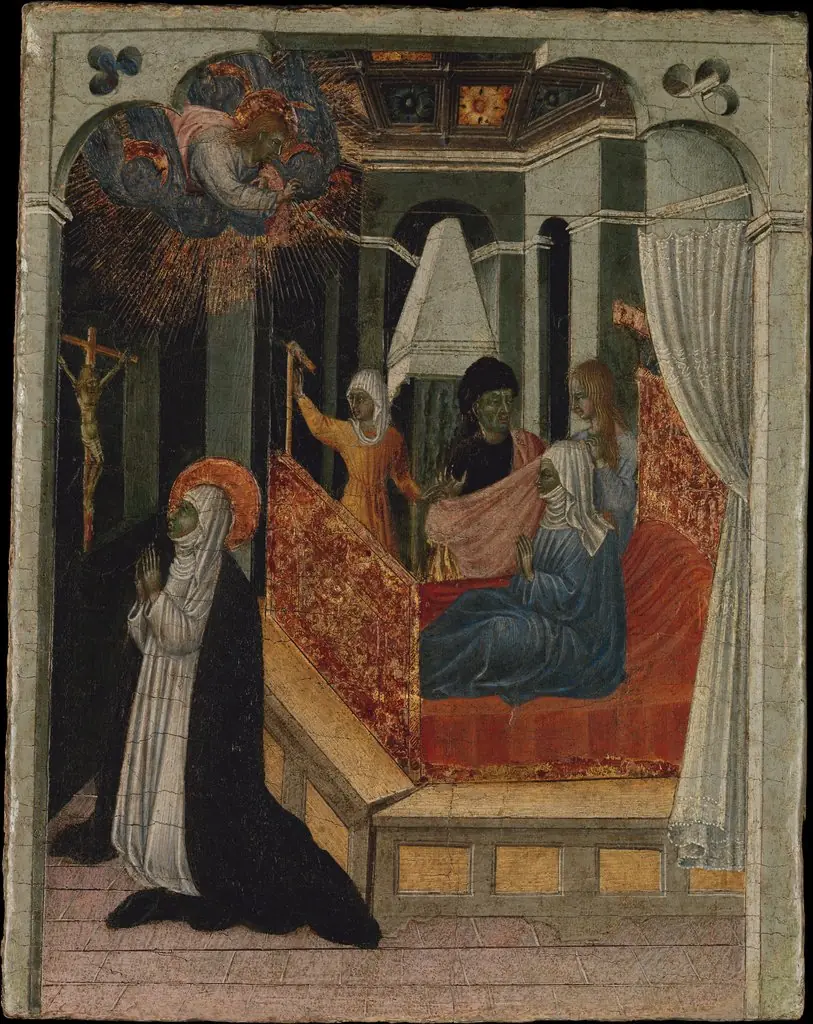 Saint Catherine of Siena Beseeching Christ to Resuscitate Her Mother
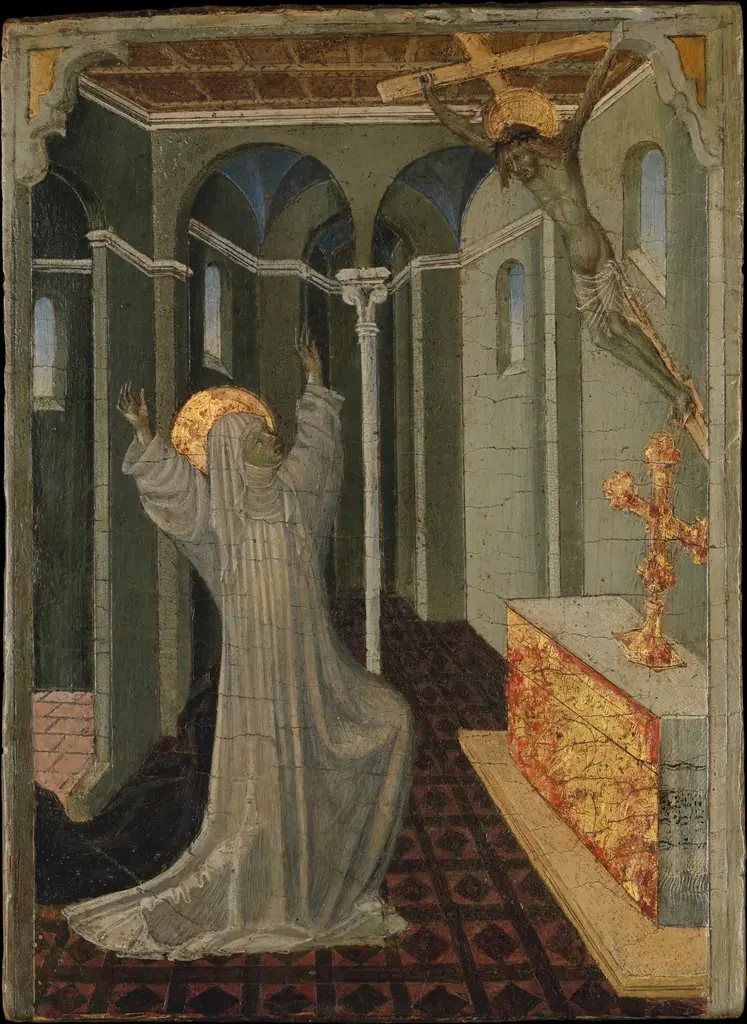 Saint Catherine of Siena Receiving the Stigmata
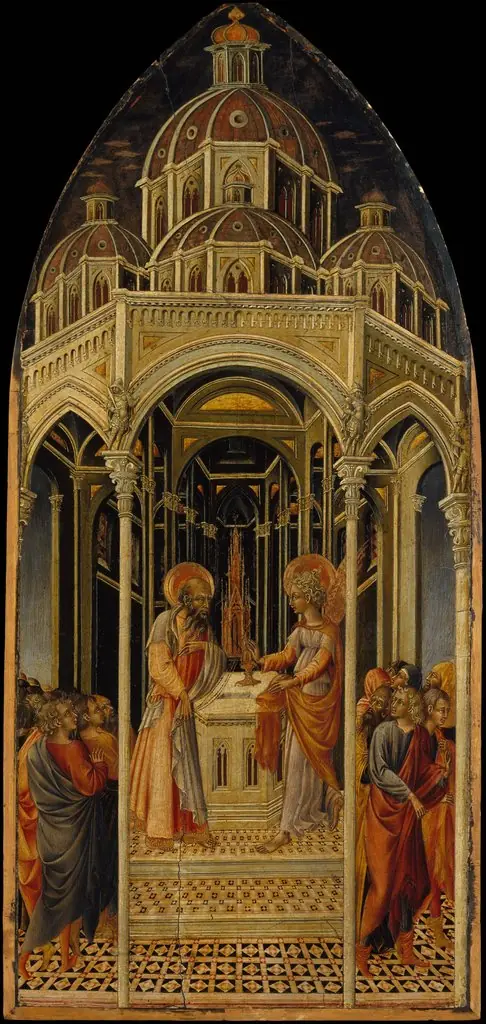 The Annunciation to Zacharias; (verso) The Angel of the Annunciation
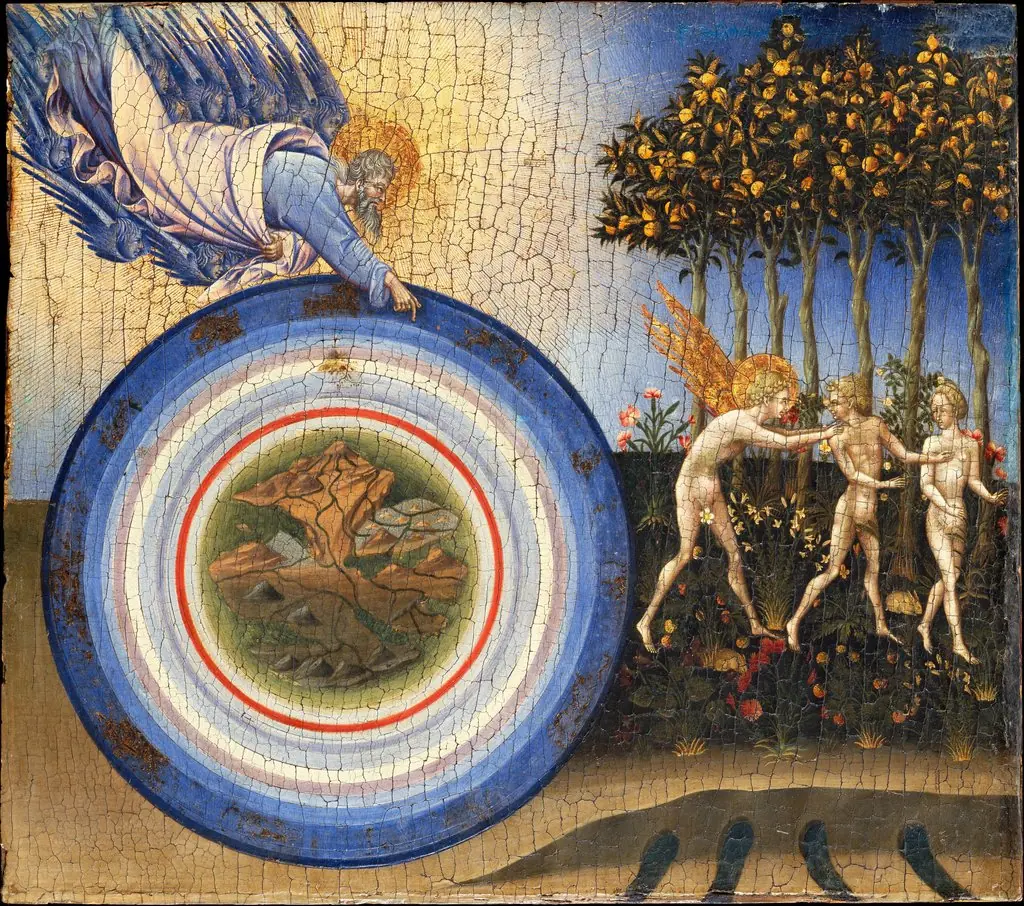 The Creation of the World and the Expulsion from Paradise
 The Beheading of Saint John the Baptist
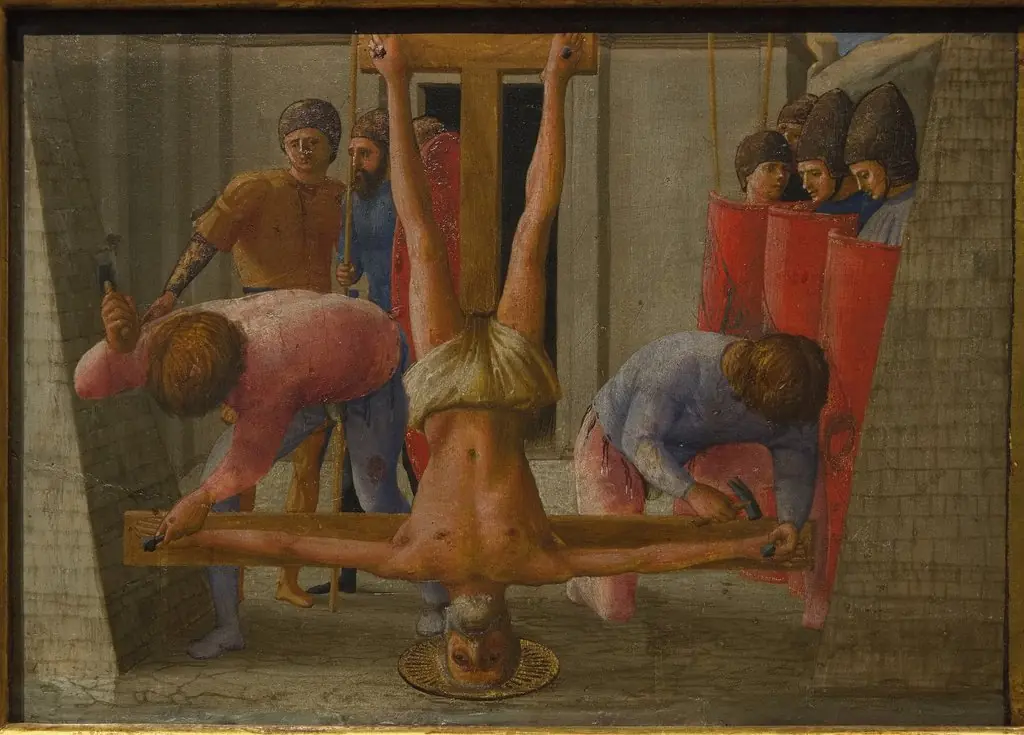 The Crucifixion of Saint Peter
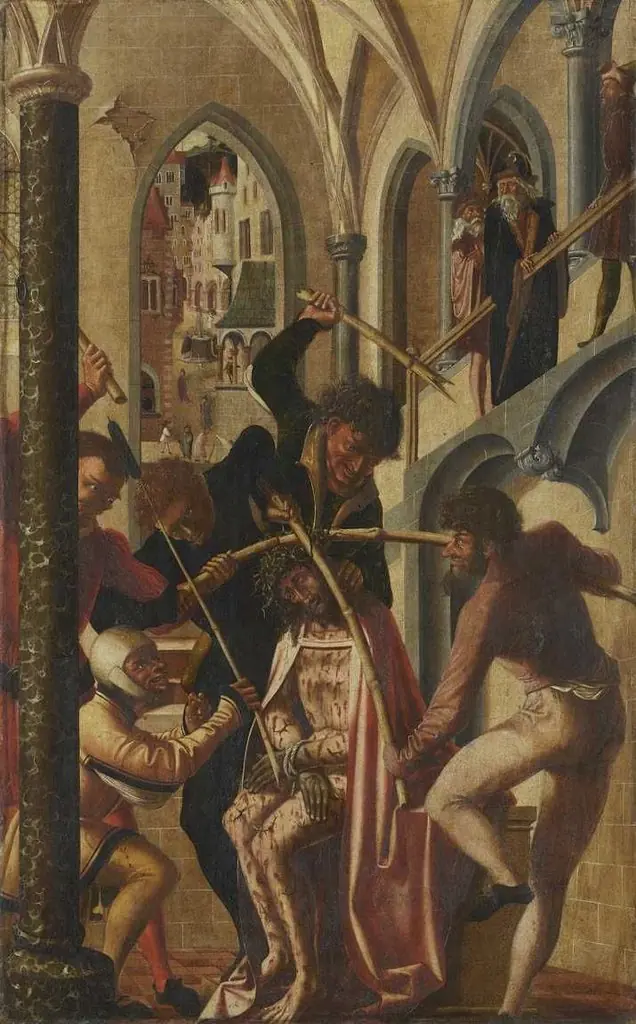 Jakobus-Stephanus-Altar: Dornenkrönung Christi
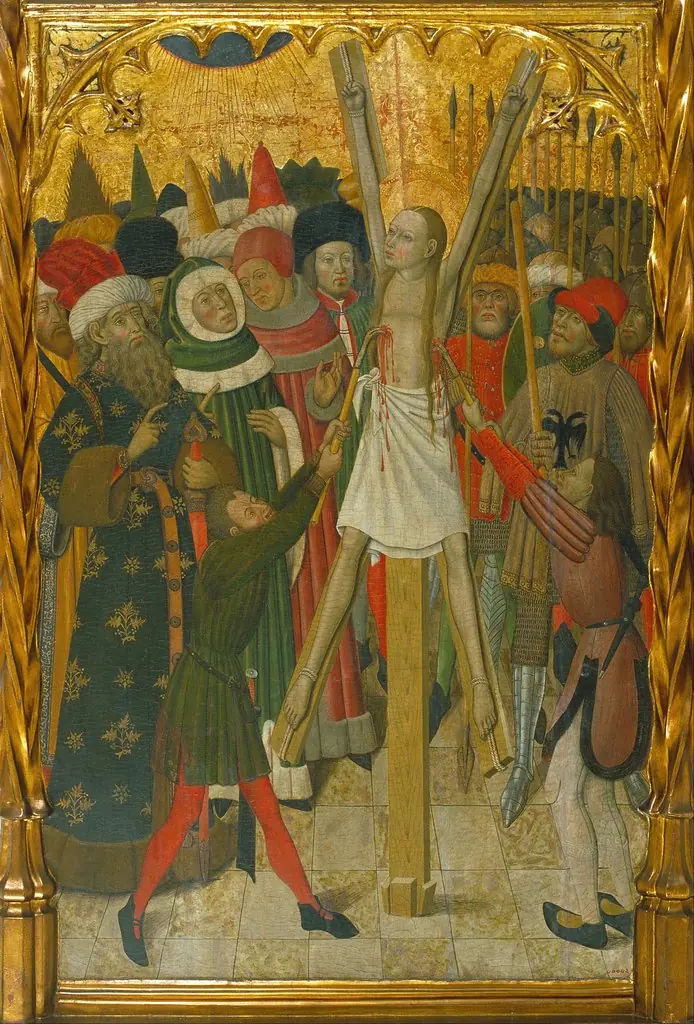 Martyrdom of Saint Eulalia
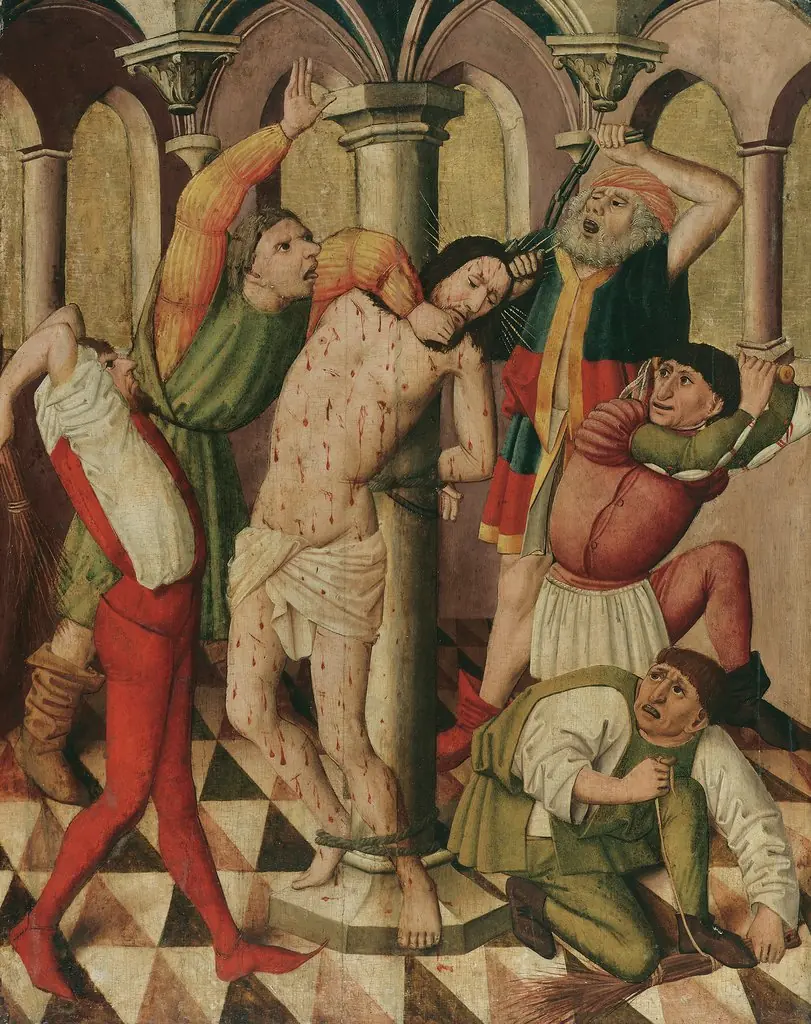 Geißelung Christi
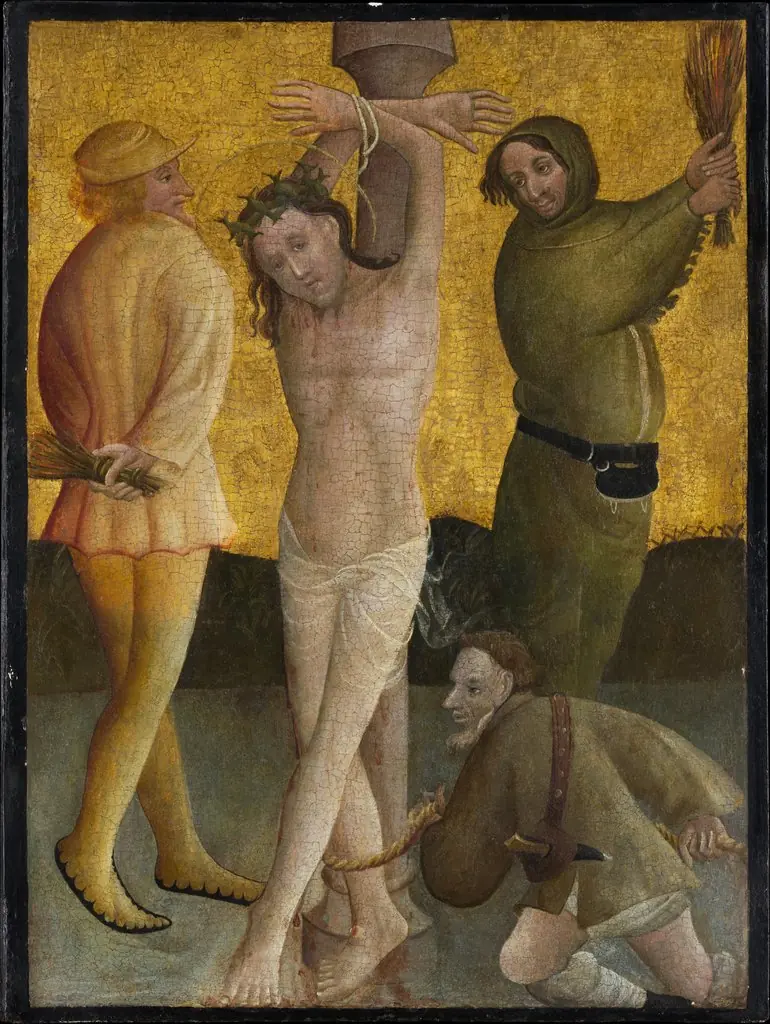 The Flagellation
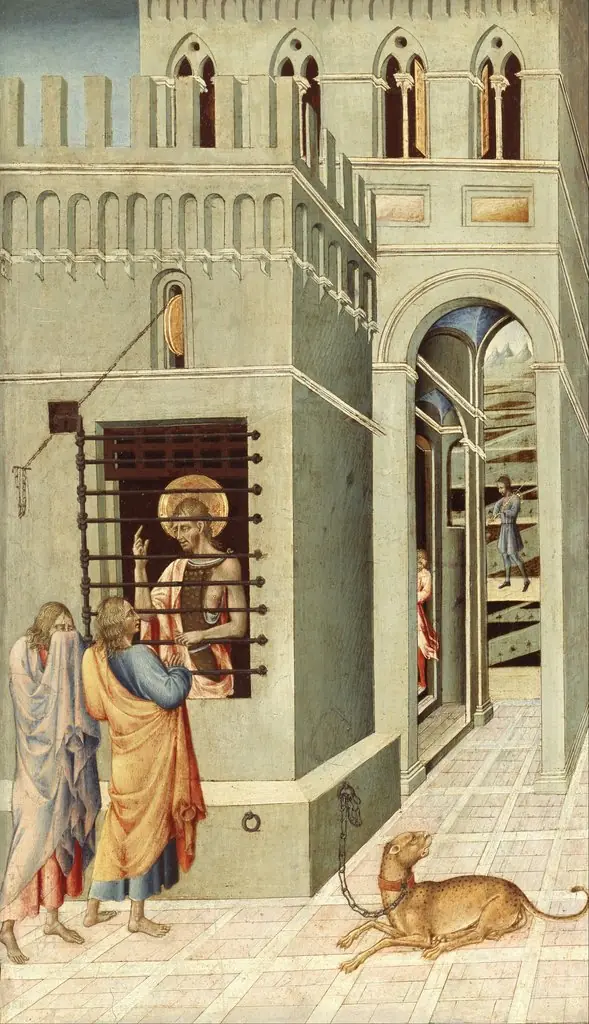 Saint John the Baptist in Prison Visited by Two Disciples
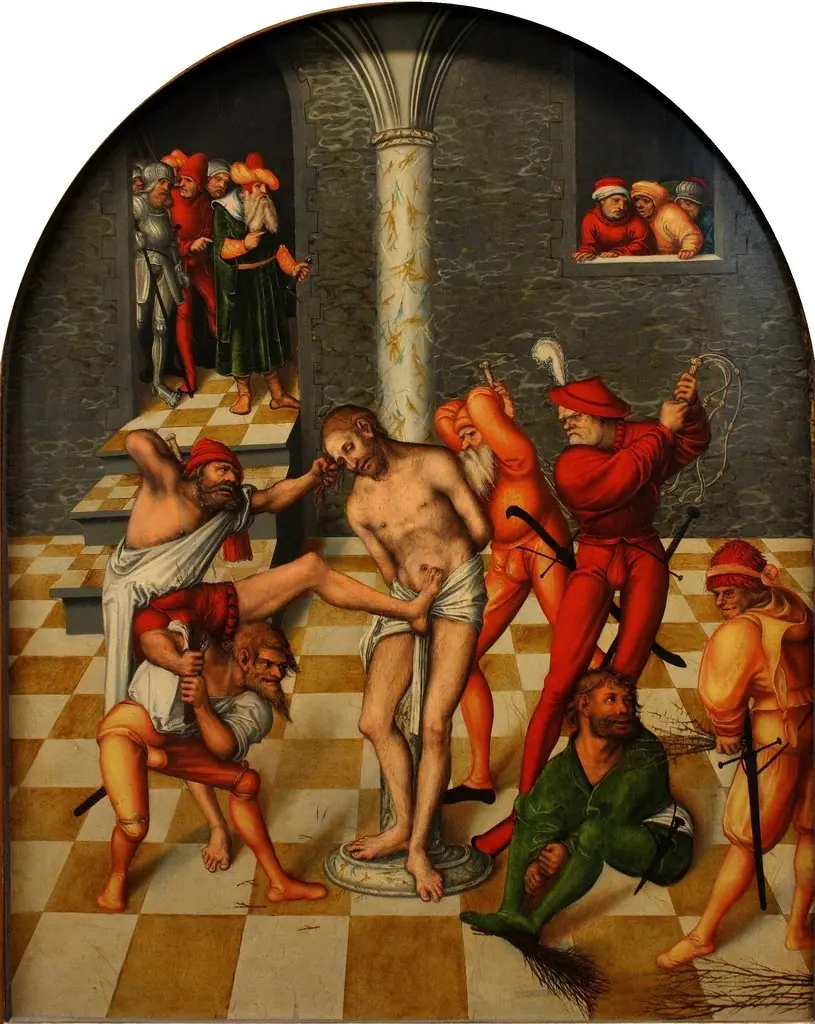 Flagellation of Christ
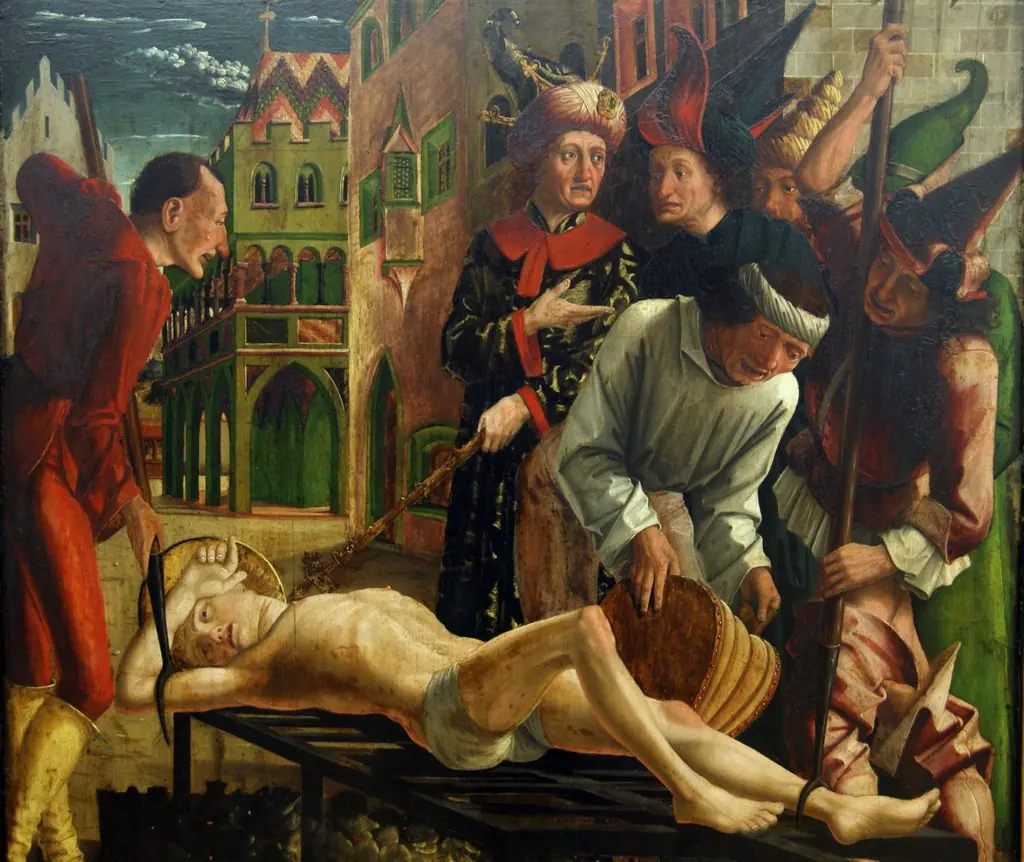 The Martyrdom of St. Lawrence
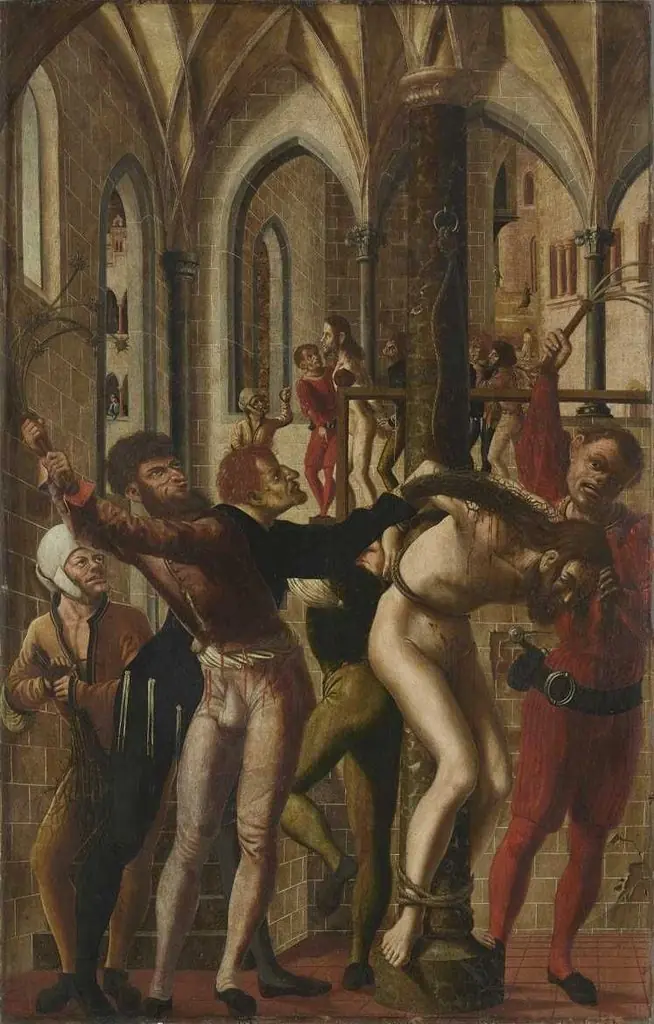 Jakobus-Stephanus-Altar: Geißelung Christi