Artwork
Cristo a la Columna
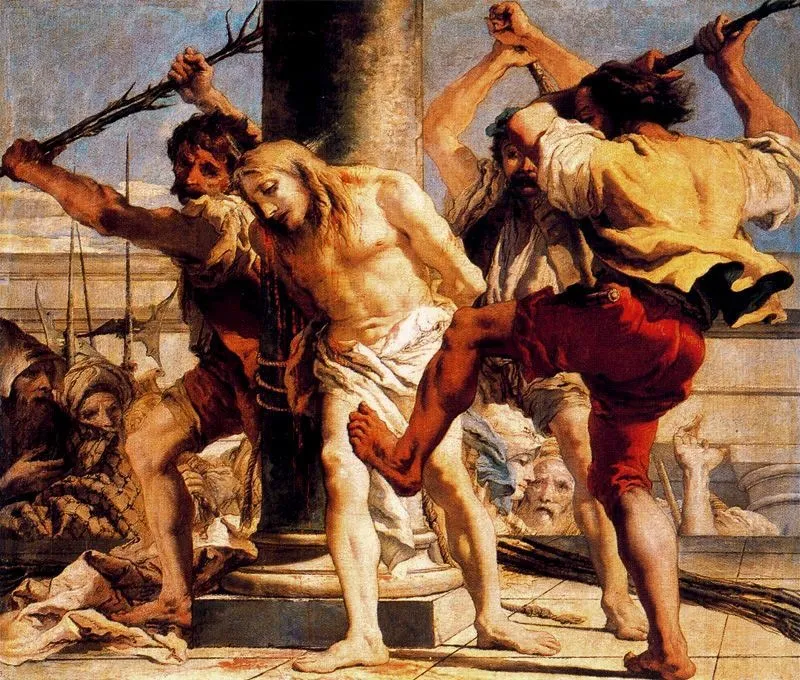
Cristo a la Columna is an oil painting by the Rococo painting artist Giovanni Domenico Tiepolo. It dates from 1750 and is held in the collection of the Museo del Prado.
About this work
Overview
As the son of Giovanni Battista Tiepolo, he worked within a family legacy of grand decorative schemes but often turned to more intimate religious subjects.
Painted circa 1750, *Cristo a la Columna* is an oil on canvas work by Giovanni Domenico Tiepolo, a lesser-known but skilled figure in the Venetian artistic tradition. As the son of Giovanni Battista Tiepolo, he worked within a family legacy of grand decorative schemes but often turned to more intimate religious subjects. This piece belongs to the collection of the Museo del Prado in Madrid, where it reflects the evolving devotional sensibilities of mid-18th-century Europe.
Subject & Meaning
The painting depicts Christ bound to a column, moments before his scourging, his posture conveying quiet endurance rather than overt agony. The sparse setting focuses attention on his physical vulnerability and solitary suffering. Unlike more dramatic Baroque treatments, Tiepolo’s approach emphasizes stillness and introspection, aligning with a quieter, contemplative strain of religious imagery favored in late Rococo devotional art.
Technique & Style
Tiepolo employs soft, luminous brushwork typical of Venetian painting, with delicate modeling of flesh and subtle gradations of light. The palette is restrained, dominated by muted earth tones and pale highlights that draw the eye to Christ’s face and hands. The composition avoids theatricality, using minimal background elements to isolate the figure and enhance its emotional gravity.
History & Provenance
The painting entered the Museo del Prado’s collection in the 19th century, likely through royal Spanish acquisitions or ecclesiastical transfers. Its provenance before that is undocumented, though its style suggests it was produced for private devotion rather than public altarpiece use. It remained relatively obscure until modern scholarly attention revived interest in Giovanni Domenico’s oeuvre.
Context
Created during the Rococo era, the work diverges from the ornamental exuberance common in Venice at the time. While his father pursued grand frescoes for aristocratic patrons, Giovanni Domenico often explored quieter, emotionally restrained themes. This painting reflects a broader shift in religious art toward personal piety and understated pathos, influenced by Counter-Reformation ideals still resonant in Catholic Europe.
Legacy
Though not widely exhibited or reproduced, *Cristo a la Columna* stands as a representative example of Giovanni Domenico Tiepolo’s mature religious style. It contributes to a nuanced understanding of 18th-century Venetian painting beyond its more celebrated decorative achievements, offering insight into how devotional imagery adapted to changing spiritual and aesthetic sensibilities.
Artist & collection
Artist
Giovanni Domenico Tiepolo (August 30, 1727 – March 3, 1804) was an Italian painter and printmaker in etching. He was the son of artist Giovanni Battista Tiepolo and elder brother of Lorenzo Baldissera Tiepolo.

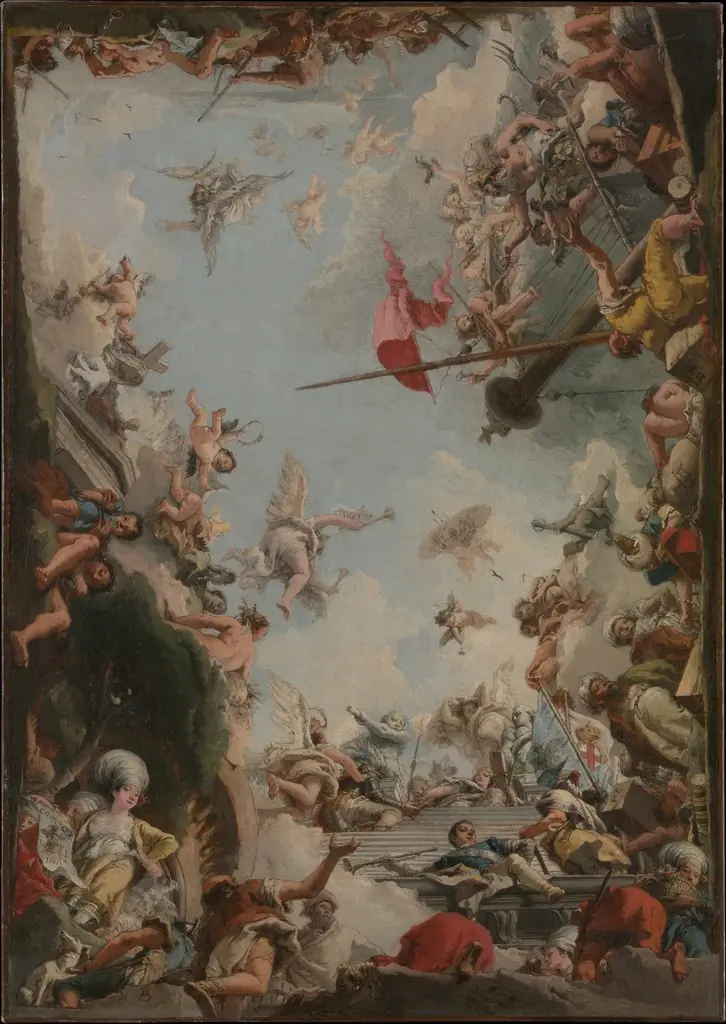
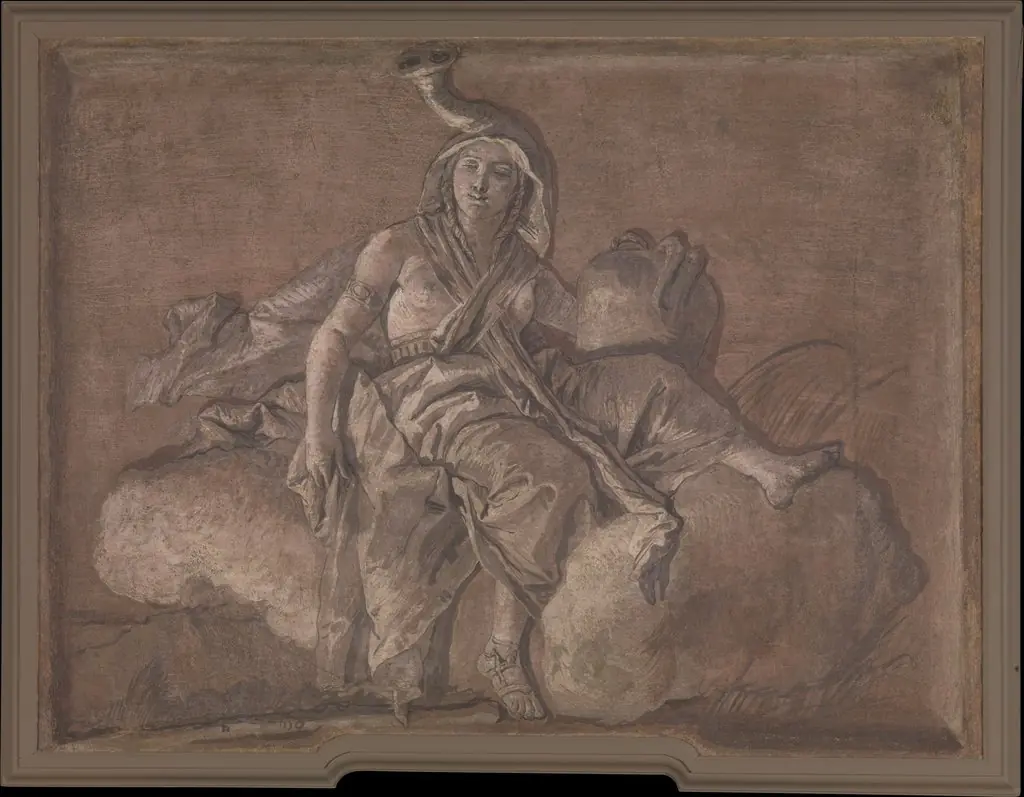
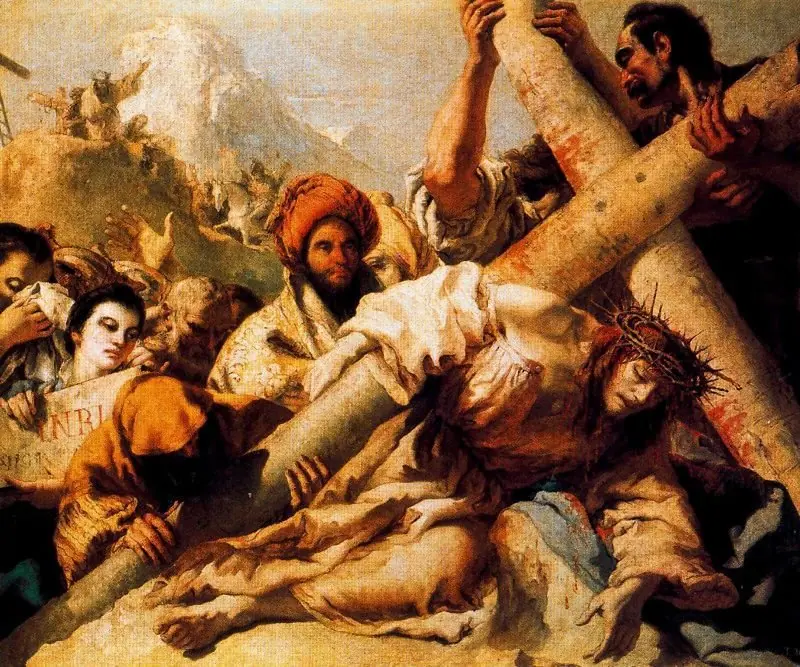 Christ falls on the Way to Calvary
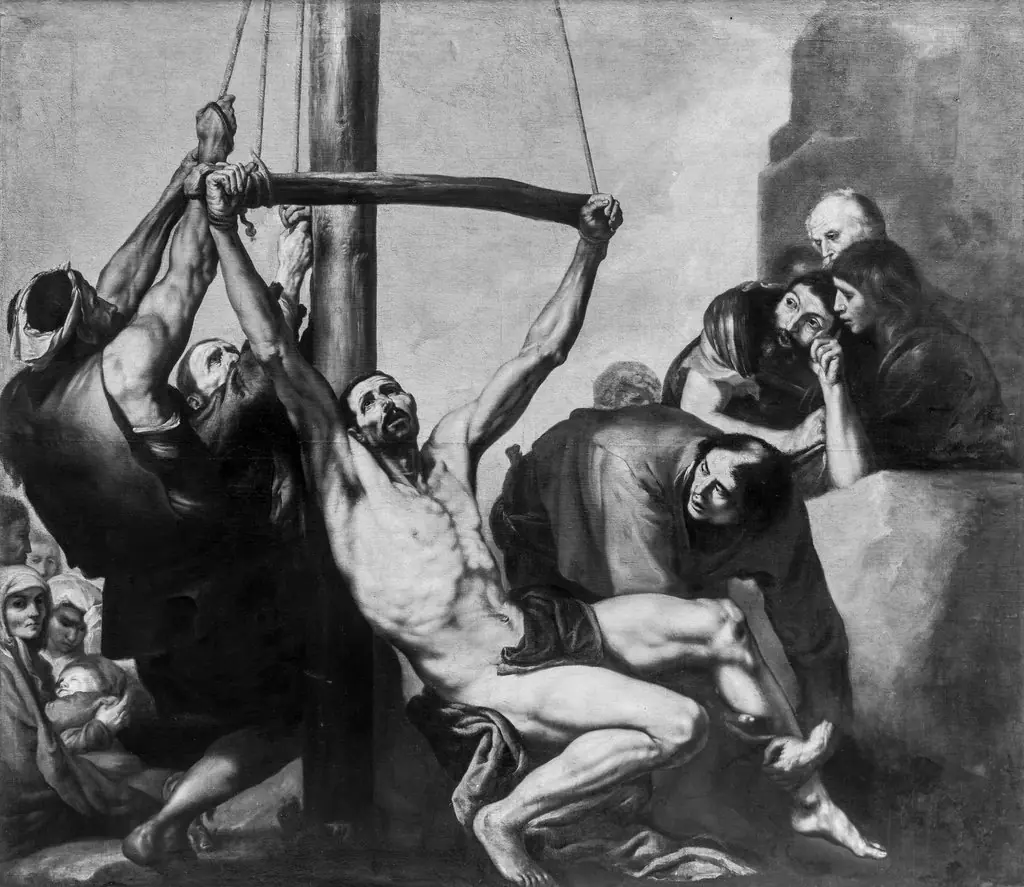 The Martyrdom of Saint Bartholomew
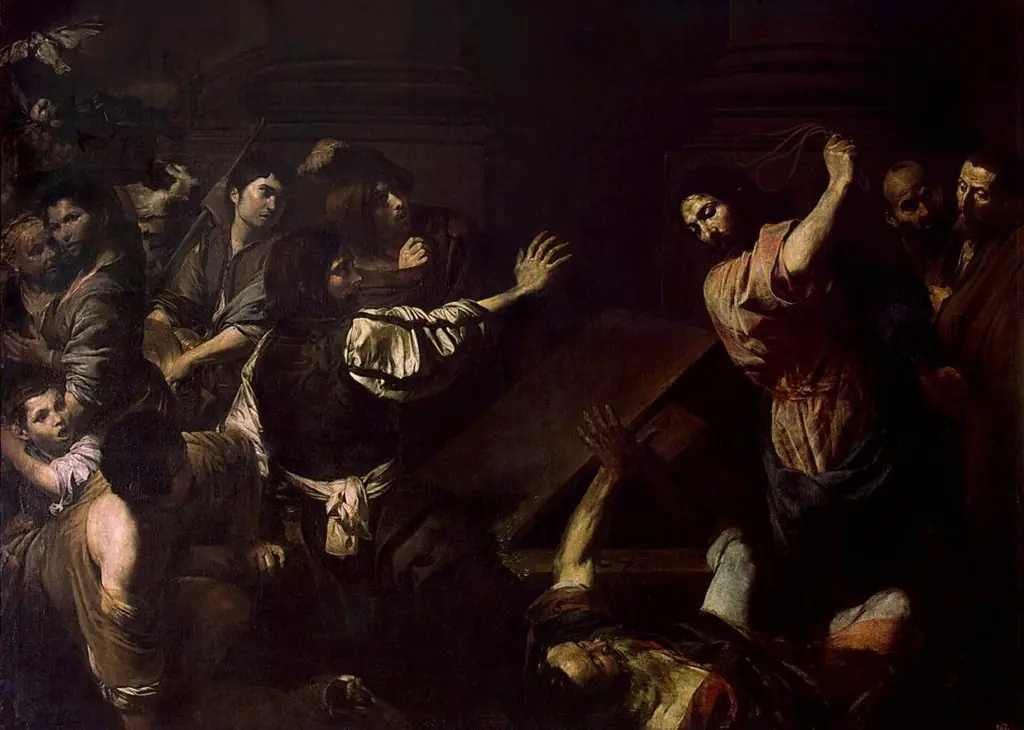 Expulsion of the Money-Changers from the Temple
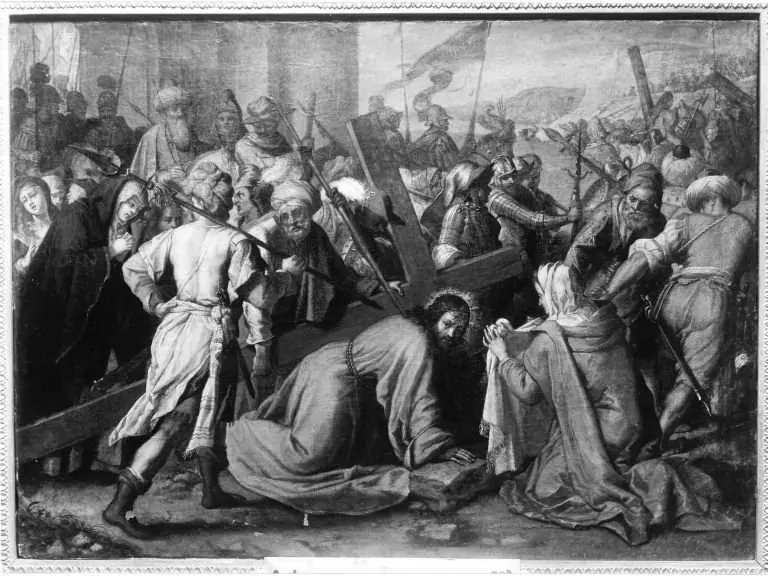 Christ, carrying the Cross, meets Veronica
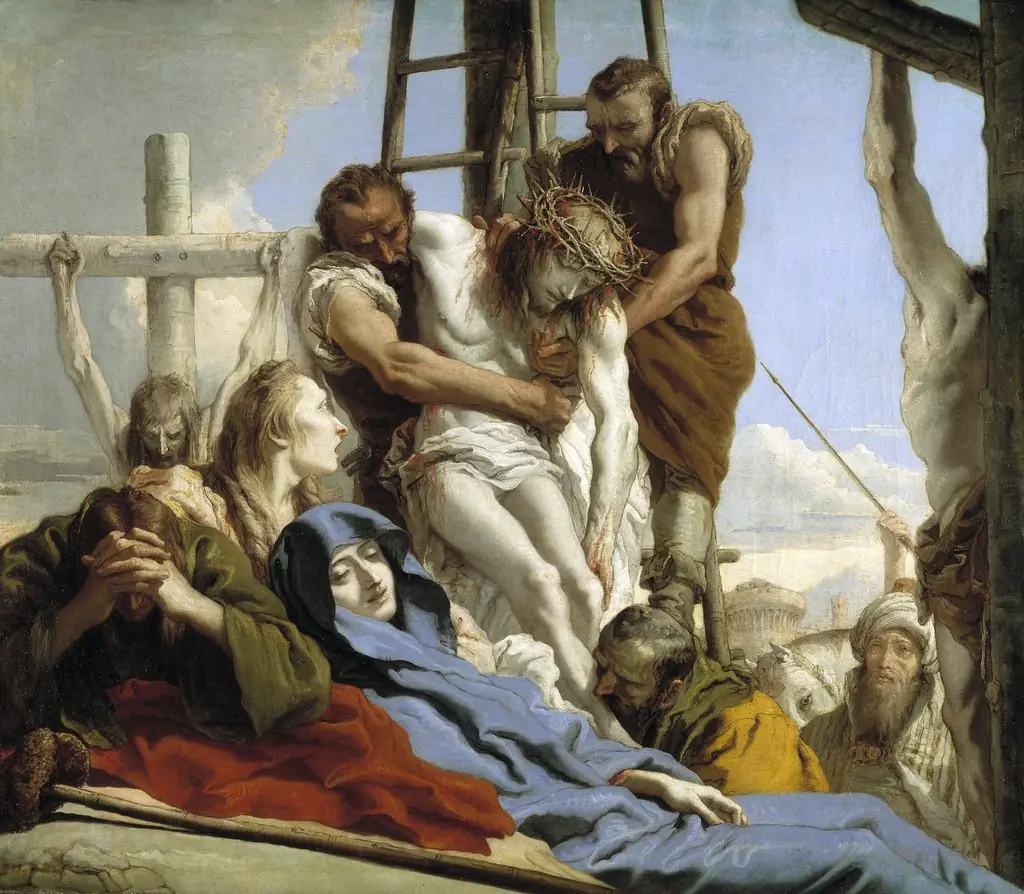 The Descent from the Cross
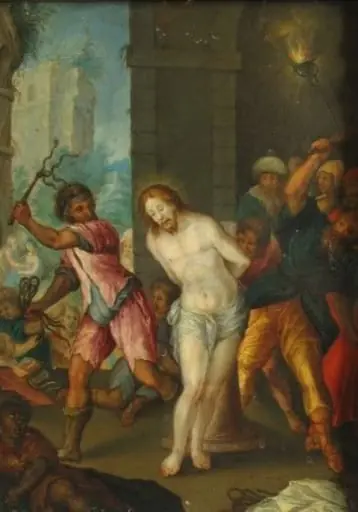 Flagelarea Mântuitorului
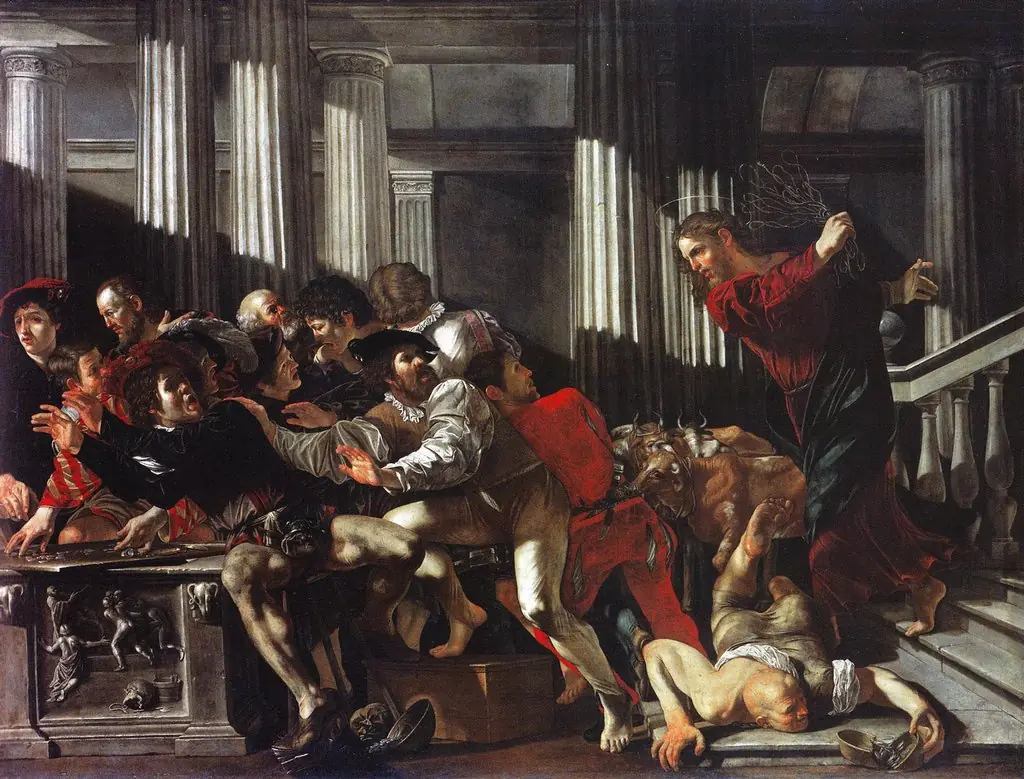 Christ driving the money-changers from the Temple
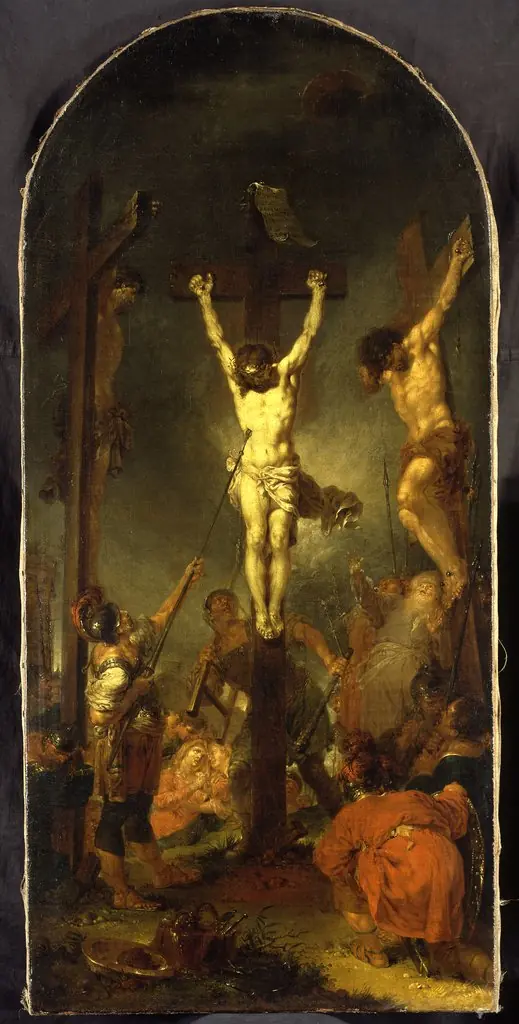 The Crucifixion of Christ
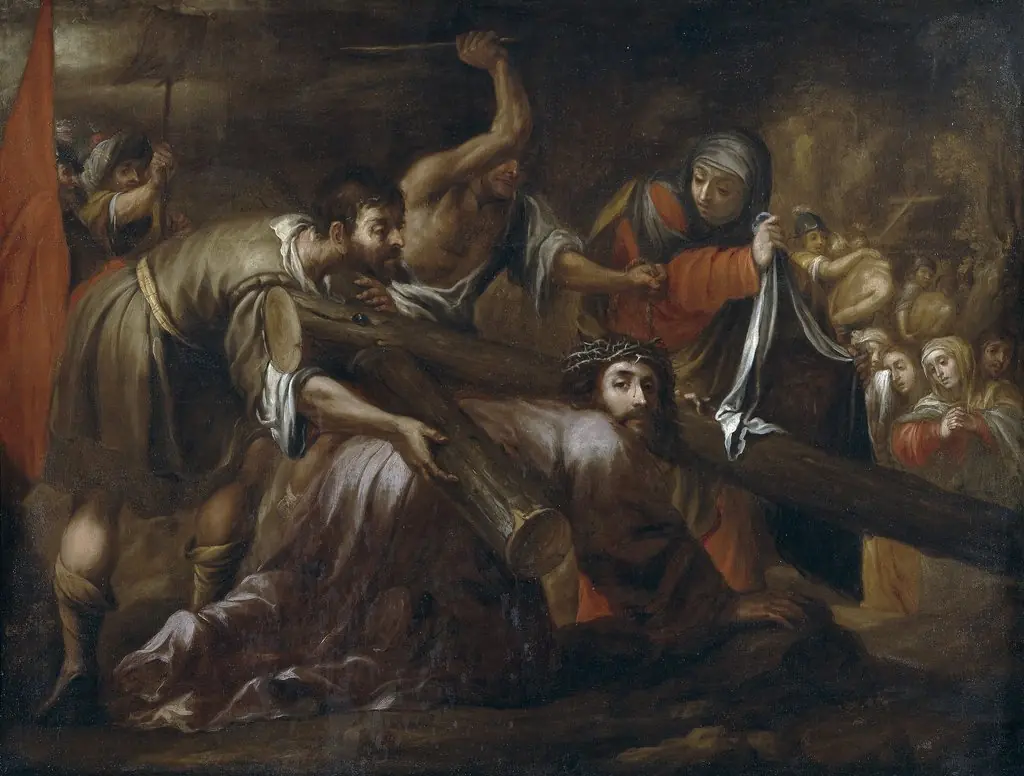 Christ on the way to Calvary and Saint Veronica
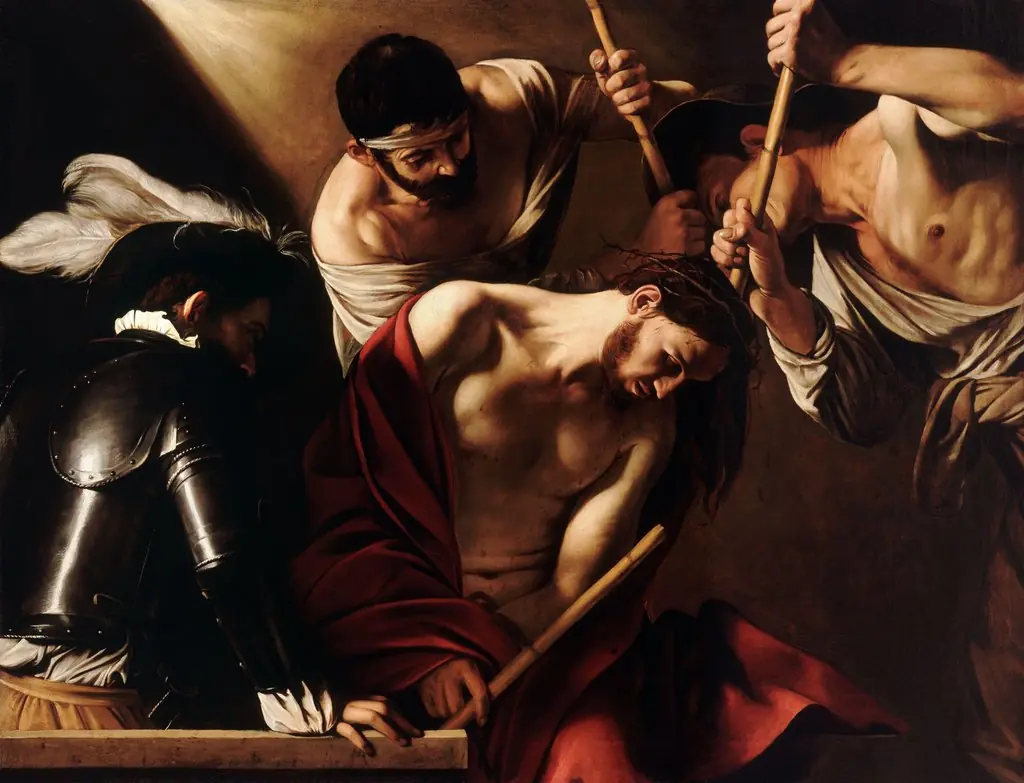 The Crowning with Thorns
 Flagellation of Christ
 El Expolio de Cristo